Self-guided audio tour in Sarajevo
Start Free on iPhone
Start free on iPhone to unlock this self-guided walking tour in Sarajevo. Hear all the stories that make it amazing, walk at your own pace, and begin whenever you want.
Your Private Tour Guide
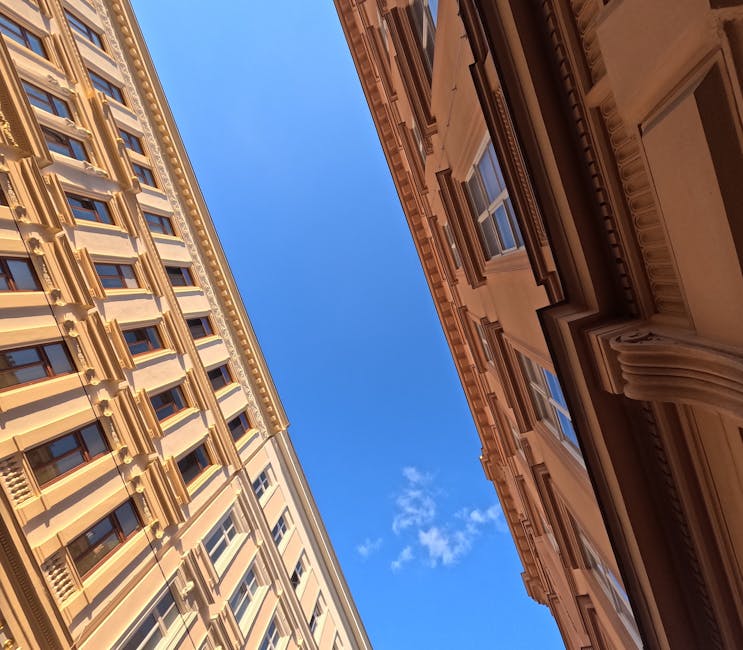
Step into a world where Central European elegance meets the rugged charm of the Balkans. This self-guided walk through Sarajevo explores the transformative era of the Austro-Hungarian Empire, a period that reshaped the city from an Ottoman provincial center into a modern European metropolis. Often referred to as 'Vienna on the Miljacka,' the architecture of the Marijin Dvor and Centar districts showcases the grand Neo-Renaissance, Neo-Gothic, and Moorish Revival styles that define the city's skyline today. As you explore independently, you will witness the literal 'Sarajevo Meeting of Cultures,' where the pavement transitions from the stony lanes of the East to the wide boulevards of the West. The walking route begins at the prestigious National Museum of Bosnia and Herzegovina, a monument to 19th-century scientific ambition, before leading you past the romantic Marijin Dvor building, named for a developer's beloved wife. Along the banks of the Miljacka River, you will encounter the striking Academy of Fine Arts, a former church that looks like it belongs in a fairy tale, and the monumental Sacred Heart Cathedral, which serves as the heart of Sarajevo’s Catholic heritage. This neighborhood stroll is more than just a history lesson; it is an architectural journey through the ambitions of an empire that sought to modernize the city while navigating its complex cultural identity. Whether you are a photography enthusiast looking for the perfect shot of the Festina Lente bridge or a history buff tracing the footsteps of Archduke Franz Ferdinand, this route offers a comprehensive look at the imperial soul of the city. While many visitors focus solely on the Ottoman old town, this experience reveals the sophistication of Sarajevo's 'Second City.' This walking tour Sarajevo provides is a perfect introduction for those who want to understand how the city became a crossroads of civilizations. By following this self-guided adventure, you can discover the hidden details of Secessionist facades and the stories of the architects who dreamed of a new Vienna in the heart of the Balkans.
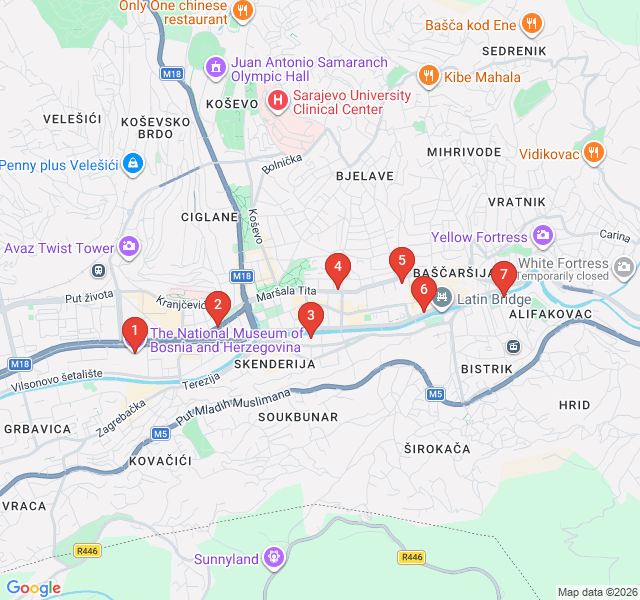
Numbers indicate the order of stops on the tour.
Your journey begins at the National Museum, a grand Neo-Renaissance complex designed by Karel Pařík in 1888. This institution was the crown jewel of Austro-Hungarian cultural efforts in the region. The four symmetrical pavilions house everything from archaeological finds to the world-famous Sarajevo Haggadah. Take a moment to admire the central botanical garden, an oasis of calm that mirrors the structured elegance of Viennese parks. This building signaled Sarajevo's entry into the modern European scientific community, moving away from the more informal educational structures of the Ottoman era.
As you walk toward the city center, you encounter the building that gave this neighborhood its name: Marijin Dvor (Maria's Palace). Built by Austrian businessman August Wyermann, it was a grand gesture of love for his wife, Maria. The building is a prime example of the Secessionist style, characterized by its decorative facades and monumental presence. It survived heavy shelling during the 1990s and stands today as a symbol of the neighborhood's resilience and its transition from agricultural land to the most modern residential district of the late 19th century.
One of the most photographed spots in the city, this building was originally an Evangelical Church built in 1899. The architect, Karel Pařík, used a unique blend of Romanesque, Byzantine, and Moorish styles, making it stand out against the riverbank. After World War I, the dwindling German population led to the building's conversion, and it eventually became the Academy of Fine Arts. Look for the 'Festina Lente' bridge in front of it—a modern addition with a literal loop that encourages pedestrians to 'make haste slowly' and enjoy the view.
Moving into the commercial heart of the city, the Central Bank building represents the later, more modernist shift in imperial architecture. Designed by Milan Zloković, this building reflects a transition toward monumentalism and functionalism. While it lacks the ornate floral patterns of the earlier Secessionist buildings, its heavy, rhythmic facade projects a sense of stability and permanence—essential qualities for the financial heart of the province. It remains one of the most important administrative landmarks in Sarajevo.
Standing tall in the center of the pedestrian zone, the Sacred Heart Cathedral is the seat of the Archdiocese of Vrhbosna. Designed by Josip Vancaš and completed in 1889, its Neo-Gothic design was inspired by the Notre-Dame in Dijon, France. The cathedral was a key part of the Austro-Hungarian plan to solidify the Catholic presence in Bosnia. Notice the statue of Pope John Paul II in front, commemorating his visit to the city after the war. The interior features stunning stained glass and a serene atmosphere that contrasts with the bustling Ferhadija street outside.
Tucked away near the river, the Despić House offers a glimpse into the life of a wealthy Orthodox merchant family during the transition from Ottoman to Austro-Hungarian rule. While the exterior is more modest than the grand palaces of Marijin Dvor, the house is historically significant as the site of Sarajevo's first theater performances. The family's lifestyle bridged the gap between Eastern traditions and Western aspirations, making this house a vital link in understanding the social fabric of the imperial era.
The route ends with a story of local defiance. When the Austro-Hungarian authorities wanted to build the grand City Hall (Vijećnica), they needed to demolish an old house. The owner, Benderija, refused to move unless they gave him a bag of gold and moved his house brick by brick to the other side of the river. They complied, and the 'House of Spite' was born. Today, it serves as a restaurant, standing directly across from the monumental City Hall as a permanent reminder of Bosnian stubbornness in the face of imperial grandiosity.
Start Free on iPhone
Explore “Vienna on the Miljacka: Imperial Architecture” with your very own Private Tour Guide with Zigway. Start free on iPhone, skip the large group and the fixed routes, and hear the city come alive as you go.
Your Private Tour Guide
Don't miss the good stuff
Explore Freely
 Easy
EasySarajevo, Bosnia and Herzegovina
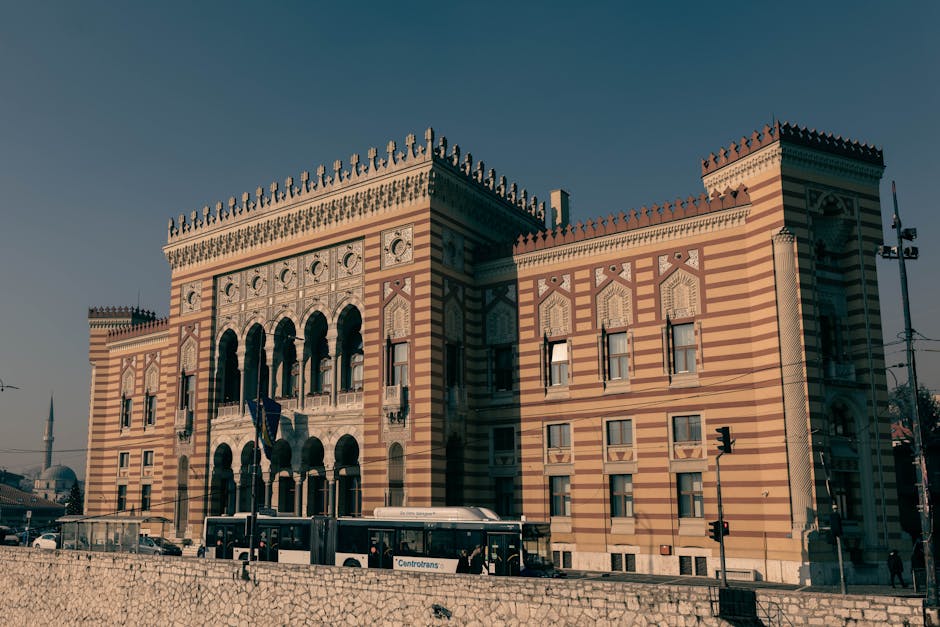
Discover Sarajevo’s history and architecture on this scenic self-guided walk across the iconic bridges of the Miljacka River.
 Moderate
Sarajevo, Bosnia and Herzegovina
Discover Sarajevo’s soul through street art, brutalist landmarks, and poignant history on this self-guided urban walking route.
 Easy
EasySarajevo, Bosnia and Herzegovina
Explore Sarajevo’s soulful nightlife on this self-guided walking route through historic pubs, hidden rakija bars, and legendary local haunts.
 Easy
EasySarajevo, Bosnia and Herzegovina
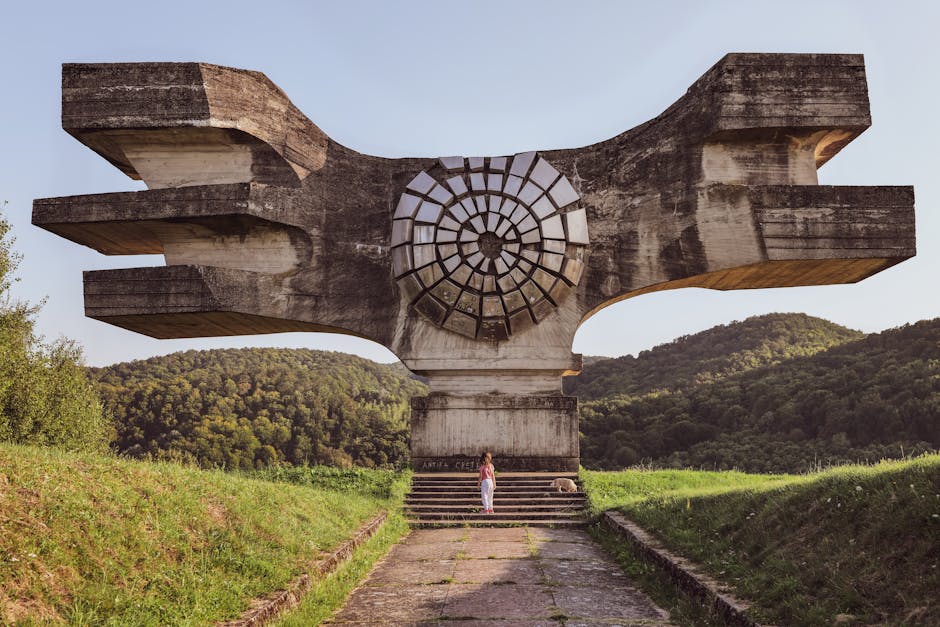
Explore Yugoslav Modernism and lush riverfront paths in Grbavica. A self-guided walk through Sarajevo's resilient 20th-century neighborhoods.
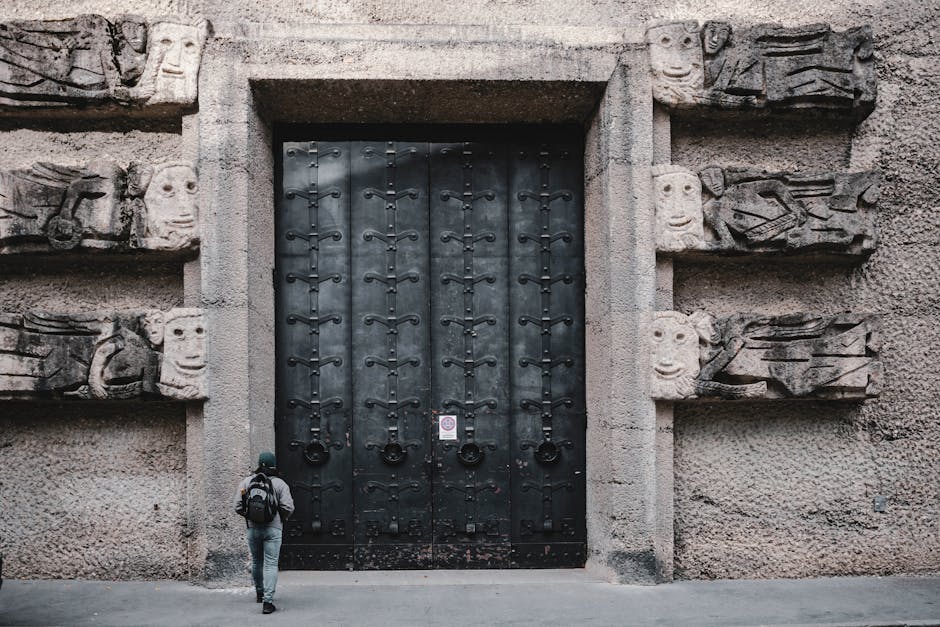 Easy
EasySalzburg, Austria
Discover the 'Rome of the North' on this self-guided walk through the Baroque squares and monumental legacy of Salzburg’s Prince-Archbishops.
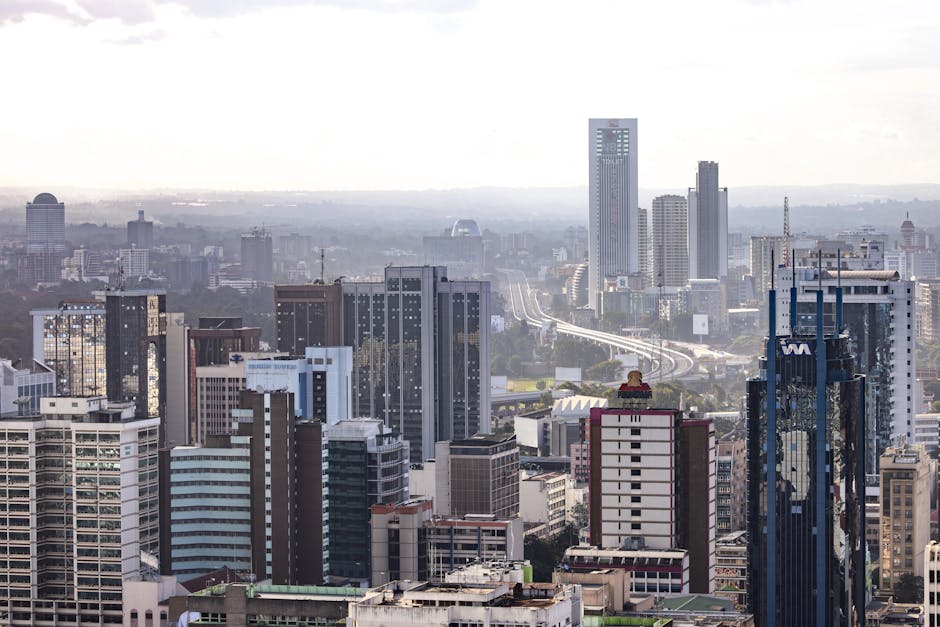 Easy
EasyNairobi, Kenya
Explore Nairobi's architectural evolution from colonial-era landmarks to iconic Brutalist skyscrapers on this historic self-guided walking route.
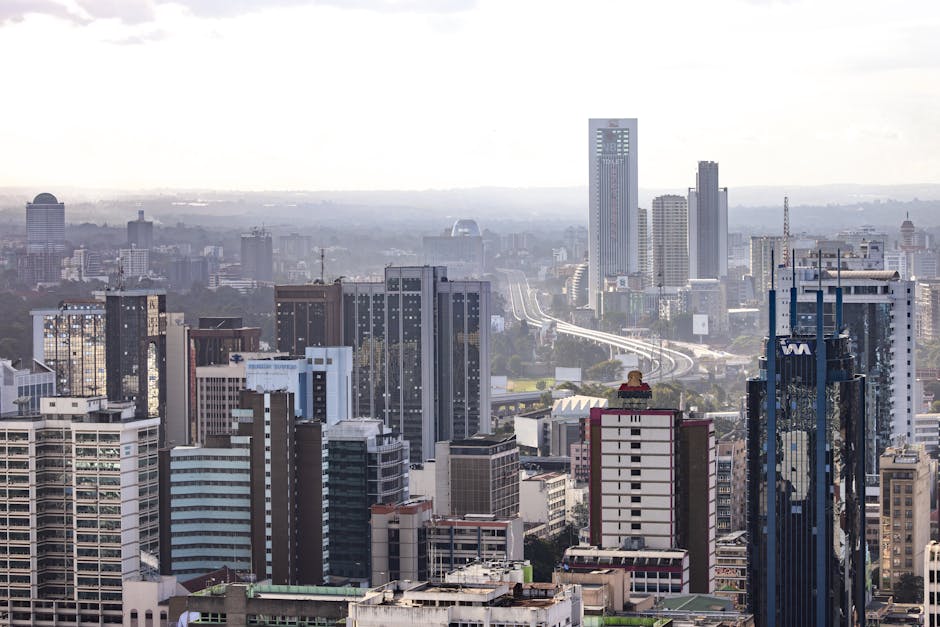 Easy
EasyNairobi, Kenya
Discover Nairobi's iconic skyline on this self-guided architecture walk through the CBD’s most famous modernist and Brutalist landmarks.
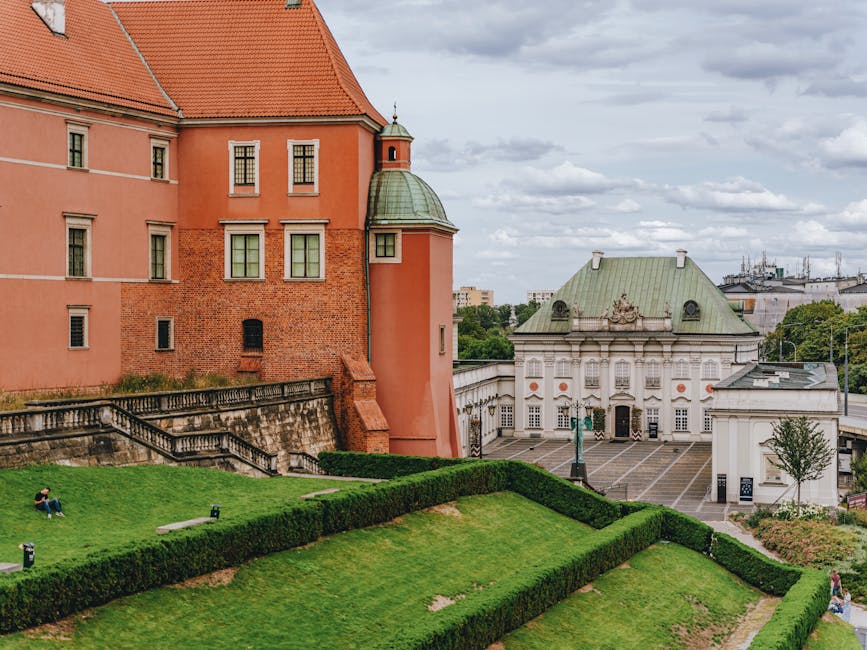 Easy
EasyWarsaw, Poland
Explore the miracle of Warsaw's reconstructed Old Town on this self-guided walk through royal squares, medieval walls, and heroic monuments.
 Easy
EasyMostar, Bosnia and Herzegovina
Explore Mostar's emerald secret on this self-guided walk along the Radobolja stream, featuring Ottoman mills, hidden beaches, and lush parks.
 Challenging
Mostar, Bosnia and Herzegovina
Ascend from the iconic Old Bridge to the breathtaking glass skywalk at Fortica. A challenging self-guided hike through Mostar’s history and nature.
 Moderate
Mostar, Bosnia and Herzegovina
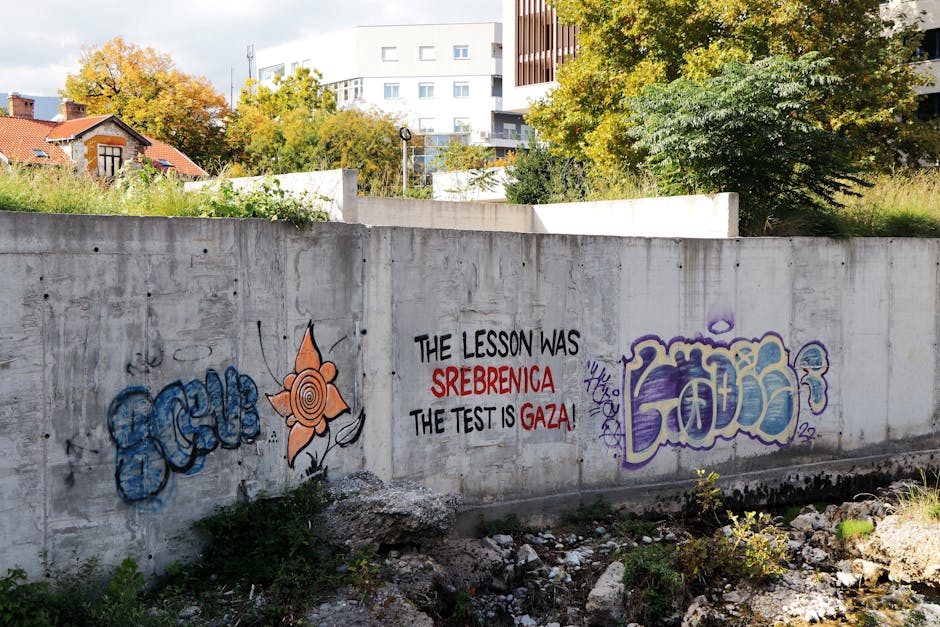
Discover Mostar’s soul through its vibrant street art, historic Ottoman architecture, and resilient urban culture on this self-guided walk.
 Easy
EasyMostar, Bosnia and Herzegovina
Discover Mostar's grand Austro-Hungarian boulevards, Moorish Revival architecture, and 20th-century history on this self-guided neighborhood stroll.