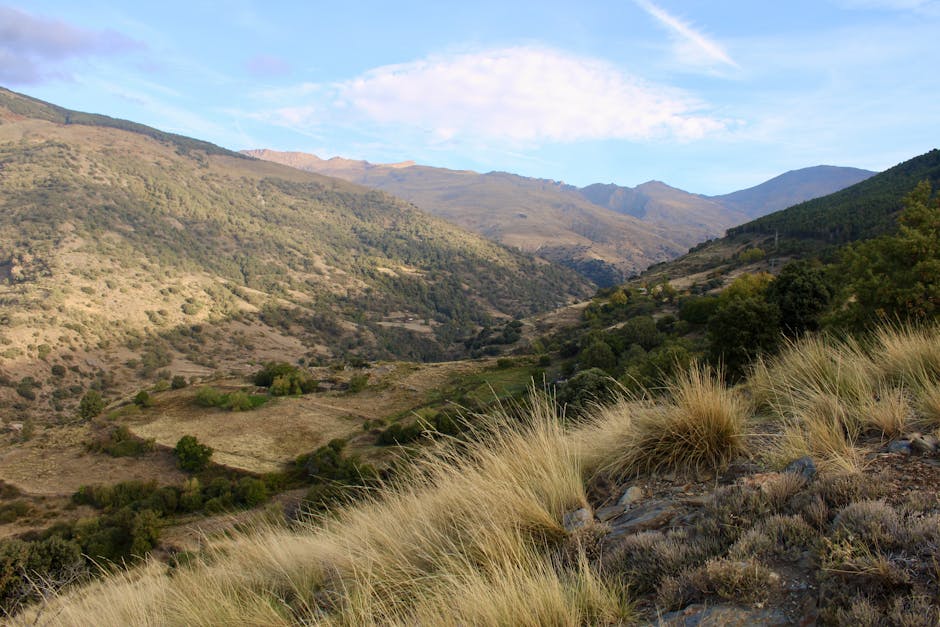
Self-guided audio tour in Mostar
Start Free on iPhone
Start free on iPhone to unlock this self-guided walking tour in Mostar. Hear all the stories that make it amazing, walk at your own pace, and begin whenever you want.
Your Private Tour Guide
Rising above the terracotta rooftops and emerald waters of Mostar lies a landscape defined by dramatic peaks and centuries of strategic military history. This self-guided walk invites you to look beyond the famous arches of the Old Bridge and explore the rugged terrain that has guarded the Neretva Valley since the Middle Ages. The Fortica Panorama Hike is more than just a trek; it is a journey through the layers of Mostar's identity, from its Ottoman foundations and Austro-Hungarian expansion to the poignant remnants of the Yugoslav era and the modern-day thrill-seekers' paradise at the skywalk. Your walking route begins in the heart of the modern city at Spanish Square, where the scars of the 1990s conflict meet meticulous reconstruction. You will soon find yourself wandering through the hauntingly beautiful Partisan Memorial Cemetery, a masterpiece of Brutalist architecture designed by Bogdan Bogdanović that honors those who fell during World War II. As you leave the urban center and begin your ascent, the trail transitions from paved streets to rocky paths, leading you toward the Fortica Viewpoint. Here, the famous glass skywalk offers a bird’s-eye view of the entire valley, framed by the surrounding mountains of Prenj and Velež. This experience is designed for those who appreciate a physical challenge rewarded by unparalleled vistas. Along the way, you will discover hidden Ottoman clock towers, the ruins of Austro-Hungarian fortifications, and the iconic Stari Most. Unlike a traditional walking tour Mostar, this self-guided adventure allows you to set your own pace, lingering at the viewpoints for the perfect photograph or stopping for a coffee in the Old Town before the final climb. Whether you are a history enthusiast or a nature lover, this route provides a comprehensive perspective on why Mostar has remained a crossroads of civilizations for centuries.
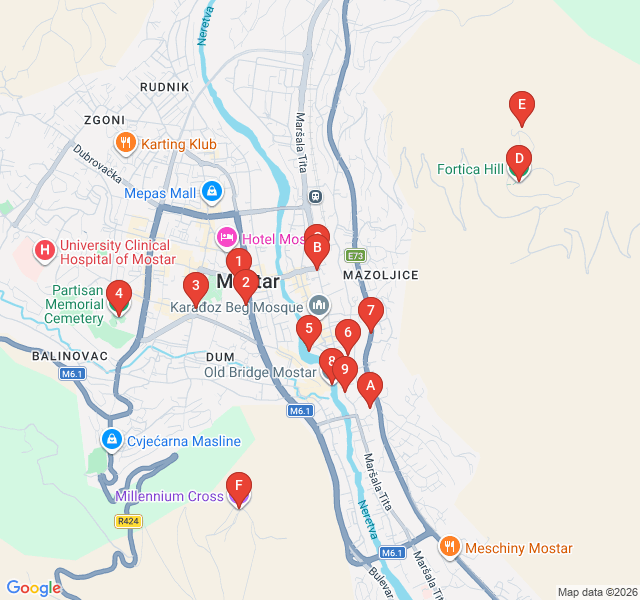
Numbers indicate the order of stops on the tour.
Welcome to Spanish Square, the largest plaza in Mostar and a symbol of the city's resilience. Named in honor of the Spanish UN peacekeepers who served here during the conflict in the 1990s, this square serves as a meeting point between the eastern and western sides of the city. Take a moment to admire the Gimnazija Mostar, the bright orange building with intricate Moorish Revival details. Built during the Austro-Hungarian period, it remains one of the most prestigious schools in the country. This square sets the stage for our walk, representing the complex blend of international influence and local heritage that defines modern-day Mostar.
Just a short walk from the square stands the Mostar City Hall. This building is a classic example of the Sarajevo-style architecture that flourished under the Austro-Hungarian Empire, blending European styles with local Orientalist flourishes. It was originally built as a district school before becoming the seat of local government. Its presence here marks the transition from the modern commercial center into the greener, more residential districts that lead toward the hills. Notice the clean lines and symmetry, which stood in stark contrast to the organic, winding streets of the older Ottoman quarters you will explore later.
Entering Park Zrinjevac, you find the city's primary green lung. In a city known for its intense summer heat, this park has long been a sanctuary for locals seeking shade under its tall trees. As you walk through, you might see families playing or retirees enjoying a game of chess. The park was heavily damaged during the war but has been beautifully restored, serving as a peaceful bridge between the bustling Spanish Square and the monumental architecture of the Partisan Cemetery nearby. It’s a perfect spot to ensure your water bottle is full before the climbing begins.
Prepare to enter one of the most striking monuments in the Balkans. Designed by the renowned architect Bogdan Bogdanović and completed in 1965, the Partisan Memorial Cemetery is a 'city of the dead' built to honor the 810 paritizans from Mostar who died during World War II. Its design is purely symbolic, using stone 'flowers' and winding paths that resemble the streets of an ancient Mediterranean town. Though it has suffered from neglect and vandalism over the years, its scale and artistic vision remain breathtaking. The cemetery is built into the hillside, offering your first taste of the elevation you will be tackling today.
Descending back toward the river, you reach Mejdan Beach. This isn't a beach in the traditional sense, but rather a rocky access point where the brave 'Mostari' divers and locals cool off in the icy waters of the Neretva. The river is famous for its emerald-green color and its consistently cold temperature, even in the height of summer. From here, you get a fantastic low-angle view of the cliffs that line the river, giving you a sense of the canyon-like geography that made Mostar such a strategic location for the bridge that gives the city its name.
Tucked away in the residential streets of the east bank is the Sahat Kula, or Clock Tower. Built in the 1630s during the Ottoman era, this 15-meter tall stone tower was once essential for the city’s merchants and craftsmen to know the times for prayer and business. Legend has it that the bell was so loud it could be heard for three hours' walking distance. It is one of the few such towers in Bosnia that has maintained its original form despite various conflicts. Its sturdy, square construction is a testament to Ottoman engineering and the importance of timekeeping in a bustling trade hub.
This stop marks a physical transition in your journey. As you pass under the M-17 highway, you are leaving the urban density of the valley floor and entering the foothills of the Fortica mountain. The M-17 is the main artery connecting Sarajevo to the Adriatic coast, and passing beneath it feels like crossing a threshold into the wilderness. From here, the path becomes steeper and the air begins to change. You are now following the old supply routes that once served the military outposts high above the city.
No visit to Mostar is complete without standing near the Stari Most. While we are viewing it from a slightly elevated path, take a moment to appreciate this 16th-century Ottoman masterpiece. Commissioned by Suleiman the Magnificent and built by Mimar Hayruddin, the bridge stood for 427 years before being destroyed in 1993. Its reconstruction in 2004 used original stone-cutting techniques and became a symbol of reconciliation. From this vantage point, you can see how the bridge connects the two sides of the city, dominated by the minarets of the Koski Mehmed Pasha Mosque and the Franciscan Church spire.
As we move toward the higher ground, you will pass several structures that remain in a state of ruin. These 'war buildings' are somber reminders of the frontline that once ran through these streets. Unlike the restored Old Town, these skeletons of concrete and rebar tell the story of the 18-month siege. They serve as an unofficial museum of the recent past, showing the resilience of the residents who lived amidst the rubble. Many of these buildings are now being slowly reclaimed by nature or street artists, adding a layer of contemporary grit to the city's historic face.
Before we begin the final ascent, we stop at the Kajtaz House. This is one of the most authentic examples of a 16th-century Ottoman residential complex in the Balkans. Originally the home of a Turkish judge, the house is divided into 'Selamluk' (the public, male quarters) and 'Haremluk' (the private, female quarters). With its original stone courtyards, wooden carvings, and Turkish carpets, it offers a glimpse into the domestic life of Mostar’s elite during the golden age of the Ottoman Empire. The lush garden and sound of running water provide a moment of tranquility before the trek to the summit.
The ruins of the Razvitak shopping center represent a different era—the Yugoslav 1970s. Once a symbol of Socialist progress and consumerism, its facade was famous for its unique concrete ornaments that mimicked traditional Bosnian 'stećci' (medieval tombstones). During the war, it was a focal point of the fighting and was eventually gutted by fire. Today, it stands as a haunting skeletal landmark. It is a powerful example of how architecture in Mostar is deeply tied to political ideology and how quickly those ideologies can be challenged by history.
You are now at the eastern gateway to the Stari Grad. This area is the start of the Kujundžiluk, the old bazaar where the sound of coppersmiths hammering traditional plates and coffee sets has echoed for centuries. While the main bazaar is below us, this entrance was historically vital for caravans arriving from the mountains of eastern Herzegovina. From here, the path begins its significant incline toward the Fortica hill. Ensure your shoes are tied tight and you're ready for the climb that will reward you with the best views in the country.
You have reached the pinnacle of the hike! The Fortica Viewpoint is home to the famous 'Skywalk,' a 35-meter long glass-bottomed bridge that suspended over the slopes of the mountain. From here, the entire city of Mostar is laid out beneath you like a map. You can trace the path of the Neretva River as it snakes toward the south and identify the landmarks you’ve visited today. This spot is also a hub for adventure sports, featuring one of the longest zip lines in the region. The large Bosnian flag flying here is a landmark visible from almost anywhere in the city below.
Just beyond the skywalk lie the ruins of the Austro-Hungarian military fortifications. When the Empire took control of Bosnia in 1878, they turned the hills surrounding Mostar into a massive defensive system. These stone bunkers and barracks were designed to withstand modern artillery and protect the valley from invasion. Walking through these ruins, you can see the precision of the stonework, which has survived over a century of weather and war. It’s a quiet, evocative place that reminds us that these heights have always been a place of strategic observation.
To conclude our high-altitude exploration, we look toward the Millennium Cross. Standing 33 meters high atop Hum Hill, this cross was erected in 2000 and is another dominant feature of the skyline. While it is on the opposite side of the valley from Fortica, reaching this area provides a final perspective on the religious and cultural geography of the city. From this heights, the divide between the mountains and the sea becomes clear, and you can appreciate the sheer scale of the landscape that has shaped the history of Mostar. This marks the end of our journey through the heights.
Start Free on iPhone
Explore “The Fortica Panorama Hike” with your very own Private Tour Guide with Zigway. Start free on iPhone, skip the large group and the fixed routes, and hear the city come alive as you go.
Your Private Tour Guide
Don't miss the good stuff
Explore Freely
 Easy
EasyMostar, Bosnia and Herzegovina
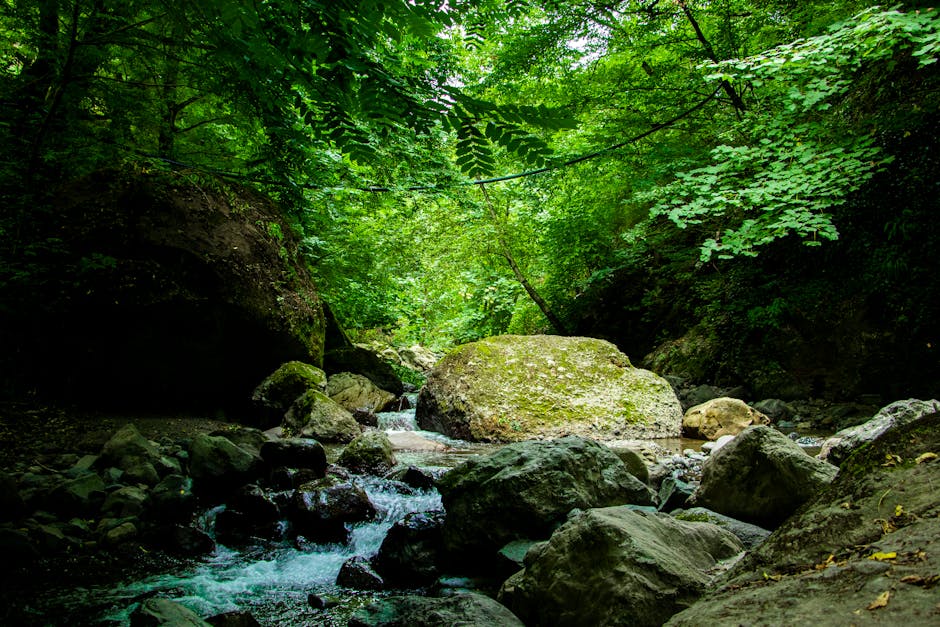
Explore Mostar's emerald secret on this self-guided walk along the Radobolja stream, featuring Ottoman mills, hidden beaches, and lush parks.
 Moderate
Mostar, Bosnia and Herzegovina
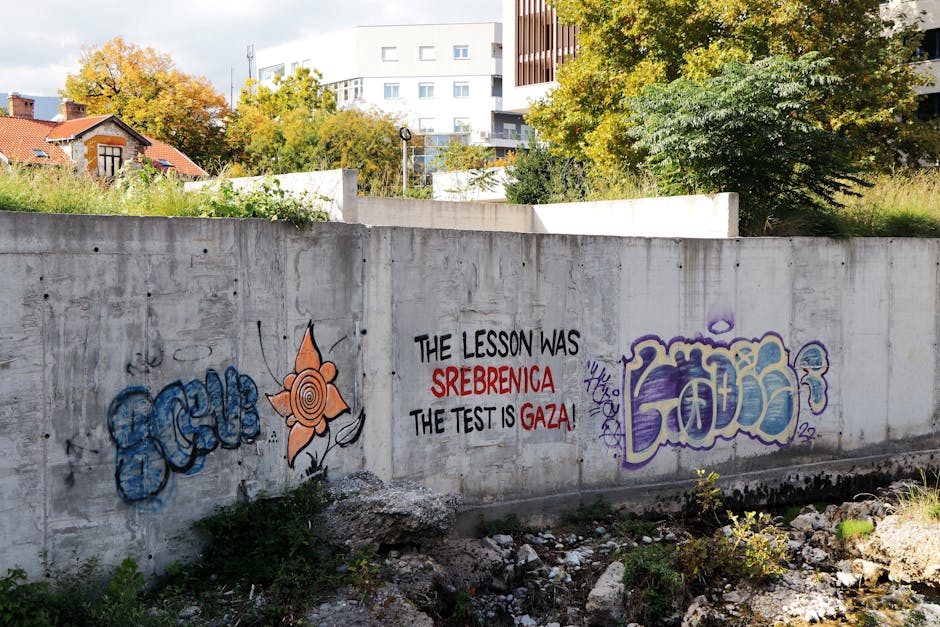
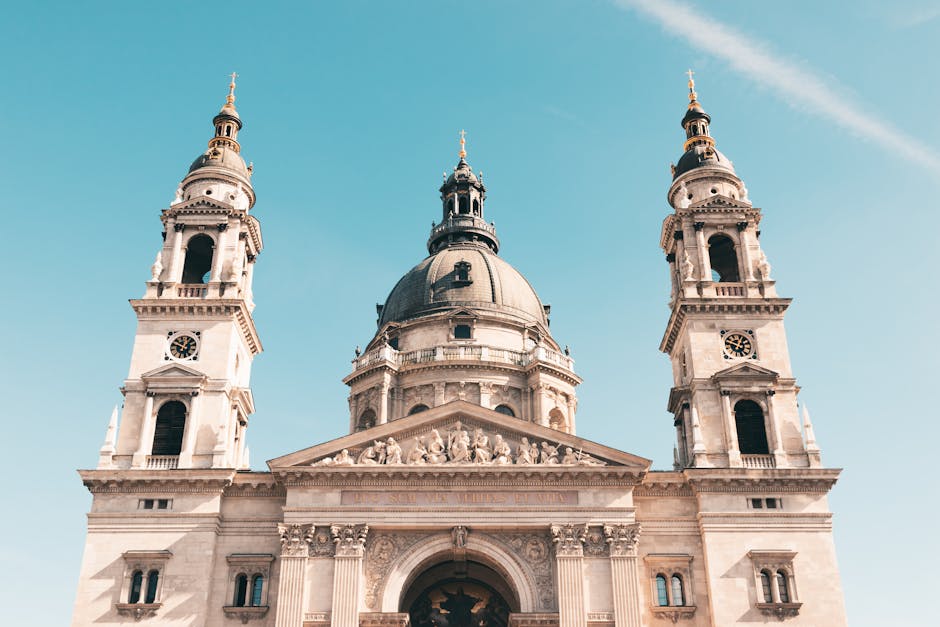
Discover Mostar’s soul through its vibrant street art, historic Ottoman architecture, and resilient urban culture on this self-guided walk.
 Easy
EasyMostar, Bosnia and Herzegovina
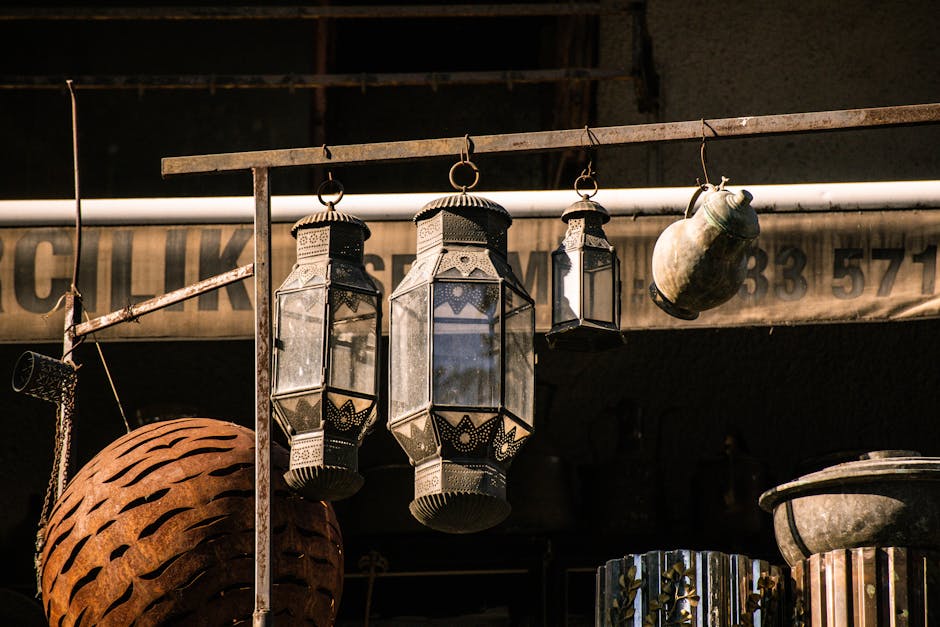
Discover Mostar's grand Austro-Hungarian boulevards, Moorish Revival architecture, and 20th-century history on this self-guided neighborhood stroll.
 Easy
EasyMostar, Bosnia and Herzegovina
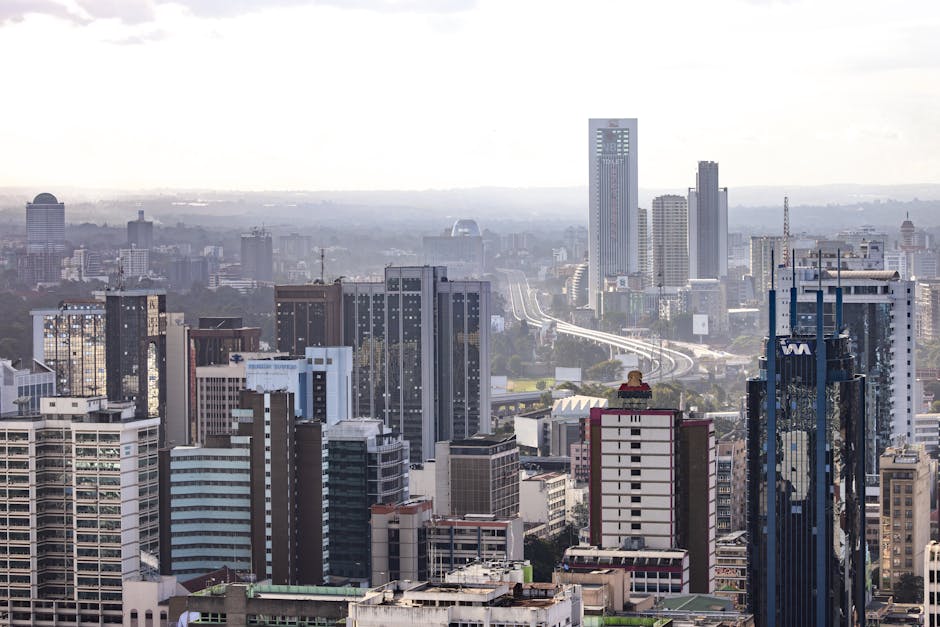
Explore Mostar's iconic Old Bridge, Ottoman bazaars, and hidden Brutalist gems on this comprehensive self-guided audio walk.
 Easy
EasyNairobi, Kenya
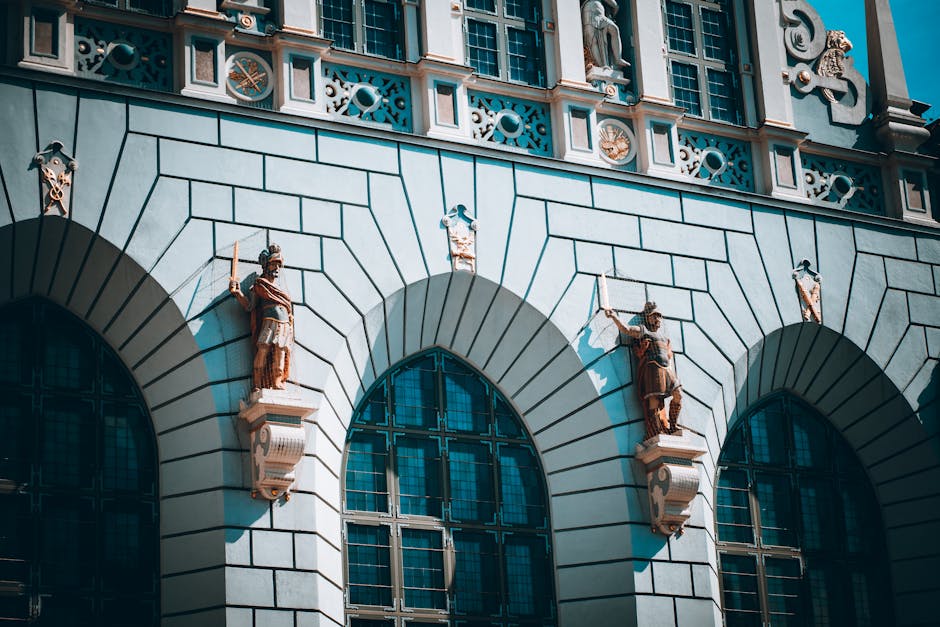
Discover Nairobi's iconic skyline on this self-guided architecture walk through the CBD’s most famous modernist and Brutalist landmarks.
 Easy
EasyGdansk, Poland
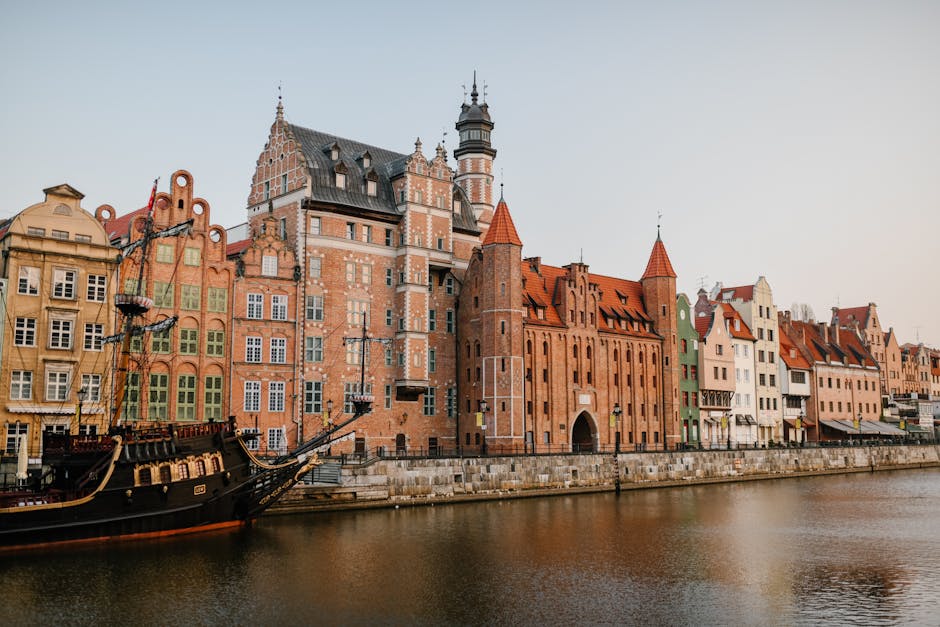
Discover the opulent Royal Way of Gdansk at your own pace. Explore Hanseatic history, gilded architecture, and the iconic Neptune's Fountain.
 Easy
EasyGdansk, Poland
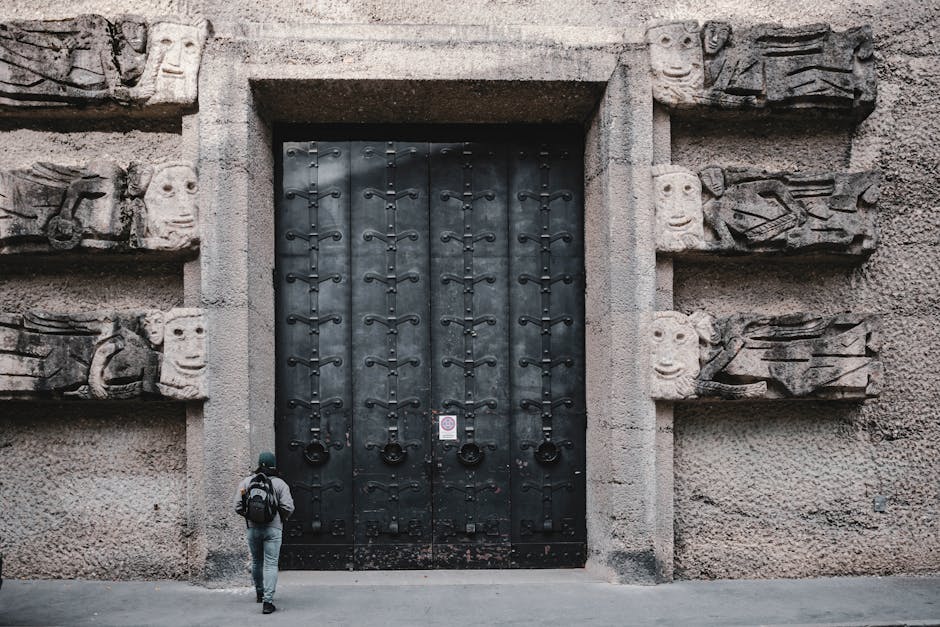
Discover the 'Baltic Gold' on this self-guided walk through Gdansk's historic mills, massive cathedrals, and the magical Mariacka Street.
 Easy
EasySalzburg, Austria
Discover Salzburg's oldest medieval alley, the birthplace of the 'Silent Night' author, and breathtaking views on this quiet self-guided walk.
 Easy
EasySarajevo, Bosnia and Herzegovina
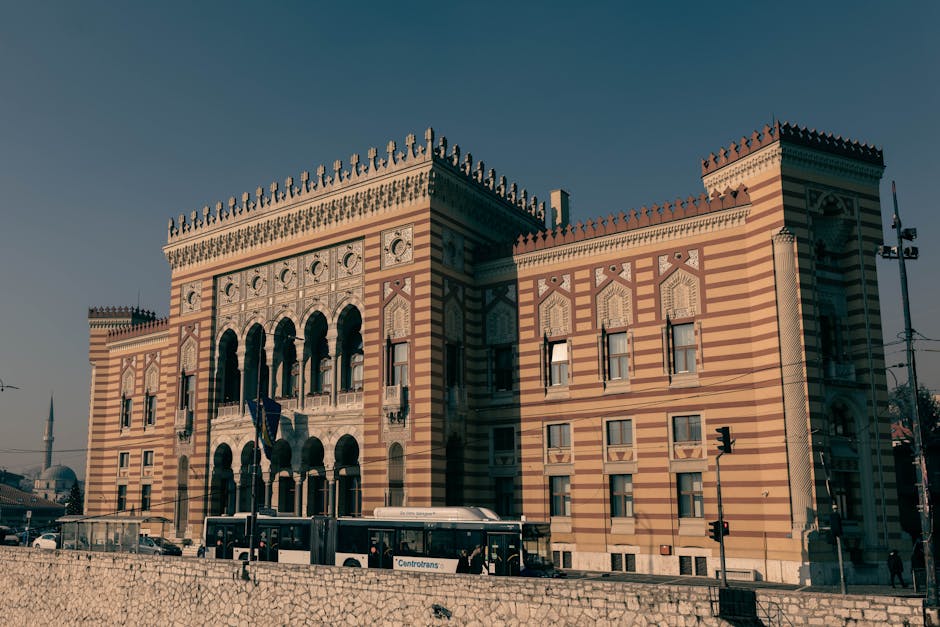
Discover Sarajevo’s history and architecture on this scenic self-guided walk across the iconic bridges of the Miljacka River.
 Moderate
Sarajevo, Bosnia and Herzegovina
Discover Sarajevo’s soul through street art, brutalist landmarks, and poignant history on this self-guided urban walking route.
 Easy
EasySarajevo, Bosnia and Herzegovina
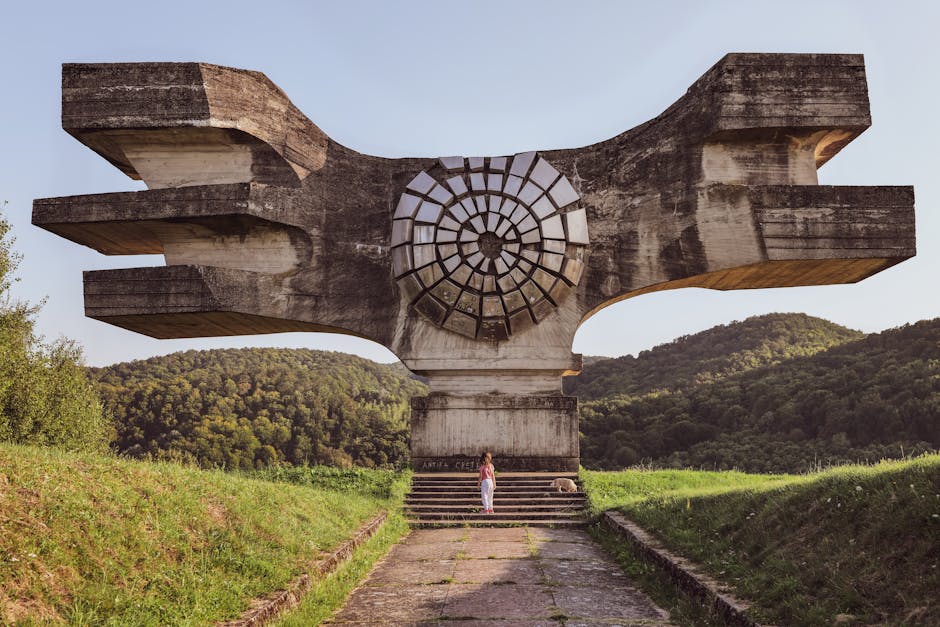
Explore Sarajevo’s soulful nightlife on this self-guided walking route through historic pubs, hidden rakija bars, and legendary local haunts.
 Easy
EasySarajevo, Bosnia and Herzegovina
Explore Yugoslav Modernism and lush riverfront paths in Grbavica. A self-guided walk through Sarajevo's resilient 20th-century neighborhoods.