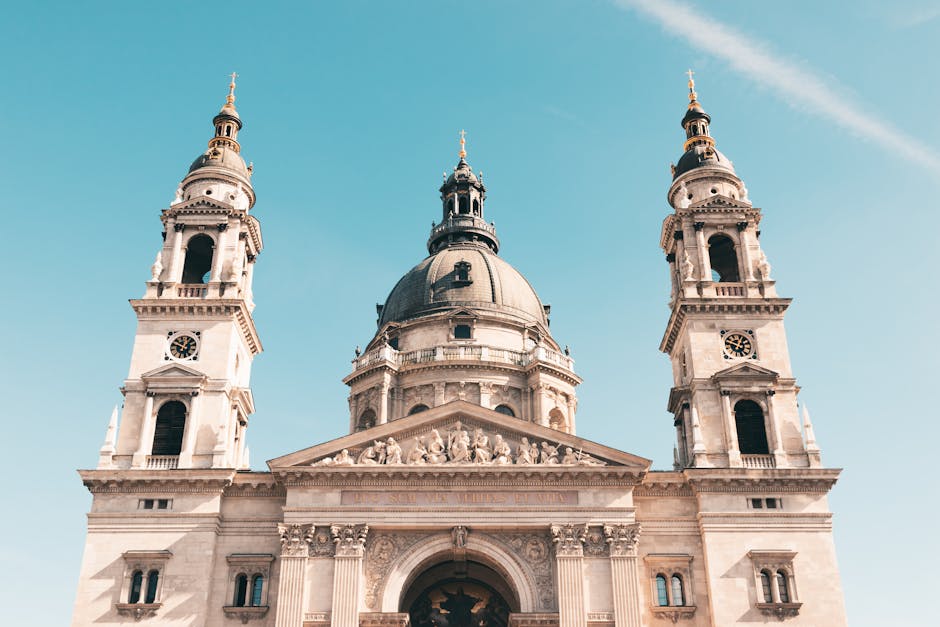
Self-guided audio tour in Mostar
Start Free on iPhone
Start free on iPhone to unlock this self-guided walking tour in Mostar. Hear all the stories that make it amazing, walk at your own pace, and begin whenever you want.
Your Private Tour Guide
While the Old Bridge and the Ottoman bazaar often steal the spotlight in Mostar, a journey into the city's western bank reveals a completely different layer of history. This self-guided walk explores the grand architectural legacy of the Austro-Hungarian era, a time when Mostar transformed from a provincial Ottoman town into a sophisticated European center. As you move away from the narrow cobblestone alleys of the Old Town, the landscape opens up into wide boulevards and manicured parks, showcasing the 'Elegance and Modernity' of the late 19th and early 20th centuries. This neighborhood stroll focuses on the Rondo area, the heart of the city's modern expansion. The route begins at Rondo Square, a masterpiece of urban planning where six tree-lined avenues converge. From here, you will encounter the Hrvatski Dom Herceg Stjepan Kosača, a modernist landmark that serves as a cultural anchor for the community. The architectural highlight of this walking route is undoubtedly the Gimnazija Mostar. This striking yellow building is one of the finest examples of the Pseudo-Moorish style, a unique aesthetic chosen by Austro-Hungarian architects to bridge the gap between European design and the city's Islamic heritage. Further along, the Mostar City Hall and the historic Knežić House provide insight into the administrative and residential grandeur of the era. The walk concludes at the hauntingly beautiful ruins of the Hotel Neretva. Once the most prestigious hotel in the region, where emperors stayed and socialites gathered, it now stands as a powerful monument to both the city's golden age and the scars of more recent conflicts. Exploring this side of the city offers a more nuanced understanding of Bosnia and Herzegovina's complex identity beyond the typical walking tour Mostar itineraries. It is a peaceful, enlightening path through the 'New Mostar' that rose up at the turn of the century, perfect for those who appreciate the intersection of history, politics, and urban design.
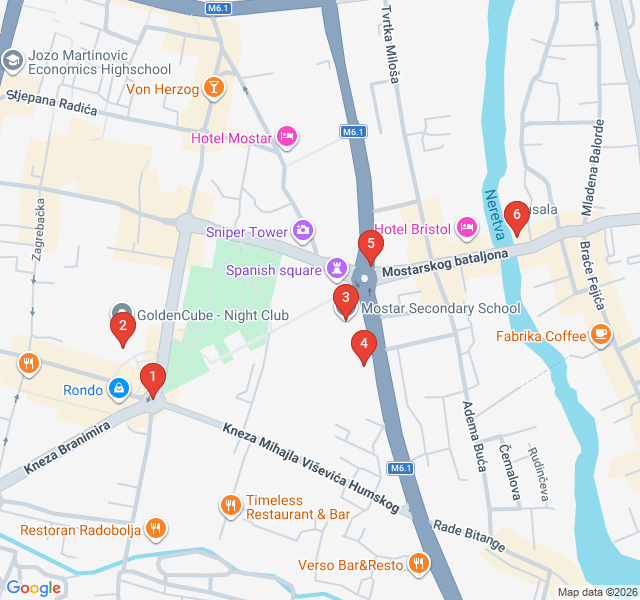
Numbers indicate the order of stops on the tour.
Welcome to Rondo, the circular heart of Mostar's modern district. Officially known as the Square of Croatian Nobles, this plaza was designed during the Austro-Hungarian administration to serve as a central hub for the city's western expansion. Notice how six different avenues radiate from this point, each lined with plane trees that provide a canopy of shade in the summer. This layout was a radical departure from the winding, organic streets of the Ottoman Old Town. In the late 19th century, this area became the preferred residential district for the city's growing elite, including officials and wealthy merchants who built villas in the surrounding streets, many of which still stand today.
Standing prominently on Rondo Square is the Hrvatski Dom Herceg Stjepan Kosača. This building represents a different era of Mostar's history compared to the nearby villas. Construction began in the late 1950s and was completed in 1960. Its modernist, circular design was intended to harmonize with the shape of Rondo Square itself. Today, it serves as the primary cultural center for the city, housing a cinema, a gallery, and a concert hall. It is named after the 15th-century ruler of the Duchy of Saint Sava, from whose title the region 'Herzegovina' derives its name. The building remains a focal point for the city's arts and public life.
You are now standing in front of the Gimnazija Mostar, perhaps the most beautiful school building in the Balkans. Built between 1898 and 1902, it was designed by the Czech architect František Blažek. The building is a masterpiece of the Pseudo-Moorish style. This architectural choice was deliberate; the Austro-Hungarian authorities wanted to create a style that looked 'Bosnian' by blending European academic design with elements of Islamic architecture, such as the horseshoe arches and intricate geometric patterns you see on the facade. After the 1990s conflict, the school became a symbol of reconciliation, being the first integrated school in Mostar where students of different ethnicities studied under the same roof.
The Mostar City Hall, or Vijećnica, is another stunning example of Austro-Hungarian influence. Originally built as a school (the Third Primary School) in 1900, it was later converted into the city's administrative center. The building features a classic symmetrical facade with decorative elements that echo the elegance of Vienna or Budapest. It suffered significant damage during the war but was meticulously restored and reopened in 2012. Today, it sits on the edge of a park that connects the modern district with the banks of the Neretva River, serving as the official seat of the Mayor and the City Council.
As you walk toward the river, look for the Knežić House. This is a prime example of the private residential architecture that flourished during the Austro-Hungarian period. While public buildings were often grand and eclectic, private residences like this one adopted the Secessionist style (the local version of Art Nouveau). These homes featured large windows, balconies with wrought-iron railings, and decorative floral or geometric motifs. The Knežić family was part of the rising merchant class that helped modernize Mostar's economy during the transition from Ottoman rule. Such houses represent the 'Europeanization' of daily life in Mostar at the turn of the century.
Our walk ends at the ruins of the Hotel Neretva. When it opened in 1892, this was the height of luxury, built to accommodate high-ranking officials and travelers arriving via the new railway. It was famous for its 'Neretva cake' and its terrace overlooking the emerald river. Architects used the same Pseudo-Moorish style seen at the Gimnazija, intended to evoke an exotic yet orderly atmosphere. Sadly, the hotel was a frontline during the 1990s and was heavily destroyed. Though it remains a shell today, there are ongoing efforts to restore it to its former glory. It stands as a poignant reminder of Mostar's cosmopolitan past and its resilience.
Start Free on iPhone
Explore “Austro-Hungarian Elegance and Modernity” with your very own Private Tour Guide with Zigway. Start free on iPhone, skip the large group and the fixed routes, and hear the city come alive as you go.
Your Private Tour Guide
Don't miss the good stuff
Explore Freely
 Easy
EasyMostar, Bosnia and Herzegovina
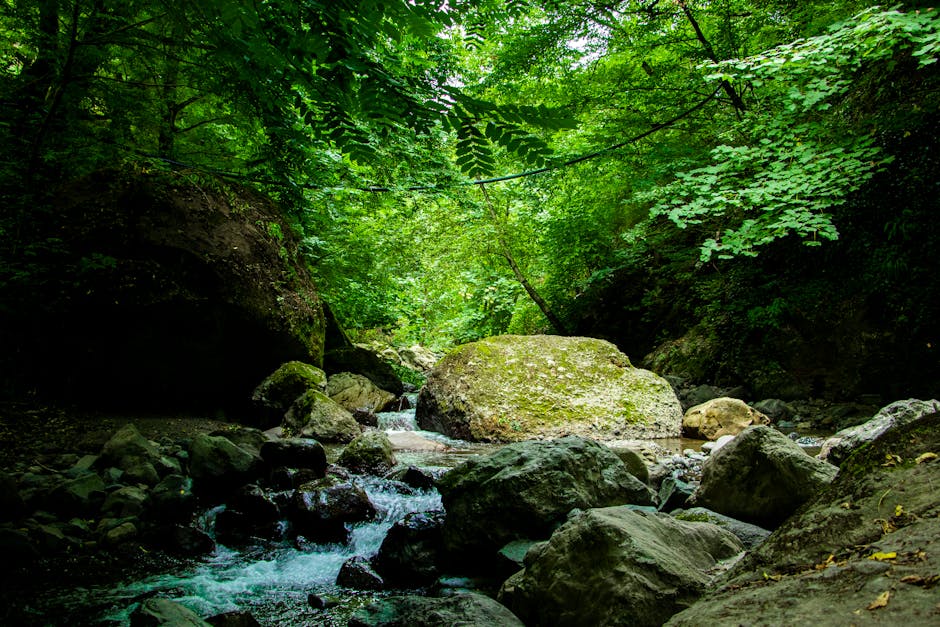
Explore Mostar's emerald secret on this self-guided walk along the Radobolja stream, featuring Ottoman mills, hidden beaches, and lush parks.
 Challenging
Mostar, Bosnia and Herzegovina
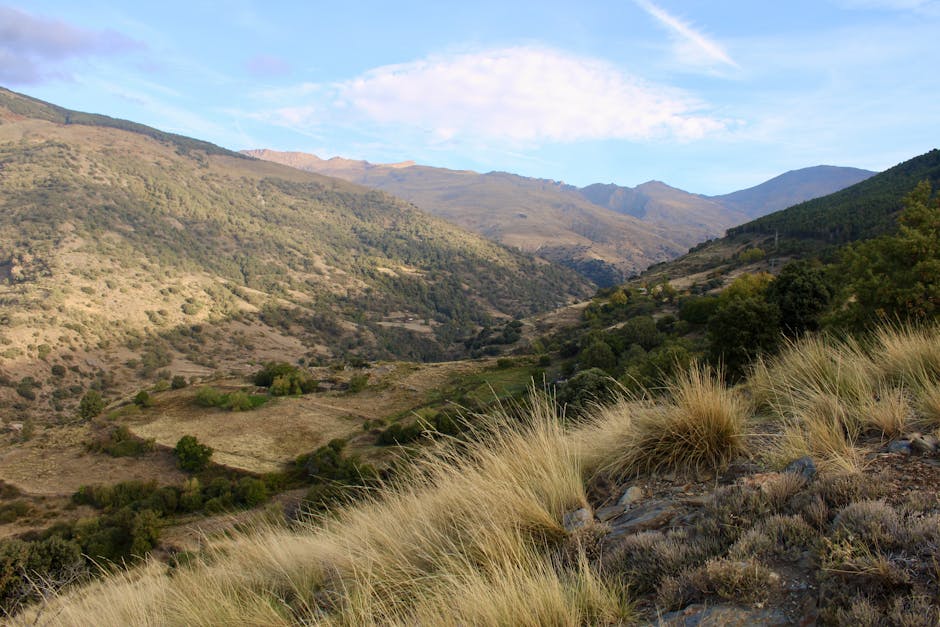
Ascend from the iconic Old Bridge to the breathtaking glass skywalk at Fortica. A challenging self-guided hike through Mostar’s history and nature.
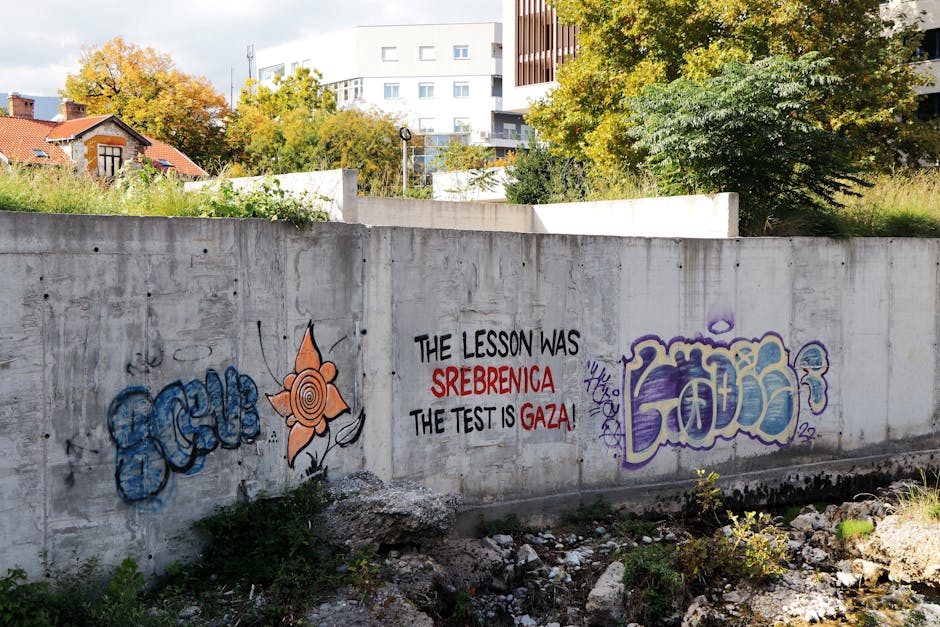 Moderate
Mostar, Bosnia and Herzegovina
Discover Mostar’s soul through its vibrant street art, historic Ottoman architecture, and resilient urban culture on this self-guided walk.
 Easy
EasyMostar, Bosnia and Herzegovina
Explore Mostar's iconic Old Bridge, Ottoman bazaars, and hidden Brutalist gems on this comprehensive self-guided audio walk.
 Easy
EasyGdansk, Poland
Discover the opulent Royal Way of Gdansk at your own pace. Explore Hanseatic history, gilded architecture, and the iconic Neptune's Fountain.
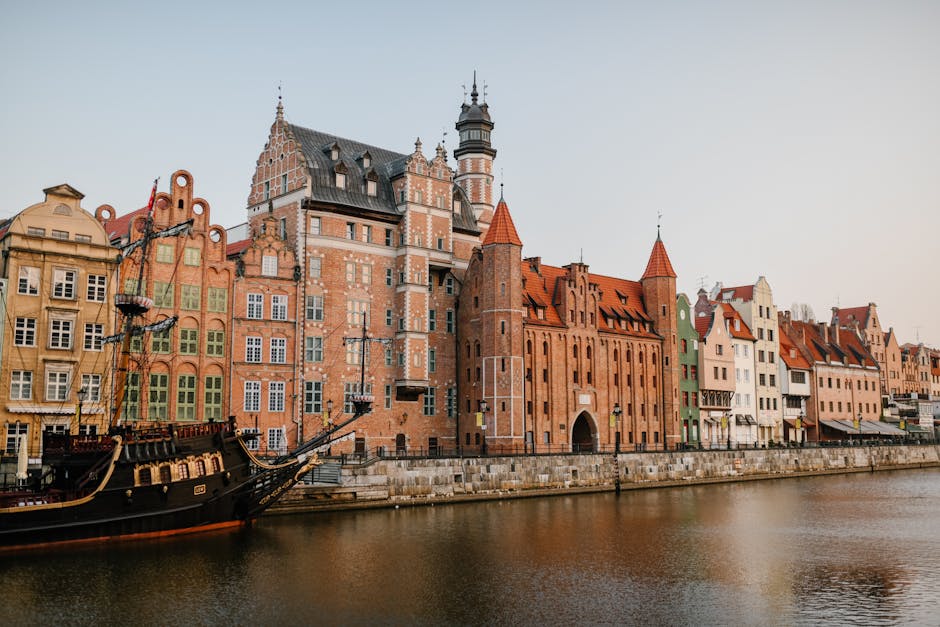 Easy
EasyGdansk, Poland
Discover the 'Baltic Gold' on this self-guided walk through Gdansk's historic mills, massive cathedrals, and the magical Mariacka Street.
 Easy
EasyWarsaw, Poland
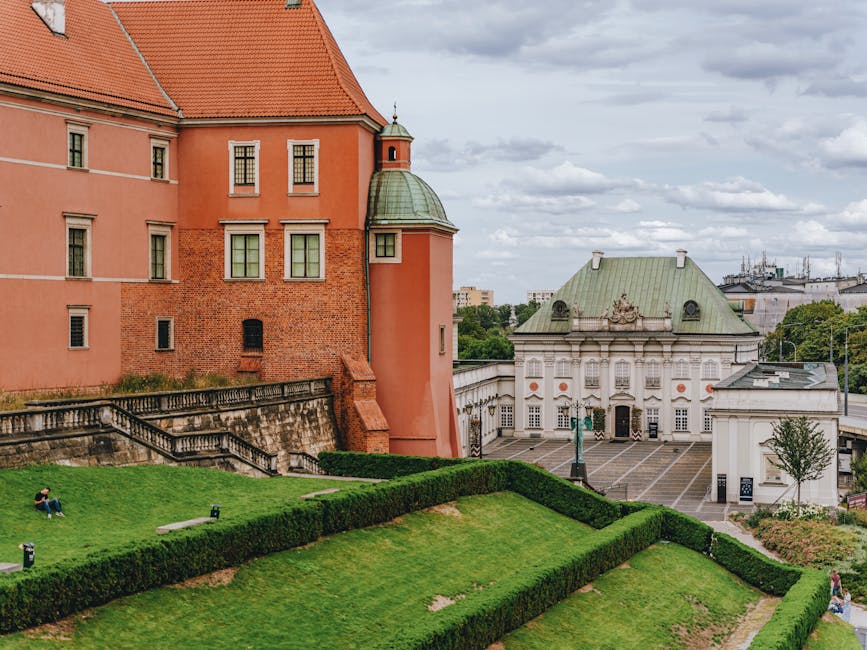
Explore the miracle of Warsaw's reconstructed Old Town on this self-guided walk through royal squares, medieval walls, and heroic monuments.
 Easy
EasyGothenburg, Sweden
Explore Gothenburg's elegant academic district, featuring grand 19th-century stone architecture and the iconic cultural hub of Götaplatsen.
 Easy
EasySarajevo, Bosnia and Herzegovina
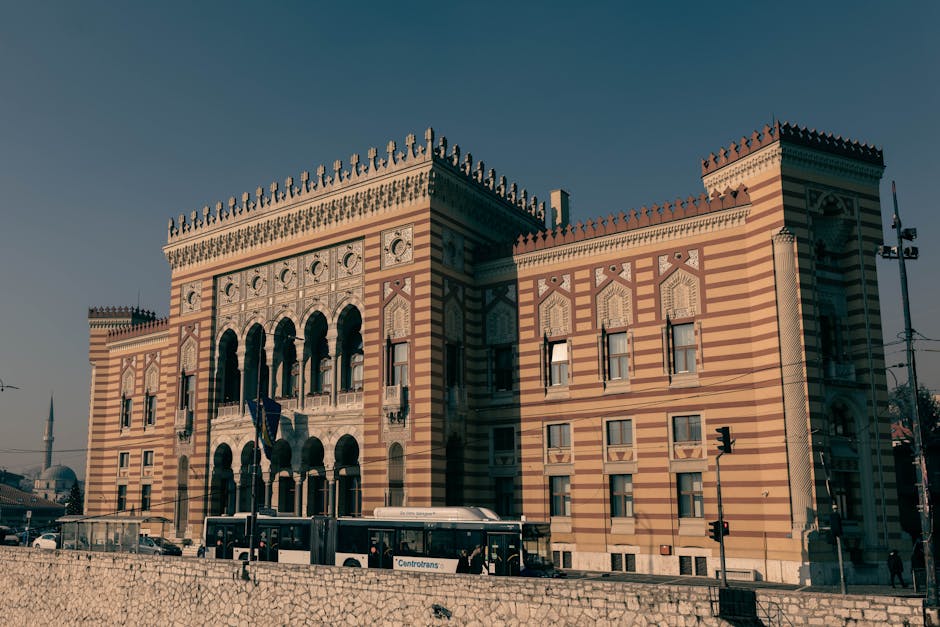
Discover Sarajevo’s history and architecture on this scenic self-guided walk across the iconic bridges of the Miljacka River.
 Moderate
Sarajevo, Bosnia and Herzegovina
Discover Sarajevo’s soul through street art, brutalist landmarks, and poignant history on this self-guided urban walking route.
 Easy
EasySarajevo, Bosnia and Herzegovina
Explore Sarajevo’s soulful nightlife on this self-guided walking route through historic pubs, hidden rakija bars, and legendary local haunts.
 Easy
EasySarajevo, Bosnia and Herzegovina
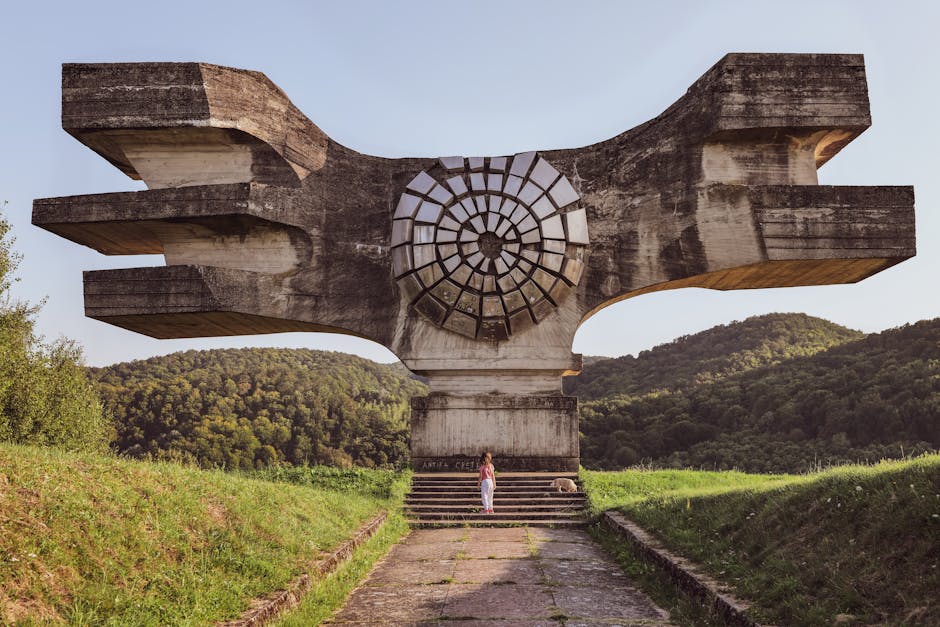
Explore Yugoslav Modernism and lush riverfront paths in Grbavica. A self-guided walk through Sarajevo's resilient 20th-century neighborhoods.