Self-guided audio tour in Warsaw
Start Free on iPhone
Start free on iPhone to unlock this self-guided walking tour in Warsaw. Hear all the stories that make it amazing, walk at your own pace, and begin whenever you want.
Your Private Tour Guide
Warsaw's Old Town is a testament to the indomitable spirit of a city that refused to stay buried. While it may look centuries old, much of what you see was meticulously reconstructed from the rubble of World War II, a feat so impressive it earned the district a spot on the UNESCO World Heritage list. This self-guided walk through the Royal Route and its surroundings offers an intimate look at how history was painstakingly rebuilt brick by brick. By following this neighborhood stroll, you will uncover the layers of Warsaw's past, from its medieval origins to the tragic heroism of the 20th century. Your adventure begins in the New Town Market, a space that feels slightly more residential and quiet than its famous neighbor. As you move toward the historic center, you will encounter the imposing Barbican, the gateway between the Old and New Towns. This walking route is designed to highlight the architectural triumphs of the Masovian Gothic style and the grandeur of the Polish-Lithuanian Commonwealth. You will also pause at the poignant Little Insurgent monument, a site that honors the youngest participants of the Warsaw Uprising, before reaching the spiritual heart of the city at St. John's Archcathedral. The journey concludes at the magnificent Castle Square, dominated by the Royal Castle and Sigismund's Column. This area represents the pinnacle of Polish royal history, where kings once governed a territory stretching across much of Europe. Exploring independently allows you to soak in the atmosphere of the cobblestone alleys and hidden courtyards at your own pace. Whether you are interested in the technical details of the post-war reconstruction or the legends of Polish royalty, this audio walk provides a comprehensive overview of the city's most iconic district. While many consider a guided tour Warsaw to be the only way to see these sites, this self-guided walk offers the same historical depth with the freedom to stop for a coffee or a photo whenever you wish. Experience a walking tour Warsaw would be proud of, celebrating the resurrection of a capital that rose like a phoenix from the ashes.
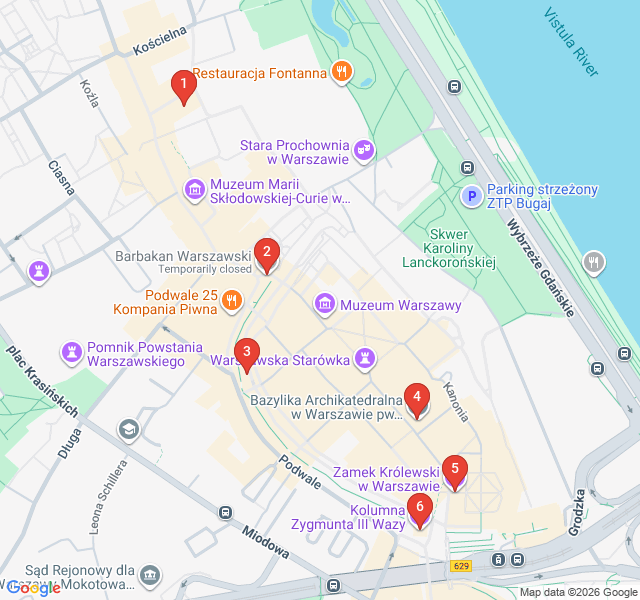
Numbers indicate the order of stops on the tour.
Welcome to the New Town Market Square. Despite its name, this area dates back to the 14th century, though it was established after the Old Town. This square was the heart of a separate town with its own town hall until the late 18th century. As you look around, notice the Church of St. Casimir with its distinct turquoise dome. This was once a palace before being converted into a church and convent. During the 1944 Warsaw Uprising, it served as a hospital and became a tragic site when it was bombed, killing hundreds of civilians. Today, the square is a peaceful alternative to the busier Old Town Market, offering a glimpse into the everyday life of historic Warsaw. Just a few steps away is the birthplace of Marie Curie, adding a layer of scientific history to this architectural gem.
Standing before you is the Barbican, a formidable semicircular fortified outpost that once guarded the entrance to the city. Designed by the Venetian architect Jan Baptysta in 1540, it is one of the few remaining relics of the complex network of walls that once protected Warsaw. Interestingly, by the time it was finished, advancements in artillery had already made it somewhat obsolete for defense. Like most of the city, the Barbican was almost entirely destroyed during World War II. It was rebuilt in the 1950s using bricks from demolished buildings in other Polish cities like Nysa and Wrocław to give it an authentic, aged appearance. Today, it serves as a bridge between the New and Old Towns and is a favorite spot for local artists to display their paintings.
This small but powerful bronze statue is one of the most emotional stops on our route. The Little Insurgent commemorates the child soldiers who fought and died during the Warsaw Uprising of 1944. The figure wears an oversized helmet and carries a submachine gun, symbolizing the loss of innocence and the desperate bravery of the city's youth during the Nazi occupation. While controversial to some for its depiction of children in combat, for Varsovians, it is a sacred site of remembrance. It stands against the backdrop of the old city walls, near where some of the heaviest fighting occurred. Take a moment to reflect on the resilience of the Polish people and the heavy price paid for the city's eventual freedom.
As you approach the Archcathedral of St. John, notice its unique 'Masovian Gothic' facade. This is one of the oldest churches in Warsaw and has served as the site for royal coronations, weddings, and the funerals of many Polish heroes. The building you see today is a reconstruction; during the Warsaw Uprising, German forces drove a remote-controlled tank filled with explosives into the cathedral, virtually leveling it. Inside, the crypts house the remains of notable figures, including the last King of Poland, Stanisław August Poniatowski, and the Nobel Prize-winning author Henryk Sienkiewicz. The cathedral's reconstruction after the war opted for a Gothic look that reflects its 14th-century origins rather than the Baroque style it had just before the destruction.
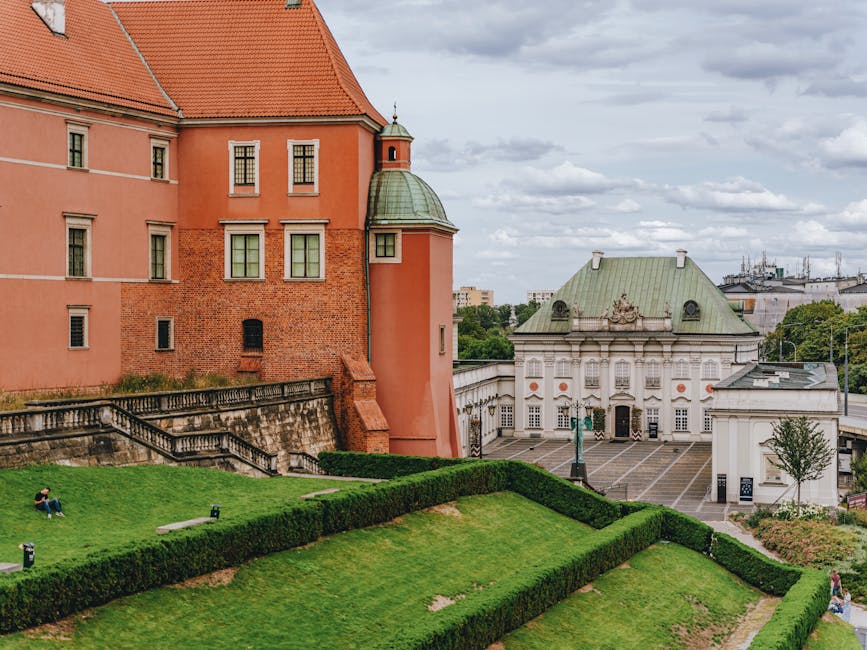
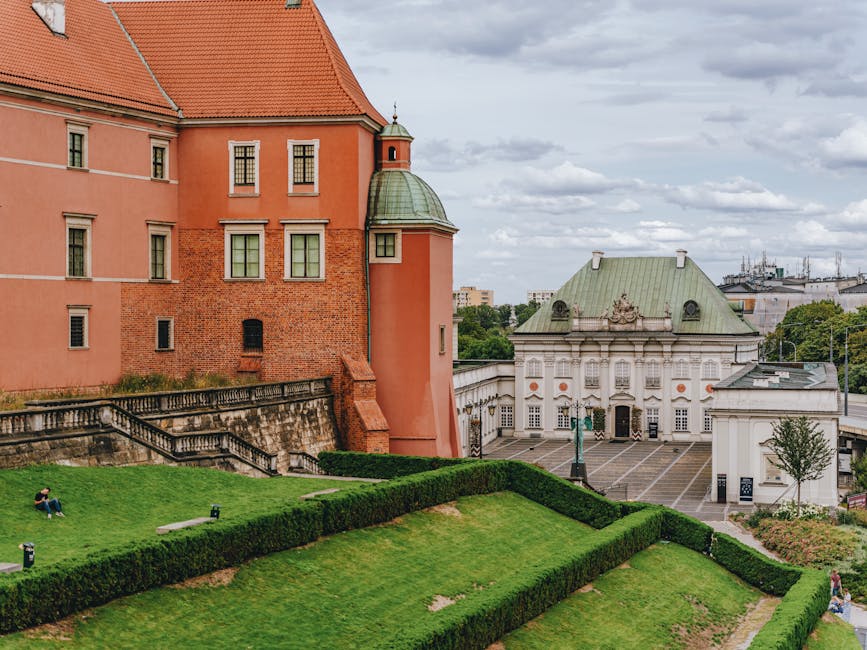
The Royal Castle is the ultimate symbol of Polish resilience. For centuries, it was the official residence of the Polish monarchs and the seat of the Parliament. In 1791, the first modern constitution in Europe was signed here. During WWII, the castle was systematically looted and then blown up by German engineers. For decades after the war, the site remained an empty field as the Communist government hesitated to rebuild a symbol of royalty. However, a massive public fundraising campaign in the 1970s allowed for its reconstruction. Much of the interior was saved by museum staff who hid artworks and architectural details before the building was destroyed. Today, the brick-red facade and the clock tower stand once again as the crown jewel of the city's skyline.
We conclude our walk at Sigismund's Column, the oldest and tallest secular monument in Warsaw. It was erected in 1644 by King Władysław IV to honor his father, Sigismund III Waza, the king who moved Poland's capital from Kraków to Warsaw in 1596. The king is depicted in armor, holding a sword and a cross, symbolizing his role as defender of the faith and the state. If you look closely at the steps around the base, you might see fragments of the original column, which was toppled during the war. The current shaft is the third one in the monument's history. This square, Plac Zamkowy, is the city's most popular meeting point and the perfect place to sit and watch the world go by after your journey through Warsaw's history.
Start Free on iPhone
Explore “Warsaw's Royal Resurrections: The Old Town Reborn” with your very own Private Tour Guide with Zigway. Start free on iPhone, skip the large group and the fixed routes, and hear the city come alive as you go.
Your Private Tour Guide
Don't miss the good stuff
Explore Freely
 Easy
EasyWarsaw, Poland
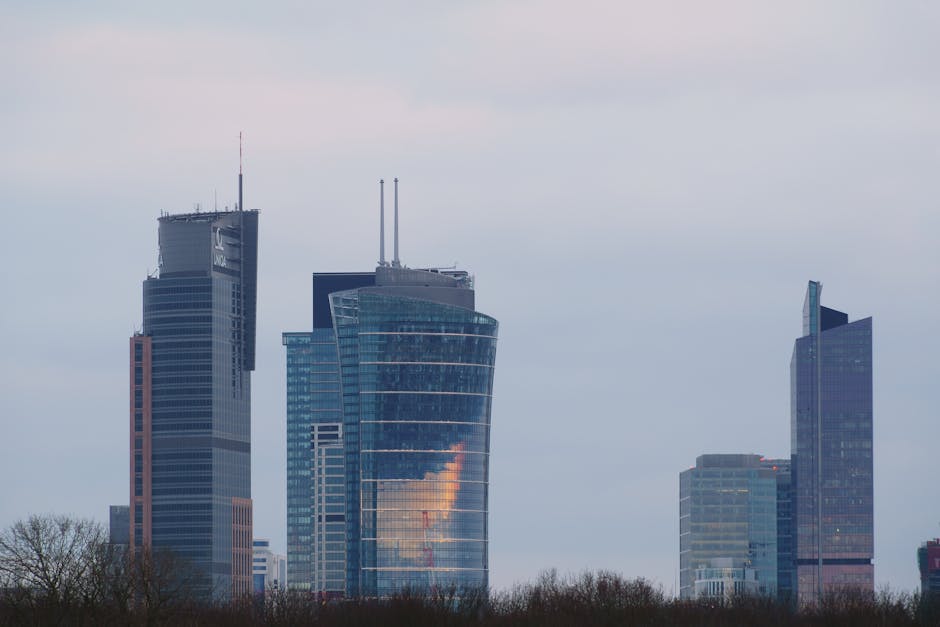
Discover the hidden courtyards and grand pre-war architecture of Warsaw's most atmospheric neighborhood on this self-guided stroll.
 Easy
EasyWarsaw, Poland
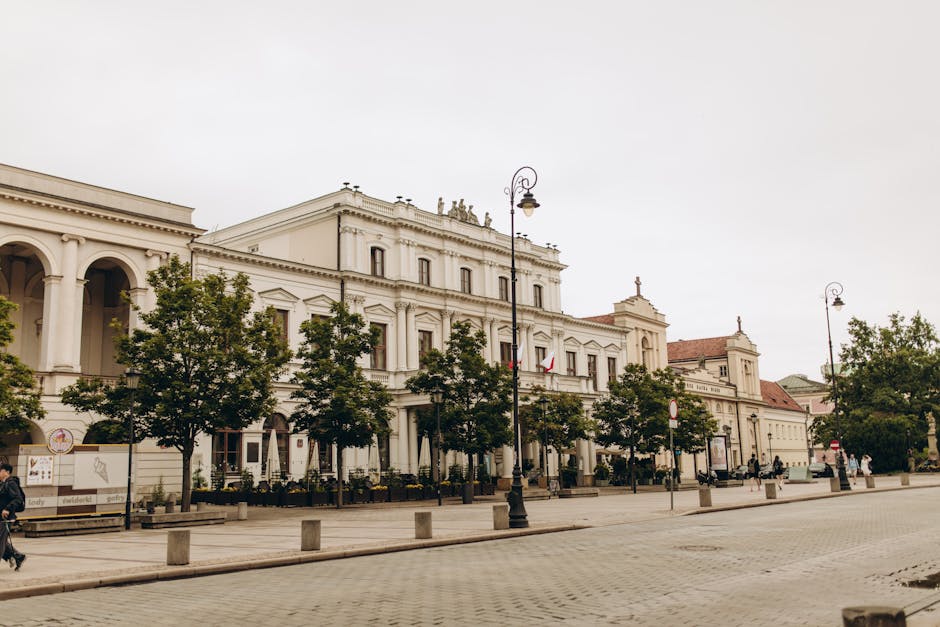
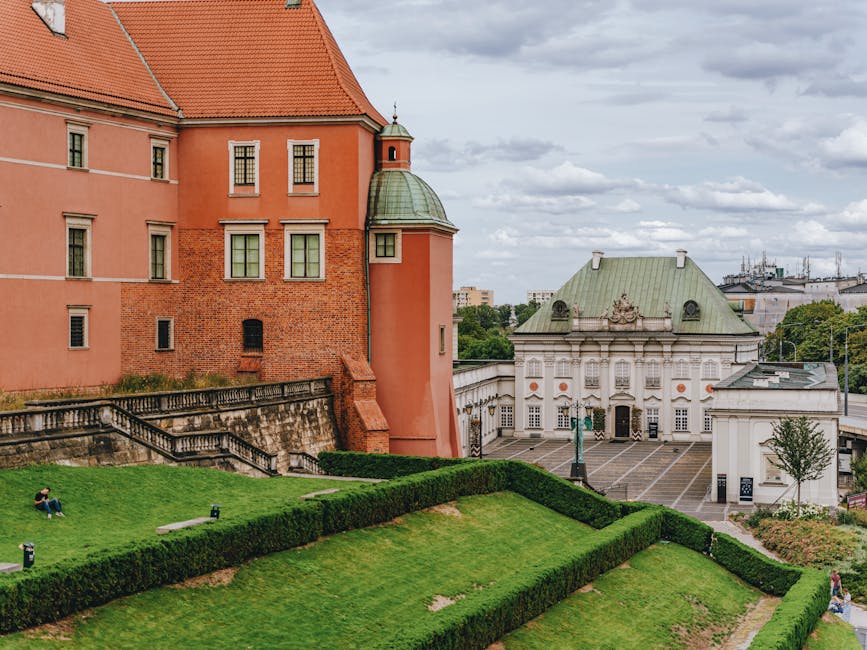
Explore the 'Polish Versailles' at your own pace. Discover Baroque architecture, royal history, and stunning gardens on this self-guided walk.
 Moderate
Warsaw, Poland
Explore the resilient spirit of Warsaw's Muranów district on this self-guided walk through the history and landmarks of the former Jewish Ghetto.
 Moderate
Warsaw, Poland
A powerful self-guided walk through Warsaw's WWII history, tracking the 1944 Uprising from ruined skyscrapers to solemn memorials.
 Easy
EasyGdansk, Poland
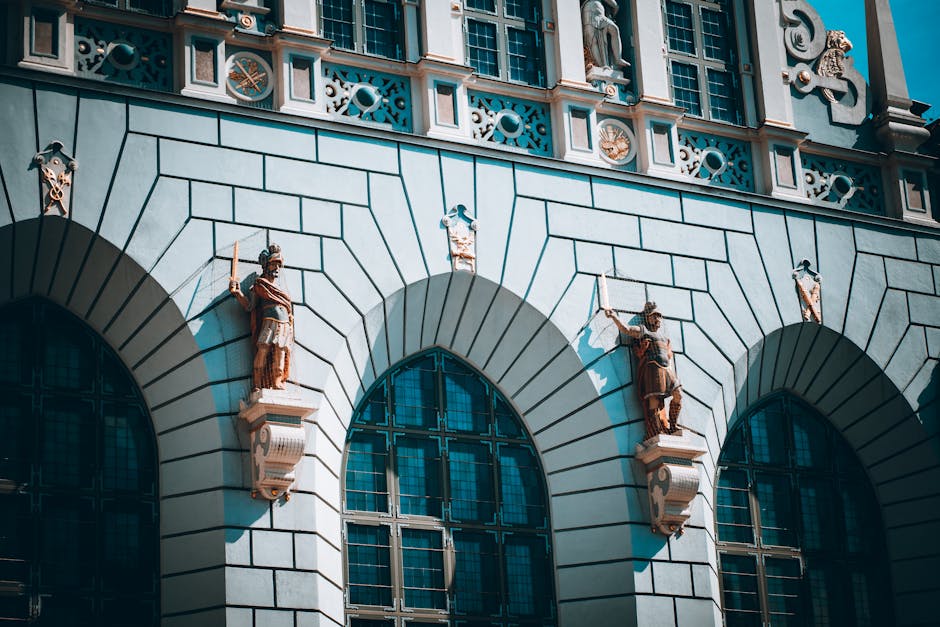
Discover the opulent Royal Way of Gdansk at your own pace. Explore Hanseatic history, gilded architecture, and the iconic Neptune's Fountain.
 Easy
EasySalzburg, Austria
Discover the 'Rome of the North' on this self-guided walk through the Baroque squares and monumental legacy of Salzburg’s Prince-Archbishops.
 Easy
EasyNairobi, Kenya
Explore the history of Kenya’s independence through the statues, monuments, and parks that define Nairobi’s political heart on this self-guided walk.
 Easy
EasyNairobi, Kenya
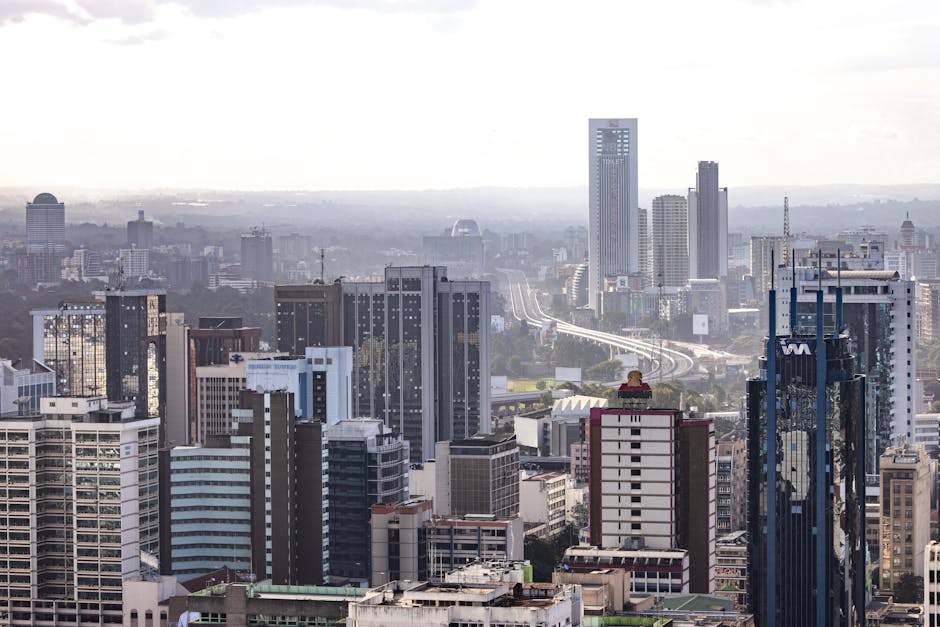
Discover Nairobi's iconic skyline on this self-guided architecture walk through the CBD’s most famous modernist and Brutalist landmarks.
 Easy
EasyKrakow, Poland
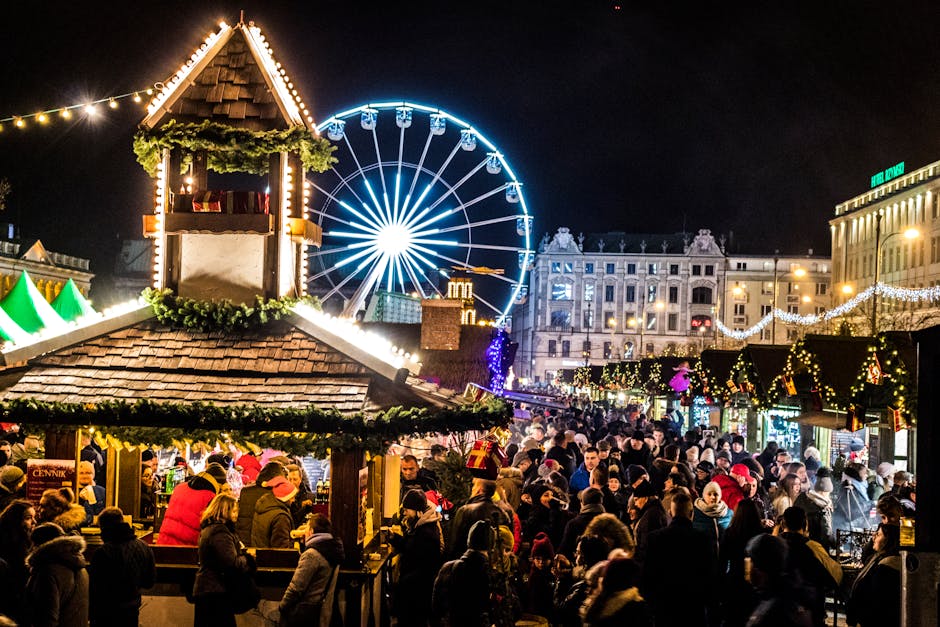
Explore the prestigious Jagiellonian University district, featuring Neo-Gothic architecture, Baroque churches, and Krakow's hidden scholarly gems.
 Easy
EasyKrakow, Poland
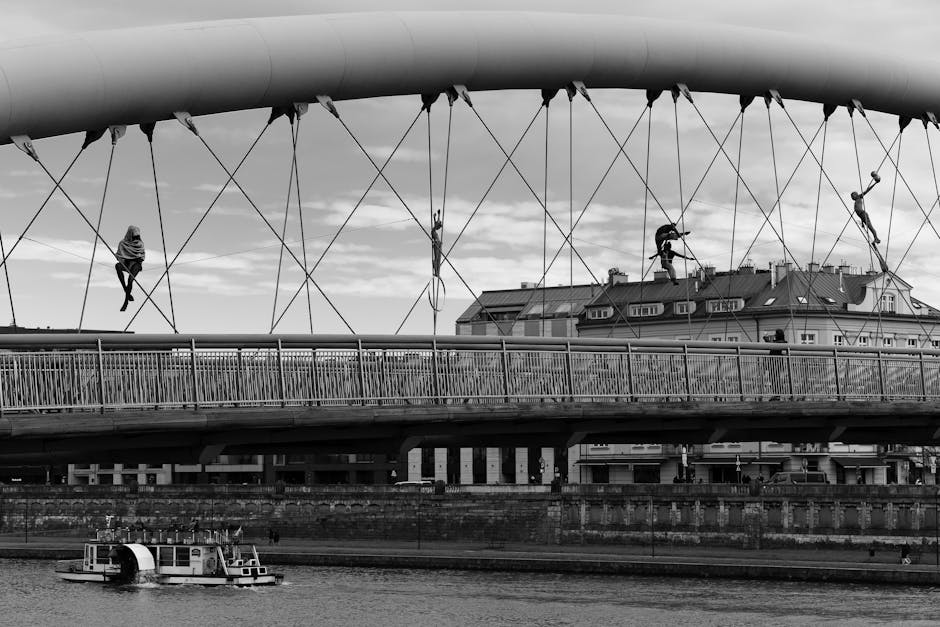
Explore Krakow's hidden nightlife with this self-guided walk through medieval cellars, jazz clubs, and bohemian bars in the Old Town and Kazimierz.
 Easy
EasyKrakow, Poland
Discover Krakow’s creative soul in Zabłocie, exploring industrial heritage, contemporary art museums, and avant-garde architecture at your own pace.
 Easy
EasyKrakow, Poland
Explore the historic heart of Kazimierz on this self-guided walk through synagogues, ancient cemeteries, and vibrant squares.