Self-guided audio tour in Mostar
Start Free on iPhone
Start free on iPhone to unlock this self-guided walking tour in Mostar. Hear all the stories that make it amazing, walk at your own pace, and begin whenever you want.
Your Private Tour Guide
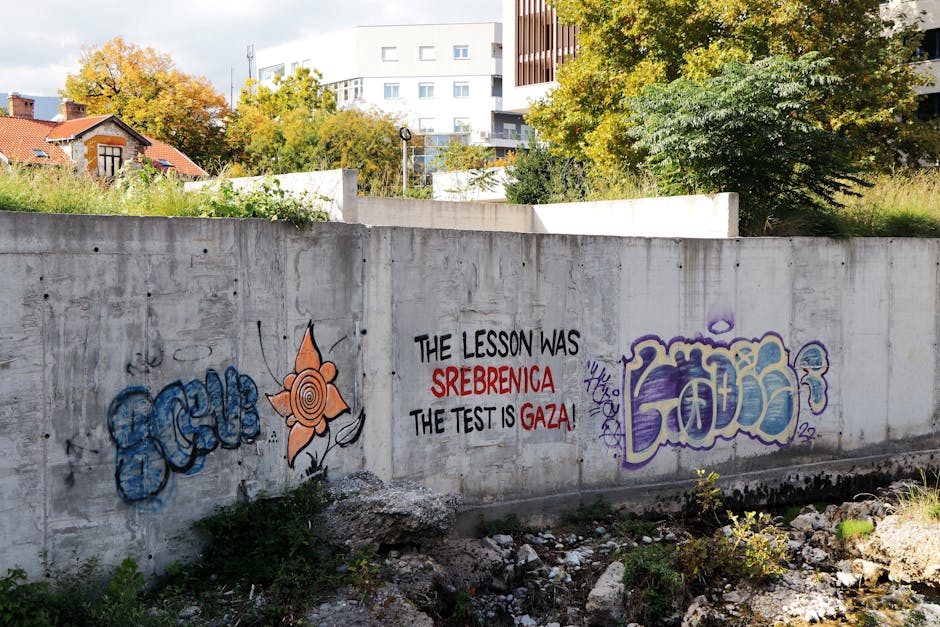
Mostar is a city where the echoes of the past meet the vibrant energy of the future. While many travelers flock to the iconic Old Bridge, this self-guided walk invites you to look beyond the limestone arches and discover a city transformed into an open-air gallery. Mostar’s urban culture is a testament to resilience, where bullet-scarred walls have become canvases for international and local artists. This route takes you through the layers of the city’s identity, from the somber reminders of the 1990s conflict to the quirky, defiant spirit of its modern youth culture. You will explore the historic Ottoman core before venturing into the brutalist and modern neighborhoods where the 'Street Arts Festival Mostar' has left an indelible mark. This neighborhood stroll is more than just an art viewing; it is a deep dive into the soul of a city rebuilding itself through creativity. You will encounter the famous Bruce Lee statue—a symbol of neutral solidarity—and the hauntingly beautiful 'Sniper Tower,' now covered in layers of evocative murals. The route also balances these urban expressions with breathtaking natural vistas, leading you from the riverbanks to high-altitude viewpoints that offer a panoramic perspective of the Neretva Valley. Whether you are a photography enthusiast looking for the perfect shot of the Old Bridge or a culture seeker interested in the alternative history of the Balkans, this walking route provides a comprehensive look at Mostar’s multifaceted character. Discover at your own pace how art has become a tool for healing and a bridge between communities in this stunning Herzegovinian gem. By the time you reach the final heights of Fortica, you will have experienced the full spectrum of Mostar—from its deepest tragedies to its highest aspirations. **Note:** This area is known for its ever-changing character. Street art, pop-up venues, and temporary exhibitions may differ from what's described. That's part of the adventure - you might discover something entirely new!
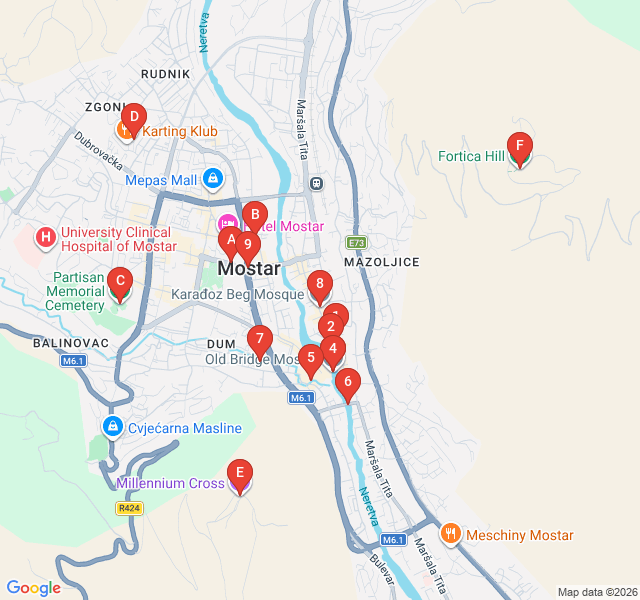
Numbers indicate the order of stops on the tour.
Start exploring with Zigway at this poignant museum. It provides essential context for the rest of your walk, documenting the harrowing experiences of the 1992-1995 war. The personal items, photos, and testimonies here are not just historical artifacts; they explain why the street art you will see later is so significant. The museum serves as a reminder of the fragility of peace and the strength of the human spirit in Mostar. Understanding this history is key to appreciating the city's modern urban culture and its drive toward reconciliation through art.
Completed in 1618, this is one of the most beautiful mosques in the region. Its location on the edge of the Neretva river provides one of the most famous views of the Old Bridge. While the interior is stunning with its original decorations and carpets, the true highlight for many is the narrow climb up the minaret. From the top, you get a bird's-eye view of the historic bazaar and the emerald waters below. It is a perfect example of the Ottoman architectural influence that defines the city's 'Old World' charm.
As you wander through the cobblestone streets of the Kujundžiluk (Old Bazaar), you are stepping back into the 16th century. This area was the heart of trade during the Ottoman era. Today, the stalls are filled with traditional copperwork, pashminas, and colorful lanterns. Listen for the rhythmic tapping of hammers against copper, a craft still practiced by local artisans. This neighborhood is a sensory experience of smells, sounds, and textures that contrast sharply with the modern murals you will encounter later in the Centar 2 district.
The Stari Most is the undisputed symbol of the city. Originally built by Mimar Hayruddin in 1566, it stood for 427 years until its destruction in 1993. The bridge you see today is a meticulous reconstruction using traditional methods and Tenelija stone from local quarries. It represents the literal and metaphorical bridge between the East and West sides of the city. If you are lucky, you might see the local divers, members of a centuries-old tradition, preparing to leap from the 24-meter height into the chilly Neretva river.
Often overlooked in favor of its larger sibling, the Kriva Ćuprija (Crooked Bridge) is a miniature version of the Stari Most. It is believed to have been built as a 'test run' before the construction of the main bridge. Tucked away across the Radobolja creek, this area is much quieter and offers a peaceful atmosphere. The surrounding stone houses and small waterfalls make it one of the most romantic spots in the city, showcasing the intimate scale of Mostar's medieval urban planning.
This bridge offers one of the best 'alternative' photography spots in Mostar. From here, you can see the Old Bridge framed by the historic buildings of the Old Town, with the mountains rising in the background. It is a favorite spot for local photographers who want to capture the city's skyline without the dense crowds of the bazaar. As you cross, notice the transition from the Ottoman-style architecture toward the Austro-Hungarian and modern influences that characterize the newer parts of the city.
The Peace Bell Tower of the Franciscan Church of Saints Peter and Paul is the tallest structure in Mostar. Standing at 107 meters, it was built following the war and serves as a prominent landmark on the city's skyline. An elevator can take you partway up to a viewing platform. From this height, you can clearly see the geographic divide of the city and the scars of the conflict that are still visible on some rooftops, providing a stark perspective on the city's layout and its path to reconstruction.
Designed by the famous Ottoman architect Sinan, this mosque is considered the largest and most representative monument of Islamic sacred architecture in Herzegovina. Its large dome and high minaret were heavily damaged during the war but have been beautifully restored. The courtyard, with its traditional fountain (šadrvan), offers a moment of tranquility. This stop highlights the sophisticated urban culture that existed in Mostar centuries before the modern street art movement began to reshape the city's walls.
In the middle of Zrinjevac Park stands a life-sized bronze statue of Bruce Lee. Erected in 2005, it might seem out of place, but its purpose is deeply symbolic. The youth of Mostar chose Lee because he was a figure loved by all ethnic groups—a symbol of justice and skill that transcended local divisions. It was the first public monument to Bruce Lee in the world. Though it has faced vandalism in the past, it remains a quirky and beloved icon of Mostar’s desire for a neutral, shared pop-culture identity.
This former bank building, officially the 'Staklena Banka' (Glass Bank), became one of the most notorious locations during the Siege of Mostar due to its height and strategic position. Today, it stands as a skeletal concrete shell. While officially closed to the public for safety, its exterior has become a massive, multi-story canvas for street artists. The murals here range from political statements to surrealist dreams. Please observe from the outside; the art on these walls is a powerful example of how the city’s youth have reclaimed a site of trauma through creative expression.
The OKC Abrašević is the beating heart of Mostar’s alternative scene. Born from the ruins of a pre-war social center, it is now a space for concerts, workshops, and activism. The walls surrounding the center are constantly changing with new graffiti and murals. This is where the city’s urban culture is most active and unfiltered. It represents a 'third space' where people of all backgrounds come together to create. Take a moment to see if there are any posters for local events; this is the best place to find the city's contemporary pulse.
Designed by the renowned architect Bogdan Bogdanović and completed in 1965, this necropolis is a masterpiece of brutalist landscape architecture. It commemorates the Yugoslav Partisans of Mostar who died during WWII. The site is designed as a 'city of the dead,' with winding paths and stone markers shaped like cut flowers. Though it has suffered from neglect and vandalism, its cosmic, almost otherworldly design remains breathtaking. It is a significant site for understanding the layered ideological history of the region and its monumental artistic heritage.
As you walk along Vukovarska Street, you are in the primary gallery of the Street Arts Festival Mostar (SAFMO). Every year, artists from around the world are invited to transform the residential blocks into vibrant works of art. Because this is an active urban environment, the murals are subject to change—new ones appear, while older ones may fade or be built over. This 'safari' through the residential district shows how art can improve the quality of urban life, turning mundane commutes into an exploration of global contemporary styles.
Located high above the city on Hum Hill, the 33-meter-tall Millennium Cross is a landmark visible from almost everywhere in Mostar. Reaching this point requires a bit of an ascent, but the reward is a staggering view of the entire Neretva Valley. From here, you can see the physical layout of the city's expansion and the surrounding mountains. It serves as a reminder of the complex religious and political landscape of Herzegovina, standing as a prominent symbol on the horizon.
Conclude your self-guided adventure at Fortica Hill. This spot has evolved from a military outpost into an adventure park and the ultimate sunset viewpoint. The glass Skywalk offers a thrilling perspective of the city directly beneath your feet. You can see the 'BiH' (Bosnia and Herzegovina) sign spelled out in stones on the hillside, a common sight in this region. As the lights of the city begin to flicker on, reflect on the journey from the historic bridge to the modern murals, all nestled within this dramatic mountain basin.
Start Free on iPhone
Explore “Street Art and Urban Culture Safari” with your very own Private Tour Guide with Zigway. Start free on iPhone, skip the large group and the fixed routes, and hear the city come alive as you go.
Your Private Tour Guide
Don't miss the good stuff
Explore Freely
 Easy
EasyMostar, Bosnia and Herzegovina
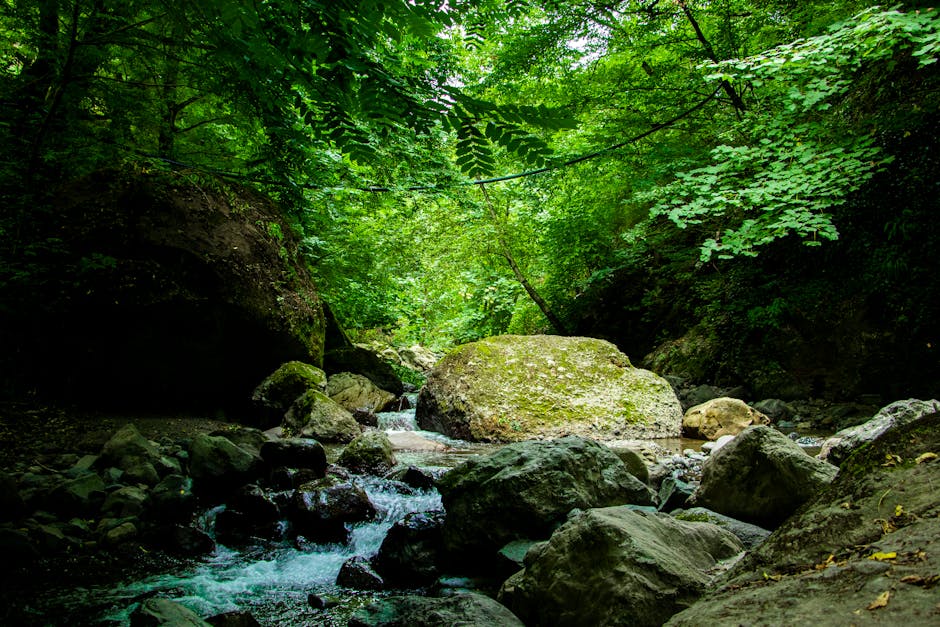
Explore Mostar's emerald secret on this self-guided walk along the Radobolja stream, featuring Ottoman mills, hidden beaches, and lush parks.
 Challenging
Mostar, Bosnia and Herzegovina
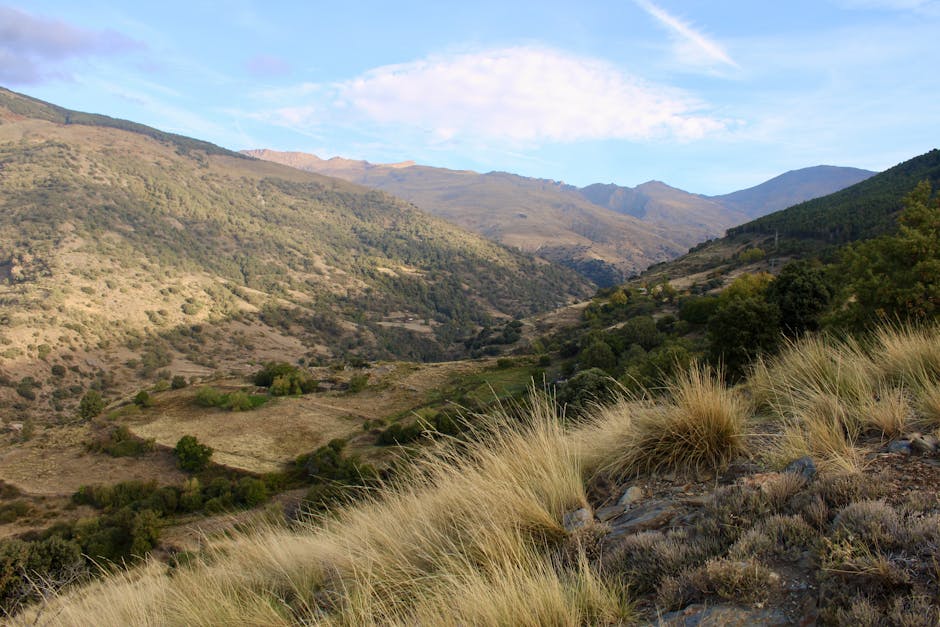
Ascend from the iconic Old Bridge to the breathtaking glass skywalk at Fortica. A challenging self-guided hike through Mostar’s history and nature.
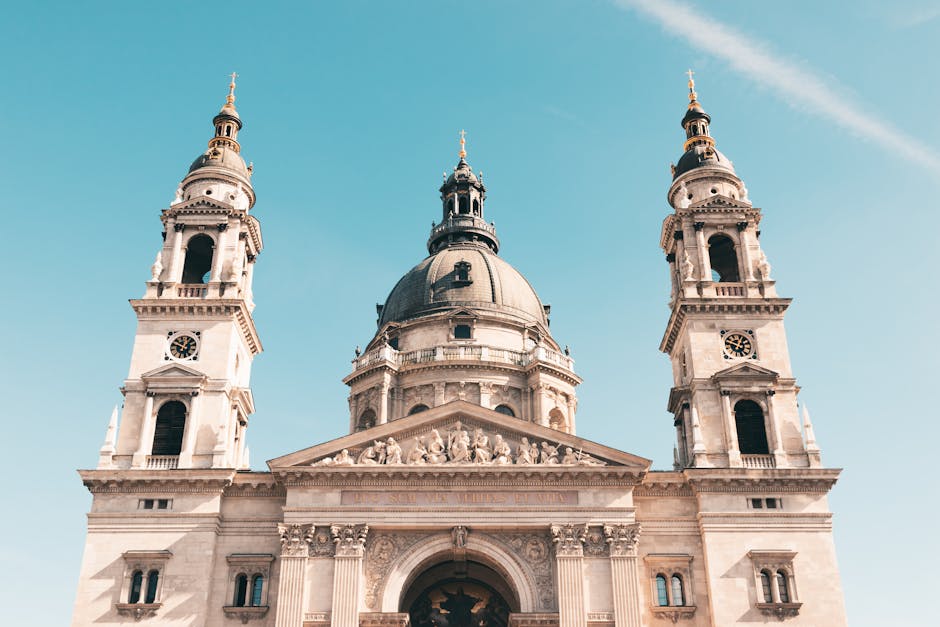 Easy
EasyMostar, Bosnia and Herzegovina
Discover Mostar's grand Austro-Hungarian boulevards, Moorish Revival architecture, and 20th-century history on this self-guided neighborhood stroll.
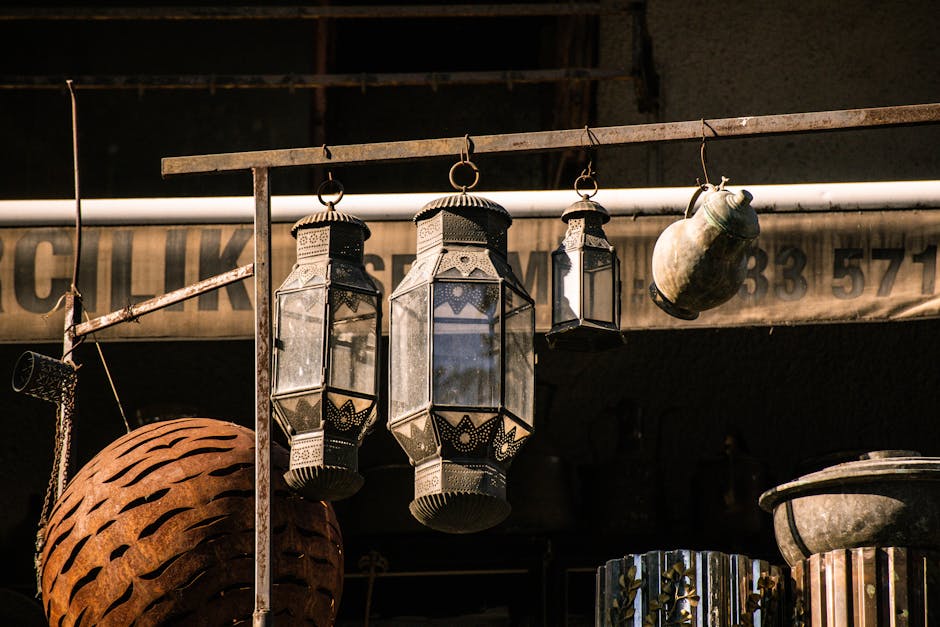 Easy
EasyMostar, Bosnia and Herzegovina
Explore Mostar's iconic Old Bridge, Ottoman bazaars, and hidden Brutalist gems on this comprehensive self-guided audio walk.
 Easy
EasyNairobi, Kenya
Discover Nairobi's iconic skyline on this self-guided architecture walk through the CBD’s most famous modernist and Brutalist landmarks.
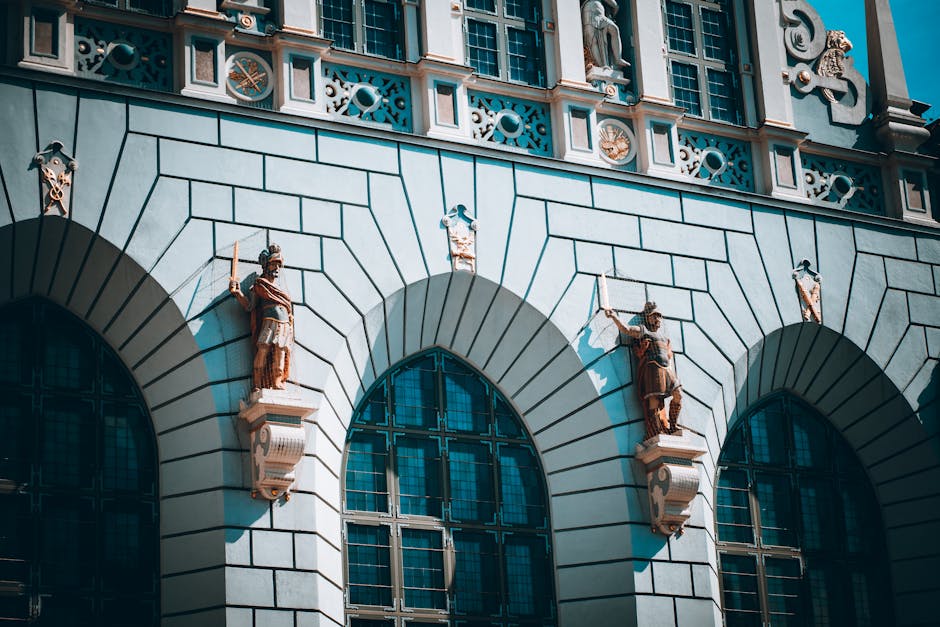 Easy
EasyGdansk, Poland
Discover the opulent Royal Way of Gdansk at your own pace. Explore Hanseatic history, gilded architecture, and the iconic Neptune's Fountain.
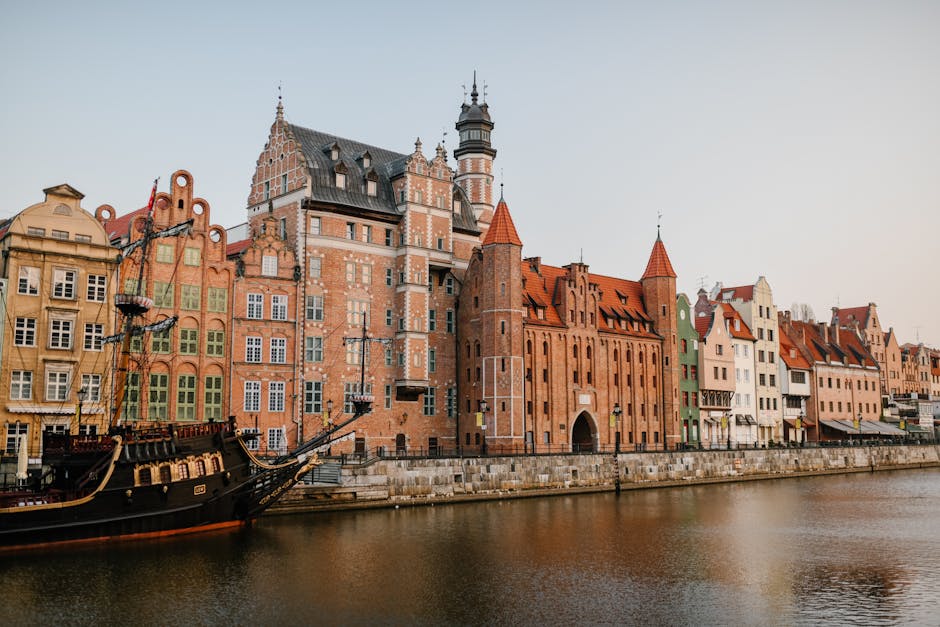 Easy
EasyGdansk, Poland
Discover the 'Baltic Gold' on this self-guided walk through Gdansk's historic mills, massive cathedrals, and the magical Mariacka Street.
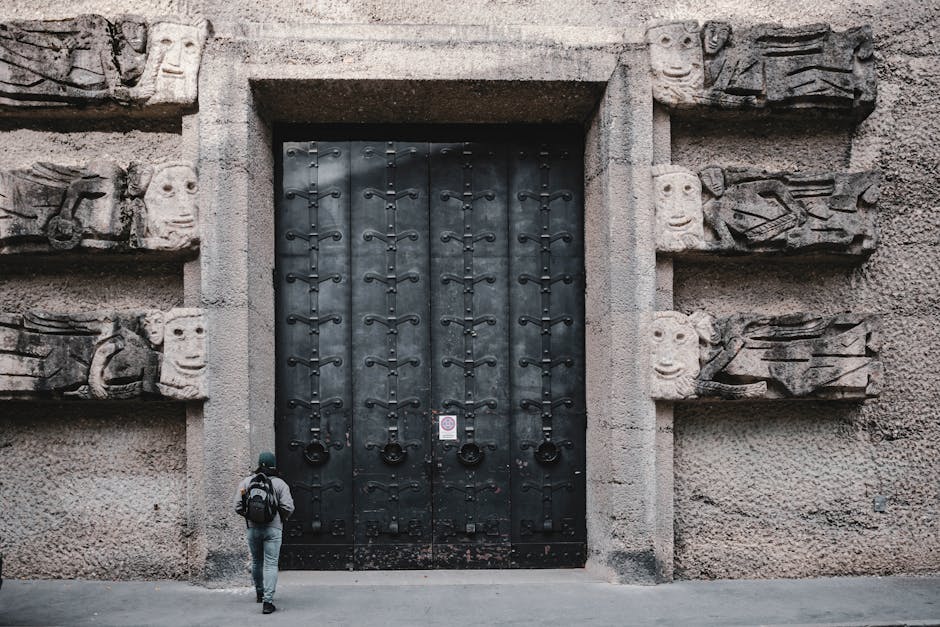 Easy
EasySalzburg, Austria
Discover Salzburg's oldest medieval alley, the birthplace of the 'Silent Night' author, and breathtaking views on this quiet self-guided walk.
 Easy
EasySarajevo, Bosnia and Herzegovina
Discover Sarajevo’s history and architecture on this scenic self-guided walk across the iconic bridges of the Miljacka River.
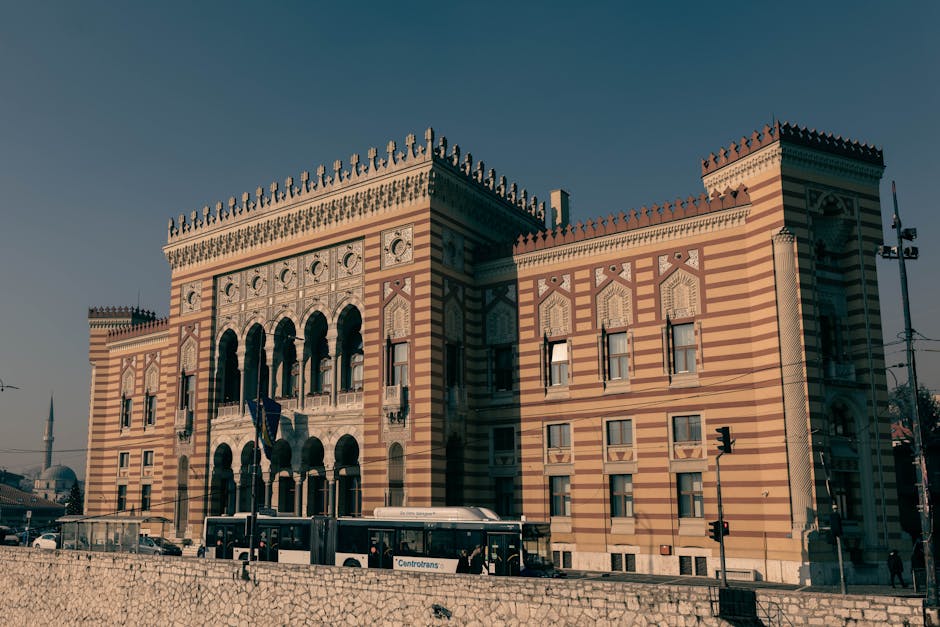 Moderate
Sarajevo, Bosnia and Herzegovina
Discover Sarajevo’s soul through street art, brutalist landmarks, and poignant history on this self-guided urban walking route.
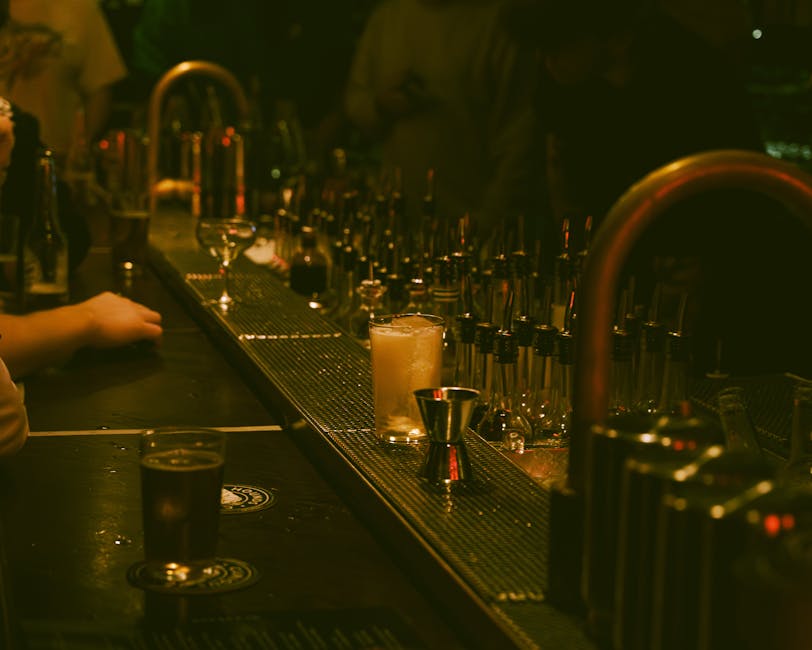 Easy
EasySarajevo, Bosnia and Herzegovina
Explore Sarajevo’s soulful nightlife on this self-guided walking route through historic pubs, hidden rakija bars, and legendary local haunts.
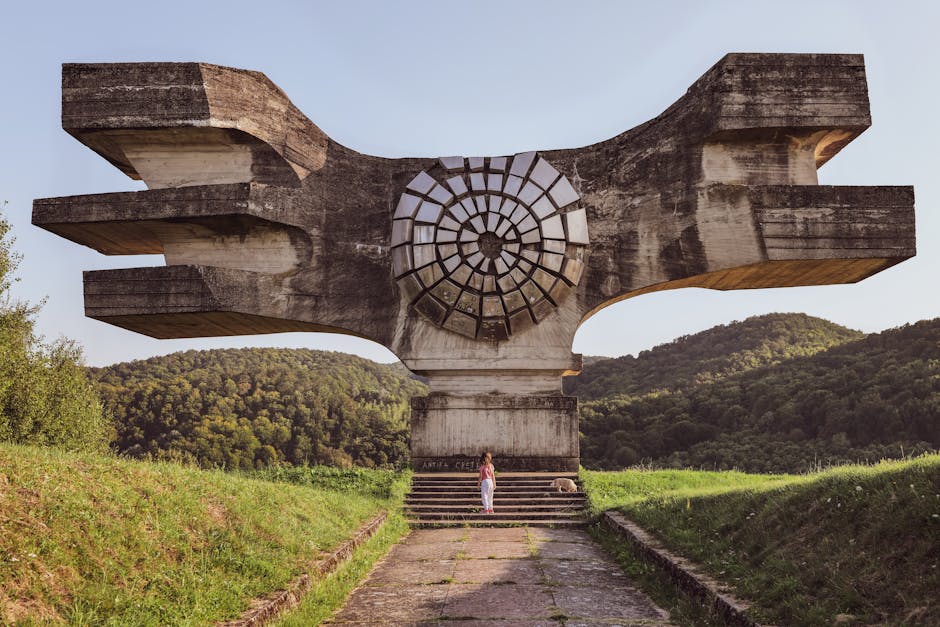 Easy
EasySarajevo, Bosnia and Herzegovina
Explore Yugoslav Modernism and lush riverfront paths in Grbavica. A self-guided walk through Sarajevo's resilient 20th-century neighborhoods.