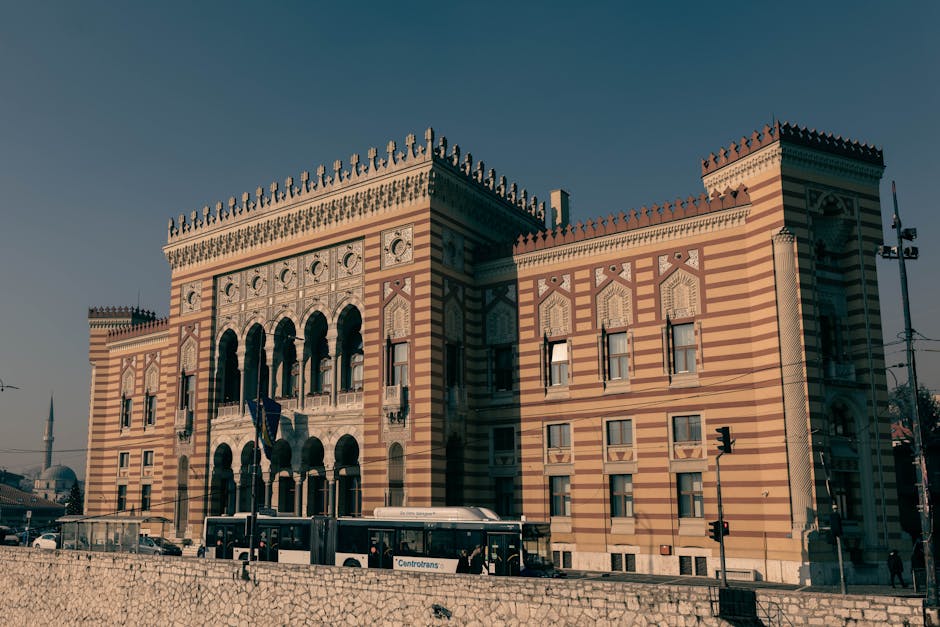
Self-guided audio tour in Sarajevo
Start Free on iPhone
Start free on iPhone to unlock this self-guided walking tour in Sarajevo. Hear all the stories that make it amazing, walk at your own pace, and begin whenever you want.
Your Private Tour Guide
Sarajevo is a city where every wall tells a story and every corner reveals a layer of its complex soul. This self-guided walk through the heart of the Bosnian capital invites you to explore the intersection of history and modern urban expression. From the bold graffiti on brutalist structures to the poignant murals that emerged from the shadows of conflict, Sarajevo’s streets serve as a living canvas. This neighborhood stroll takes you beyond the typical tourist paths of Baščaršija, diving into the vibrant Centar district and the artistic pulses that define the city today. You will encounter iconic landmarks like the colorful 'Papagajka' building and the historic Latin Bridge, but you will also find hidden gems like the creative energy of Radićeva Street and the skate-culture vibes of Hastahana Park. As you navigate this walking route, you’ll witness how art has been used as a tool for healing and resistance. The journey balances the heavy weight of the past—explored through world-class museums like Gallery 11/07/95—with the playful, forward-looking spirit of the Museum of Optical Illusions. This walking tour Sarajevo experience is designed for those who want to understand the city's identity through its visual culture. You will see how the 'Meeting of Cultures' line isn't just a mark on the pavement, but a lived reality reflected in the architecture and art surrounding it. Whether it is the grand neoclassical facades of the National Museum or the gritty, expressive tags under Skenderija’s bridges, the urban landscape of Sarajevo offers an unfiltered look at a city that refuses to be defined by just one era. End your self-guided adventure at the Yellow Fortress, where the entire city unfolds before you in a panoramic display of red roofs and minarets, perfectly capturing the spirit of this resilient urban center. **Note:** This area is known for its ever-changing character. Street art, pop-up venues, and temporary exhibitions may differ from what's described. That's part of the adventure - you might discover something entirely new!
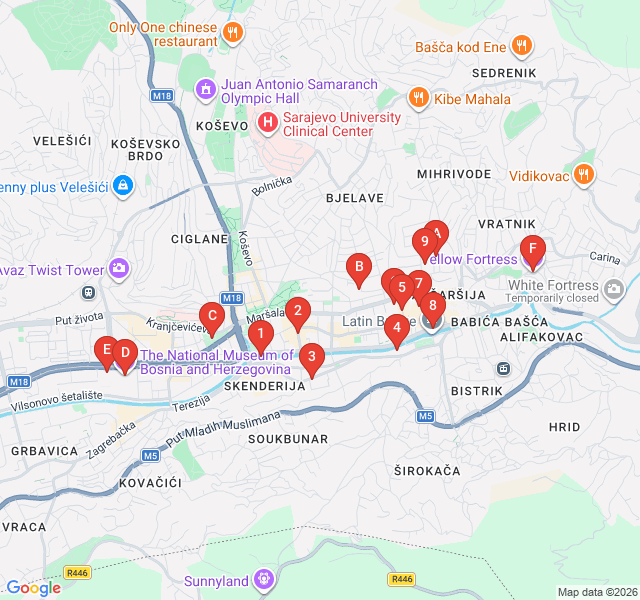
Numbers indicate the order of stops on the tour.
Start exploring with Zigway at the Skenderija Bridge area, a hub where Sarajevo’s modern life meets its industrial past. The concrete underpasses and bridge supports here are frequent canvases for local graffiti artists. While the specific tags and pieces change often, the area consistently reflects the raw, underground spirit of Sarajevo’s youth. Notice how the gritty urban art contrasts with the nearby Skenderija Center, a socialist-era sports and cultural complex. This spot serves as a gateway between the newer parts of the city and the historic center, making it the perfect place to begin observing how Sarajevo uses public space for creative expression.
Radićeva Street has transformed into one of the city's most charming creative corridors. Once a standard thoroughfare, it is now often pedestrianized for festivals, hosting outdoor art installations and murals. Look up at the building facades to find large-scale works that celebrate Bosnian culture and modern aesthetics. The art here is part of an ongoing effort to revitalize the city's urban core through 'street-art' initiatives. Keep an eye out for seasonal changes; what was a blank wall last month might today be a vibrant masterpiece. This street perfectly encapsulates the 'vibrant' vibe of the Centar neighborhood.
Step away from the traditional and into the surreal. This museum represents a newer wave of cultural attractions in Sarajevo, focusing on interactive art and psychological play. It’s a favorite for photography enthusiasts, offering dozens of installations that challenge your perception of reality. From rooms that distort your size to holographic displays, the museum showcases a playful side of Sarajevo’s modern culture. While it is an indoor stop, its presence in the heart of the city highlights how Sarajevo is diversifying its cultural offerings beyond historical trauma, embracing global trends in immersive art.
You can't miss the 'Papagajka,' or Parrot Building, one of Sarajevo’s most eccentric architectural landmarks. Built in the late 1980s, its bold, multi-colored facade was a radical departure from the grey, functionalist style of the era. To some, it’s a masterpiece of postmodernism; to others, it’s a quirky eyesore. Regardless of your take, it is an essential stop for understanding Sarajevo’s urban identity. The building serves as a massive piece of 'street-art' in its own right, challenging the visual monotony of the surrounding blocks and providing a colorful backdrop for the Miljacka River.
This stop offers a sobering but necessary look at the events of the 1990s. The museum uses personal belongings, testimonies, and visual media to document the atrocities of the war. In the context of our urban expression theme, pay attention to the 'art of survival'—how people used creativity and makeshift tools to endure the Siege of Sarajevo. The museum’s raw, direct approach to storytelling is a powerful example of how a city documents its own history to ensure that 'never again' remains a central tenet of its contemporary identity.
Located near the Sacred Heart Cathedral, this gallery is a premier example of how photography and documentary art can serve as a memorial. It is dedicated to the victims of the Srebrenica genocide. The black-and-white photography here is hauntingly beautiful, capturing the human face of tragedy with immense dignity. The gallery’s layout and use of multimedia create an immersive experience that goes beyond a standard museum visit. It is a testament to the power of the image to convey truths that words often fail to reach, making it a cornerstone of Sarajevo’s cultural landscape.
Look down at your feet. This simple line on Ferhadija Street marks the symbolic 'Meeting of Cultures.' If you look west, you see the neoclassical and secessionist architecture of the Austro-Hungarian era. Look east, and you are transported into the Ottoman-style bazaar of Baščaršija. This is the literal and metaphorical heart of Sarajevo. This spot is an 'iconic-landmark' for a reason; it visually represents the city’s ability to bridge different worlds. The transition is so abrupt and clear that it feels like walking through a portal between two different centuries.
Situated at the corner of the Latin Bridge, this museum stands at the exact site where Archduke Franz Ferdinand was assassinated in 1914, sparking World War I. The exterior of the building is as significant as the interior. Look for the plaque and the footprints (reproductions of the original) that mark where Gavrilo Princip stood. This corner is perhaps the most historically dense few square meters in the world. The museum’s focus on the Austro-Hungarian period explains the architectural shift you just witnessed at the Meeting of Cultures line, showing how political power reshapes urban design.
This museum is a globally recognized project that began as a simple collection of memories from those who were children during the war. Each object on display—a swing, a ballet shoe, a food wrapper—is accompanied by a short story. This is 'urban expression' at its most intimate level. It highlights the resilience of the human spirit and the shared experiences of a generation. The minimalist design of the museum allows the personal stories to take center stage, making it one of the most moving stops on your neighborhood stroll.
To understand the roots of Sarajevo’s urban layout, you must see Svrzo's House. This is a perfectly preserved example of an Ottoman-era merchant family's home. Notice the division between public and private spaces (selamluk and haremluk) and the beautiful woodwork and courtyards. The 'architecture' here is designed for privacy and harmony with nature, a sharp contrast to the grand European styles found elsewhere in the city. It provides a peaceful glimpse into the domestic life that once defined the slopes of Sarajevo before the modern era.
Housed in a stunningly restored villa, this museum celebrates the 1984 Winter Olympics, a moment of immense pride for the city. During the war, the building was shelled and burned, but its restoration symbolizes Sarajevo’s rebirth. The exhibits feature Olympic posters, equipment, and art inspired by the games. The 1984 Olympics left a permanent mark on the city's visual identity, from the 'Vučko' mascot still seen on souvenirs to the brutalist sports venues scattered around the outskirts. It’s a reminder of a time when the eyes of the world were on Sarajevo for reasons of joy and sporting excellence.
Hastahana Park is a vibrant community space that often serves as an open-air gallery. It features a skate park, basketball courts, and several large-scale sculptures and murals. The name 'Hastahana' comes from the old military hospital that once stood here. Today, it is a site of urban activism, with locals fighting to keep it as a green, creative space against commercial development. The graffiti here is more 'local-favorites' style—less polished than the city murals but deeply connected to the neighborhood's pulse. It’s a great place to see Sarajevo’s youth culture in action.
This neoclassical masterpiece is the country's oldest modern cultural institution. Beyond its famous botanical garden and the Sarajevo Haggadah, the museum itself is an architectural statement of the Austro-Hungarian era. The four pavilions connected by corridors reflect a desire to categorize and display the natural and human history of the region. Even if you don't go inside, the exterior and the surrounding 'Museum Quarter' show the grand scale of 19th-century urban planning in Sarajevo, designed to transform the city into a 'Little Vienna.'
Located right next to the National Museum, this building is a prime example of mid-century socialist modernism. While the facade still bears the scars of the war, the museum’s interior houses the essential 'Sarajevo Under Siege' exhibition. Look for the 'survival' objects—homemade stoves and lamps—which are masterpieces of functional urban art created under extreme pressure. The contrast between this cube-like, modern structure and the neoclassical National Museum nearby perfectly illustrates the architectural layers you’ve been exploring on this walking route.
Conclude your self-guided adventure with a climb to the Yellow Fortress (Žuta Tabija). Part of the old city walls, this cannon bastion offers the most iconic view of Sarajevo. As the sun begins to set, the city's white gravestones, minarets, and modern towers glow in a soft light. You’ll often find locals gathered here with coffee or snacks. From this height, the layout of the city—the narrow Ottoman streets, the grand European blocks, and the sprawling socialist apartment complexes—becomes a single, coherent story. It is the ultimate spot to reflect on the 'Urban Expression' of this remarkable city.
Start Free on iPhone
Explore “Sarajevo Street Art & Urban Expression” with your very own Private Tour Guide with Zigway. Start free on iPhone, skip the large group and the fixed routes, and hear the city come alive as you go.
Your Private Tour Guide
Don't miss the good stuff
Explore Freely
 Easy
EasySarajevo, Bosnia and Herzegovina
Discover Sarajevo’s history and architecture on this scenic self-guided walk across the iconic bridges of the Miljacka River.
 Easy
EasySarajevo, Bosnia and Herzegovina
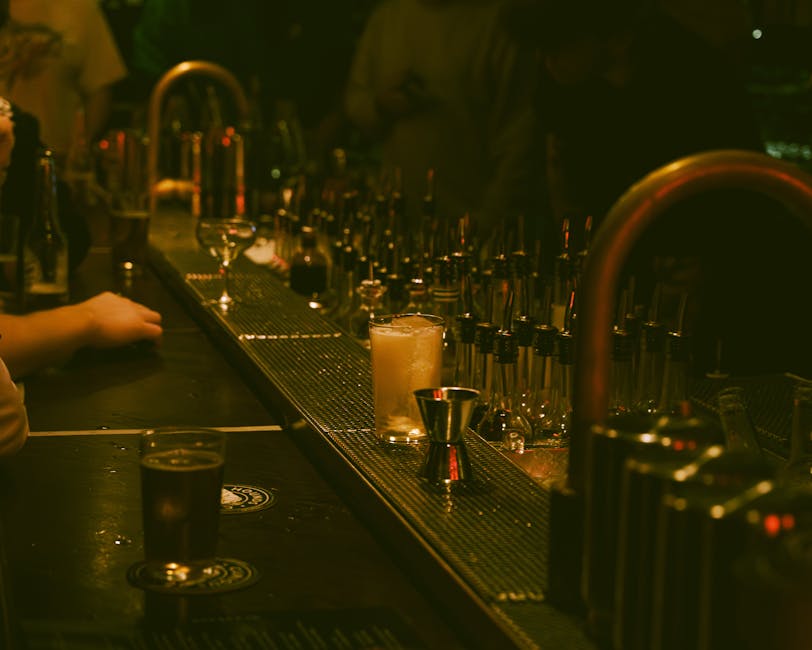
Explore Sarajevo’s soulful nightlife on this self-guided walking route through historic pubs, hidden rakija bars, and legendary local haunts.
 Easy
EasySarajevo, Bosnia and Herzegovina
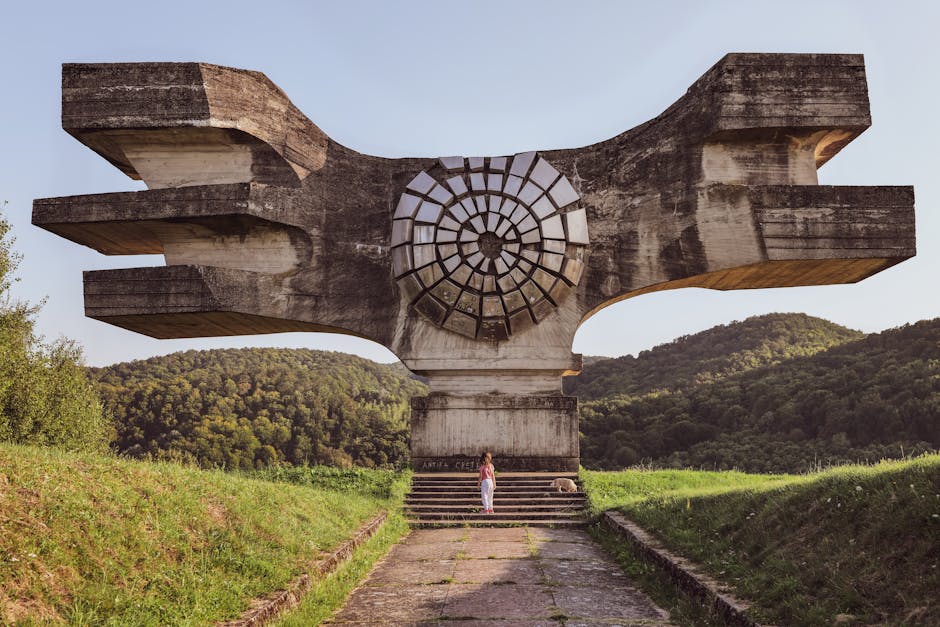
Explore Yugoslav Modernism and lush riverfront paths in Grbavica. A self-guided walk through Sarajevo's resilient 20th-century neighborhoods.
 Easy
EasySarajevo, Bosnia and Herzegovina
Discover Sarajevo’s literary soul on this self-guided walk from Nobel-winning archives to the iconic National Library.
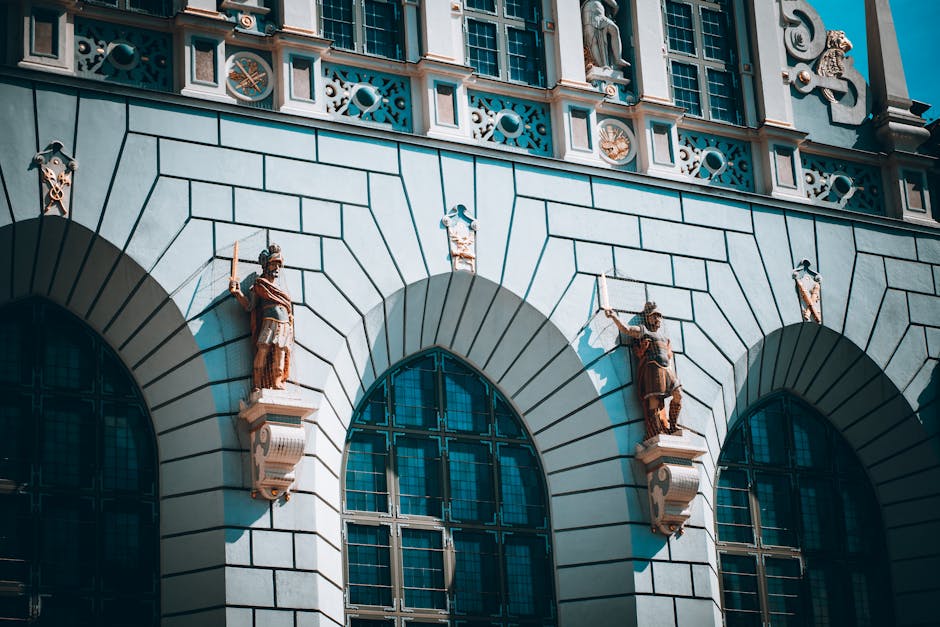 Moderate
Gdansk, Poland
Discover Zaspa, a massive open-air gallery where grey housing blocks are transformed by over 60 monumental murals. Explore at your own pace.
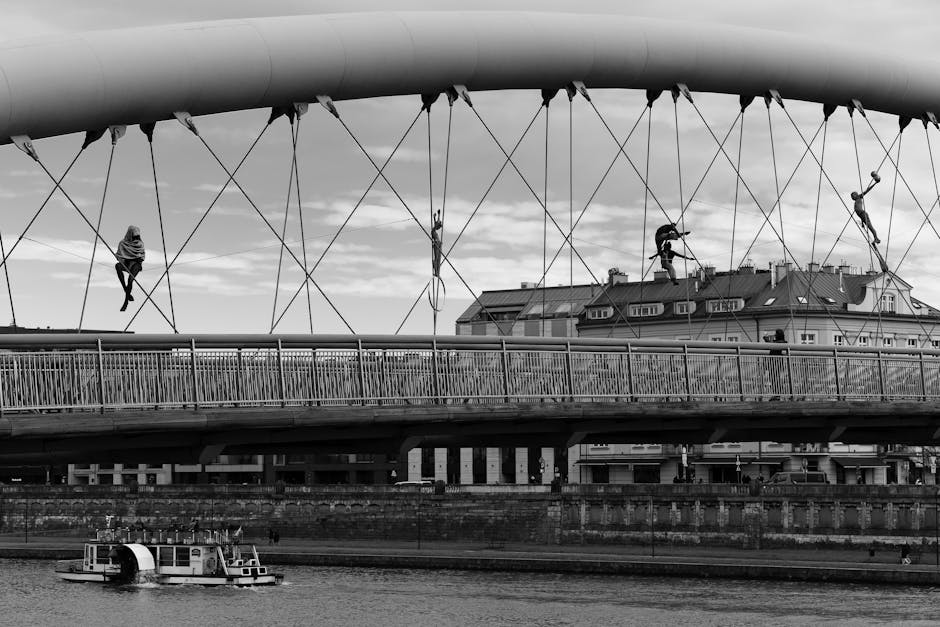 Easy
EasyKrakow, Poland
Explore Krakow’s artistic evolution from Renaissance masterpieces to vibrant urban murals on this inspiring self-guided walk through the city.
 Moderate
Nairobi, Kenya
Discover the creative soul of Nairobi on this self-guided walk through the city's premier art galleries, markets, and artisan workshops.
 Moderate
Nairobi, Kenya
Taste your way through Nairobi's Westlands on this self-guided walk featuring street snacks, cultural landmarks, and hidden foodie gems.
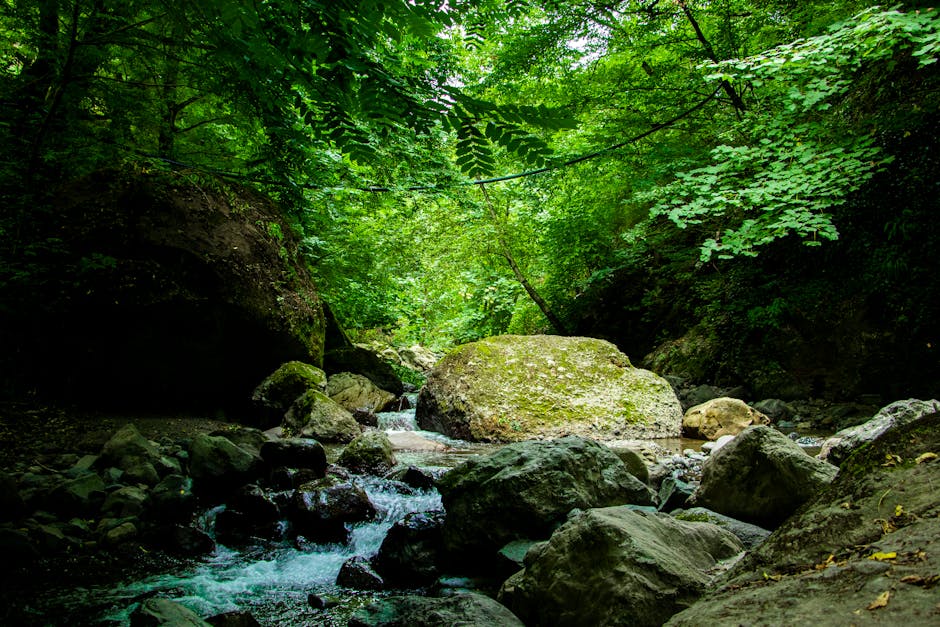 Easy
EasyMostar, Bosnia and Herzegovina
Explore Mostar's emerald secret on this self-guided walk along the Radobolja stream, featuring Ottoman mills, hidden beaches, and lush parks.
 Challenging
Mostar, Bosnia and Herzegovina
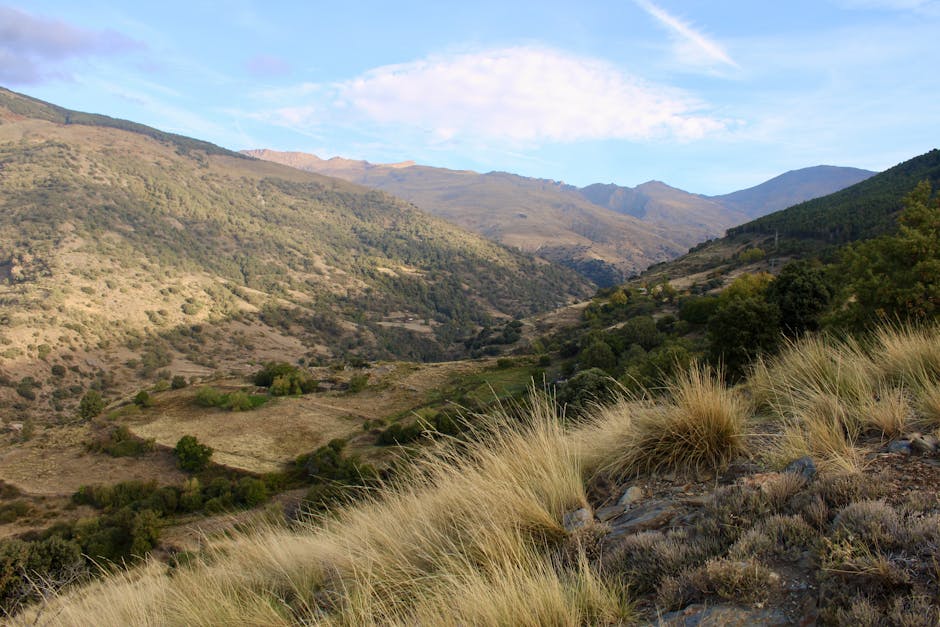
Ascend from the iconic Old Bridge to the breathtaking glass skywalk at Fortica. A challenging self-guided hike through Mostar’s history and nature.
 Moderate
Mostar, Bosnia and Herzegovina
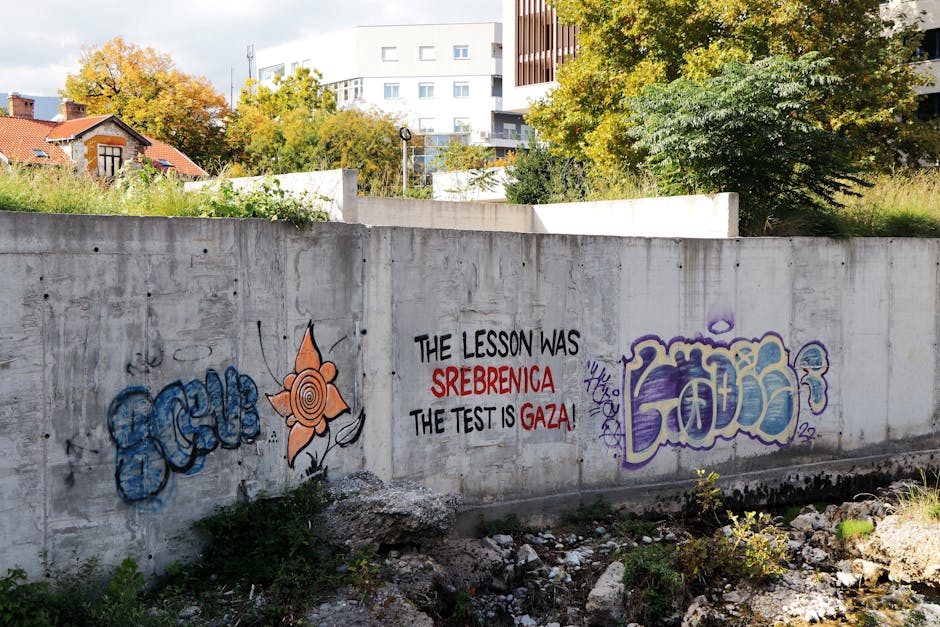
Discover Mostar’s soul through its vibrant street art, historic Ottoman architecture, and resilient urban culture on this self-guided walk.
 Easy
EasyMostar, Bosnia and Herzegovina
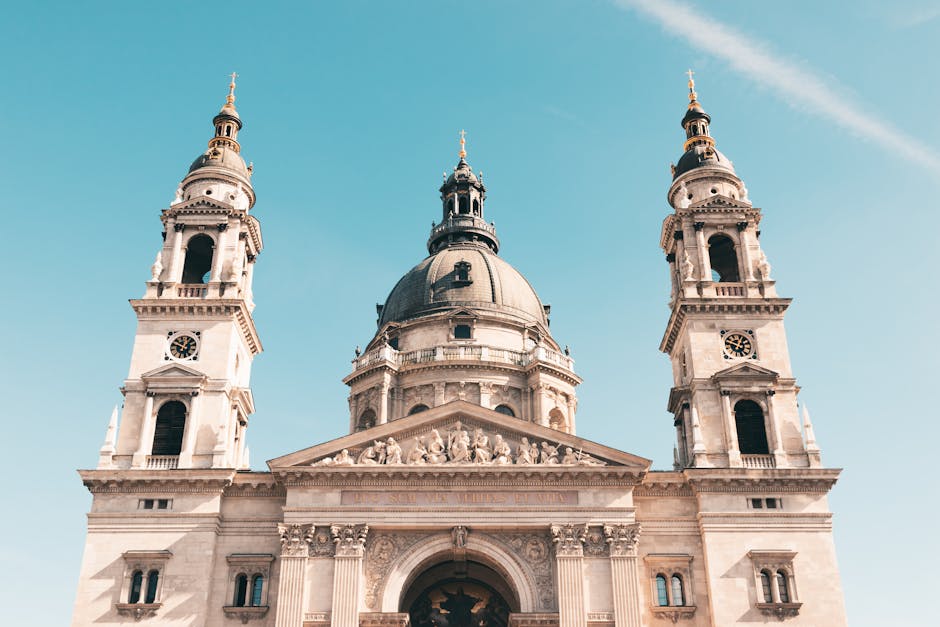
Discover Mostar's grand Austro-Hungarian boulevards, Moorish Revival architecture, and 20th-century history on this self-guided neighborhood stroll.