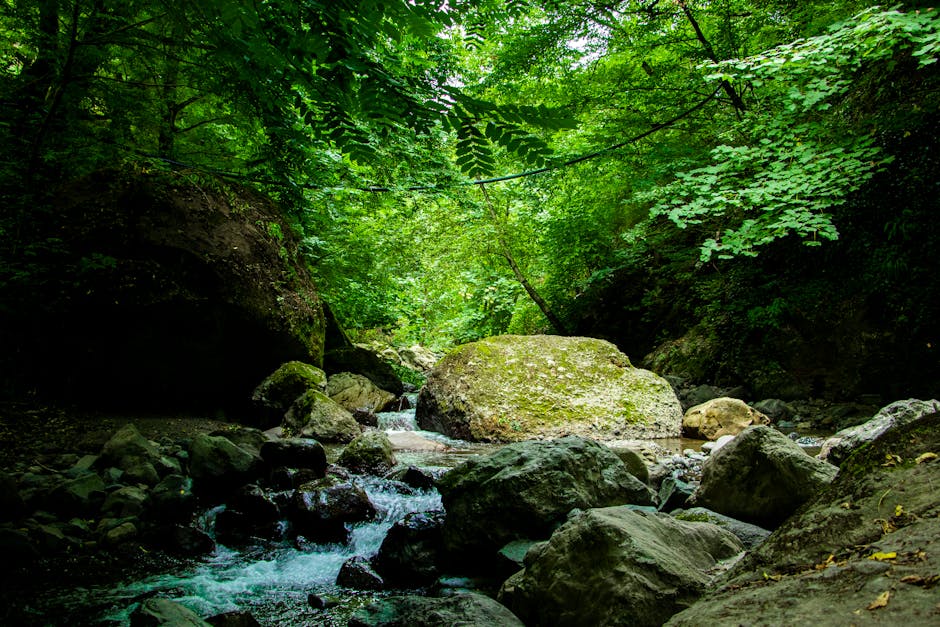
Self-guided audio tour in Mostar
Start Free on iPhone
Start free on iPhone to unlock this self-guided walking tour in Mostar. Hear all the stories that make it amazing, walk at your own pace, and begin whenever you want.
Your Private Tour Guide
While the turquoise Neretva River and the iconic Old Bridge capture the world's attention, a smaller, emerald-colored secret flows through the heart of Mostar. This self-guided walk follows the Radobolja, a spring-fed stream that once powered the city's Ottoman-era mills and today provides a lush, shaded sanctuary for locals. This walking route invites you to step away from the crowded souvenir stalls and into a landscape of ancient stone bridges, hidden river beaches, and expansive parks that define Mostar's 'green' identity. You will begin near the historic Jusuf Jusa Bridge, tracing the water through the Tabhana district where tanners once worked, before discovering the Kriva Ćuprija, or Crooked Bridge—a charming stone arch that served as a prototype for the world-famous Stari Most. As you move westward, the atmosphere shifts from the stone-heavy architecture of the Ottoman period to the leafy boulevards of the Austro-Hungarian era. This neighborhood stroll takes you through Rondo, the city's circular hub, and into the cooling shade of Park Zrinjevac. The highlight for many is the Partisan Memorial Cemetery, a surrealist architectural masterpiece built into the hillside, offering a peaceful space for reflection and a unique perspective on Yugoslav-era design. By following the Radobolja further into the Trimuša forest area, you experience the true 'lung' of the city, where nature and history intertwine. This route is perfect for those who want to see Mostar beyond the postcards, exploring the quiet gardens, local swimming spots, and historic waterways that make this city so much more than just a single bridge.
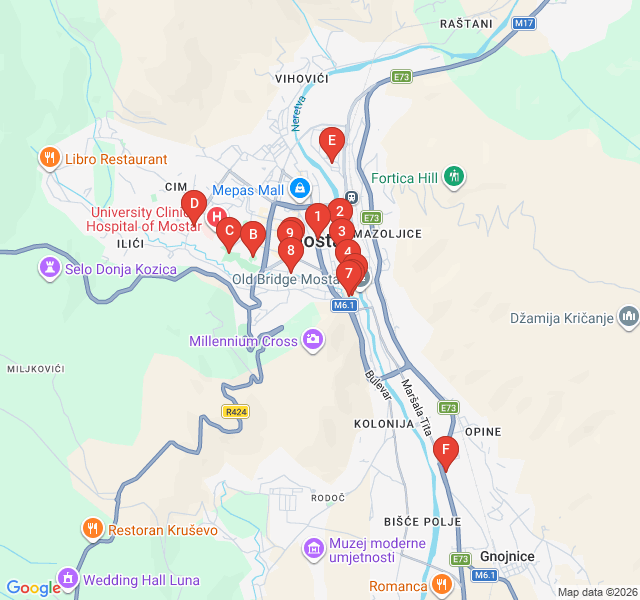
Numbers indicate the order of stops on the tour.
Welcome to the starting point of your self-guided adventure. The Jusuf Jusa Bridge serves as a quiet gateway between the bustling Old Town and the residential Podhum neighborhood. While most visitors flock to the Old Bridge, this smaller crossing offers a moment of serenity. It spans a branch of the Radobolja just before it joins the Neretva. Look down at the clear, cold water—this stream has been the lifeblood of Mostar for centuries, providing water for gardens and power for the mills that once lined these banks. Take a moment to appreciate the stone masonry, a hallmark of the city's enduring architectural heritage.
As you move toward Park Musala, you are entering one of Mostar's most historically significant public spaces. During the Austro-Hungarian period, this was the social heart of the city, surrounded by grand hotels and administrative buildings. Though the area saw significant damage during the 1990s conflict, it remains a symbolic meeting point. The park itself is a transition zone where the Mediterranean climate of Mostar allows for diverse flora. It’s a great spot to observe the local pace of life—watch as residents gather on benches under the shade of mature trees to discuss the day's news.
Follow the path toward the river to find Bunur Beach. This isn't a typical sandy beach, but rather a rocky outcrop where the locals come to escape the intense Herzegovinian summer heat. The Neretva is famous for being one of the coldest rivers in the world, and even in July, the water temperature rarely rises above 10 degrees Celsius. From here, you get a fantastic view of the river's unique emerald hue, caused by the limestone bed and the cold mountain springs that feed it. It’s a peaceful spot to watch the current and understand why the river is so central to Mostar’s soul.
A short walk further brings you to Mejdan Beach. In the Ottoman period, a 'Mejdan' was an open space or square used for public gatherings or markets. Today, this riverfront area serves as a local haunt for swimmers and sunbathers. Notice the contrast between the rugged stone walls of the old city and the wild greenery clinging to the riverbanks. The sound of the rushing water here is a constant companion. During the summer, you might see local youth practicing their diving skills from the rocks, a tradition that is deeply ingrained in the culture of those born on the banks of the Neretva.
You are now entering the Tabhana, the historic tanners' quarter. In the 16th and 17th centuries, this was a busy industrial hub where leather was processed. The tanning process required constant running water, which is why this district was built directly over the Radobolja stream. Today, the area has been transformed into a charming complex of restaurants and shops, but the architectural layout remains. Look for the way the buildings are integrated with the water, with small stone bridges and terraces hanging directly over the stream. It is one of the most atmospheric corners of the city.
Just beside the water sits Hindin Han, a building that exemplifies the traditional Balkan 'Han' or inn architecture. While it is now a popular spot for a meal, its position is what makes it special. It sits at the confluence where the Radobolja prepares to meet the Neretva. The sound of the water here is particularly loud as it tumbles over small weirs and stones. This spot offers one of the best views of the Crooked Bridge nearby, framed by the lush weeping willows and pomegranate trees that thrive in the damp, fertile soil of the riverbank.
The Kriva Ćuprija, or Crooked Bridge, is a masterpiece in miniature. Built in 1558, it is actually older than the famous Old Bridge (Stari Most). Legend says it was built by the Ottoman architect Ćejvan Kethoda as a test run to see if the daring single-arch design could work before they attempted the much larger span over the Neretva. Though it was tragically washed away by a flood in 1999, it was meticulously rebuilt using traditional methods and local tenelija stone. It remains a favorite spot for photographers and a testament to the engineering genius of the Ottoman era.
As you move away from the Old Town, the Radobolja stream guides you into a much greener, quieter part of Mostar. This area was historically filled with private orchards and gardens. The stream here is diverted into various channels that once watered the entire valley. In this section of the walk, you can see how the local architecture shifts from stone to more modern residential styles, yet the presence of the water remains the unifying theme. The air is noticeably cooler here, thanks to the flowing water and the dense canopy of trees overhead.
You have reached Rondo, the official name being the Square of Croatian Nobles. This circular intersection is the heart of the 'modern' Mostar built during the Austro-Hungarian administration. Six tree-lined boulevards radiate out from this point, creating a European-style urban layout that contrasts sharply with the narrow, winding streets of the Ottoman Old Town. In the center of the Rondo, you'll find a fountain and often a flower display. This is a popular meeting point for students and locals, surrounded by cafes that offer a perfect vantage point for people-watching.
Welcome to Park Zrinjevac, Mostar's premier urban park. After the Rondo, this is the city's green lung. It was extensively renovated in recent years and features wide walking paths, modern sculptures, and a large playground. The park is a favorite for families and joggers. Keep an eye out for the statue of Bruce Lee—it was placed here in 2005 as a symbol of unity, as the martial arts star was a hero to all ethnic groups in the city. The park's tall plane trees provide deep shade even on the hottest summer days, making it a vital refuge.
Prepare for a change in atmosphere as you ascend to the Partisan Memorial Cemetery. Designed by the renowned architect Bogdan Bogdanović and completed in 1965, this is one of the most significant monuments in the former Yugoslavia. It was built to honor the 810 soldiers from Mostar who fell during World War II. The design is cosmic and surreal, featuring stone 'flowers' and winding paths that represent a city of the dead looking over the city of the living. While it has faced neglect, its architectural power remains undeniable, offering a panoramic view of Mostar and the surrounding mountains.
Just behind the Partisan Cemetery lies Trimuša, a forest park that serves as the city's main recreational area. This is where Mostarians come to run, bike, and breathe. The paths here are lined with pine trees, and the scent of resin fills the air. It’s a stark departure from the stone streets of the Old Town. Trimuša has a rugged, natural feel, and it’s a great place to see the local commitment to outdoor life. Even in the height of summer, the forest remains significantly cooler than the city center, providing a natural air-conditioning effect.
As you loop back toward the water, you reach a more wild section of the Radobolja riverbank. Here, the stream flows in its most natural state, unobstructed by the masonry of the Old Town. The water is incredibly clear, and you can often see small fish darting between the reeds. This area is a favorite for local fishermen and those seeking a quiet moment of reflection. The sound of the water here is gentle, a bubbling brook that belies the historical power it once provided to the city's many mills.
Moving toward the northern edges of the central district, you find this smaller, local park. It represents the everyday greenery that dots Mostar. Unlike the grand Zrinjevac, this park is a simple community space. It’s often used by local students from the nearby schools and universities. Take note of the varied tree species here—Mostar’s climate is a mix of Mediterranean and Continental, allowing for a unique blend of flora that you wouldn't typically see further north in Bosnia.
Your self-guided walk concludes at the Garden Centar. While it is a commercial nursery, it is also a celebration of the city's love for gardening and greenery. Mostar is famous for its pomegranates, figs, and roses, and here you can see the sheer variety of plants that thrive in this sunny climate. It’s a fitting end to a route dedicated to the 'Green Secret' of Mostar. From here, you can appreciate how the water of the Radobolja, which you've followed throughout this journey, ultimately sustains the lush beauty that makes Mostar such a vibrant place to live.
Start Free on iPhone
Explore “Radobolja Stream: The Green Secret Route” with your very own Private Tour Guide with Zigway. Start free on iPhone, skip the large group and the fixed routes, and hear the city come alive as you go.
Your Private Tour Guide
Don't miss the good stuff
Explore Freely
 Challenging
Mostar, Bosnia and Herzegovina
Ascend from the iconic Old Bridge to the breathtaking glass skywalk at Fortica. A challenging self-guided hike through Mostar’s history and nature.
 Moderate
Mostar, Bosnia and Herzegovina
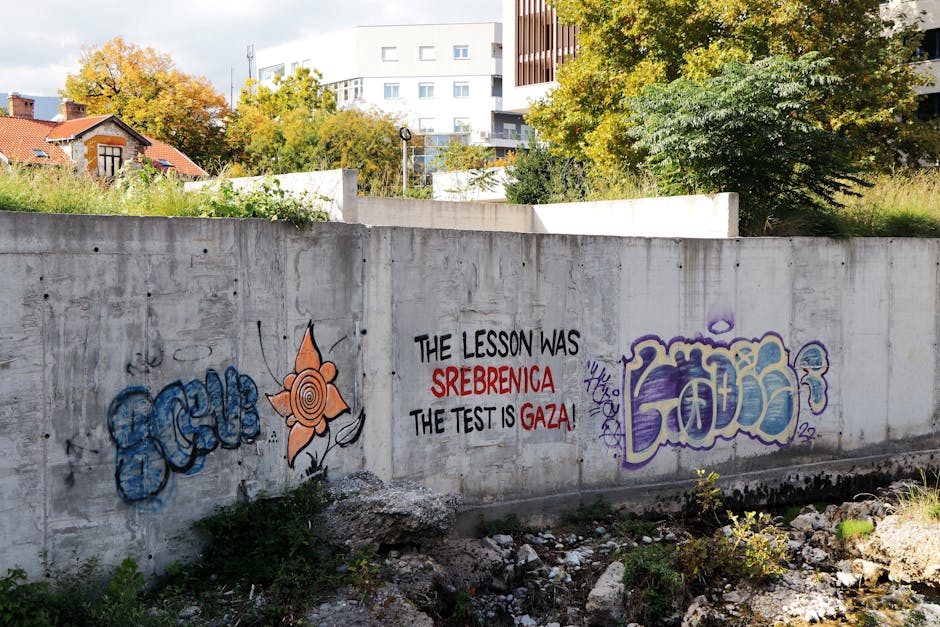
Discover Mostar’s soul through its vibrant street art, historic Ottoman architecture, and resilient urban culture on this self-guided walk.
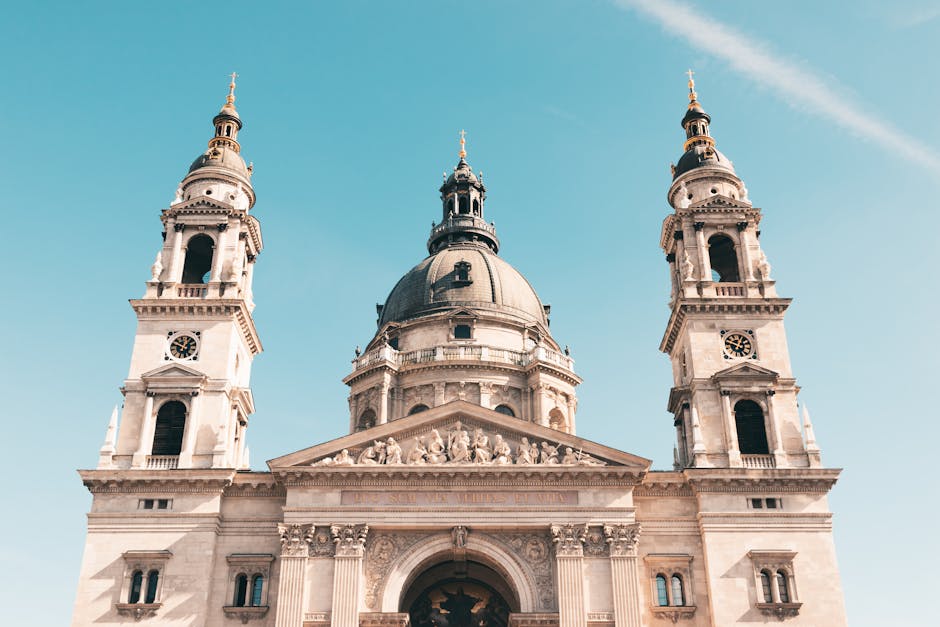 Easy
EasyMostar, Bosnia and Herzegovina
Discover Mostar's grand Austro-Hungarian boulevards, Moorish Revival architecture, and 20th-century history on this self-guided neighborhood stroll.
 Easy
EasyMostar, Bosnia and Herzegovina
Explore Mostar's iconic Old Bridge, Ottoman bazaars, and hidden Brutalist gems on this comprehensive self-guided audio walk.
 Easy
EasyGdansk, Poland
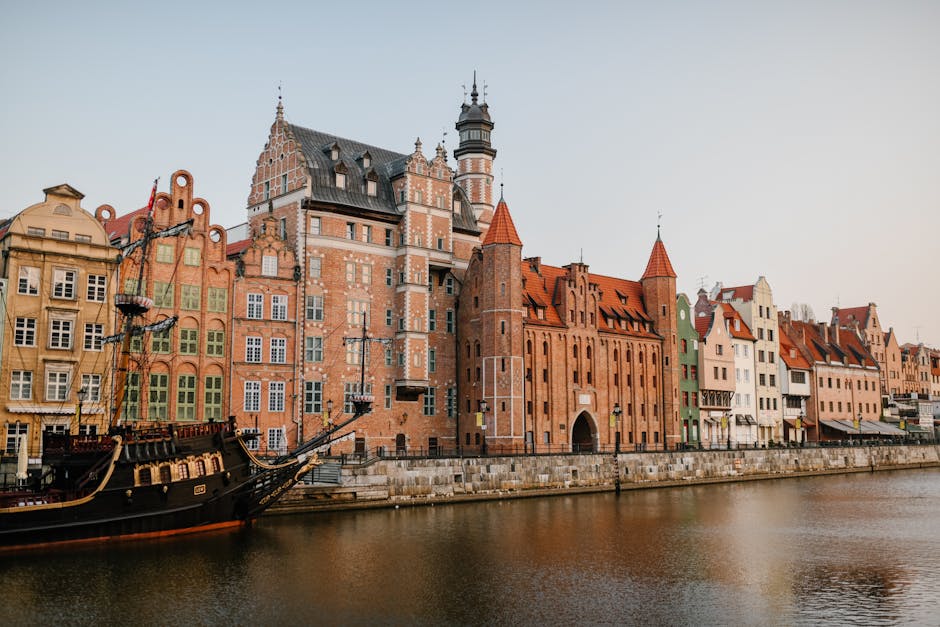
Discover the monastic heritage, world-famous organs, and lush botanical gardens of Oliwa on this peaceful self-guided neighborhood stroll.
 Easy
EasyWarsaw, Poland
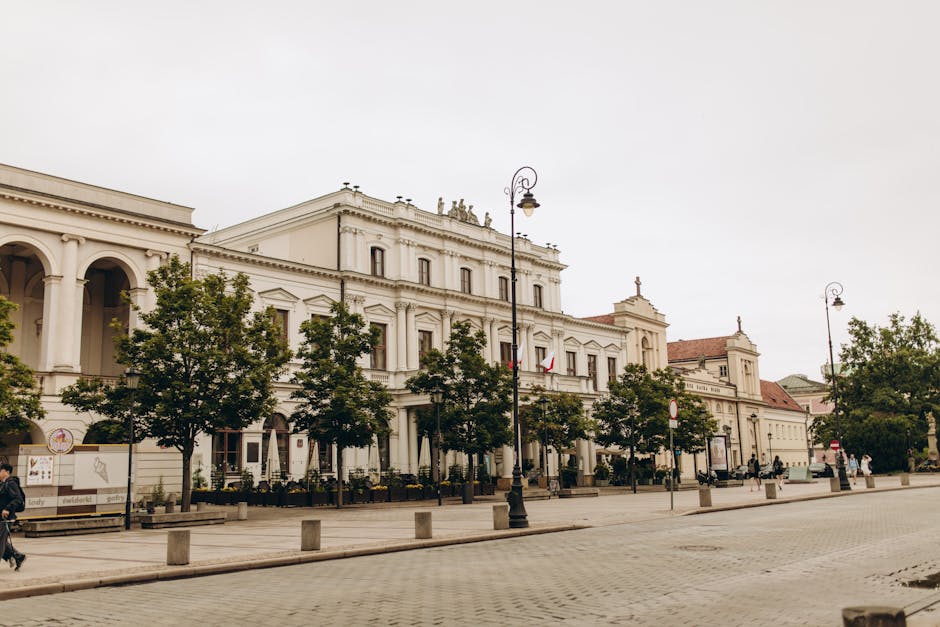
Explore Warsaw's scenic riverfront, rooftop gardens, and industrial-chic architecture on this self-guided stroll through the Powiśle district.
 Easy
EasyHelsinki, Finland
Discover Helsinki's oldest neighborhood on this self-guided audio walk through Kruununhaka’s historic streets, hidden courtyards, and scenic shores.
 Easy
EasyWarsaw, Poland
Discover Warsaw's intellectual heart through historic campuses, peaceful parks, and the stunning rooftop gardens of the University Library.
 Easy
EasySarajevo, Bosnia and Herzegovina
Discover Sarajevo’s history and architecture on this scenic self-guided walk across the iconic bridges of the Miljacka River.
 Moderate
Sarajevo, Bosnia and Herzegovina
Discover Sarajevo’s soul through street art, brutalist landmarks, and poignant history on this self-guided urban walking route.
 Easy
EasySarajevo, Bosnia and Herzegovina
Explore Sarajevo’s soulful nightlife on this self-guided walking route through historic pubs, hidden rakija bars, and legendary local haunts.
 Easy
EasySarajevo, Bosnia and Herzegovina
Explore Yugoslav Modernism and lush riverfront paths in Grbavica. A self-guided walk through Sarajevo's resilient 20th-century neighborhoods.