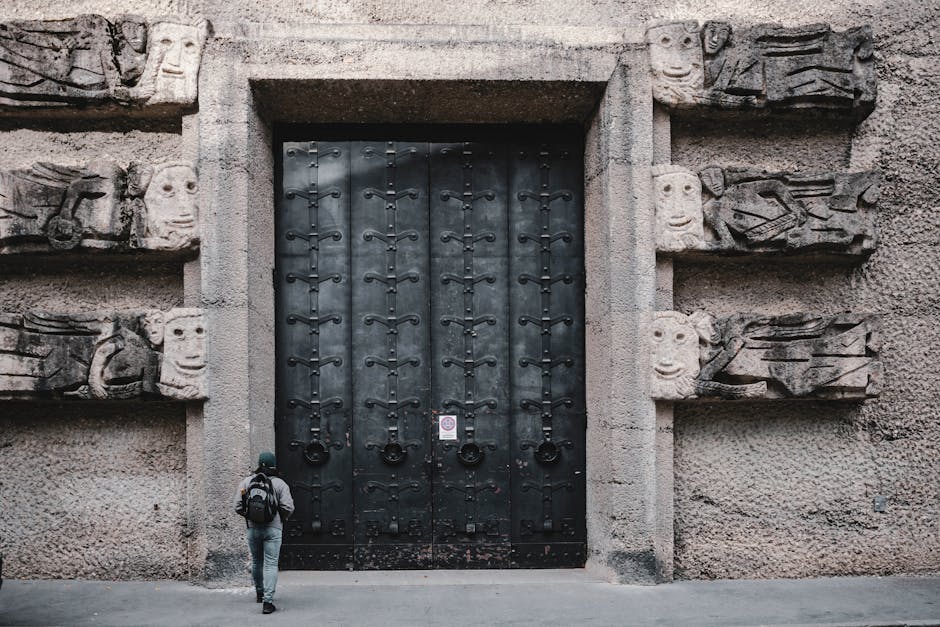
Self-guided audio tour in Salzburg
Start Free on iPhone
Start free on iPhone to unlock this self-guided walking tour in Salzburg. Hear all the stories that make it amazing, walk at your own pace, and begin whenever you want.
Your Private Tour Guide
Step into a world where spiritual authority met absolute political power. In the heart of Salzburg’s Altstadt, the Prince-Archbishops crafted a city designed to rival Rome itself. This self-guided walk invites you to explore the 'Rome of the North,' a UNESCO World Heritage site defined by its sweeping squares, monumental fountains, and the dramatic verticality of its Baroque domes. For centuries, these rulers were both princes of the Holy Roman Empire and archbishops of the Church, a dual role that allowed them to transform a medieval trading post into one of Europe’s most sophisticated cultural capitals. As you follow this walking route, you will uncover the architectural language of power. You will begin at the DomQuartier, the epicenter of the archbishops' influence, where the cathedral and the residence merge into a single, seamless complex. The journey continues through the evolution of sacred spaces, from the hidden Gothic treasures of the Franziskanerkirche to the bright, revolutionary Baroque of the Kollegienkirche, designed by the legendary Fischer von Erlach. This is not just a lesson in history; it is a neighborhood stroll through a living museum where the acoustics of the squares and the grandeur of the facades still echo the ambitions of men like Wolf Dietrich von Raitenau. Along the way, you will discover the practical side of Baroque luxury at the Pferdeschwemme, a 'horse pond' so ornate it looks like a palace for steeds, and conclude in the shadow of the fortress at Kapitelplatz. This independent travel experience allows you to linger where you choose, whether that is admiring the white marble of the Cathedral or watching the giant chessboard on a historic square. By exploring Salzburg independently, you gain a deeper appreciation for how architecture was used to inspire awe, maintain control, and celebrate the arts in one of Europe’s most beautiful urban landscapes.
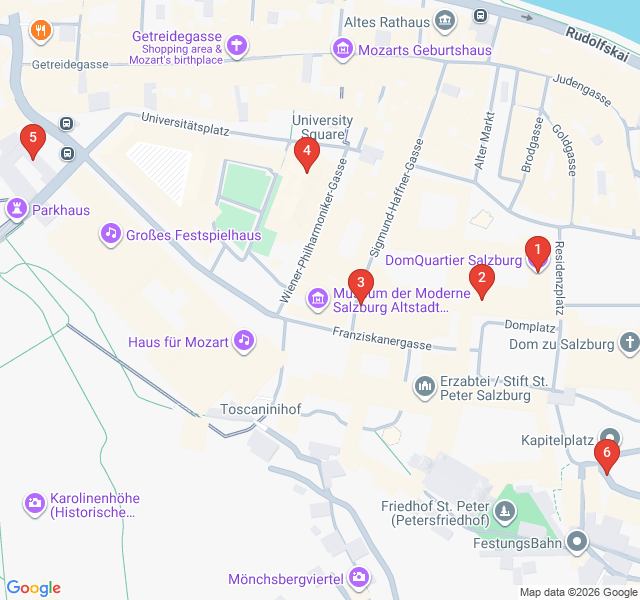
Numbers indicate the order of stops on the tour.
Welcome to the heart of Salzburg's ecclesiastical power. The DomQuartier is a unique architectural complex that physically links the Cathedral with the Residence and St. Peter’s Abbey. This layout allowed the Prince-Archbishops to move between their spiritual and secular duties without ever setting foot on the street. As you stand here, notice the massive marble facade of the Salzburg Cathedral. Rebuilt in the early 17th century after a devastating fire, it was the first truly Italian-style cathedral north of the Alps. It serves as a monumental statement of the Counter-Reformation, designed to overwhelm the senses and reinforce the authority of the Catholic Church.
The Alte Residenz was the urban palace of the Prince-Archbishops for centuries. This wasn't just a home; it was a stage for political theater. Within these walls, emperors were received, and a young Wolfgang Amadeus Mozart performed his first court concerts. The architecture here reflects a shift from medieval defensiveness to Baroque openness. While the exterior remains somewhat austere, the state rooms inside are a riot of frescoed ceilings and gilded stucco. This site reminds us that the archbishops were not just men of God, but absolute monarchs who governed every aspect of Salzburg’s economy, including the lucrative salt trade that funded this opulence.
Just a short walk from the grandeur of the Residence, the Franciscan Church offers a fascinating contrast. It is one of the oldest churches in Salzburg, and its architecture is a layered history book. Look at the tall, dark Gothic choir—it creates a sense of mystery and verticality that feels very different from the bright Baroque spaces nearby. However, even here, the Baroque influence eventually crept in. Notice the high altar, where the famous sculptor Michael Pacher’s Gothic Madonna is framed by a lavish Baroque marble structure. It is a perfect example of how Salzburg’s rulers blended old traditions with new, flamboyant styles to maintain their cultural relevance.
You are now standing before the Collegiate Church, the masterpiece of Johann Bernhard Fischer von Erlach, the greatest architect of the Austrian Baroque. Completed in 1707, this church was built for the University of Salzburg. Unlike the Cathedral, which looks toward Italy, this building represents a distinctly Austrian Baroque style. Step inside to see the 'white-on-white' interior. The lack of colorful frescoes is intentional; the focus is entirely on the play of light and the sculptural quality of the architecture. It was designed to represent the purity of divine wisdom and remains one of the most innovative church designs in Europe.
In the 17th and 18th centuries, horses were the ultimate status symbol, and the Prince-Archbishops spared no expense for theirs. This 'Horse Pond' (Pferdeschwemme) was built so the archbishop’s parade horses could be washed and watered in style. The frescoes on the back wall depict different breeds of horses, and the central statue shows a 'Horse Tamer.' It’s a rare piece of secular Baroque architecture that shows how the aesthetic of the era extended even to the most practical of city infrastructures. The pond is built directly against the Monchsberg cliff, integrating the natural stone of the city into the design.
Our route concludes at Kapitelplatz, a wide-open square that offers one of the best views of the Hohensalzburg Fortress towering above. This square was once the site of the Cathedral Chapter, where high-ranking clergy lived. Today, it’s a vibrant public space known for its giant chessboard and the modern 'Sphaera' sculpture—a golden globe with a man standing on top. Look for the Kapitelsschwemme, another horse pond, which features a statue of Neptune. From here, you can see the layers of Salzburg’s history: the medieval fortress, the Baroque squares, and the contemporary art that keeps the city’s legacy alive.
Start Free on iPhone
Explore “Baroque Power: The Prince-Archbishops' Legacy” with your very own Private Tour Guide with Zigway. Start free on iPhone, skip the large group and the fixed routes, and hear the city come alive as you go.
Your Private Tour Guide
Don't miss the good stuff
Explore Freely
 Easy
EasySalzburg, Austria
Discover Salzburg's oldest medieval alley, the birthplace of the 'Silent Night' author, and breathtaking views on this quiet self-guided walk.
 Easy
EasySalzburg, Austria
Walk through the iconic filming locations of The Sound of Music and discover the real history of the von Trapp family in Salzburg.
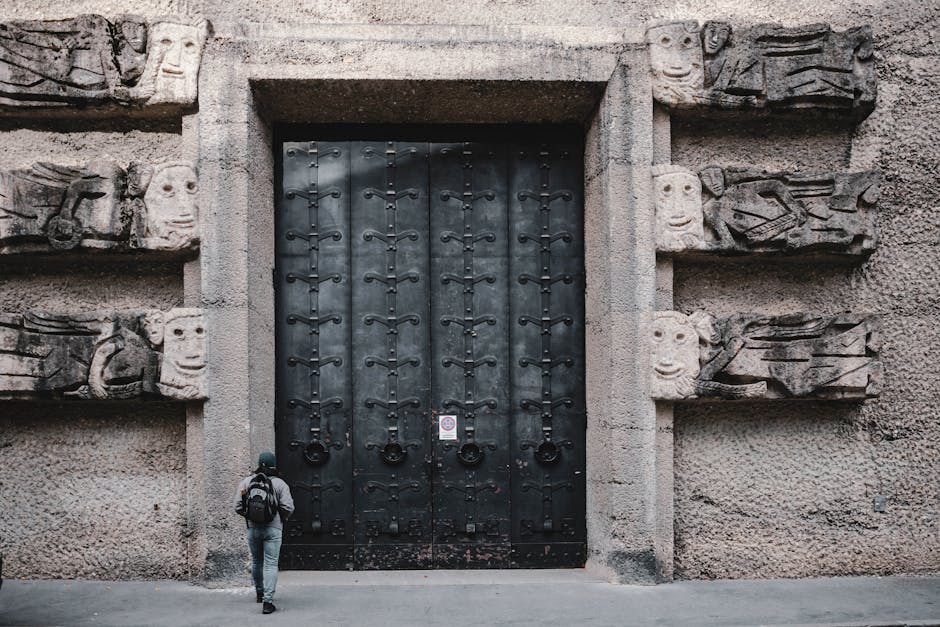 Challenging
Salzburg, Austria
Scale the heights of Salzburg on this self-guided walk to the Hohensalzburg Fortress, exploring medieval walls and ancient monastic grounds.
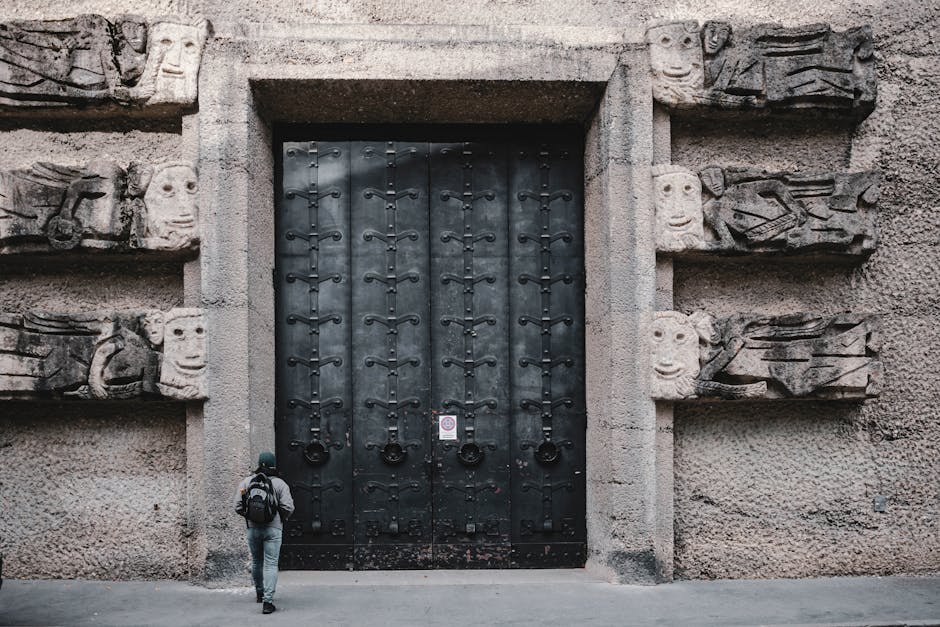 Easy
EasySalzburg, Austria
Discover the surprising world of contemporary sculpture hidden among Salzburg's Baroque spires on this self-guided walking route through the Altstadt.
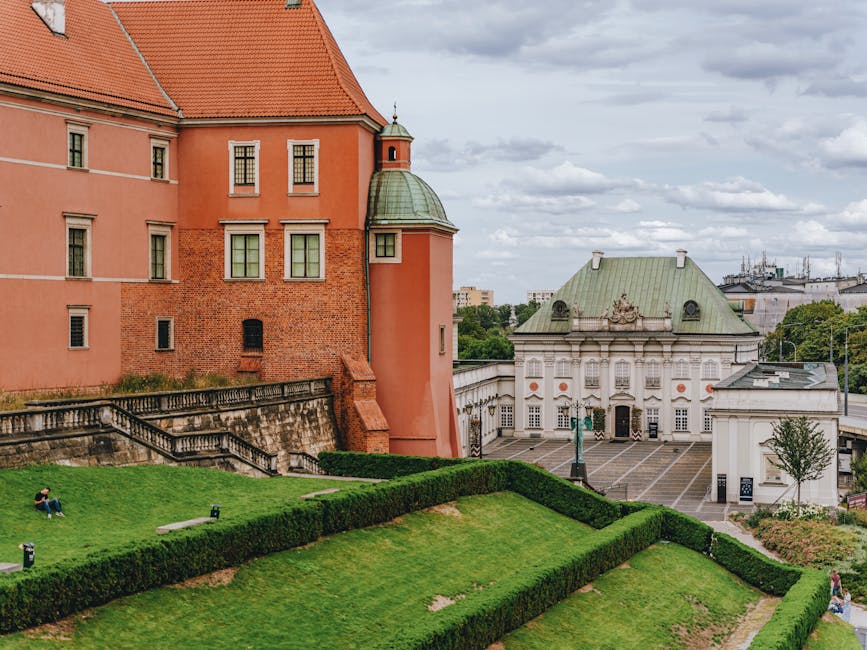 Easy
EasyWarsaw, Poland
Explore the miracle of Warsaw's reconstructed Old Town on this self-guided walk through royal squares, medieval walls, and heroic monuments.
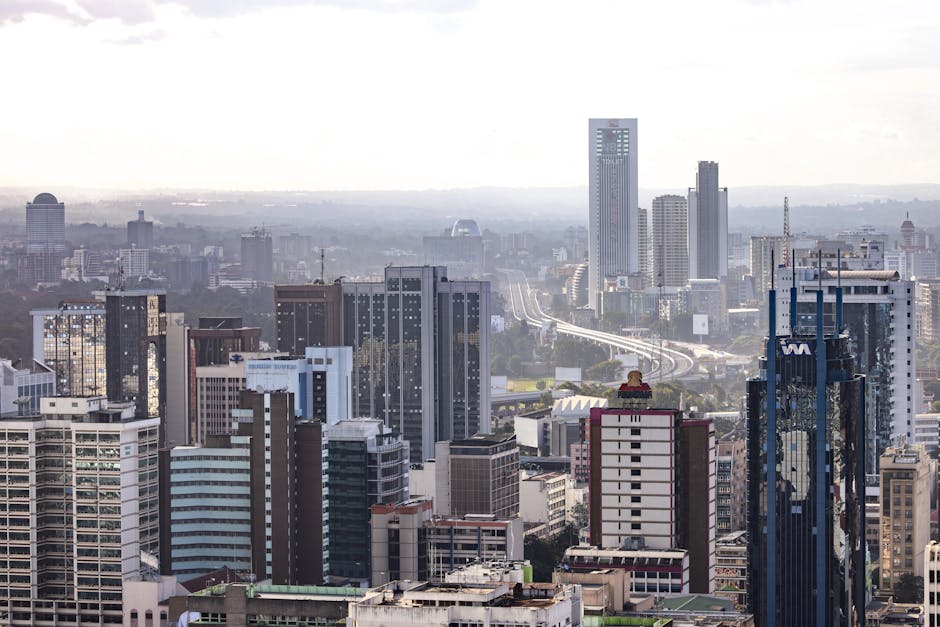 Easy
EasyNairobi, Kenya
Explore Nairobi's architectural evolution from colonial-era landmarks to iconic Brutalist skyscrapers on this historic self-guided walking route.
 Easy
EasyNairobi, Kenya
Discover Nairobi's iconic skyline on this self-guided architecture walk through the CBD’s most famous modernist and Brutalist landmarks.
 Easy
EasyKrakow, Poland
Explore the historic heart of Kazimierz on this self-guided walk through synagogues, ancient cemeteries, and vibrant squares.
 Easy
EasyVienna, Austria
Explore Vienna’s vibrant open-air gallery along the Danube Canal on this self-guided street art and nightlife stroll through Leopoldstadt.
 Moderate
Vienna, Austria
Follow the footsteps of Mozart and Strauss through Vienna’s historic center on this self-guided walk through the city's rich musical history.
 Moderate
Vienna, Austria
Discover the noir world of The Third Man and Cold War Vienna on this atmospheric self-guided audio walk through the historic Innere Stadt.
 Easy
EasyVienna, Austria
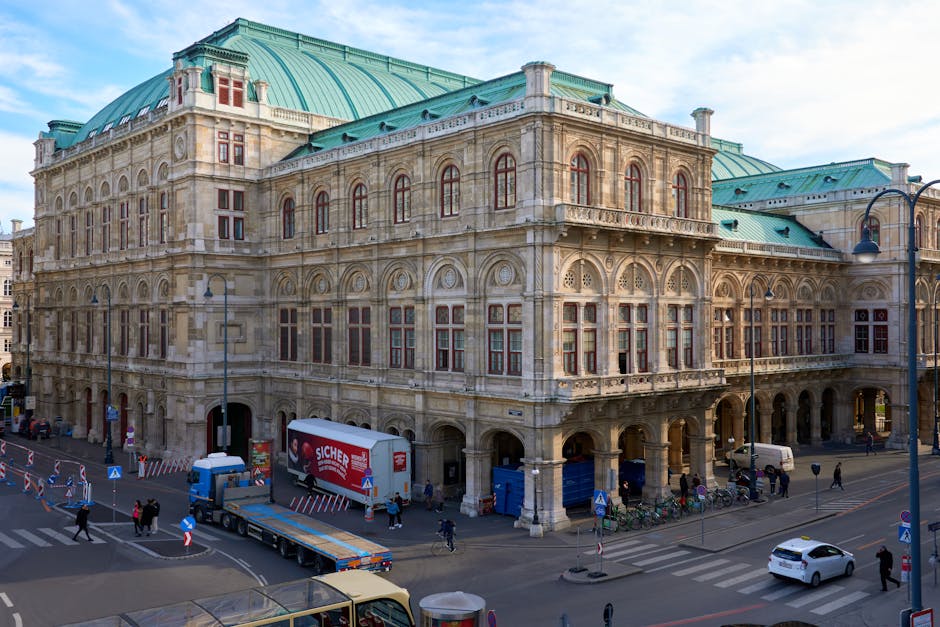
Discover the literary haunts and architectural gems of Vienna's legendary coffee culture on this self-guided stroll through the historic city center.