Self-guided audio tour in Sarajevo
Start Free on iPhone
Start free on iPhone to unlock this self-guided walking tour in Sarajevo. Hear all the stories that make it amazing, walk at your own pace, and begin whenever you want.
Your Private Tour Guide
Sarajevo is a city defined by the layers of its history, and nowhere is this more visible than along the banks of the Miljacka River. This self-guided walk invites you to explore the city's soul through its bridges, each serving as a gateway to a different era. From the elegant stone arches of the Ottoman period to the industrial ironwork of the Austro-Hungarian empire and the conceptual loops of the modern day, the Miljacka’s crossings are more than just transit points; they are the architectural witnesses to centuries of change. On this neighborhood stroll, you will traverse the heart of the city, moving between the bustling Baščaršija and the grand administrative buildings of the central district. Photography enthusiasts will find endless inspiration in the contrast between the narrow, red-roofed streets of the old town and the sweeping views of the surrounding hills. A highlights of this walking route is the Latin Bridge, the site of the assassination that sparked World War I, offering a deep dive into global history. You will also encounter the Festina Lente, a contemporary marvel whose name translates to 'hurry slowly,' reflecting the city's unique pace of life. As you follow the river's curve, you’ll discover how Sarajevo has rebuilt and reinvented itself time and again. This audio walk allows you to explore independently, stopping whenever the light hits the stone just right or when you want to pause for a Bosnian coffee overlooking the water. Whether you are a first-time visitor or a repeat traveler, these bridges offer a unique perspective on the resilience and beauty of the Bosnian capital. This photography-focused journey is best enjoyed in the late afternoon when the golden hour illuminates the facades of the Miljacka's embankments, creating a perfect backdrop for your memories of Sarajevo.
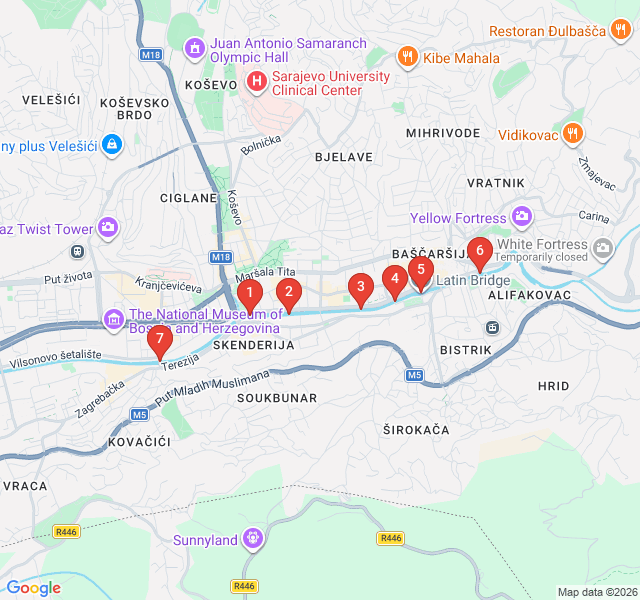
Numbers indicate the order of stops on the tour.
Start your self-guided adventure at the Skenderija Bridge, popularly known as the Eiffel Bridge. Local legend suggests it was designed by the firm of Gustave Eiffel, the man behind the famous Parisian tower, though historians often debate the extent of his personal involvement. Constructed in 1893 during the Austro-Hungarian administration, its intricate ironwork stands as a symbol of the industrial revolution reaching the Balkans. As you stand here, notice the Skenderija Center nearby, a brutalist landmark from the Yugoslav era. This bridge provides a sharp contrast to the older stone structures further downstream, marking the point where Sarajevo began its rapid modernization at the turn of the 20th century.
Continue your walk to one of Sarajevo's newest architectural gems. The Festina Lente Bridge, which means 'hurry slowly' in Latin, was completed in 2012 by students from the nearby Academy of Fine Arts. Its most striking feature is the loop in the center, designed to remind pedestrians to pause and enjoy the view rather than rushing across. The bridge's minimalist steel and glass design creates a stunning visual dialogue with the ornate, Secessionist-style Academy building behind it. It is a favorite spot for photography, especially at night when the bridge is illuminated, casting a soft glow over the Miljacka.
The Drvenija Bridge is a central hub for the city's student population. While its name means 'Wooden Bridge,' the modern structure is actually made of concrete and steel, though it sits on the site of an original 19th-century timber crossing. This bridge connects the main city street, Maršala Tita, with the various university faculties on the southern bank. It is often bustling with energy and serves as a local meeting point. From here, you can see the mix of architectural styles that define Sarajevo: the heavy Austro-Hungarian blocks on one side and the residential hillsides rising steeply on the other.
Heading further east, you reach the Ćumurija Bridge. Its name originates from 'ćumur' (charcoal), as the bridge was once used to transport charcoal into the city center. Originally built of wood during the Ottoman era, it was replaced with an iron structure in 1886. The bridge has been destroyed and rebuilt multiple times, most recently after the 1990s conflict. Standing here, look toward the northern bank to see the Ashkenazi Synagogue, one of the largest in Europe. The bridge offers a quiet, reflective view of the river's mid-section, away from the heavier tourist traffic of the Old Town.
This is perhaps the most famous crossing in the city. The Latin Bridge, an elegant four-arched stone structure from the Ottoman era, became the center of world attention on June 28, 1914. It was here that Gavrilo Princip assassinated Archduke Franz Ferdinand of Austria, an event that triggered the start of World War I. During the Yugoslav era, it was renamed Princip Bridge, but its original name was restored in 1993. Take a moment to examine the stone masonry and the plaque marking the site of the assassination. It is a place where global history and local heritage are inextricably linked.
Located just steps from the majestic Vijećnica (City Hall), the Šeher-Ćehaja Bridge is one of the oldest stone bridges in the city, dating back to the late 16th century. It is a masterpiece of Ottoman engineering, designed with five arches that gracefully span the river. Legend says the builder left a diamond in the bridge to fund future repairs, which was later stolen. From this vantage point, you have the best view of the restored City Hall, a pseudo-Moorish building that is the most iconic symbol of the Austro-Hungarian period in Sarajevo. The bridge marks the entrance to the historic Baščaršija market district.
Conclude your walking route at the Suada and Olga Bridge, formerly known as the Vrbanja Bridge. This site carries immense emotional weight for Sarajevans. It is named after Suada Dilberović and Olga Sučić, the first victims of the Siege of Sarajevo, who were killed here during a peace protest in 1992. The bridge also gained international fame as the place where the 'Sarajevo Romeo and Juliet,' a young couple from different backgrounds, were killed while trying to escape the city. Today, it stands as a memorial to peace and resilience, connecting the modern shopping districts with the residential areas of Grbavica.
Start Free on iPhone
Explore “Bridges of the Miljacka: A Photo Walk” with your very own Private Tour Guide with Zigway. Start free on iPhone, skip the large group and the fixed routes, and hear the city come alive as you go.
Your Private Tour Guide
Don't miss the good stuff
Explore Freely
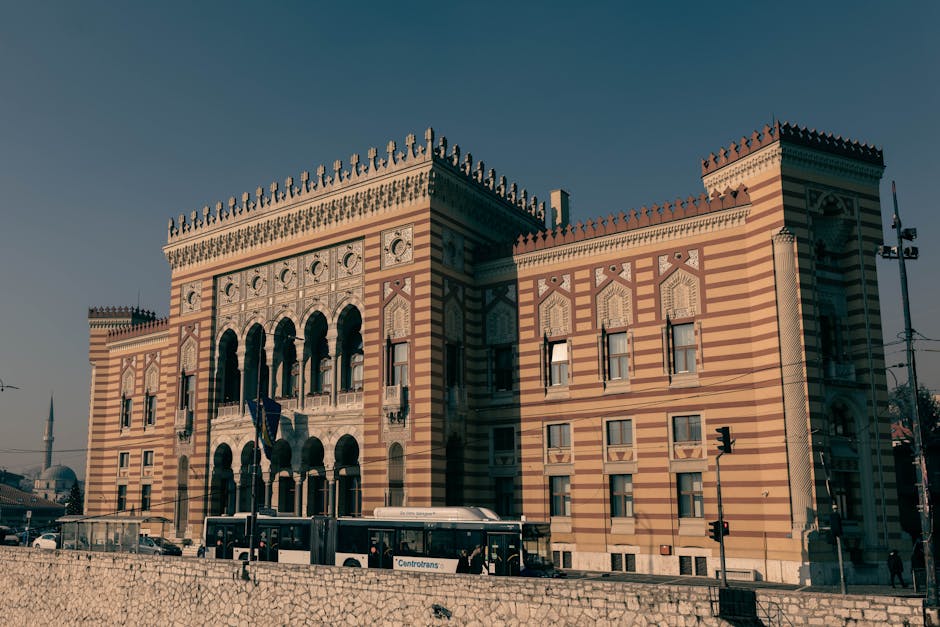 Moderate
Sarajevo, Bosnia and Herzegovina
Discover Sarajevo’s soul through street art, brutalist landmarks, and poignant history on this self-guided urban walking route.
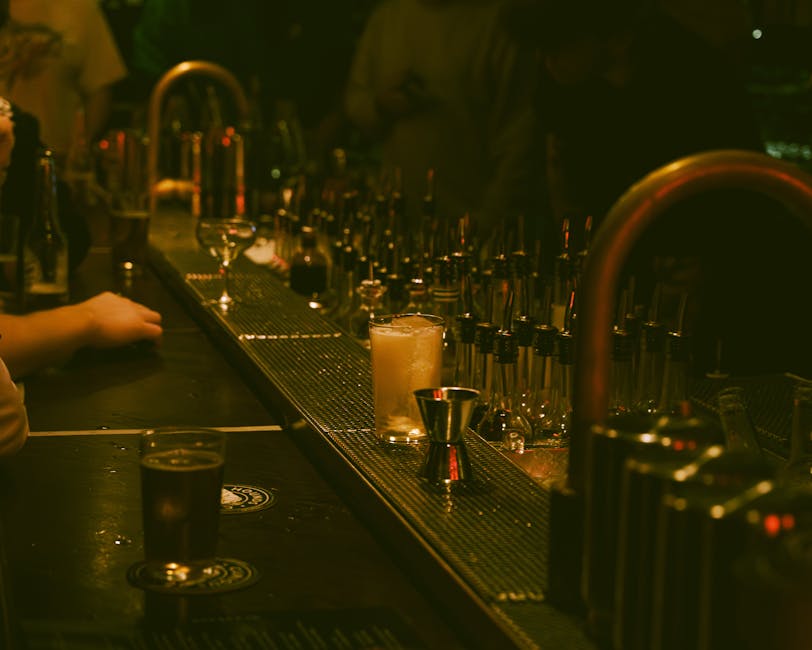 Easy
EasySarajevo, Bosnia and Herzegovina
Explore Sarajevo’s soulful nightlife on this self-guided walking route through historic pubs, hidden rakija bars, and legendary local haunts.
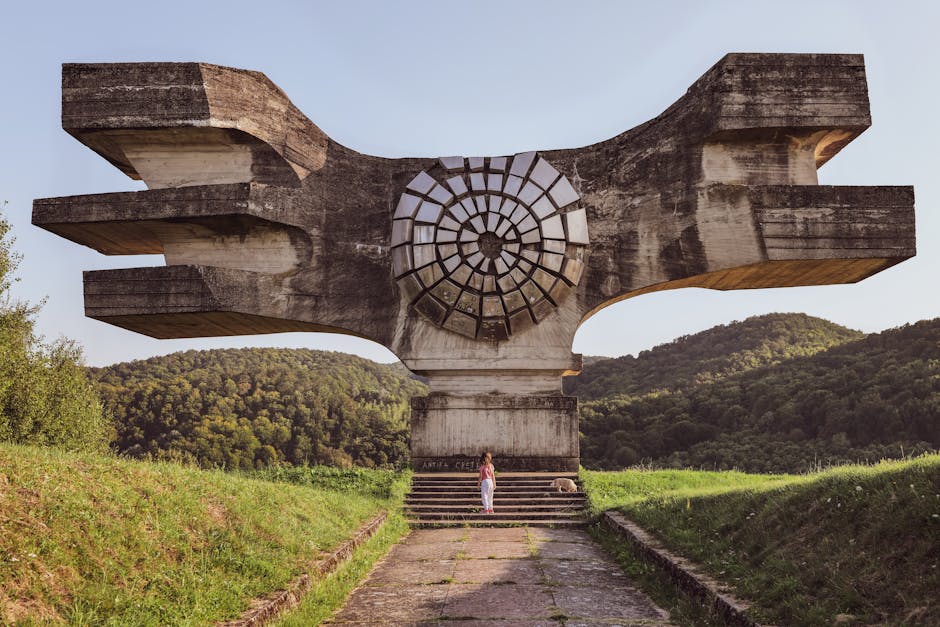 Easy
EasySarajevo, Bosnia and Herzegovina
Explore Yugoslav Modernism and lush riverfront paths in Grbavica. A self-guided walk through Sarajevo's resilient 20th-century neighborhoods.
 Easy
EasySarajevo, Bosnia and Herzegovina
Discover Sarajevo’s literary soul on this self-guided walk from Nobel-winning archives to the iconic National Library.
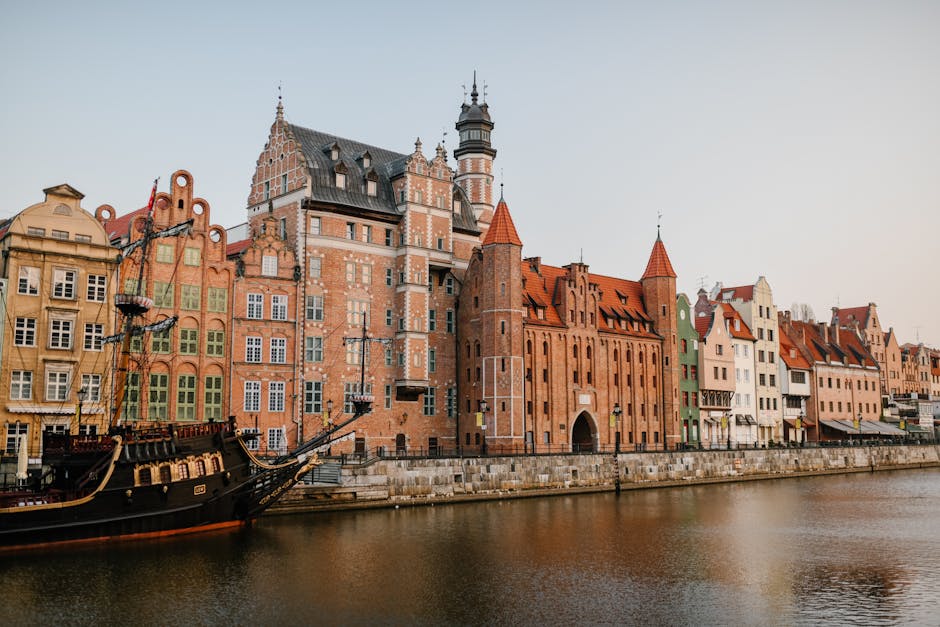 Easy
EasyGdansk, Poland
Discover the 'Baltic Gold' on this self-guided walk through Gdansk's historic mills, massive cathedrals, and the magical Mariacka Street.
 Easy
EasyNairobi, Kenya
Discover Nairobi's iconic skyline on this self-guided architecture walk through the CBD’s most famous modernist and Brutalist landmarks.
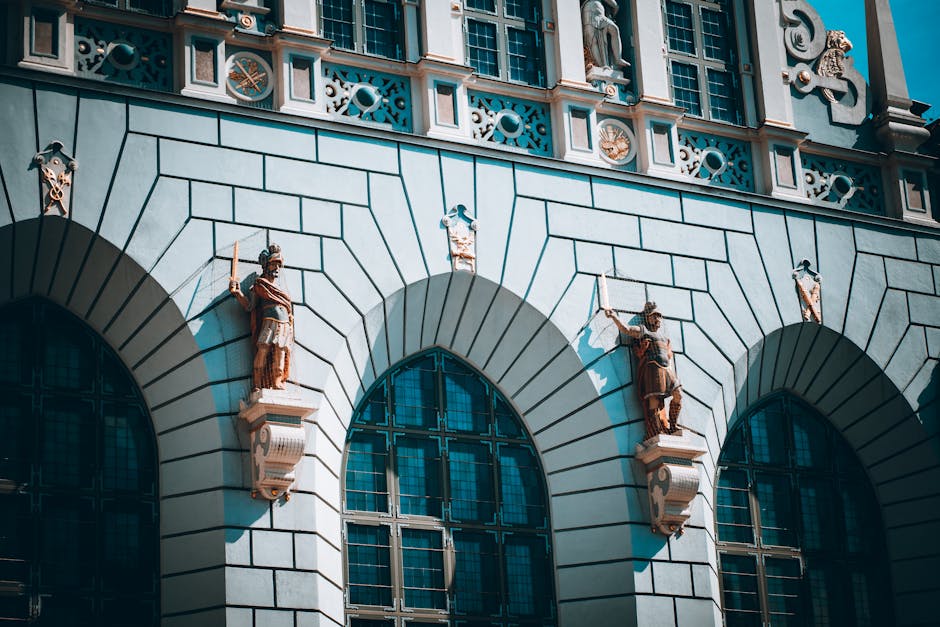 Easy
EasyGdansk, Poland
Discover the opulent Royal Way of Gdansk at your own pace. Explore Hanseatic history, gilded architecture, and the iconic Neptune's Fountain.
 Easy
EasyGothenburg, Sweden
Explore Gothenburg’s historic wooden houses, legendary giant cinnamon buns, and panoramic fortress views on this self-guided neighborhood stroll.
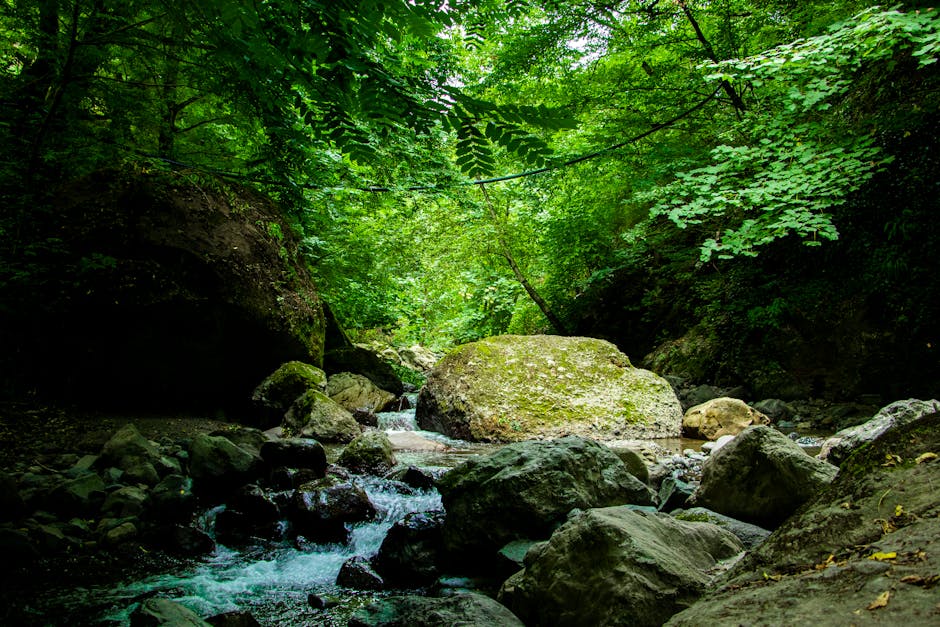 Easy
EasyMostar, Bosnia and Herzegovina
Explore Mostar's emerald secret on this self-guided walk along the Radobolja stream, featuring Ottoman mills, hidden beaches, and lush parks.
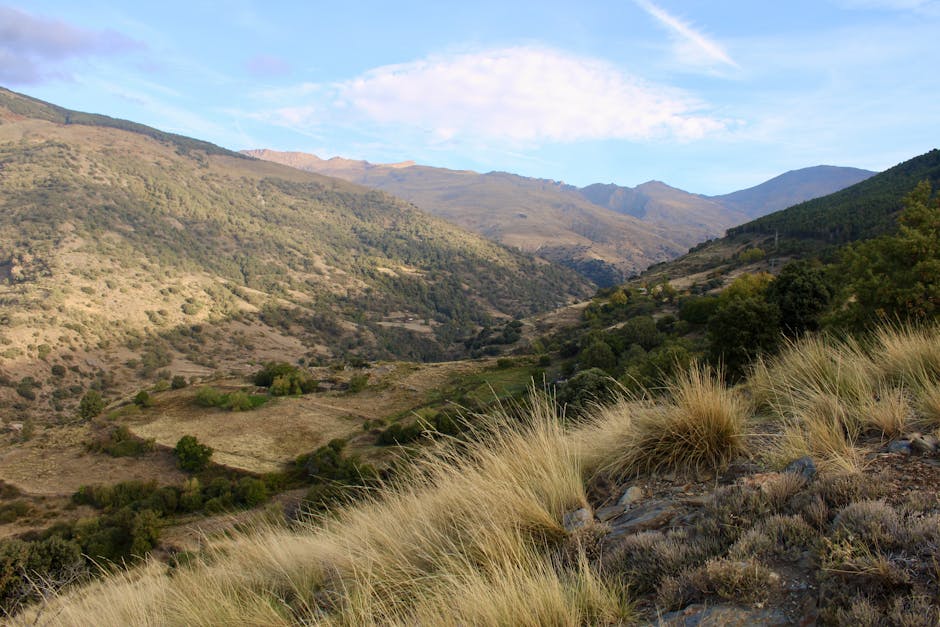 Challenging
Mostar, Bosnia and Herzegovina
Ascend from the iconic Old Bridge to the breathtaking glass skywalk at Fortica. A challenging self-guided hike through Mostar’s history and nature.
 Moderate
Mostar, Bosnia and Herzegovina
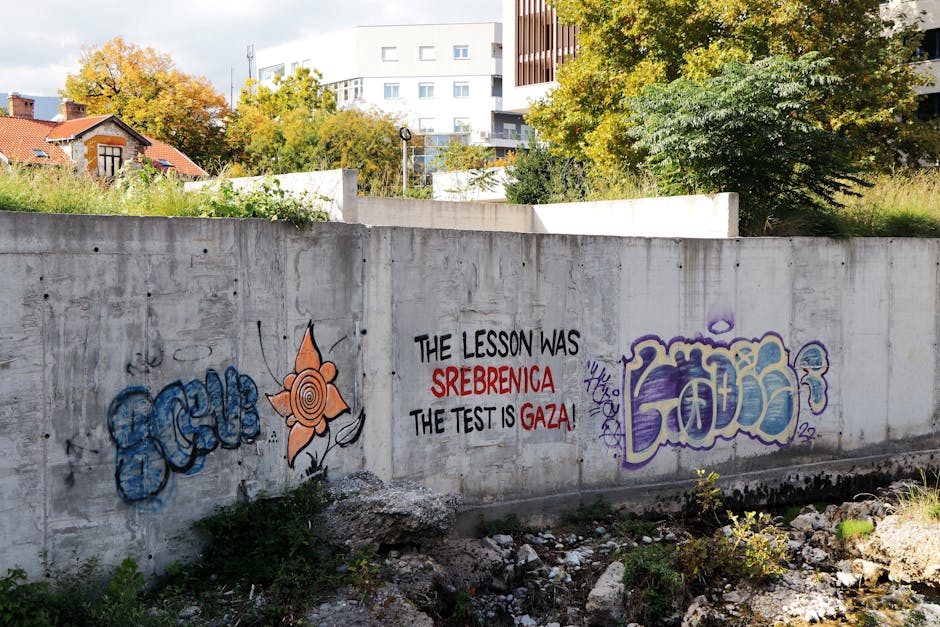
Discover Mostar’s soul through its vibrant street art, historic Ottoman architecture, and resilient urban culture on this self-guided walk.
 Easy
EasyMostar, Bosnia and Herzegovina
Discover Mostar's grand Austro-Hungarian boulevards, Moorish Revival architecture, and 20th-century history on this self-guided neighborhood stroll.