Self-guided audio tour in Mostar
Start Free on iPhone
Start free on iPhone to unlock this self-guided walking tour in Mostar. Hear all the stories that make it amazing, walk at your own pace, and begin whenever you want.
Your Private Tour Guide
While most visitors to Mostar congregate around the iconic Old Bridge, the city’s true intellectual and revolutionary heart lies just a short walk away in the Bjelušine neighborhood and along its Austro-Hungarian boulevards. This self-guided walk through Mostar’s literary and revolutionary history invites you to explore the lives of the poets, writers, and rebels who shaped the city’s cultural identity during the 19th and 20th centuries. You will move through spaces that transitioned from Ottoman influence to the grand architecture of the Hapsburg era, ending at a monumental site of Yugoslav modernism. Your journey begins at Spanish Square, the city's central meeting point, where the vibrant orange facade of the Mostar Gymnasium stands as a testament to the city's educational heritage. From here, the route delves into the lives of Mostar’s most beloved poets, Aleksa Šantić and Osman Đikić. You will discover how their work—often centered on themes of forbidden love and national identity—helped forge a unique multicultural consciousness. The walk highlights the stunning Austro-Hungarian influence on the city, visible in the National Library and the residential streets of Bjelušine. The final leg of this walking route takes you to the Partisan Memorial Cemetery, a hauntingly beautiful necropolis designed by the famed architect Bogdan Bogdanović. This site is not just a memorial to those who fell during World War II, but a masterpiece of landscape architecture that offers a panoramic view of the city. This neighborhood stroll is perfect for those who want to understand the deeper layers of Mostar's history beyond the postcards, focusing on the people and ideas that once made this city the 'Athens of Herzegovina.' By exploring at your own pace, you can truly soak in the atmosphere of a city that has always been a crossroads of East and West.
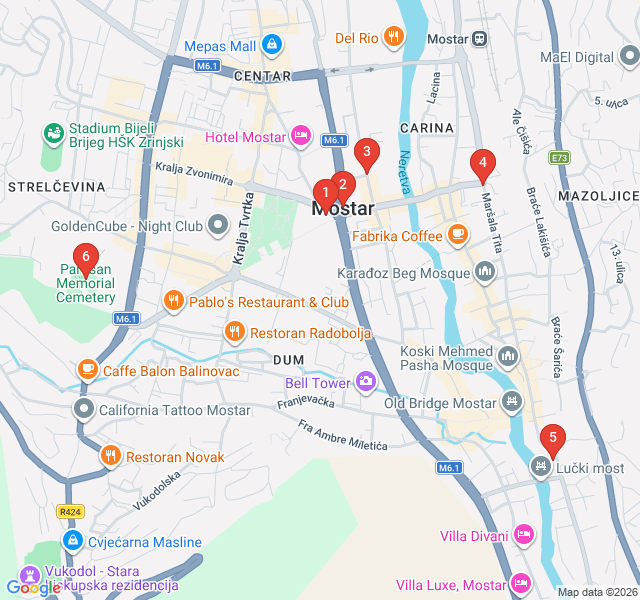
Numbers indicate the order of stops on the tour.
Welcome to Spanish Square, the modern heart of Mostar. This square serves as a symbolic bridge between the eastern and western parts of the city. The most striking building here is the Mostar Gymnasium, built in 1898 during the Austro-Hungarian administration. Its bright orange facade and Moorish Revival style were intended to blend European architectural standards with the city's Islamic heritage. Named in honor of the Spanish soldiers who served as peacekeepers during the 1990s conflict, the square is a place of gathering and reflection. As you stand here, look around at the mix of styles—from the grand Hapsburg structures to the modern glass buildings nearby. This square marks the beginning of our journey into the minds and spirits that defined Mostar’s intellectual golden age.
A short walk from the square brings you to the final resting place of Osman Đikić. He was a prominent Bosnian poet, dramatist, and publicist who lived at the turn of the 20th century. Đikić is best remembered for his romantic and patriotic verses, but his personal life was equally poetic. He famously fell in love with Zorka Šola, a woman from a prominent Serbian Orthodox family. Their love story, which defied the strict social and religious boundaries of the time, became a symbol of Mostar’s syncretic culture. The mausoleum itself is a beautiful example of traditional craftsmanship, honoring a man who used his pen to advocate for cultural unity and independence. Take a moment to appreciate the quiet dignity of this site, tucked away from the main tourist paths.
You are now standing before the statue of Aleksa Šantić, the most famous son of Mostar. If Mostar has a soul, it is found in Šantić’s poetry. Born in 1868, he spent his entire life in this city, capturing its essence in his verses. His most famous poem, 'Emina,' tells the story of a beautiful girl he saw in a neighbor’s garden; it is so beloved that it has become a standard folk song throughout the Balkans. Šantić was a man of deep empathy who wrote about the struggles of the common people and the beauty of the Neretva River. His statue here, looking out over the city he loved, serves as a reminder of a time when Mostar was a thriving center for literature and the arts.
This elegant building is the National Library, formerly the 'Girls' School' during the Austro-Hungarian era. Its architecture reflects the 'Bosnian Style,' a blend of European proportions and local decorative elements. Throughout the 20th century, this building served as a beacon of education and culture. During the 1990s, like many cultural institutions in Mostar, it suffered significant damage but has since been restored. It stands today as a symbol of the city's commitment to preserving its intellectual history. The library houses collections that include the works of the very poets we are discussing today, ensuring that the 'revolutionary souls' of Mostar are never forgotten by future generations.
Svetozar Ćorović was a leading Serbian novelist and a close friend and brother-in-law to Aleksa Šantić. His birthplace, now a memorial house, offers a glimpse into the domestic life of Mostar’s 19th-century elite. Ćorović’s writing was deeply rooted in the social reality of Herzegovina, depicting the life of small-town merchants and the transition from Ottoman to Austrian rule with sharp observation and humor. Together with Šantić and Đikić, Ćorović helped establish the literary journal 'Zora' (Dawn), which became one of the most influential cultural publications in the region. The house stands as a monument to the collaborative spirit of Mostar’s intelligentsia, where writers of different backgrounds worked together to create a shared literary heritage.
Our walk concludes at the Partisan Memorial Cemetery, one of the most significant modernist monuments in the Balkans. Built between 1959 and 1965 by architect Bogdan Bogdanović, it is a 'city of the dead' that mirrors the 'city of the living' across the river. The cemetery honors the 810 Partisans from Mostar who died fighting fascism during World War II. Bogdanović used cosmic and organic symbols—suns, planets, and flowing water—rather than traditional ideological imagery. The result is a surreal, dreamlike landscape of winding stone paths and flower-shaped headstones. As you climb the terraces, you are rewarded with an incredible view of Mostar. It is a place of profound silence and beauty, representing the ultimate sacrifice of the city's revolutionary youth.
Start Free on iPhone
Explore “Mostar’s Literary and Revolutionary Souls” with your very own Private Tour Guide with Zigway. Start free on iPhone, skip the large group and the fixed routes, and hear the city come alive as you go.
Your Private Tour Guide
Don't miss the good stuff
Explore Freely
 Easy
EasyMostar, Bosnia and Herzegovina
Explore Mostar's emerald secret on this self-guided walk along the Radobolja stream, featuring Ottoman mills, hidden beaches, and lush parks.
 Challenging
Mostar, Bosnia and Herzegovina
Ascend from the iconic Old Bridge to the breathtaking glass skywalk at Fortica. A challenging self-guided hike through Mostar’s history and nature.
 Moderate
Mostar, Bosnia and Herzegovina
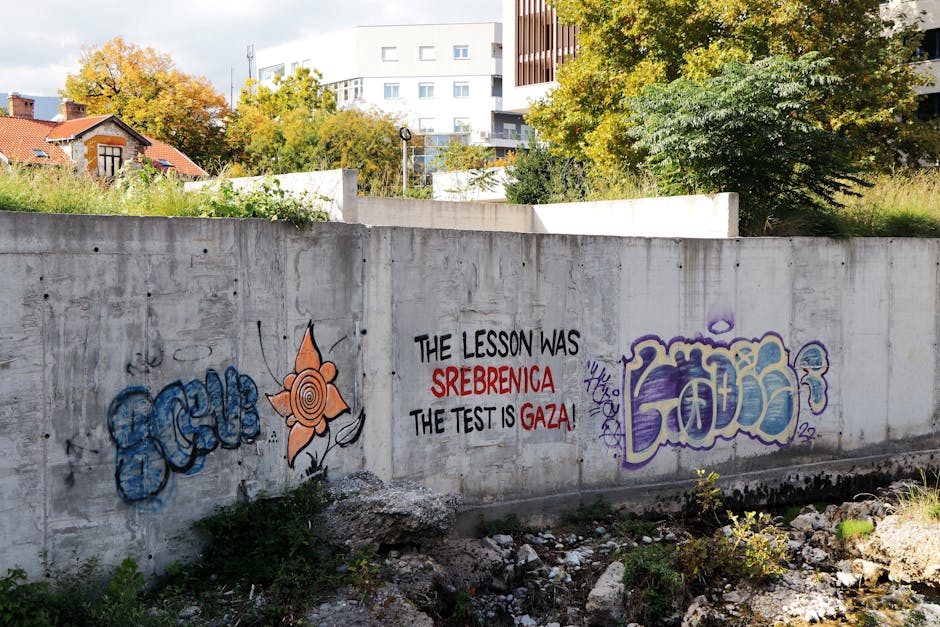
Discover Mostar’s soul through its vibrant street art, historic Ottoman architecture, and resilient urban culture on this self-guided walk.
 Easy
EasyMostar, Bosnia and Herzegovina
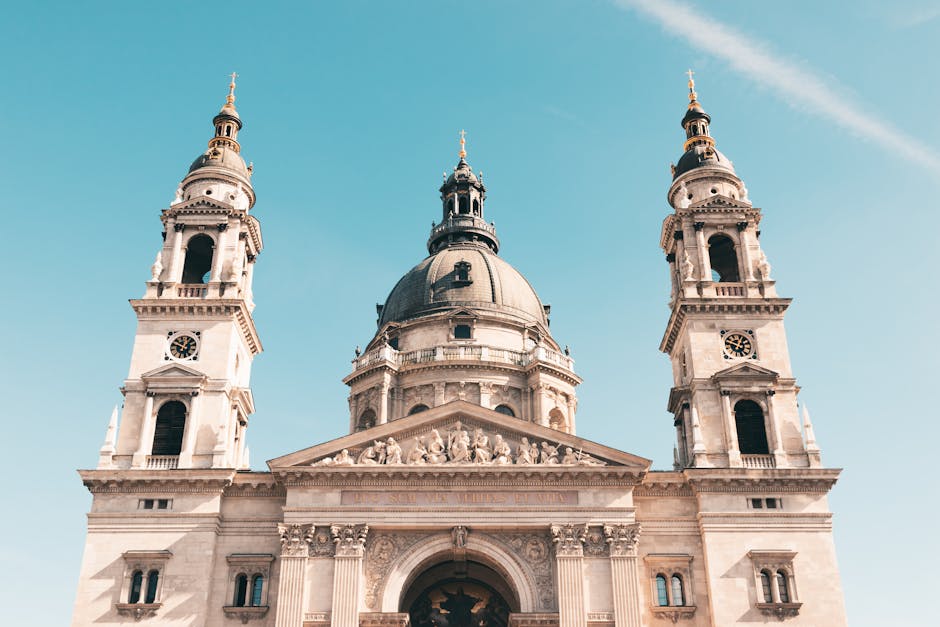
Discover Mostar's grand Austro-Hungarian boulevards, Moorish Revival architecture, and 20th-century history on this self-guided neighborhood stroll.
 Easy
EasyNairobi, Kenya
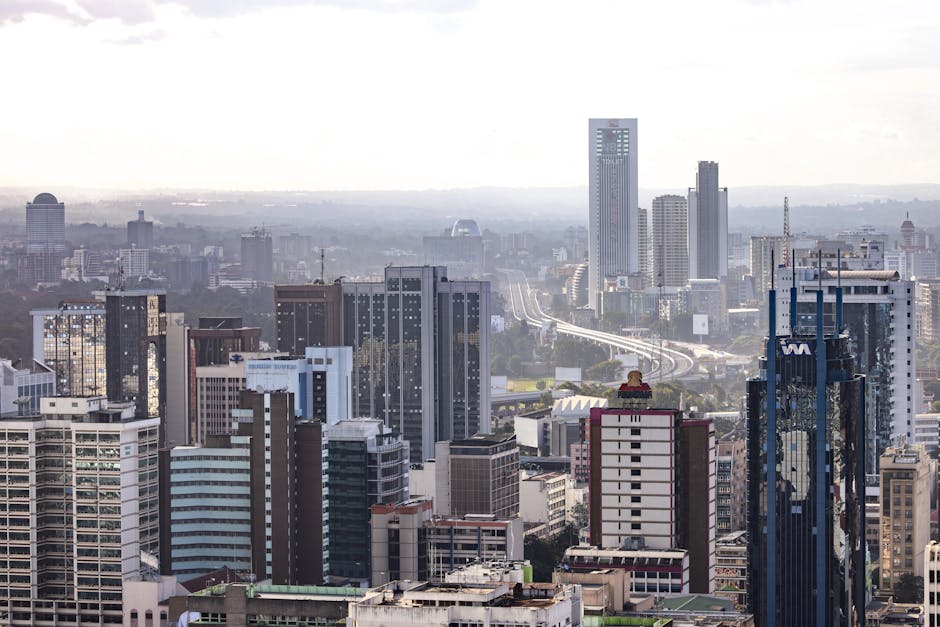
Explore Nairobi's architectural evolution from colonial-era landmarks to iconic Brutalist skyscrapers on this historic self-guided walking route.
 Easy
EasyNairobi, Kenya
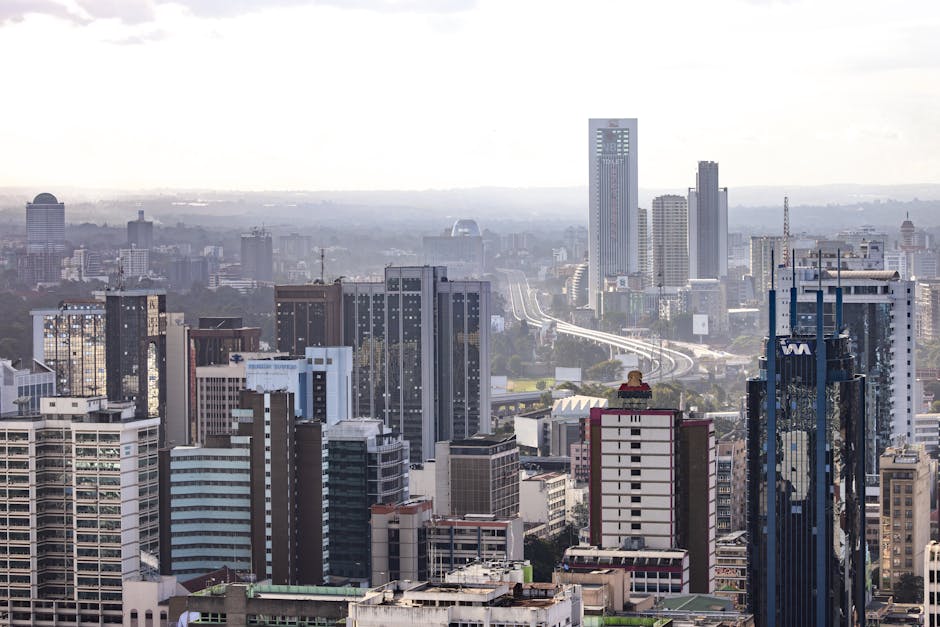
Discover Nairobi's iconic skyline on this self-guided architecture walk through the CBD’s most famous modernist and Brutalist landmarks.
 Easy
EasyKrakow, Poland
Explore the prestigious Jagiellonian University district, featuring Neo-Gothic architecture, Baroque churches, and Krakow's hidden scholarly gems.
 Easy
EasySalzburg, Austria
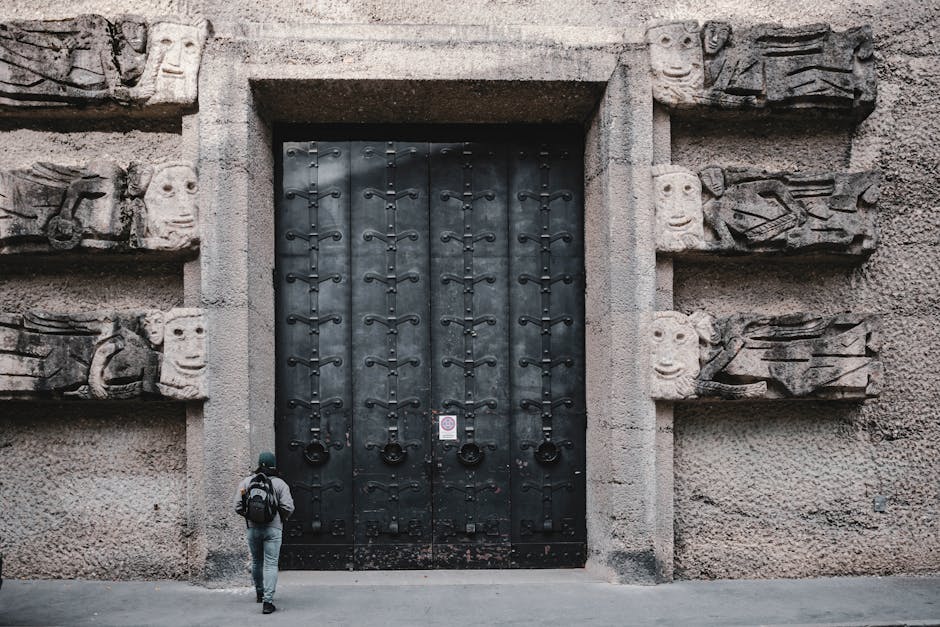
Discover Salzburg's oldest medieval alley, the birthplace of the 'Silent Night' author, and breathtaking views on this quiet self-guided walk.
 Easy
EasySarajevo, Bosnia and Herzegovina
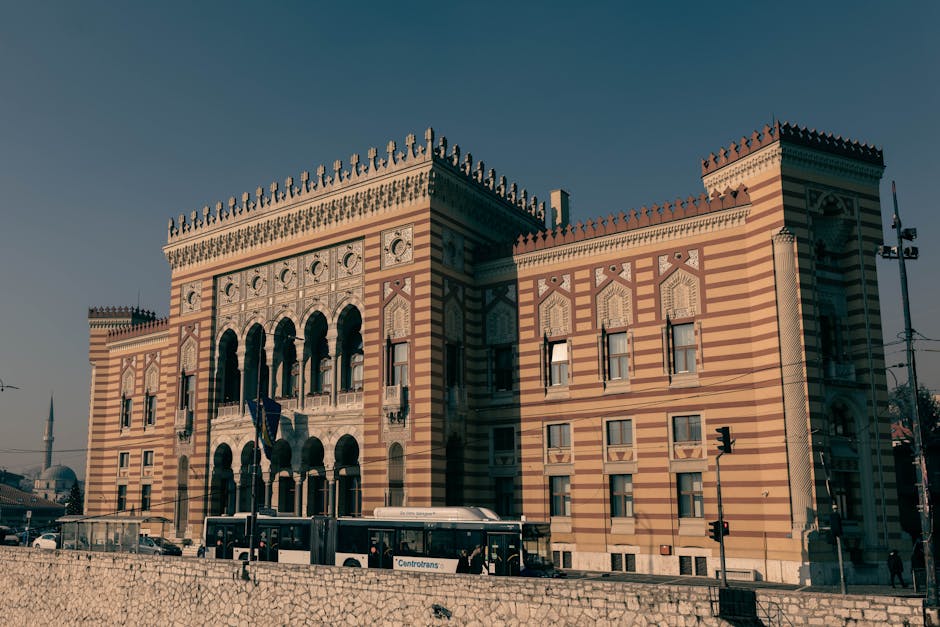
Discover Sarajevo’s history and architecture on this scenic self-guided walk across the iconic bridges of the Miljacka River.
 Moderate
Sarajevo, Bosnia and Herzegovina
Discover Sarajevo’s soul through street art, brutalist landmarks, and poignant history on this self-guided urban walking route.
 Easy
EasySarajevo, Bosnia and Herzegovina
Explore Sarajevo’s soulful nightlife on this self-guided walking route through historic pubs, hidden rakija bars, and legendary local haunts.
 Easy
EasySarajevo, Bosnia and Herzegovina
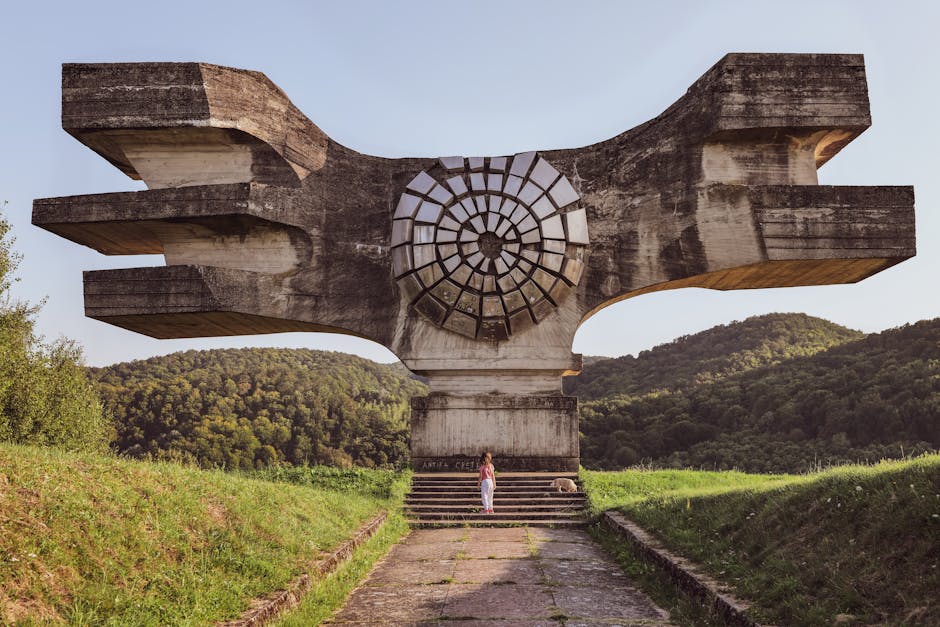
Explore Yugoslav Modernism and lush riverfront paths in Grbavica. A self-guided walk through Sarajevo's resilient 20th-century neighborhoods.