Self-guided audio tour in Salzburg
Start Free on iPhone
Start free on iPhone to unlock this self-guided walking tour in Salzburg. Hear all the stories that make it amazing, walk at your own pace, and begin whenever you want.
Your Private Tour Guide
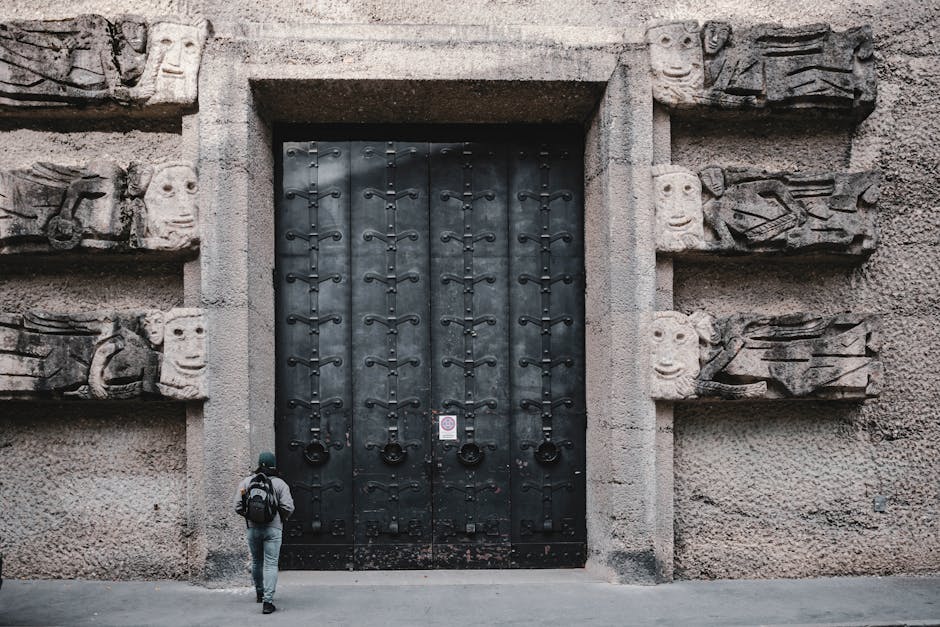
Step away from the crowded Getreidegasse and cross the Salzach river to discover Steingasse, arguably the most authentic medieval street in Salzburg. This self-guided walk invites you to explore a narrow corridor of history wedged between the steep cliffs of the Kapuzinerberg and the rushing river. Historically, this was the main artery for the salt trade, where heavy wagons once rattled over cobblestones, carrying 'white gold' from the mines to the rest of the world. Today, it remains a quiet sanctuary of ancient stone walls, hidden courtyards, and artisan heritage. As you begin your neighborhood stroll, you will transition from the bustling commerce of Linzer Gasse into a world that feels frozen in the 14th century. This walking route highlights the architectural resilience of a street that has survived rockfalls, floods, and the passage of time. You will encounter the Imbergstiege, a legendary staircase that leads to panoramic views, and the Kapuzinerkloster, where silence and spirituality have reigned for centuries. A major highlight of this walking tour Salzburg experience is visiting the birthplace of Joseph Mohr, the priest who penned the lyrics to 'Silent Night.' His humble beginnings in this damp, narrow alley offer a poignant contrast to the worldwide fame of the Christmas carol. Throughout this self-guided adventure, you will see how the 'Stein' (stone) in Steingasse refers not just to the pavement, but to the very mountain the houses are built into. While many visitors stick to the famous fortress side of the city, this route offers a deeper, more intimate look at the lives of the tanners, potters, and laborers who built Salzburg's wealth. Whether you are a photography enthusiast looking for the perfect medieval frame or a history buff seeking the city's hidden gems, this walking route provides a peaceful alternative to the typical guided tour Salzburg itineraries. Explore at your own pace and let the echoes of the past guide you through the shadows of the Right Bank.
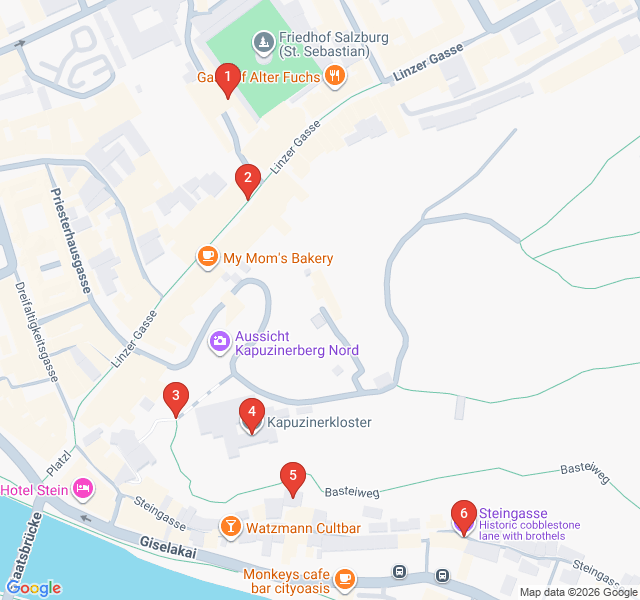
Numbers indicate the order of stops on the tour.
Welcome to the start of your self-guided walk on Salzburg’s Right Bank. We begin at the Coffee House Salzburg, located at the entrance to the Linzer Gasse. This area serves as the gateway between the modern city and the medieval quarters. Before you head into the narrow alleys, take a moment to look around the Platzl. This small square has been a hub of activity for centuries, serving as the bridgehead for the Staatsbrücke. While the Old Town across the river is more famous, this side of the city—the 'Rechte Altstadt'—offers a more local, lived-in perspective. Grab a quick espresso if you need a boost, as we are about to transition from the wide-open square into the tight, historic confines of the artisan district.
As you walk a few steps into Linzer Gasse, you are following the footsteps of thousands of traders. This street was historically the main road leading toward Linz and Vienna. While it is now a vibrant shopping street, look up at the facades. Many of these buildings date back to the 14th and 15th centuries. Unlike the aristocratic mansions of the Getreidegasse, the buildings here were traditionally owned by wealthy burghers and master craftsmen. Notice the wrought-iron signs and the narrowness of the side passages. We are using this busy thoroughfare as a contrast to our next destination, where the noise of modern shopping will quickly fade into the hushed tones of the Middle Ages.
Turn toward the mountain and you will find the Imbergstiege, or the Imberg Staircase. This steep, covered stone stairway is one of the most romantic and ancient shortcuts in the city. As you climb these steps, you are leaving the valley floor and ascending the Kapuzinerberg. These stairs have been used for centuries by monks, workers, and residents. The cool, damp air trapped within the stone walls creates an immediate shift in atmosphere. It is a bit of a workout, but the reward at the top is one of the most iconic views in Europe. Take your time with the ascent; each step brings you closer to a perspective of Salzburg that few tourists take the time to see.
You have reached the Capuchin Monastery, perched high above the city. Founded in the late 16th century, this monastery was built on the site of a medieval defensive tower. The monks here still follow a life of simplicity and prayer. Walk over to the low wall at the edge of the terrace. From here, the entire Salzburg skyline unfolds: the turquoise domes of the Cathedral, the sprawling Hohensalzburg Fortress, and the winding Salzach River. It is the perfect spot to understand the city's geography. The silence here is a stark contrast to the city below, offering a peaceful moment to reflect on the religious history that shaped Salzburg's identity as the 'Rome of the North.'
After descending back toward the river level, we enter Steingasse itself. Look for number 31. This unassuming house is the birthplace of Joseph Mohr, born in 1792. Mohr was the illegitimate son of a seamstress and a mercenary, growing up in extreme poverty in this very alley. Despite his difficult start, he became a priest and eventually wrote the poem 'Stille Nacht' or 'Silent Night.' The narrowness and shadows of Steingasse in the late 18th century would have been a harsh environment, which makes the beauty and peace of his famous carol even more remarkable. There is a small commemorative plaque here marking the site of his humble beginnings.
We conclude our walking route by strolling the full length of Steingasse. This is the narrowest street in Salzburg, and in some places, you can almost touch the walls on both sides. Notice how the houses on the left are built directly into the rock of the Kapuzinerberg. Historically, this was the 'street of the common people'—tanners, dyers, and potters who needed the proximity to the river for their trade. Because it was so narrow, it was one of the few places in the city that avoided major modernization. Look for the 'Inneres Steintor,' a medieval gate that once controlled access to the city. Today, the street is home to small galleries and quiet bars, preserving its ancient, slightly mysterious character.
Start Free on iPhone
Explore “Steingasse: The Artisans’ Ancient Alley” with your very own Private Tour Guide with Zigway. Start free on iPhone, skip the large group and the fixed routes, and hear the city come alive as you go.
Your Private Tour Guide
Don't miss the good stuff
Explore Freely
 Easy
EasySalzburg, Austria
Discover the 'Rome of the North' on this self-guided walk through the Baroque squares and monumental legacy of Salzburg’s Prince-Archbishops.
 Easy
EasySalzburg, Austria
Walk through the iconic filming locations of The Sound of Music and discover the real history of the von Trapp family in Salzburg.
 Challenging
Salzburg, Austria
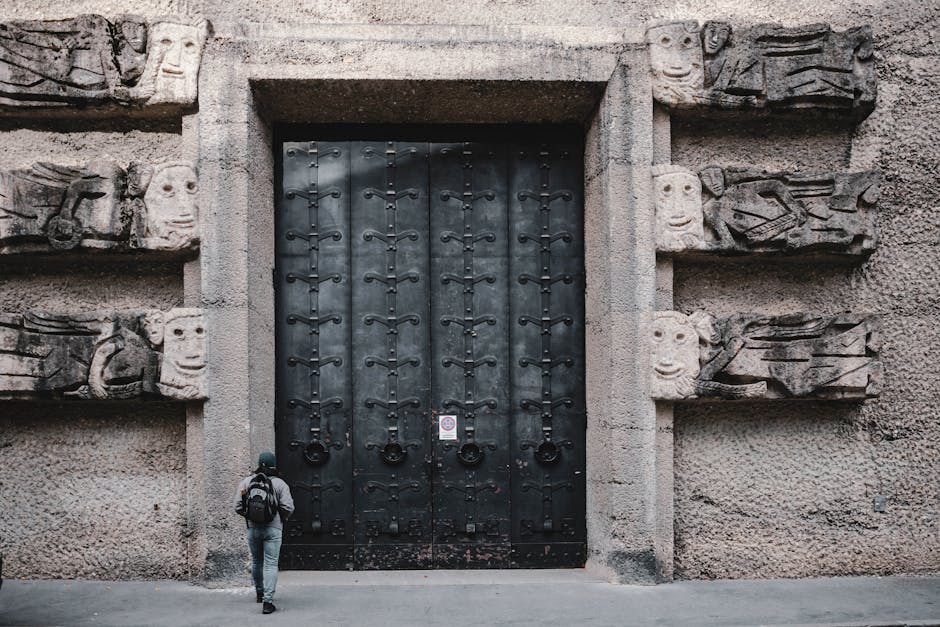
Scale the heights of Salzburg on this self-guided walk to the Hohensalzburg Fortress, exploring medieval walls and ancient monastic grounds.
 Easy
EasySalzburg, Austria
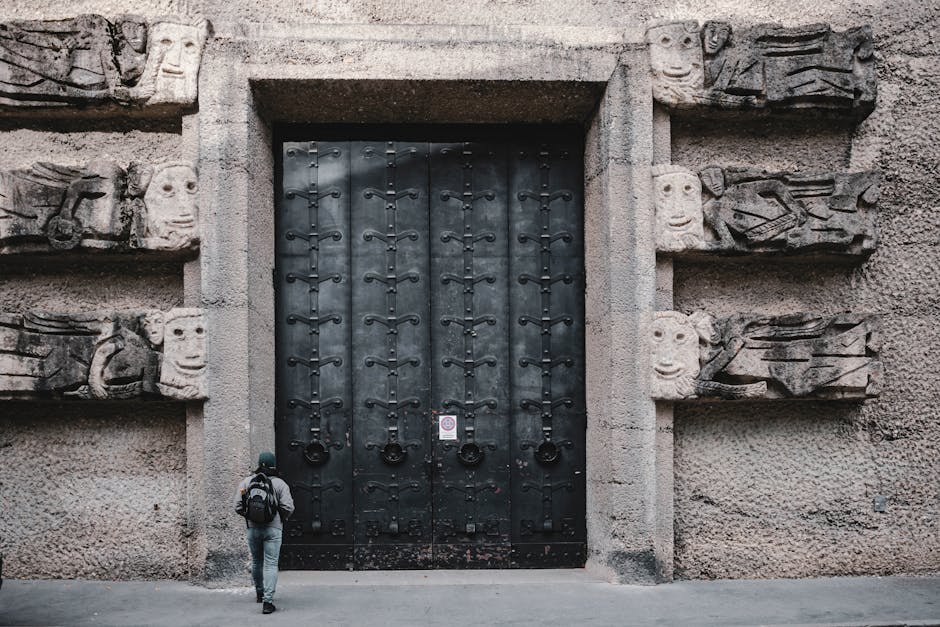
Discover the surprising world of contemporary sculpture hidden among Salzburg's Baroque spires on this self-guided walking route through the Altstadt.
 Easy
EasyNairobi, Kenya
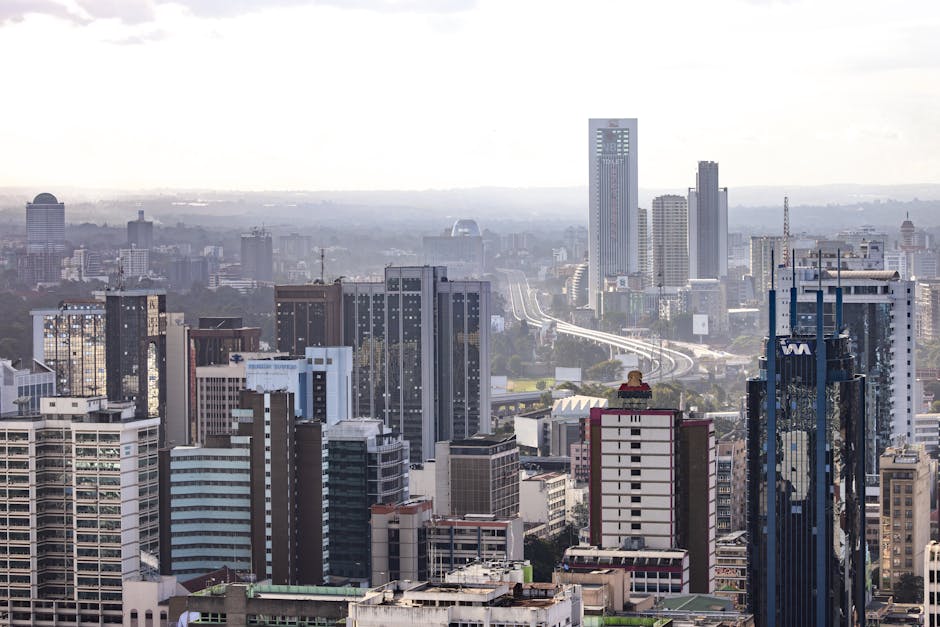
Discover Nairobi's iconic skyline on this self-guided architecture walk through the CBD’s most famous modernist and Brutalist landmarks.
 Easy
EasyWarsaw, Poland
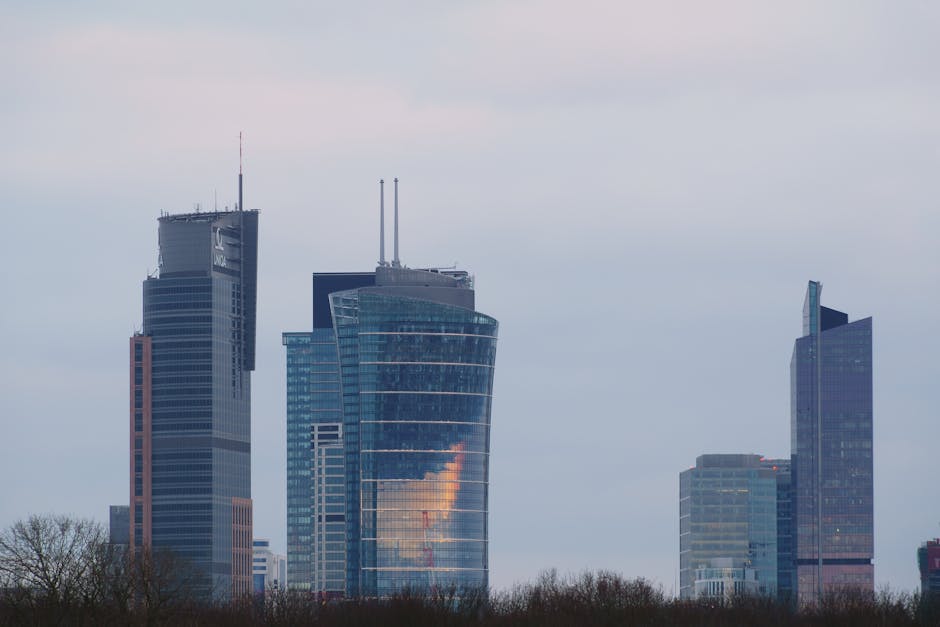
Discover the hidden courtyards and grand pre-war architecture of Warsaw's most atmospheric neighborhood on this self-guided stroll.
 Easy
EasyNairobi, Kenya
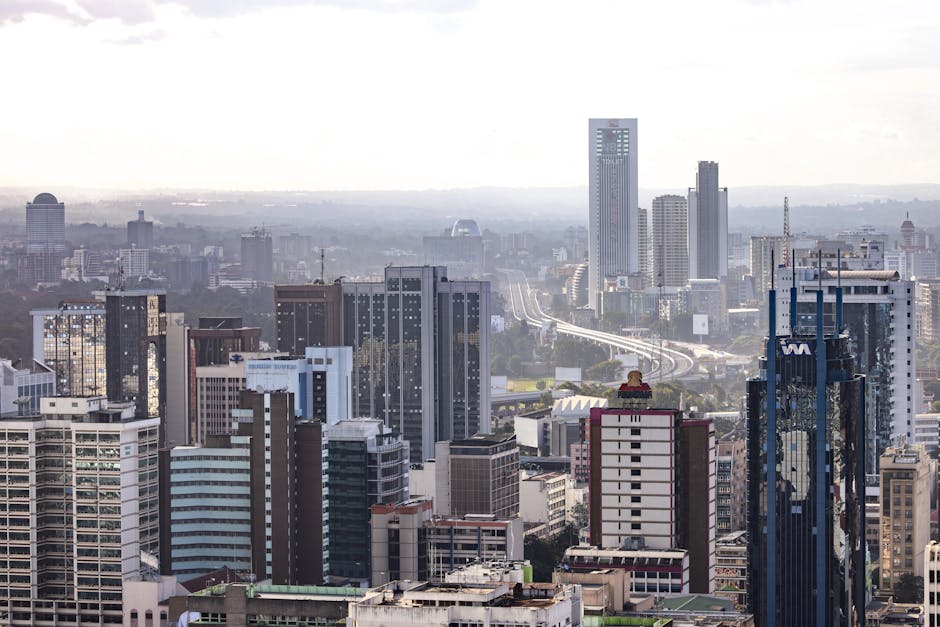
Explore Nairobi's architectural evolution from colonial-era landmarks to iconic Brutalist skyscrapers on this historic self-guided walking route.
 Easy
EasyKrakow, Poland
Explore the prestigious Jagiellonian University district, featuring Neo-Gothic architecture, Baroque churches, and Krakow's hidden scholarly gems.
 Easy
EasyVienna, Austria
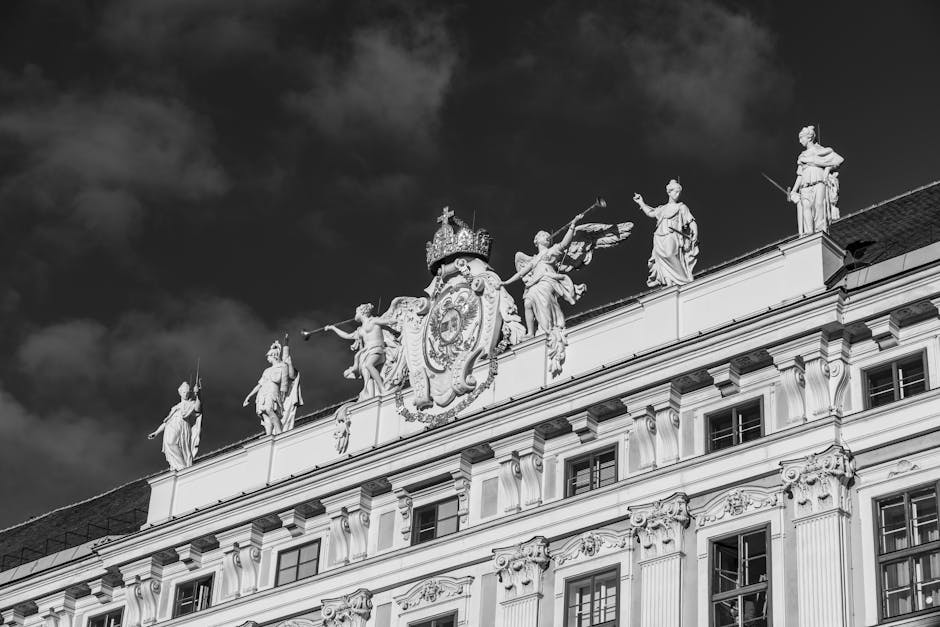
Explore Vienna’s vibrant open-air gallery along the Danube Canal on this self-guided street art and nightlife stroll through Leopoldstadt.
 Moderate
Vienna, Austria
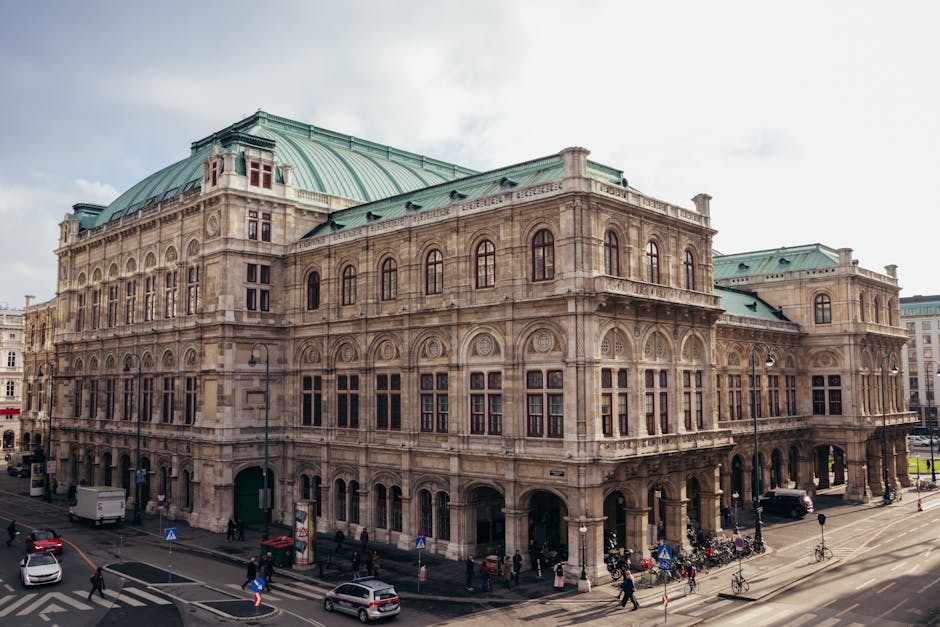
Follow the footsteps of Mozart and Strauss through Vienna’s historic center on this self-guided walk through the city's rich musical history.
 Moderate
Vienna, Austria
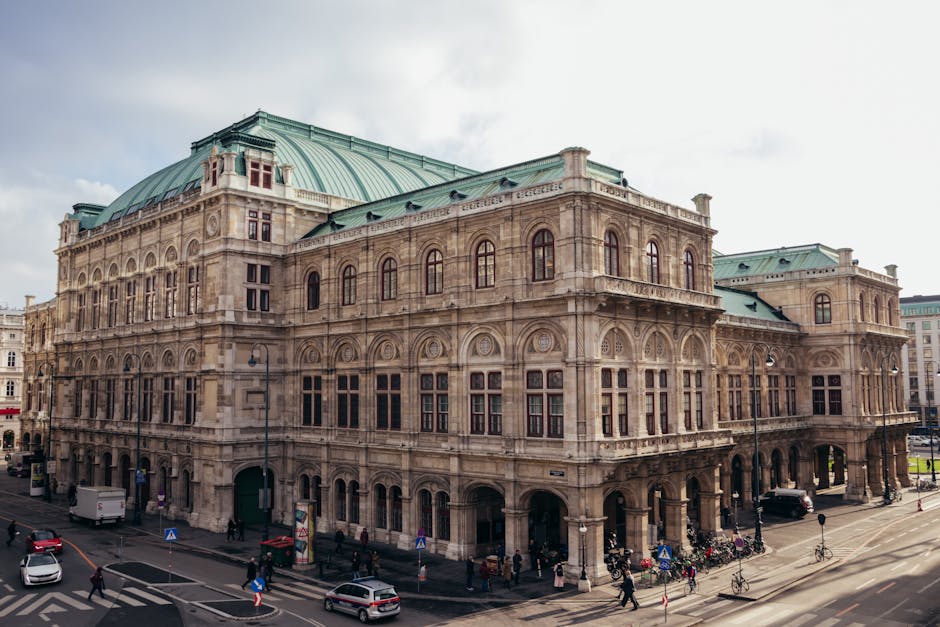
Discover the noir world of The Third Man and Cold War Vienna on this atmospheric self-guided audio walk through the historic Innere Stadt.
 Easy
EasyVienna, Austria
Discover the literary haunts and architectural gems of Vienna's legendary coffee culture on this self-guided stroll through the historic city center.