Self-guided audio tour in Krakow
Start Free on iPhone
Start free on iPhone to unlock this self-guided walking tour in Krakow. Hear all the stories that make it amazing, walk at your own pace, and begin whenever you want.
Your Private Tour Guide
Step into the intellectual heart of Poland with this self-guided walk through Krakow’s historic University Quarter. For over 600 years, this neighborhood has been a sanctuary for scholars, scientists, and dreamers, centered around the prestigious Jagiellonian University—one of the oldest institutions of higher learning in the world. As you follow this walking route, you will transition from the lush green belt of the Planty park into a world of soaring Neo-Gothic brickwork, hidden courtyards, and Baroque masterpieces that tell the story of a city that valued education even during its darkest hours. This neighborhood stroll begins at the edge of the Old Town, where the medieval city walls once stood, and leads you toward the grand facade of the Collegium Novum. This building remains the symbolic center of the university, witnessing everything from the scientific breakthroughs of Nicolaus Copernicus to the tragic events of World War II. Exploring independently allows you to linger in places like the Church of St. Anne, a jewel of the Polish Baroque, or the peaceful garden of the Józef Mehoffer House, a hidden gem often missed by those on a standard walking tour Krakow offers. Beyond the architecture, this route captures the spirit of the 'Polish Athens.' You will discover how the university influenced the city's cultural life at the Bagatela Theatre and see the evolution of academic life at the monumental Jagiellonian Library. Whether you are interested in the history of science, the intricacies of religious art, or simply want to soak in the quiet, scholarly atmosphere of the side streets, this self-guided adventure provides a comprehensive look at Krakow’s academic legacy. Discover at your own pace why this district has remained the soul of Krakow for centuries, serving as a bridge between the medieval past and the modern intellectual future.
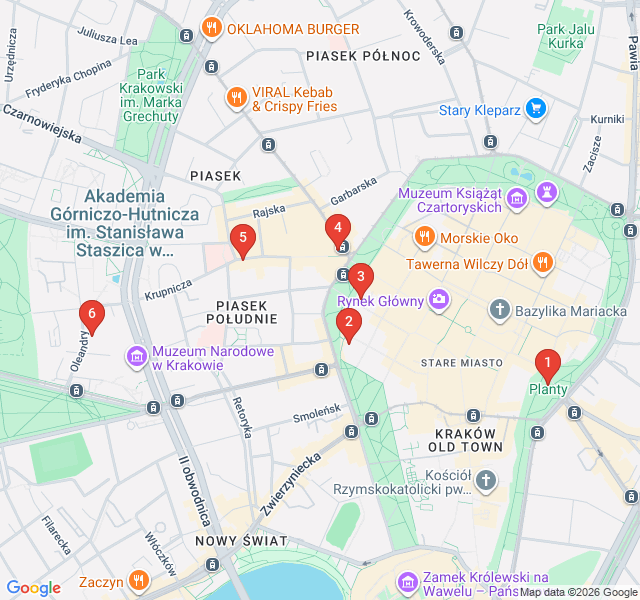
Numbers indicate the order of stops on the tour.
Start your self-guided walk in the Planty, the horseshoe-shaped park that encircles Krakow's Old Town. This green belt sits where the city's medieval defensive walls once stood. In the 19th century, the crumbling fortifications were replaced with these gardens, creating a 'living room' for the city. This specific section, near the University, has long been a place for professors and students to debate philosophy and science. Look around at the various monuments dedicated to Polish thinkers and poets that dot the path. The Planty provides a peaceful buffer between the bustling Main Market Square and the quiet, contemplative streets of the University Quarter.
Standing before you is the Collegium Novum, the administrative heart of the Jagiellonian University. Completed in 1887 in the Neo-Gothic style, its red-brick facade and ornate windows reflect the prestige of an institution founded in 1364. This building is not just an architectural marvel; it is a site of profound history. In November 1939, the Nazi occupiers lured Krakow’s professors here for a 'lecture' only to arrest them in an event known as Sonderaktion Krakau. Today, the building serves as the office of the Rector and remains a symbol of Polish intellectual resilience. Take a moment to admire the intricate masonry and the coat of arms of the university above the main entrance.
This is the Church of St. Anne, widely considered one of the finest examples of Baroque architecture in Central Europe. Designed by the Dutch-Polish architect Tylman van Gameren in the late 17th century, it serves as the university's collegiate church. The interior is a breathtaking display of stucco work and theatrical altars. It houses the tomb of Saint John Cantius, a beloved university professor from the 15th century. Scholars have traditionally come here to pray for success in their exams. The church’s layout and acoustics were specifically designed to impress, reflecting the Counter-Reformation's desire to use beauty as a way to inspire faith.
At the corner of Karmelicka and Dunajewskiego streets stands the Bagatela Theatre. Established in 1919, its name translates to 'a trifle' or 'a bagatelle,' suggesting lighthearted entertainment. The building’s history is a microcosm of Krakow's 20th-century shifts; it has served as a theater, a cinema, and even a site for avant-garde performances. Its elegant exterior contributes to the vibrant atmosphere of the district. For generations of students and locals, Bagatela has been a primary meeting spot and a gateway to the more residential, artistic parts of the city that lie just beyond the Old Town's medieval core.
Tucked away on Krupnicza Street is the former home of Józef Mehoffer, a leading figure of the 'Young Poland' art movement. Mehoffer was a master of stained glass and decorative painting, and his house is a preserved sanctuary of early 20th-century aesthetics. While the museum inside is wonderful, the true hidden gem is the rear garden. It is a rare example of a modernist artist's garden in the city center, meticulously restored to Mehoffer's original designs. It offers a quiet, floral escape from the urban environment, embodying the artistic spirit that flourished alongside the university's scientific pursuits.
Concluding your neighborhood stroll is the 'New' Jagiellonian Library. While the university's oldest books were once kept in the medieval Collegium Maius, this monumental building was constructed between 1931 and 1939 to house the growing collection. It is a prime example of Polish Modernism, designed to be both functional and imposing. The library holds over 6 million volumes, including priceless manuscripts like Copernicus's 'De revolutionibus orbium coelestium.' Standing here, you are at the edge of the modern university campus, where the historic traditions of the Old Town meet the active research and student life of today's Krakow.
Start Free on iPhone
Explore “Academic Krakow: The University Quarter” with your very own Private Tour Guide with Zigway. Start free on iPhone, skip the large group and the fixed routes, and hear the city come alive as you go.
Your Private Tour Guide
Don't miss the good stuff
Explore Freely
 Easy
EasyKrakow, Poland
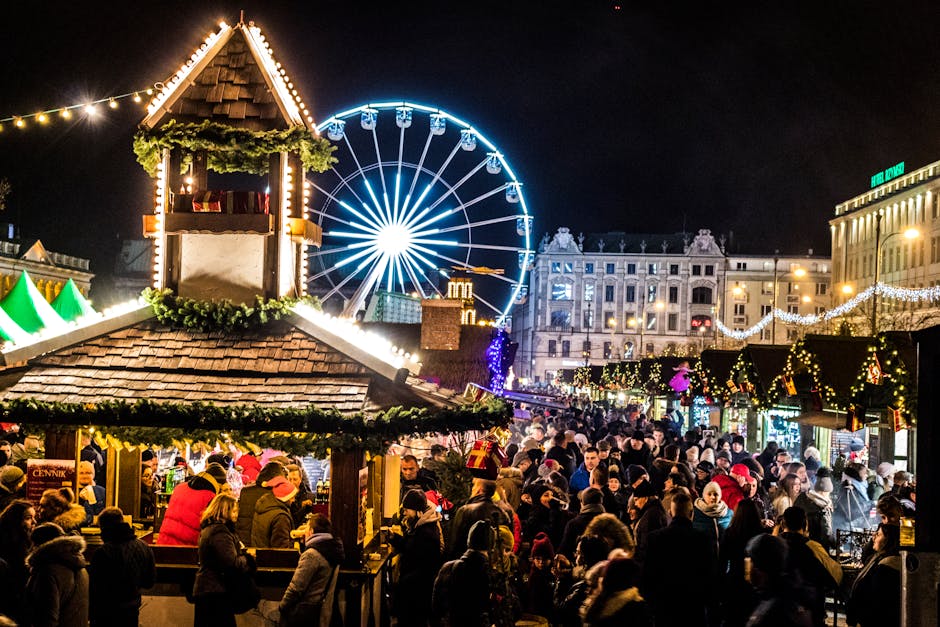
Explore Krakow's hidden nightlife with this self-guided walk through medieval cellars, jazz clubs, and bohemian bars in the Old Town and Kazimierz.
 Easy
EasyKrakow, Poland
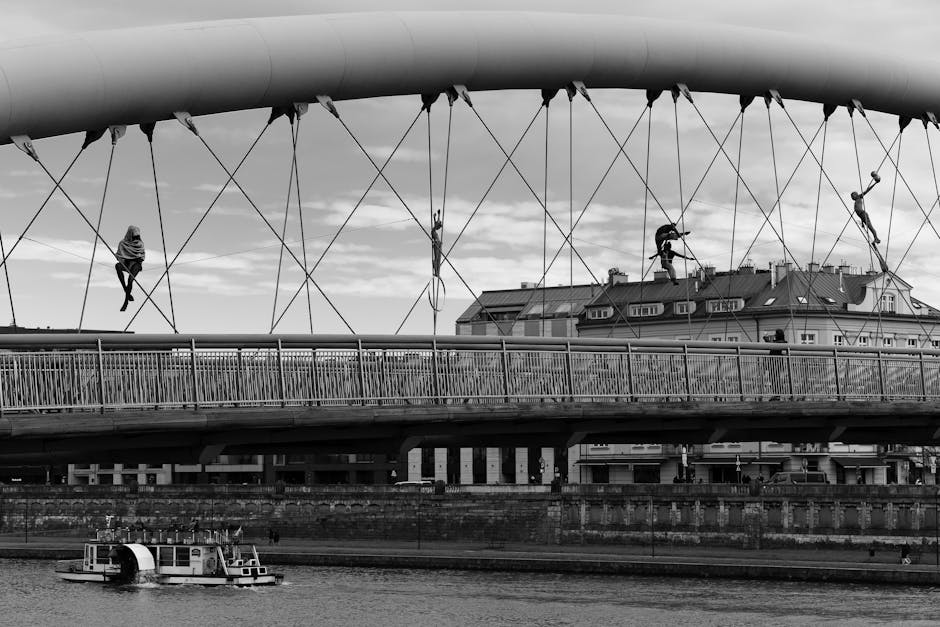
Discover Krakow’s creative soul in Zabłocie, exploring industrial heritage, contemporary art museums, and avant-garde architecture at your own pace.
 Easy
EasyKrakow, Poland
Explore the historic heart of Kazimierz on this self-guided walk through synagogues, ancient cemeteries, and vibrant squares.
 Easy
EasyKrakow, Poland
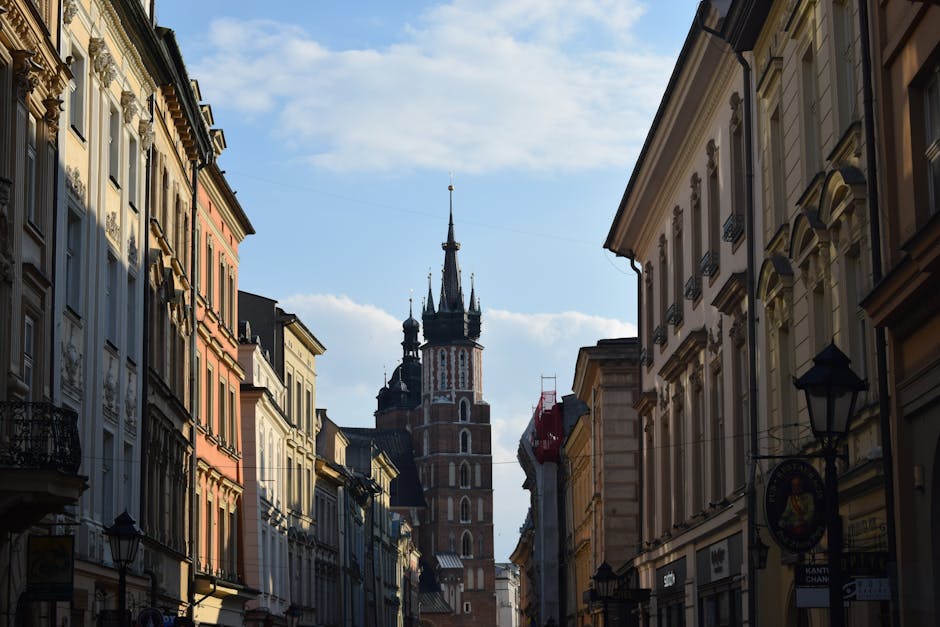
Uncover Krakow's legendary past on this self-guided walk from literary monuments to the fire-breathing Wawel Dragon.
 Easy
EasyNairobi, Kenya
Discover Nairobi’s literary soul on this self-guided walk through historic libraries, iconic bookshops, and cultural centers in the heart of the CBD.
 Easy
EasyGothenburg, Sweden
Explore Gothenburg's elegant academic district, featuring grand 19th-century stone architecture and the iconic cultural hub of Götaplatsen.
 Easy
EasyGothenburg, Sweden
Discover Gothenburg’s 17th-century Dutch foundations, historic canals, and military fortifications on this self-guided architectural walk.
 Easy
EasyNairobi, Kenya
Explore Nairobi's architectural evolution from colonial-era landmarks to iconic Brutalist skyscrapers on this historic self-guided walking route.
 Easy
EasyWarsaw, Poland
Discover the hidden courtyards and grand pre-war architecture of Warsaw's most atmospheric neighborhood on this self-guided stroll.
 Easy
EasyWarsaw, Poland
Explore the 'Polish Versailles' at your own pace. Discover Baroque architecture, royal history, and stunning gardens on this self-guided walk.
 Moderate
Warsaw, Poland
Explore the resilient spirit of Warsaw's Muranów district on this self-guided walk through the history and landmarks of the former Jewish Ghetto.
 Moderate
Warsaw, Poland
A powerful self-guided walk through Warsaw's WWII history, tracking the 1944 Uprising from ruined skyscrapers to solemn memorials.