Discover the tranquil beauty of Japan’s first permanent capital with self-guided audio walks through historic parks and hidden forest shrines.
Todai-ji Temple · Nara Park · Kasuga Taisha Shrine · Naramachi District · Kofuku-ji Temple · Isuien Garden · Sarusawa-ike Pond
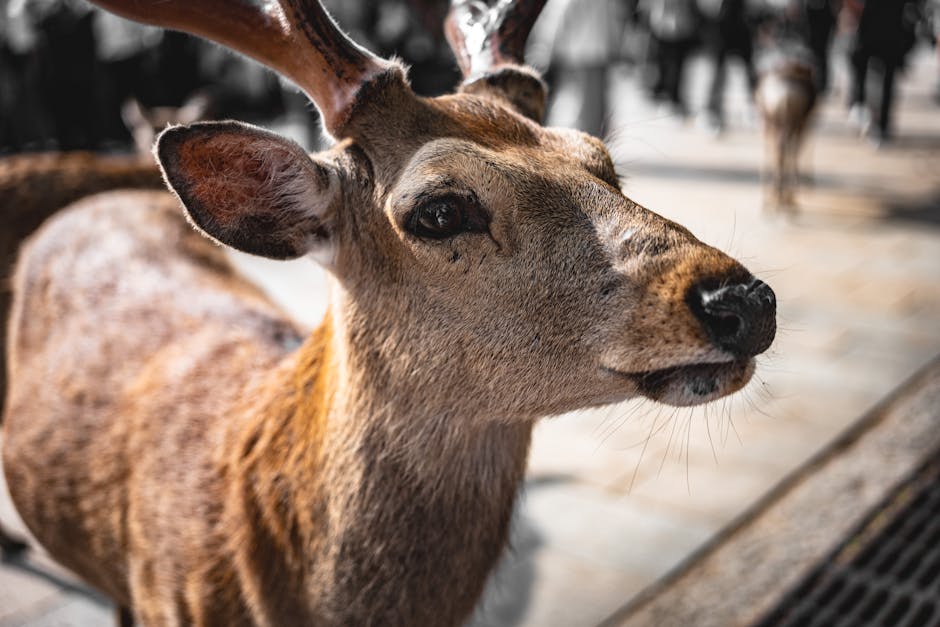
Nara offers a unique blend of spiritual heritage and natural serenity, making it one of Japan's most rewarding destinations for independent exploration. As the country's first permanent capital, the city is home to an extraordinary concentration of UNESCO World Heritage sites, many of which are situated within the expansive Nara Park. Walking here allows you to encounter the famous free-roaming deer, considered messengers of the gods, while navigating paths that lead to monumental bronze statues and intricate wooden architecture. Beyond the main park, the narrow streets of Naramachi reveal a different side of the city, where traditional merchant houses have been preserved and converted into charming cafes and craft shops. Exploring Nara on foot ensures you capture the quiet details of its moss-covered stone lanterns and the peaceful atmosphere of its forested hillsides, providing a deeper connection to the history and culture that shaped early Japan.
Nara is exceptionally pedestrian-friendly, with most major landmarks clustered around the central park area. The transition from the urban train station area to the forested temple grounds is seamless and scenic. Well-maintained paths and clear signage make navigation straightforward, even for those new to the city. While the walk up to Kasuga Taisha involves a gentle incline through the woods, the terrain is generally flat and accessible, encouraging long, leisurely strolls between historic districts and modern amenities.
The city is renowned for its seamless integration of wildlife and urban life, particularly the hundreds of deer that roam freely. It is also home to the Daibutsu (Great Buddha) at Todai-ji, one of the largest bronze statues in the world. The architectural transition from the grand, ancient structures of the Nara period to the intimate, Edo-period townhouses in Naramachi offers a visual timeline of Japanese history that is best appreciated through slow exploration.
2 fully narrated walks in Nara. Each story starts by GPS as you arrive, and every walk has a free sample.
Mountain gods, a bronze Buddha and the deer who outlasted an empire.
2.4 km · 33 min walking
Follow the deer from open parkland into a forest no one has cut for a thousand years.
2.3 km · 32 min walking
One fishing net, one hidden statue, and the temple town that grew up around them.
Tokyo · 1.7 km · 28 min walking
Widows, warlords, bound monkeys and soul-catching gourds on the stone slopes up to Kiyomizu-dera.
Kyoto · 2.1 km · 36 min walking
Four rival owners, one hill, and every layer buried under bigger stone.
Osaka · 2.9 km · 40 min walking
Walk the straight line Hiroshima drew across a vanished neighbourhood, from glass gates to the point beneath the bomb.
Hiroshima · 2.5 km · 34 min walking
Buried rivers, fashion slopes and parks in the sky: Shibuya, one layer at a time.
Tokyo · 2.6 km · 43 min walking
Ten thousand gates, one question: who paid for them, and why?
Kyoto · 4.2 km · 1 h 11 min walking
Open the month-by-month Nara events guide to see when major festivals, concerts, local traditions, food events, and sports highlights are happening.
Open Nara events in 2026 →Don't miss the good stuff
Explore Freely