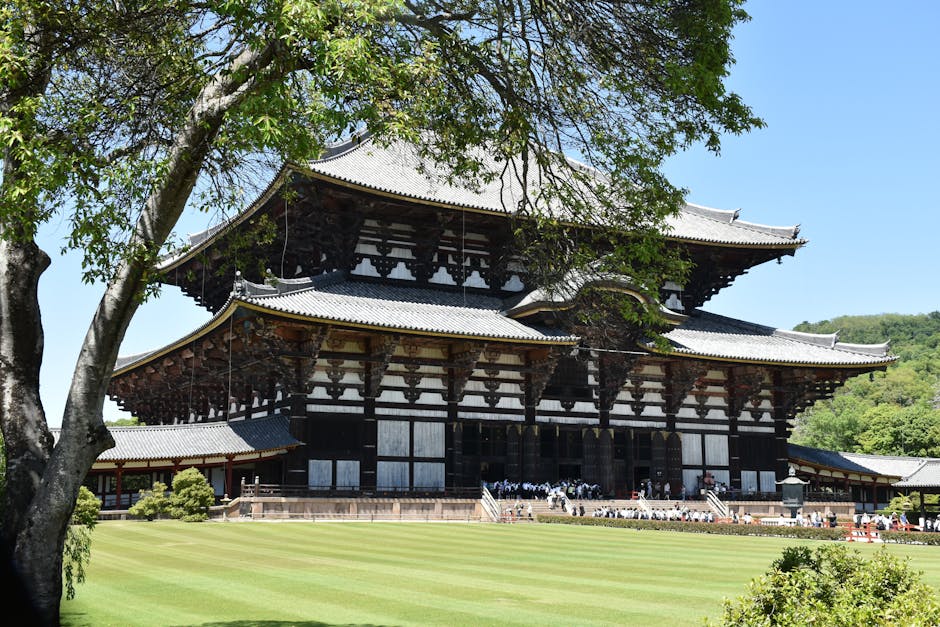
Self-guided audio tour in Nara
Start Free on iPhone
Start free on iPhone to unlock this self-guided walking tour in Nara. Hear all the stories that make it amazing, walk at your own pace, and begin whenever you want.
Your Private Tour Guide
Step back into the 8th century with this self-guided walk through the Heijo Palace Site, the heart of Japan's ancient capital. While most visitors flock to the deer in Nara Park, this walking route explores the sprawling grounds where the Japanese imperial court once resided during the Nara Period (710–784 AD). This neighborhood stroll offers a unique perspective on Japan’s urban origins, revealing a city that was modeled after the grand Tang Dynasty capital of Chang'an in China. For over a millennium, this site was lost to history, buried under rice paddies until archaeological excavations in the 20th century brought the 'Lost Capital' back to life. As you explore independently, you will encounter meticulously reconstructed landmarks that showcase the peak of ancient Japanese architecture. The route highlights the sheer scale of the Former Imperial Audience Hall (Daigokuden), where the emperor conducted state affairs, and the imposing Suzakumon Gate, which served as the ceremonial entrance to the palace grounds. Beyond the massive wooden structures, the East Palace Garden offers a glimpse into the sophisticated landscape design and courtly leisure of the era. The site is a dream for photography enthusiasts, offering wide-open vistas, dramatic red pillars, and golden roof ornaments that contrast beautifully against the Nara sky. This walking tour Nara provides a peaceful alternative to the city's more crowded attractions. Because the site is so expansive, a self-guided adventure allows you to appreciate the silence and the historical weight of the ground beneath your feet. The journey concludes near the bustling Yamato-Saidaiji area before transitioning toward the iconic Sarusawa Pond, bridging the gap between the abandoned ancient capital and the enduring spiritual heart of Nara. Whether you are an architecture buff or a history enthusiast, this route offers a profound look at the foundations of Japanese culture and governance.
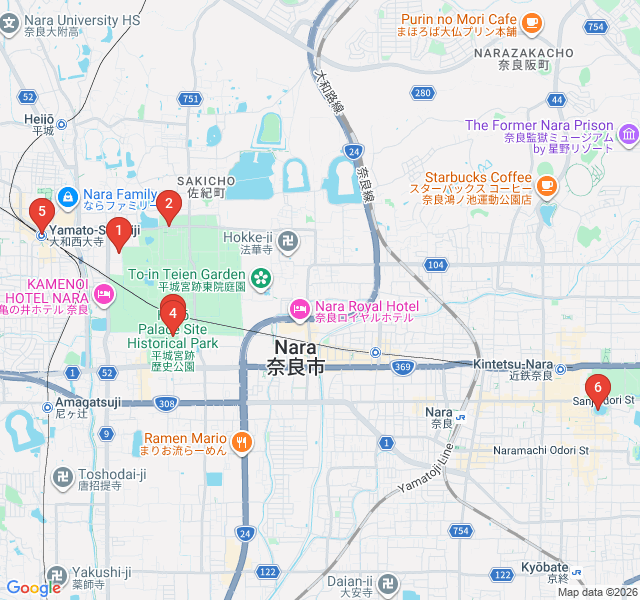
Numbers indicate the order of stops on the tour.
Begin your self-guided adventure at the Heijo Palace Site Museum. This is the perfect place to orient yourself before exploring the vast grounds. The museum houses a wealth of artifacts uncovered during decades of excavation, including pottery, wooden tablets used for record-keeping, and architectural fragments. You can see detailed models of what the city looked like at its height in the 700s, when it was home to over 100,000 people. It’s fascinating to realize that for centuries, this entire imperial complex was completely hidden under farmland, its location preserved only in ancient texts and the memories of the local landscape.
Standing before the Daigokuden, you are looking at the most important building in the ancient capital. This reconstructed hall is where the Emperor would sit on the high Takamikura throne during New Year’s ceremonies or when receiving foreign envoys. Notice the brilliant vermilion pillars and the golden 'shachi' (mythical dolphin-like creatures) on the roof. The interior features a stunning ceiling painted with the symbols of the Chinese zodiac and the four directional spirits. The scale of this building was intended to project the power and stability of the burgeoning Japanese state to both its citizens and its neighbors.
This is the Suzakumon, the main southern gate of the palace. In ancient times, a massive 75-meter wide avenue called Suzaku-oji extended from here all the way to the southern edge of the city. This gate wasn't just a physical barrier; it was a stage for imperial ceremonies and a place where commoners might occasionally catch a glimpse of the palace's inner workings. Today, the gate stands as a lonely sentinel on the flat plain. Look closely at the joinery—the reconstruction used traditional techniques, avoiding modern nails where possible to honor the craftsmanship of the 8th-century carpenters.
The East Palace Garden, or To-in Teien, offers a change of pace from the grand scale of the halls. This was a place of leisure for the imperial family, used for banquets and poetry-writing parties. The garden has been reconstructed based on the exact archaeological footprint found in the soil. Unlike later Zen gardens which are often meant for meditation, this Nara-period garden features a large winding pond and sophisticated stone arrangements designed for viewing while walking or socializing. It represents an early stage in the evolution of Japanese garden aesthetics, heavily influenced by continental styles.
As you walk toward the western edge of the site, you'll encounter a modern quirk of Nara’s geography. The Kintetsu Railway line actually cuts directly through the historical palace site. This area near Yamato-Saidaiji Station serves as a gateway between the ancient ruins and the modern residential life of Nara. It's a great spot to observe how the city balances its immense historical heritage with the needs of a functioning 21st-century city. There are several small local shops and cafes here if you need a quick refreshment before the final leg of your journey.
To conclude this neighborhood stroll, we transition toward the more familiar sights of Nara. Sarusawa Pond is a classic scenic spot, famous for its reflection of the Kofuku-ji Five-Story Pagoda. While the Heijo Palace Site represents the political capital, this area represents the religious heart of ancient Nara. The pond is steeped in legend, most notably the story of a court lady who drowned herself here after losing the emperor's favor. It’s a peaceful place to sit and reflect on the contrast between the vast, empty fields of the 'Lost Capital' and the enduring spiritual landmarks of the city center.
Start Free on iPhone
Explore “The Lost Capital: Heijo Palace Site Walk” with your very own Private Tour Guide with Zigway. Start free on iPhone, skip the large group and the fixed routes, and hear the city come alive as you go.
Your Private Tour Guide
Don't miss the good stuff
Explore Freely
 Moderate
Nara, Japan
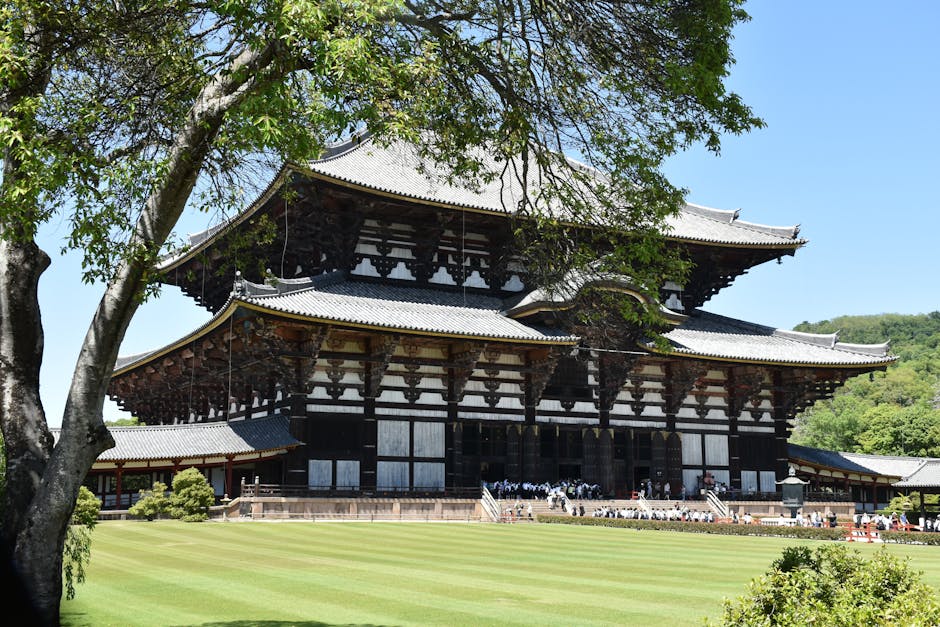
Discover a mystical path through Nara's ancient forest, lined with 3,000 lanterns and sacred deer on this serene self-guided walk.
 Challenging
Nara, Japan
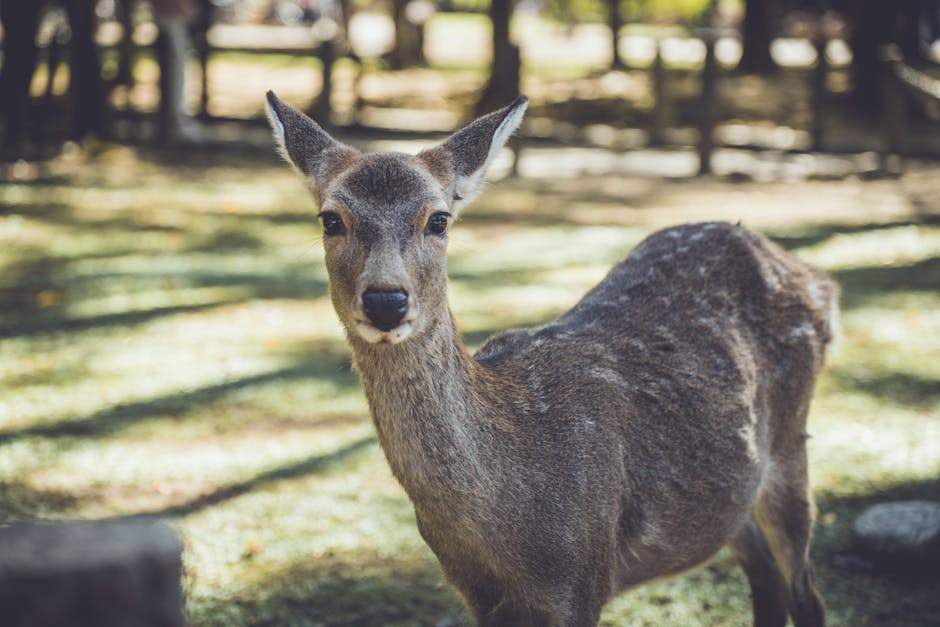
Journey from Nara's imperial ruins and refined gardens into the ancient, sacred silence of the UNESCO-protected Mount Kasuga Primeval Forest.
 Moderate
Nara, Japan
Discover Nara’s literary soul on this self-guided walk through historic Takabatake’s temples, writer residences, and poetic gardens.
 Easy
EasyNara, Japan
Explore Nara's evening charm on this self-guided walk through illuminated pagodas, historic shopping streets, and world-class hidden bars.
 Easy
EasyGothenburg, Sweden
Explore Gothenburg's elegant academic district, featuring grand 19th-century stone architecture and the iconic cultural hub of Götaplatsen.
 Easy
EasyNairobi, Kenya
Discover Nairobi's iconic skyline on this self-guided architecture walk through the CBD’s most famous modernist and Brutalist landmarks.
 Easy
EasyGdansk, Poland
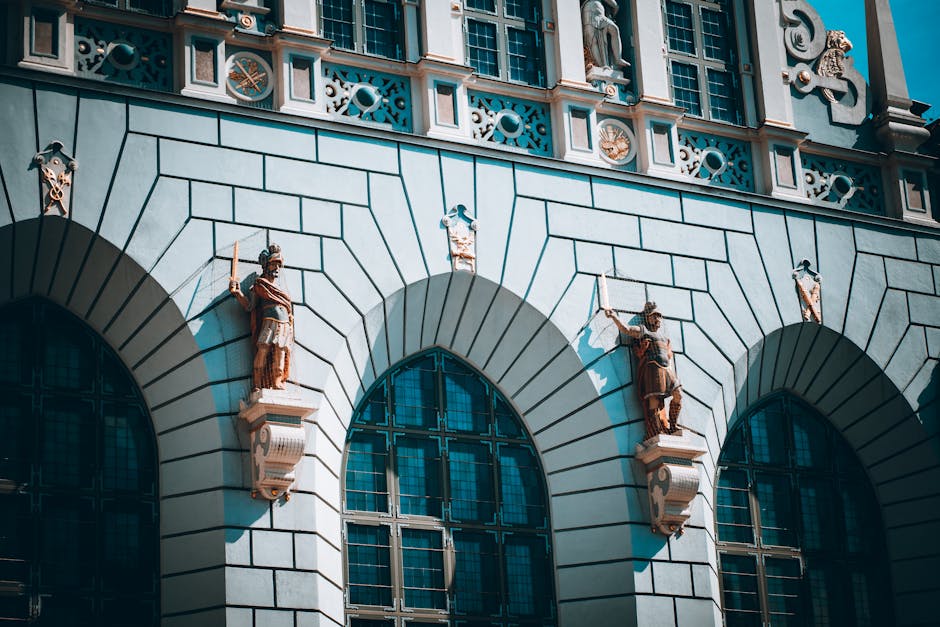
Discover the opulent Royal Way of Gdansk at your own pace. Explore Hanseatic history, gilded architecture, and the iconic Neptune's Fountain.
 Easy
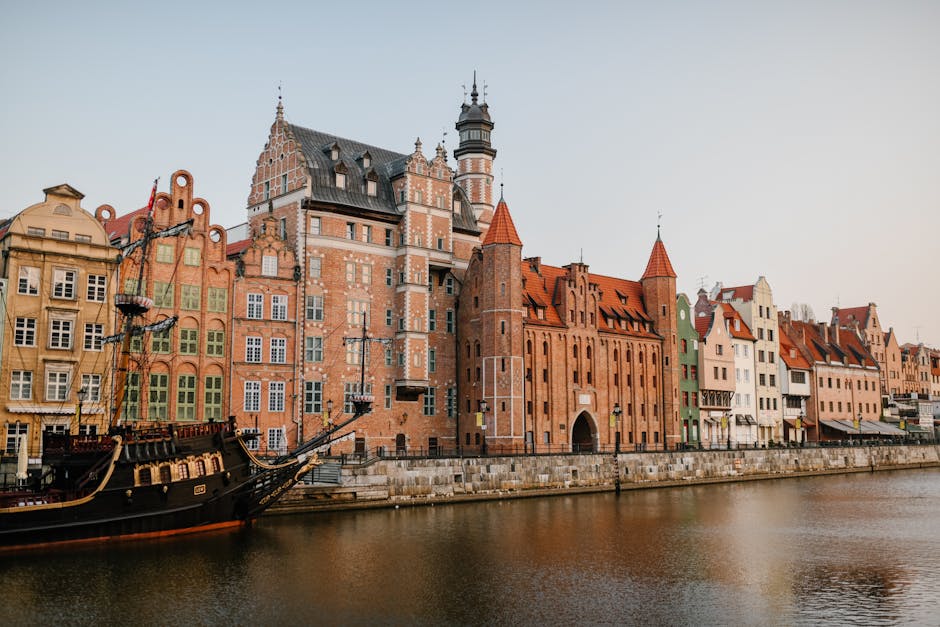
EasyGdansk, Poland
Discover the monastic heritage, world-famous organs, and lush botanical gardens of Oliwa on this peaceful self-guided neighborhood stroll.
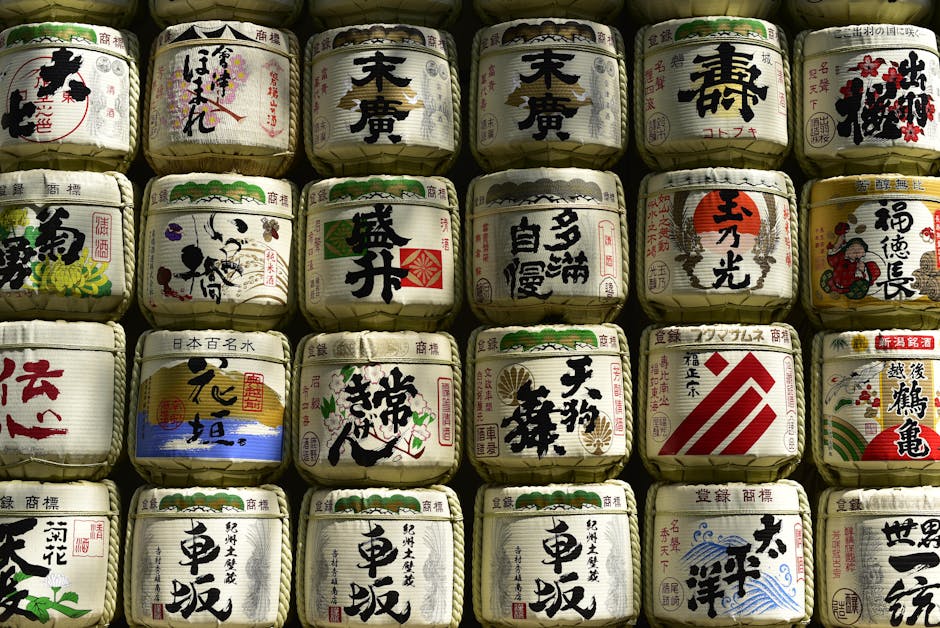 Moderate
Tokyo, Japan
Discover Tokyo's premier creative district on this self-guided walk through Roppongi’s world-class museums and striking modern architecture.
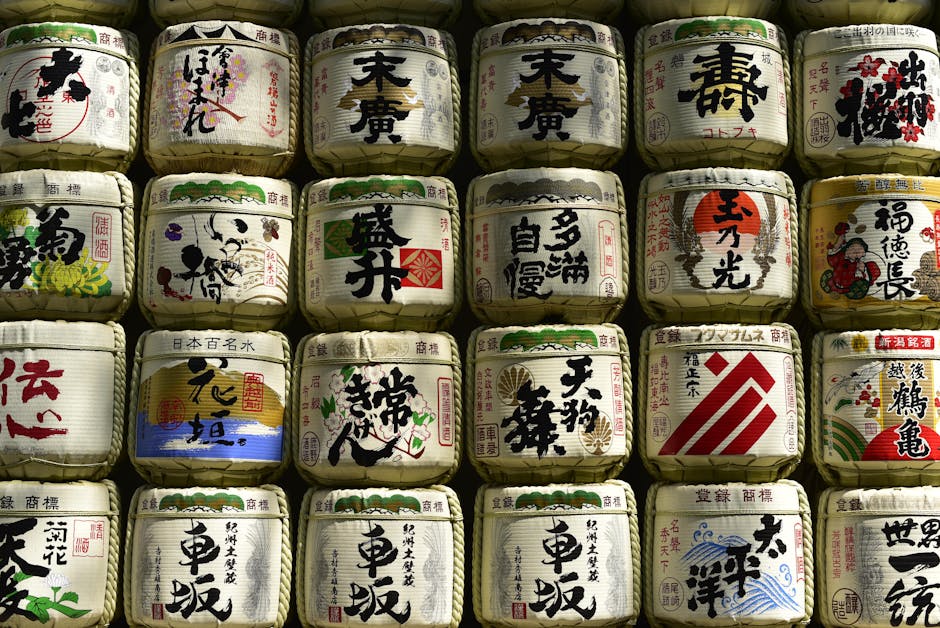 Easy
EasyTokyo, Japan
Discover the 'Old Tokyo' charm of Yanaka on this self-guided walk through historic temples, artisan alleys, and a stunning torii gate shrine.
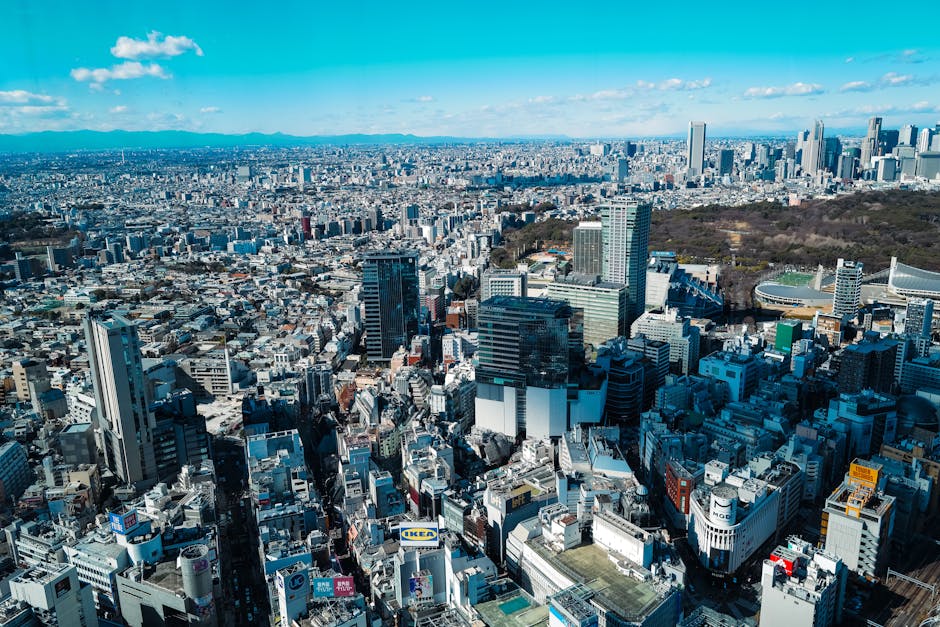 Easy
EasyTokyo, Japan
Experience Shibuya's electric energy on this self-guided walk from the iconic Scramble Crossing to the panoramic views of Shibuya Sky.
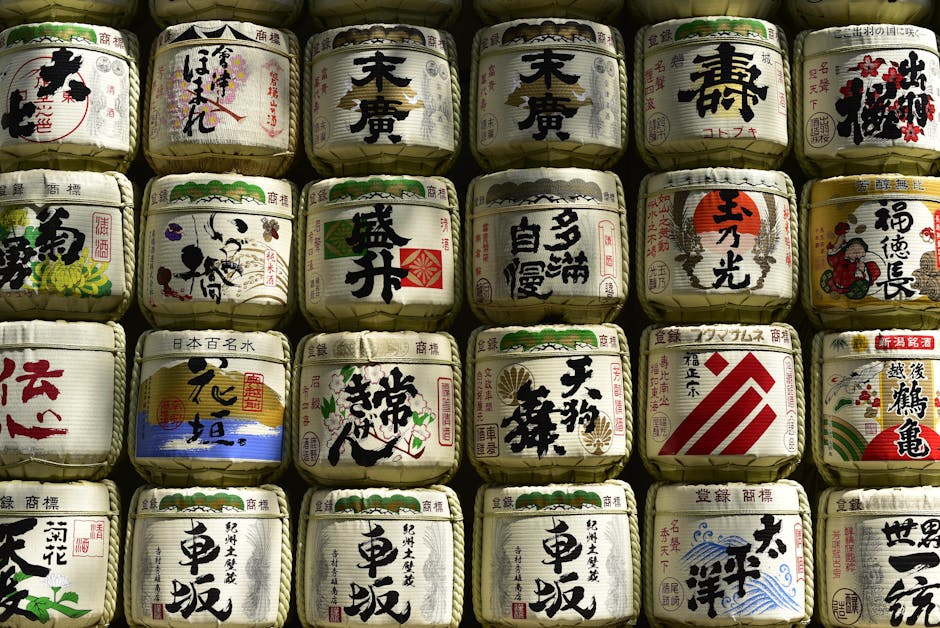 Easy
EasyTokyo, Japan
Explore Tokyo's indie heart. From vintage fashion in Shimokitazawa to world-class art in Shinjuku, discover the city's creative soul independently.