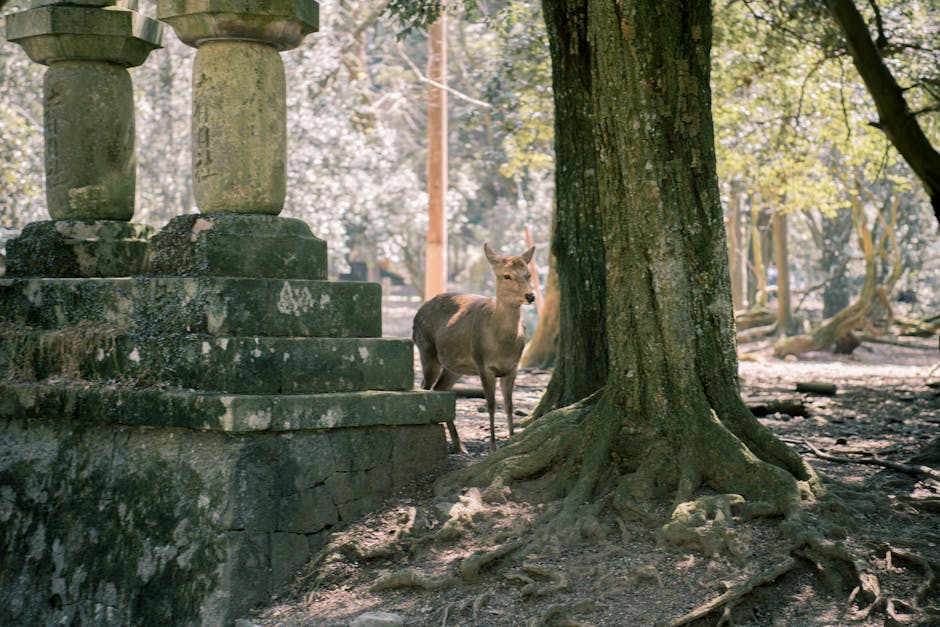
Self-guided audio tour in Nara
Start Free on iPhone
Start free on iPhone to unlock this self-guided walking tour in Nara. Hear all the stories that make it amazing, walk at your own pace, and begin whenever you want.
Your Private Tour Guide
Step beyond the famous deer-filled parks and discover the intricate layers of Japan’s first permanent capital with this self-guided walk through Nara. While many visitors stick to the main temple paths, this route invites you to explore the artistic soul of the city, from the shimmering scales of the Kingyo Museum to the ancient treasure houses of the emperors. You will wander through vibrant covered arcades where local artisans still ply their trades and stand before the towering guardians of the Nandaimon Gate. This neighborhood stroll captures the essence of 'Vintage Nara,' a place where 1,300 years of history coexist with modern curiosity shops and quiet, moss-covered gardens. As you navigate this walking route, you will experience the architectural grandeur of the Heijō Palace Site and the spiritual depth of the Todai-ji complex. The journey is designed to highlight Nara’s unique aesthetic—a blend of Buddhist devotion, imperial legacy, and a deep appreciation for the small details of daily life, like the craft of sake brewing or the intricate patterns of traditional pottery. This is not a typical walking tour Nara itinerary; it is an invitation to see the city through a lens of craftsmanship and local curiosities. You will find yourself moving from the high-energy shopping streets of Higashimuki to the serene heights of Nigatsu-do, where the entire city unfolds below you. Whether you are a first-time visitor or returning to uncover more secrets, this audio walk provides the context needed to appreciate the 'National Treasures' housed within the Nara National Museum and the quiet beauty of Isuien Garden. By the time you reach the historic sake breweries of Naramachi, you will have a profound understanding of why Nara remains the cultural heart of Japan. Explore at your own pace, stop for a bowl of traditional mochi, and let the stories of this ancient city guide your steps. **Note:** This area is known for its ever-changing character. Street art, pop-up venues, and temporary exhibitions may differ from what's described. That's part of the adventure - you might discover something entirely new!
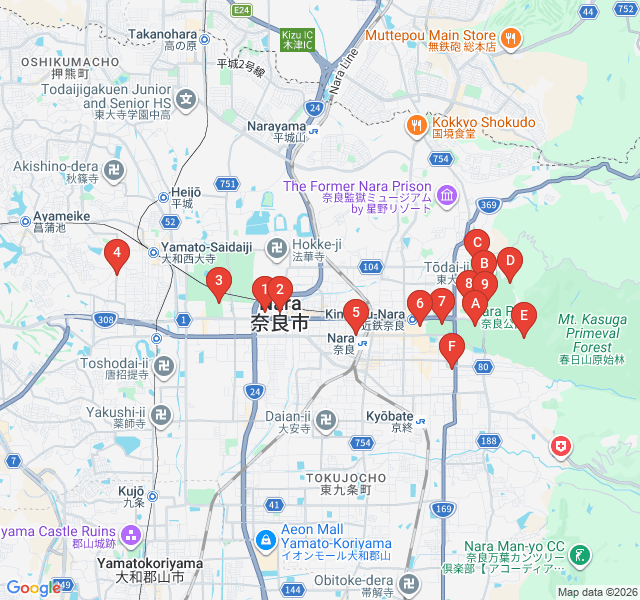
Numbers indicate the order of stops on the tour.
Start exploring with Zigway at the NARA KINGYO MUSEUM, located within the Mi-Nara shopping complex. This is not your typical aquarium; it is an immersive art installation dedicated to the goldfish, a symbol of prosperity and summer in Japan. Nara Prefecture is one of the leading producers of goldfish in the country, and this museum celebrates that heritage through projection mapping, mirrors, and stunning tank designs. As you walk through the various themed zones, you will see how traditional Japanese aesthetics blend with modern technology. It is a colorful, surreal introduction to Nara's love for combining nature with artistic expression. Note that exhibits may change seasonally, offering fresh perspectives on this aquatic art form.
Next, head toward the heart of the city to Mochiidono Center-gai, one of Nara’s oldest shopping streets. This covered arcade is a treasure trove of local life. Keep an ear out for the rhythmic thumping of mochi-pounding nearby—this area is famous for traditional rice cakes. As you stroll, look for small shops selling Nara-fude (calligraphy brushes) and Nara-sarashi (high-quality hemp cloth). The atmosphere here is a mix of nostalgia and modern entrepreneurship, with young designers opening boutiques alongside shops that have been here for generations. It is a perfect spot to observe the 'Vintage Nara' theme in action, where everyday commerce feels like a living history lesson.
Travel back to the 8th century at the Heijō Palace Site. This UNESCO World Heritage location was once the center of the Japanese capital during the Nara Period. While the original wooden structures were lost to time, several key buildings, including the Daigokuden (Great Hall of State) and the Suzaku Gate, have been meticulously reconstructed using traditional methods. The vast, open space offers a sense of the scale of ancient Nara. Imagine the diplomats and monks from across Asia who once walked these grounds. This site serves as a reminder of Nara's role as the eastern terminus of the Silk Road, bringing global influences to the Japanese archipelago.
Transitioning back to the present, explore the Nara Family area. This modern retail hub provides a glimpse into the daily lives of Nara residents. While it offers contemporary shopping, you will often find pop-up markets or sections dedicated to regional produce and Nara-made crafts. It is an excellent place to see how the city's ancient identity is integrated into modern lifestyle and design. Keep an eye out for unique stationery or local food items that make for excellent, authentic souvenirs away from the more tourist-centric zones. The contrast between the palace ruins and this bustling hub highlights Nara's enduring vitality.
Sanjo-dori is the main artery connecting Nara Station to the park area. This street is a delightful mix of the old and the new. Look up to see traditional architectural details on the upper floors of buildings that house modern cafes. You will pass by historic inns and shops selling everything from deer-themed trinkets to high-end lacquerware. This street has served travelers for centuries, and that spirit of hospitality remains. It is a great place to stop for a quick snack or to browse the antique shops that occasionally pop up in the side alleys, offering curiosities from the Showa and Meiji eras.
As you approach the park, you will enter Higashimuki Shopping Street. The name 'Higashimuki' means 'facing east,' referring to the fact that originally, shops were only built on the west side of the street facing the temples to the east. Today, it is a bustling, roofed arcade filled with restaurants, clothing stores, and traditional craft shops. Look for 'Nara-zuke' pickles, a local specialty preserved in sake lees, which have been made here for over a millennium. The energy here is infectious, serving as the gateway between the modern city and the sacred temple grounds that lie just ahead.
Kofukuji was once the family temple of the powerful Fujiwara clan. While the Five-Story Pagoda is the iconic symbol of Nara, the National Treasure Museum is where the true curiosities lie. It houses one of the finest collections of Buddhist art in the world. The standout is the statue of Ashura, a three-faced, six-armed guardian deity with a hauntingly beautiful, youthful expression. The craftsmanship from the 8th century is staggering. These are not just religious artifacts; they are masterpieces of Nara-period sculpture that have survived fires and civil wars to tell their story today.
For a moment of tranquility, step into Isuien Garden. This is a prime example of 'shakkei' or borrowed scenery, where the gates of Todai-ji and the hills of Mount Wakakusa are incorporated into the garden's design. The garden is split into two sections—one from the 17th century and one from the early 20th century. Adjacent to the garden is the Neiraku Museum, which houses a private collection of ancient Chinese, Korean, and Japanese ceramics. The delicate tea bowls and bronze mirrors here reflect the refined tastes of Nara’s merchant class and the enduring connection between art and the natural world.
The Nandaimon Gate is the massive southern entrance to Todai-ji. Built in the late 12th century, it is a masterpiece of the 'Daibutsuyo' (Great Buddha) architectural style. Look up at the two Nio Guardian statues, carved by the famous sculptors Unkei and Kaikei. These fierce, muscular figures were completed in just 69 days and stand over eight meters tall. They are designed to ward off evil and protect the sacred precinct. The gate itself is held together by complex joinery without the use of nails, a testament to the incredible engineering skills of the Kamakura period. Notice the wild deer that often congregate here, waiting for a cracker.
Located in a beautiful Meiji-era Western-style building, the Nara National Museum is the premier place to understand the history of Japanese Buddhism. The museum's collection of statues and ritual objects is unparalleled. If you visit in late autumn, you might catch the Shoso-in Exhibition, where rare treasures from the Imperial repository are displayed to the public for a limited time. The museum provides deep context on how Nara became a melting pot of Silk Road cultures, influencing everything from Japanese law to its unique artistic sensibilities. Even the building itself is a curiosity, representing Japan's rapid modernization in the 19th century.
This is the climax of Nara’s architectural wonders. The Daibutsuden is one of the world's largest wooden buildings, though the current structure (rebuilt in 1709) is actually only two-thirds the size of the original. Inside sits the Daibutsu, a 15-meter-tall bronze statue of the Vairocana Buddha. It took several attempts and a massive percentage of Japan’s bronze production to successfully cast it in the 8th century. Behind the statue, look for the wooden pillar with a hole in it—legend says those who can crawl through will receive enlightenment in their next life. The scale of the hall and the statue is a powerful display of imperial power and religious devotion.
A short walk from the Great Buddha Hall brings you to the Shoso-in. This raised-floor log storehouse is built in the 'azekura-zukuri' style. For over 1,000 years, it protected the personal effects of Emperor Shomu and items used in the dedication of the Great Buddha. Because the building was kept sealed by imperial order, thousands of items—including glass from Persia and musical instruments from China—remained in perfect condition. While you can usually only view the exterior, the building itself is a marvel of ancient climate control; the logs would expand and contract to regulate humidity, preserving the 'world's oldest museum collection' inside.
Climb the stone steps to Nigatsu-do, the 'Hall of the Second Month.' This sub-temple is famous for the Omizutori ceremony, a fire and water ritual held every March to usher in spring. The hall features a large wooden balcony that offers perhaps the best view in Nara. From here, you can see the rooftops of the Daibutsuden and the city stretching toward the horizon. The atmosphere here is often quieter and more contemplative than the main hall below. Take a moment to appreciate the hundreds of hanging lanterns and the ancient water well that gives the hall its spiritual significance.
Kasuga Taisha is Nara's most celebrated shrine, known for its thousands of bronze and stone lanterns. The Kokuhoden, or Treasure House near the shrine entrance, displays sacred garments, weapons, and instruments used in shrine rituals over the centuries. One of the highlights is the collection of ornate 'daidaiko' drums used in Bugaku (imperial court dance). The museum beautifully illustrates the 'Shinbutsu-shugo'—the harmonious blending of Shinto and Buddhist beliefs that has defined Japanese spirituality for ages. The surrounding forest, where the deer are considered messengers of the gods, adds a mystical layer to the experience.
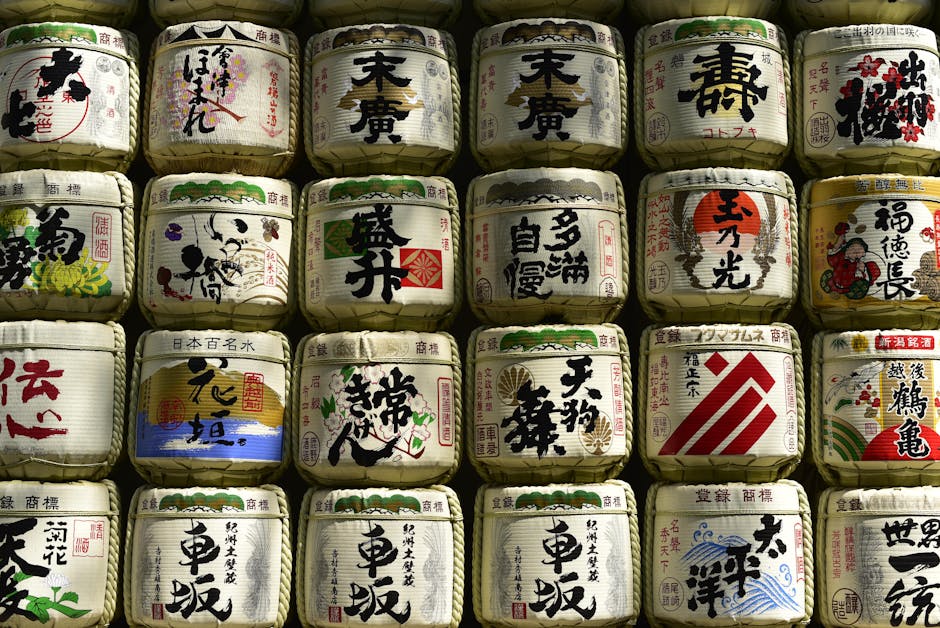
Conclude your self-guided adventure in the Naramachi district at the Harushika Sake Brewery. Nara is often cited as the birthplace of refined (clear) sake, and Harushika is one of its most prestigious producers. The brewery is housed in a traditional building that exudes heritage. You can participate in a tasting for a small fee, which usually includes a souvenir glass. As you sip their signature 'Extra Dry' sake, reflect on the craftsmanship that has been passed down through generations. It is a fitting end to a walk focused on Nara’s curiosities—a literal taste of the city’s history and dedication to quality.
Start Free on iPhone
Explore “Vintage Nara: Antiques and Local Curiosities” with your very own Private Tour Guide with Zigway. Start free on iPhone, skip the large group and the fixed routes, and hear the city come alive as you go.
Your Private Tour Guide
Don't miss the good stuff
Explore Freely
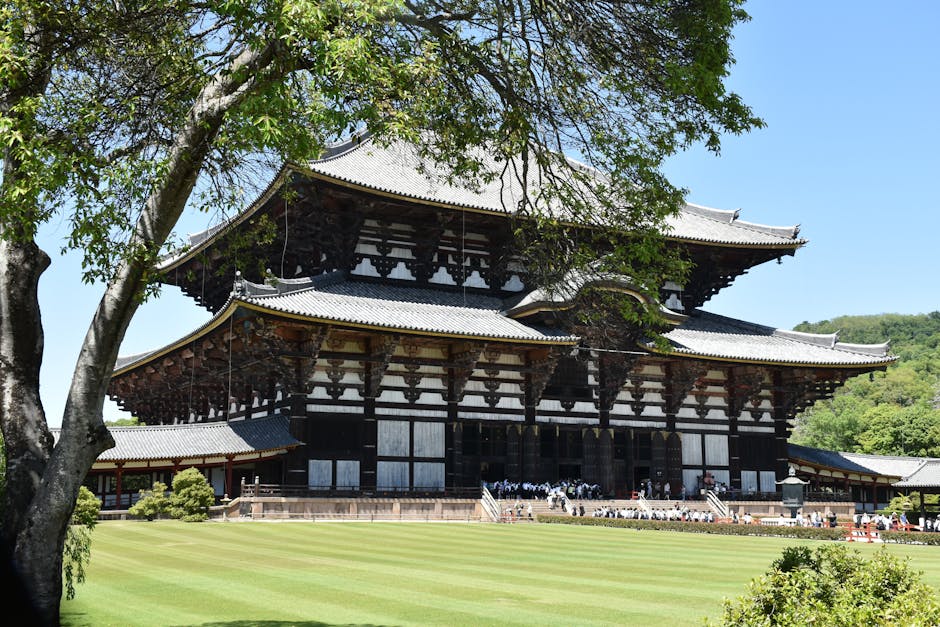 Moderate
Nara, Japan
Discover a mystical path through Nara's ancient forest, lined with 3,000 lanterns and sacred deer on this serene self-guided walk.
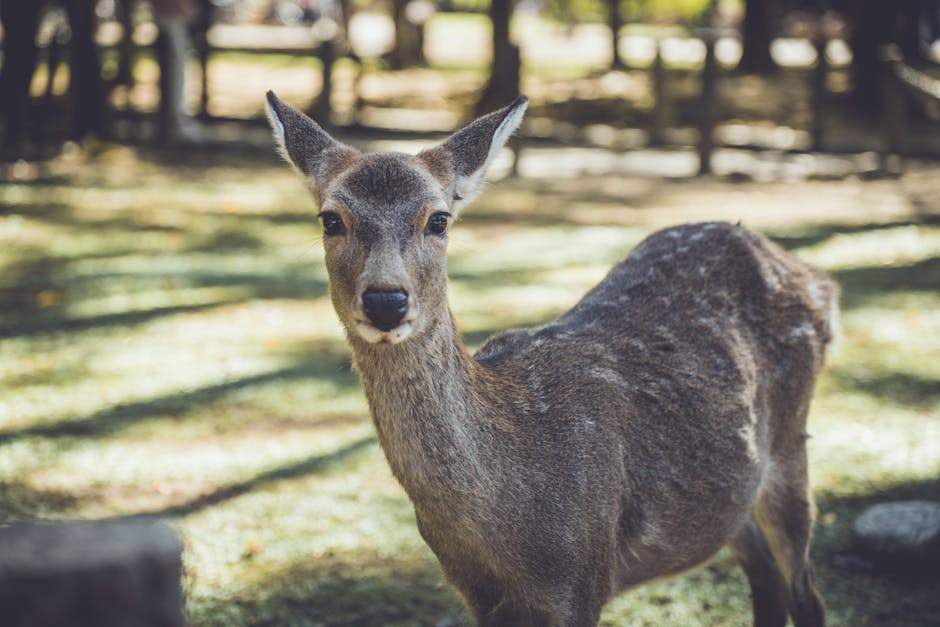 Challenging
Nara, Japan
Journey from Nara's imperial ruins and refined gardens into the ancient, sacred silence of the UNESCO-protected Mount Kasuga Primeval Forest.
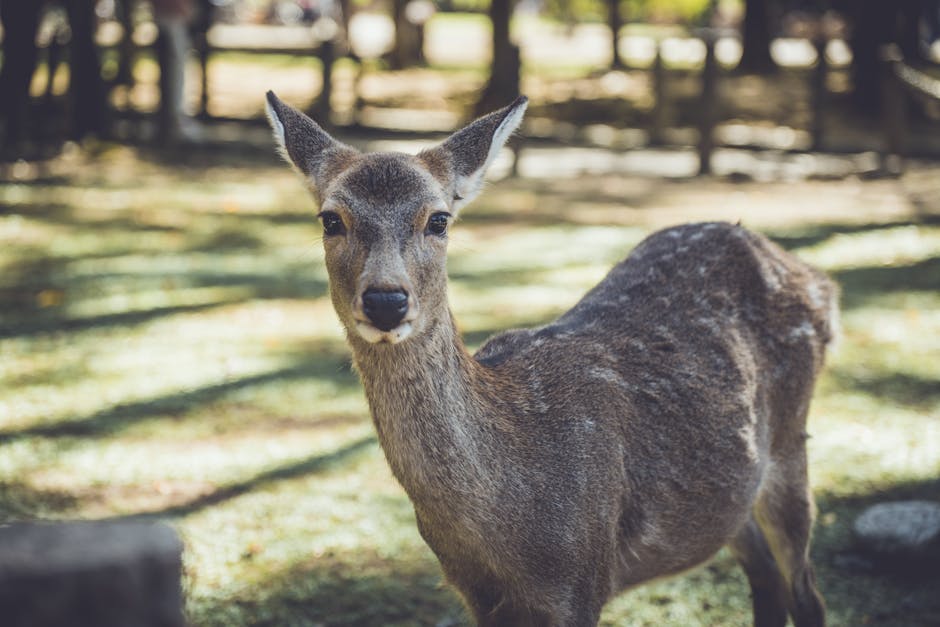 Moderate
Nara, Japan
Discover Nara’s literary soul on this self-guided walk through historic Takabatake’s temples, writer residences, and poetic gardens.
 Easy
EasyNara, Japan
Explore Nara's evening charm on this self-guided walk through illuminated pagodas, historic shopping streets, and world-class hidden bars.
 Easy
EasyWarsaw, Poland
Explore the 'Polish Versailles' at your own pace. Discover Baroque architecture, royal history, and stunning gardens on this self-guided walk.
 Moderate
Nairobi, Kenya
Discover the creative soul of Nairobi on this self-guided walk through the city's premier art galleries, markets, and artisan workshops.
 Easy
EasyNairobi, Kenya
Discover Nairobi’s literary soul on this self-guided walk through historic libraries, iconic bookshops, and cultural centers in the heart of the CBD.
 Easy
EasyGdansk, Poland
Taste the history of the Baltic. Explore Gdansk's culinary heritage from medieval markets to gold-flecked liqueurs on this self-guided walk.
 Moderate
Tokyo, Japan
Discover Tokyo's premier creative district on this self-guided walk through Roppongi’s world-class museums and striking modern architecture.
 Easy
EasyTokyo, Japan
Discover the 'Old Tokyo' charm of Yanaka on this self-guided walk through historic temples, artisan alleys, and a stunning torii gate shrine.
 Easy
EasyTokyo, Japan
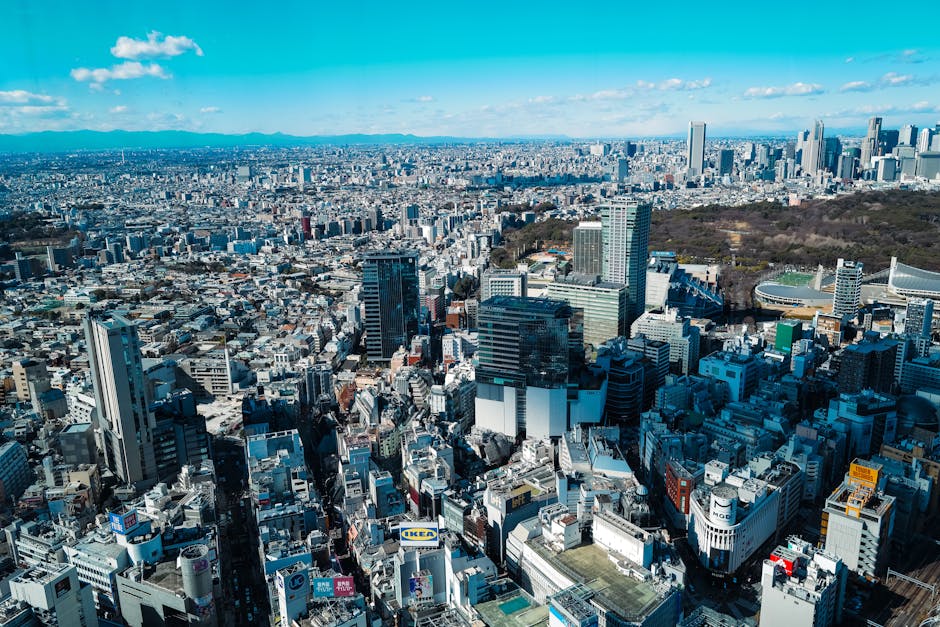
Experience Shibuya's electric energy on this self-guided walk from the iconic Scramble Crossing to the panoramic views of Shibuya Sky.
 Easy
EasyTokyo, Japan
Explore Tokyo's indie heart. From vintage fashion in Shimokitazawa to world-class art in Shinjuku, discover the city's creative soul independently.