Self-guided audio tour in Nara
Start Free on iPhone
Start free on iPhone to unlock this self-guided walking tour in Nara. Hear all the stories that make it amazing, walk at your own pace, and begin whenever you want.
Your Private Tour Guide
Step back into the 8th century, a time when Nara served as the first permanent capital of Japan and the heart of a blossoming Buddhist culture. This self-guided walk through Nara Park offers a unique blend of spiritual grandeur and natural beauty, where sacred animals roam freely among some of the world's most significant wooden structures. Your neighborhood stroll begins at the tranquil Ukimido Pavilion, a wooden gazebo reflecting in the Sagi-ike Pond, setting a peaceful tone before you encounter the architectural wonders of the Todai-ji temple complex. As you move through this historic landscape, you will encounter the famous Sika deer, considered messengers of the gods in the Shinto tradition. This walking tour Nara explores the deep-rooted connection between the city's imperial past and its religious devotion. You will witness the massive Nandaimon Gate, guarded by fearsome wooden warriors, and climb the slopes to Nigatsu-do for a panoramic view of the city. The route culminates at the Daibutsuden, the Great Buddha Hall, which houses one of Japan's largest bronze statues. Exploring independently allows you to linger in the presence of these ancient giants and enjoy the quiet corners of the park that many visitors overlook. Whether you are interested in the intricate joinery of Japanese architecture or the serene atmosphere of forest shrines, this walking route provides a comprehensive introduction to the soul of Nara. By following this self-guided adventure, you can experience the transition from the bustling park areas to the quiet, meditative heights of the eastern hills at your own pace.
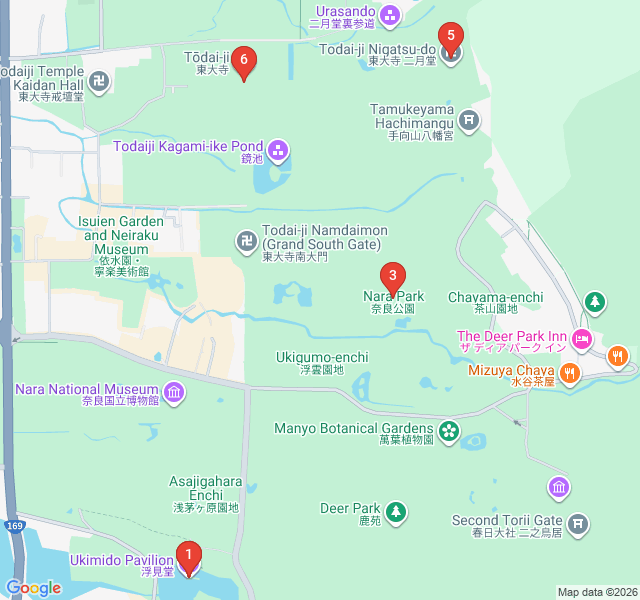
Numbers indicate the order of stops on the tour.
Begin your self-guided adventure at the Ukimido Pavilion, a graceful hexagonal gazebo that appears to float upon the waters of Sagi-ike Pond. Built in 1916 and later restored, this structure represents the harmony between Nara's natural landscape and its traditional aesthetics. While many visitors rush toward the Great Buddha, this spot offers a moment of quiet reflection. The pavilion is particularly beautiful during the cherry blossom season or when the autumn leaves frame the pond in brilliant reds. Look for the deer that often come down to the water's edge for a drink. This peaceful setting serves as a reminder of Nara's role as a place of spiritual retreat and natural preservation within the modern world.
As you approach the Todai-ji complex, you are greeted by the Nandaimon, or Grand South Gate. This massive structure, rebuilt in the 13th century, is a masterpiece of the 'Daibutsuyo' architectural style, characterized by its heavy timber framing. Standing inside the gate are two eight-meter-tall Nio Guardian statues, carved by the legendary artists Unkei and Kaikei. These fierce figures, representing the beginning and end of all things, were completed in just 69 days. Notice the incredible detail in their muscular forms and flowing robes. This gate serves as the formal entrance to the sacred precinct of the Great Buddha, designed to humble all who pass beneath its towering eaves.
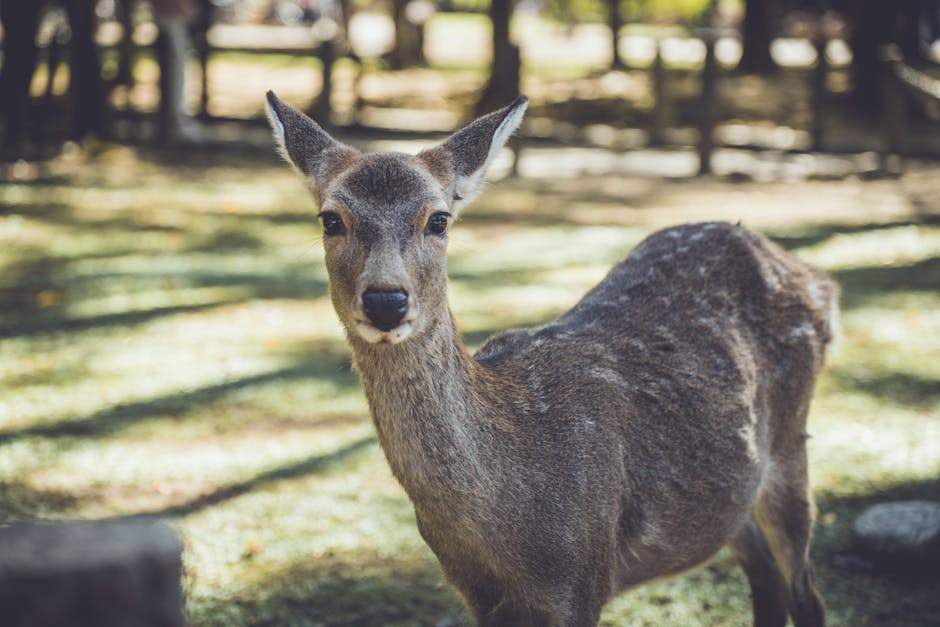
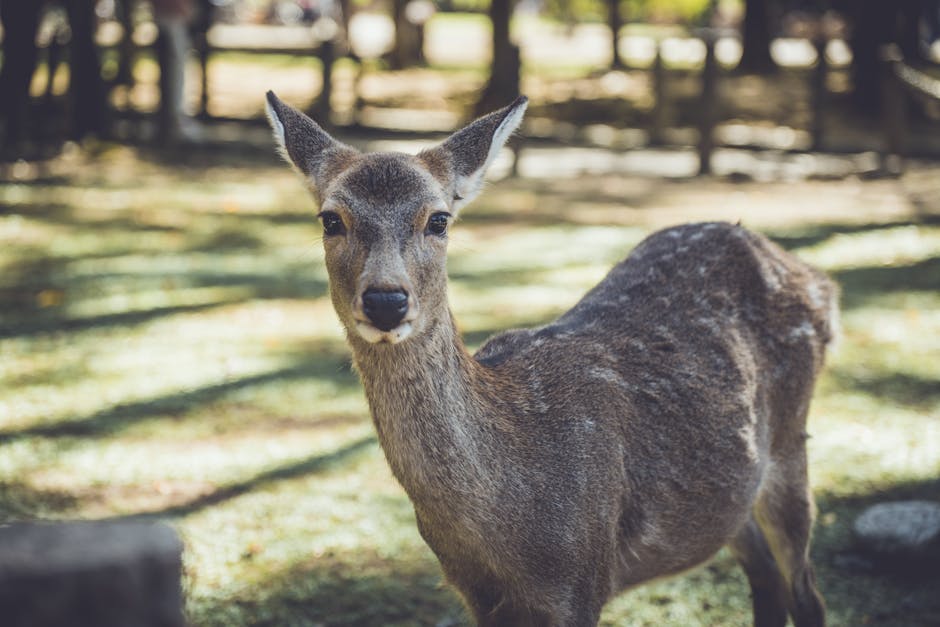
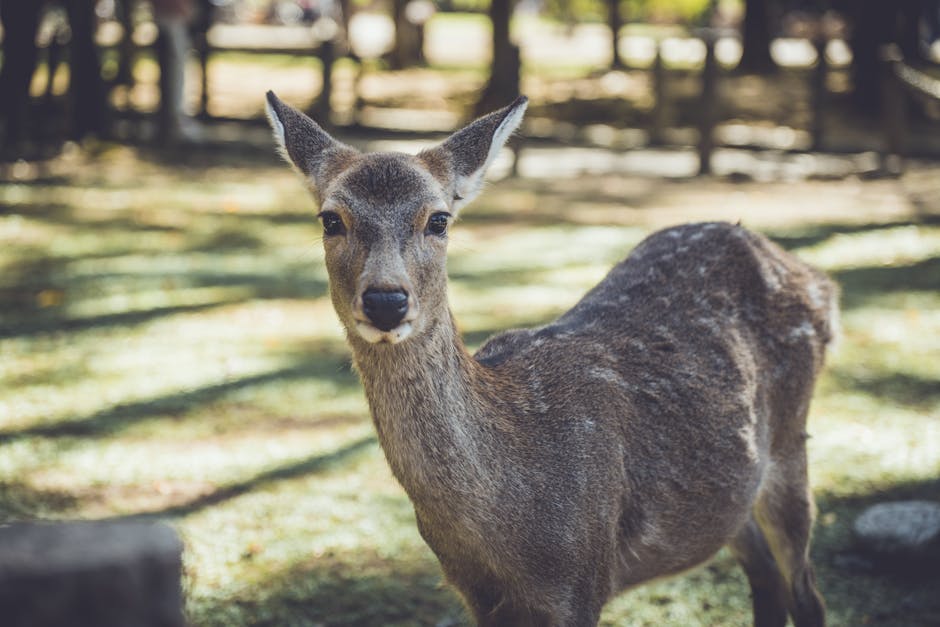
While the entire area is technically part of Nara Park, this stretch between the gates and the temples is where you will experience the unique coexistence of humans and wildlife. Over 1,200 Sika deer roam here freely. In the local Kasuga Taisha tradition, these deer were considered sacred messengers of the gods. Today, they are designated as national natural monuments. You can purchase 'shika-senbei' or deer crackers to feed them, but be prepared—they can be quite persistent! Beyond the deer, the park is home to ancient trees and wide-open lawns that have been preserved for centuries, creating a green lung in the center of the city that connects the various temple sites.
Climb the stone paths toward the eastern hills to reach Hokke-do, also known as the March Hall. This is the oldest surviving structure in the Todai-ji complex, dating back to the 8th century. Unlike the reconstructed main hall, this building retains its original Nara-period atmosphere. Inside, it houses a magnificent collection of dry-lacquer and clay statues, including the Fukukenjaku Kannon. The architecture is a fascinating hybrid, where an Edo-period worship hall was seamlessly joined to the original Nara-period sanctuary. This stop offers a quieter, more intimate look at the religious artistry that defined the capital over a thousand years ago, away from the main tourist thoroughfares.
Continue a short distance to Nigatsu-do, the 'Second Month Hall,' famous for the annual Omizutori water-drawing ceremony held every March. The hall is perched on a hillside, supported by a massive wooden framework. Walk up the covered staircase to the balcony for one of the best views in Nara. From here, you can see the roof of the Great Buddha Hall rising above the trees and the city stretching toward the horizon. The atmosphere here is deeply spiritual, often filled with the sound of chanting or the smell of incense. It is a perfect place to rest and appreciate the scale of the temple complex you have been exploring.
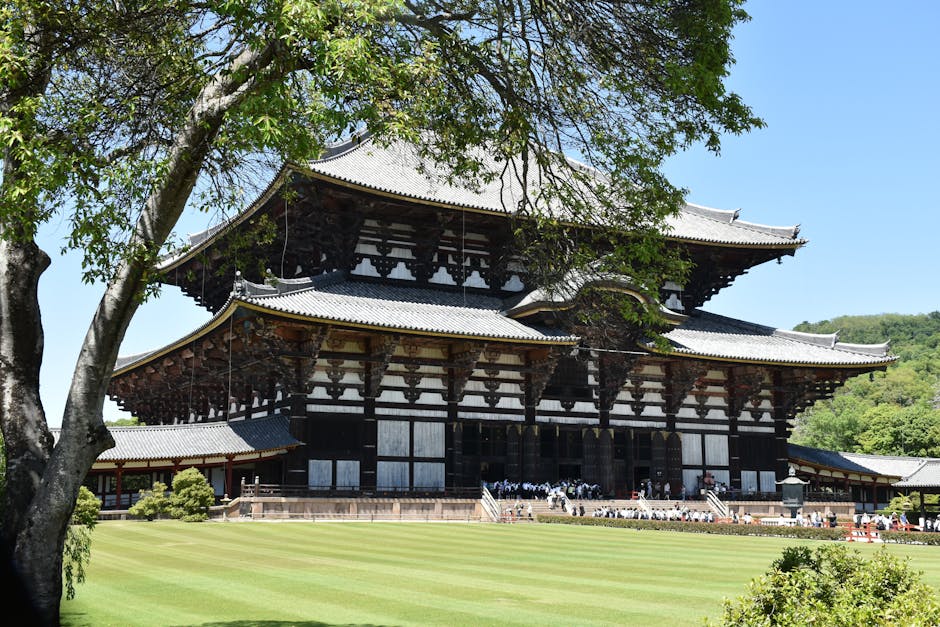
The final stop on your walking route is the Daibutsuden, one of the most iconic buildings in Japan. Although the current structure, rebuilt in 1709, is only two-thirds the size of the original 8th-century hall, it remains one of the largest wooden buildings in the world. Inside sits the Daibutsu, a 15-meter-tall bronze statue of Vairocana Buddha. The effort to cast this statue in the 740s nearly bankrupted the Japanese state, requiring hundreds of tons of bronze and gold. Look for the wooden pillar with a hole through its base near the back of the hall; it is said to be the same size as one of the Buddha's nostrils, and those who can crawl through it are promised enlightenment in their next life.
Start Free on iPhone
Explore “Nara's Imperial Origins and Sacred Deer” with your very own Private Tour Guide with Zigway. Start free on iPhone, skip the large group and the fixed routes, and hear the city come alive as you go.
Your Private Tour Guide
Don't miss the good stuff
Explore Freely
 Moderate
Nara, Japan
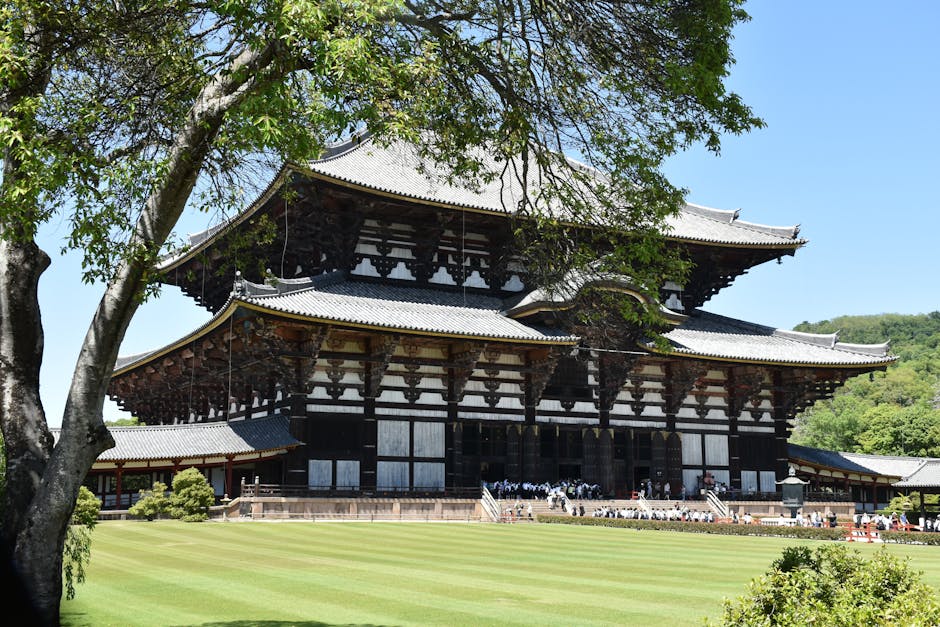
Discover a mystical path through Nara's ancient forest, lined with 3,000 lanterns and sacred deer on this serene self-guided walk.
 Challenging
Nara, Japan
Journey from Nara's imperial ruins and refined gardens into the ancient, sacred silence of the UNESCO-protected Mount Kasuga Primeval Forest.
 Moderate
Nara, Japan
Discover Nara’s literary soul on this self-guided walk through historic Takabatake’s temples, writer residences, and poetic gardens.
 Easy
EasyNara, Japan
Explore Nara's evening charm on this self-guided walk through illuminated pagodas, historic shopping streets, and world-class hidden bars.
 Easy
EasySalzburg, Austria
Discover the 'Rome of the North' on this self-guided walk through the Baroque squares and monumental legacy of Salzburg’s Prince-Archbishops.
 Easy
EasyNairobi, Kenya
Explore Nairobi's architectural evolution from colonial-era landmarks to iconic Brutalist skyscrapers on this historic self-guided walking route.
 Easy
EasyNairobi, Kenya
Discover Nairobi's iconic skyline on this self-guided architecture walk through the CBD’s most famous modernist and Brutalist landmarks.
 Moderate
Vienna, Austria
Follow the footsteps of Mozart and Strauss through Vienna’s historic center on this self-guided walk through the city's rich musical history.
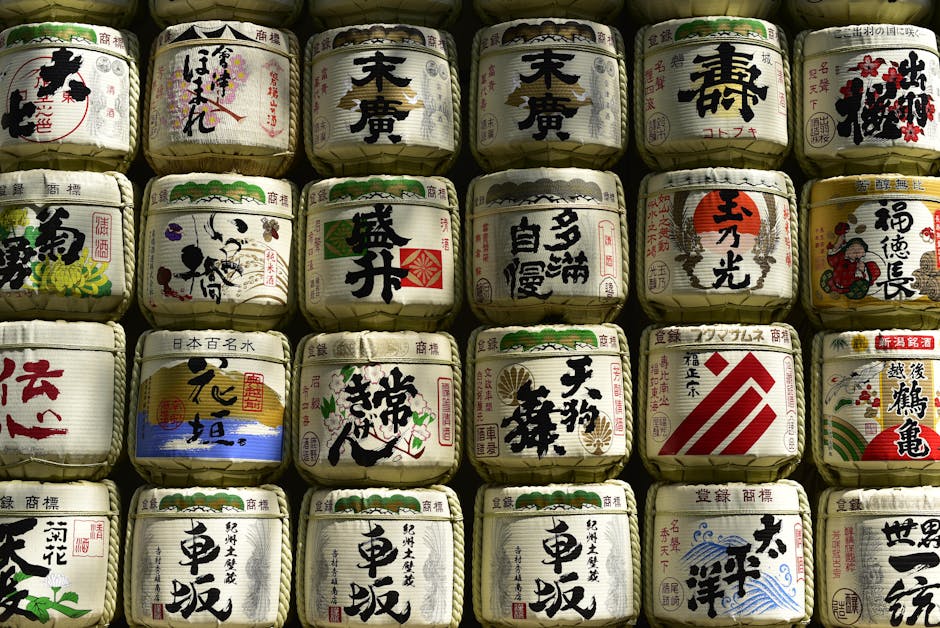 Moderate
Tokyo, Japan
Discover Tokyo's premier creative district on this self-guided walk through Roppongi’s world-class museums and striking modern architecture.
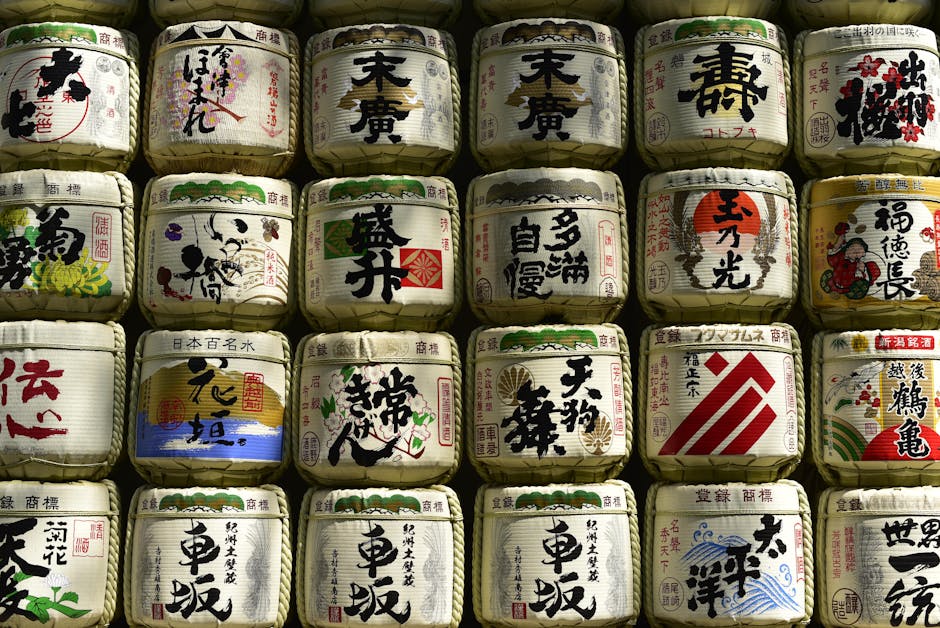 Easy
EasyTokyo, Japan
Discover the 'Old Tokyo' charm of Yanaka on this self-guided walk through historic temples, artisan alleys, and a stunning torii gate shrine.
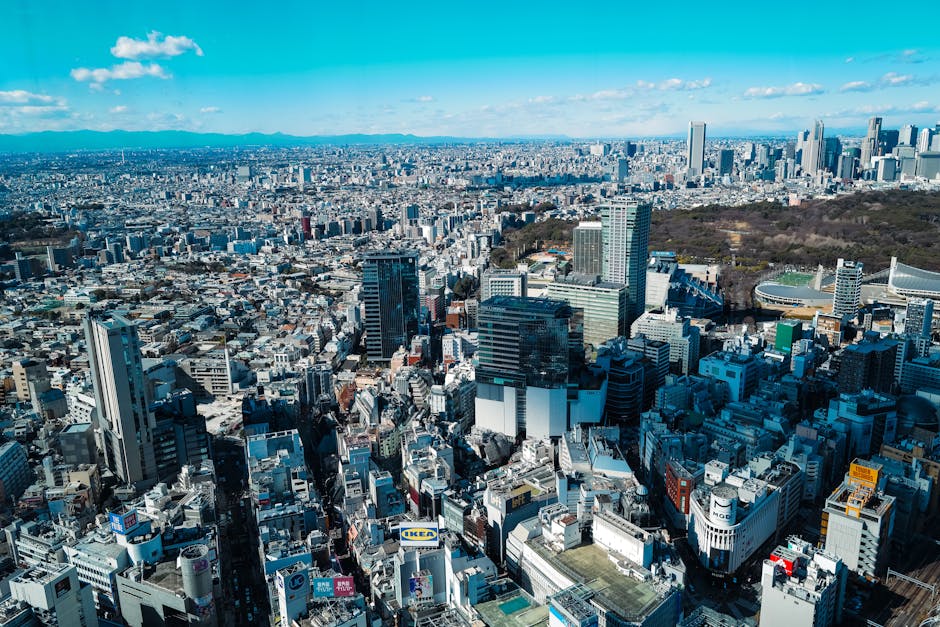 Easy
EasyTokyo, Japan
Experience Shibuya's electric energy on this self-guided walk from the iconic Scramble Crossing to the panoramic views of Shibuya Sky.
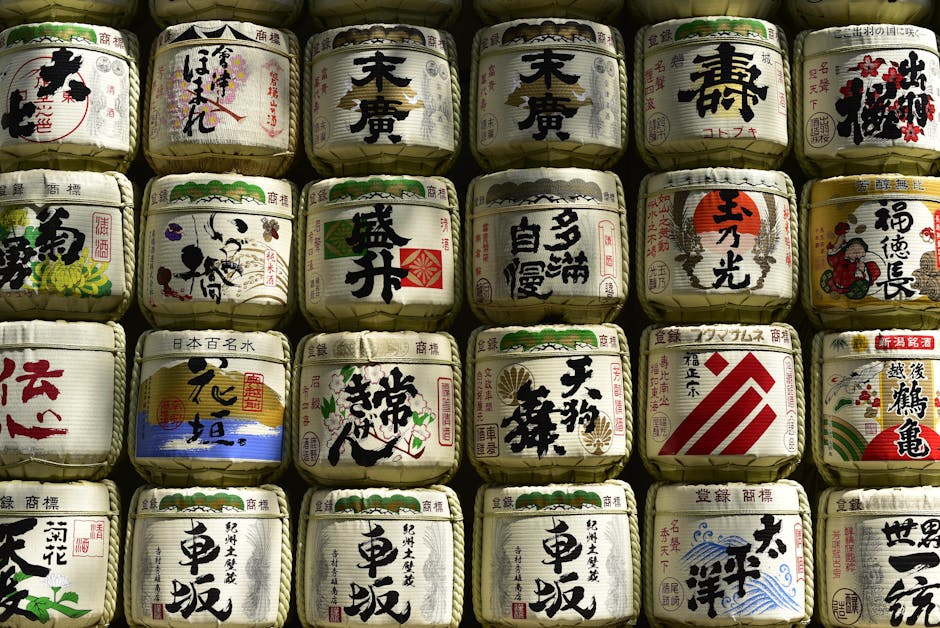 Easy
EasyTokyo, Japan
Explore Tokyo's indie heart. From vintage fashion in Shimokitazawa to world-class art in Shinjuku, discover the city's creative soul independently.