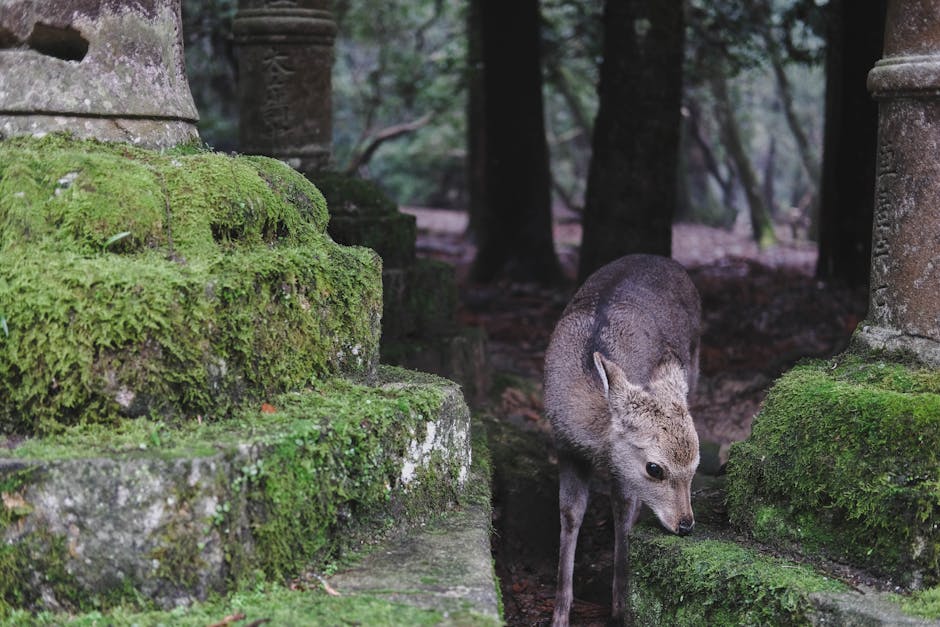
Self-guided audio tour in Nara
Start Free on iPhone
Start free on iPhone to unlock this self-guided walking tour in Nara. Hear all the stories that make it amazing, walk at your own pace, and begin whenever you want.
Your Private Tour Guide
Discover the tranquil side of Japan’s ancient capital with this self-guided walk along the Saho River and through the scenic outskirts of Nara Park. While most visitors flock immediately to the Great Buddha, this walking route invites you to explore the local waterfront, hidden botanical treasures, and the vast historical footprint of the Heijō Palace Site. You will begin in a surprisingly modern setting—an artistic exploration of aquatic life—before transitioning into the spiritual and natural landscapes that have defined Nara for over a millennium. This neighborhood stroll captures the essence of Nara’s 'living history,' where ancient temple walls meet the soft current of the Saho River. As you follow the path, you will experience the contrast between the meticulously manicured Isuien and Yoshikien gardens and the wilder, open expanses of the Heijō Palace Site Historical Park. The route is designed to highlight the 'shakkei' or borrowed scenery of the surrounding mountains, a hallmark of Japanese landscape design. You will also encounter the city’s most famous residents—the bowing Sika deer—in quieter corners like Daibutsu-ike Pond and the Ukimido Pavilion, away from the densest tourist crowds. The highlight for many is the Saho River itself. Lined with over a thousand cherry trees, some over 150 years old, this waterway offers a peaceful alternative to the busy city center. Whether you are admiring the wisteria at the Manyo Botanical Gardens or standing on the former grounds of the Imperial Palace, this audio walk provides the historical context and local anecdotes needed to appreciate Nara’s enduring charm at your own pace. It is a route that celebrates nature, neighborhood secrets, and the slow passage of time in one of Japan’s most storied cities.
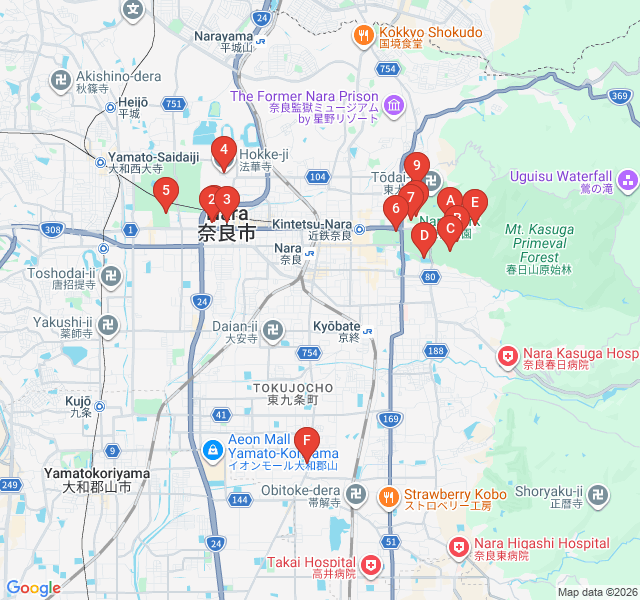
Numbers indicate the order of stops on the tour.
Start your exploration at the Nara Ikimono Museum, located inside the Mi-Na-Ra shopping complex. This is not your typical natural history museum; it is an immersive space focused on 'living things.' The exhibits are designed to be interactive and artistic, showcasing a variety of reptiles, amphibians, and fish in creative environments. It sets a unique tone for the walk, highlighting the Japanese appreciation for small, delicate lives and the biodiversity found within the Nara basin. It’s a quirky, modern contrast to the ancient history you are about to uncover.
Just steps away, you will find one of Japan’s largest goldfish museums. Goldfish, or 'kingyo,' have a deep cultural connection to this region, particularly the nearby town of Yamatokoriyama, which is the goldfish capital of Japan. This museum blends traditional Japanese motifs with modern projection mapping and light installations. As you wander through the 'Kingyo Night Aquarium' or the 'Terrarium' zones, you are seeing a centuries-old hobby transformed into a contemporary art form. The goldfish symbolises luck and prosperity, making this a bright and auspicious start to your stroll.
Leaving the modern mall behind, head toward the Futaba Tea House area. This neighborhood pocket serves as a gateway to the more traditional side of Nara. It’s a great place to observe the local pace of life. The tea culture here is deeply rooted in Nara’s history, as the region was one of the first in Japan to cultivate tea leaves, introduced by monks returning from China. Take a moment to appreciate the quiet residential streets and the small gardens that locals meticulously tend, a prelude to the grander gardens ahead.
As you walk north, you reach the perimeter of Hokke-ji. Established in the 8th century by Empress Komyo, this was the head of all provincial nunneries in Japan. While the interior is famous for its 'Eleven-faced Kannon' statue, the exterior walls and gates tell a story of female empowerment and religious devotion in the Nara Period. Empress Komyo was known for her compassion, establishing hospitals and bathhouses for the poor on these very grounds. The temple remains a quiet, dignified presence in the neighborhood, far removed from the bustling main tourist trails.
Step into the vast open space of the Heijō Palace Site. This was the heart of the Japanese capital from 710 to 784 AD. Unlike the dense city you see today, the palace grounds were once a massive complex of government buildings and imperial residences. Today, the site is a UNESCO World Heritage area where you can see reconstructed landmarks like the Suzaku Gate and the First Daigokuden (Great Hall of State). The wide-open fields are a favorite for local kite-flyers and offer a sense of the grand scale on which the ancient emperors once lived.
Moving toward the central park area, you enter Noborioji Park. This is often where visitors first encounter Nara’s famous Sika deer. In the Shinto religion, these deer are considered messengers of the gods. While they are wild animals, they have lived alongside humans for centuries. You will notice they are particularly fond of the grassy slopes here. From this vantage point, you can see the Kofuku-ji Pagoda in the distance, marking your transition from the administrative ruins of Heijō to the spiritual heart of Nara Park.
Yoshikien is a hidden gem that many travelers overlook. It features three distinct garden styles: a pond garden, a moss garden, and a tea ceremony garden. The garden is named after the Yoshiki River that flows nearby. It is particularly stunning in autumn when the maple leaves turn vibrant red, but its moss garden—lush and deep green—is a peaceful retreat year-round. For international visitors, entry is often free upon showing a passport, making it one of the best-kept secrets for a quiet, contemplative break.
Adjacent to Yoshikien is Isuien, a premier example of 'shakkei' or borrowed scenery. Look past the garden's ponds and you will see the Great South Gate of Todai-ji Temple and Mount Wakakusa seemingly incorporated into the garden's design. The garden is split into two parts: the front garden from the 17th century and the back garden from the early 20th century. The Neiraku Museum on-site houses a private collection of ancient Chinese and Korean ceramics, adding a layer of continental history to your visit.
Walk toward the rear of the Todai-ji complex to find Daibutsu-ike Pond. This is one of the most photogenic spots in Nara, yet it remains relatively quiet. The pond offers a stunning reflection of the Great Buddha Hall (Daibutsuden). In the autumn, a massive golden Ginkgo tree near the shore drops a carpet of yellow leaves. This area is a favorite for local artists who sit with their easels, capturing the interplay of water, ancient architecture, and the occasional deer wandering along the water’s edge.
You are now in the vast expanse of Nara Park, established in 1880. Covering over 500 hectares, it is one of the oldest parks in Japan. The park is a unique ecosystem where humans, ancient temples, and over 1,000 deer coexist. As you walk through the central glades, notice the 'browsing line' on the trees—the deer eat all the leaves up to a certain height, creating a perfectly manicured look to the forest. It is a place where the boundaries between the sacred, the natural, and the civic are beautifully blurred.
Located near Kasuga Taisha Shrine, these gardens are dedicated to the plants mentioned in the 'Manyoshu,' Japan's oldest collection of poetry. The garden contains over 300 species of plants. The star attraction here is the Wisteria (Fuji) garden, which features 20 different varieties. Unlike the overhead trellises common elsewhere, the wisteria here are grown in a way that lets the clusters hang low toward the ground. It’s a sensory experience that connects you to the botanical aesthetics of the 8th century.
While deer are everywhere, this specific area near the Kasuga Taisha approach is often where you can observe their social dynamics most clearly. You might see them 'bowing' to people in hopes of receiving a deer cracker (shika-senbei). This behavior is a unique cultural adaptation. Remember that despite their polite gestures, they are wild animals. This area highlights the ancient law that once protected these deer; until 1637, killing a deer in Nara was a capital offense, reflecting their status as sacred beings.
Hidden in a quiet corner of the park is Sagi-ike Pond and the Ukimido Pavilion. This hexagonal wooden gazebo appears to float on the water. It is reached by a short wooden bridge and is a quintessential spot for 'momijigari' (autumn leaf hunting) or seeing the cherry blossoms. The pavilion was originally built in 1916 and reconstructed in 1994. It offers a romantic, picturesque setting that feels worlds away from the busy streets near the train stations. It’s the perfect place to sit and enjoy the stillness of the water.
As you head toward the base of Mount Wakakusa, you’ll find a rest area with views of the grass-covered slope. This mountain is the site of the dramatic 'Yamayaki' festival every January, when the entire hillside is set ablaze. During the rest of the year, it is a peaceful green backdrop to the city. From the rest area, you can look back over Nara and see the rooftops of the temples peeking through the trees, giving you a sense of the city’s layout and its relationship with the surrounding mountains.
Finish your walk along the banks of the Saho River. This is a local favorite, especially in the spring. The river is lined with roughly 1,000 cherry trees, including the famous 'Kawabata-zakura,' which are over a century old. Unlike the crowded paths of Kyoto, the Saho River offers a more intimate experience. Locals come here to picnic and stroll under the pink canopy. Even outside of blossom season, the gentle flow of the water and the canopy of leaves offer a refreshing, natural conclusion to your journey through Nara’s history and neighborhoods.
Start Free on iPhone
Explore “Saho River: The Local Waterfront Walk” with your very own Private Tour Guide with Zigway. Start free on iPhone, skip the large group and the fixed routes, and hear the city come alive as you go.
Your Private Tour Guide
Don't miss the good stuff
Explore Freely
 Moderate
Nara, Japan
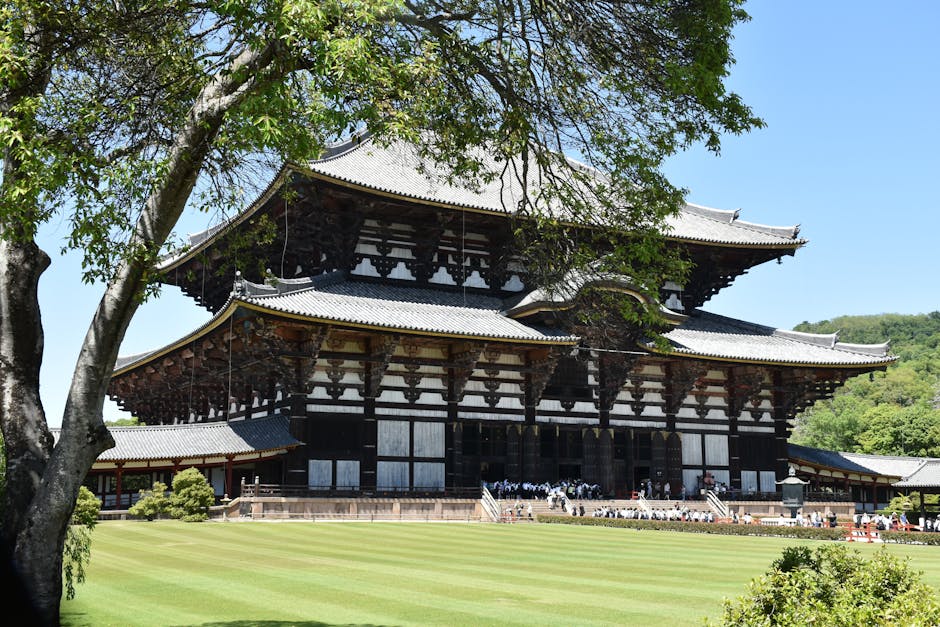
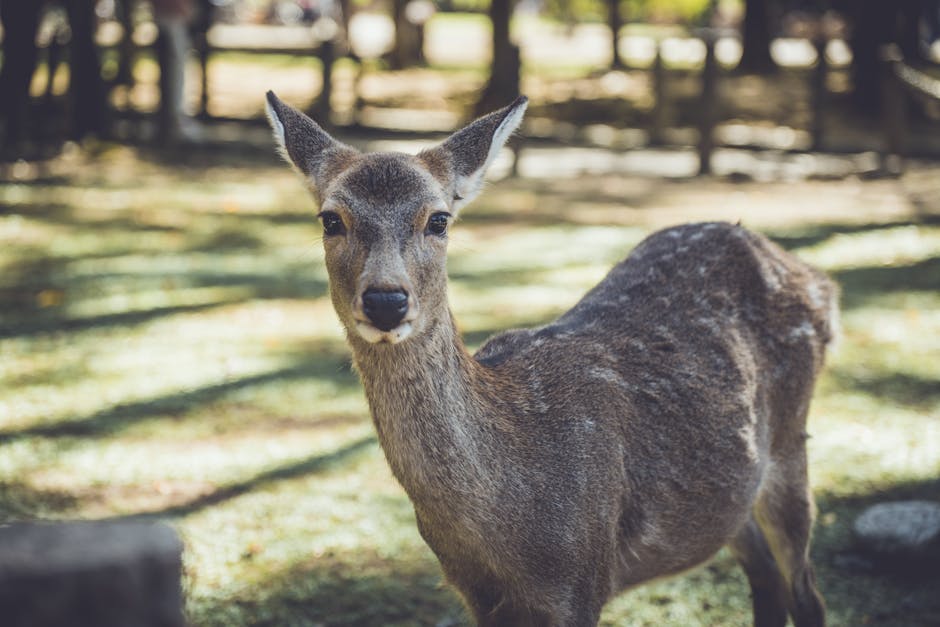
Discover a mystical path through Nara's ancient forest, lined with 3,000 lanterns and sacred deer on this serene self-guided walk.
 Challenging
Nara, Japan
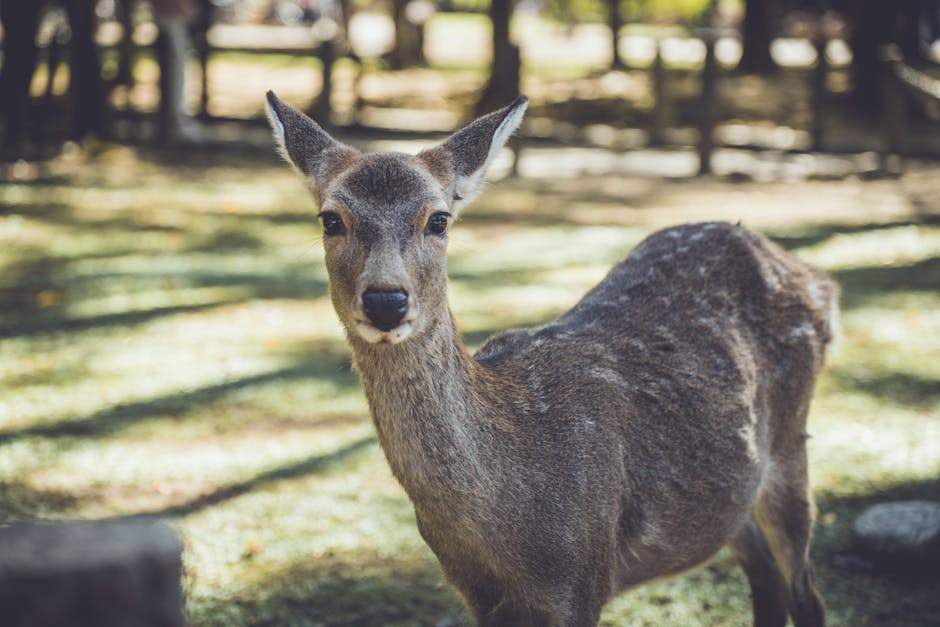
Journey from Nara's imperial ruins and refined gardens into the ancient, sacred silence of the UNESCO-protected Mount Kasuga Primeval Forest.
 Moderate
Nara, Japan
Discover Nara’s literary soul on this self-guided walk through historic Takabatake’s temples, writer residences, and poetic gardens.
 Easy
EasyNara, Japan
Explore Nara's evening charm on this self-guided walk through illuminated pagodas, historic shopping streets, and world-class hidden bars.
 Easy
EasyGdansk, Poland
Discover the monastic heritage, world-famous organs, and lush botanical gardens of Oliwa on this peaceful self-guided neighborhood stroll.
 Easy
EasyWarsaw, Poland
Explore Warsaw's scenic riverfront, rooftop gardens, and industrial-chic architecture on this self-guided stroll through the Powiśle district.
 Easy
EasyHelsinki, Finland
Discover Helsinki's oldest neighborhood on this self-guided audio walk through Kruununhaka’s historic streets, hidden courtyards, and scenic shores.
 Easy
EasyWarsaw, Poland
Discover Warsaw's intellectual heart through historic campuses, peaceful parks, and the stunning rooftop gardens of the University Library.
 Moderate
Tokyo, Japan
Discover Tokyo's premier creative district on this self-guided walk through Roppongi’s world-class museums and striking modern architecture.
 Easy
EasyTokyo, Japan
Discover the 'Old Tokyo' charm of Yanaka on this self-guided walk through historic temples, artisan alleys, and a stunning torii gate shrine.
 Easy
EasyTokyo, Japan
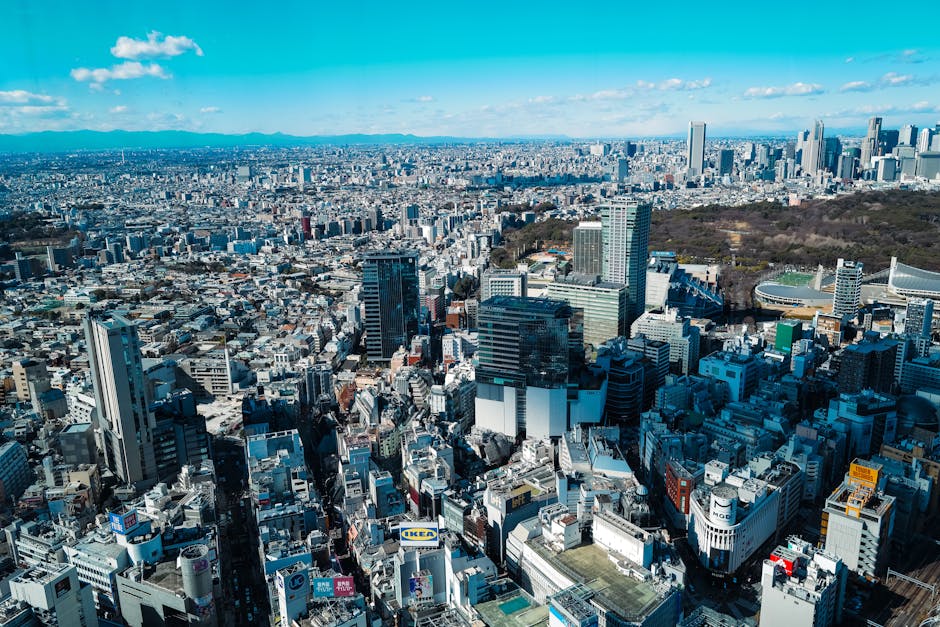
Experience Shibuya's electric energy on this self-guided walk from the iconic Scramble Crossing to the panoramic views of Shibuya Sky.
 Easy
EasyTokyo, Japan
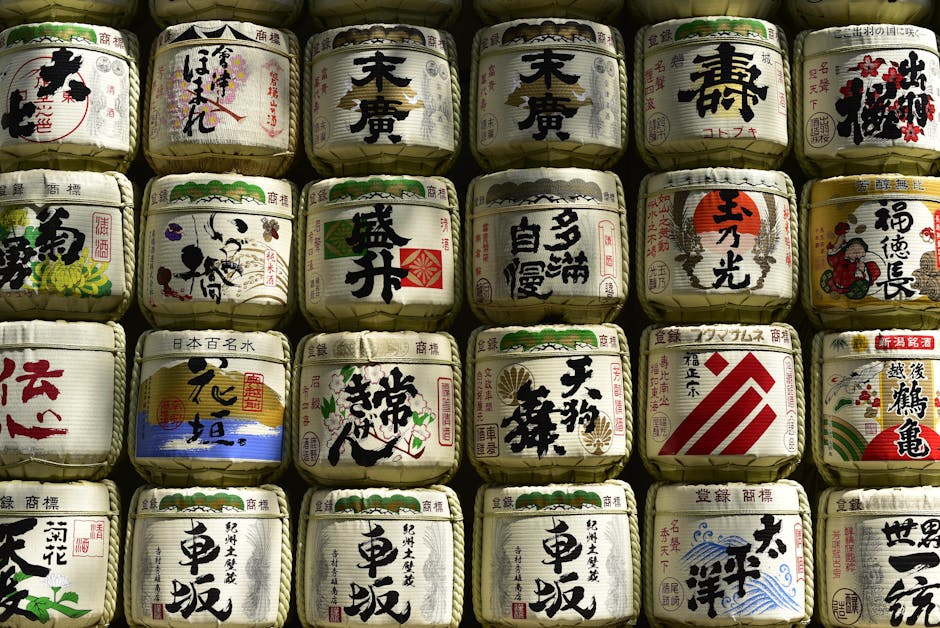
Explore Tokyo's indie heart. From vintage fashion in Shimokitazawa to world-class art in Shinjuku, discover the city's creative soul independently.