Self-guided audio tour in Mostar
Start Free on iPhone
Start free on iPhone to unlock this self-guided walking tour in Mostar. Hear all the stories that make it amazing, walk at your own pace, and begin whenever you want.
Your Private Tour Guide
Mostar is world-famous for its iconic Old Bridge, but the city’s heart tells a deeper, more complex story of resilience and reconstruction. This self-guided walk leads you away from the bazaar's cobblestones and into the modern center, where the scars of the 1990s conflict remain visible alongside vibrant contemporary life. Exploring this neighborhood stroll offers a profound look at how a city heals and remembers, following the former front line known as the Bulevar. You will encounter architectural gems from the Austro-Hungarian era and skeletal remains of modernist structures that became strategic points during the war. Your independent journey begins at Spanish Square, the largest public square in the city and a symbol of international cooperation. From here, the route takes you past the Gimnazija Mostar, a stunning example of Moorish-revival architecture that continues to serve as a vital educational institution. As you explore, the contrast between the beautifully restored buildings and the bullet-pocked ruins provides a visceral history lesson. One of the most striking stops is the former bank building, famously known as the Sniper Tower, which stands as a haunting monolith of the conflict's urban warfare. Beyond the heavy history, this walking route Mostar also highlights the city's quirky and peaceful side. You will visit Park Zrinjevac, a lush green space that serves as a local favorite for families and features a surprising statue of martial arts legend Bruce Lee. This walk is designed for those who want to understand the 'real' Mostar beyond the postcards. It is an essential walking tour Mostar experience for travelers interested in political history, urban survival, and the enduring spirit of the Balkan people. By following this audio walk, you can navigate the complex geography of the city's modern history at your own pace, taking the time to reflect on the stories etched into every stone and concrete facade.
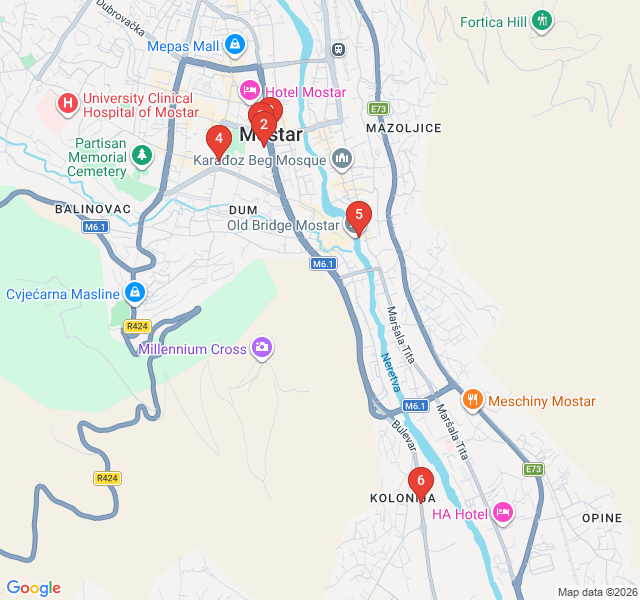
Numbers indicate the order of stops on the tour.
Welcome to Spanish Square, the largest open space in Mostar and a vital junction connecting the east and west sides of the city. This square was named in honor of the 21 Spanish soldiers who lost their lives while serving as UN peacekeepers during the Bosnian War. Today, it is a place of meeting and reconciliation. Take a moment to look around; you are standing in a location that was once a dangerous 'no man's land' but is now a beautifully renovated plaza. The square serves as a gateway to the modern city, surrounded by historic buildings that reflect Mostar's varied cultural influences.
Dominating the square is the bright orange Gimnazija Mostar, one of the most prestigious schools in the country. Built in 1893 during the Austro-Hungarian administration, its Moorish-revival style was intended to blend European and Ottoman architectural traditions. During the war, the school was heavily damaged and sat on the front line. After its restoration, it gained international attention for its 'two schools under one roof' policy, where students from different ethnic backgrounds were taught in the same building—a significant step toward integration in a divided city. It remains a symbol of hope for the next generation of Mostarians.
Directly across from the square stands a tall, skeletal concrete structure. This was once the 'Staklena Banka' or Glass Bank, a shining example of Yugoslav modernism. During the conflict, its height and strategic location made it a terrifying vantage point, earning it the nickname 'The Sniper Tower.' Though now a hollow shell covered in street art, it remains one of the most potent reminders of the urban warfare that took place here. While it is fenced off for safety, the exterior serves as a canvas for local artists who use graffiti to express their thoughts on politics, peace, and the future.
Just a short walk from the ruins, Park Zrinjevac offers a complete change of pace. This is the city's main green lung, where locals come to escape the summer heat. In the center of the park, you will find a curious sight: a life-sized bronze statue of Bruce Lee. Erected in 2005, it was chosen as a symbol that everyone could agree on—representing justice and skill, regardless of ethnicity. It was the first statue of its kind in the world and highlights the city's unique sense of humor and its desire for universal symbols of peace after years of division.
As you move toward the Bulevar, you may encounter temporary or permanent photo displays documenting the city's history. Mostar has several small galleries dedicated to the conflict, providing a visual record of the destruction and the daily lives of citizens under siege. These images offer a sobering perspective on the buildings you are seeing today, showing the Old Bridge as it collapsed into the Neretva and the Bulevar as a charred wasteland. These exhibits are crucial for understanding the scale of the reconstruction efforts that have taken place over the last three decades.
The final stop on this route is the ruins of the Ljubljanska Banka, located along the Bulevar. This street was the literal front line for much of the conflict, and this building is one of the last remaining major structures yet to be renovated. Its charred concrete and exposed rebar stand in stark contrast to the modern cafes and shops nearby. The Bulevar itself has been transformed into a wide, busy thoroughfare, but these ruins serve as an intentional or unintentional 'open-air museum' of the city's modern history, marking the end of our journey through the scars of the frontline.
Start Free on iPhone
Explore “Scars of the Frontline: Mostar's Modern History” with your very own Private Tour Guide with Zigway. Start free on iPhone, skip the large group and the fixed routes, and hear the city come alive as you go.
Your Private Tour Guide
Don't miss the good stuff
Explore Freely
 Easy
EasyMostar, Bosnia and Herzegovina
Explore Mostar's emerald secret on this self-guided walk along the Radobolja stream, featuring Ottoman mills, hidden beaches, and lush parks.
 Challenging
Mostar, Bosnia and Herzegovina
Ascend from the iconic Old Bridge to the breathtaking glass skywalk at Fortica. A challenging self-guided hike through Mostar’s history and nature.
 Moderate
Mostar, Bosnia and Herzegovina
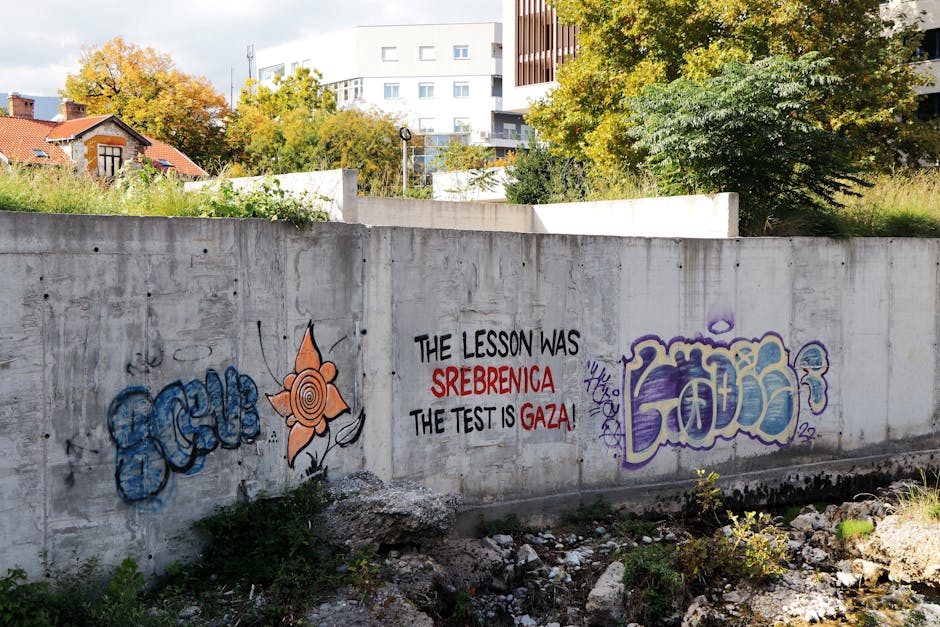
Discover Mostar’s soul through its vibrant street art, historic Ottoman architecture, and resilient urban culture on this self-guided walk.
 Easy
EasyMostar, Bosnia and Herzegovina
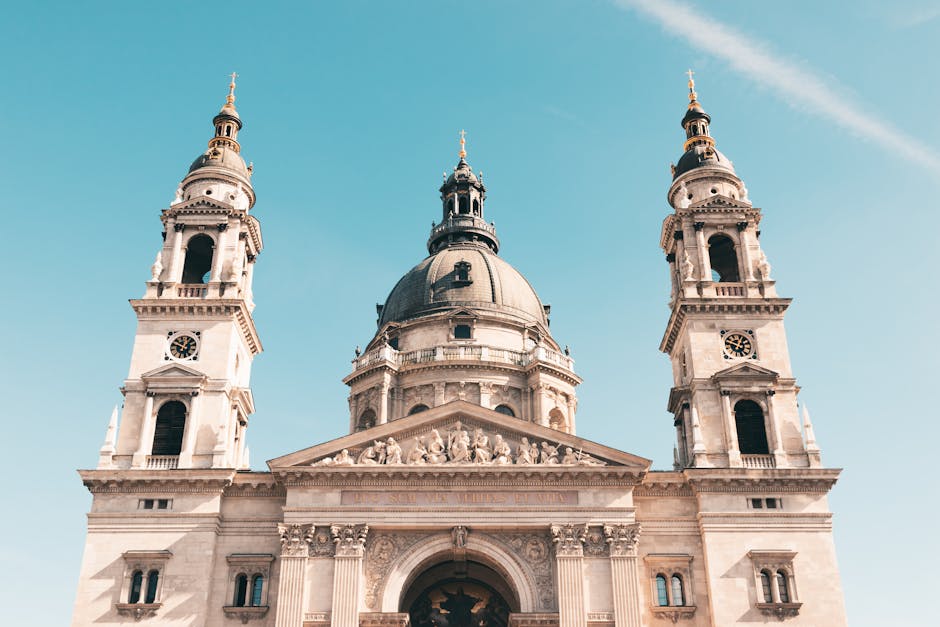
Discover Mostar's grand Austro-Hungarian boulevards, Moorish Revival architecture, and 20th-century history on this self-guided neighborhood stroll.
 Easy
EasyNairobi, Kenya
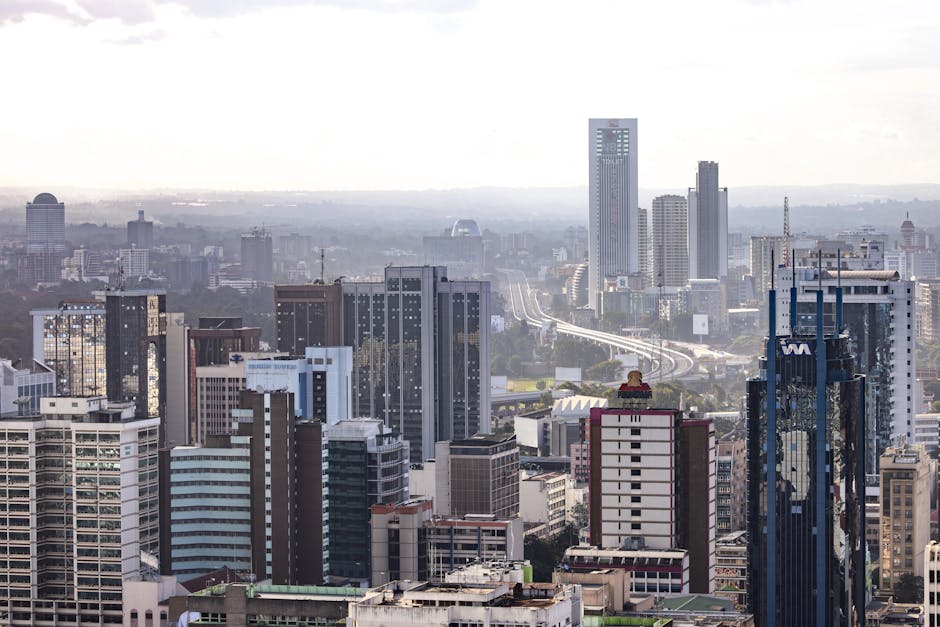
Explore Nairobi's architectural evolution from colonial-era landmarks to iconic Brutalist skyscrapers on this historic self-guided walking route.
 Easy
EasyNairobi, Kenya
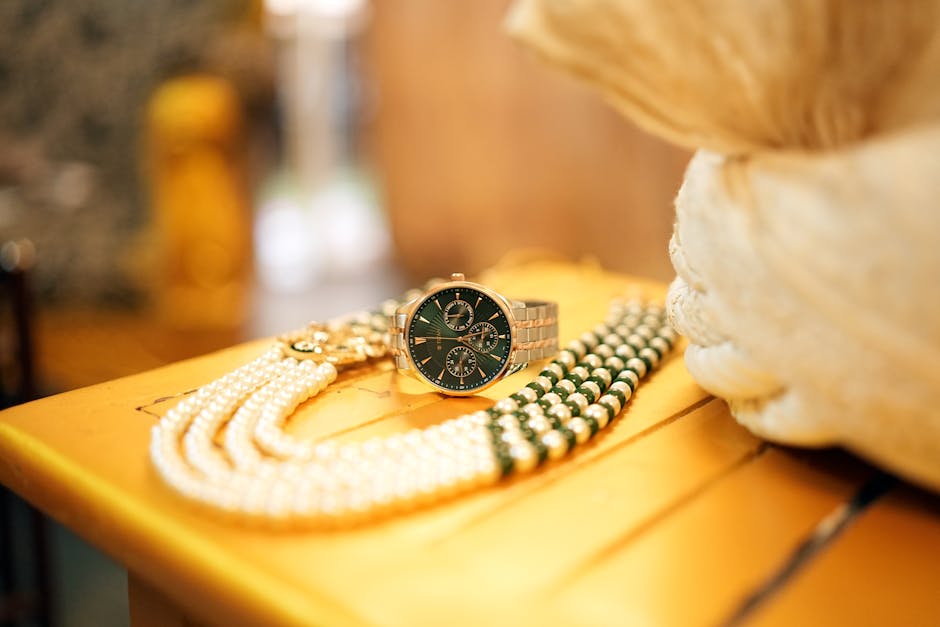
Discover Nairobi's iconic skyline on this self-guided architecture walk through the CBD’s most famous modernist and Brutalist landmarks.
 Easy
EasyKrakow, Poland
Explore the prestigious Jagiellonian University district, featuring Neo-Gothic architecture, Baroque churches, and Krakow's hidden scholarly gems.
 Easy
EasyKrakow, Poland
Explore the historic heart of Kazimierz on this self-guided walk through synagogues, ancient cemeteries, and vibrant squares.
 Easy
EasySarajevo, Bosnia and Herzegovina
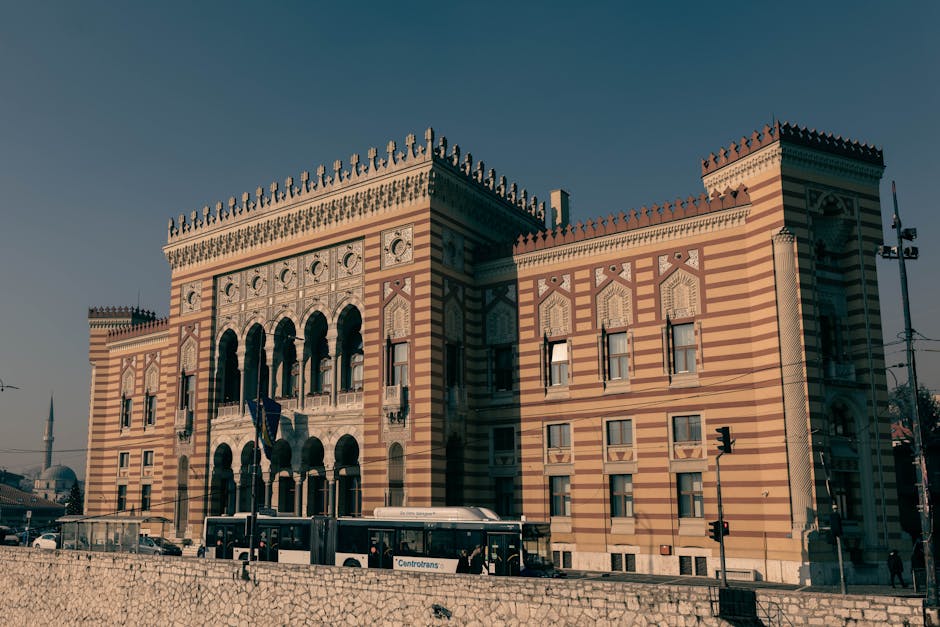
Discover Sarajevo’s history and architecture on this scenic self-guided walk across the iconic bridges of the Miljacka River.
 Moderate
Sarajevo, Bosnia and Herzegovina
Discover Sarajevo’s soul through street art, brutalist landmarks, and poignant history on this self-guided urban walking route.
 Easy
EasySarajevo, Bosnia and Herzegovina
Explore Sarajevo’s soulful nightlife on this self-guided walking route through historic pubs, hidden rakija bars, and legendary local haunts.
 Easy
EasySarajevo, Bosnia and Herzegovina
Explore Yugoslav Modernism and lush riverfront paths in Grbavica. A self-guided walk through Sarajevo's resilient 20th-century neighborhoods.