Self-guided audio tour in Sarajevo
Start Free on iPhone
Start free on iPhone to unlock this self-guided walking tour in Sarajevo. Hear all the stories that make it amazing, walk at your own pace, and begin whenever you want.
Your Private Tour Guide
Sarajevo is a city where the layers of history are not just visible; they are felt. This neighborhood stroll through the Centar district invites you to trace the literal footsteps of those who changed the course of the 20th century. While many cities claim to be at the crossroads of history, Sarajevo proved it on a June morning in 1914 when a single event sparked a global conflict. On this self-guided walk, you will navigate the banks of the Miljacka River and the grand Austro-Hungarian boulevards that define the city's European face. This walking route is more than a history lesson; it is an exploration of the architectural and cultural shift that occurred when the Austro-Hungarian Empire took the reins from the Ottomans. You will begin near the elegant Drvenija Bridge and move toward the iconic Latin Bridge, the site of the assassination of Archduke Franz Ferdinand. Along the way, the path showcases the city's multicultural fabric, passing the imposing Ashkenazi Synagogue and the grand Main Post Office. The journey concludes at the National Theater, but not before visiting the Vijećnica, Sarajevo’s most recognizable landmark. Whether you are a history buff or a curious traveler, this audio walk offers a deep dive into the 'Sarajevo 1914' narrative without the constraints of a group. You can pause at the Museum of Sarajevo 1878–1918 to see the artifacts of the era or simply admire the Moorish Revival facades that line the river. This walking tour Sarajevo experience allows you to absorb the gravity of these sites at your own pace, moving through the very streets that once echoed with the sounds of a motorcade that never reached its destination. For anyone looking to understand why Sarajevo is called the 'Jerusalem of Europe,' this self-guided adventure provides the perfect context of how imperial ambition and local nationalism collided here.
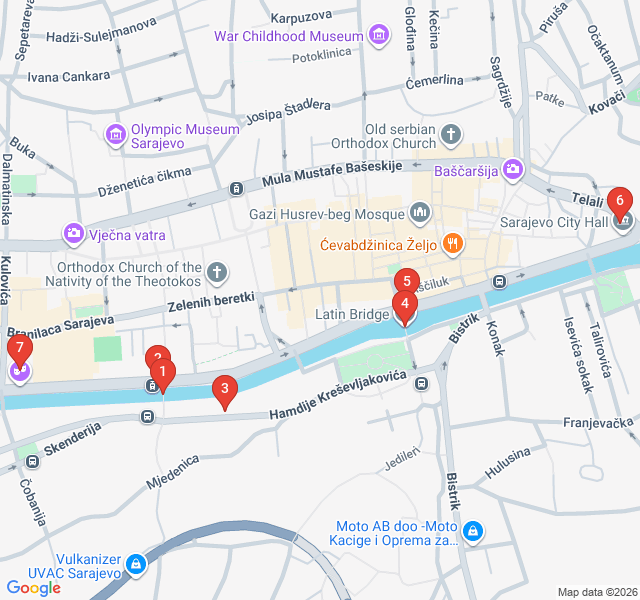
Numbers indicate the order of stops on the tour.
Start exploring with Zigway here at the Drvenija Bridge, a name that translates to 'Wooden Bridge.' While the current structure is modern, it sits at a vital crossing point between the 19th-century Austro-Hungarian developments and the older parts of the city. To your north stands the Academy of Fine Arts, originally an Evangelical Church built during the Austro-Hungarian period. This area represents the 'modernization' of Sarajevo that took place after 1878. As you stand by the Miljacka River, imagine the city in the early 1900s—a bustling provincial capital of the Empire, filled with new electric trams and grand European buildings, yet simmering with the political tensions of South Slavic nationalism.
A short walk brings you to the Main Post Office, one of the most magnificent examples of Austro-Hungarian architecture in the Balkans. Designed by Josip Vancaš and completed in 1913, just a year before the Great War began, this building was intended to showcase the administrative power and efficiency of the Empire. Its grand central hall, topped with a glass roof, was inspired by the Postal Savings Bank in Vienna. Interestingly, this building played a tragic role again in the 1990s during the Siege of Sarajevo when it was burned, but it has since been meticulously restored. In 1914, this was the communications hub of the region, carrying the frantic telegrams that followed the assassination.
Continuing along the river, you will find the Ashkenazi Synagogue, built in 1902. It is a striking example of the Moorish Revival style, which the Austro-Hungarians favored for religious buildings in Bosnia to create a distinct 'Bosnian' identity. Notice the four corner towers topped with domes and the intricate stone carvings. This synagogue is a testament to Sarajevo’s long-standing Jewish community, which grew significantly during the Austro-Hungarian period as Jews from across the Empire moved to the city. It remains the primary place of worship for the local Jewish community today, standing as a symbol of the city's historic religious diversity, often called the 'Jerusalem of Europe.'
You are now standing at the Latin Bridge, perhaps the most infamous bridge in the world. On June 28, 1914, Gavrilo Princip, a member of the Young Bosnia movement, stood near the northern end of this bridge. As the motorcade of Archduke Franz Ferdinand, heir to the Austro-Hungarian throne, took a wrong turn and stalled, Princip fired two shots. These shots killed the Archduke and his wife Sophie, triggering a chain of alliances that led to World War I. During the Yugoslav era, the bridge was renamed Princip's Bridge, but it has since returned to its original Ottoman-era name. The bridge itself is a beautiful stone structure with four arches, dating back to 1798.
Located on the very corner where the assassination took place, this museum occupies the building that was once Schiller's Delicatessen. It was right in front of this shop that the Archduke's car stopped. Today, the museum focuses on the four decades of Austro-Hungarian rule in Bosnia and Herzegovina. Outside, look for the plaque marking the spot of the assassination. Inside, you can find artifacts from that fateful day, including a replica of the pistol used by Princip and the clothes worn by the Archduke. It provides an essential look at the lifestyle, politics, and social changes of the era that eventually led to the collapse of empires.
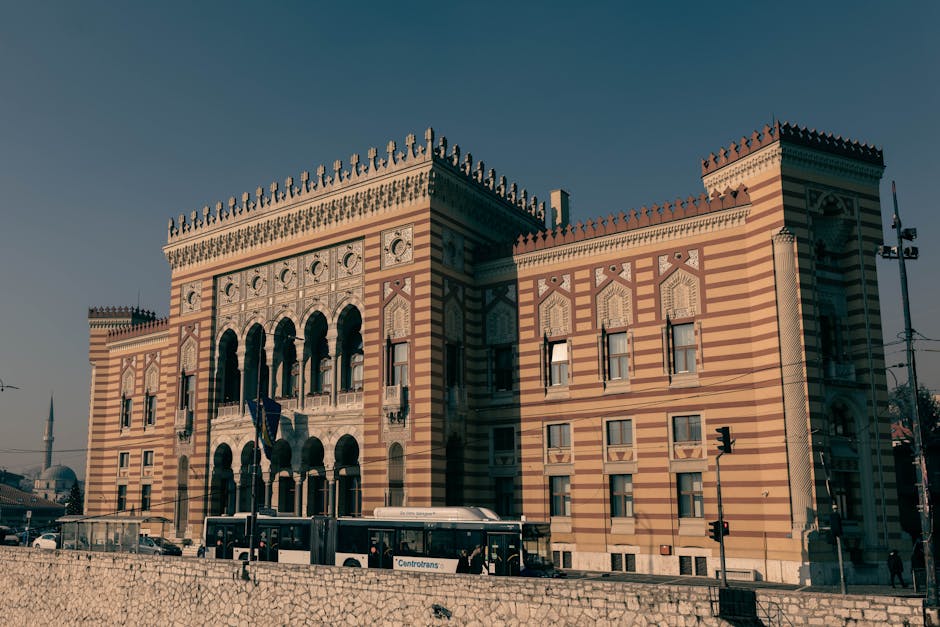
Follow the river east to reach the Vijećnica, or City Hall. This is Sarajevo’s most iconic building, an architectural masterpiece in the pseudo-Moorish style. Completed in 1896, it originally served as the city hall and later as the National Library. On the day of the assassination, Franz Ferdinand had just attended a reception here and was leaving the building when he was killed. The building was tragically destroyed by shelling in 1992, resulting in the loss of two million books, but it reopened in 2014 after a total restoration. Its interior is breathtaking, featuring a stained-glass ceiling and intricate geometric patterns that reflect the blending of East and West.
Your walking route concludes back toward the center at the National Theater. Designed by Karel Pařík and opened in 1899, this building was the heart of Sarajevo’s cultural life during the Austro-Hungarian era. Pařík was a prolific architect who designed over 70 buildings in the city, essentially shaping the 'European' face of Sarajevo. The theater hosted operas, ballets, and dramas that brought Viennese culture to the banks of the Miljacka. Standing here, you can see how the city transitioned from the narrow alleys of the Ottoman bazaar to these wide, structured squares. It’s a fitting place to reflect on the complex legacy of an empire that brought both modernization and the seeds of its own destruction to this valley.
Start Free on iPhone
Explore “The Spark of WWI: The Assassination Walk” with your very own Private Tour Guide with Zigway. Start free on iPhone, skip the large group and the fixed routes, and hear the city come alive as you go.
Your Private Tour Guide
Don't miss the good stuff
Explore Freely
 Easy
EasySarajevo, Bosnia and Herzegovina
Discover Sarajevo’s history and architecture on this scenic self-guided walk across the iconic bridges of the Miljacka River.
 Moderate
Sarajevo, Bosnia and Herzegovina
Discover Sarajevo’s soul through street art, brutalist landmarks, and poignant history on this self-guided urban walking route.
 Easy
EasySarajevo, Bosnia and Herzegovina
Explore Sarajevo’s soulful nightlife on this self-guided walking route through historic pubs, hidden rakija bars, and legendary local haunts.
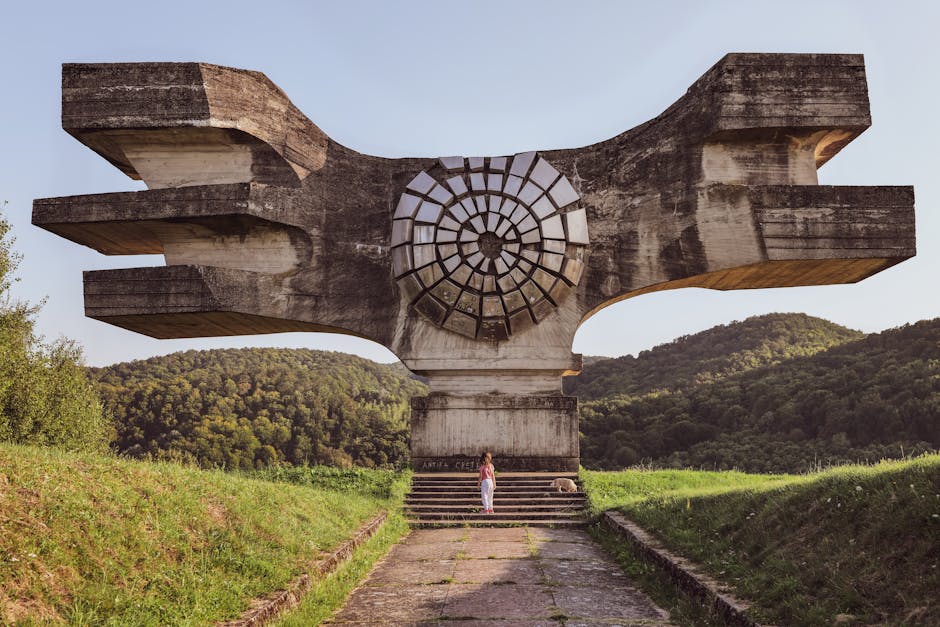 Easy
EasySarajevo, Bosnia and Herzegovina
Explore Yugoslav Modernism and lush riverfront paths in Grbavica. A self-guided walk through Sarajevo's resilient 20th-century neighborhoods.
 Easy
EasyGothenburg, Sweden
Discover Gothenburg’s 17th-century Dutch foundations, historic canals, and military fortifications on this self-guided architectural walk.
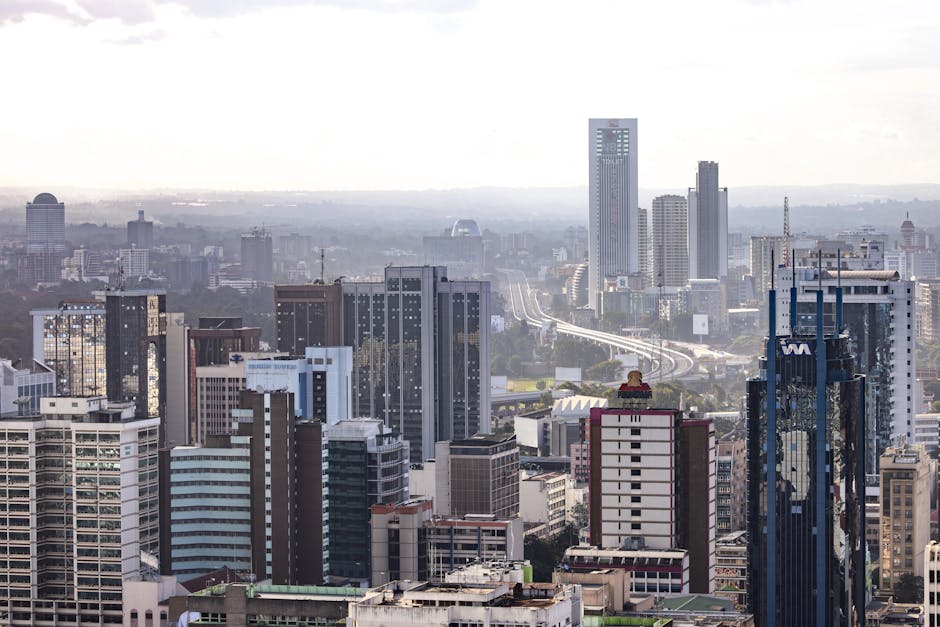 Easy
EasyNairobi, Kenya
Explore Nairobi's architectural evolution from colonial-era landmarks to iconic Brutalist skyscrapers on this historic self-guided walking route.
 Easy
EasyNairobi, Kenya
Discover Nairobi's iconic skyline on this self-guided architecture walk through the CBD’s most famous modernist and Brutalist landmarks.
 Easy
EasyKrakow, Poland
Explore the historic heart of Kazimierz on this self-guided walk through synagogues, ancient cemeteries, and vibrant squares.
 Easy
EasyMostar, Bosnia and Herzegovina
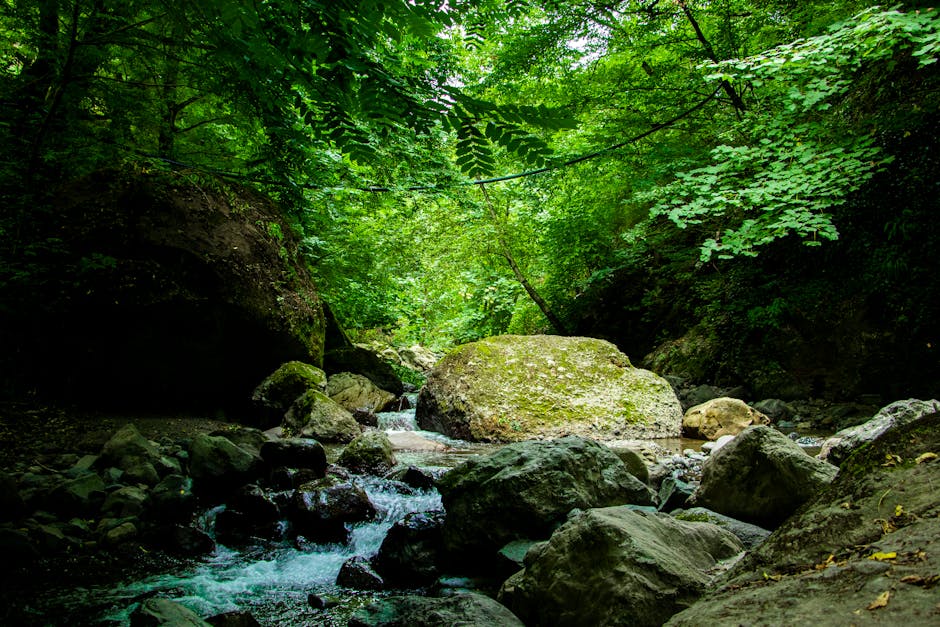
Explore Mostar's emerald secret on this self-guided walk along the Radobolja stream, featuring Ottoman mills, hidden beaches, and lush parks.
 Challenging
Mostar, Bosnia and Herzegovina
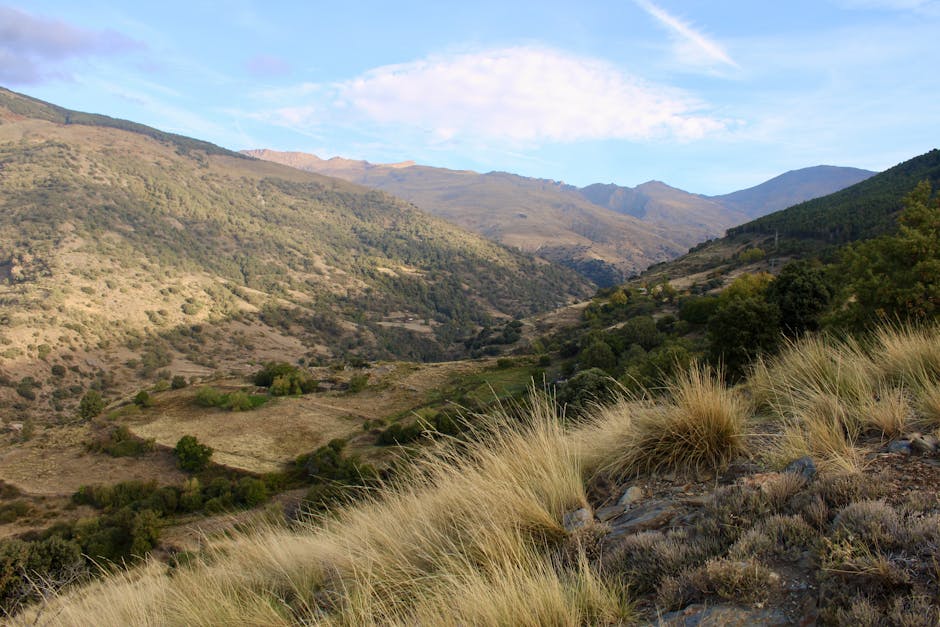
Ascend from the iconic Old Bridge to the breathtaking glass skywalk at Fortica. A challenging self-guided hike through Mostar’s history and nature.
 Moderate
Mostar, Bosnia and Herzegovina
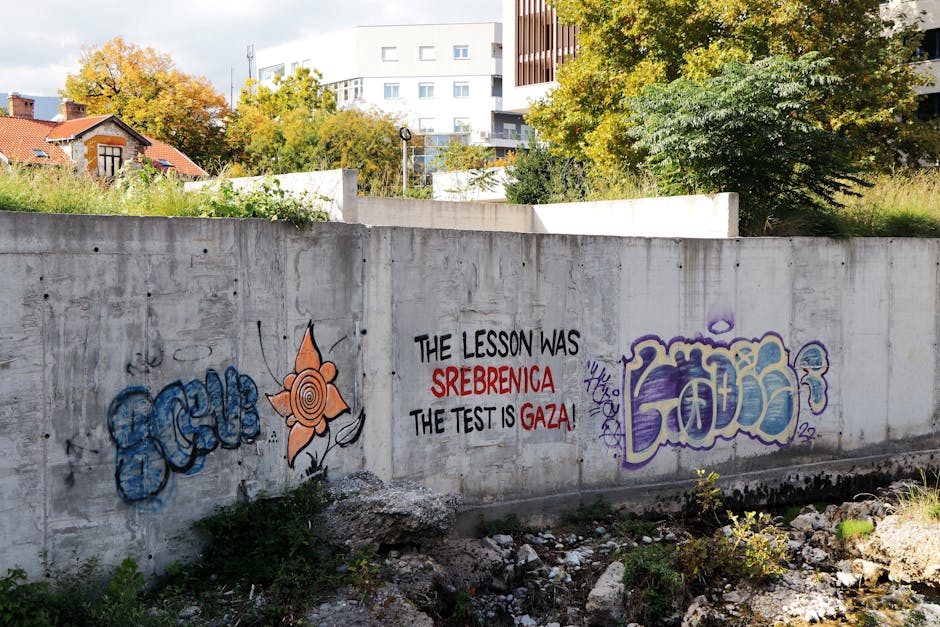
Discover Mostar’s soul through its vibrant street art, historic Ottoman architecture, and resilient urban culture on this self-guided walk.
 Easy
EasyMostar, Bosnia and Herzegovina
Discover Mostar's grand Austro-Hungarian boulevards, Moorish Revival architecture, and 20th-century history on this self-guided neighborhood stroll.