Self-guided audio tour in Sarajevo
Start Free on iPhone
Start free on iPhone to unlock this self-guided walking tour in Sarajevo. Hear all the stories that make it amazing, walk at your own pace, and begin whenever you want.
Your Private Tour Guide
Imagine standing at a single street marker where, with one step, the world shifts from the Ottoman East to the Austro-Hungarian West. This is Sarajevo, often called the 'Jerusalem of Europe,' a city where the call to prayer from minarets blends with the tolling of Catholic and Orthodox church bells, all within earshot of a centuries-old synagogue. This self-guided walk invites you to explore the profound interfaith history of a city that has served as a crossroads of civilizations for over five hundred years. Unlike a typical walking tour Sarajevo might offer, this journey allows you to linger in the quiet courtyards of 16th-century mosques or reflect beside war-torn memorials at your own speed. Starting in the heart of the Old Town, you will discover the resilience of the Sephardic Jewish community at the Old Temple and witness the architectural transition at the 'Meeting of Cultures' line. You'll explore the Gazi Husrev-beg Mosque, an Ottoman masterpiece, and the Old Orthodox Church, which hides a wealth of icons behind its humble stone walls. The route also navigates the somber history of the 1990s through 'Sarajevo Roses' before concluding at the striking Ashkenazi Synagogue along the Miljacka River. This audio walk is more than a history lesson; it is a testament to coexistence and the enduring spirit of a city that has survived the heights of empire and the depths of siege. Whether you are a first-time visitor or a returning traveler, this walking route provides the context needed to understand Sarajevo’s complex, beautiful soul.
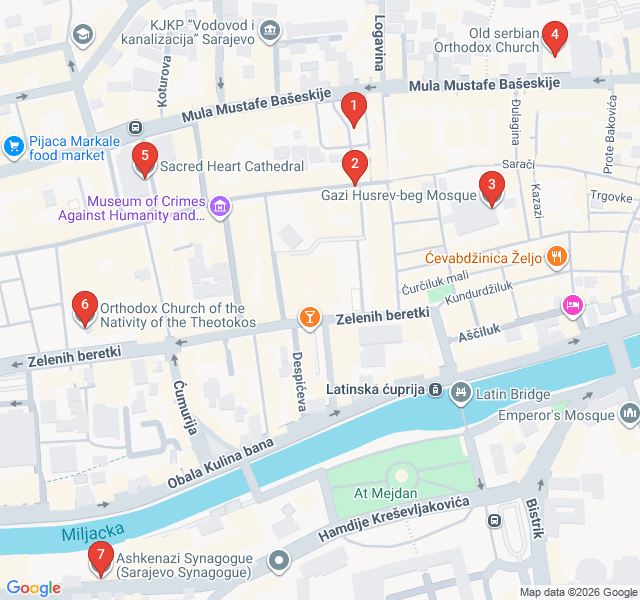
Numbers indicate the order of stops on the tour.
Begin your self-guided adventure at the Old Temple, the oldest synagogue in Bosnia and Herzegovina, dating back to 1581. This stone building was once the center of life for Sephardic Jews who fled the Spanish Inquisition and found refuge in the Ottoman Empire. Today, it serves as a museum, housing the tragic and triumphant history of Sarajevo's Jewish community. Inside, you can see artifacts ranging from ancient scrolls to documents detailing the community's suffering and resistance during World War II. The architecture itself is unique, with thick stone walls designed to blend into the surrounding bazaar. It stands as a quiet witness to the city's long-standing tradition of welcoming different faiths.
Step onto the Ferhadija pedestrian street to find a literal line on the ground marked 'Sarajevo Meeting of Cultures.' If you look toward the east, you see the Ottoman Baščaršija with its low-slung shops and stone-paved alleys. Turn to the west, and the scenery instantly transforms into the grand, neo-classical facades of the Austro-Hungarian era. This spot is the physical manifestation of Sarajevo's identity as a bridge between empires. It is one of the few places on Earth where you can stand in two different architectural worlds simultaneously, representing the fusion of Byzantine, Ottoman, and European influences that define the city.
Enter the courtyard of the Gazi Husrev-beg Mosque, the largest and most significant historical mosque in the country. Built in 1530, it is a masterpiece of early classical Ottoman architecture. Notice the intricate 'muqarnas' carvings above the entrance and the fountain in the center of the courtyard, used for ritual washing. Nearby, the Sahat-kula (clock tower) is unique because it is the only public clock in the world that keeps 'lunar time,' signaling the moment of sunset to mark the time for prayer. This complex was the heart of the city’s educational and social life for centuries and remains a vital center for Sarajevo’s Muslim community today.
Tucked away behind a stone wall is the Church of the Holy Archangels Michael and Gabriel, commonly known as the Old Orthodox Church. First mentioned in the 16th century, its architecture is unusual; the church was built partially underground and lacks a central dome to avoid towering over neighboring mosques, reflecting the Ottoman rules of the time. The interior is a treasure trove of spiritual art, featuring a magnificent 18th-century iconostasis and one of the most important collections of icons and old manuscripts in the Balkans. It is a peaceful sanctuary that showcases the deep roots of the Serbian Orthodox community in Sarajevo.
As you approach the Sacred Heart Cathedral, look down at the pavement. You may see a splash of red resin filling a crater in the concrete. This is a 'Sarajevo Rose.' During the Siege of Sarajevo in the 1990s, mortar shells left distinctive scars on the streets. After the war, many of these were filled with red resin to commemorate those who lost their lives. The rose here, located in front of the Catholic Cathedral, serves as a poignant reminder of the city's recent history. The cathedral itself, built in 1889 in a Neo-Gothic style, was inspired by Notre Dame in Dijon and stands as the center of the city’s Catholic life.
Just a short stroll away is the Cathedral of the Nativity of the Theotokos, the largest Orthodox cathedral in the city. Built in the mid-19th century as the Ottoman Empire’s grip began to loosen, its construction was funded by the local community and even received a symbolic donation from Sultan Abdülaziz. Its Neo-Baroque towers and five green domes dominate the skyline. The interior is lavishly decorated with gold and vibrant frescoes. This cathedral represents the growth and prominence of the Orthodox community during the late 19th century and adds another layer to the interfaith tapestry of the neighborhood.
Conclude your neighborhood stroll along the banks of the Miljacka River at the Ashkenazi Synagogue. Built in 1902 during the Austro-Hungarian period, its Moorish Revival style features ornate arches and colorful geometric patterns. While the Old Temple we saw earlier served the Sephardic community, this synagogue was built for the Ashkenazi Jews who arrived from Central Europe. Today, it is the only active synagogue in Sarajevo. Standing by the river, reflecting on the four major religious sites you've visited, you can appreciate how Sarajevo earned its nickname. This city doesn't just house different faiths; it weaves them into the very fabric of its streets.
Start Free on iPhone
Explore “The Jerusalem of Europe: Interfaith Journey” with your very own Private Tour Guide with Zigway. Start free on iPhone, skip the large group and the fixed routes, and hear the city come alive as you go.
Your Private Tour Guide
Don't miss the good stuff
Explore Freely
 Easy
EasySarajevo, Bosnia and Herzegovina
Discover Sarajevo’s history and architecture on this scenic self-guided walk across the iconic bridges of the Miljacka River.
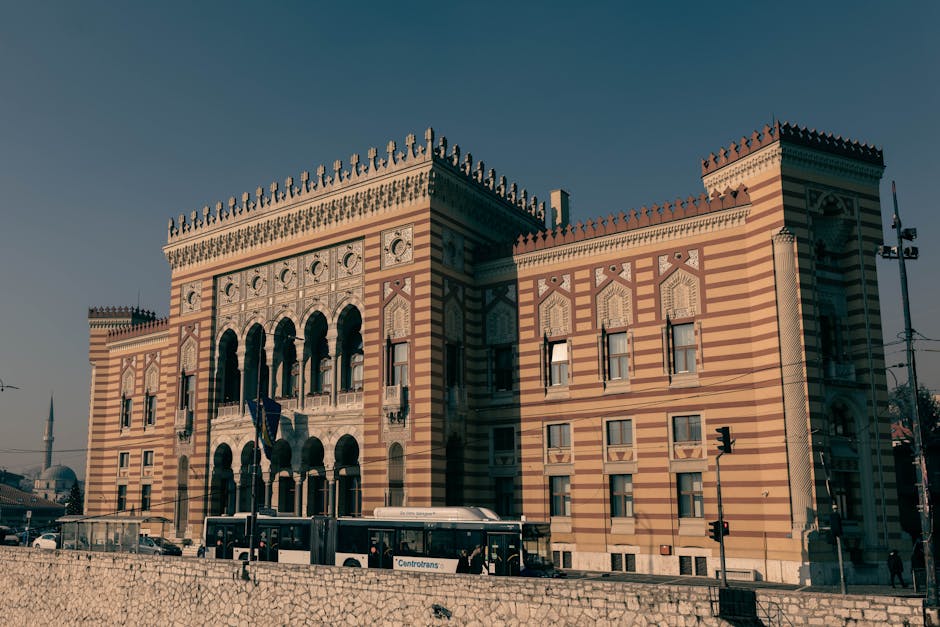 Moderate
Sarajevo, Bosnia and Herzegovina
Discover Sarajevo’s soul through street art, brutalist landmarks, and poignant history on this self-guided urban walking route.
 Easy
EasySarajevo, Bosnia and Herzegovina
Explore Sarajevo’s soulful nightlife on this self-guided walking route through historic pubs, hidden rakija bars, and legendary local haunts.
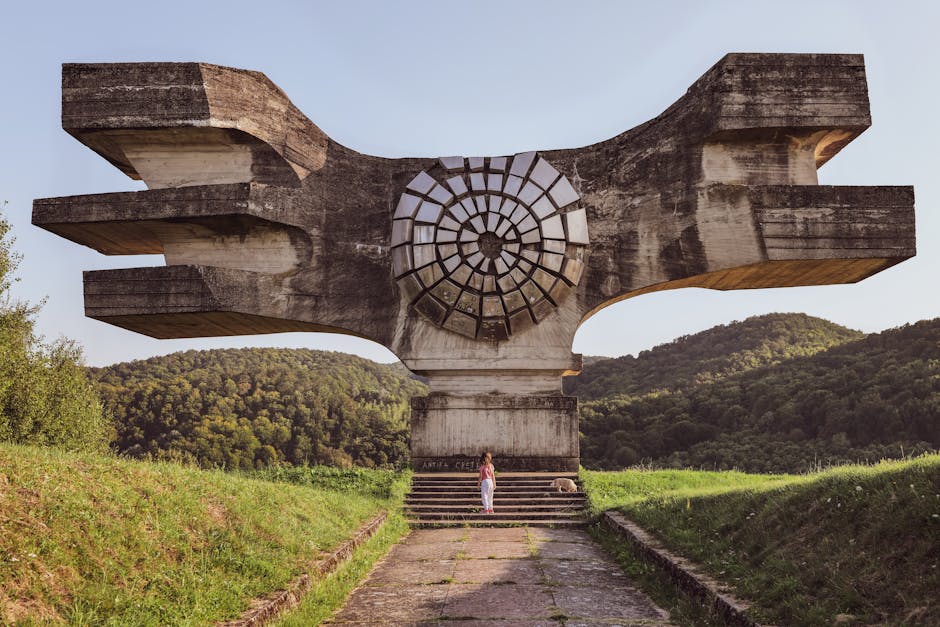 Easy
EasySarajevo, Bosnia and Herzegovina
Explore Yugoslav Modernism and lush riverfront paths in Grbavica. A self-guided walk through Sarajevo's resilient 20th-century neighborhoods.
 Easy
EasyKrakow, Poland
Explore the historic heart of Kazimierz on this self-guided walk through synagogues, ancient cemeteries, and vibrant squares.
 Easy
EasySalzburg, Austria
Discover the 'Rome of the North' on this self-guided walk through the Baroque squares and monumental legacy of Salzburg’s Prince-Archbishops.
 Easy
EasyGothenburg, Sweden
Discover Gothenburg’s 17th-century Dutch foundations, historic canals, and military fortifications on this self-guided architectural walk.
 Easy
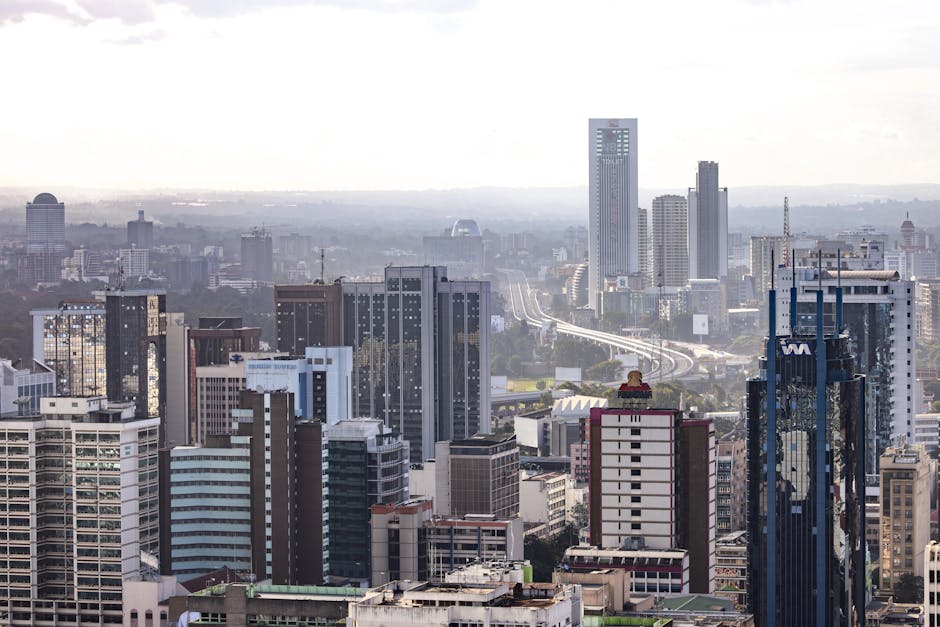
EasyNairobi, Kenya
Explore Nairobi's architectural evolution from colonial-era landmarks to iconic Brutalist skyscrapers on this historic self-guided walking route.
 Easy
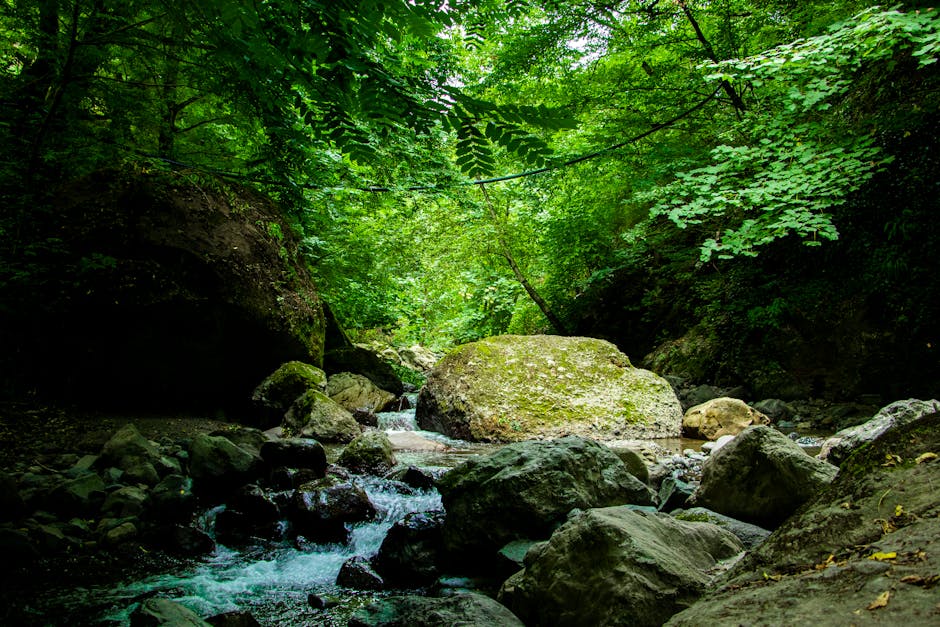
EasyMostar, Bosnia and Herzegovina
Explore Mostar's emerald secret on this self-guided walk along the Radobolja stream, featuring Ottoman mills, hidden beaches, and lush parks.
 Challenging
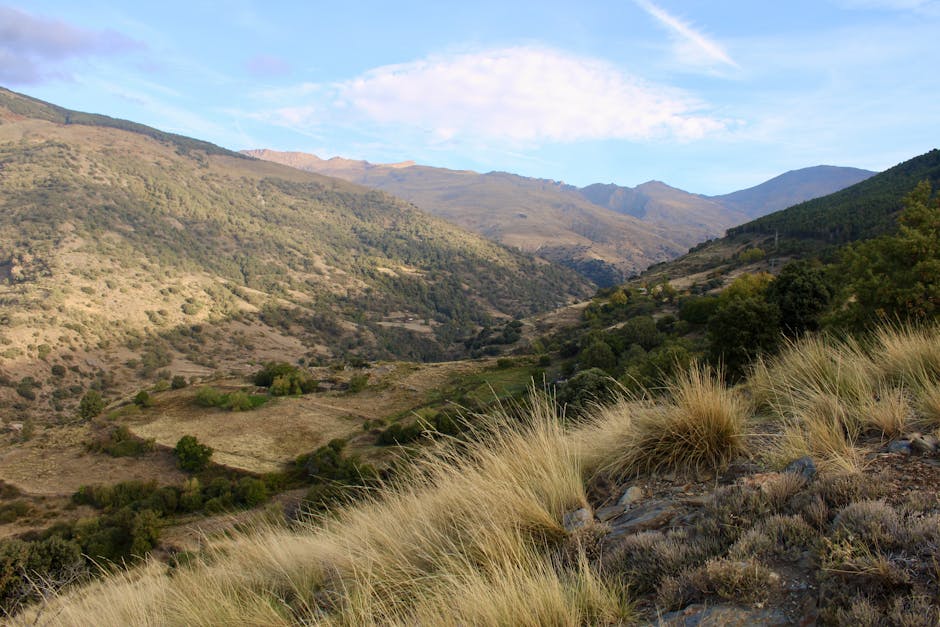
Mostar, Bosnia and Herzegovina
Ascend from the iconic Old Bridge to the breathtaking glass skywalk at Fortica. A challenging self-guided hike through Mostar’s history and nature.
 Moderate
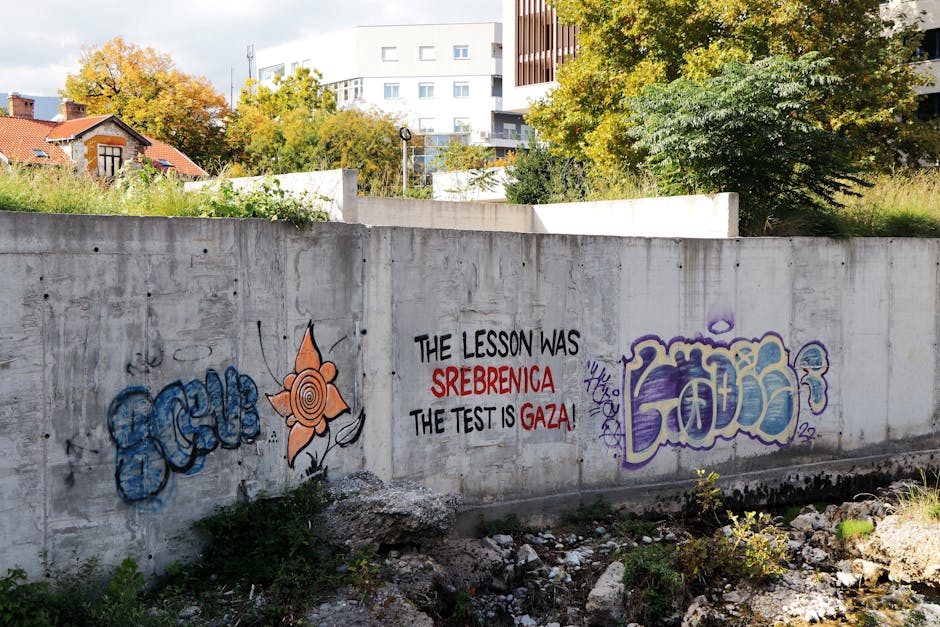
Mostar, Bosnia and Herzegovina
Discover Mostar’s soul through its vibrant street art, historic Ottoman architecture, and resilient urban culture on this self-guided walk.
 Easy
EasyMostar, Bosnia and Herzegovina
Discover Mostar's grand Austro-Hungarian boulevards, Moorish Revival architecture, and 20th-century history on this self-guided neighborhood stroll.