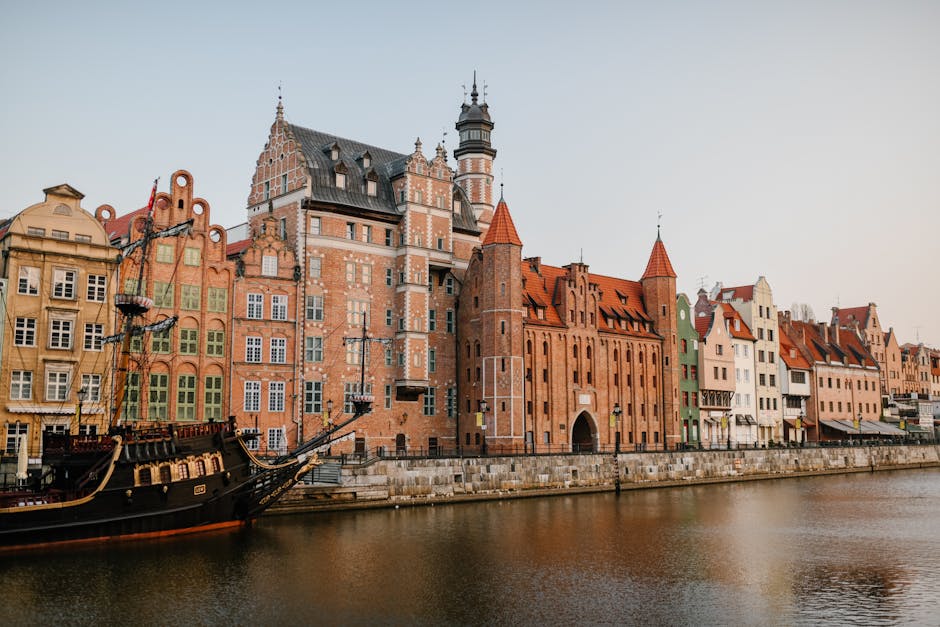
Self-guided audio tour in Gdansk
Start Free on iPhone
Start free on iPhone to unlock this self-guided walking tour in Gdansk. Hear all the stories that make it amazing, walk at your own pace, and begin whenever you want.
Your Private Tour Guide
Escape the bustling streets of Gdansk's Main Town for the serene atmosphere of Oliwa, a neighborhood where centuries of monastic tradition meet lush natural beauty. This self-guided walk invites you to explore the legacy of the Cistercian monks, who transformed this landscape into a spiritual and horticultural sanctuary starting in the 12th century. Your journey begins at the elegant Abbots' Palace, a Rococo masterpiece that now houses significant modern art, before leading you through the meticulously manicured Oliwski Park. This neighborhood stroll is more than just a visit to a park; it is an immersion into a site where nature and architecture exist in perfect harmony. As you follow this walking route, you will encounter the whimsical Whisper Grottoes, where the unique acoustics allow for private conversations across a distance, and the towering glass structures of the Palm House, home to exotic flora. The centerpiece of the experience is the Oliwa Cathedral, an architectural marvel famous for its massive 18th-century organ, which features moving celestial figures. The route concludes with a gentle ascent to Pachołek Hill, offering a panoramic reward with views stretching across the city to the Baltic Sea. This walking tour Gdansk experience is designed for those who appreciate quiet reflection, historical depth, and the refreshing air of one of Poland's most beautiful urban forests. Whether you are a fan of religious history or simply looking for a peaceful afternoon, this audio walk provides the flexibility to discover Oliwa's secrets at your own pace. While many visitors stick to the city center, this neighborhood stroll reveals a different side of the region's heritage. The peaceful Oliwa district offers a stark contrast to the maritime energy of the harbor, making it an essential addition to any walking tour Gdansk itinerary for travelers seeking tranquility and local charm.
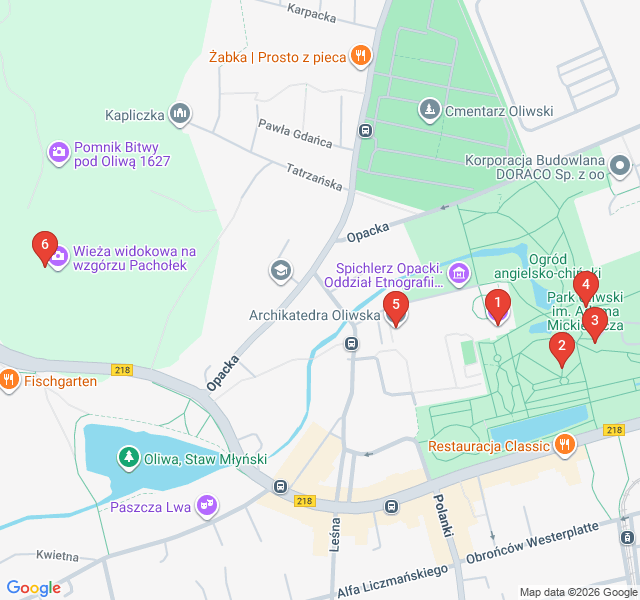
Numbers indicate the order of stops on the tour.
Welcome to the Abbots' Palace, a stunning example of Rococo architecture that serves as the gateway to Oliwa's history. Originally built in the 15th century and significantly remodeled in the 1700s, this was the grand residence of the Cistercian abbots. Notice the intricate ornamentation and the pastel hues of the facade. Today, it houses the Department of Modern Art, showcasing Polish works from the 19th and 20th centuries. The palace stands as a symbol of the wealth and influence the Cistercian order once held in this region, acting as both a spiritual hub and a center for high culture.
Tucked away in the park are the Groty Szeptów, or Whisper Grottoes. These two shell-like stone structures are positioned exactly opposite each other. If you stand in one and a companion stands in the other, you can whisper against the curved wall and be heard perfectly by the person across from you, despite the distance and the noise of the wind. This acoustic phenomenon was a popular 18th-century garden amusement, reflecting the era's fascination with blending natural elements with scientific curiosities. It is a quiet, playful corner of the park that remains a favorite for visitors of all ages.
The Palmiarnia, or Palm House, is a striking contrast to the surrounding historic gardens. The current glass rotunda is a modern structure designed to house exotic plants that have been part of the Oliwa collection for centuries, including some specimens dating back over 100 years. Inside, the humid, tropical environment provides a home for massive palms, cacti, and various tropical flowers. It is a testament to the botanical passion of the monks and later gardeners who sought to bring the world's flora to this northern climate. The surrounding greenhouse complex also features a variety of seasonal blooms and rare trees.
Oliwski Park is the green lung of the district, spanning over 11 hectares. As you walk, you will notice two distinct styles: the French garden, characterized by geometric precision and long vistas, and the English garden, which mimics wilder, romantic landscapes. The park was established by the Cistercians but reached its peak beauty under Abbot Jacek Rybiński in the 18th century. Look for the 'Paradise Quay,' a beautiful pond reflecting the surrounding trees, and the monument to Adam Mickiewicz, Poland's national poet. The park is a living museum of landscape design, offering a sanctuary for both rare plants and local wildlife.
The Oliwa Cathedral is one of the most significant religious sites in Poland. This elongated basilica, measuring 107 meters, is the longest Cistercian church in the world. While its exterior is a mix of Romanesque and Gothic styles, the interior is a Baroque treasure trove. The star attraction is the Great Organ, built by Johann Wilhelm Wulff in the 18th century. It features nearly 8,000 pipes and moving wooden figures of angels and stars that 'play' during performances. The Cathedral's acoustics are legendary, and the sheer scale of the golden altars reflects the profound spiritual legacy of the Oliwa monks.
To conclude your journey, follow the path leading up to Pachołek Hill. Standing at 100 meters above sea level, this vantage point has been a popular destination since the 18th century. At the summit, a steel observation tower provides a breathtaking 360-degree view. On a clear day, you can see the red roofs of Oliwa, the skyscrapers of the business district, the vast forests of the Tricity Landscape Park, and the blue expanse of the Bay of Gdansk. It is the perfect place to reflect on the blend of nature and history you have experienced throughout this sanctuary.
Start Free on iPhone
Explore “Monastic Peace: The Oliwa Sanctuary” with your very own Private Tour Guide with Zigway. Start free on iPhone, skip the large group and the fixed routes, and hear the city come alive as you go.
Your Private Tour Guide
Don't miss the good stuff
Explore Freely
 Moderate
Gdansk, Poland
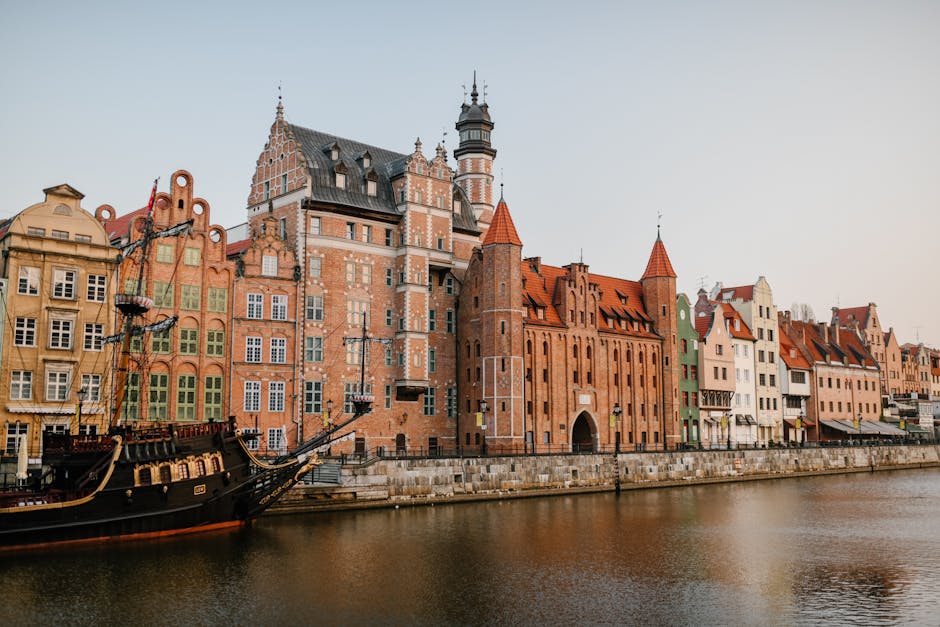
Discover the bohemian soul of Gdańsk. Explore the literary landmarks of Günter Grass, Prussian villas, and the trendy cafes of historic Wrzeszcz.
 Easy
EasyGdansk, Poland
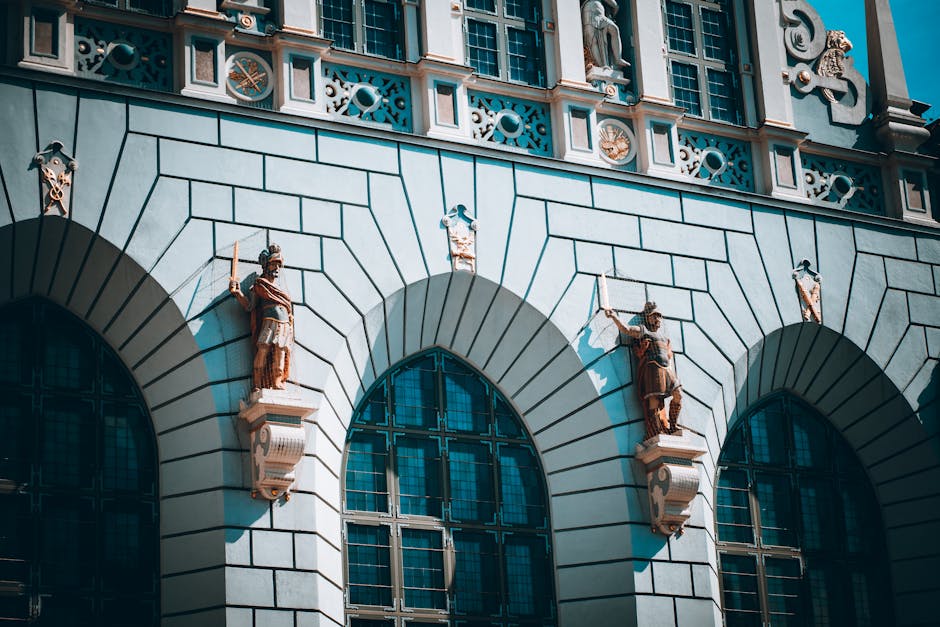
Discover the opulent Royal Way of Gdansk at your own pace. Explore Hanseatic history, gilded architecture, and the iconic Neptune's Fountain.
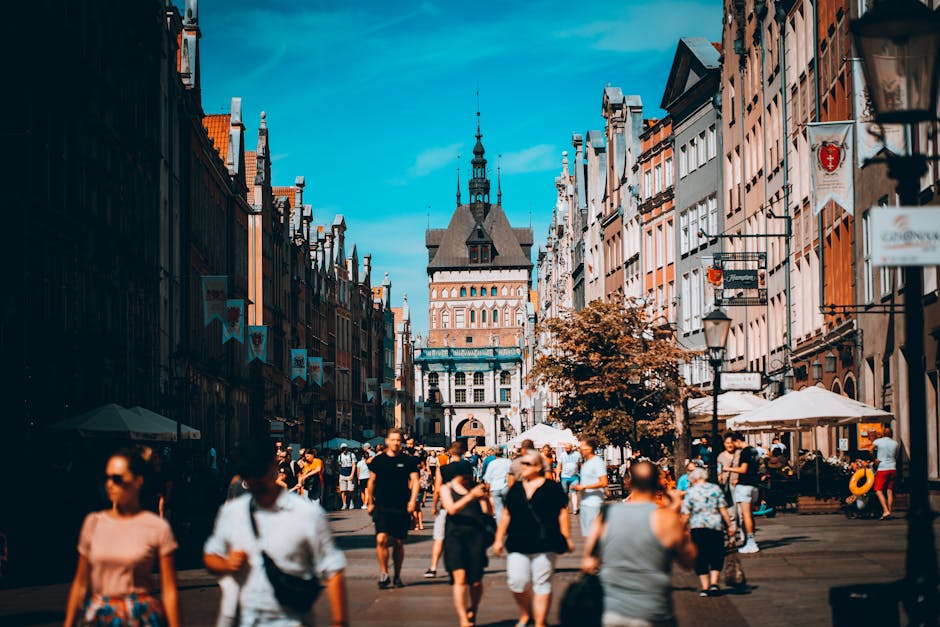 Easy
EasyGdansk, Poland
Taste the history of the Baltic. Explore Gdansk's culinary heritage from medieval markets to gold-flecked liqueurs on this self-guided walk.
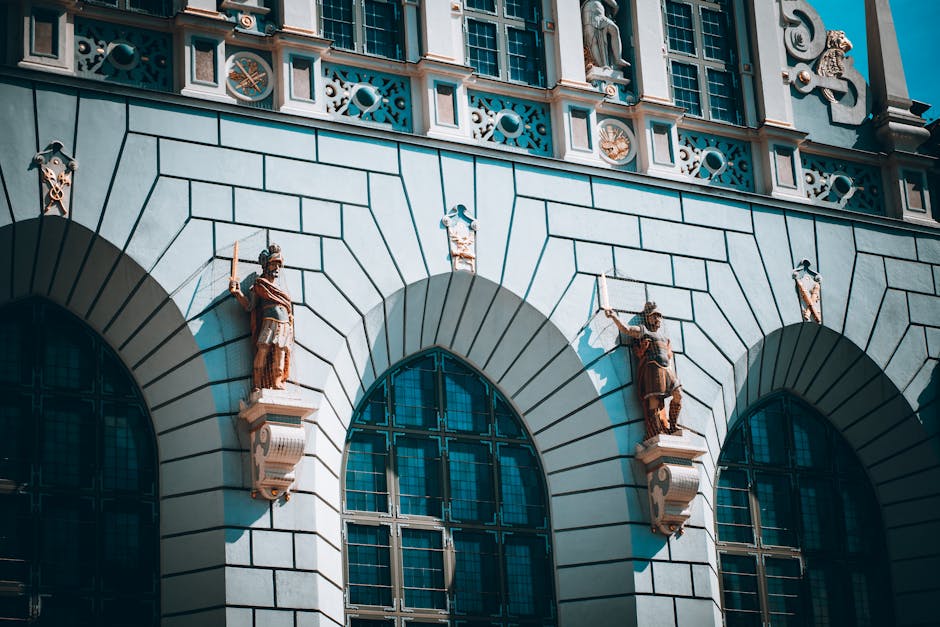 Moderate
Gdansk, Poland
Discover the origins of WWII in Gdansk on this self-guided walk through heroic last stands, massive museums, and strategic hilltop fortifications.
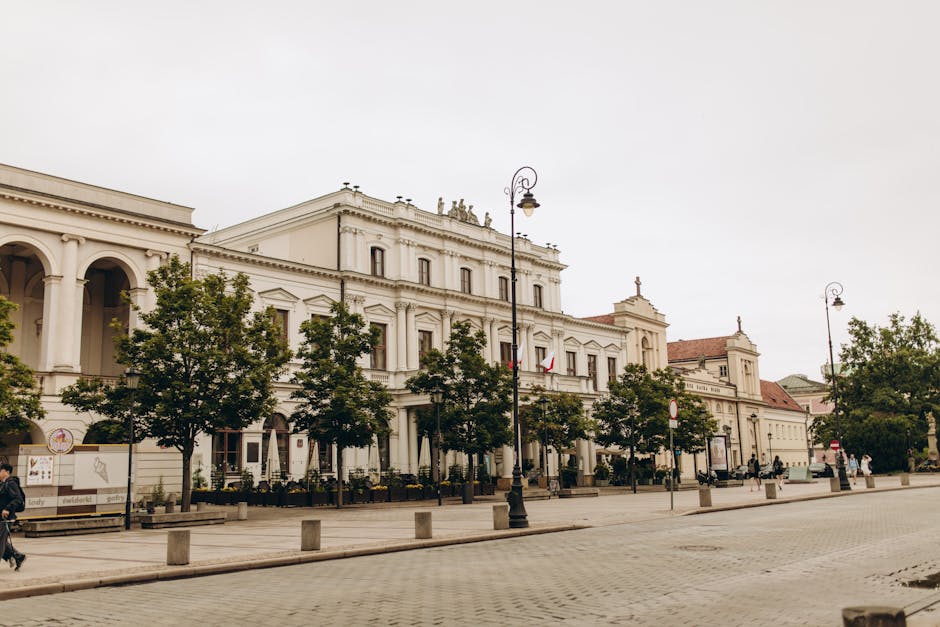 Easy
EasyWarsaw, Poland
Explore Warsaw's scenic riverfront, rooftop gardens, and industrial-chic architecture on this self-guided stroll through the Powiśle district.
 Easy
EasyHelsinki, Finland
Discover Helsinki's oldest neighborhood on this self-guided audio walk through Kruununhaka’s historic streets, hidden courtyards, and scenic shores.
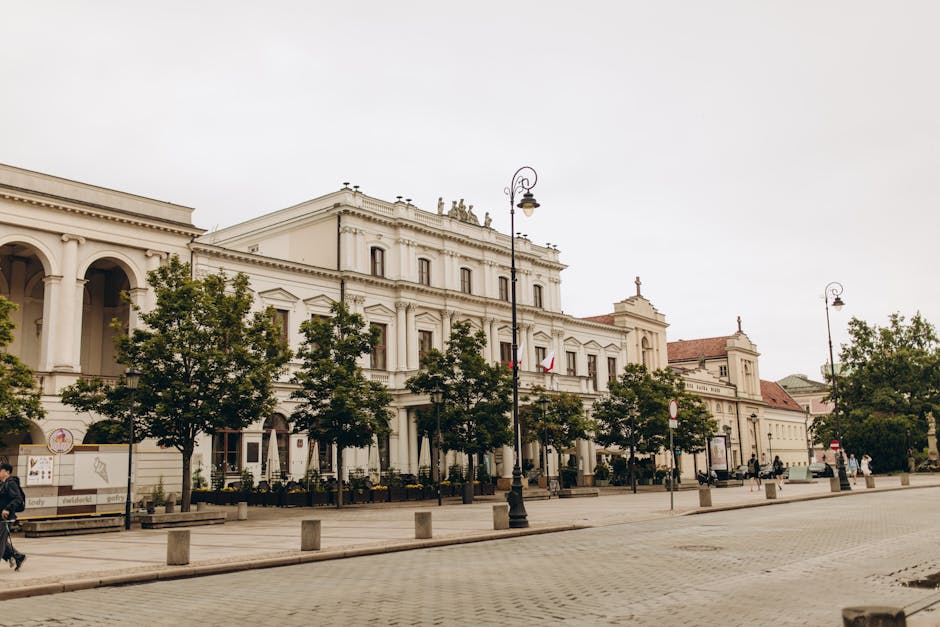 Easy
EasyWarsaw, Poland
Discover Warsaw's intellectual heart through historic campuses, peaceful parks, and the stunning rooftop gardens of the University Library.
 Easy
EasyNairobi, Kenya
Explore the history of Kenya’s independence through the statues, monuments, and parks that define Nairobi’s political heart on this self-guided walk.
 Easy
EasyKrakow, Poland
Explore the prestigious Jagiellonian University district, featuring Neo-Gothic architecture, Baroque churches, and Krakow's hidden scholarly gems.
 Easy
EasyKrakow, Poland
Explore Krakow's hidden nightlife with this self-guided walk through medieval cellars, jazz clubs, and bohemian bars in the Old Town and Kazimierz.
 Easy
EasyKrakow, Poland
Discover Krakow’s creative soul in Zabłocie, exploring industrial heritage, contemporary art museums, and avant-garde architecture at your own pace.
 Easy
EasyKrakow, Poland
Explore the historic heart of Kazimierz on this self-guided walk through synagogues, ancient cemeteries, and vibrant squares.