Self-guided audio tour in Budva
Start Free on iPhone
Start free on iPhone to unlock this self-guided walking tour in Budva. Hear all the stories that make it amazing, walk at your own pace, and begin whenever you want.
Your Private Tour Guide
Beyond the sun-drenched beaches and pulsing nightlife of the Adriatic coast lies a different side of Budva—one where ancient stone walls whisper the verses of poets and the narrow alleys are alive with the scent of dried herbs and the hum of ceramicists at work. This self-guided walk through the heart of Budva’s Old Town and its surrounds invites you to step away from the tourist crowds and immerse yourself in the creative spirit that has defined this city for centuries. From the literary legacy of Stefan Mitrov Ljubiša to the unexpected cinematic history found in a massive bronze bell, this walking route is designed for those who seek the intellectual and artistic soul of Montenegro. As you explore independently, you will discover hidden galleries, quiet libraries tucked inside fortresses, and modern sculptures that frame the sea in new ways. The journey begins near the Museum of Herbs and Spices, where the traditional scents of the Mediterranean set the stage for a sensory experience. You will navigate the labyrinthine streets of the Stari Grad (Old Town), visiting the sites where local writers once gathered and where contemporary artists now showcase their vision. The route eventually leads you out of the medieval core to the Montenegro European Art Community and finally to the legendary Old Olive Tree, a living monument that has witnessed two millennia of history. This walking route Budva offers a balanced mix of historical context and modern cultural vibrancy, making it ideal for curious travelers who want to understand the city's identity beyond the postcards. Whether you are a fan of classical literature or modern art, this neighborhood stroll provides a comprehensive look at the bohemian pulse of the Montenegrin coast. Discover at your own pace the stories of national heroes, the craftsmanship of local potters, and the enduring beauty of a city that has always been a crossroads of Mediterranean civilizations. **Note:** This area is known for its ever-changing character. Street art, pop-up venues, and temporary exhibitions may differ from what's described. That's part of the adventure - you might discover something entirely new!
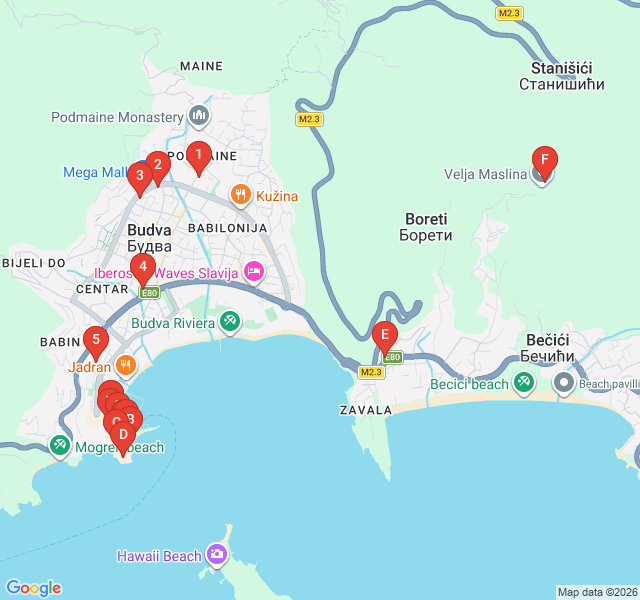
Numbers indicate the order of stops on the tour.
Start exploring with Zigway at this aromatic gateway to the Old Town. This small but evocative museum celebrates the natural bounty of the Mediterranean. For centuries, the hills surrounding Budva have provided wild sage, rosemary, lavender, and immortelle, which were used for both culinary and medicinal purposes. Inside, you can learn about traditional drying techniques and the cultural significance of these plants in Montenegrin folklore. It is a sensory introduction to the region, reminding us that the 'Bohemian' lifestyle often begins with a deep connection to the land and its natural gifts.
As you wander the narrow lanes, you will find this studio where the ancient craft of pottery is kept alive. Budva has a long history of ceramic production dating back to the Hellenistic period, and this space bridges that gap between antiquity and the modern day. Local artisans often work on-site, creating pieces inspired by the shapes of the Adriatic and the textures of the stone walls around you. Note that as a working studio, the displays and active projects change frequently, offering a unique glimpse into the city's current creative output.
This library is a sanctuary for bibliophiles within the stone walls of Stari Grad. Housing over 60,000 volumes, it serves as a critical repository for local history and literature. The quiet atmosphere here offers a sharp contrast to the bustling cafes outside. It is a place where the intellectual life of the city is nurtured, hosting readings and academic discussions. While the collection includes many modern works, the library's presence in this historic setting emphasizes the long-standing Montenegrin respect for the written word and scholarly pursuit.
Located near the water, this modern sculpture, known as 'The Sail,' is a tribute to Budva's maritime identity. Its abstract, fluid form captures the essence of the wind and the sea, serving as a popular landmark for locals. The sculpture represents the forward-looking nature of Budva's art scene, moving beyond traditional statues to embrace contemporary symbolism. It is a perfect spot to pause and observe how the light interacts with the metal surface, reflecting the changing moods of the Adriatic throughout the day.
Budva, like many Mediterranean coastal towns, has a special relationship with its feline residents. The Nigra Cat is more than just a local spot; it represents the quirky, laid-back charm of the Old Town's social life. You might notice cat-themed art or small installations in this area, reflecting a community that values its independent and slightly mysterious four-legged neighbors. It is a reminder that the bohemian spirit is often found in the small, everyday details and the local legends that give a neighborhood its character.
This bust honors one of Budva’s most famous sons, Stefan Mitrov Ljubiša. Born in 1824, he was a prominent writer and politician who fought for the rights of the South Slavs. Often called the 'Njegoš of the Coast,' his short stories and political speeches are cornerstones of Montenegrin literature. His work often focused on the struggle for freedom and the preservation of local customs. Standing before his likeness, you are looking at the man who gave a voice to the people of this coast during a time of great imperial transition.
Continuing our exploration of Budva's historical figures, we find the statue of Marko Stanishic. He represents the revolutionary spirit of the mid-20th century, honored as a national hero for his role in the resistance during World War II. The statue is a stoic reminder of the sacrifices made to protect the city's independence. In a town known for its beauty and leisure, monuments like this provide a necessary grounding in the grit and resilience of the local population throughout the 20th century.
This massive bronze bell is one of Budva's most unusual landmarks. It wasn't forged for a cathedral, but for the silver screen. It was a prop for the 1964 Viking epic 'The Long Ships,' starring Richard Widmark and Sidney Poitier, which was partially filmed in Budva. After production wrapped, the bell remained, becoming an permanent part of the cityscape. It stands as a symbol of Budva's mid-century brushes with Hollywood and its enduring appeal as a cinematic backdrop, blending fiction with the city's ancient stone reality.
Step inside the former home of the great writer you encountered earlier. This memorial house serves as a museum dedicated to his life and work. Inside, you can see personal artifacts, original manuscripts, and furniture from the 19th century. The house itself is a beautiful example of local architecture, and the exhibits explain how Ljubiša’s writing helped shape the national identity. It is an essential stop for understanding the literary foundations of the bohemian culture that still thrives in Budva today.
Founded in 1972, the Modern Gallery is a hub for contemporary art in Montenegro. It houses a significant collection of works by local and regional artists, as well as international pieces. The gallery is particularly known for its collection of expressionist and abstract works. The exhibits here are dynamic and change throughout the year, so you might encounter anything from avant-garde sculpture to experimental painting. It is the primary venue for seeing how modern Montenegrin artists interpret their heritage and the world around them.
To truly understand the layers of art and culture in Budva, one must visit the City Museum. Located in an old building in the heart of the Old Town, the museum spans four floors, covering everything from Illyrian and Roman glass and jewelry to traditional ethnographic displays. You can see how the aesthetics of the city have evolved over 2,500 years. The intricate gold jewelry found in the Budva necropolis is a highlight, showcasing the high level of craftsmanship that has existed here since antiquity.
During the summer months, this small square transforms into the intellectual heart of the city. Since 1987, the 'City Theater' festival has hosted nightly literary evenings here, where poets and authors sit in a simple stone chair and read their work to the public. Even when no event is taking place, the plaza retains a special energy. It is a space dedicated entirely to the spoken and written word, emphasizing the community's belief that literature should be a public, shared experience rather than a private one.
The Citadela is the highest point in the Old Town and offers breathtaking views of the coast. Historically a place of defense, it now houses a remarkable library and gallery. The maritime collection here is particularly fascinating, featuring rare maps and models of ships that once patrolled these waters. Walking along the ramparts, you can see the 'Budva Fish' symbol carved into the stone—a legendary motif of two lovers who transformed into fish to be together. It is the perfect place to conclude the Old Town portion of your walk.
Leaving the Old Town walls behind, head toward the marina area to find the Montenegro European Art Community. This is a more modern, grassroots initiative that focuses on contemporary art residencies and collaborative projects. It represents the 'new bohemian' Budva, where artists from across Europe come to work and exchange ideas. The space often hosts workshops and pop-up exhibitions. Because it is an active community hub, the atmosphere and art on display are highly variable, reflecting the fluid and ever-changing nature of the contemporary art world.
The final stop on this self-guided adventure is the Stara Maslina, or the Old Olive Tree. Located just a short drive or a longer walk from the center, this tree is over 2,000 years old, making it one of the oldest in the world. It is a living piece of art and a profound symbol of peace and endurance. For centuries, families would gather under its branches to resolve disputes. It represents the deep roots of Montenegrin culture—resilient, ancient, and still bearing fruit. It is a fittingly majestic end to a journey through Budva's creative and spiritual history.
Start Free on iPhone
Explore “Bohemian Budva: Art and Literature” with your very own Private Tour Guide with Zigway. Start free on iPhone, skip the large group and the fixed routes, and hear the city come alive as you go.
Your Private Tour Guide
Don't miss the good stuff
Explore Freely
 Moderate
Budva, Montenegro
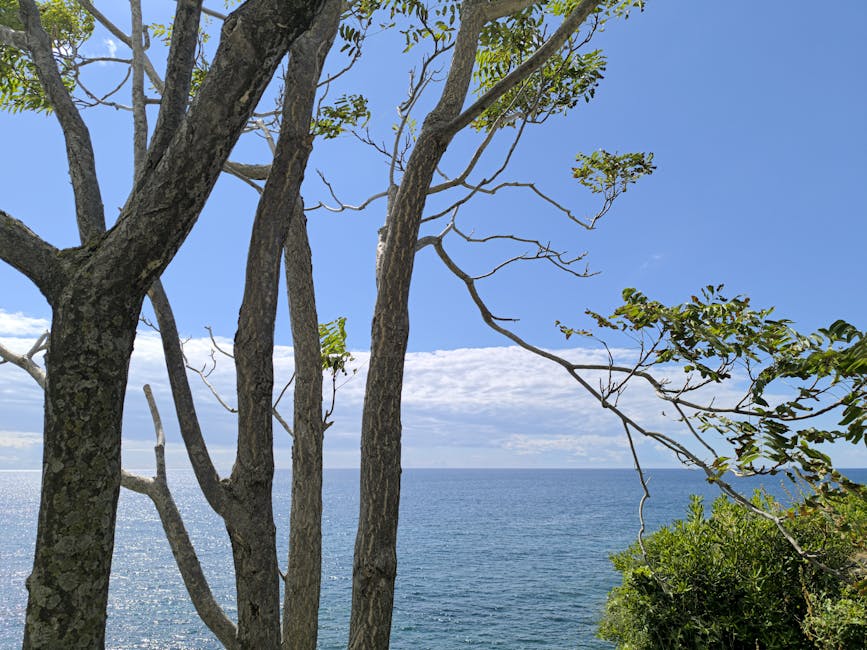
Discover Budva's hidden parks, panoramic hill views, and the stunning 'Hawaii of Montenegro' island on this refreshing self-guided audio walk.
 Moderate
Budva, Montenegro
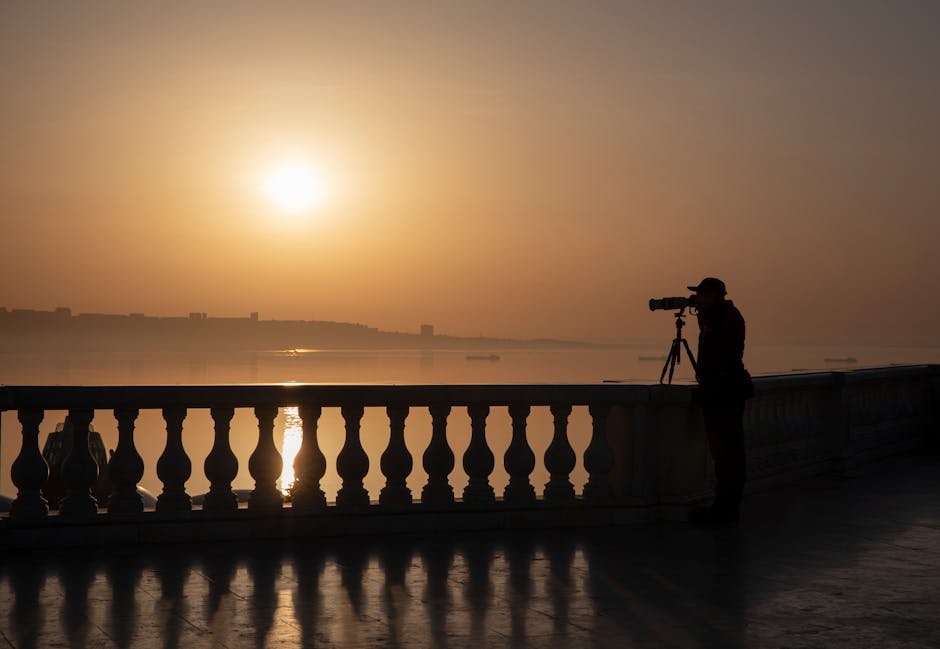
Capture Budva’s most breathtaking vistas on this self-guided audio walk through historic fortresses and scenic mountain paths at sunset.
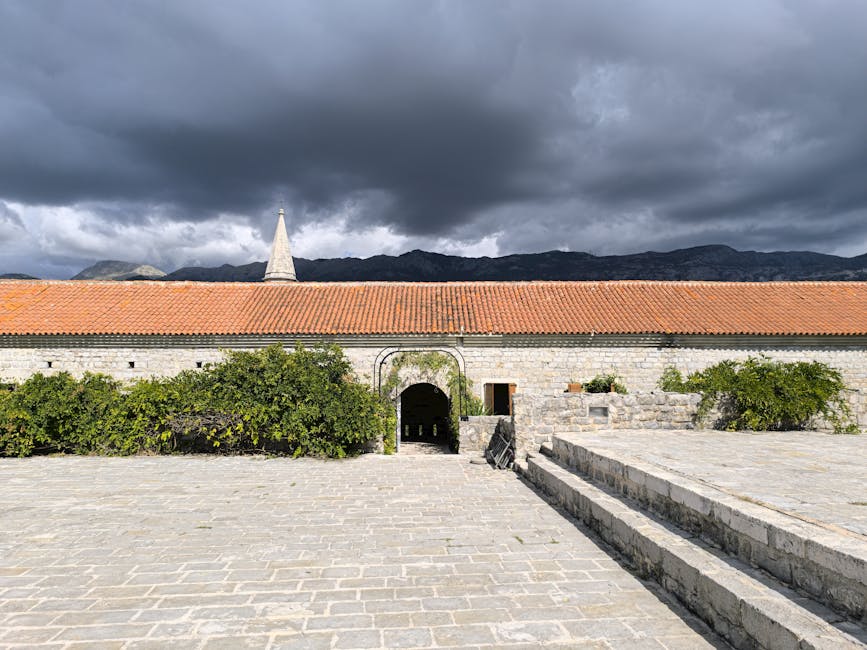 Easy
EasyBudva, Montenegro
Uncover 2,500 years of history in Budva, from Roman mosaics and ancient city gates to a 2,000-year-old olive tree on this self-guided walk.
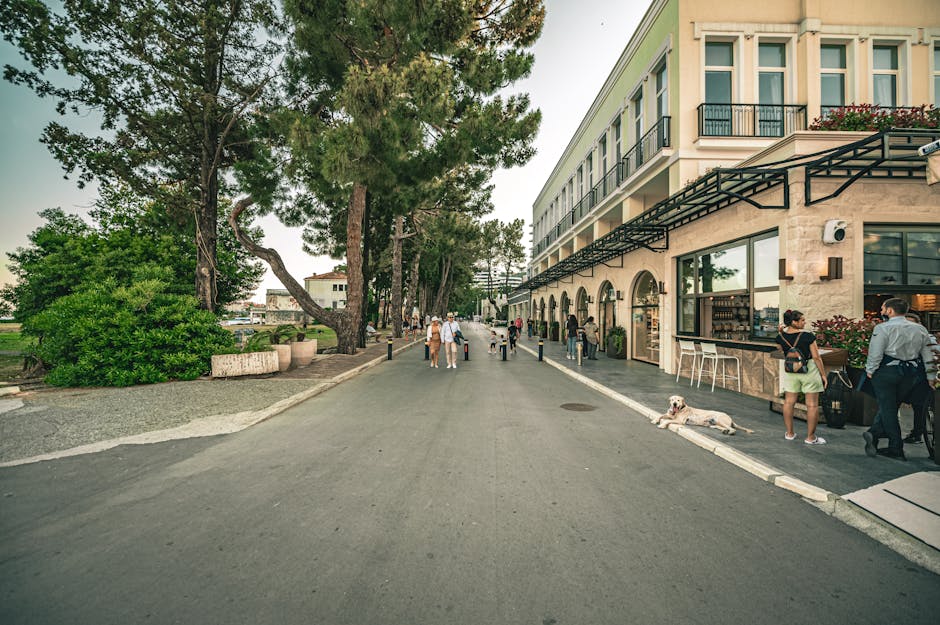 Moderate
Budva, Montenegro
Explore Budva’s spiritual heart on this self-guided walk from the Old Town’s Roman ruins to the serene hillside monasteries and panoramic viewpoints.
 Easy
EasyNairobi, Kenya
Discover Nairobi’s literary soul on this self-guided walk through historic libraries, iconic bookshops, and cultural centers in the heart of the CBD.
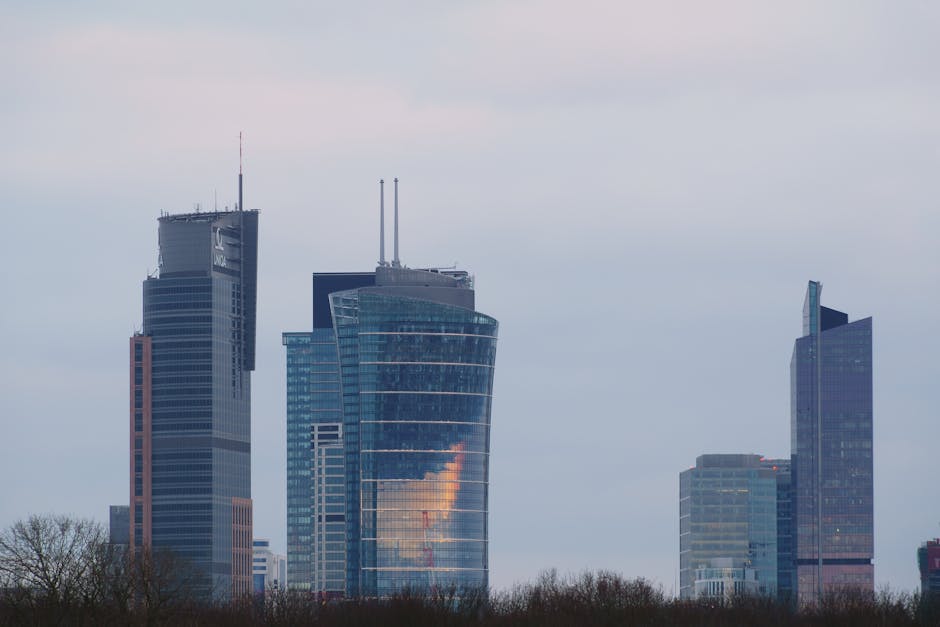 Easy
EasyWarsaw, Poland
Discover the hidden courtyards and grand pre-war architecture of Warsaw's most atmospheric neighborhood on this self-guided stroll.
 Easy
EasyKrakow, Poland
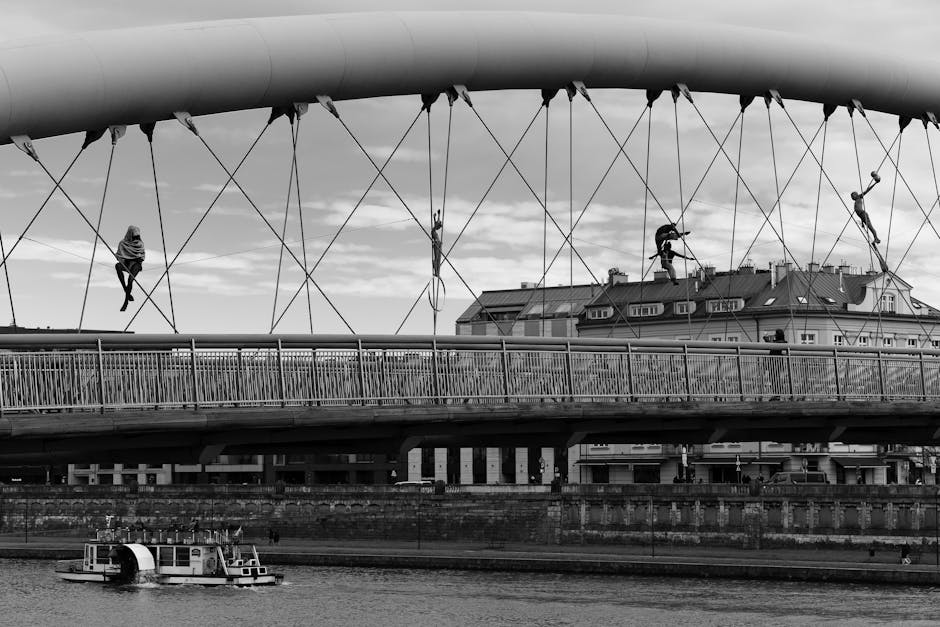
Explore the prestigious Jagiellonian University district, featuring Neo-Gothic architecture, Baroque churches, and Krakow's hidden scholarly gems.
 Easy
EasyKrakow, Poland
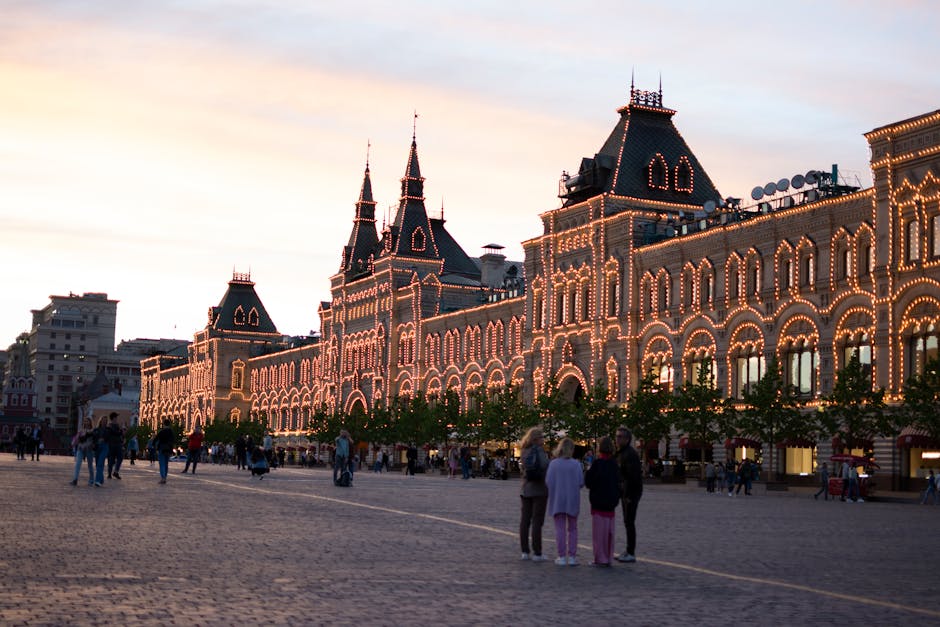
Discover Krakow’s creative soul in Zabłocie, exploring industrial heritage, contemporary art museums, and avant-garde architecture at your own pace.
 Easy
EasyKotor, Montenegro
Discover Kotor's medieval squares, Venetian palaces, and mountain fortresses on this self-guided audio walk through the historic Old Town.
 Easy
EasyKotor, Montenegro
Discover Kotor’s legendary seafaring past on this self-guided audio walk through the historic Old Town and the scenic harbor.
 Easy
EasyKotor, Montenegro
Discover Kotor’s hidden squares, Venetian bastions, and coastal paths on this flexible self-guided audio walk through the historic Old Town.
 Easy
EasyKotor, Montenegro
Explore Kotor's marble streets and meeting its famous feline residents on this charming self-guided stroll through Montenegro's cat-loving capital.