Self-guided audio tour in Warsaw
Start Free on iPhone
Start free on iPhone to unlock this self-guided walking tour in Warsaw. Hear all the stories that make it amazing, walk at your own pace, and begin whenever you want.
Your Private Tour Guide
Step into the soul of pre-war Warsaw with a self-guided walk through the enchanting Śródmieście Południowe district. While much of the city was tragically leveled during World War II, this southern pocket of downtown survived as a testament to the 'Paris of the North.' This neighborhood stroll focuses on the architectural marvels and hidden courtyards that define the area’s unique character, offering a glimpse into a world of grand tenement houses, Art Nouveau flourishes, and bohemian energy. As you explore, you will discover the 'studnie' or well-like courtyards that provided light and community to residents over a century ago. The route takes you through streets like Poznańska and Hoża, where the scars of history and the beauty of restoration live side-by-side. You will encounter the eclectic mix of styles that make this area a favorite for architecture enthusiasts, from Neo-Renaissance palaces to sleek Modernist facades. The journey continues toward the fashionable Mokotowska street, often cited as one of the most beautiful in Poland, and concludes at the vibrant Plac Zbawiciela. Whether you are interested in the resilience of urban design or simply looking for the most Instagram-worthy corners of the city, this walking route provides a deep dive into the authentic Warsaw lifestyle. By choosing to explore independently, you can linger in the quiet courtyards or stop for a coffee in one of the many local boutiques along the way. This walking tour Warsaw provides a rare opportunity to see the city through the eyes of its past inhabitants while enjoying the modern, creative spirit that now thrives in these historic spaces. It is a perfect experience for those who prefer the flexibility of an audio walk over a traditional group setting.
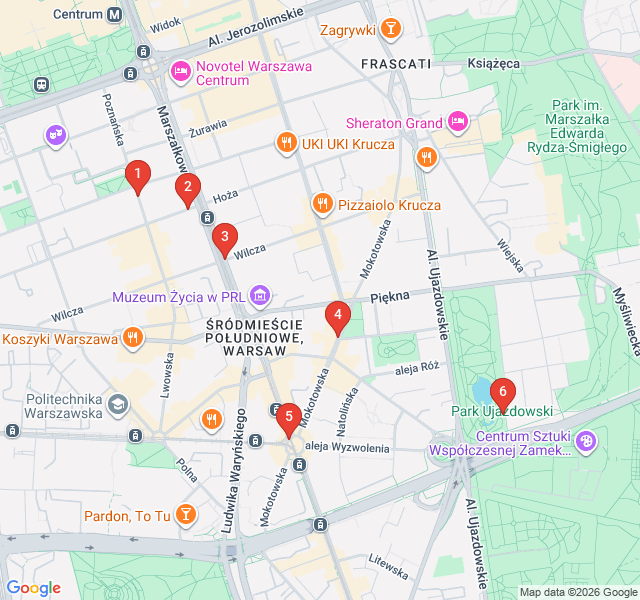
Numbers indicate the order of stops on the tour.
Begin your self-guided adventure on Poznańska Street, a rare survivor of the Second World War. As you walk, notice the intricate details of the tenement houses, particularly number 38, often called the 'Glass House.' This street was once the heart of Warsaw's diplomatic and social life. The architecture here ranges from late 19th-century Eclecticism to early 20th-century Modernism. Many of these buildings still bear the marks of history, including original gatehouses and decorative stucco. Today, the street has transformed into a culinary hub, but if you look up, you will see the same grand silhouettes that greeted Varsovians a hundred years ago. It is the perfect introduction to the resilience of the city's southern downtown.
Hoża Street offers a fascinating look at the 'studnie' or well-style courtyards that are a signature of Warsaw's historical residential blocks. Entering through the open gateways, you will find quiet spaces that feel worlds away from the city traffic. Look for number 37, a former 'Little Palace' that showcases the wealth of the pre-war bourgeoisie. Hoża was historically a street of craftsmen and small businesses, a character that persists today with its mix of specialty workshops and modern cafes. Pay attention to the variety of brickwork and the occasional religious shrine tucked into the corners of the courtyards—a common sight in Warsaw that provided comfort to residents during difficult times.
Wilcza Street serves as a bridge between the old and the new. This stretch of the neighborhood stroll highlights the eclectic nature of Warsaw's urban fabric. You will see grand Neo-Gothic facades standing right next to post-war infill buildings. The street is known for its artistic soul, housing numerous small galleries and design studios. As you walk, notice the height of the buildings; before the war, these were some of the tallest residential structures in the city. The courtyards here often hide surprising greenery and community gardens, reflecting the modern Varsovian's desire to reclaim urban space for nature and social connection.
Mokotowska is arguably the most elegant street in Warsaw. It survived the war largely intact, preserving a stretch of aristocratic residences and high-end tenement houses. The highlight here is the 'House Under the Giants' at number 51, easily recognized by the massive figures supporting the balcony. This street has always been synonymous with luxury, and today it is home to Poland's top fashion designers. Take a moment to admire the ornate portals and the wrought-iron balconies. The street’s layout follows an ancient route toward the village of Mokotów, which is why it curves gently, offering beautiful perspectives for photography at every turn.
Arrive at Plac Zbawiciela, often called the 'Hipster Square' by locals. This circular plaza is dominated by the Church of the Holiest Savior, with its twin towers and Baroque-inspired facade. The square was heavily reconstructed after the war in the Socialist Realist style, creating a unique architectural dialogue between the religious monument and the surrounding colonnades. It is the social heart of the district, where the creative crowd gathers at all hours. The geometry of the square makes it a perfect place to observe the rhythm of the city. While the famous 'Rainbow' installation is gone, the square remains a symbol of tolerance and modern Warsaw energy.
Conclude your walk in Ujazdów Park, one of the most picturesque green spaces in the city. Designed in the late 19th century by Franciszek Szanior, it is a masterpiece of landscape architecture. Unlike the formal gardens of the Royal Route, Ujazdów Park features winding paths, a scenic pond, and a variety of exotic trees. It provides a peaceful transition from the dense urban courtyards to the grand scale of the diplomatic quarter. Look for the statue of Ignacy Jan Paderewski, the famous pianist and statesman. It is a serene spot to reflect on the architectural journey you have just completed through the heart of Southern Downtown.
Start Free on iPhone
Explore “Secret Courtyards of Southern Downtown” with your very own Private Tour Guide with Zigway. Start free on iPhone, skip the large group and the fixed routes, and hear the city come alive as you go.
Your Private Tour Guide
Don't miss the good stuff
Explore Freely
 Easy
EasyWarsaw, Poland
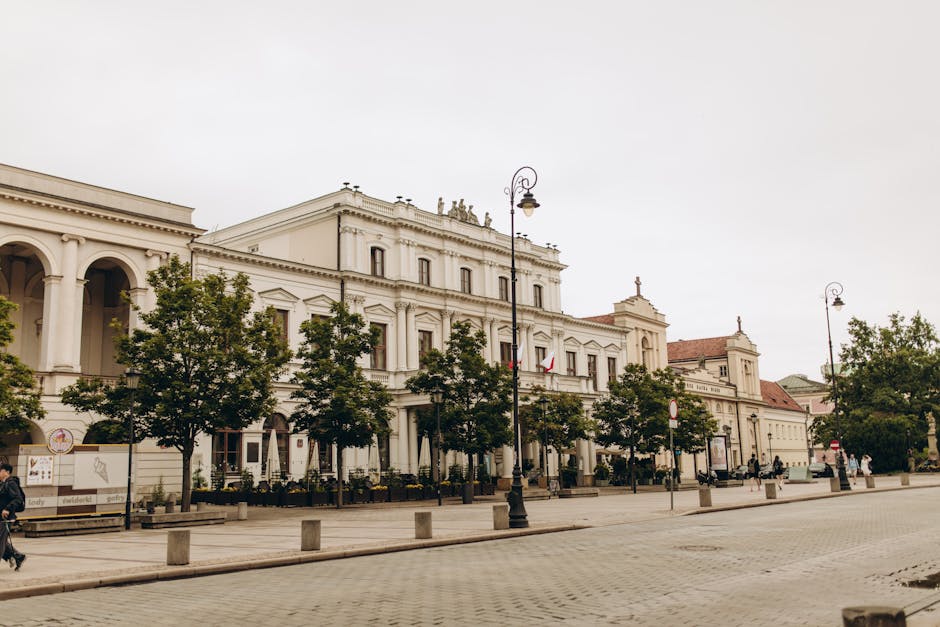
Explore the 'Polish Versailles' at your own pace. Discover Baroque architecture, royal history, and stunning gardens on this self-guided walk.
 Moderate
Warsaw, Poland
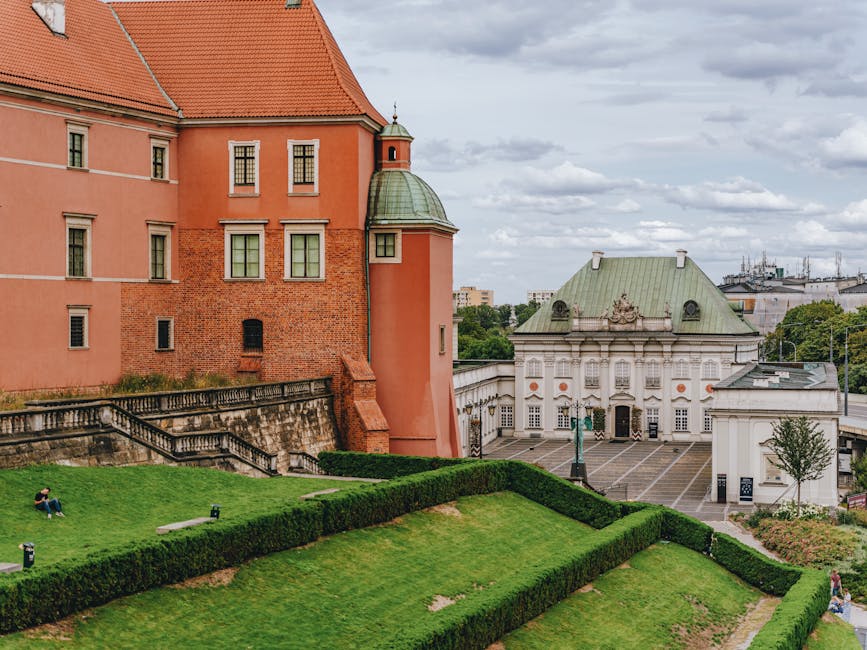
Explore the resilient spirit of Warsaw's Muranów district on this self-guided walk through the history and landmarks of the former Jewish Ghetto.
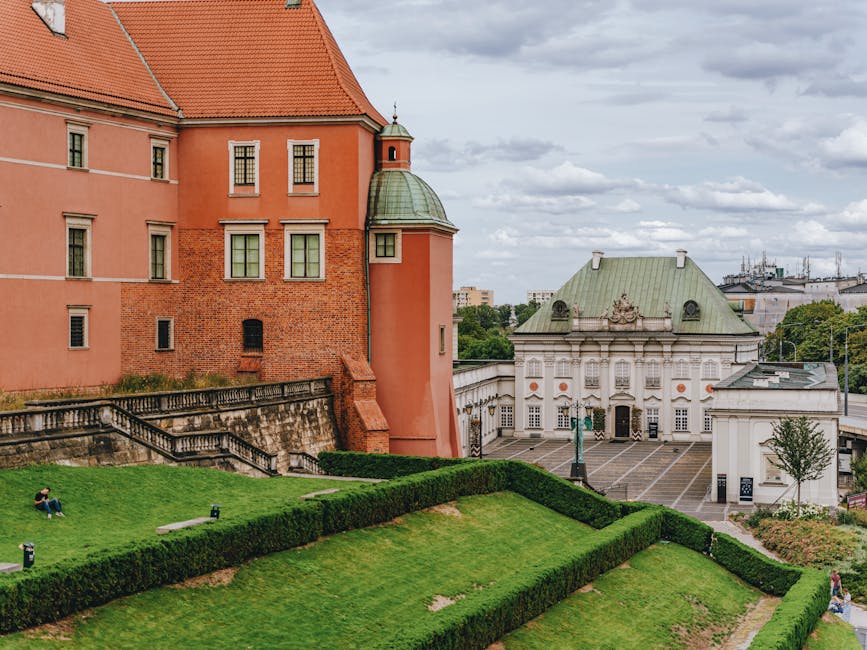 Moderate
Warsaw, Poland
A powerful self-guided walk through Warsaw's WWII history, tracking the 1944 Uprising from ruined skyscrapers to solemn memorials.
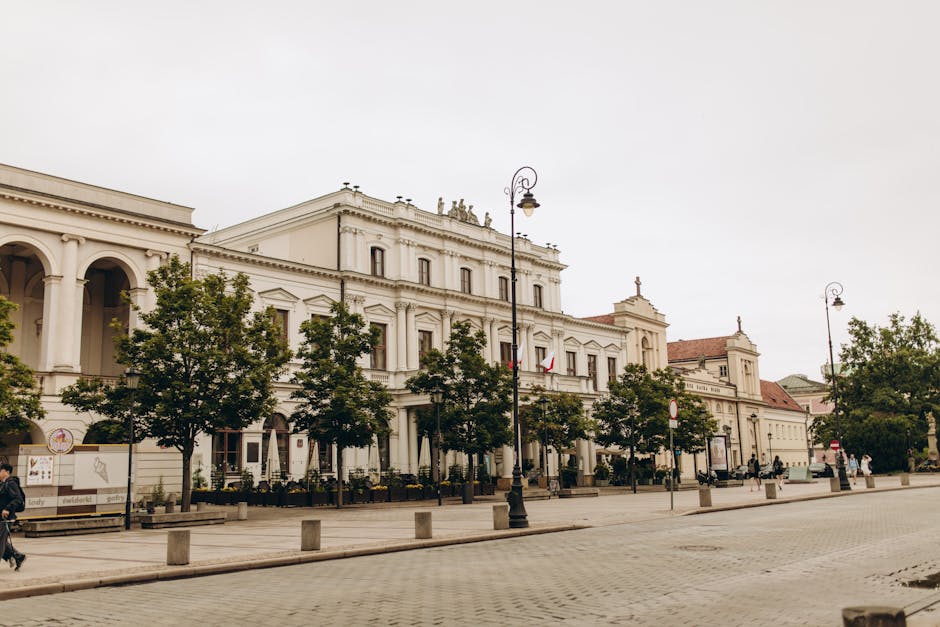 Easy
EasyWarsaw, Poland
Explore Warsaw's scenic riverfront, rooftop gardens, and industrial-chic architecture on this self-guided stroll through the Powiśle district.
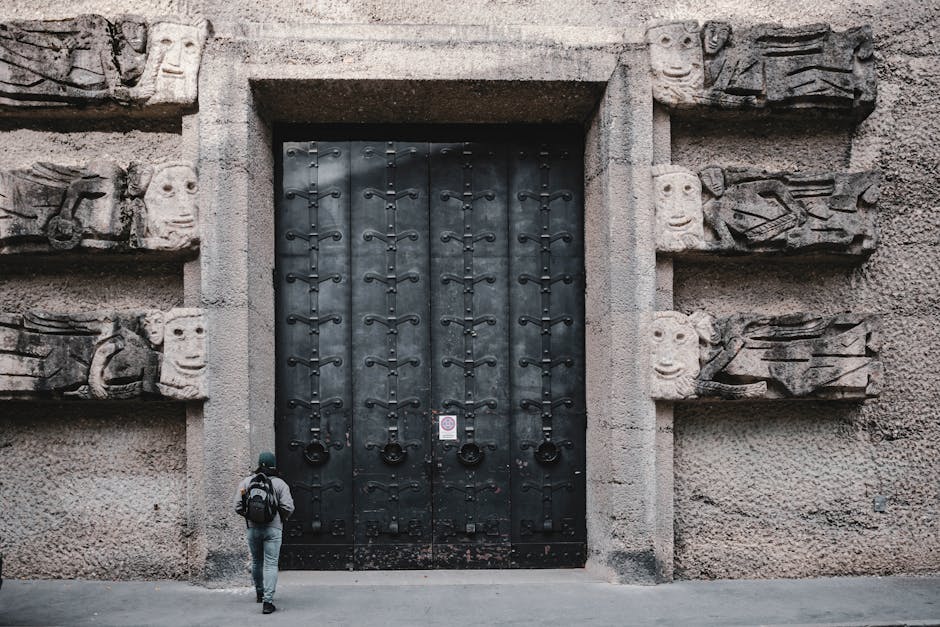 Easy
EasySalzburg, Austria
Discover Salzburg's oldest medieval alley, the birthplace of the 'Silent Night' author, and breathtaking views on this quiet self-guided walk.
 Easy
EasyGothenburg, Sweden
Explore Gothenburg’s historic wooden houses, legendary giant cinnamon buns, and panoramic fortress views on this self-guided neighborhood stroll.
 Easy
EasyGothenburg, Sweden
Explore Gothenburg's maritime soul on this self-guided walk from historic shipyards to sleek modern piers and iconic industrial landmarks.
 Easy
EasyNairobi, Kenya
Discover Nairobi's iconic skyline on this self-guided architecture walk through the CBD’s most famous modernist and Brutalist landmarks.
 Easy
EasyKrakow, Poland
Explore the prestigious Jagiellonian University district, featuring Neo-Gothic architecture, Baroque churches, and Krakow's hidden scholarly gems.
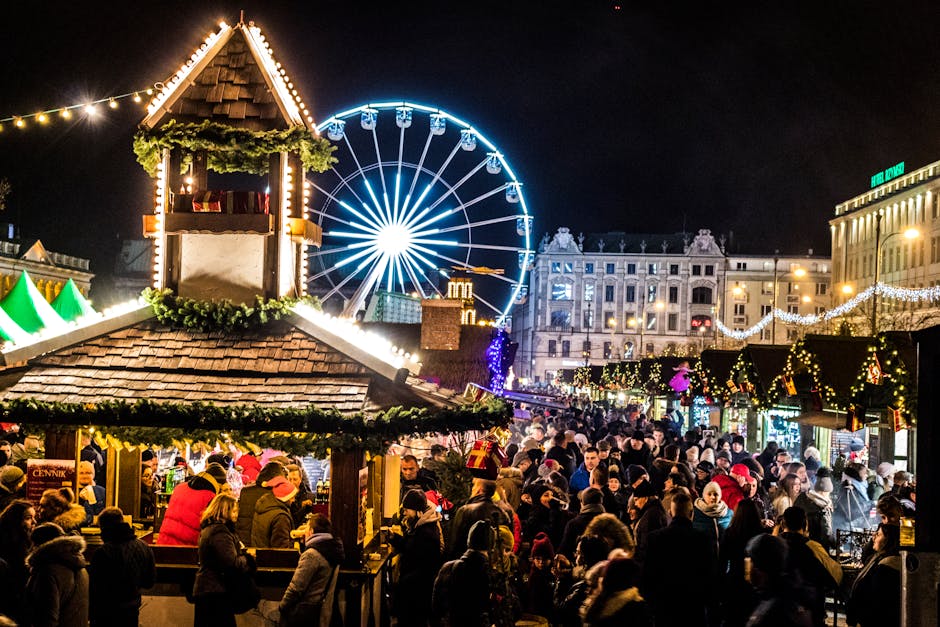 Easy
EasyKrakow, Poland
Explore Krakow's hidden nightlife with this self-guided walk through medieval cellars, jazz clubs, and bohemian bars in the Old Town and Kazimierz.
 Easy
EasyKrakow, Poland
Discover Krakow’s creative soul in Zabłocie, exploring industrial heritage, contemporary art museums, and avant-garde architecture at your own pace.
 Easy
EasyKrakow, Poland
Explore the historic heart of Kazimierz on this self-guided walk through synagogues, ancient cemeteries, and vibrant squares.