Self-guided audio tour in Kotor
Start Free on iPhone
Start free on iPhone to unlock this self-guided walking tour in Kotor. Hear all the stories that make it amazing, walk at your own pace, and begin whenever you want.
Your Private Tour Guide
Kotor is a city where history isn't just found in museums, but in the very stones of its many squares, known locally as 'pjaca.' This self-guided walk invites you to step into the social heart of this UNESCO World Heritage site, navigating a labyrinth of medieval alleys that open into vibrant communal spaces. Each square in Kotor has its own personality and historical purpose, from the bustling trade of the main plaza to the quiet, hidden corners where dairy once changed hands. On this walking route, you will experience the architectural legacy of the Venetian Empire, which ruled these shores for centuries and left behind the elegant stone palaces and formidable fortifications that define the city's skyline today. Beyond the stone walls, the journey takes an adventurous turn as it points you toward the dramatic limestone cliffs of the Lovćen massif. You will learn about the strategic importance of the city’s defense systems, including the famous Ladder of Kotor and the towering San Giovanni fortress. This audio walk is designed for those who want to discover the city's secrets at their own pace, moving from the aromatic coffee culture of the squares to the rugged heights that offer panoramic views of the Boka Bay. Whether you are intrigued by the legend of Saint Tryphon, the city’s maritime prowess, or its quirky obsession with local cats, this route provides a comprehensive cultural immersion. This self-guided adventure ensures you see the iconic landmarks, such as the Cathedral and the Sea Gate, while also finding the quieter spots that many visitors miss. It is more than a simple stroll; it is an exploration of the layers of history, from Roman foundations to Austro-Hungarian outposts, all contained within the most atmospheric old town on the Adriatic coast. Experience the authentic spirit of Montenegro as you explore Kotor independently.
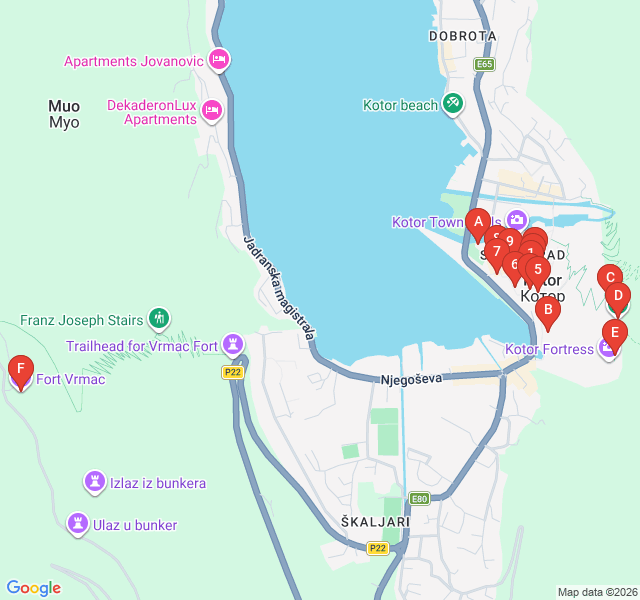
Numbers indicate the order of stops on the tour.
Welcome to Trg od Mlijeka, or Milk Square. In the days before modern refrigeration, this small, shaded plaza was the vital morning hub for the city. Farmers from the surrounding mountains would descend the steep trails at dawn to sell fresh milk, cheese, and yogurt to the townspeople. Notice the intimate scale of this square compared to others; it was designed for local utility rather than grand displays. Today, it serves as a quiet introduction to the 'pjaca' culture of Kotor, where every open space served a specific trade. Take a moment to appreciate the centuries-old stone masonry that surrounds you, a hallmark of the Venetian craftsmanship that defines the Old Town.
Moving into Museum Square, you are greeted by the Karampana, the city's only public fountain dating back to the 17th century. Before the arrival of modern plumbing, this was the social epicenter of Kotor. Women gathered here to fetch water and exchange the latest news, making it the unofficial headquarters of local gossip. The fountain's wrought-iron detail is a masterpiece of Baroque metalwork. Surrounding the square are several noble palaces, including the Grgurina Palace, which reflects the wealth and status that maritime trade brought to Kotor during its golden age. The atmosphere here changes throughout the day, shifting from a quiet morning spot to a lively afternoon hub.
Housed in the 18th-century Grgurina Palace, the Maritime Museum is a testament to Kotor's deep connection with the sea. For centuries, the men of the Boka Bay were renowned as some of the finest sailors and navigators in the Mediterranean. This building preserves the history of the 'Boka Navy,' a maritime fraternal organization that has existed for over a millennium. Even from the outside, you can see the distinctive Venetian architectural elements, such as the stone balconies supported by ornate brackets. The museum's collection of model ships, ancient maps, and naval weapons tells the story of how this small port defended itself against pirates and empires alike.
You are now standing in Saint Tryphon Square, the civic and spiritual heart of Kotor. This square has hosted every major public event in the city's history, from religious processions to political announcements. It is dominated by the Cathedral, but also surrounded by important administrative buildings like the Town Hall and the Bishop's Palace. The space is designed to impress, showing off the power of the church and the state. Notice how the narrow streets of the city converge here, making it impossible to miss. It is the perfect place to observe the daily rhythm of Kotor, as locals cross the square on their way to work or prayer.
The Cathedral of Saint Tryphon is one of only two Roman Catholic cathedrals in Montenegro and predates many of Europe's most famous churches, having been consecrated in 1166. It was built to house the relics of Saint Tryphon, the city's patron saint, which were brought here from Constantinople in the 9th century. If you look closely at the facade, you will notice the two towers are slightly different; they were rebuilt after a devastating earthquake in 1667, but the city ran out of funds to finish them identically. Inside, the silver bas-relief altar screen and the collection of 14th-century frescoes represent some of the most significant medieval art in the region.
Trg od Brašna, or Flour Square, was historically the center of the city's food supply, once lined with warehouses for grain and flour. However, the square is best known today for the magnificent palaces that frame it, particularly the Pima and Buća palaces. The Pima Palace, with its stunning long balcony supported by stone corbels, is a prime example of the transition from Renaissance to Baroque style. The Buća family, who owned the neighboring palace, were one of the most influential noble families in Kotor. This square demonstrates the duality of the city: a place of practical trade that was simultaneously a showcase for aristocratic competition and architectural beauty.
The Sea Gate is the main entrance to Kotor, built in 1555 during the Venetian period. As you pass through, notice the winged lion of Saint Mark, the symbol of Venice, carved into the stone above the arch. Also visible is a date and a quote from Tito, commemorating the city's liberation from Nazi occupation in 1944. This gate was the primary link between the city and the harbor, where ships from across the world would dock. The passage is thick and fortified, designed to withstand naval bombardments. It remains the most popular threshold for those entering the city, transitioning from the modern waterfront to the medieval world within.
Trg od Oružja, or Arms Square, is the largest and most famous plaza in Kotor. Its name comes from the Venetian period when it served as a repair shop and storage for munitions. Today, the weapons are gone, replaced by a sea of café tables and the iconic 17th-century Clock Tower. In front of the tower stands a small stone pyramid, which served as a 'pillar of shame' where local criminals were tied and humiliated before the community. This square is the city's living room, where residents meet for 'kafa' and watch the world go by. It is the grandest of all the pjacas, reflecting the city's pride and resilience.
Kotor has a curious and beloved mascot: the cat. You will see them lounging on stone steps and patrolling the squares. This feline obsession dates back centuries; cats were vital for protecting the city's grain stores and ships from rats and the diseases they carried, like the plague. The Cats Museum celebrates this history with a quirky collection of postcards, artwork, and memorabilia from around the world. It is a lighthearted stop that highlights a unique aspect of Kotor's cultural identity. The city even has a designated 'Cats Square' nearby where locals leave food and water for their furry protectors.
For a sense of Kotor's military might, look to the Kampana Tower. This massive medieval bastion is part of the city's defensive walls and guards the point where the Scurda River meets the inner bay. Walking along the ramparts here provides one of the best views of the city's fortifications as they snake up the mountainside. The tower was designed to repel invaders with thick stone walls and strategic cannon placements. Today, it offers a peaceful vantage point to look back at the terracotta rooftops of the Old Town and across the emerald waters of the fjord-like bay.
As you move through the city, you will encounter historic buildings converted into modern venues, such as the space housing Restoran Atrium. This location is a wonderful example of how Kotor preserves its architectural heritage while remaining a living, breathing city. The stone arches and open-air courtyards are typical of the Mediterranean lifestyle, where the boundary between indoors and outdoors is blurred. In these spaces, the scent of grilled seafood and local herbs often fills the air, reminding us that the culinary traditions of Kotor are as much a part of its history as the stone walls themselves.
This path serves as the gateway for those looking to leave the flat squares behind and ascend the heights above the city. The road transitions from the polished marble of the town to the rugged limestone of the mountainside. It represents the historical boundary between the protected urban center and the wild hinterland. For centuries, this was the only route for traders and shepherds coming from the old royal capital of Cetinje. As you begin to climb, the noise of the city fades, and you start to appreciate the incredible engineering required to build a city against such a steep and unforgiving landscape.
The Ladder of Kotor is a legendary trail consisting of over 70 switchbacks that climb the cliffs behind the city. This was the ancient caravan route that connected Kotor with the interior of Montenegro. While it is a challenging hike, the 'ladder' offers a unique perspective on the city's geography. From here, you can see the triangular layout of the Old Town and the sheer scale of the walls. It was used by mountain dwellers to bring wood and meat to the market and by the military to scout for approaching enemies. The path is a testament to the endurance and grit of the people who inhabited this region.
Perched 280 meters above sea level, the Fortress of San Giovanni (St. John) is the crown jewel of Kotor's defenses. To reach it, one must climb over 1,350 steps, but the reward is arguably the most famous view in the Balkans. The fortifications here date back to the Illyrian times, with the Venetians and Austro-Hungarians adding their own layers of defense. Looking down, the bay looks like a giant blue mirror reflecting the surrounding peaks. The fortress itself is a sprawling complex of walls, gates, and ruins, standing as a silent sentinel over the city for over a thousand years.
Visible on the ridge across the bay, Fort Vrmac is a reminder of the more recent Austro-Hungarian influence in the region. Built in the late 19th century, it was part of a sophisticated defensive network designed to protect the naval base at Tivat. Unlike the medieval walls of Kotor, Vrmac is a product of modern military engineering, built to withstand heavy artillery. For those who enjoy history and hiking, the trek to Vrmac provides a different angle on the Boka Bay, looking back toward Kotor and the San Giovanni fortress. It marks the end of our journey through the strategic and social landscapes of this incredible coastal enclave.
Start Free on iPhone
Explore “Pjaca Hop: The Squares and Social Life” with your very own Private Tour Guide with Zigway. Start free on iPhone, skip the large group and the fixed routes, and hear the city come alive as you go.
Your Private Tour Guide
Don't miss the good stuff
Explore Freely
 Easy
EasyKotor, Montenegro
Discover Kotor’s legendary seafaring past on this self-guided audio walk through the historic Old Town and the scenic harbor.
 Easy
EasyKotor, Montenegro
Discover Kotor’s hidden squares, Venetian bastions, and coastal paths on this flexible self-guided audio walk through the historic Old Town.
 Easy
EasyKotor, Montenegro
Explore Kotor's marble streets and meeting its famous feline residents on this charming self-guided stroll through Montenegro's cat-loving capital.
 Easy
EasyKotor, Montenegro
Capture the soul of Kotor on this self-guided photography walk through narrow alleys, Venetian ruins, and historic bastions.
 Easy
EasyNairobi, Kenya
Discover Nairobi's iconic skyline on this self-guided architecture walk through the CBD’s most famous modernist and Brutalist landmarks.
 Easy
EasyGothenburg, Sweden
Discover Gothenburg’s 17th-century Dutch foundations, historic canals, and military fortifications on this self-guided architectural walk.
 Easy
EasyNairobi, Kenya
Explore Nairobi's architectural evolution from colonial-era landmarks to iconic Brutalist skyscrapers on this historic self-guided walking route.
 Easy
EasySalzburg, Austria
Discover the 'Rome of the North' on this self-guided walk through the Baroque squares and monumental legacy of Salzburg’s Prince-Archbishops.
 Moderate
Budva, Montenegro
Discover Budva's hidden parks, panoramic hill views, and the stunning 'Hawaii of Montenegro' island on this refreshing self-guided audio walk.
 Moderate
Budva, Montenegro
Capture Budva’s most breathtaking vistas on this self-guided audio walk through historic fortresses and scenic mountain paths at sunset.
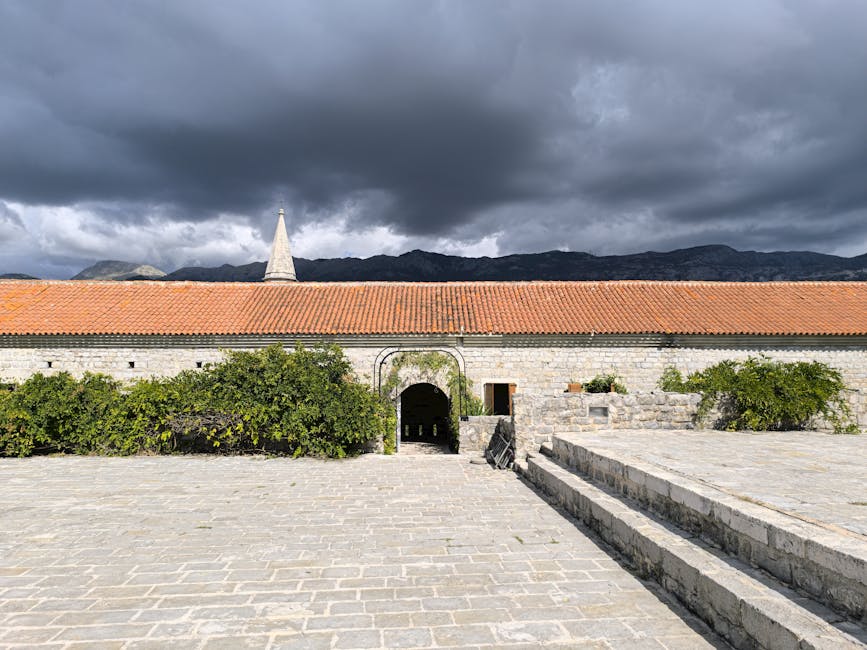 Easy
EasyBudva, Montenegro
Uncover 2,500 years of history in Budva, from Roman mosaics and ancient city gates to a 2,000-year-old olive tree on this self-guided walk.
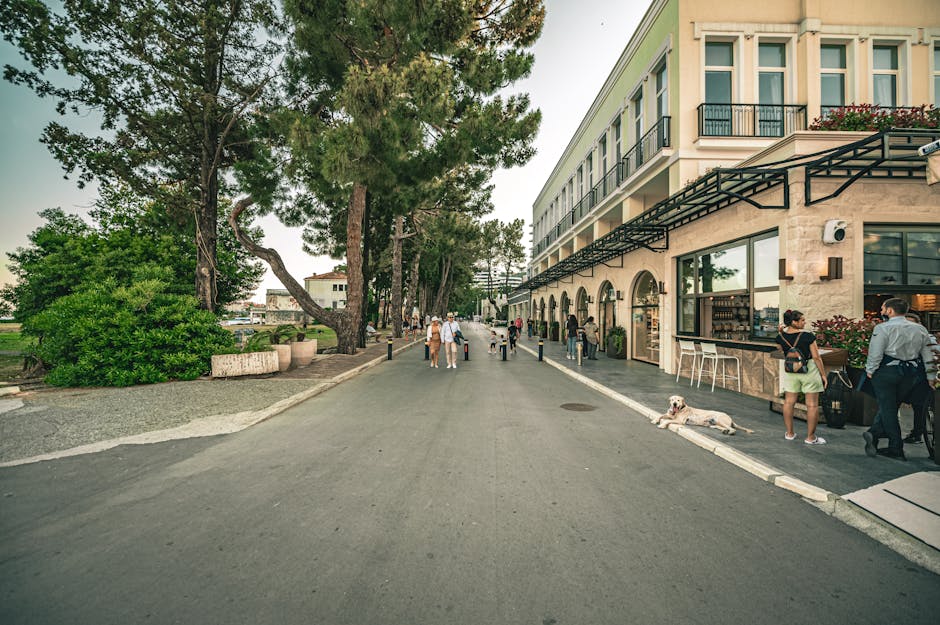 Moderate
Budva, Montenegro
Explore Budva’s spiritual heart on this self-guided walk from the Old Town’s Roman ruins to the serene hillside monasteries and panoramic viewpoints.