Self-guided audio tour in Kotor
Start Free on iPhone
Start free on iPhone to unlock this self-guided walking tour in Kotor. Hear all the stories that make it amazing, walk at your own pace, and begin whenever you want.
Your Private Tour Guide
Step into a world where history and whiskers intertwine on this self-guided walking route through the UNESCO-listed Old Town of Kotor. Known globally as the 'City of Cats,' Kotor offers a unique cultural experience where hundreds of feline residents roam the polished marble streets, acting as unofficial guardians of the ancient stone walls. This neighborhood stroll takes you beyond the standard sightseeing to explore the deep-rooted bond between the people of Kotor and their furry companions, a relationship that dates back centuries to when the city was a thriving maritime hub. On this walking tour Kotor reveals its secrets through the lens of its most famous inhabitants, visiting squares where they congregate and museums dedicated to their legacy. While exploring independently, you will discover that these cats aren't just pets; they are living symbols of the city’s resilience. Historically, cats protected Kotor’s grain supplies and ships from rats, helping to prevent the spread of the plague. Today, they are cared for by the local community and international visitors alike. This self-guided walk leads you through the winding 'pjacas' (squares) and narrow 'kalas' (alleys), passing by the iconic Karampana Well and the historic Sea Gate. You will have the opportunity to visit the quirky Cats Museum and browse feline-themed artisanal crafts at local boutiques. For those looking for a bit of adventure, the route also points toward the Ladder of Kotor and the San Giovanni fortress, offering breathtaking views of the Bay of Kotor. Whether you are a photography enthusiast looking for the perfect 'cat-on-a-cobblestone' shot or a history buff interested in Venetian architecture, this walking tour Kotor experience provides a charming and flexible way to see the city. Start exploring with Zigway and discover why this Adriatic gem is a paradise for cat lovers and culture seekers.
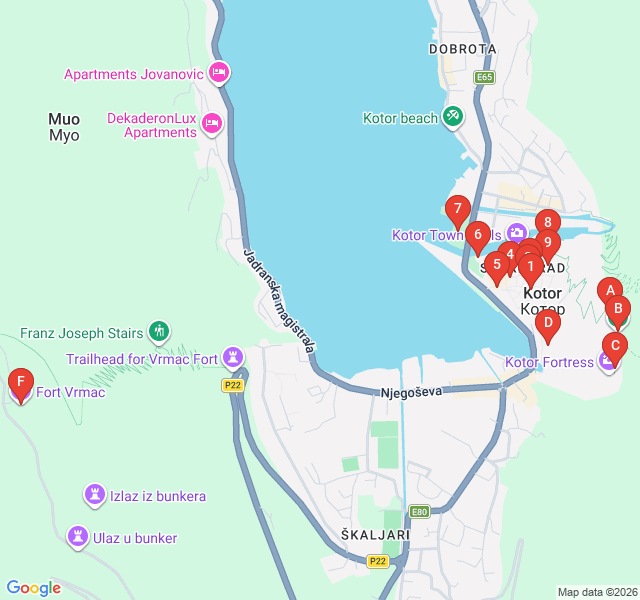
Numbers indicate the order of stops on the tour.
Welcome to the unofficial headquarters of Kotor's feline population. Pjaca od Kino, or Cinema Square, is one of the quietest and most atmospheric spots in the Old Town. Here, you’ll likely find dozens of cats lounging on the stone steps of the former monastery or sunning themselves on the cafe chairs. This square got its name from the city's first cinema, which was housed in the 16th-century building of the former San Francesco monastery. As you begin your self-guided adventure, take a moment to observe how the locals interact with the cats—bringing them food and fresh water, a tradition that has kept this community thriving for generations.
As you wander into the heart of the Old Town, you are stepping into a UNESCO World Heritage site that has survived earthquakes and empires. The layout is a deliberate labyrinth designed to confuse invaders, with narrow streets and irregular squares. Look up at the balconies and you might see cats perched among the laundry lines and flower pots. The town’s architecture is heavily influenced by the Venetian Republic, which ruled here for nearly four centuries. Notice the intricate stone carvings and the heraldry above the doorways, many of which still belong to the noble families of Kotor’s maritime past.
The Karampana Well is the only source of fresh water within the city walls that has been in continuous use since the 17th century. In the days before modern plumbing, this was the social heart of Kotor, where women gathered to fetch water and exchange gossip. Today, it remains a popular meeting spot—not just for people, but for thirsty cats who often wait by the wrought-iron enclosure for a drink. The beautiful Baroque metalwork is a masterpiece of local craftsmanship. It serves as a reminder of a time when the well was the lifeblood of the community, sustaining both the human and animal residents through long Mediterranean summers.
If you are a fan of quirky history, the Cats Museum is an essential stop. This small, fascinating institution doesn't house live cats—though you'll find plenty at the door—but rather a massive collection of feline-themed memorabilia. From vintage postcards and advertisements to medallions and ancient lithographs, the museum chronicles our obsession with cats through the ages. It was founded after a large donation of period images from an Italian countess. The museum’s mission is to promote the protection of animals, and a portion of your entry fee goes toward caring for the local street cats you’ve seen on this walking route.
The Sea Gate is the main entrance to the city, built in 1555 during the Venetian period. As you pass through, look for the winged Lion of Saint Mark, the symbol of Venice, which still guards the passage. Above the gate, a stone inscription commemorates the city's liberation from Nazi occupation in 1944. This gate has seen centuries of sailors, merchants, and travelers. For the cats of Kotor, the gate represents the historic link to the harbor, where fishing boats have arrived for centuries, often bringing back scraps for the feline residents waiting on the quay.
Rising above the Scurda River, the Kampana Tower is a formidable part of Kotor's medieval fortifications. Built in the 13th and 14th centuries, it was expanded by the Venetians to withstand artillery fire. If you walk along the top of the nearby walls, you’ll get a fantastic view of the river meeting the bay. The tower and its connecting walls are a testament to Kotor’s strategic importance. Even here, in the high stone crevices of the battlements, you may spot a stray cat watching the world go by from a safe, elevated vantage point.
Just outside the northern walls lies Park Slobode, or Liberty Park. This green space offers a rare break from the stone-heavy environment of the Old Town. It’s a favorite spot for local cats to hunt in the grass or nap under the shade of the Mediterranean trees. From here, you can look back at the impressive scale of the city walls as they begin their steep ascent up the mountain. It’s a peaceful place to rest for a moment and enjoy the sea breeze before heading back into the dense urban fabric of the historic center.
Located near the River Gate, Wood Square (Trg od Drva) is a spacious plaza often used for local markets. It is surrounded by historic buildings and outdoor cafes. The square is less crowded than the main entrance, making it a prime location for the more timid cats of the neighborhood. The name comes from the historical wood market that took place here. As you explore, notice the contrast between the rugged limestone mountains towering directly above and the refined stone architecture of the square itself.
For a meaningful souvenir, visit the Cats of Kotor shop. This isn't just a retail space; it's a hub for cat-related charity in the city. They sell beautiful, locally-made handicrafts, jewelry, and art, all featuring feline designs. A significant portion of the proceeds is dedicated to feeding and providing medical care for the town's cat population. It’s a great example of how the 'Cat City' brand is used to actively improve the lives of the animals that make the town so famous. You might even find a resident shop cat napping on the merchandise.
This stretch of the inner perimeter road allows you to see the domestic side of Kotor. Away from the main tourist squares, you’ll see the small details of daily life: shutters painted in 'Kotor Green,' narrow alleyways barely wide enough for two people, and the occasional bowl of kibble left outside a doorway. This area is where the feline community is most integrated into the fabric of the neighborhood. The cats here are often the 'mascots' of specific streets, recognized and named by the residents who live in the apartments above.
Looking up from the back of the city, you’ll see the start of the Ladder of Kotor. This ancient caravan trail was once the only connection between Kotor and the old Montenegrin capital of Cetinje. It consists of over 70 switchbacks carved into the mountainside. While the full hike takes hours, the lower sections offer a glimpse into how rugged life was for those transporting goods by mule. Even on these rocky trails, you’ll often encounter hardy 'mountain cats' who have wandered up from the town in search of lizards or a quiet place to observe the bay.
High above the town sits the Fortress of San Giovanni (St. John). While reaching the very top requires a strenuous climb of 1,350 steps, the lower bastions are easily accessible and offer stunning views of the red-tiled roofs below. The fortifications were built incrementally from the 9th to the 19th centuries. From this height, you can see the entire layout of the town and understand why it was so easily defended. If you choose to climb, you'll likely be joined by a few adventurous cats who seem to navigate the steep stone steps with far more ease than the human visitors.
Located in a beautiful historic courtyard, Restoran Atrium represents the sophisticated side of Kotor’s culinary scene. Even here, in the shadow of ancient stone arches, the cats are welcome guests. It’s common to see a sleek feline weaving between the tables of diners enjoying fresh seafood or Montenegrin wine. This stop highlights the Mediterranean 'live and let live' philosophy that defines the city. The architecture of the atrium itself, with its vaulted ceilings and stone pillars, provides a perfect backdrop for a mid-walk break.
The Gurdic Bastion guards the southern entrance to Kotor. This area is unique because of the Gurdic Spring, which creates a powerful water flow out of the mountain during rainy periods, and a calm pond during the summer. The gate here features a drawbridge and is much narrower than the Sea Gate, designed for maximum defense. The damp, cool environment around the bastion is a favorite summer hangout for cats looking to escape the heat. It’s one of the most picturesque and quiet corners of the fortifications, offering a different perspective on the city walls.
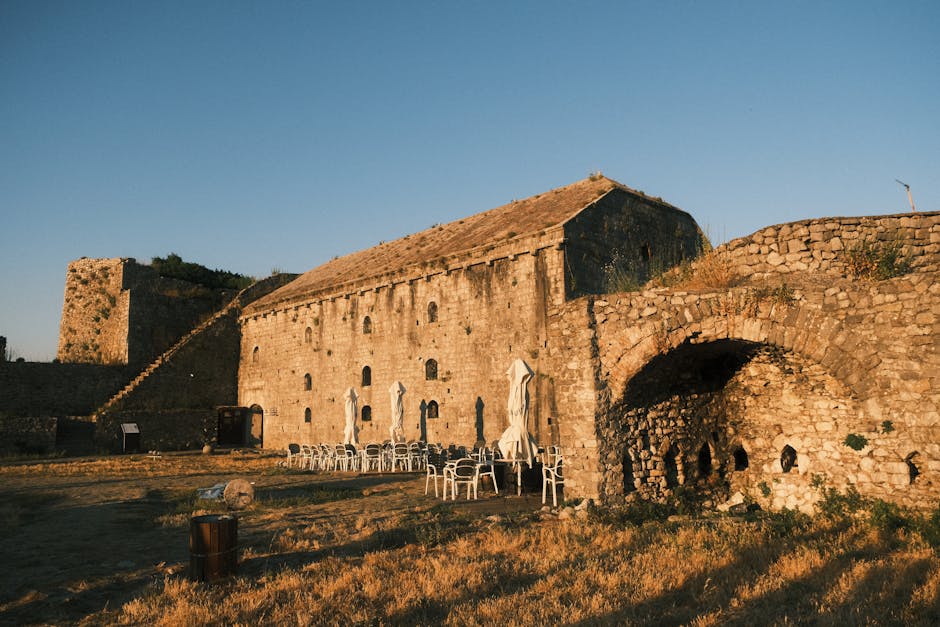
Our final stop is a reference to the broader defenses of the bay. Fort Vrmac sits on the ridge across from Kotor and was a key Austro-Hungarian fortification. While it requires a drive or a long hike to reach the physical fort, looking toward the Vrmac ridge from the harbor side of Kotor reminds us of the city's complex military history. From the waterfront near the southern gate, you can see how the bay is perfectly enclosed by mountains, creating a natural harbor that cats and humans alike have called home for over two millennia. This concludes your self-guided walk through the history and habitats of Kotor's most famous residents.
Start Free on iPhone
Explore “Purrs and Plazas: The Cats of Kotor” with your very own Private Tour Guide with Zigway. Start free on iPhone, skip the large group and the fixed routes, and hear the city come alive as you go.
Your Private Tour Guide
Don't miss the good stuff
Explore Freely
 Easy
EasyKotor, Montenegro
Discover Kotor's medieval squares, Venetian palaces, and mountain fortresses on this self-guided audio walk through the historic Old Town.
 Easy
EasyKotor, Montenegro
Discover Kotor’s legendary seafaring past on this self-guided audio walk through the historic Old Town and the scenic harbor.
 Easy
EasyKotor, Montenegro
Discover Kotor’s hidden squares, Venetian bastions, and coastal paths on this flexible self-guided audio walk through the historic Old Town.
 Easy
EasyKotor, Montenegro
Capture the soul of Kotor on this self-guided photography walk through narrow alleys, Venetian ruins, and historic bastions.
 Easy
EasyInnsbruck, Austria
Uncover the myths and legends of Innsbruck on this self-guided walk through the historic Altstadt and beyond.
 Easy
EasySalzburg, Austria
Discover Salzburg's oldest medieval alley, the birthplace of the 'Silent Night' author, and breathtaking views on this quiet self-guided walk.
 Easy
EasyGothenburg, Sweden
Explore Gothenburg's elegant academic district, featuring grand 19th-century stone architecture and the iconic cultural hub of Götaplatsen.
 Easy
EasyNairobi, Kenya
Discover Nairobi's iconic skyline on this self-guided architecture walk through the CBD’s most famous modernist and Brutalist landmarks.
 Moderate
Budva, Montenegro
Discover Budva's hidden parks, panoramic hill views, and the stunning 'Hawaii of Montenegro' island on this refreshing self-guided audio walk.
 Moderate
Budva, Montenegro
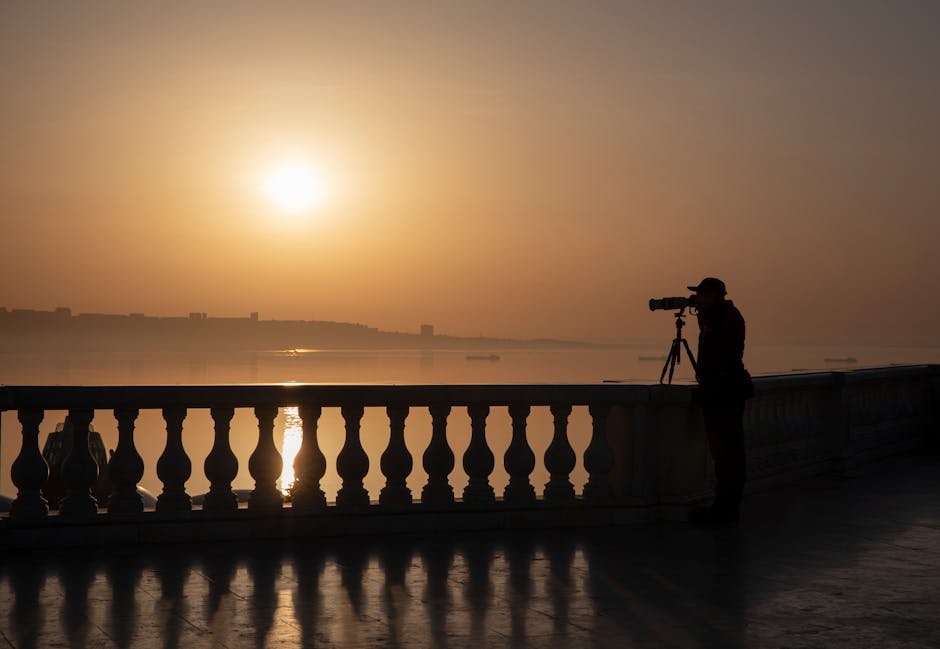
Capture Budva’s most breathtaking vistas on this self-guided audio walk through historic fortresses and scenic mountain paths at sunset.
 Easy
EasyBudva, Montenegro
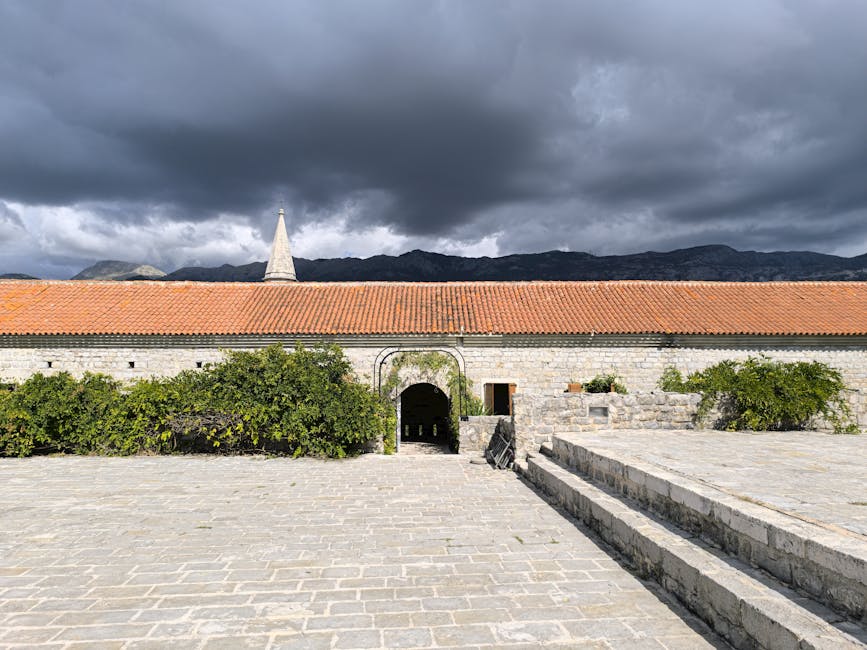
Uncover 2,500 years of history in Budva, from Roman mosaics and ancient city gates to a 2,000-year-old olive tree on this self-guided walk.
 Moderate
Budva, Montenegro
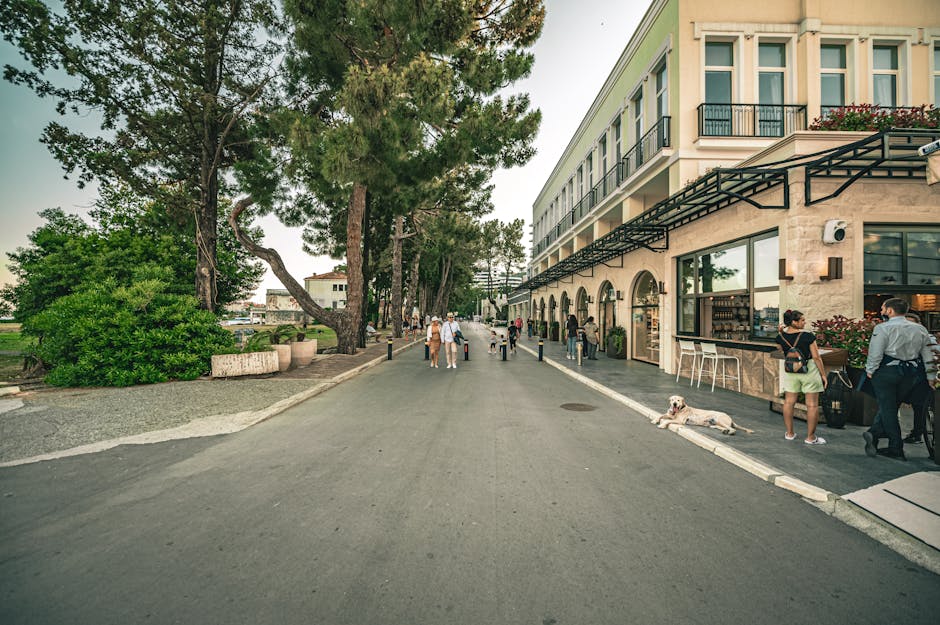
Explore Budva’s spiritual heart on this self-guided walk from the Old Town’s Roman ruins to the serene hillside monasteries and panoramic viewpoints.