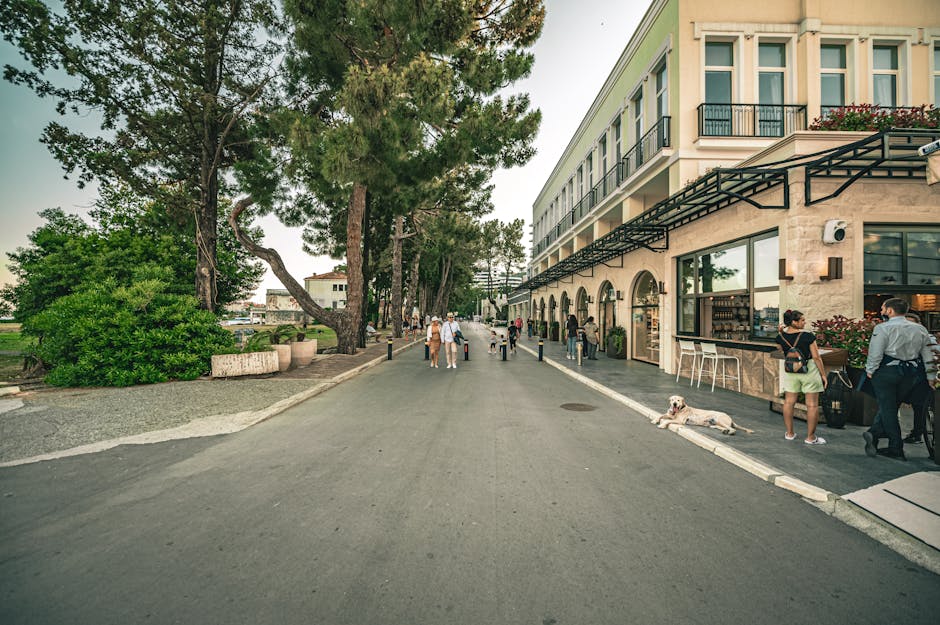
Self-guided audio tour in Budva
Start Free on iPhone
Start free on iPhone to unlock this self-guided walking tour in Budva. Hear all the stories that make it amazing, walk at your own pace, and begin whenever you want.
Your Private Tour Guide
Beyond the sun-drenched beaches and vibrant nightlife of Budva lies a path of profound quietude and ancient history. This self-guided walk invites you to leave the coastal crowds behind and ascend into the hills of the Maini district, where centuries-old stone walls hold stories of faith, resilience, and artistic mastery. Your journey begins within the sturdy Venetian fortifications of the Old Town, where the Square of Poets and the Roman-era Necropolis speak to a civilization that has thrived here for over two millennia. As you navigate the narrow limestone alleys, you will discover how Budva’s maritime identity blended with its spiritual heritage. The route then transitions from the medieval urban core to the lush, rising slopes of the hinterland. The highlight of this neighborhood stroll is the Podmaine Monastery, a 15th-century sanctuary that served as a summer residence for the prince-biscounts of Montenegro. Here, the scent of incense and the sight of meticulously restored frescoes offer a stark, beautiful contrast to the bustling Adriatic below. This walking route Budva offers is not just a physical climb, but a journey through time, connecting the Roman ruins of the coast with the Orthodox sanctuaries of the mountains. As you reach the higher viewpoints, such as Stanisici, you are rewarded with panoramic vistas of the Budva Riviera, the island of Sveti Nikola, and the sapphire expanse of the sea. This experience is designed for those who seek to understand the soul of Montenegro at their own pace. Whether you are admiring the modern art at the Jovo Ivanovic Gallery or trekking the ancient paths toward the Duljevo Monastery, this self-guided adventure provides the flexibility to linger where the views are most breathtaking and the history most compelling. It is a rare opportunity to see Budva not just as a holiday resort, but as a living museum of Balkan history and spiritual devotion.
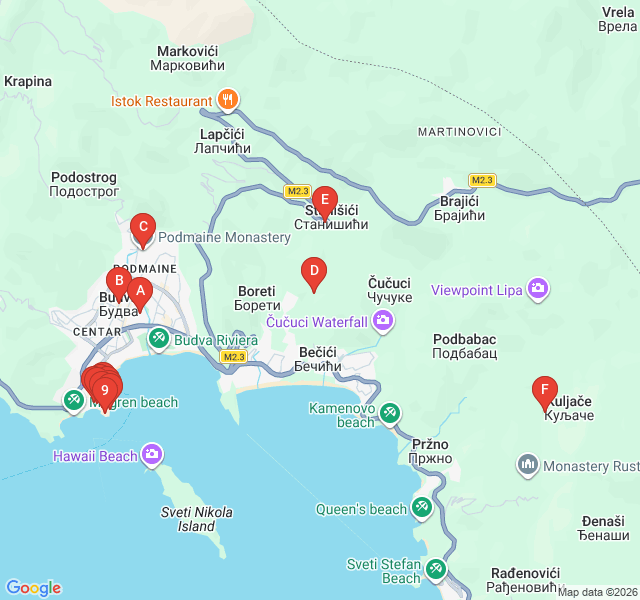
Numbers indicate the order of stops on the tour.
Welcome to the Square of Poets, the cultural heart of Budva's Old Town. For decades, this small plaza has served as a sanctuary for writers, philosophers, and artists who gather here to share their work under the Mediterranean stars. The stone walls surrounding you have echoed with the verses of some of the Balkans' most famous literary figures. As you begin this self-guided adventure, take a moment to notice the intimate scale of the architecture. This square represents the intellectual spirit of Budva, proving that even in a fortress town built for defense, there has always been a dedicated space for beauty and thought.
You are standing at the Porta di Terra Ferma, or the Main Gate of Budva. This entrance has been the primary threshold between the city and the mainland for centuries. The winged lion of St. Mark, visible above the gate, is a reminder of the nearly four centuries of Venetian rule that shaped the city's current appearance. These walls were built to withstand pirate raids and Ottoman sieges, turning the town into an impregnable island-like fortress. Notice the thickness of the limestone blocks; they have stood firm against both human conflict and the powerful Adriatic winds.
In 1938, during the construction of a hotel, workers accidentally struck stone that turned out to be a massive Roman-era Necropolis. This site dates back to the 2nd century BC and was used through the 4th century AD. It reveals that Budva—then known as Butua—was a significant Roman settlement. Excavations uncovered hundreds of graves containing gold jewelry, glass vessels, and ceramics, many of which are now housed in the local museum. It is a humbling reminder that beneath the modern streets of Budva lies a vast, ancient city of the dead that predates the current walls by over a thousand years.
The Iron Gate, or Porta di Ferro, is one of the more discreet entrances to the Old Town. While the Main Gate was for grand arrivals, the Iron Gate served more practical, everyday purposes. Walking through these narrow passages, you can feel the defensive strategy of the medieval architects; the winding turns were designed to slow down any invaders who managed to breach the outer perimeter. Today, it serves as a charming portal into the labyrinthine residential streets where local families have lived for generations, maintaining a traditional way of life amidst the growing tourism.
This massive bronze bell is more than just a photo opportunity; it is a symbol of Budva's deep-rooted maritime heritage. Often associated with the film 'The Long Ships' which was partially filmed in this region during the 1960s, the bell represents the town's connection to the sea and the cinematic history of Montenegro. In the mid-20th century, the dramatic landscapes of the Budva Riviera became a favorite for international film crews seeking 'exotic' Mediterranean locations. The bell serves as a heavy, silent monument to the era when Budva first began to capture the global imagination through the silver screen.
Step into the Jovo Ivanovic Modern Gallery to see how contemporary Montenegrin artists interpret their world. Named after one of Budva’s most respected painters and the gallery's founder, this space bridges the gap between the town's ancient stone history and its modern creative pulse. The collection features works by renowned local and international artists, often reflecting the unique light and rugged textures of the Adriatic coast. It is a quiet, reflective stop that showcases the enduring artistic legacy of a town that has always valued the visual arts as much as its defensive fortifications.
The Budva City Museum is a vertical journey through time. Housed in an old stone building, its four floors cover everything from the Illyrian and Roman periods to the early 20th century. Pay close attention to the Illyrian helmets and the intricate Roman glasswork found in the necropolis you visited earlier. The museum also displays traditional Montenegrin costumes and household items, providing context for the daily lives of the people who once walked these very streets. It is the best place to understand the complex layering of civilizations—Greek, Roman, Byzantine, and Venetian—that have all called Budva home.
The 'Vrata do mora' or Sea Gate, is perhaps the most romantic entrance to the city. For centuries, this was the lifeblood of Budva, where fishermen brought in their daily catch and merchant ships unloaded goods from across the Mediterranean. Standing here, you can smell the salt air and hear the water lapping against the stone foundations. The gate connects the sheltered interior of the town directly to the harbor, emphasizing that for the people of Budva, the sea was never a barrier, but a highway to the rest of the world.
The Citadela is the highest point and the crown jewel of the Old Town. Originally known as the Castle of St. Mary, this fortress has been rebuilt and expanded many times, most notably by the Austrians in the 19th century. Inside, you’ll find a precious library filled with rare maps and books dedicated to the history of the Balkans. From the ramparts, you have the most iconic view of Budva: the red-tiled roofs, the church bell towers, and the turquoise sea stretching toward the horizon. Look for the 'Two Fishes' stone carving, a symbol linked to a local legend of star-crossed lovers who leapt into the sea to remain together forever.
Leaving the Old Town behind, you now ascend into the Maini district. This viewpoint marks the transition from the maritime city to the agricultural and spiritual hinterland. From here, the Old Town looks like a tiny stone ship anchored in the bay. The Maini tribe was historically independent and fiercely protective of their mountain territory. As you look out, you can see how the geography dictated the lifestyle: the flat land near the sea for trade and the hills for protection, olive groves, and monasteries. This is where the 'true' Montenegro begins to reveal itself, away from the coastal resorts.
The Church of St. Petka is a focal point for the local Orthodox community. Dedicated to the venerable Parascheva of the Balkans, a saint known for healing and protection, this church is an active place of worship. Its modest but beautiful architecture is typical of the region, featuring a 'distaff' style bell tower. Inside, the iconostasis and the flickering candles create an atmosphere of deep reverence. Unlike the grand cathedrals of Europe, these neighborhood churches are intimate spaces where the fabric of daily life and religious tradition are inextricably woven together.
Podmaine Monastery, also known as Podostrog, is the spiritual anchor of the Maini district. Built in the 15th century, it was a gathering place for the Maini tribe and a seasonal home for the Petrović-Njegoš bishops. The monastery has two churches: the smaller one dates to the 15th century, while the larger one was built in the 18th century. The frescoes here are remarkable; look for the vivid depictions of heaven and hell. Despite being damaged by earthquakes and fires over the centuries, the monastery has been lovingly restored, offering a peaceful garden and a sense of timelessness that is rare to find so close to a major tourist hub.
The Ivanovići Cave is a fascinating natural landmark that has served as a shelter and a point of interest for locals for centuries. The limestone geology of Montenegro is famous for its 'karst' formations, and this cave is a prime example of how the earth has been shaped by water over millennia. In times of conflict, such caves often provided refuge for the local population. Today, it stands as a quiet, cool respite on your hike, reminding us of the rugged natural world that surrounds the man-made stone cities of the coast.
Take a deep breath and enjoy the view from Stanisici. From this elevation, the entire Budva Riviera is laid out before you. You can see the island of Sveti Nikola, often called 'Hawaii' by locals, and the distant silhouettes of the mountains heading toward Albania. This height provides a perspective on the strategic importance of this coastline; you can see why empires fought so hard to control these waters. The air is thinner and fresher here, scented with wild sage and rosemary. It is the perfect place to reflect on the journey from the Roman graves at sea level to these heights of the Adriatic.
Your journey concludes on the path toward Duljevo Monastery. This ancient monastery, dating back to the reign of Emperor Dušan the Mighty in the 14th century, was once a significant center for education and the transcription of holy books. While the monastery itself is a short distance further, this path represents the final ascent of your spiritual and historical exploration. The surrounding oak and pine trees have shaded pilgrims for hundreds of years. As you finish your walk, consider the layers of history you've traversed—from Roman ruins to Venetian walls to the high sanctuaries of the Orthodox faith.
Start Free on iPhone
Explore “Spiritual Sanctuary: The Monasteries of Budva” with your very own Private Tour Guide with Zigway. Start free on iPhone, skip the large group and the fixed routes, and hear the city come alive as you go.
Your Private Tour Guide
Don't miss the good stuff
Explore Freely
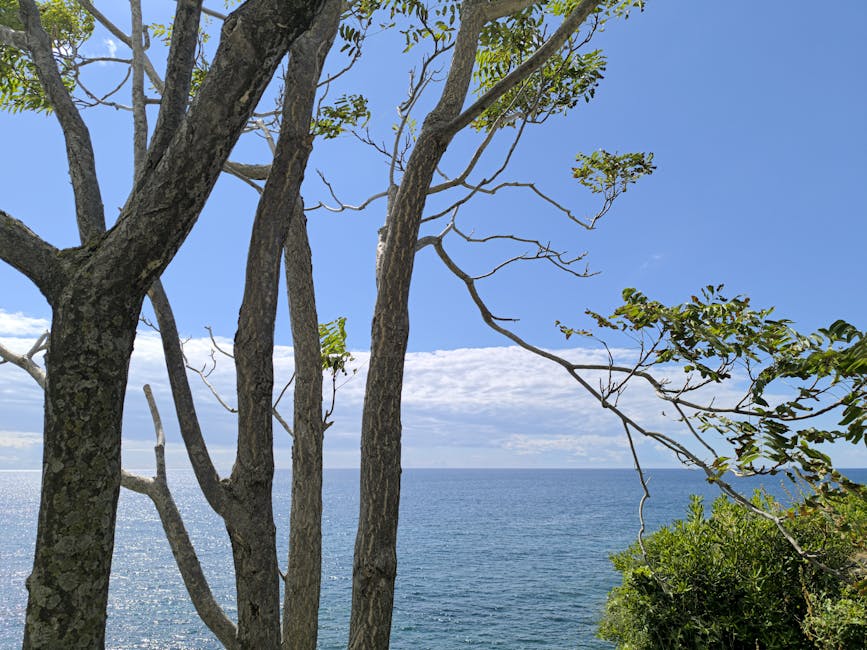 Moderate
Budva, Montenegro
Discover Budva's hidden parks, panoramic hill views, and the stunning 'Hawaii of Montenegro' island on this refreshing self-guided audio walk.
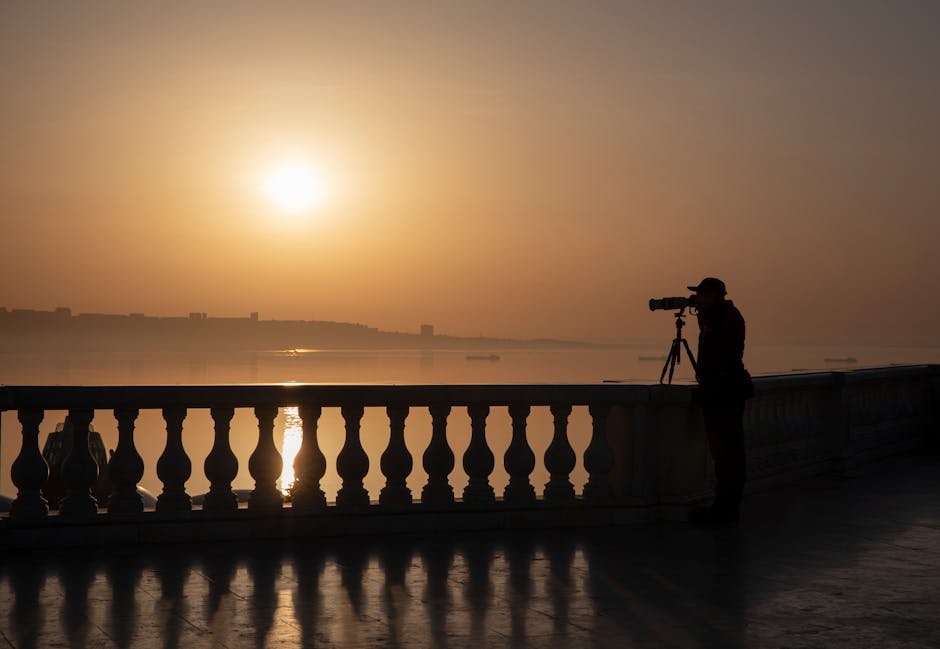 Moderate
Budva, Montenegro
Capture Budva’s most breathtaking vistas on this self-guided audio walk through historic fortresses and scenic mountain paths at sunset.
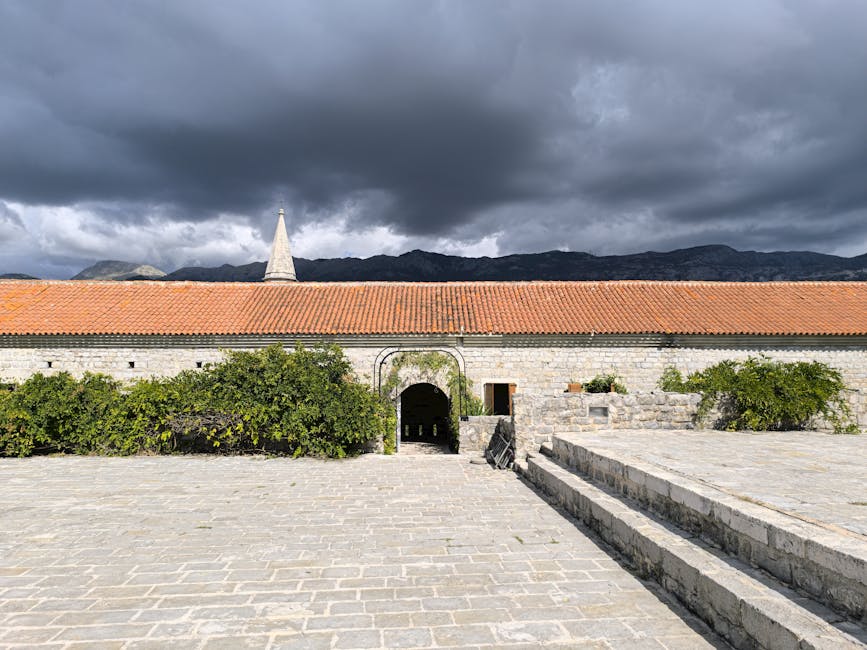 Easy
EasyBudva, Montenegro
Uncover 2,500 years of history in Budva, from Roman mosaics and ancient city gates to a 2,000-year-old olive tree on this self-guided walk.
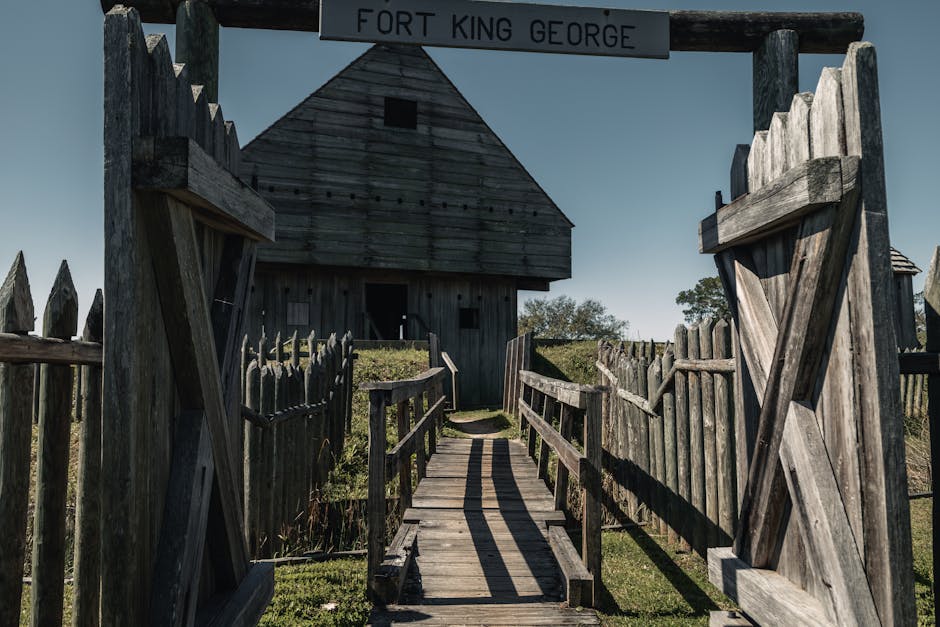 Moderate
Budva, Montenegro
Explore 2,500 years of military history in Budva. Discover ancient fortresses, Roman ruins, and Venetian walls on this self-guided audio walk.
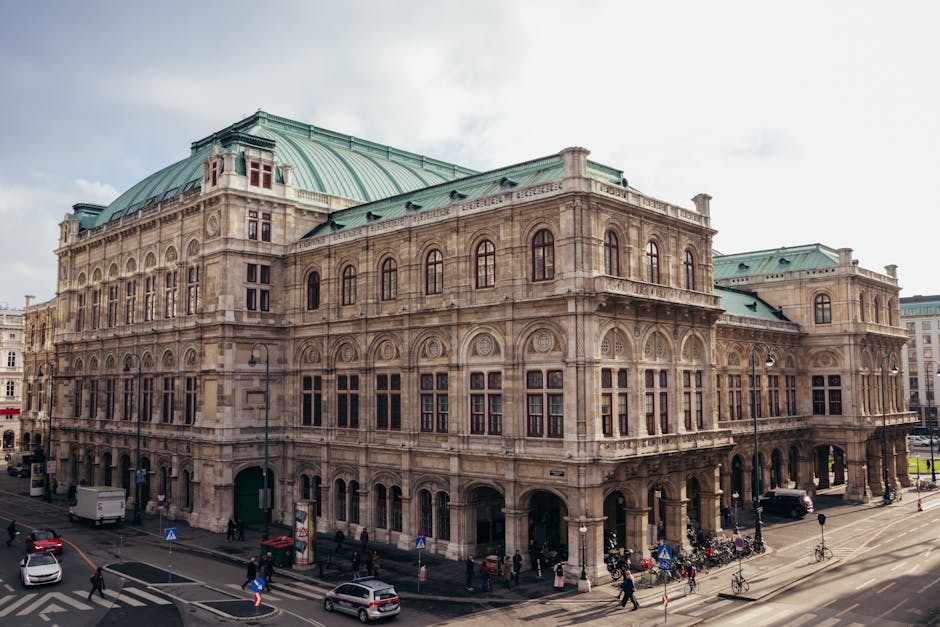 Moderate
Vienna, Austria
Follow the footsteps of Mozart and Strauss through Vienna’s historic center on this self-guided walk through the city's rich musical history.
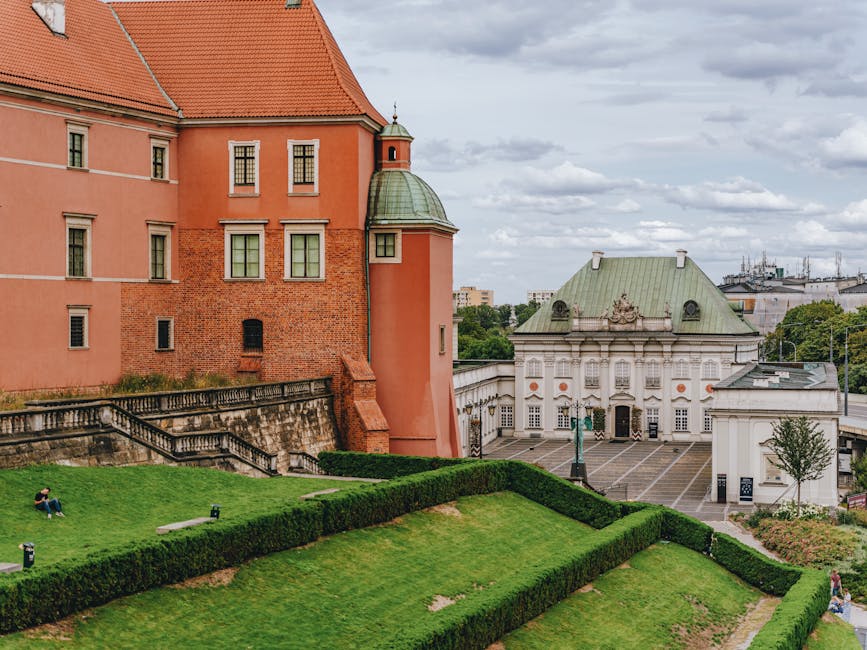 Moderate
Warsaw, Poland
Explore the resilient spirit of Warsaw's Muranów district on this self-guided walk through the history and landmarks of the former Jewish Ghetto.
 Easy
EasyHelsinki, Finland
Discover Helsinki's oldest neighborhood on this self-guided audio walk through Kruununhaka’s historic streets, hidden courtyards, and scenic shores.
 Moderate
Helsinki, Finland
Explore the 'Gibraltar of the North' on this independent walking route through the historic bastions and hidden gardens of Suomenlinna Sea Fortress.
 Easy
EasyKotor, Montenegro
Discover Kotor's medieval squares, Venetian palaces, and mountain fortresses on this self-guided audio walk through the historic Old Town.
 Easy
EasyKotor, Montenegro
Discover Kotor’s legendary seafaring past on this self-guided audio walk through the historic Old Town and the scenic harbor.
 Easy
EasyKotor, Montenegro
Discover Kotor’s hidden squares, Venetian bastions, and coastal paths on this flexible self-guided audio walk through the historic Old Town.
 Easy
EasyKotor, Montenegro
Explore Kotor's marble streets and meeting its famous feline residents on this charming self-guided stroll through Montenegro's cat-loving capital.