Self-guided audio tour in Krakow
Start Free on iPhone
Start free on iPhone to unlock this self-guided walking tour in Krakow. Hear all the stories that make it amazing, walk at your own pace, and begin whenever you want.
Your Private Tour Guide
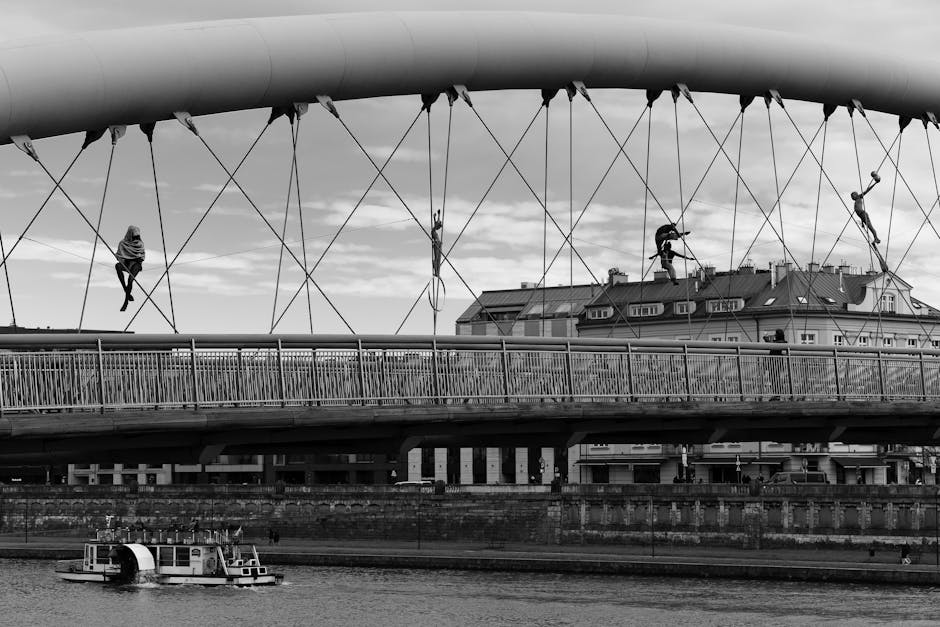
Once a gritty industrial district dominated by factories and warehouses, Zabłocie has transformed into Krakow’s most exciting hub for contemporary art and avant-garde design. This self-guided walk invites you to explore the intersection of the city’s manufacturing past and its creative future. Located just across the Vistula River from the historic Jewish quarter of Kazimierz, Zabłocie offers a stark, fascinating contrast to the medieval spires of the Old Town. On this neighborhood stroll, you will encounter world-class museums housed in former factory buildings, innovative public spaces, and striking modernist architecture that pays homage to the area's heritage. The route begins at the Museum of Contemporary Art in Krakow (MOCAK), a centerpiece of the district's revival, and ends at the gravity-defying Cricoteka, a monument to the theatrical genius of Tadeusz Kantor. Along the way, you can discover local glassmaking traditions, enjoy the minimalist aesthetics of local coffee culture, and witness how old railway infrastructure and derelict power plants have been repurposed into cultural landmarks. This art and design route is perfect for those looking to experience a different side of the city beyond the typical walking tour Krakow itineraries. Whether you are an architecture enthusiast, a fan of contemporary art, or simply a traveler looking for a peaceful, off-the-beaten-path neighborhood to explore independently, this walking route provides a curated look at Krakow’s industrial rebirth. You can wander at your own pace, soaking in the atmosphere of a district that is still actively evolving, making every visit a unique experience. **Note:** This area is known for its ever-changing character. Street art, pop-up venues, and temporary exhibitions may differ from what's described. That's part of the adventure - you might discover something entirely new!
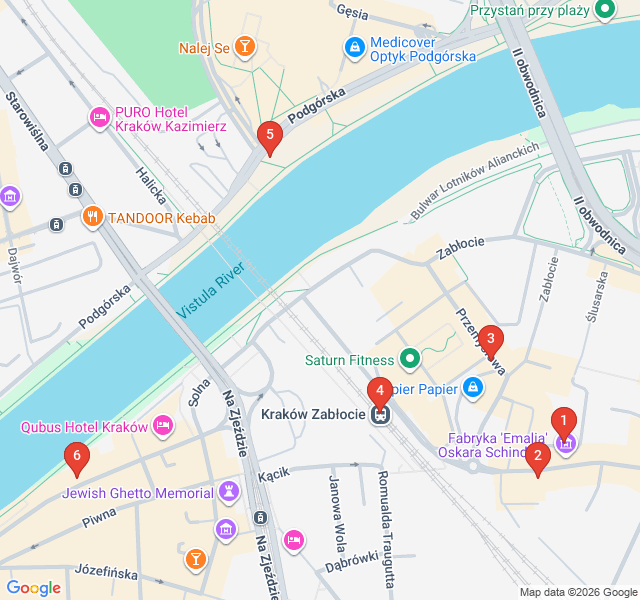
Numbers indicate the order of stops on the tour.
Start your self-guided adventure at MOCAK, the Museum of Contemporary Art in Krakow. Opened in 2011, this museum is built on the site of the former Oskar Schindler's Enamel Factory, though it occupies a sleek, modern structure designed by Italian architect Claudio Nardi. The building itself is a masterpiece of contemporary design, featuring a saw-tooth roof that echoes the industrial heritage of the area. Inside, the museum focuses on art from the last two decades, often exploring the relationship between art and history. Note how the minimalist concrete and glass architecture provides a neutral backdrop for provocative installations. Since exhibitions change frequently, you may find anything from digital media to large-scale sculpture during your visit.
Just a short walk from MOCAK is the Center for Glass and Ceramics at Lipowa 3. This site has been associated with glass production since the 1930s. Today, it serves as a bridge between the district's manufacturing past and its artistic present. The center hosts a permanent exhibition on the history of the Krakow Glass Works and features a gallery showcasing contemporary glass art. If you time your visit right, you might see live glass-blowing demonstrations. This stop highlights how Zabłocie hasn't entirely abandoned its industrial roots but has instead repurposed them for education and art, preserving traditional craftsmanship in a modern context.
To truly understand the modern vibe of Zabłocie, one must experience its local coffee culture. Coffeece is a prime example of the 'industrial-chic' aesthetic that defines the neighborhood’s social scene. Housed in a compact, modern space, it caters to the creative professionals and students who have flocked to the area. It is a perfect spot to pause and observe the local life of the district. The minimalist interior and focus on high-quality, artisanal brewing reflect the broader design-conscious ethos of Zabłocie. It is not just about the caffeine; it is about the community and the reclamation of former industrial spaces for modern social interaction.
Even the transportation infrastructure in Zabłocie is a design statement. The Kraków Zabłocie railway station underwent a massive reconstruction to become a modern transit hub. Its clean lines, extensive use of glass, and elevated platforms offer a panoramic view of the neighborhood's transformation. From here, you can see the juxtaposition of old brick warehouses and new residential lofts. The station represents the connectivity of the district, linking this once-isolated industrial pocket directly to the heart of the city and beyond, signaling Zabłocie's status as a vital, integrated part of modern Krakow.
As you walk toward the river, you will encounter the Garden of Hope (Ogród Nadziei). This green space is a vital lungs-of-the-city project in a district dominated by concrete and steel. It was created as a place of reflection and community, often featuring small art installations or community-led gardening initiatives. In a neighborhood defined by 'rebirth,' this garden symbolizes the environmental and social aspect of that renewal. It provides a moment of tranquility and a different perspective on how urban design can incorporate nature into a previously industrial landscape. It is a favorite spot for locals to catch a breath away from the museum crowds.
End your walk at the most iconic architectural landmark in Zabłocie: the Cricoteka. This building is a daring feat of engineering, featuring a massive rusted steel structure that 'hovers' over the old Podgórze Power Station. It was designed to house the archives and museum dedicated to Tadeusz Kantor, one of Poland's most influential avant-garde artists and theater directors. The architecture is inspired by Kantor's concept of 'packaging' and the tension between the old and the new. The cantilevered structure reflects in the Vistula River, creating a bridge between the industrial past and the artistic future. It is a fitting finale to a route dedicated to the power of creative transformation.
Start Free on iPhone
Explore “Industrial Rebirth: Zabłocie Art and Design” with your very own Private Tour Guide with Zigway. Start free on iPhone, skip the large group and the fixed routes, and hear the city come alive as you go.
Your Private Tour Guide
Don't miss the good stuff
Explore Freely
 Easy
EasyKrakow, Poland
Explore the prestigious Jagiellonian University district, featuring Neo-Gothic architecture, Baroque churches, and Krakow's hidden scholarly gems.
 Easy
EasyKrakow, Poland
Explore Krakow's hidden nightlife with this self-guided walk through medieval cellars, jazz clubs, and bohemian bars in the Old Town and Kazimierz.
 Easy
EasyKrakow, Poland
Explore the historic heart of Kazimierz on this self-guided walk through synagogues, ancient cemeteries, and vibrant squares.
 Easy
EasyKrakow, Poland
Uncover Krakow's legendary past on this self-guided walk from literary monuments to the fire-breathing Wawel Dragon.
 Easy
EasyHelsinki, Finland
Discover Helsinki's oldest neighborhood on this self-guided audio walk through Kruununhaka’s historic streets, hidden courtyards, and scenic shores.
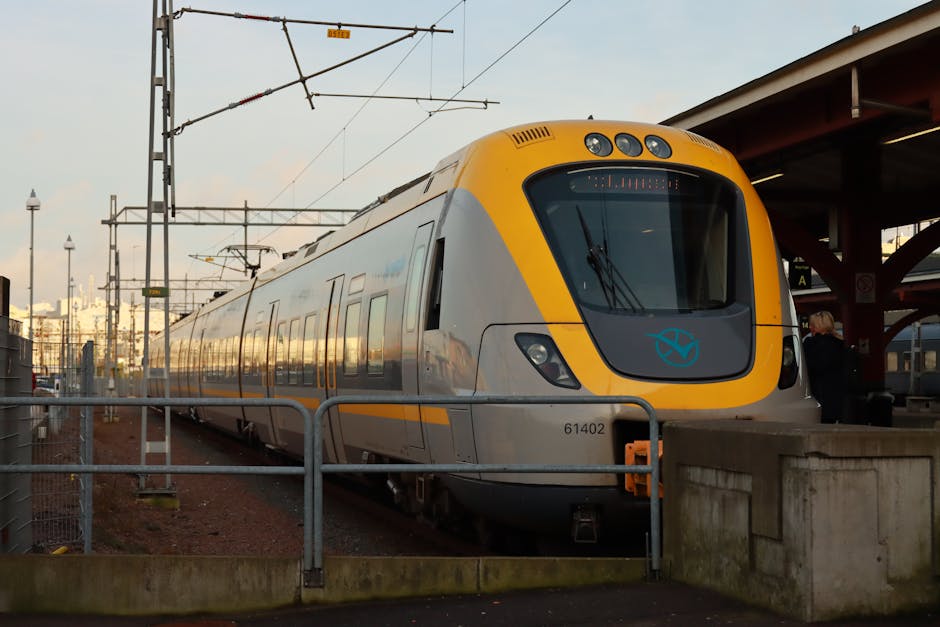 Easy
EasyGothenburg, Sweden
Explore Gothenburg's elegant academic district, featuring grand 19th-century stone architecture and the iconic cultural hub of Götaplatsen.
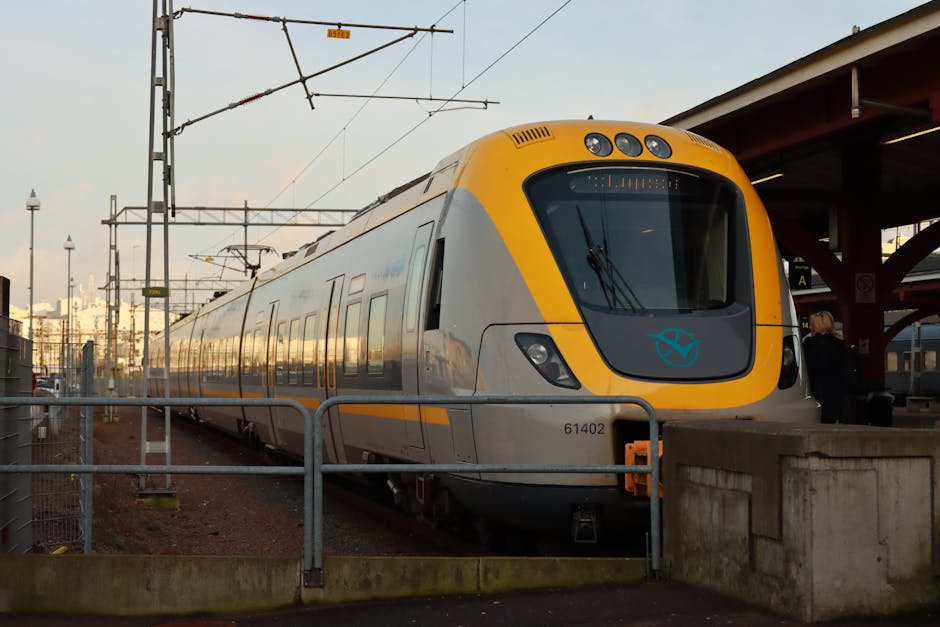 Easy
EasyGothenburg, Sweden
Explore Gothenburg's maritime soul on this self-guided walk from historic shipyards to sleek modern piers and iconic industrial landmarks.
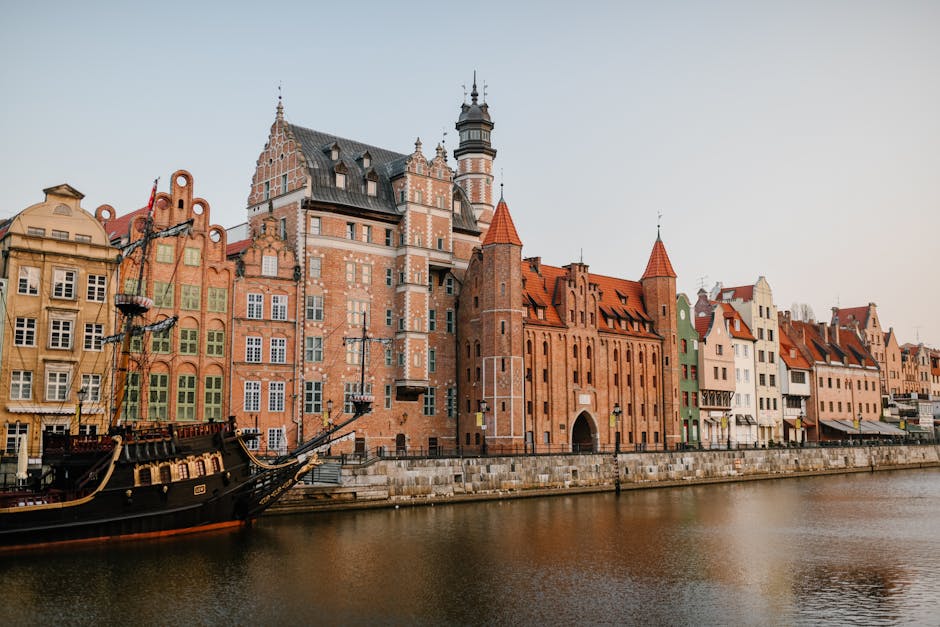 Moderate
Gdansk, Poland
Discover the raw beauty of Gdansk’s Lower Town. Explore industrial ruins, hidden sluices, and riverside bastions on this self-guided walk.
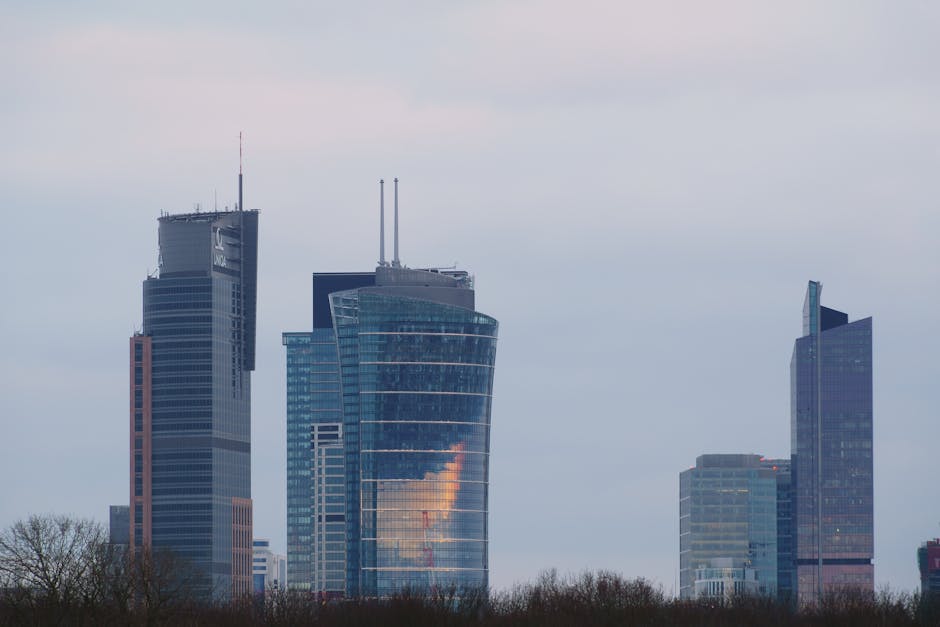 Easy
EasyWarsaw, Poland
Discover the hidden courtyards and grand pre-war architecture of Warsaw's most atmospheric neighborhood on this self-guided stroll.
 Easy
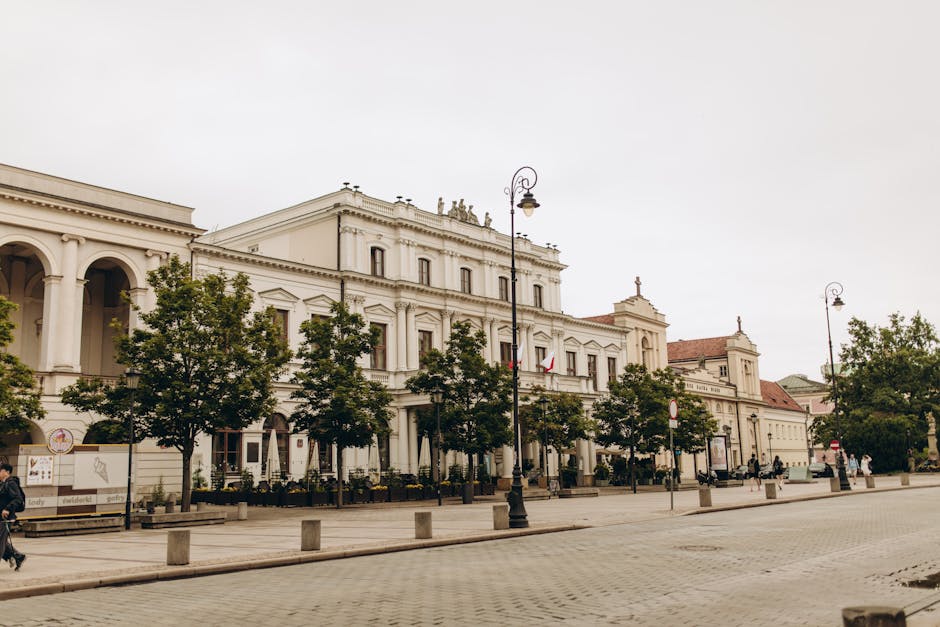
EasyWarsaw, Poland
Explore the 'Polish Versailles' at your own pace. Discover Baroque architecture, royal history, and stunning gardens on this self-guided walk.
 Moderate
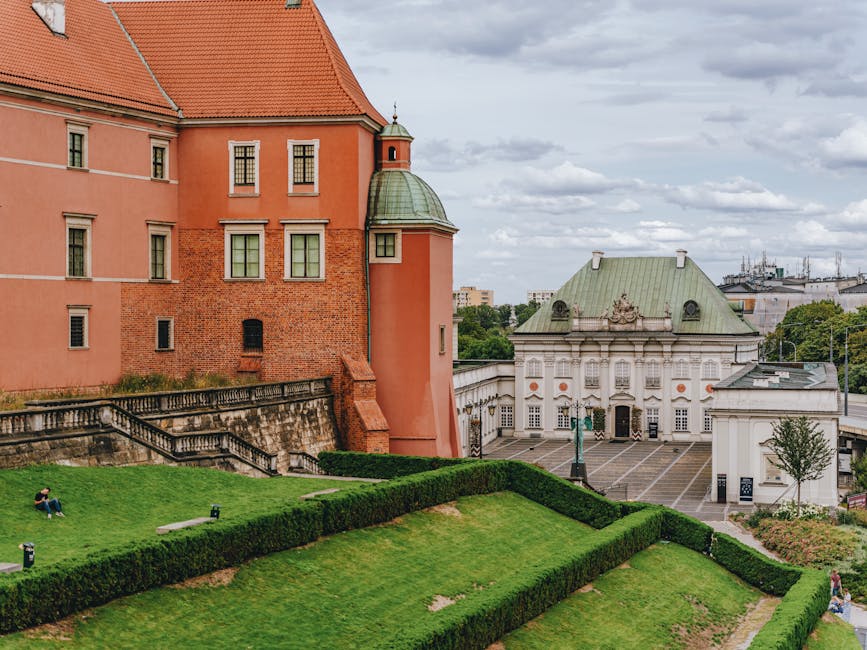
Warsaw, Poland
Explore the resilient spirit of Warsaw's Muranów district on this self-guided walk through the history and landmarks of the former Jewish Ghetto.
 Moderate
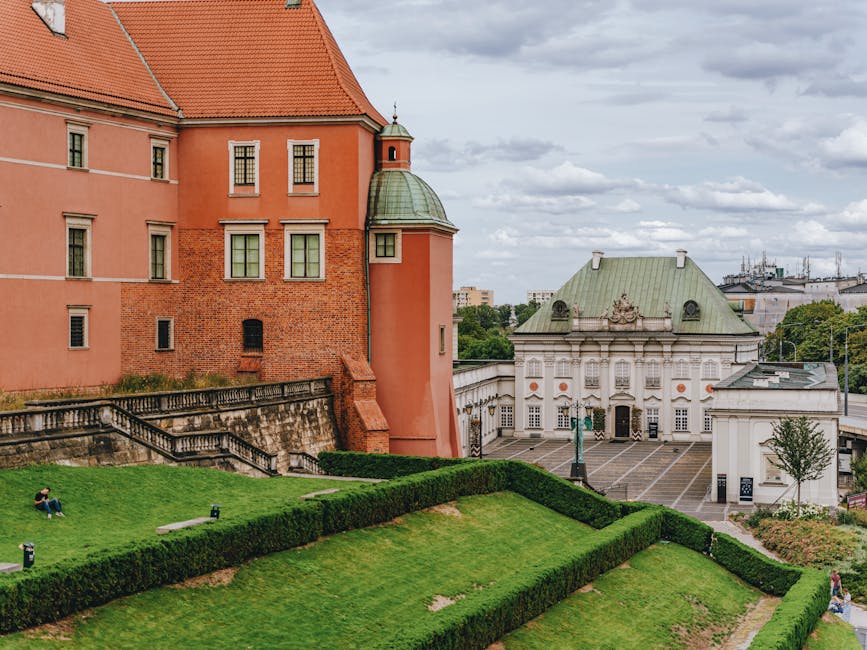
Warsaw, Poland
A powerful self-guided walk through Warsaw's WWII history, tracking the 1944 Uprising from ruined skyscrapers to solemn memorials.