Self-guided audio tour in Kotor
Start Free on iPhone
Start free on iPhone to unlock this self-guided walking tour in Kotor. Hear all the stories that make it amazing, walk at your own pace, and begin whenever you want.
Your Private Tour Guide
Kotor is a place where time seems to have paused within its limestone walls. This self-guided walk invites you to look beyond the bustling main squares and discover the quiet beauty of a city shaped by Illyrian, Roman, and Venetian hands. As you explore independently, you will find that Kotor's true character is hidden in its 'pjacas'—the small squares that served as the focal points of neighborhood life for centuries. This walking route takes you through the labyrinthine streets of the UNESCO World Heritage site, showcasing the architectural prowess of the Venetian Republic and the strategic importance of this coastal stronghold. Starting at the historic Old Prison and moving through the iconic Sea Gate, you will witness how the city was designed to repel invaders while fostering a rich maritime culture. The route doesn't just stick to the flat cobblestones; it offers glimpses into the dramatic fortifications that scale the cliffs of Mount Saint John. You will encounter bastions like Gurdić and Kampana, which have stood guard over the bay for hundreds of years. Beyond the walls, the path extends toward the tranquil Dobrota Riva and the rugged trails leading to Fort Vrmac, offering a comprehensive view of how the city integrates with its stunning natural environment. This neighborhood stroll is perfect for those who want to avoid the crowds of a traditional walking tour Kotor. By following this audio walk, you can pause to admire a stone carving, duck into a local cafe, or spend extra time at a viewpoint without being rushed. Whether you are a history enthusiast or a photography lover, the play of light on the ancient stone and the emerald waters of the bay provide a constant source of inspiration. This explore-at-your-own-pace adventure ensures you see both the iconic landmarks and the off-the-beaten-path corners that make Kotor one of the most enchanting destinations in the Adriatic.
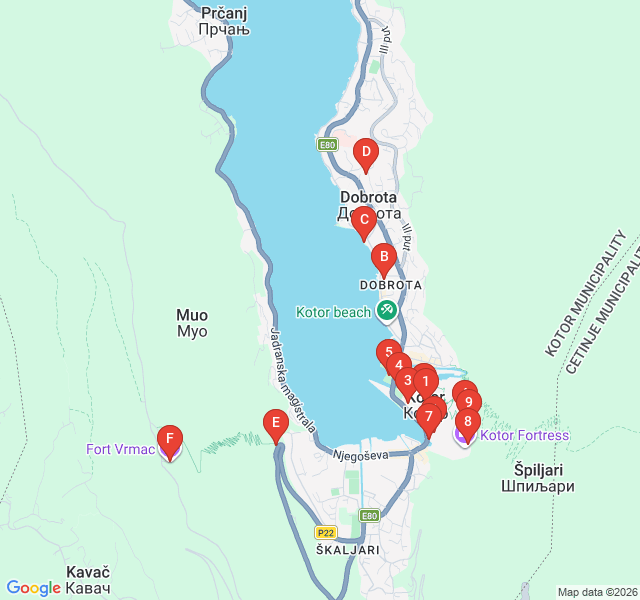
Numbers indicate the order of stops on the tour.
Begin your journey at the Old Prison, a stern reminder of the city's complex administrative history. Built during the Austro-Hungarian period, this structure sits near the northern edge of the town. While the Old Town is known for its beauty, this building speaks to the necessity of order in a strategic port. Notice the heavy masonry and the functional design, which contrasts with the more ornate Venetian palaces nearby. It serves as a gateway to the residential quarters where the 'real' Kotor lives, away from the souvenir shops.
Step into the heart of the UNESCO World Heritage site. Kotor’s layout is intentionally confusing, designed as a defensive measure to disorient invaders who breached the walls. As you walk, look up at the balconies and coat of arms carved into the stone; these belonged to noble families whose wealth was built on the sea. The limestone paving stones, polished to a shine by centuries of footsteps, reflect the sunlight and give the town its characteristic glow. This is the perfect place to start feeling the rhythm of the city.
The Sea Gate, built in 1555, is the main entrance to the city. Look for the winged Lion of Saint Mark above the arch, the symbol of the Venetian Republic that ruled here for nearly four centuries. There is also a more modern inscription above the gate commemorating the city's liberation in 1944. As you pass through the thick stone passage, you are literally entering a fortress. Inside the gate, check out the stone relief of the Madonna and Child flanked by Saint Tryphon and Saint Bernard, the city's protectors.
Walk toward the river to find the Kampana Tower, one of the most photogenic parts of the fortifications. This massive cylindrical bastion was built in the 13th and 14th centuries and later reinforced by the Venetians. It marks the point where the Scurda River meets the bay. If you climb the adjacent ramparts, you'll get a fantastic view of the river's turquoise water and the mountain peaks that rise sharply behind the town. It’s a testament to the engineering required to defend this narrow coastal strip.
Just outside the northern walls lies Park Slobode, or Liberty Park. This open green space offers a rare break from the dense stone architecture of the Old Town. It is a favorite spot for locals to gather and watch the boats come in. The park provides a great perspective of the outer walls and the mountains above. It is named in honor of the resistance movements during World War II, a recurring theme in Montenegrin history. Take a moment here to enjoy the sea breeze before heading back into the labyrinth.
The area around Restoran Atrium exemplifies the 'hidden courtyard' theme of this walk. This part of the town is filled with narrow alleys that suddenly open into small, sun-drenched squares. These courtyards were once private spaces for noble families but now house charming cafes and restaurants. Notice the well-heads in some of these squares; before modern plumbing, these were the lifeblood of the city, collecting rainwater to sustain the population during long sieges.
At the southern tip of the city, you'll find the Gurdić Bastion. This is one of the most fascinating defensive structures because of its 'water gate.' During high tide or heavy rain, the underwater spring here creates a natural barrier, making the gate inaccessible. The bastion itself is a massive stone structure that has survived numerous earthquakes and attacks. Entering or exiting through this gate feels like stepping back into the Middle Ages, as the path is narrow and the stone walls loom high overhead.
Looking up from the town, you see the formidable walls snaking up the mountain to San Giovanni (Saint John) Fortress. While the full climb is strenuous, the lower sections offer incredible views of the red-tiled roofs and the fjord-like bay. These walls were built and rebuilt from the 9th to the 19th centuries. Even from the base, you can appreciate the sheer scale of the labor involved in hauling stone up these cliffs. It is widely considered one of the most impressive fortification systems in Europe.
The Ladder of Kotor is an ancient caravan trail that once connected the city with the mountain kingdoms of the interior. Long before modern roads, this zig-zagging path was the only way to transport goods to Cetinje, the old capital. While you don't need to hike the whole way, the start of the trail near the northern gate offers a glimpse of the rugged terrain that protected Kotor from the landward side. It is a path of switchbacks that provides a stunning aerial view of the San Giovanni walls.
The 'Old Town Road' refers to the narrow arterial streets that connect the main gates. Along these paths, you will see the daily life of Kotor. Look for the cats of Kotor—they are the unofficial mascots of the city and are well-cared for by the community. Legend says they saved the city from the plague by keeping the rat population in check. The shops here range from traditional stonemasonry to modern boutiques, showing how the city balances its heritage with modern tourism.
Located just outside the walls, the Maritime Faculty (Pomorski Fakultet) is housed in a beautiful historic building. Kotor’s history is inseparable from the sea, and this institution continues a tradition of nautical excellence that dates back centuries. In the past, the 'Boka Navy' was one of the most powerful maritime guilds in the Adriatic. The building itself reflects the maritime prosperity of the 18th and 19th centuries, standing as a bridge between the ancient walled city and the expanding coastal settlements.
Follow the shoreline north to the Dobrota Riva. This promenade is where the atmosphere shifts from the dense history of the Old Town to the relaxed vibe of a Mediterranean seaside village. Dobrota was once a separate settlement where wealthy sea captains built their grand baroque palaces. Walking along the water, you can see these 'palazzos' with their private stone jetties, known as 'pontas.' It is the best place to appreciate the scale of the mountains reflecting in the still waters of the bay.
This hostel is actually located in one of the grandest former palaces in Dobrota. It serves as a great example of adaptive reuse—taking a historic landmark and giving it a modern purpose. The architecture features the classic stone balconies and large windows typical of the Boka Bay style. It’s named after two naval heroes, Spasić and Mašera, who famously blew up their own destroyer in 1941 to prevent it from falling into enemy hands, a story deeply respected in local naval lore.
Across the bay from the Old Town, you'll find the trailhead for Fort Vrmac. This marks a transition from the Venetian and Medieval history of the town to the Austro-Hungarian military presence of the late 19th century. The trail follows an old military road designed for horses and light carriages. As you begin the ascent, the perspective of Kotor changes completely, revealing how the city is nestled into a narrow wedge of land between the sea and the vertical cliffs of Lovćen.
Perched on the ridge of the Vrmac peninsula, this fort is a masterpiece of Austro-Hungarian military engineering. Built in the 1890s, it was designed to monitor the bay and protect the naval base at Tivat. The fort is remarkably well-preserved, featuring thick stone walls and armored observation domes. From here, you can see both sides of the peninsula—the inner Bay of Kotor and the outer Bay of Tivat. It is a quiet, atmospheric place that feels a world away from the busy streets below.
Start Free on iPhone
Explore “Hidden Courtyards and Cobblestones” with your very own Private Tour Guide with Zigway. Start free on iPhone, skip the large group and the fixed routes, and hear the city come alive as you go.
Your Private Tour Guide
Don't miss the good stuff
Explore Freely
 Easy
EasyKotor, Montenegro
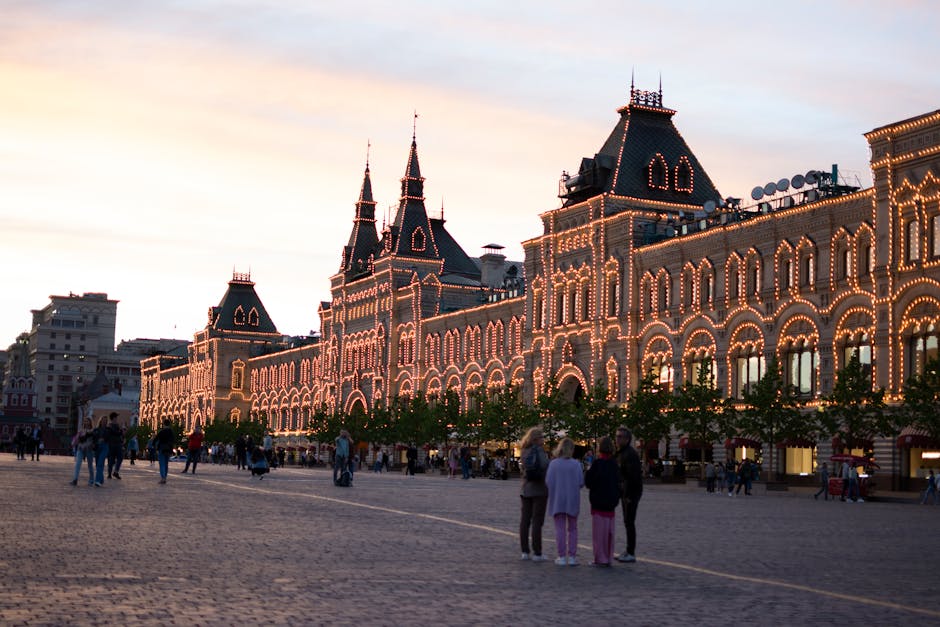
Discover Kotor's medieval squares, Venetian palaces, and mountain fortresses on this self-guided audio walk through the historic Old Town.
 Easy
EasyKotor, Montenegro
Discover Kotor’s legendary seafaring past on this self-guided audio walk through the historic Old Town and the scenic harbor.
 Easy
EasyKotor, Montenegro
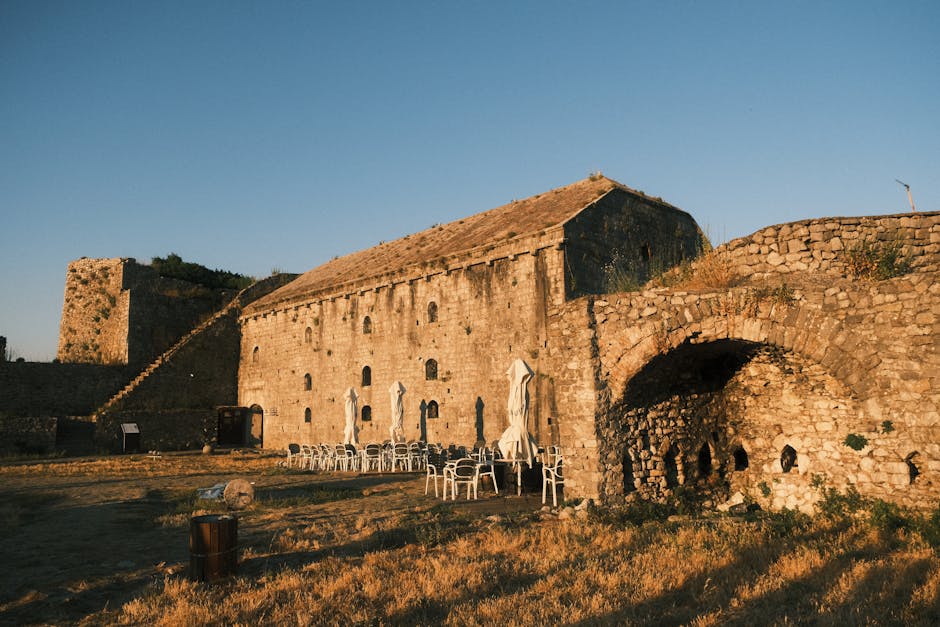
Explore Kotor's marble streets and meeting its famous feline residents on this charming self-guided stroll through Montenegro's cat-loving capital.
 Easy
EasyKotor, Montenegro
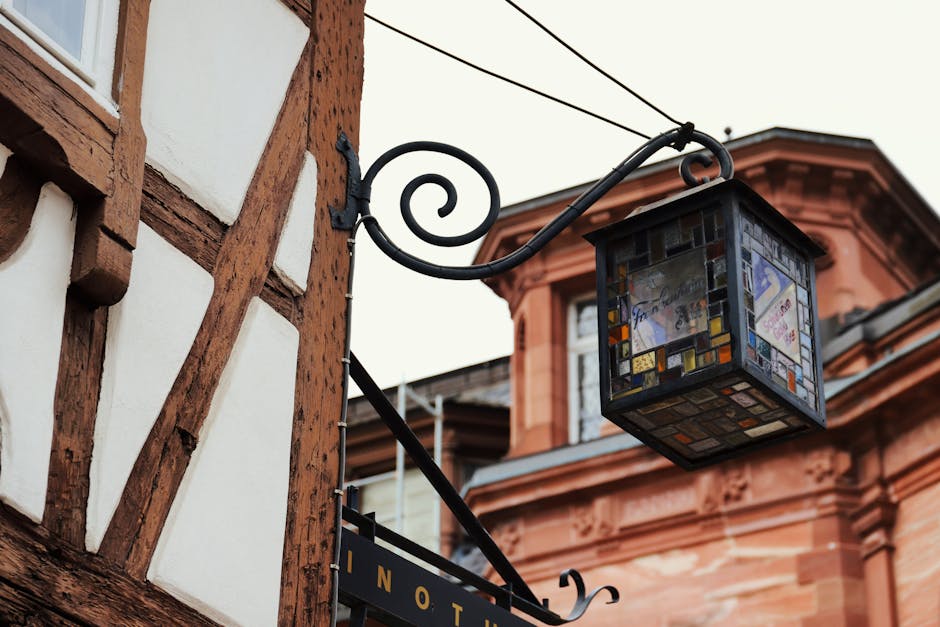
Capture the soul of Kotor on this self-guided photography walk through narrow alleys, Venetian ruins, and historic bastions.
 Moderate
Gothenburg, Sweden
Discover Gothenburg’s maritime soul on this self-guided walk from the historic Central Station to the scenic riverfront at Stenpiren.
 Easy
EasyNairobi, Kenya
Discover Nairobi's iconic skyline on this self-guided architecture walk through the CBD’s most famous modernist and Brutalist landmarks.
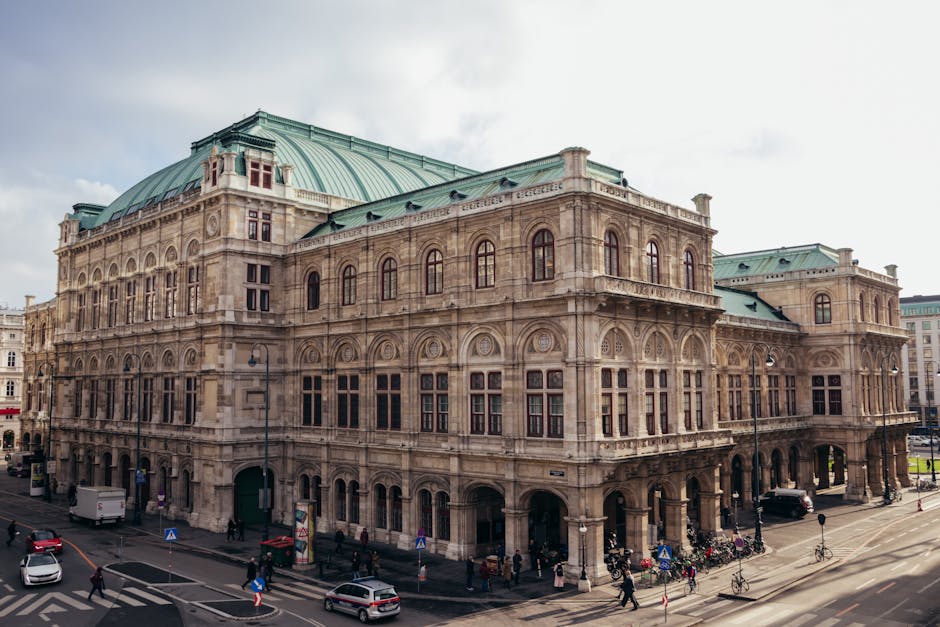 Moderate
Vienna, Austria
Discover the noir world of The Third Man and Cold War Vienna on this atmospheric self-guided audio walk through the historic Innere Stadt.
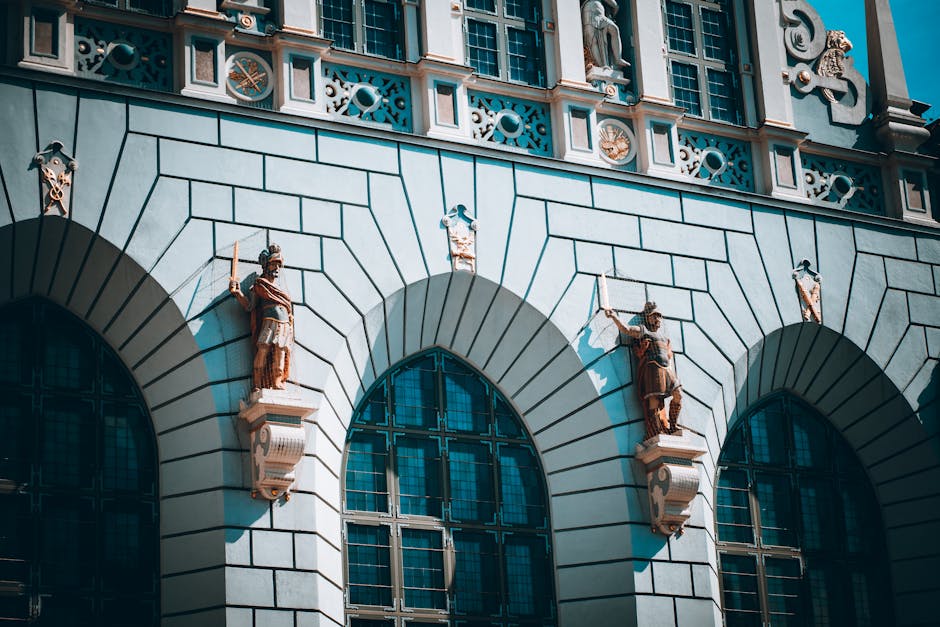 Easy
EasyGdansk, Poland
Discover the opulent Royal Way of Gdansk at your own pace. Explore Hanseatic history, gilded architecture, and the iconic Neptune's Fountain.
 Moderate
Budva, Montenegro
Discover Budva's hidden parks, panoramic hill views, and the stunning 'Hawaii of Montenegro' island on this refreshing self-guided audio walk.
 Moderate
Budva, Montenegro
Capture Budva’s most breathtaking vistas on this self-guided audio walk through historic fortresses and scenic mountain paths at sunset.
 Easy
EasyBudva, Montenegro
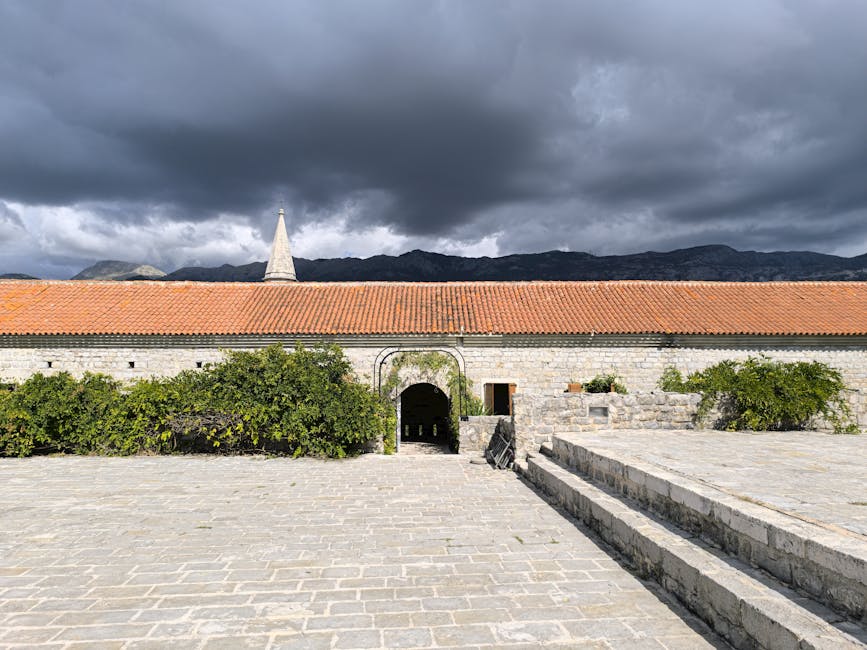
Uncover 2,500 years of history in Budva, from Roman mosaics and ancient city gates to a 2,000-year-old olive tree on this self-guided walk.
 Moderate
Budva, Montenegro
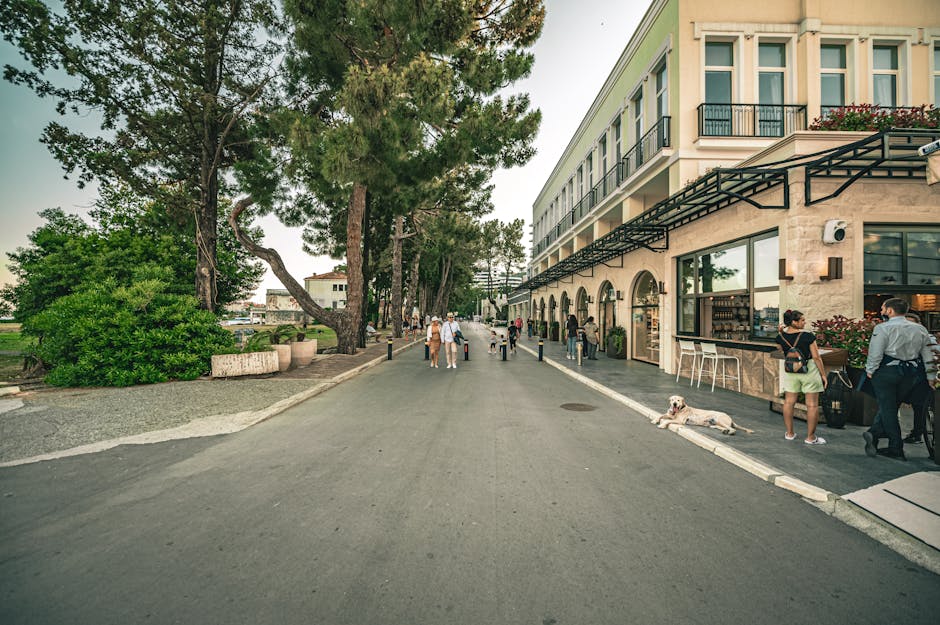
Explore Budva’s spiritual heart on this self-guided walk from the Old Town’s Roman ruins to the serene hillside monasteries and panoramic viewpoints.