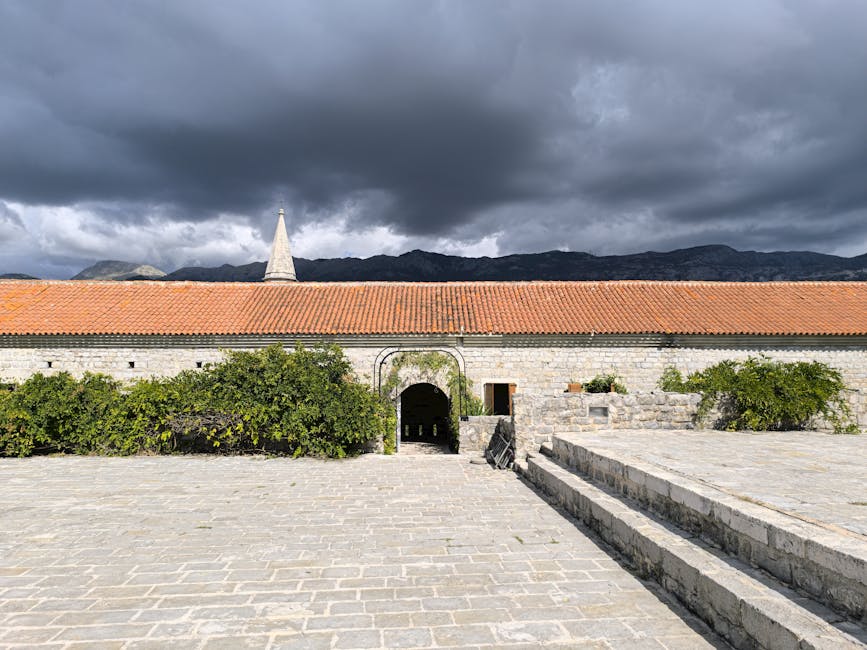
Self-guided audio tour in Budva
Start Free on iPhone
Start free on iPhone to unlock this self-guided walking tour in Budva. Hear all the stories that make it amazing, walk at your own pace, and begin whenever you want.
Your Private Tour Guide
Step into a world where the Adriatic Sea meets two and a half millennia of human history. This self-guided walk through Budva invites you to peel back the layers of one of the oldest settlements on the Balkan coast. While many visitors flock here for the beaches, the true soul of Budva lies within its stone walls and the ancient soil beneath its streets. On this walking route, you will uncover the 'Ancient Echoes' left behind by the Illyrians, Romans, and Venetians who shaped this coastal jewel. Starting in the heart of the Stari Grad (Old Town), you'll explore the narrow limestone alleys where Greek myths and Roman reality converge. Discover the legend of Cadmus, the founder of Budva, and see the physical remnants of the Roman Empire at the remarkably preserved mosaics and the sprawling necropolis discovered by chance in the 20th century. This walking tour Budva experience takes you from the literary Square of Poets to the imposing heights of the Citadel, offering a comprehensive look at the town's defensive architecture and intellectual heritage. Beyond the medieval walls, the journey continues to the outskirts, where you can witness the living history of the Old Olive Tree, a silent observer of the region for over 2,000 years. Whether you are an archaeology enthusiast or a curious traveler, this neighborhood stroll provides the freedom to explore independently while connecting with the profound historical narrative of Montenegro's coast. This walking tour Budva route is a stable, historic journey through time, perfect for those who want to see beyond the modern resorts and find the ancient heart of the Budva Riviera.
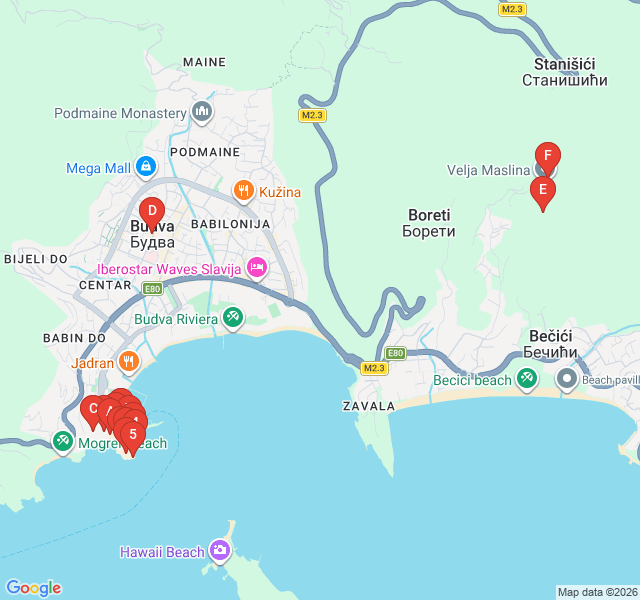
Numbers indicate the order of stops on the tour.
Begin your self-guided adventure at the Square of Poets, or Trg Pjesnika. This isn't just a physical space; it's the cultural heart of Budva. For decades, during the summer months, writers and poets have gathered here to recite their works, continuing an oral tradition that stretches back to antiquity. In the surrounding architecture, notice how the stone buildings lean into the square, creating an intimate, acoustic environment. This spot marks the intersection of Budva’s literary present and its ancient past, often serving as a stage for the 'City Theater' festival. Take a moment to appreciate the quiet before the town fully wakes up.
As you move through the Old Town, you encounter the Ancient City Gates. Budva has been fortified since the Illyrian era, though the walls you see today are largely Venetian, dating from the 15th century. These gates were once the only way in or out of the town, serving as a vital defense against Ottoman incursions and pirate raids. Look closely at the stonework; you may spot the Winged Lion of St. Mark, the symbol of the Venetian Republic. These gates have stood firm through countless sieges and devastating earthquakes, acting as the threshold between the safety of the fortress and the unpredictability of the sea.
Tucked away near the northern wall are the Roman Mosaics. These 2nd-century floor decorations were part of a luxurious Roman villa or a public bath complex. The intricate geometric patterns and floral motifs are a testament to the wealth and sophistication of 'Butua' (the Roman name for Budva). During the Roman era, this town was a significant maritime hub. It is remarkable that these delicate tiles survived centuries of reconstruction and seismic activity. They offer a rare, colorful glimpse into the domestic aesthetics of the Roman citizens who once walked these very streets nearly two millennia ago.
The 'Vrata do mora' or Sea Gate is one of the most picturesque points in the Old Town. This portal connects the narrow streets directly to the rocky shoreline and the harbor. For centuries, this was the primary entry point for goods arriving by ship. If you step through, you'll feel the immediate drop in temperature from the sea breeze. In the past, this gate would have been heavily guarded to prevent surprise naval attacks. Today, it serves as a reminder of Budva’s enduring relationship with the Adriatic, where the salt air has weathered the stone into a smooth, pale grey.
Ascend toward the Citadel to find its historic library. This is one of the most significant collections of books and maps in the Balkans. The library houses rare editions and hand-drawn maritime charts that detail the shifting borders of the Mediterranean. The quiet, cool atmosphere inside provides a sharp contrast to the sun-drenched walls outside. The library emphasizes Budva’s role as an intellectual outpost, where knowledge was preserved even during times of war. It is a sanctuary for history buffs, containing the written records of the very walls you are currently exploring.
The Citadela, or Fortress of St. Mary, is the highest point in the Old Town. Originally built in the 9th century to protect against seaborne threats, the current structure is a mix of medieval and 19th-century Austrian military architecture. From the ramparts, you can see the entire Budva Riviera and the island of Sveti Nikola. Legend says that the founder of Budva, the Phoenician King Cadmus, arrived here on an ox-drawn cart. The Citadel is the best place to visualize the town's strategic importance, perched on a rocky peninsula that was once an island before a sandbar connected it to the mainland.
Transition from ancient stone to local canvas at the Jovo Ivanovic Modern Gallery. Named after one of Budva’s most influential artists, this gallery showcases how the light and landscape of Montenegro have inspired modern creators. While the theme of our walk is history, art is the medium through which that history is often interpreted. The gallery features works from the 'Budva School' and international artists, proving that while the town's foundations are ancient, its creative spirit remains vibrant and evolving. It’s a perfect spot to see how the 'Ancient Echoes' of the coast are reflected in contemporary colors.
Near the beach, you’ll find a massive bronze bell. While it looks like an ancient artifact, it is actually a movie prop left over from the filming of the 1964 epic 'The Long Ships,' starring Richard Widmark and Sidney Poitier. The film was shot in Budva, which served as a stand-in for a Moorish city. The bell has since become an unofficial landmark of the town. It serves as a quirky reminder of Budva’s mid-20th-century history as a popular filming location for international cinema, adding a layer of Hollywood glamour to the town's long timeline.
The Iron Gate, or 'Gvozdena vrata,' is a smaller, more utilitarian entrance to the Old Town. Unlike the grander Main Gate, this entrance feels more connected to the daily life of the residents. The narrow passage and heavy reinforcements show the practical side of living in a fortress. As you pass through, notice the thickness of the walls—several meters of solid stone designed to withstand cannon fire. This gate leads you toward the Western part of the town, where the residential character of the Old Town is most apparent, with laundry hanging between windows and hidden courtyards.
Known as 'Porta di Terra Ferma,' the Main Gate is the primary land entrance to the Stari Grad. For centuries, this was the only way for farmers and traders from the surrounding hills to enter the market. The gate was once equipped with a drawbridge over a moat that has since been filled in. This is the symbolic 'front door' of Budva. Look up to see the Venetian lion again, asserting the power of the Republic over this coastal outpost. From here, the transition from the modern city to the ancient fortress is most dramatic.
In 1937, while workers were digging foundations for the Hotel Avala, they accidentally struck stone. What they found was a massive Roman and Illyrian Necropolis. This 'City of the Dead' contained over 450 graves, some dating back to the 4th century BC. The artifacts found here—gold jewelry, glass vessels, and ceramics—are now in the local museum, but the site itself remains a profound archaeological landmark. It proved that Budva was a much larger and more significant settlement in antiquity than previously thought. Standing here, you are literally standing above centuries of buried history.
Continuing near the Hotel Avala, you can see further excavations that revealed Roman baths and the remains of a villa rustica. These ruins highlight the 'Romanization' of the coast after the fall of the Illyrian kingdom. The presence of sophisticated heating systems (hypocausts) in these baths shows that even in this distant province, Romans maintained their lifestyle of luxury and hygiene. It’s a fascinating juxtaposition to see these 2,000-year-old foundations sitting right next to a modern hotel, illustrating the continuous occupation of this prime piece of Adriatic real estate.
This secondary site of the Necropolis further emphasizes the scale of ancient Budva. The burial customs found here—ranging from simple inhumation to elaborate stone sarcophagi—show the diverse social strata of the Roman town. Some of the graves belonged to the Illyrian Enchelei tribe, the original inhabitants who eventually integrated with Roman settlers. The site is a silent witness to the cultural melting pot that the Adriatic coast has always been. It is a sobering and fascinating stop that connects the people of the past to the landscape of the present.
To reach the final stops, a short drive or a 30-minute hike uphill from the coast is required. Ivanovići Cave takes us even further back in time—to the prehistoric era. Archaeological digs here have uncovered stone tools and pottery shards, suggesting that humans have found shelter in these hills for millennia. The cave offers a different perspective on Budva; while the Old Town represents organized civilization, this cave represents the raw, early survival of the region's first inhabitants. It is a quiet, off-the-beaten-path site that rewards those looking for the deepest roots of human history in Montenegro.
Our journey ends at the 'Stara Maslina'—the Old Olive Tree. At over 2,000 years old, this tree was a sapling when the Roman Empire was at its height. It is one of the oldest olive trees in the world and is protected by the state. Its gnarled, massive trunk has survived fires, wars, and weather, continuing to produce fruit to this day. In local tradition, the olive tree is a symbol of peace and family. Standing before it, you are looking at a living organism that has witnessed every era of history we have discussed on this walk. It is the ultimate 'Ancient Echo' of Budva.
Start Free on iPhone
Explore “Ancient Echoes: Roman and Illyrian Budva” with your very own Private Tour Guide with Zigway. Start free on iPhone, skip the large group and the fixed routes, and hear the city come alive as you go.
Your Private Tour Guide
Don't miss the good stuff
Explore Freely
 Moderate
Budva, Montenegro
Discover Budva's hidden parks, panoramic hill views, and the stunning 'Hawaii of Montenegro' island on this refreshing self-guided audio walk.
 Moderate
Budva, Montenegro
Capture Budva’s most breathtaking vistas on this self-guided audio walk through historic fortresses and scenic mountain paths at sunset.
 Moderate
Budva, Montenegro
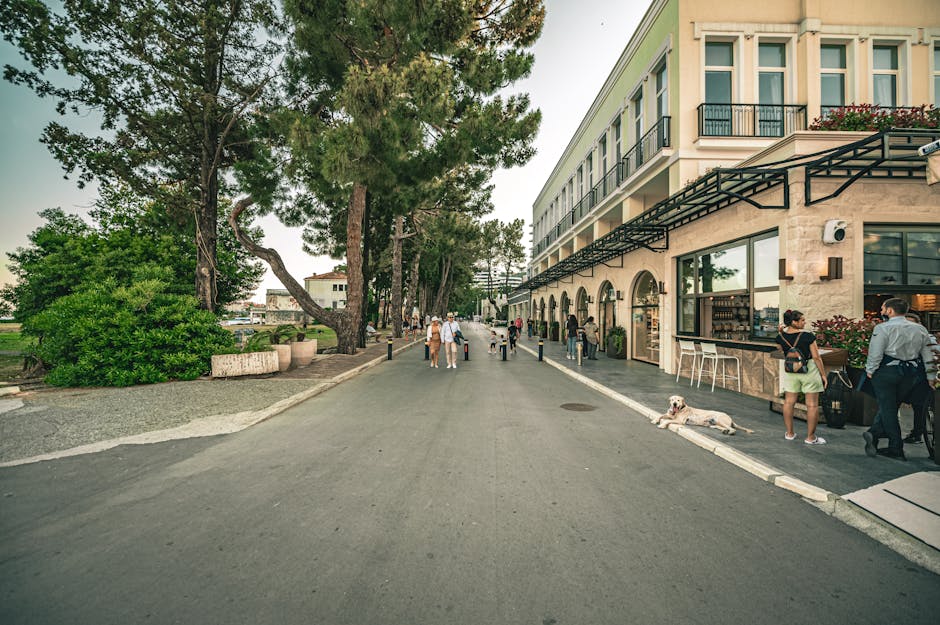
Explore Budva’s spiritual heart on this self-guided walk from the Old Town’s Roman ruins to the serene hillside monasteries and panoramic viewpoints.
 Moderate
Budva, Montenegro
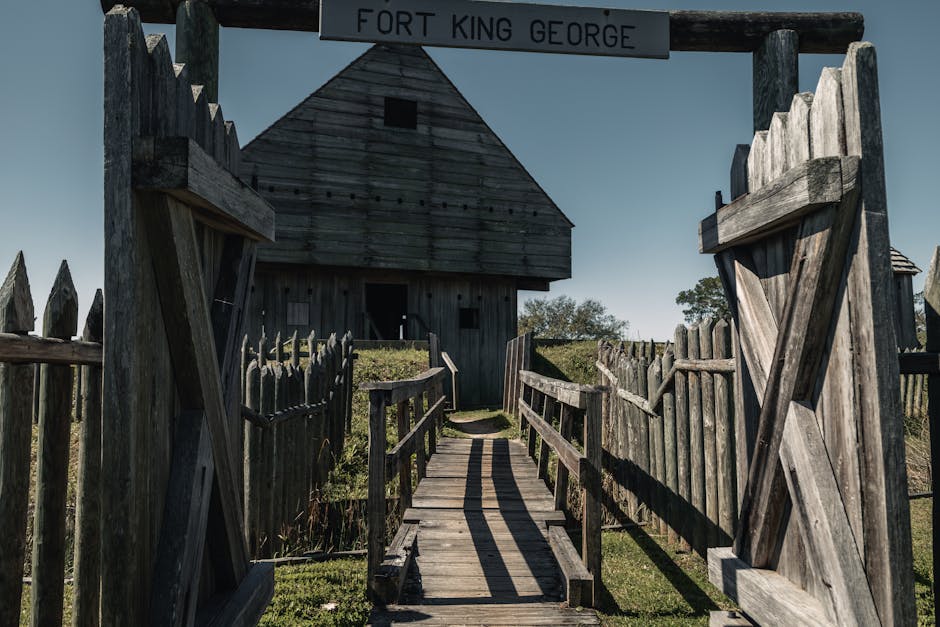
Explore 2,500 years of military history in Budva. Discover ancient fortresses, Roman ruins, and Venetian walls on this self-guided audio walk.
 Easy
EasyNairobi, Kenya
Explore Nairobi's architectural evolution from colonial-era landmarks to iconic Brutalist skyscrapers on this historic self-guided walking route.
 Easy
EasyNairobi, Kenya
Discover Nairobi's iconic skyline on this self-guided architecture walk through the CBD’s most famous modernist and Brutalist landmarks.
 Easy
EasySalzburg, Austria
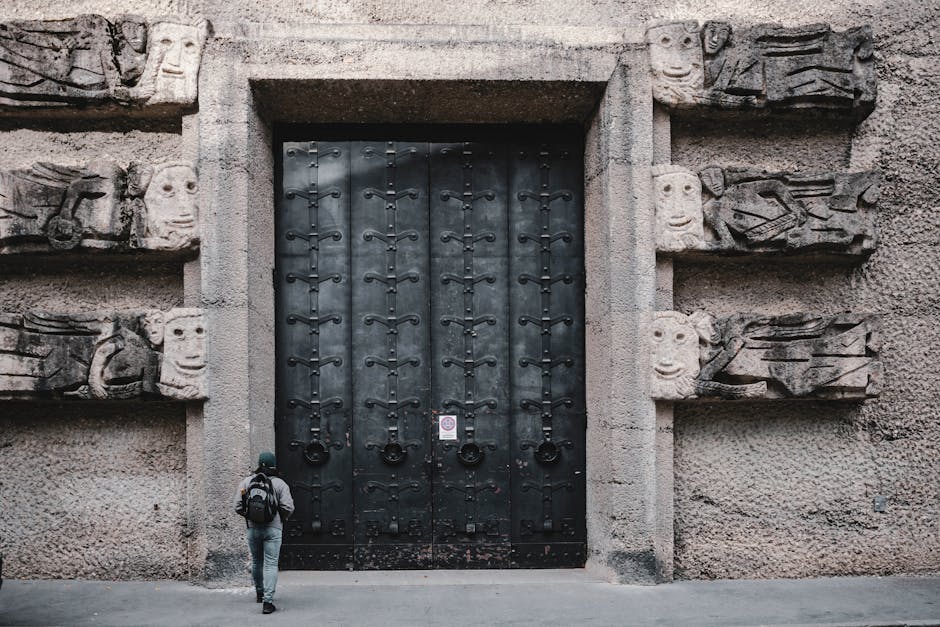
Discover the 'Rome of the North' on this self-guided walk through the Baroque squares and monumental legacy of Salzburg’s Prince-Archbishops.
 Easy
EasyGothenburg, Sweden
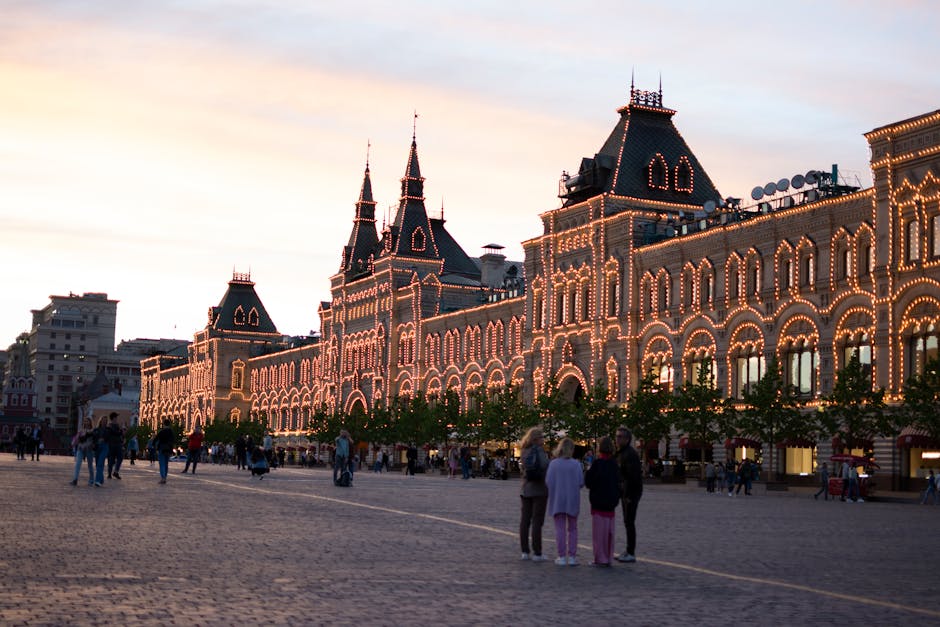
Discover Gothenburg’s 17th-century Dutch foundations, historic canals, and military fortifications on this self-guided architectural walk.
 Easy
EasyKotor, Montenegro
Discover Kotor's medieval squares, Venetian palaces, and mountain fortresses on this self-guided audio walk through the historic Old Town.
 Easy
EasyKotor, Montenegro
Discover Kotor’s legendary seafaring past on this self-guided audio walk through the historic Old Town and the scenic harbor.
 Easy
EasyKotor, Montenegro
Discover Kotor’s hidden squares, Venetian bastions, and coastal paths on this flexible self-guided audio walk through the historic Old Town.
 Easy
EasyKotor, Montenegro
Explore Kotor's marble streets and meeting its famous feline residents on this charming self-guided stroll through Montenegro's cat-loving capital.