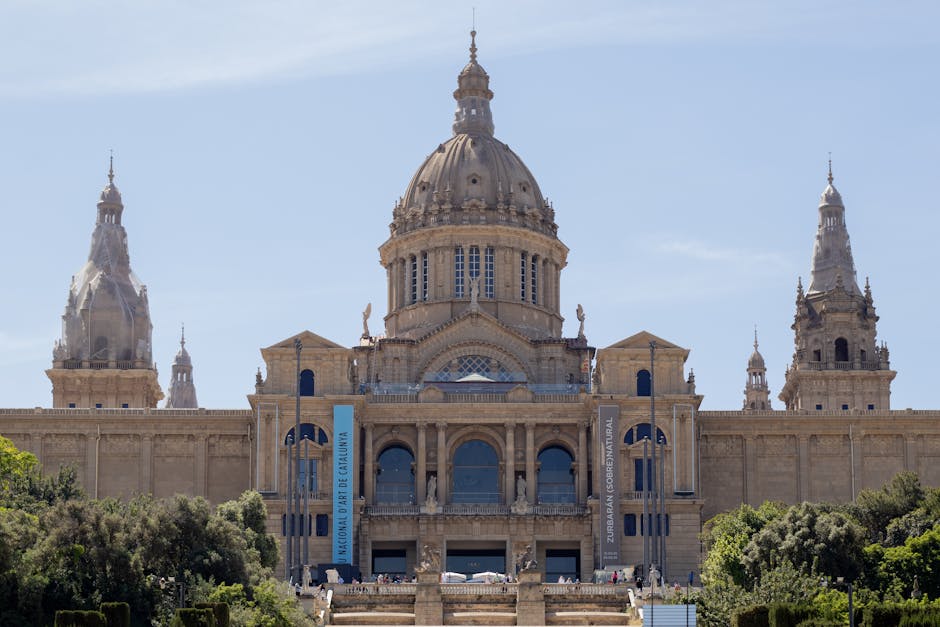
Self-guided audio tour in Barcelona
Start Free on iPhone
Start free on iPhone to unlock this self-guided walking tour in Barcelona. Hear all the stories that make it amazing, walk at your own pace, and begin whenever you want.
Your Private Tour Guide
Step into the heart of Barcelona’s 19th-century expansion with this self-guided walk through the Eixample district. Known as the Quadrat d’Or or Golden Square, this area represents the pinnacle of Catalan Modernisme and the wealth of the industrial bourgeoisie. As you explore independently, you will witness how the city transformed from a cramped medieval fortress into a sprawling, light-filled masterpiece of urban planning designed by Ildefons Cerdà. This neighborhood stroll focuses on the architectural marvels often overshadowed by the famous Sagrada Família, yet they are equally essential to understanding the city’s identity. The Golden Square is a living museum where every corner reveals intricate ironwork, vibrant mosaics, and organic stone carvings. This walking route takes you past the works of legendary architects like Lluís Domènech i Montaner and Josep Puig i Cadafalch, whose creative rivalry fueled the artistic explosion of the era. Beyond the stone facades, this self-guided adventure invites you to appreciate the lifestyle of Barcelona’s elite. You will see grand palaces that now serve as cultural centers and private residences that look like fairy-tale castles. While many visitors stick to the crowded Passeig de Gràcia, this route leads you through quieter streets where the true soul of the Eixample resides. Whether you are an enthusiast of fine art or simply enjoy a peaceful journey through beautiful streets, this walking tour Barcelona offers a deep dive into the luxury and history of the Catalan capital. By choosing this audio walk, you gain the freedom to pause whenever a detail catches your eye—be it a floral ceramic tile or a hidden garden. The Golden Square is not just about buildings; it is about the vision of a modern city that became a playground for artistic genius. Discover at your own pace why this area remains one of the most prestigious addresses in Europe.
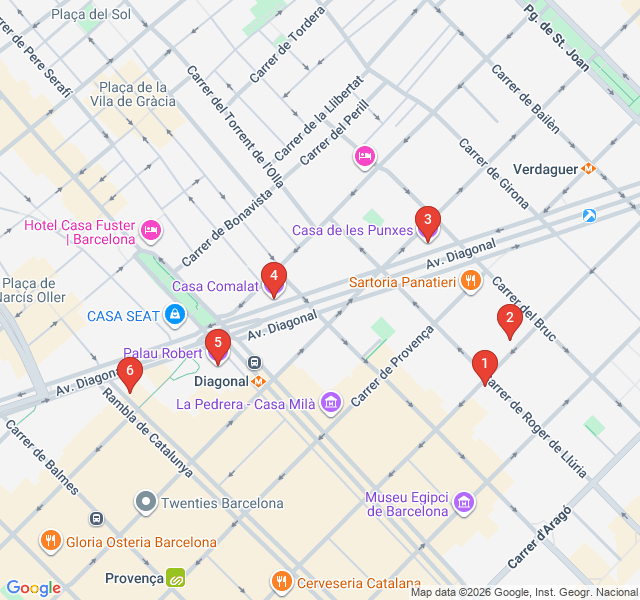
Numbers indicate the order of stops on the tour.
Begin your self-guided walk at the Palau Ramon Montaner, a masterpiece that exemplifies the luxury of the Eixample. Originally commissioned in 1889, this building saw the collaboration of two great architects: Josep Graner and later Lluís Domènech i Montaner. Look up at the top floor to see the magnificent mosaic friezes. These intricate designs depict the history of the printing press, a nod to the owner’s profession as a successful publisher. The building now serves as the seat of the Spanish Government Delegation in Catalonia, but its exterior remains a prime example of how the industrial elite used architecture to signal their status. Notice the blend of stone, brick, and ceramics that creates a rich, textured appearance common in Modernista design.
A short walk away stands Casa Thomas, another gem by Lluís Domènech i Montaner. Built between 1895 and 1898, this building was originally designed for the engraver Josep Thomas. The facade is famous for its neo-Gothic influences and the striking use of blue floral ceramics and wrought ironwork. In 1912, the architect's son-in-law, Francesc Guàrdia i Vial, added extra floors while respecting the original style—a rare feat in urban expansion. Take a moment to admire the eagle figures and the delicate carvings. Today, it houses a high-end furniture store, allowing you to peek inside and appreciate the vaulted ceilings and columns that reflect the building’s upscale origins.
As you reach the intersection of Avinguda Diagonal, you cannot miss the imposing Casa de les Punxes, or the 'House of Spikes.' Designed by Josep Puig i Cadafalch in 1905, this building looks like a medieval castle dropped into the middle of a modern city. It was built to unify three separate properties owned by the Terradas sisters. Look for the colorful ceramic panel depicting Saint George, the patron saint of Catalonia, with the inscription 'Holy Patron of Catalonia, give us back our freedom.' The six pointed towers give the building its nickname and make it one of the most photographed landmarks in the Golden Square. It is a brilliant example of how Modernisme drew inspiration from nationalistic symbols and northern European Gothic styles.
Casa Comalat is one of the most unique stops on your walking route. Designed by Salvador Valeri i Pupurull, this building is often compared to the work of Antoni Gaudí due to its organic, curving lines and hallucinogenic aesthetic. What makes Casa Comalat special is its dual personality. The facade you see on Avinguda Diagonal is formal and symmetrical, featuring heavy stone carvings. However, if you walk around to the back on Carrer de Còrsega, you will find a much more colorful and fluid design with wooden galleries and vibrant green ceramics. This 'back' facade was designed to catch the sunlight, showing the architect's playful approach to light and form.
Now, step into the elegance of Palau Robert. Built at the turn of the 20th century for the Marquis of Robert, this building offers a sharp contrast to the flamboyant Modernisme you have seen so far. Its Neoclassical style, using stone from Montjuïc, feels more restrained and Parisian. Today, it is a cultural center owned by the Generalitat de Catalunya. The real treasure here is the garden—a peaceful oasis of palm trees and seasonal flowers hidden from the city noise. It is the perfect place to pause your audio walk, sit on a bench, and soak in the atmosphere of the Eixample. The palace frequently hosts free exhibitions about Catalan culture and history.
Your journey through the Golden Square concludes at Can Serra, the current seat of the Diputació de Barcelona. This building is another triumph by Josep Puig i Cadafalch, constructed between 1903 and 1908. It was originally intended as a private residence but was never finished as such. The building is a masterclass in Plateresque and historicist styles, with highly decorative window frames and stone carvings that look like fine lace. In the 1980s, a modern glass building was integrated behind the historic facade, creating a striking juxtaposition of old and new Barcelona. This site perfectly summarizes the Eixample: a neighborhood that respects its prestigious past while constantly evolving for the future.
Start Free on iPhone
Explore “Eixample: The Golden Square” with your very own Private Tour Guide with Zigway. Start free on iPhone, skip the large group and the fixed routes, and hear the city come alive as you go.
Your Private Tour Guide
Don't miss the good stuff
Explore Freely
 Moderate
Barcelona, Spain
Explore the elegant 'village' of Sarrià, where Gothic monasteries and Gaudí's hidden gems meet charming local markets and narrow streets.
 Moderate
Barcelona, Spain
Discover the revolutionary history and haunting scars of the Spanish Civil War on this self-guided walk through Barcelona's historic streets.
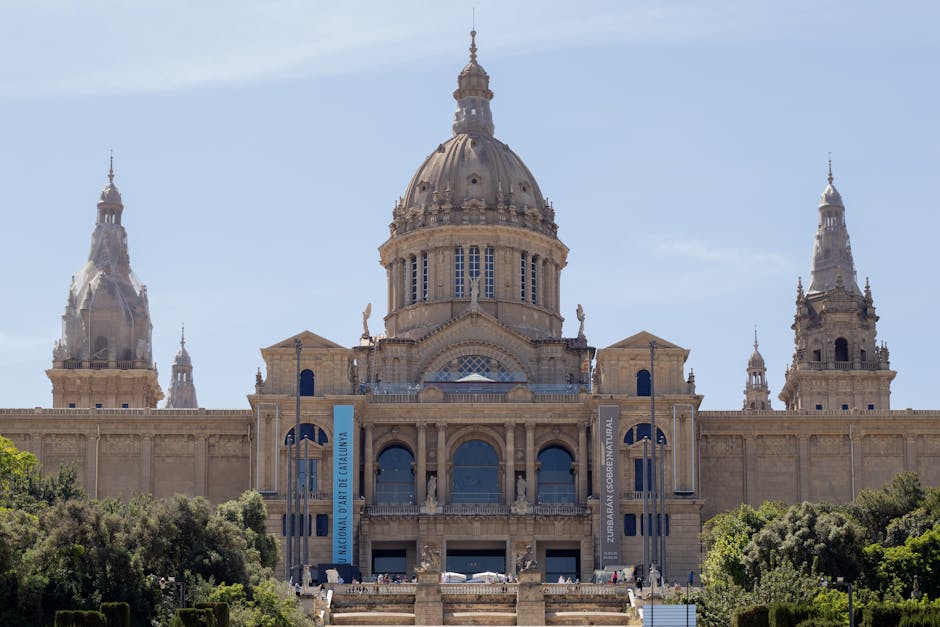 Challenging
Barcelona, Spain
Explore Montjuïc’s lush gardens, historic fortress, and iconic Olympic venues on this scenic self-guided walk with panoramic Mediterranean views.
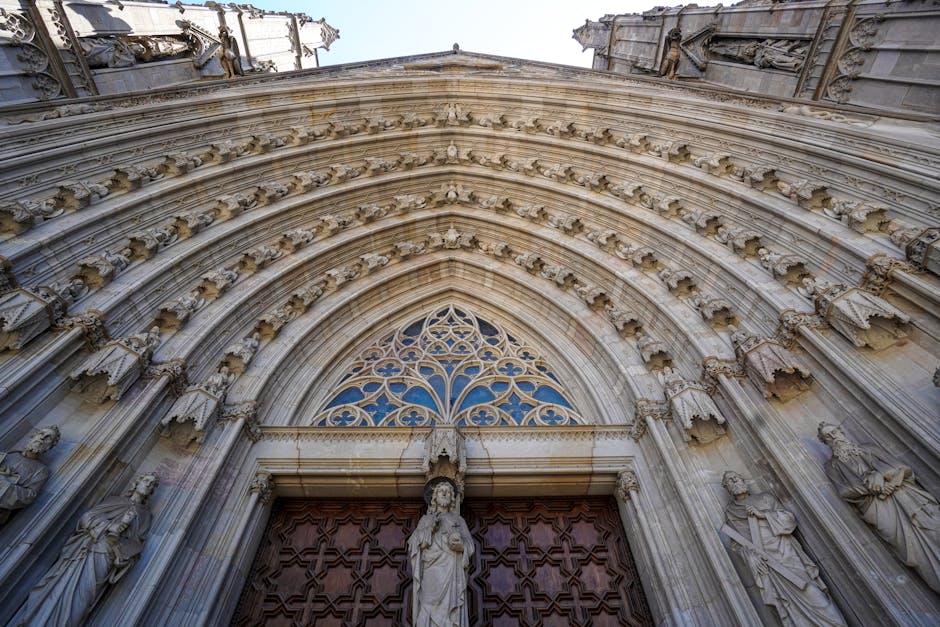 Easy
EasyBarcelona, Spain
Uncover 2,000 years of history on this self-guided walk through Barcelona's Gothic Quarter, from Roman ruins to haunting medieval squares.
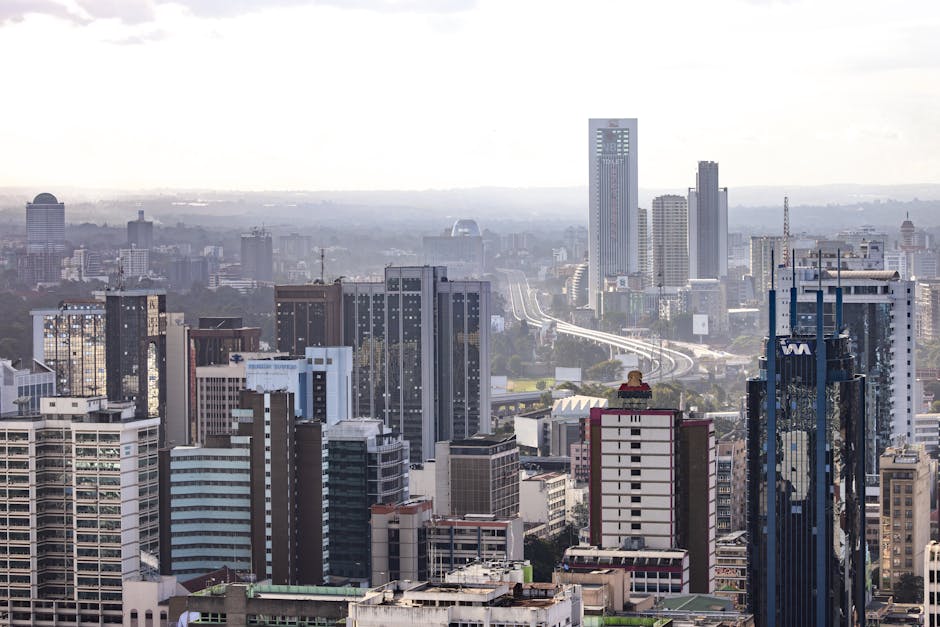 Easy
EasyNairobi, Kenya
Discover Nairobi's iconic skyline on this self-guided architecture walk through the CBD’s most famous modernist and Brutalist landmarks.
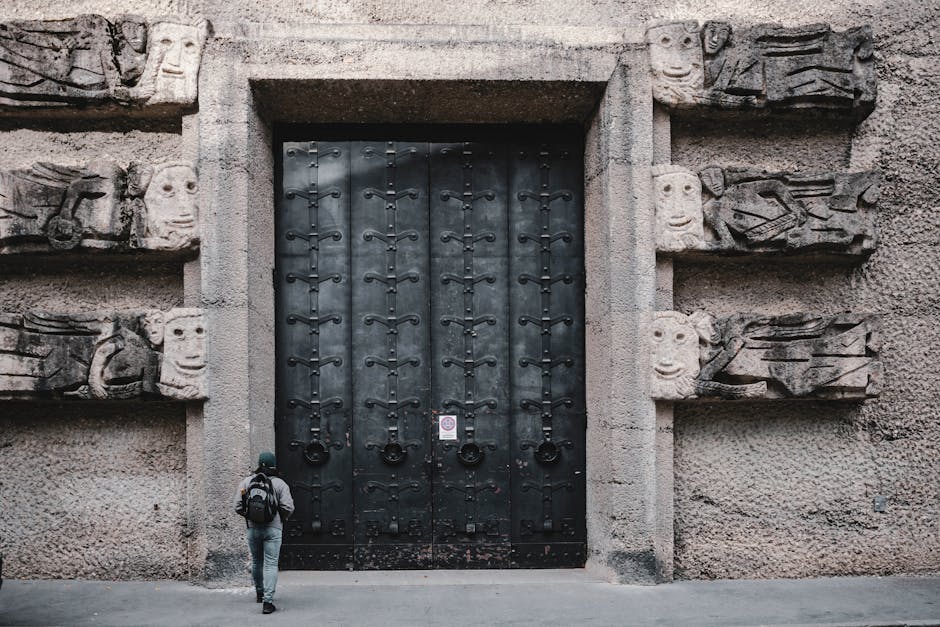 Easy
EasySalzburg, Austria
Discover the 'Rome of the North' on this self-guided walk through the Baroque squares and monumental legacy of Salzburg’s Prince-Archbishops.
 Easy
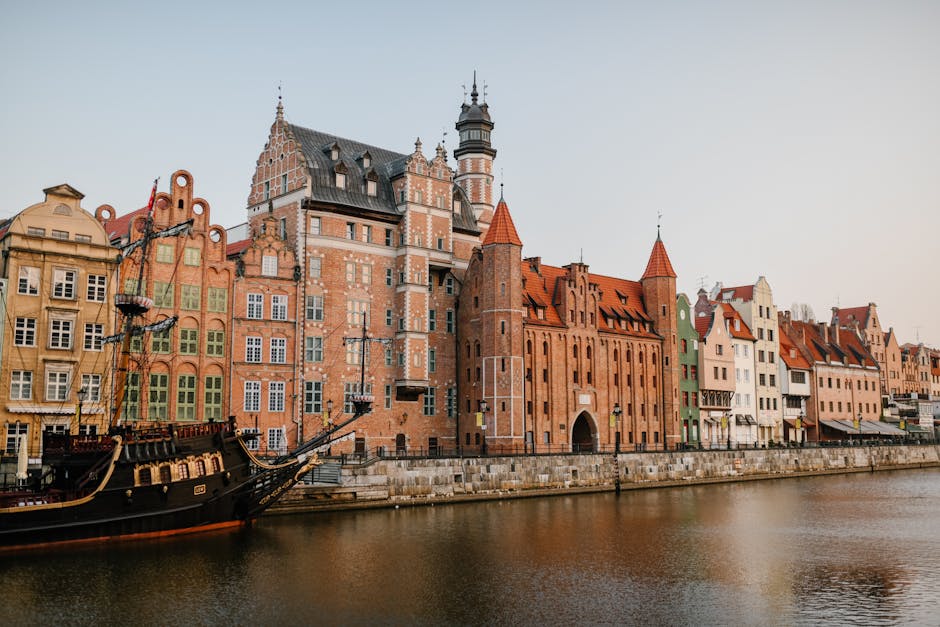
EasyGdansk, Poland
Discover the 'Baltic Gold' on this self-guided walk through Gdansk's historic mills, massive cathedrals, and the magical Mariacka Street.
 Easy
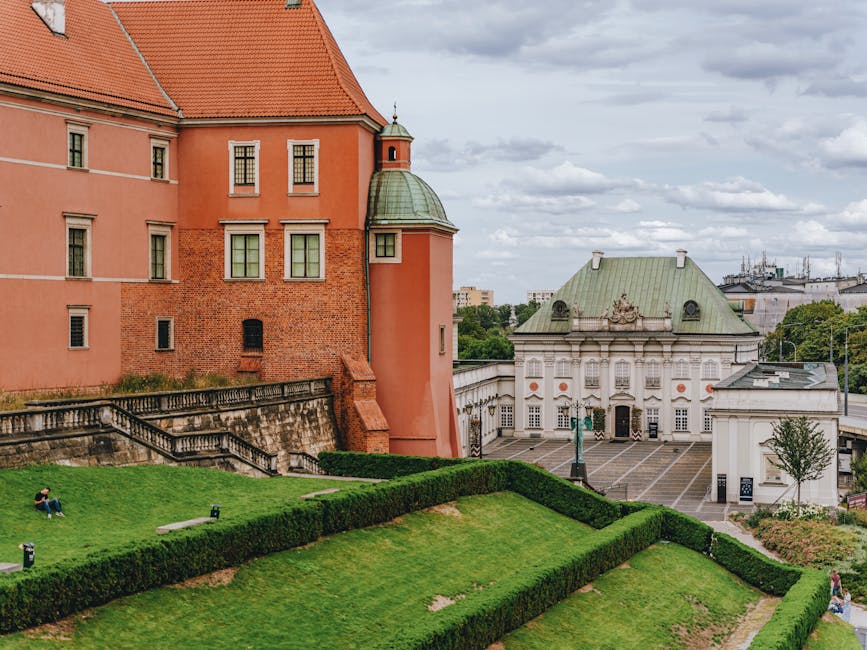
EasyWarsaw, Poland
Explore the miracle of Warsaw's reconstructed Old Town on this self-guided walk through royal squares, medieval walls, and heroic monuments.
 Easy
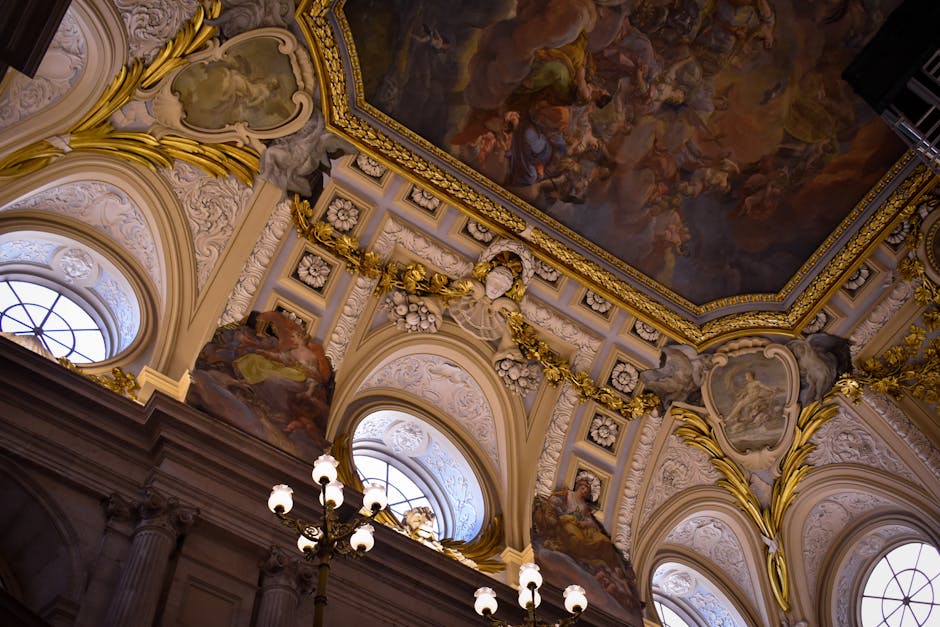
EasyMadrid, Spain
Explore Madrid's 'Landscape of Light' on this self-guided walk through the world-renowned Golden Triangle of Art, from Cibeles to the Reina Sofía.
 Moderate
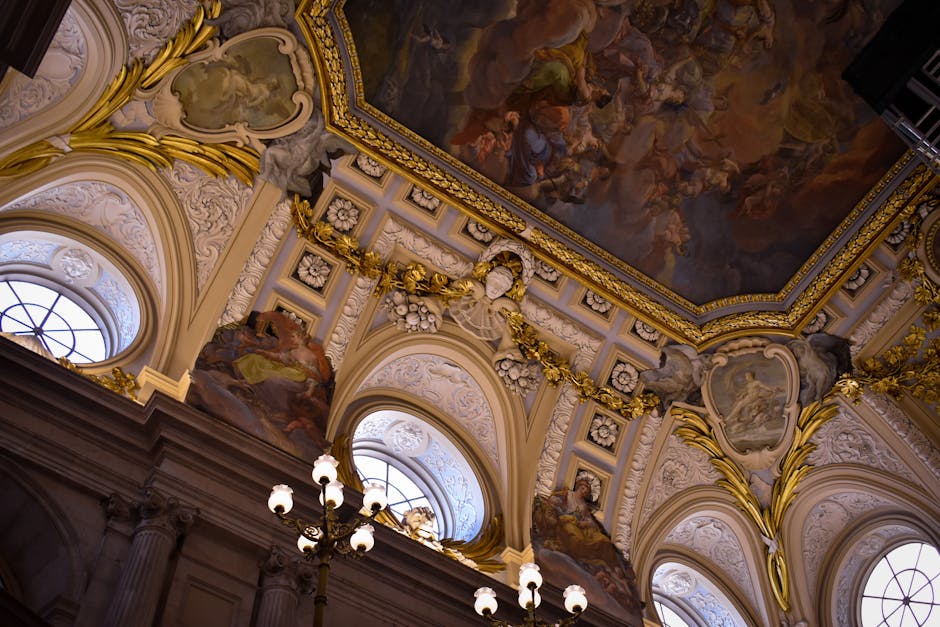
Madrid, Spain
Explore Madrid's most diverse neighborhood on this self-guided walk through street art, historic markets, and multicultural squares.
 Easy
EasyMadrid, Spain
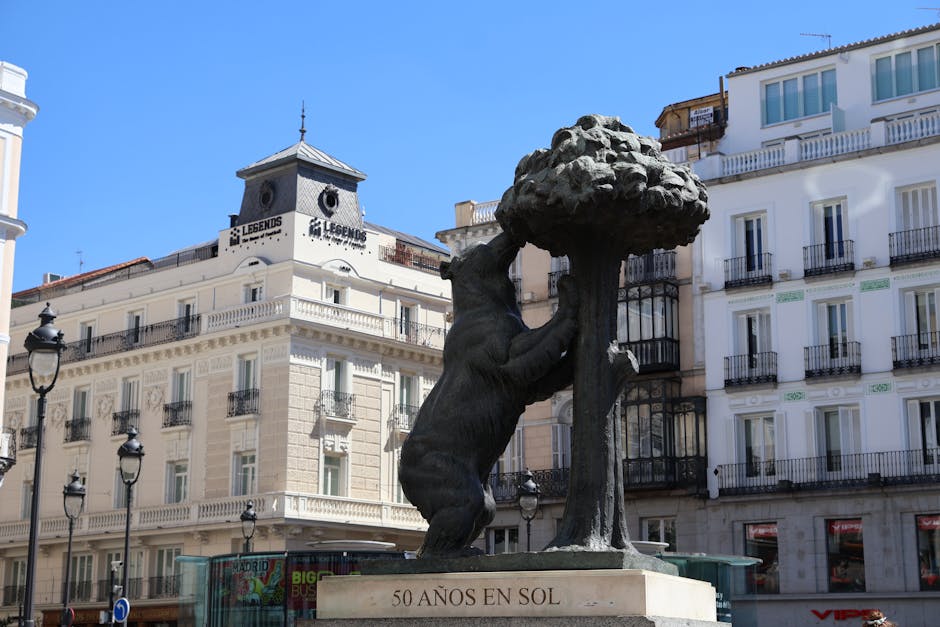
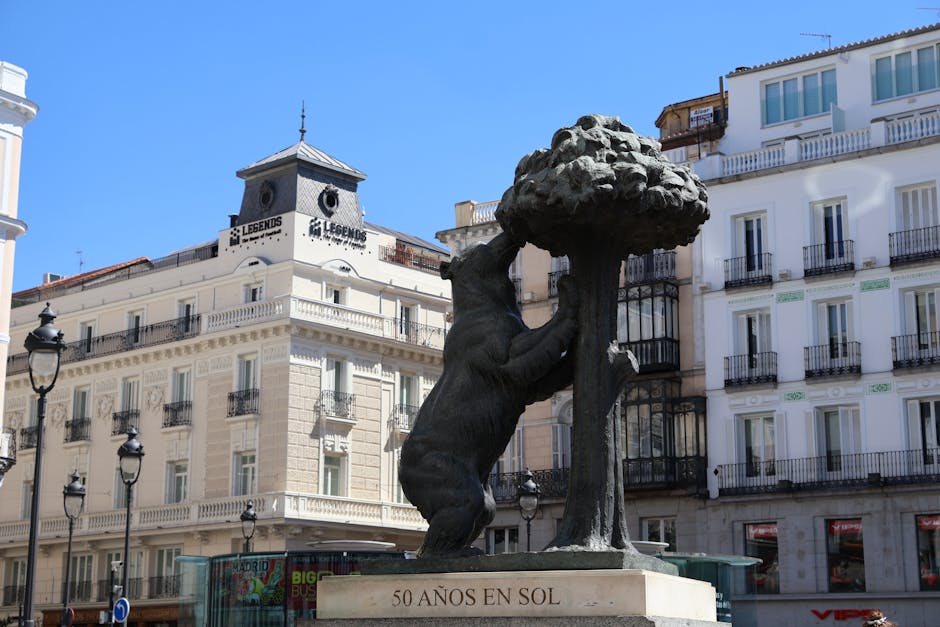
Explore the royal legacy and medieval alleys of Madrid's historic Habsburg district on this immersive self-guided walk through the city's heart.
 Easy
EasyMadrid, Spain
Discover the rebellious spirit of Malasaña on this self-guided walk through Madrid's best street art, historic squares, and counter-culture hubs.