Self-guided audio tour in Madrid
Start Free on iPhone
Start free on iPhone to unlock this self-guided walking tour in Madrid. Hear all the stories that make it amazing, walk at your own pace, and begin whenever you want.
Your Private Tour Guide
Madrid’s Paseo del Prado is not merely a street; it is an open-air museum and a UNESCO World Heritage site known as the Landscape of Light. This self-guided walk invites you to explore the 'Golden Triangle of Art,' a concentrated area housing some of the most significant cultural treasures in the world. As you embark on this neighborhood stroll, you will witness the evolution of Spanish power and aesthetics, from the neoclassical grandeur of the 18th century to the daring architectural innovations of the modern era. The route begins at the iconic Cibeles Fountain, a symbol of the city’s identity, before leading you past the historic Stock Exchange and into the heart of the art district. What makes this walking route special is the seamless blend of nature and culture. You will move from the monumental facade of the Prado Museum—home to masterpieces by Velázquez and Goya—to the lush, scientific sanctuary of the Royal Botanical Garden. The journey continues toward the striking CaixaForum, where a massive vertical garden defies gravity, and concludes at the Reina Sofía, Spain’s premier museum for modern art. This exploration is designed for those who want to discover at their own pace, allowing you to linger under the shade of centuries-old trees or admire the intricate stonework of Madrid's most famous landmarks. Whether you are an art aficionado or a casual traveler, this self-guided adventure offers a deep dive into the soul of the Spanish capital. By following this walking route, you experience the city as the locals do, moving through wide boulevards that have hosted royal processions, political shifts, and artistic revolutions for hundreds of years. This travel experience ensures you see the essential sights of the Retiro and Jerónimos districts while maintaining the flexibility to pause for a café con leche whenever the mood strikes.
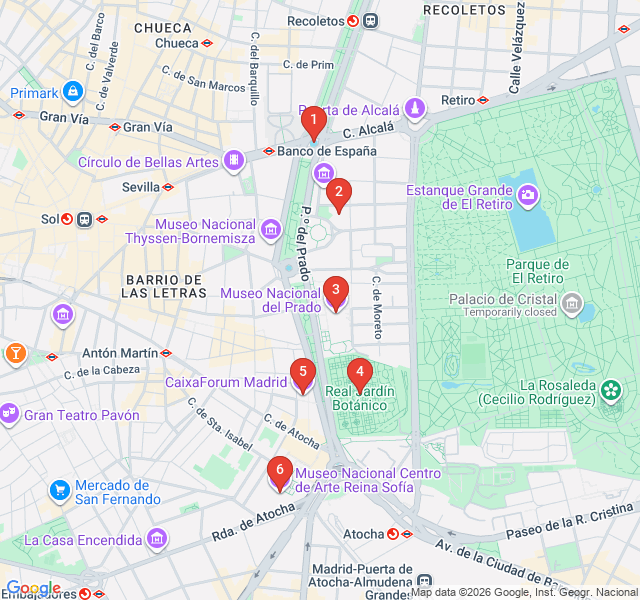
Numbers indicate the order of stops on the tour.
Welcome to the Plaza de Cibeles, arguably the most iconic intersection in Madrid. At its center stands the fountain of the goddess Cybele, designed by Ventura Rodríguez in 1782. She sits in a chariot pulled by two lions, representing the mythological figures Hippomenes and Atalanta, who were turned into beasts by Aphrodite. This fountain isn't just a work of art; it’s a cultural touchstone where Real Madrid fans gather to celebrate titles. Surrounding you are architectural giants: the white Palacio de Cibeles (the former post office and current City Hall), the Bank of Spain, and the Palacio de Buenavista. This spot marks the northern gateway to the 'Landscape of Light,' a UNESCO-listed area that blends urban design with nature.
A short walk down the Paseo del Prado brings you to the Palacio de la Bolsa de Madrid, the city's Stock Exchange. Opened in 1893 by Queen Maria Christina, this neoclassical building reflects the economic ambitions of 19th-century Spain. Look up at the impressive portico with its Corinthian columns and the allegorical figures representing commerce and industry. While the interior is often associated with the high-stakes world of finance, the exterior remains a serene example of the 'Jerónimos' district's architectural elegance. It was designed by Enrique María Repullés y Vargas, who won a national competition for the project, ensuring the building would stand as a monument to Spanish stability and progress during a period of industrial growth.
You are now standing before one of the world’s greatest art galleries. The Museo del Prado was originally commissioned by King Carlos III as a natural history museum, but his grandson, Fernando VII, decided it should house the royal art collection instead. The building itself is a masterpiece of Spanish Neoclassicism, designed by Juan de Villanueva. As you walk along its length, you'll see statues of Spain's most famous painters: Velázquez, Goya, and Murillo. Inside these walls are the treasures of the Spanish Crown, including 'Las Meninas' and Goya's 'Black Paintings.' Even from the outside, the scale of the building conveys the immense cultural wealth that transformed Madrid into a global art capital during the 19th century.
Directly adjacent to the Prado is the Royal Botanical Garden. Founded in 1755 by King Fernando VI and later moved here by Carlos III, this garden was intended to be more than just a park; it was a scientific laboratory for the study of plants brought back from the Spanish Americas and the Pacific. The layout is divided into three tiered terraces, organized according to the Linnaean system. As you stroll past the gates, notice the harmony between the garden and the museum next door; they were designed together to create a district dedicated to the Enlightenment's ideals of science and art. It remains a peaceful escape from the city traffic, housing over 5,000 species of living plants.
Prepare for a dramatic shift in style. CaixaForum is a brilliant example of adaptive reuse in modern architecture. Designed by the Swiss firm Herzog & de Meuron, the building occupies a former 19th-century power station. The architects removed the granite base, making the heavy brick structure appear to 'float' above the plaza. To your right, you cannot miss the Vertical Garden designed by Patrick Blanc. This 'living wall' features over 15,000 plants from 250 different species, growing without soil. It acts as a natural cooling system for the area and serves as a vibrant, organic counterpoint to the rusted iron and brick of the museum building. This site represents the bold, contemporary face of Madrid's art scene.
The final stop on our walk is the Reina Sofía, Spain’s national museum of 20th-century art. The main building was originally an 18th-century hospital, which explains its austere, functional appearance. In the 1990s, the iconic glass and steel elevator towers were added, followed by a bold red expansion by architect Jean Nouvel in 2005. This museum is the home of Pablo Picasso’s 'Guernica,' the haunting mural depicting the horrors of the Spanish Civil War. While the Prado focuses on the past, the Reina Sofía explores the complexities of modernity and the avant-garde. From here, you are perfectly positioned at the southern tip of the Golden Triangle, just steps away from the historic Atocha train station.
Start Free on iPhone
Explore “The Golden Triangle of Art Promenade” with your very own Private Tour Guide with Zigway. Start free on iPhone, skip the large group and the fixed routes, and hear the city come alive as you go.
Your Private Tour Guide
Don't miss the good stuff
Explore Freely
 Moderate
Madrid, Spain
Explore Madrid's most diverse neighborhood on this self-guided walk through street art, historic markets, and multicultural squares.
 Easy
EasyMadrid, Spain
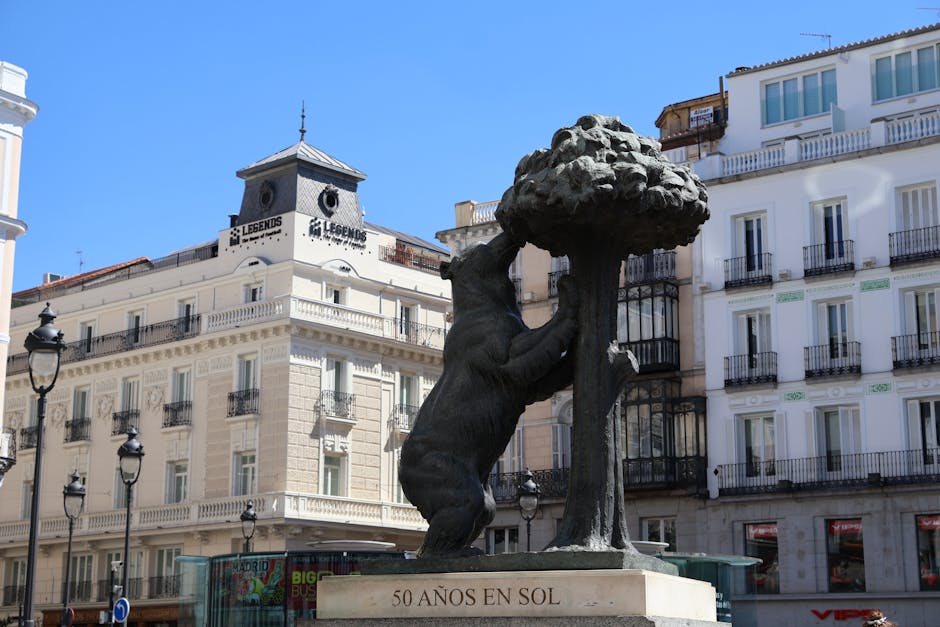
Explore the royal legacy and medieval alleys of Madrid's historic Habsburg district on this immersive self-guided walk through the city's heart.
 Easy
EasyMadrid, Spain
Discover the rebellious spirit of Malasaña on this self-guided walk through Madrid's best street art, historic squares, and counter-culture hubs.
 Moderate
Madrid, Spain
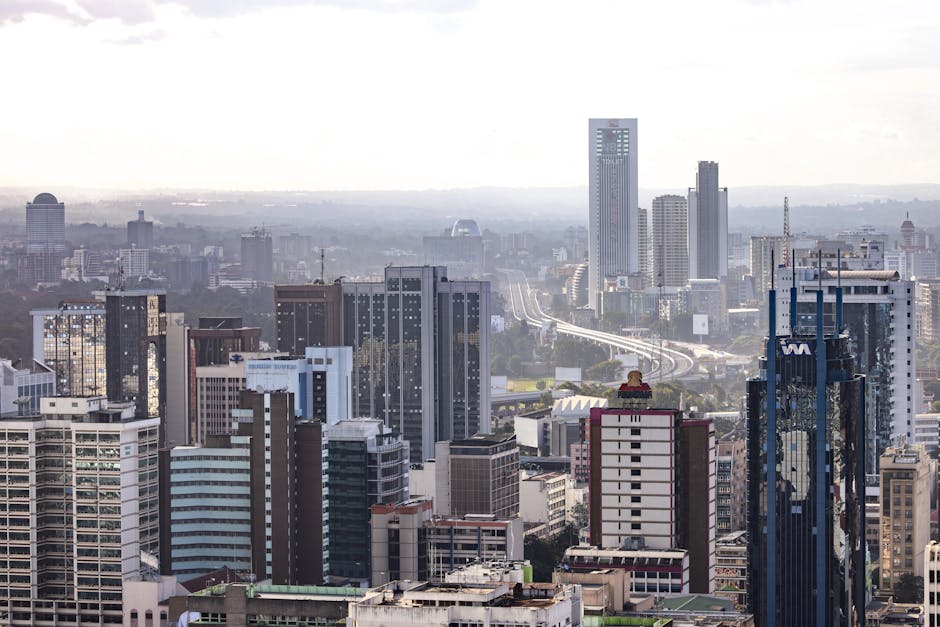
Discover the medieval soul and legendary tapas scene of Madrid's La Latina neighborhood at your own pace with this flavor-filled audio walk.
 Easy
EasyNairobi, Kenya
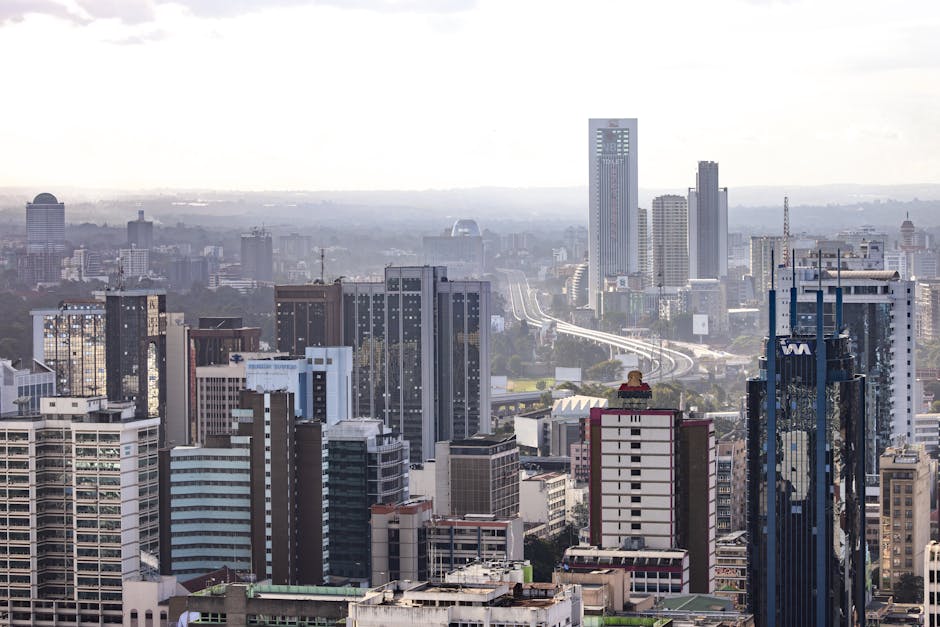
Explore Nairobi's architectural evolution from colonial-era landmarks to iconic Brutalist skyscrapers on this historic self-guided walking route.
 Easy
EasyNairobi, Kenya
Discover Nairobi's iconic skyline on this self-guided architecture walk through the CBD’s most famous modernist and Brutalist landmarks.
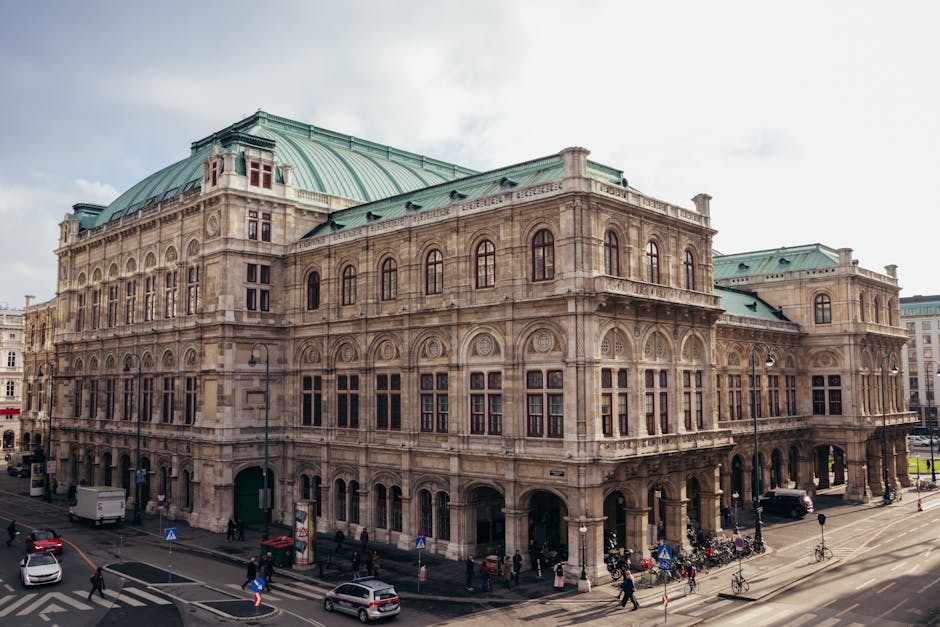 Moderate
Vienna, Austria
Follow the footsteps of Mozart and Strauss through Vienna’s historic center on this self-guided walk through the city's rich musical history.
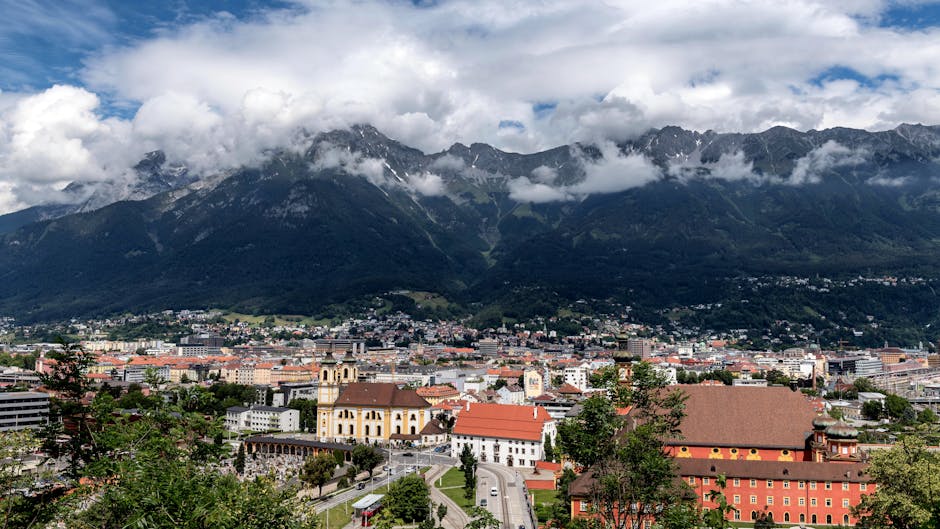 Easy
EasyInnsbruck, Austria
Uncover the myths and legends of Innsbruck on this self-guided walk through the historic Altstadt and beyond.
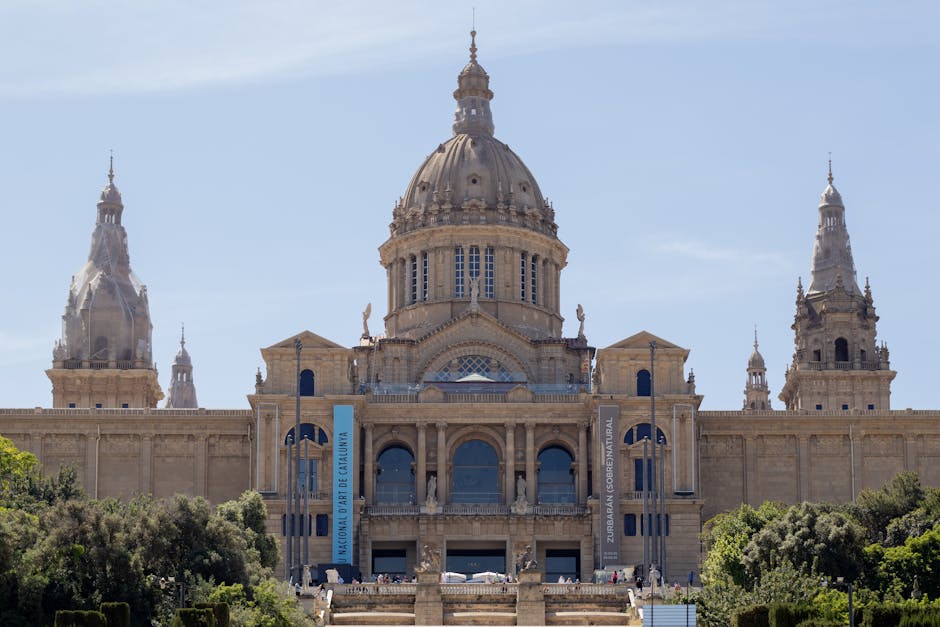 Moderate
Barcelona, Spain
Explore the elegant 'village' of Sarrià, where Gothic monasteries and Gaudí's hidden gems meet charming local markets and narrow streets.
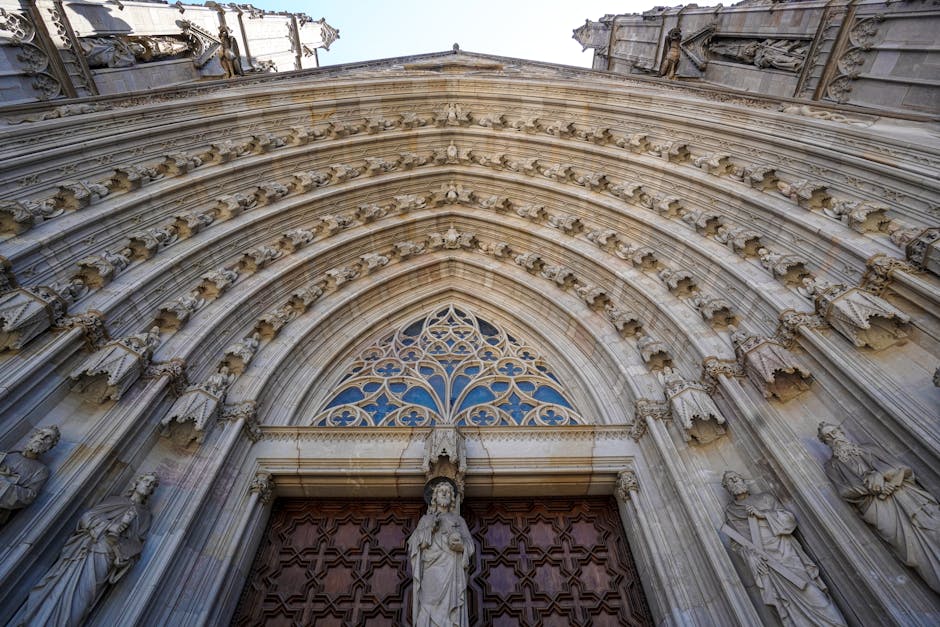 Moderate
Barcelona, Spain
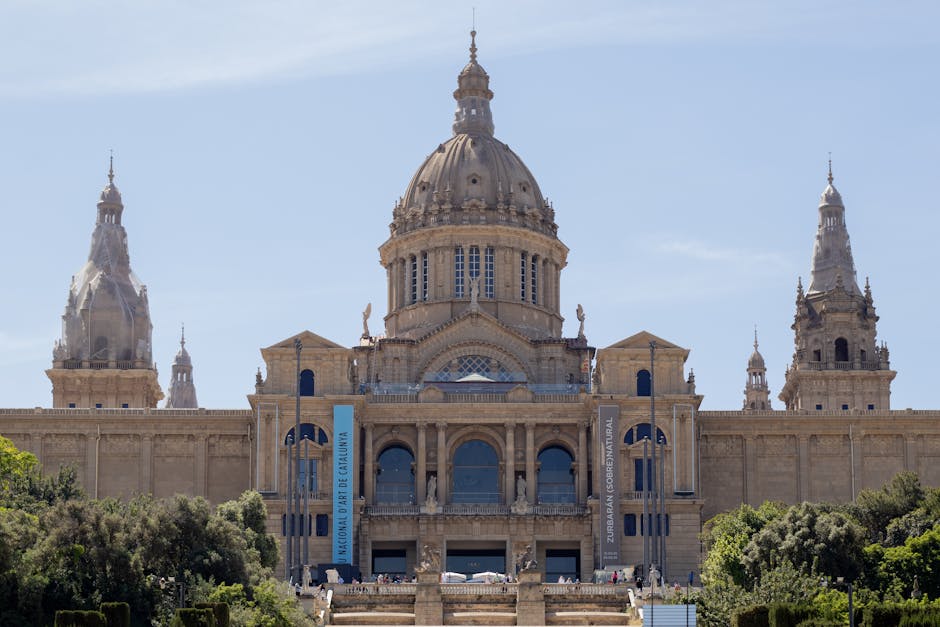
Discover the revolutionary history and haunting scars of the Spanish Civil War on this self-guided walk through Barcelona's historic streets.
 Easy
EasyBarcelona, Spain
Discover the architectural wonders of Barcelona's Golden Square on this self-guided stroll through Eixample's most luxurious Modernista streets.
 Challenging
Barcelona, Spain
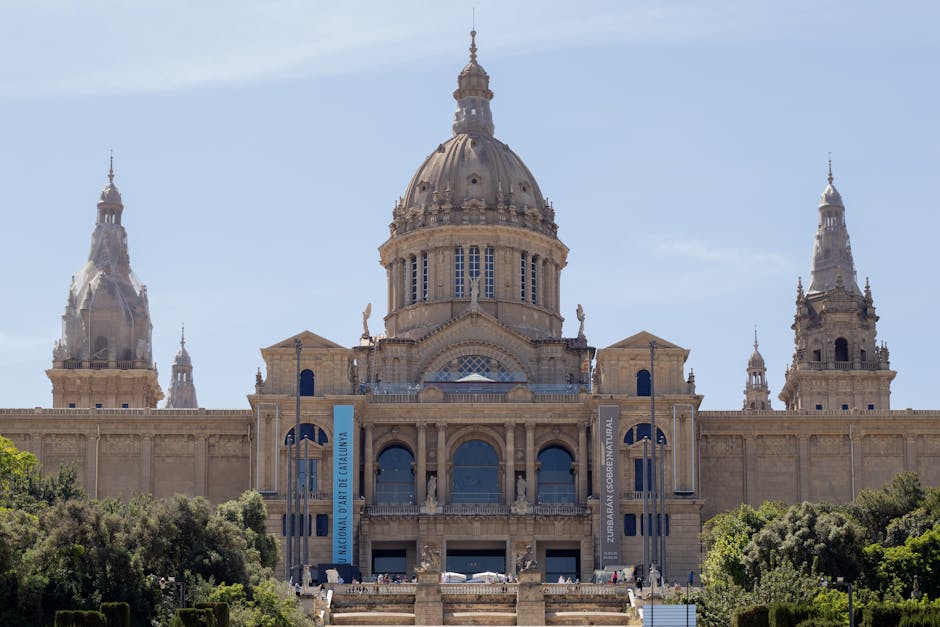
Explore Montjuïc’s lush gardens, historic fortress, and iconic Olympic venues on this scenic self-guided walk with panoramic Mediterranean views.