Self-guided audio tour in Madrid
Start Free on iPhone
Start free on iPhone to unlock this self-guided walking tour in Madrid. Hear all the stories that make it amazing, walk at your own pace, and begin whenever you want.
Your Private Tour Guide
Discover the beating heart of Madrid's alternative scene on this immersive self-guided walk through Lavapiés. Once a working-class district known for its traditional 'corralas' (tenement houses with communal courtyards), Lavapiés has transformed into a vibrant multicultural mosaic where over 80 nationalities coexist. This neighborhood stroll invites you to explore the intersection of history and modern urban expression, moving from the art deco elegance of historic cinemas to the gritty, colorful murals that define the area's contemporary identity. As you navigate the steep, winding streets, you will encounter the legacy of Madrid's medieval Jewish quarter and the industrial heritage of the 18th century, all while surrounded by the scents of spices from around the globe. This walking route is perfect for those who want to see a side of the Spanish capital that often escapes the typical travel itineraries. You will stand before the stunning Cine Doré, a masterpiece of early 20th-century architecture that serves as the headquarters for the Spanish Film Institute. From there, the path leads into the bustling Plaza de Lavapiés, the neighborhood's social epicenter, and past the architectural curiosity of the House of Sombrerete, a preserved example of traditional housing. You will also experience the local life at the Mercado de San Fernando, where traditional stalls sit alongside craft beer bars and second-hand bookstores. The journey concludes at La Tabacalera, a former tobacco factory turned cultural space that showcases some of the city's most impressive street art. Whether you are a photography enthusiast, a history buff, or simply a curious traveler, this walking tour Madrid experience offers a deep dive into the soul of the city. Explore at your own pace and witness how a historic neighborhood can reinvent itself while staying true to its community roots. **Note:** This area is known for its ever-changing character. Street art, pop-up venues, and temporary exhibitions may differ from what's described. That's part of the adventure - you might discover something entirely new!
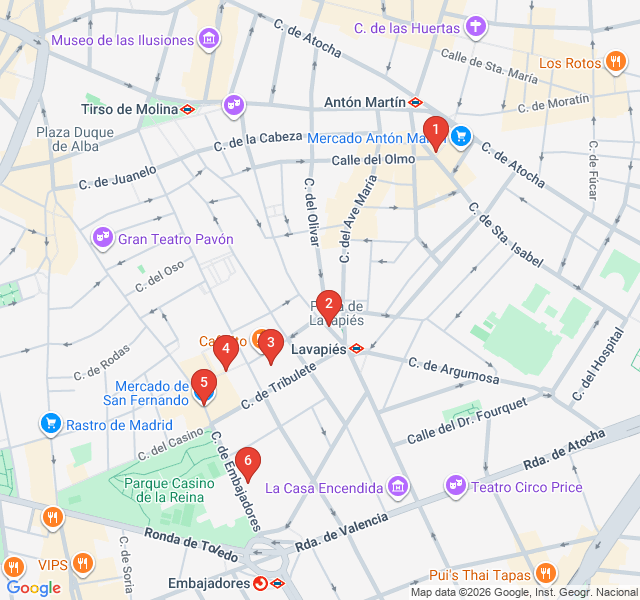
Numbers indicate the order of stops on the tour.
Begin your self-guided adventure at Cine Doré, one of Madrid’s most beautiful buildings. Opened in 1912 and rebuilt in 1923, its striking orange facade and Art Deco details make it an architectural landmark. Today, it serves as the screening room for the Filmoteca Española, preserving Spain's cinematic heritage. Fans of Pedro Almodóvar might recognize it from his film 'Pain and Glory.' The theater represents the transition from the traditional center of Madrid into the more bohemian Lavapiés. Take a moment to admire the ornate carvings and the classic ticket booth before heading south into the heart of the barrio.
Plaza de Lavapiés is the energetic hub of this multicultural district. The name 'Lavapiés' literally translates to 'wash feet,' which some historians believe refers to a fountain where people performed ritual ablutions near the site of a former synagogue. Today, the square is a crossroads of cultures, where you'll hear a dozen languages spoken and see the Valle-Inclán Theatre, a modern structure that contrasts with the older buildings. It is a place of protest, celebration, and daily life, perfectly embodying the neighborhood's resilient and diverse spirit.
Look up as you reach the corner of Calle del Sombrerete to see a classic example of a 'corrala.' These traditional Madrid tenement houses were built around a central open-air courtyard with wooden balconies. This specific building, often called the 'Catedral de las Corralas,' dates back to the 19th century. It offers a glimpse into the communal lifestyle of old Madrid, where neighbors shared laundry lines and socialized in the central patio. While you cannot usually enter the private residences, the exterior architecture remains one of the most photographed and characteristic sights in Lavapiés.
In a small, charming square, you will find the statue of Agustín Lara, the famous Mexican composer. Interestingly, Lara wrote the famous song 'Madrid' without ever having visited the city. In gratitude for his poetic tribute to the Spanish capital, the city erected this monument. The statue sits near the ruins of the Escuelas Pías de San Fernando, an 18th-century church and school that was partially destroyed during the Spanish Civil War. The ruins now house a public library, blending the scars of history with modern community utility.
Step inside the Mercado de San Fernando to experience a market that has resisted gentrification by focusing on local community needs. Unlike the more tourist-heavy markets in the city center, this one feels authentic. You will find stalls selling organic produce alongside craft beer vendors, Greek delicacies, and even a bookstore where you buy books by weight. The market is a social center for the neighborhood, especially on weekends. It is a great spot to see how Lavapiés balances its traditional identity with the creative energy of its newer residents.
Your walking route concludes at La Tabacalera, a massive former tobacco factory built in the late 1700s. Today, it is a divided space: one half is a government-run art gallery, and the other is a self-managed social center (CSA). The exterior walls, known as the 'Muros de Tabacalera,' serve as a legal canvas for urban artists. Please note that the murals change frequently as new artists are invited to contribute, so what you see today is a unique snapshot of Madrid's current street art scene. The building stands as a monument to Madrid's industrial past and its creative, grassroots future.
Start Free on iPhone
Explore “Lavapiés: A Multicultural Mosaic” with your very own Private Tour Guide with Zigway. Start free on iPhone, skip the large group and the fixed routes, and hear the city come alive as you go.
Your Private Tour Guide
Don't miss the good stuff
Explore Freely
 Easy
EasyMadrid, Spain
Explore Madrid's 'Landscape of Light' on this self-guided walk through the world-renowned Golden Triangle of Art, from Cibeles to the Reina Sofía.
 Easy
EasyMadrid, Spain
Explore the royal legacy and medieval alleys of Madrid's historic Habsburg district on this immersive self-guided walk through the city's heart.
 Easy
EasyMadrid, Spain
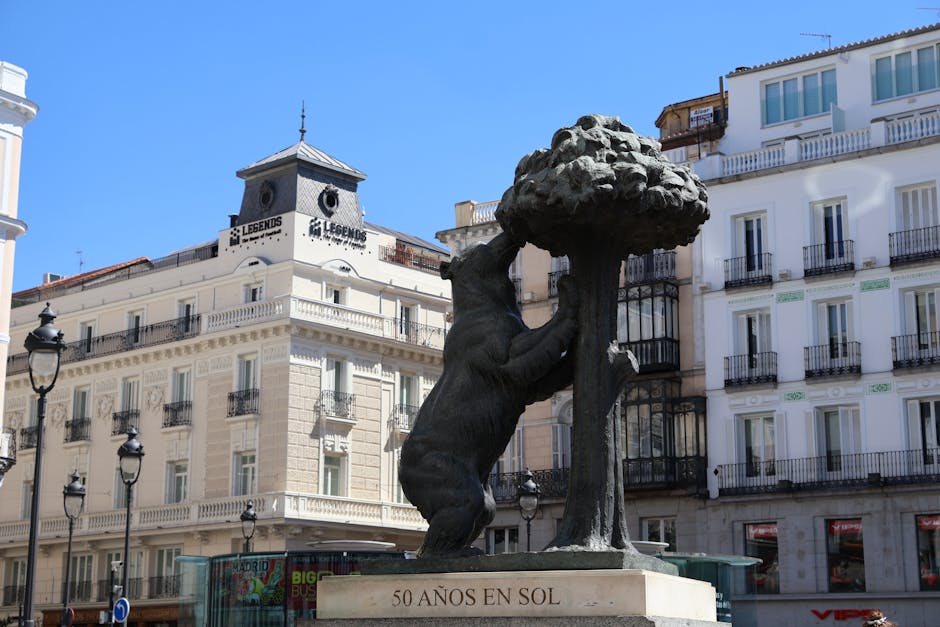
Discover the rebellious spirit of Malasaña on this self-guided walk through Madrid's best street art, historic squares, and counter-culture hubs.
 Moderate
Madrid, Spain
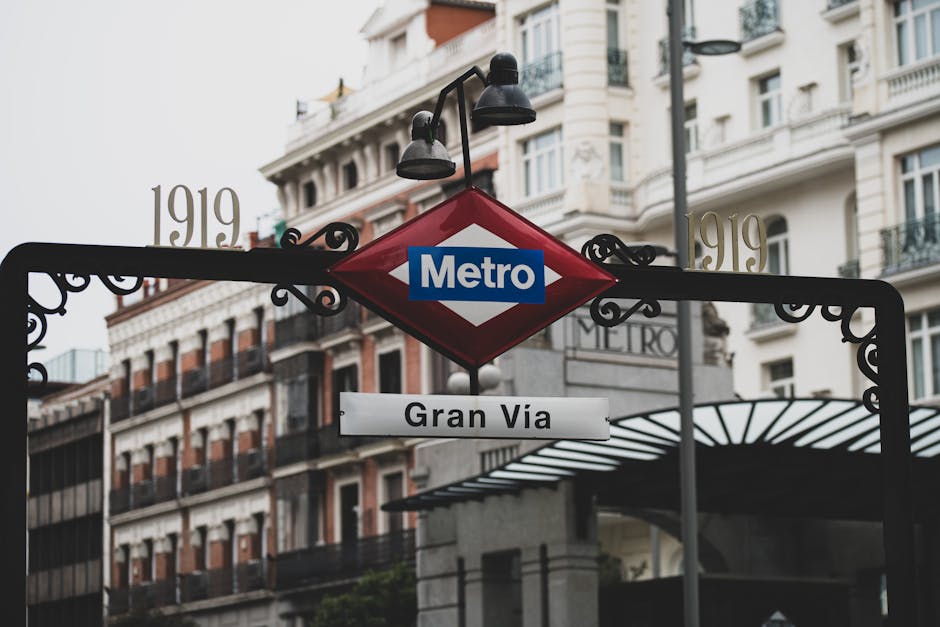
Discover the medieval soul and legendary tapas scene of Madrid's La Latina neighborhood at your own pace with this flavor-filled audio walk.
 Moderate
Helsinki, Finland
Explore Helsinki's bohemian heart. Discover historic saunas, granite churches, and the vibrant local life of the Kallio neighborhood at your own pace.
 Moderate
Gdansk, Poland
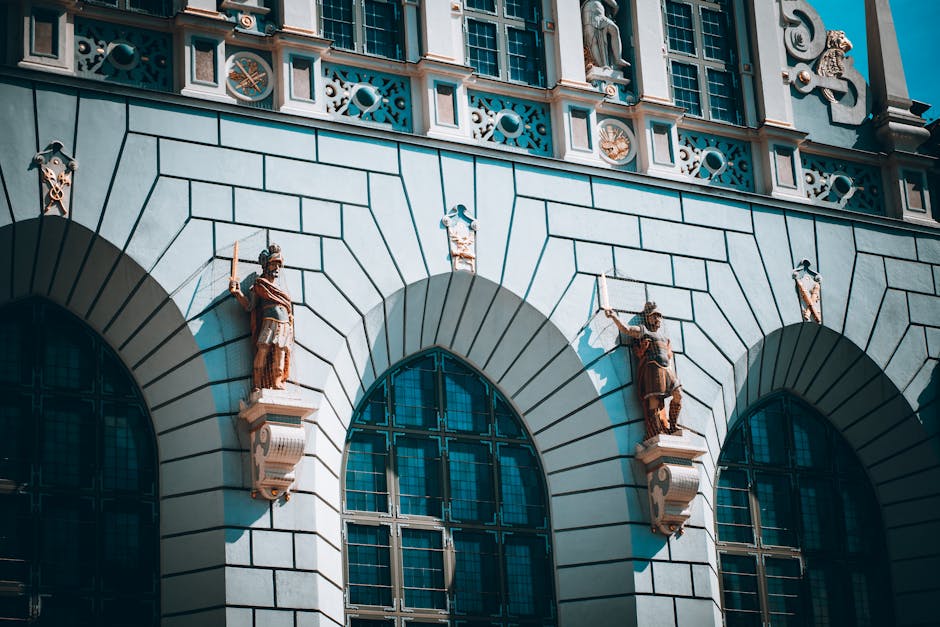
Discover Zaspa, a massive open-air gallery where grey housing blocks are transformed by over 60 monumental murals. Explore at your own pace.
 Moderate
Nairobi, Kenya
Taste your way through Nairobi's Westlands on this self-guided walk featuring street snacks, cultural landmarks, and hidden foodie gems.
 Moderate
Vienna, Austria
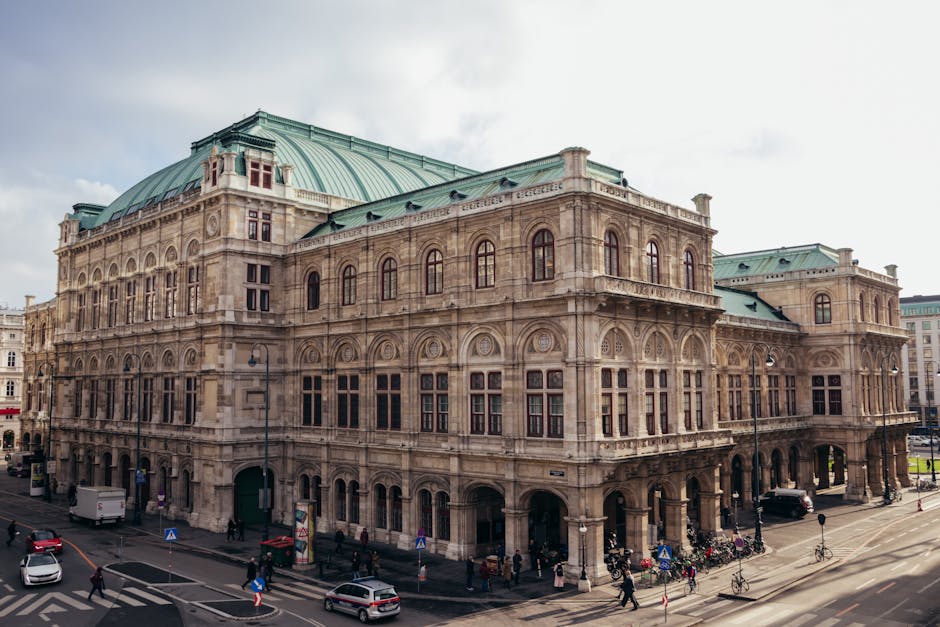
Discover the noir world of The Third Man and Cold War Vienna on this atmospheric self-guided audio walk through the historic Innere Stadt.
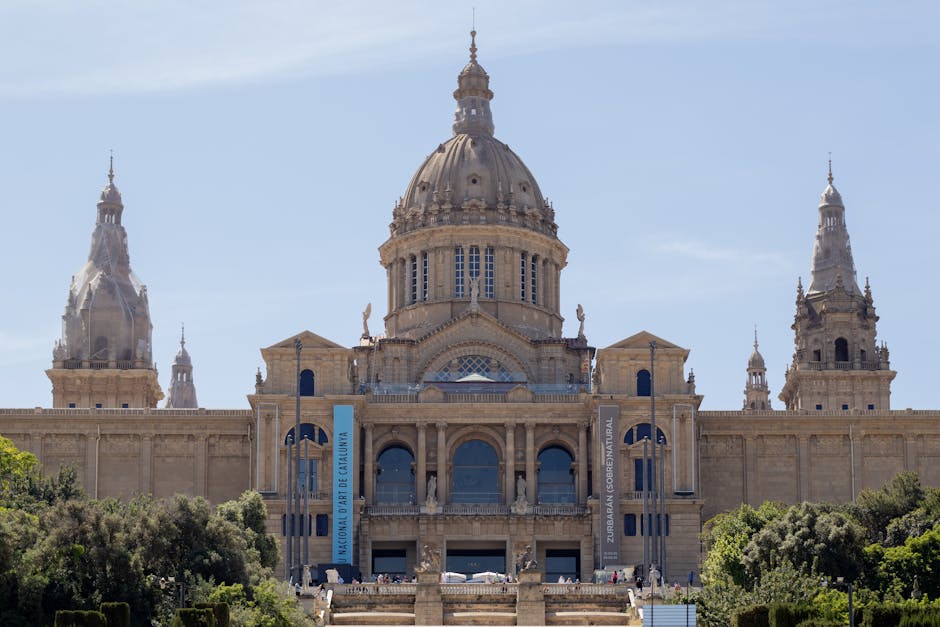 Moderate
Barcelona, Spain
Explore the elegant 'village' of Sarrià, where Gothic monasteries and Gaudí's hidden gems meet charming local markets and narrow streets.
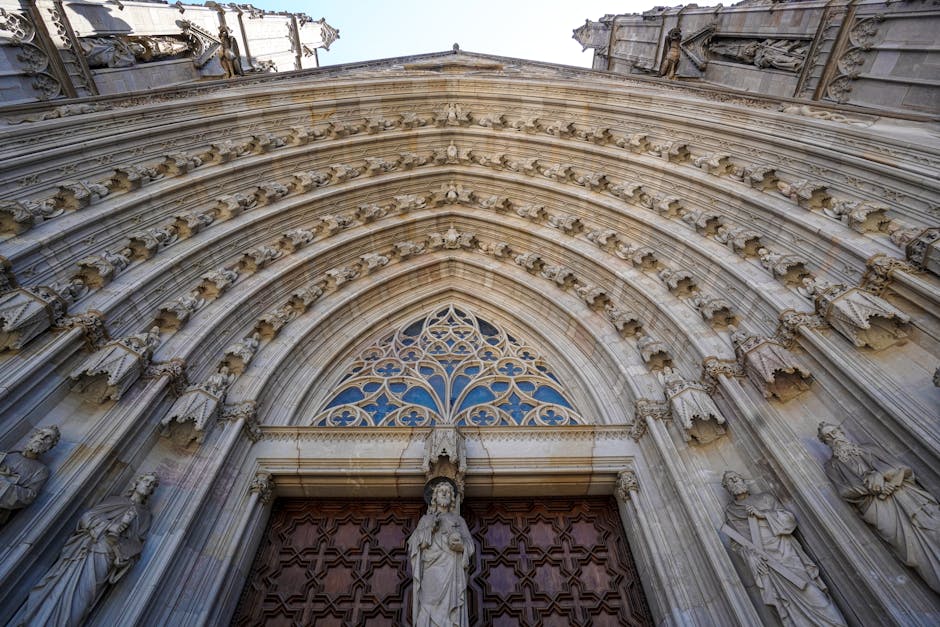 Moderate
Barcelona, Spain
Discover the revolutionary history and haunting scars of the Spanish Civil War on this self-guided walk through Barcelona's historic streets.
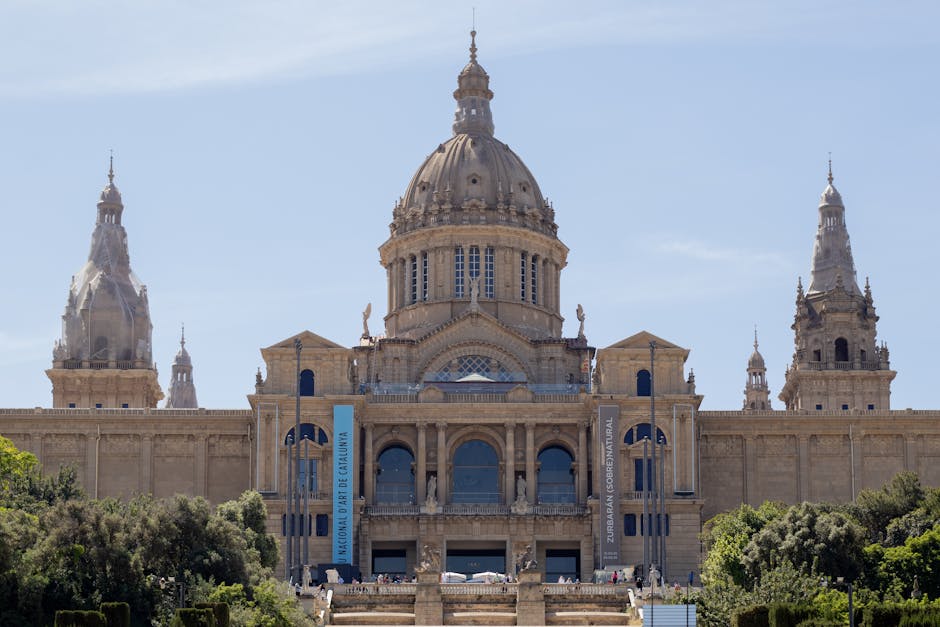 Easy
EasyBarcelona, Spain
Discover the architectural wonders of Barcelona's Golden Square on this self-guided stroll through Eixample's most luxurious Modernista streets.
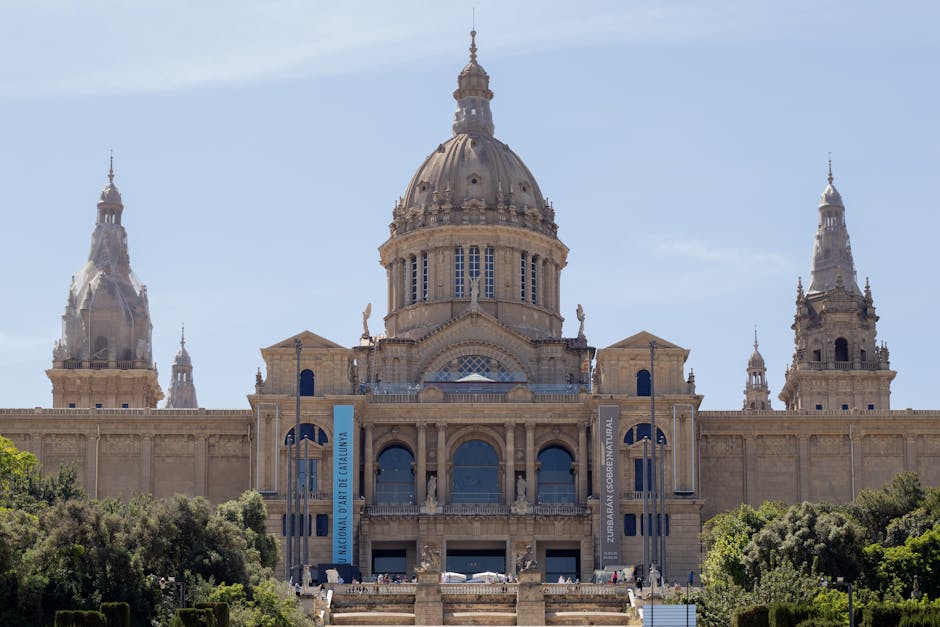 Challenging
Barcelona, Spain
Explore Montjuïc’s lush gardens, historic fortress, and iconic Olympic venues on this scenic self-guided walk with panoramic Mediterranean views.