Self-guided audio tour in Barcelona
Start Free on iPhone
Start free on iPhone to unlock this self-guided walking tour in Barcelona. Hear all the stories that make it amazing, walk at your own pace, and begin whenever you want.
Your Private Tour Guide
Escape the urban rush of the city center and discover the refined, village-like atmosphere of Sarrià. Once an independent municipality, this neighborhood was only annexed by Barcelona in 1921, and it still feels like a world apart. This self-guided walking route is a great alternative to a standard walking tour Barcelona experience, inviting you to explore the 'Upper Zone' (Zona Alta), where the city's old aristocracy once built their summer estates to escape the heat and congestion of the old port. On this self-guided walk, you will encounter a blend of medieval history, Catalan Modernisme, and local tradition. The journey begins at the lively local market, a hub of daily life that reflects the neighborhood's upscale yet grounded character. As you stroll through the Carrer Major, the preservation of traditional shops and bakeries will transport you back in time. The route then leads you to the monumental Monastery of Pedralbes, one of the finest examples of Catalan Gothic architecture, housing the world's largest Gothic cloister. For those seeking a unique perspective on Antoni Gaudí, the walk concludes at the Torre Bellesguard. This castle-like residence is one of his most personal and historically rooted projects, built on the site of a 15th-century royal palace. Along the way, you will enjoy the greenery of the Parc de l'Oreneta and the quiet squares where locals gather for their morning coffee. This neighborhood stroll is perfect for repeat visitors or those who want to see a more sophisticated, quieter side of the Catalan capital. Whether you are an architecture enthusiast or simply looking for a peaceful escape, this walking route through Sarrià offers a glimpse into the soul of Barcelona's high society.
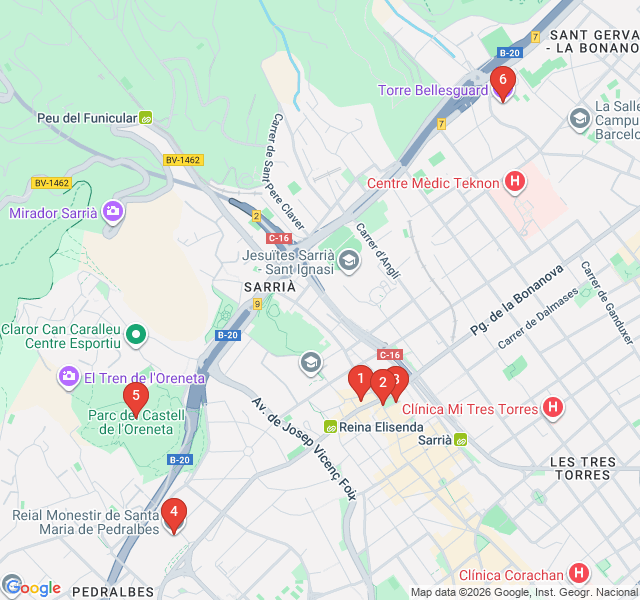
Numbers indicate the order of stops on the tour.
The Mercat de Sarrià is the perfect starting point to understand the neighborhood's pulse. Opened in 1911, this brick building underwent a significant renovation in 2007 but retained its original spirit. Unlike the tourist-heavy Boqueria, this market serves the local community. As you enter, notice the high ceilings and the abundance of natural light. It is a place where the residents of the 'Upper Zone' come for premium meats, fresh seafood, and local produce. The market stands on the site of what was once an old cemetery, and today it serves as a culinary landmark that anchors the village's identity. Explore the stalls to see local specialties before continuing your walk.
The Carrer Major de Sarrià is the neighborhood's historic backbone. Walking down this narrow street, you will notice the absence of large international chains, replaced instead by family-owned boutiques and traditional establishments. One of the most famous stops is Foix de Sarrià, a legendary pastry shop founded in 1886. It was the home of the renowned Catalan poet J.V. Foix, whose family still runs the business. The architecture here is a mix of simple village houses and more ornate 19th-century facades. This street captures the essence of Sarrià's transition from a rural hamlet to an aristocratic enclave during the industrial revolution.
Plaça de Sarrià serves as the town square and the heart of social life. Dominating the square is the Church of Sant Vicenç, rebuilt in the 18th century on the site of a much older 10th-century temple. On Sunday mornings, the square often comes alive with locals dancing the Sardana, the traditional Catalan circle dance. The atmosphere here is quintessentially Mediterranean, with terraces where residents spend hours chatting over vermouth. It is the best place to observe the slow, deliberate pace of life that makes Sarrià so distinct from the busy Eixample district. Take a moment to appreciate the fountain and the local social dynamic.
The Monastery of Pedralbes is a masterpiece of Catalan Gothic design. Founded in 1326 by Queen Elisenda de Montcada for the Order of Saint Clare, it was built in a remarkably short time, resulting in a rare stylistic unity. The centerpiece is the three-story cloister, recognized as the largest Gothic cloister in the world. As you walk through the silent corridors, you can feel the centuries of contemplative life. The monastery also houses the tomb of Queen Elisenda and the beautiful St. Michael's Chapel, which features stunning 14th-century murals by Ferrer Bassa that remain incredibly well-preserved. It is a true sanctuary of peace within the city.
Parc del Castell de l'Oreneta offers a refreshing break from the urban environment. This large park was formed by the union of two old estates and features a Mediterranean forest atmosphere. It is famous among locals for its miniature steam train, which runs on weekends and reflects the neighborhood's love for tradition and family outings. The park provides panoramic views over Barcelona, stretching from the Collserola hills down to the sea. It is a place where the aristocratic past of Sarrià meets the natural beauty of the Tibidabo mountain foothills, offering a peaceful retreat and a chance to breathe in the pine-scented air.
Torre Bellesguard is one of Antoni Gaudí's most fascinating and least-known works. Built between 1900 and 1909, it stands on the ruins of the palace of Martin I, the last king of the House of Barcelona. Gaudí used a neo-Gothic style to pay homage to the site's royal history, incorporating straight lines that are rare in his more famous works. The name 'Bellesguard' means 'Beautiful View,' and the rooftop provides a stunning vantage point. Look for the dragon-shaped roof and the intricate mosaic work that symbolizes the Catalan flag and the legend of Saint George. It is a powerful statement of Catalan identity and architectural genius.
Start Free on iPhone
Explore “Sarrià: The Hidden Aristocratic Village” with your very own Private Tour Guide with Zigway. Start free on iPhone, skip the large group and the fixed routes, and hear the city come alive as you go.
Your Private Tour Guide
Don't miss the good stuff
Explore Freely
 Moderate
Barcelona, Spain
Discover the revolutionary history and haunting scars of the Spanish Civil War on this self-guided walk through Barcelona's historic streets.
 Easy
EasyBarcelona, Spain
Discover the architectural wonders of Barcelona's Golden Square on this self-guided stroll through Eixample's most luxurious Modernista streets.
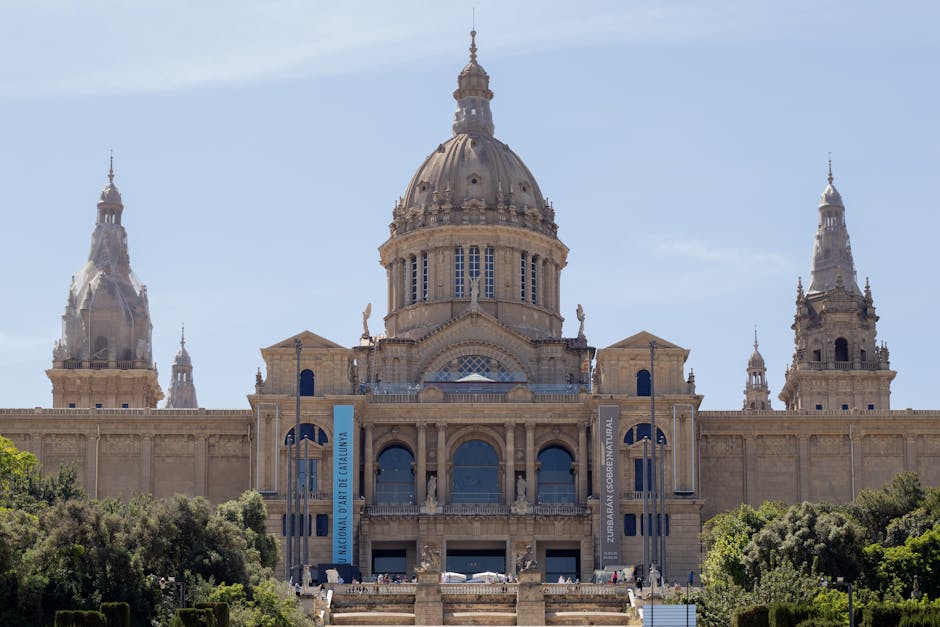 Challenging
Barcelona, Spain
Explore Montjuïc’s lush gardens, historic fortress, and iconic Olympic venues on this scenic self-guided walk with panoramic Mediterranean views.
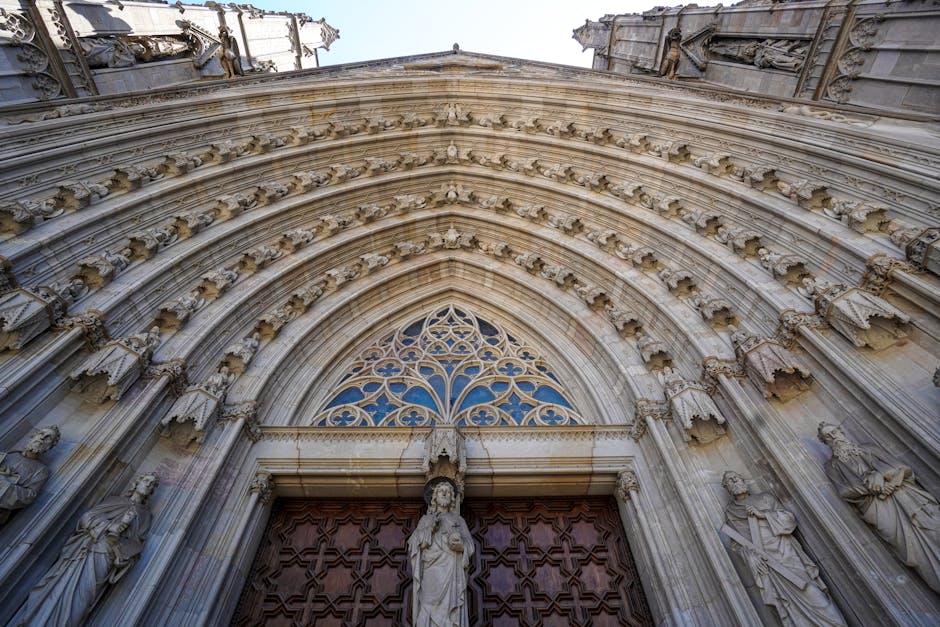 Easy
EasyBarcelona, Spain
Uncover 2,000 years of history on this self-guided walk through Barcelona's Gothic Quarter, from Roman ruins to haunting medieval squares.
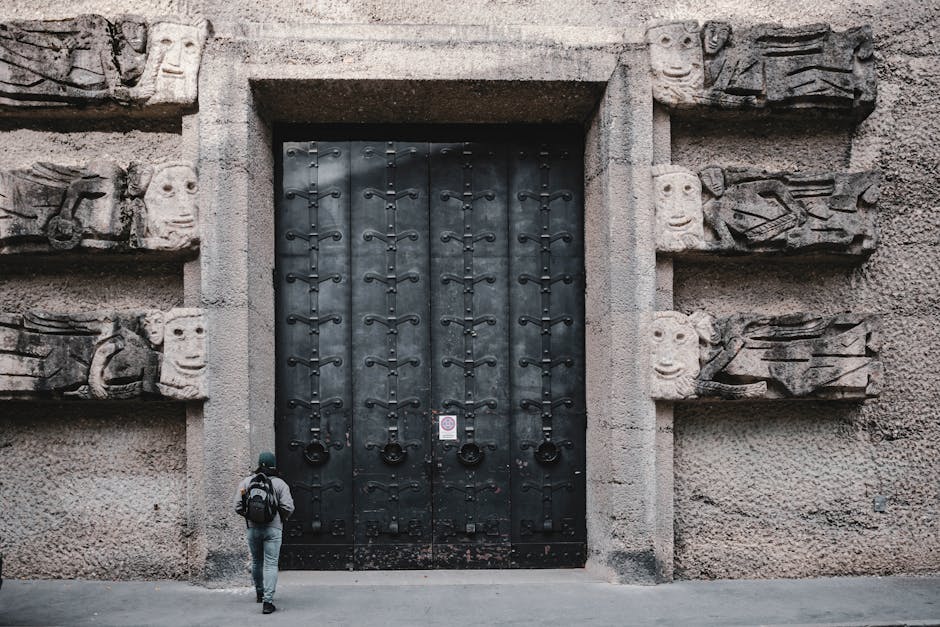 Easy
EasySalzburg, Austria
Discover Salzburg's oldest medieval alley, the birthplace of the 'Silent Night' author, and breathtaking views on this quiet self-guided walk.
 Easy
EasyKrakow, Poland
Explore the prestigious Jagiellonian University district, featuring Neo-Gothic architecture, Baroque churches, and Krakow's hidden scholarly gems.
 Easy
EasyWarsaw, Poland
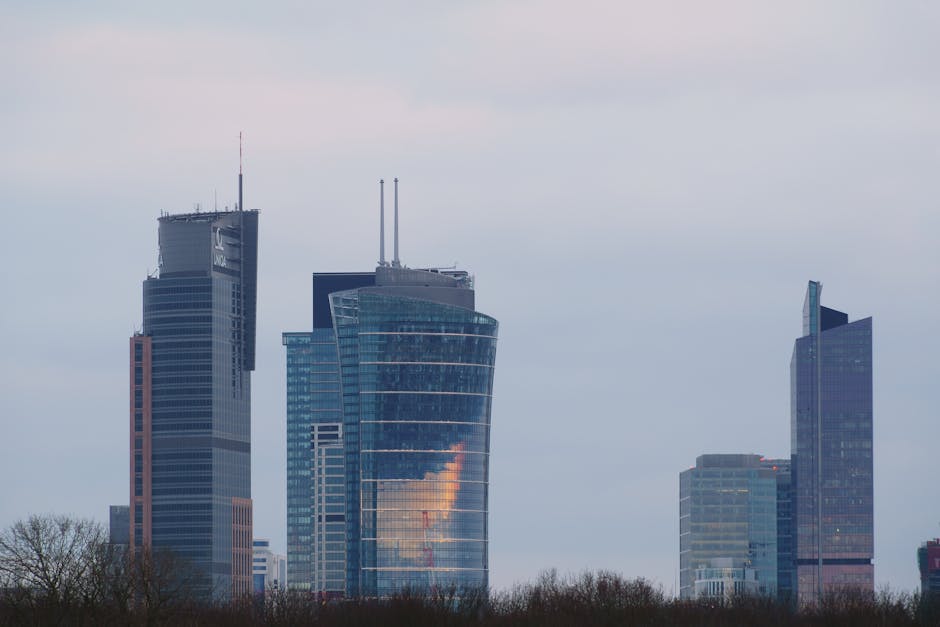
Discover the hidden courtyards and grand pre-war architecture of Warsaw's most atmospheric neighborhood on this self-guided stroll.
 Easy
EasyNairobi, Kenya
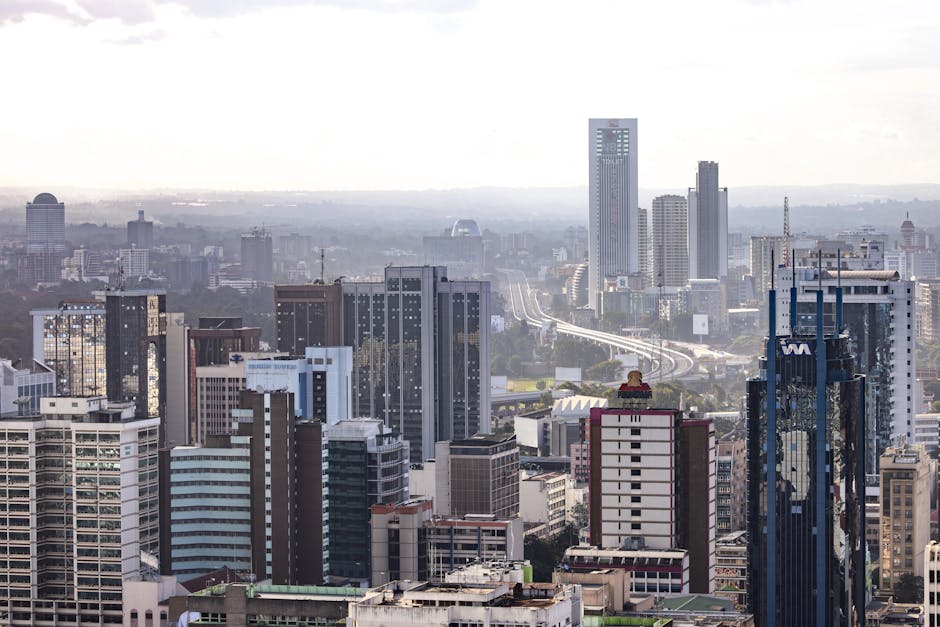
Explore Nairobi's architectural evolution from colonial-era landmarks to iconic Brutalist skyscrapers on this historic self-guided walking route.
 Easy
EasyMadrid, Spain
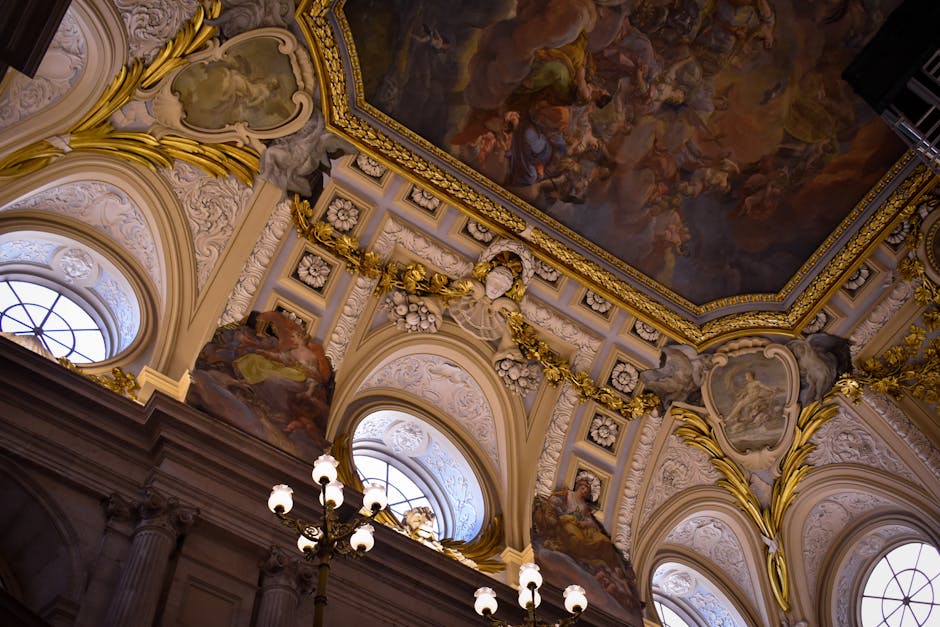
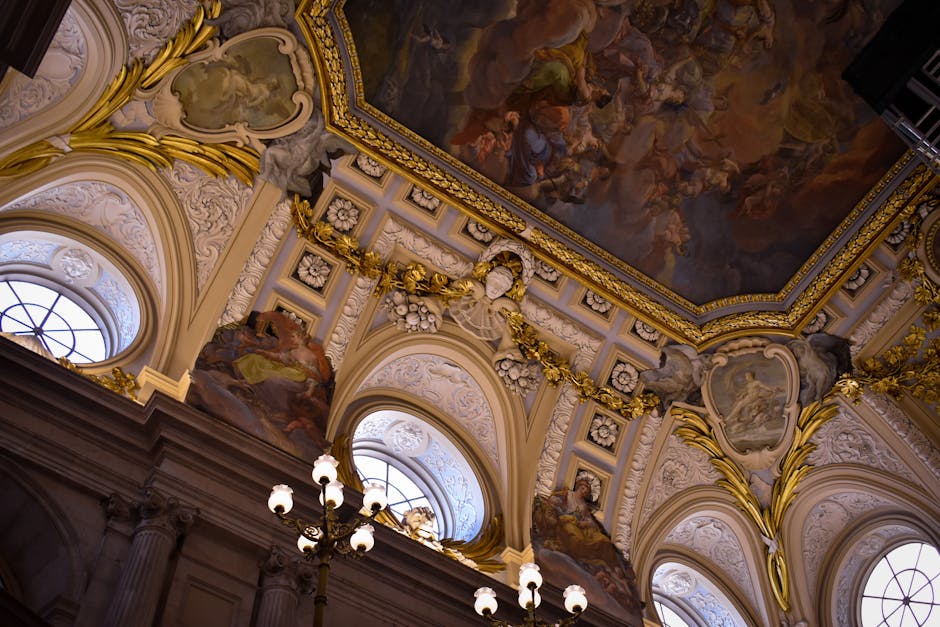
Explore Madrid's 'Landscape of Light' on this self-guided walk through the world-renowned Golden Triangle of Art, from Cibeles to the Reina Sofía.
 Moderate
Madrid, Spain
Explore Madrid's most diverse neighborhood on this self-guided walk through street art, historic markets, and multicultural squares.
 Easy
EasyMadrid, Spain
Explore the royal legacy and medieval alleys of Madrid's historic Habsburg district on this immersive self-guided walk through the city's heart.
 Easy
EasyMadrid, Spain
Discover the rebellious spirit of Malasaña on this self-guided walk through Madrid's best street art, historic squares, and counter-culture hubs.