Self-guided audio tour in Rio de Janeiro
Start Free on iPhone
Start free on iPhone to unlock this self-guided walking tour in Rio de Janeiro. Hear all the stories that make it amazing, walk at your own pace, and begin whenever you want.
Your Private Tour Guide
Step back into a time when Rio de Janeiro was known as the 'Paris of the Tropics.' This self-guided walk through the historic Centro district reveals the city’s ambitious transformation at the dawn of the 20th century. During the Belle Époque, Rio underwent a radical urban renovation inspired by the grand boulevards of Haussmann’s Paris. The result was a neighborhood of soaring eclectic palaces, ornate theaters, and prestigious cultural institutions that still stand today as a testament to Brazil's Golden Age. This walking route invites you to explore the architectural splendor and intellectual heart of old Rio at your own pace. Your journey begins at the Praça Marechal Floriano, better known as Cinelândia, where the city’s most iconic landmarks are clustered. You will encounter the Municipal Theater, a masterpiece of French-inspired design, and the National Library, which houses the largest collection in Latin America. As you navigate the bustling streets of Centro, the audio walk guides you through the stories of the architects, artists, and politicians who sought to modernize Brazil’s capital. The experience is not just about grand facades; it is about the atmosphere of a bygone era, from the hushed halls of the National Museum of Fine Arts to the lively social hub of Cinelândia. Beyond the grand public squares, this neighborhood stroll takes you into the intimate spaces of the Rio elite. You will visit the legendary Confeitaria Colombo, an Art Nouveau gem where the city’s high society once gathered for tea and gossip under massive Belgian mirrors. The route concludes at the breathtaking Real Gabinete Português de Leitura, a neo-Manueline library that feels like a portal to the past. This independent travel experience allows you to linger where you choose, whether that is admiring a marble statue or soaking in the vibrant energy of Rio’s downtown. A walking tour Rio de Janeiro experience is incomplete without seeing these architectural gems. This self-guided adventure ensures you see the best of the city's heritage without the constraints of a group, making it the perfect walking tour Rio de Janeiro for history lovers.
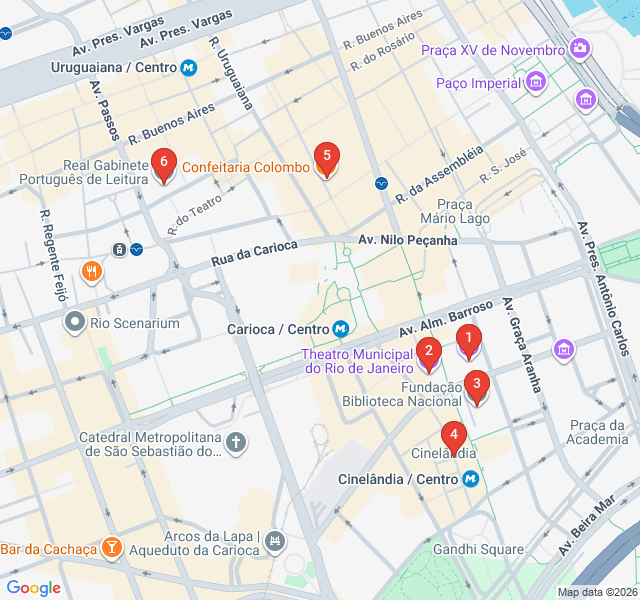
Numbers indicate the order of stops on the tour.
Welcome to the National Museum of Fine Arts, a cornerstone of Rio's cultural identity. Built in 1908, this eclectic building was designed by Spanish architect Adolfo Morales de los Rios. Its facade is a mix of styles, reflecting the European influences that dominated Rio during the Belle Époque. Inside, the museum houses over 20,000 works, including significant 19th-century Brazilian paintings that captured the nation's transition from Empire to Republic. As you stand before this grand structure, notice the intricate details of the columns and friezes, which were intended to signal Rio's status as a sophisticated global capital. This site was originally the Academy of Fine Arts, where the country's most famous artists were trained.
Across the square stands the Theatro Municipal, perhaps the most beautiful building in Brazil. Opened in 1909, it was inspired by Charles Garnier’s Paris Opera. The materials used here were the finest the world could offer at the time: Carrara marble from Italy, mosaics from Venice, and bronzes from France. The theater served as the stage for Rio’s high society, hosting world-class operas and ballets. Look up at the golden eagle on the roof and the vibrant stained glass. This building represents the pinnacle of the 'Pereira Passos Reform,' an urban project that demolished colonial slums to create these wide, European-style avenues. It remains a functioning venue and a symbol of Rio’s artistic pride.
The National Library of Brazil is a temple of knowledge and the largest library in Latin America. Its origins date back to 1808, when the Portuguese Royal Family fled Napoleon and brought their vast royal library to Brazil. The current building, however, is a Belle Époque masterpiece completed in 1910. It was one of the first buildings in Rio to use reinforced concrete, yet its exterior remains strictly Neoclassical. Inside, the library holds over nine million items, including rare manuscripts and the first maps of Brazil. The grand staircase and the skylights are particularly striking, designed to provide natural light for scholars in an era before widespread electricity.
You are now in the heart of Cinelândia. Formally known as Praça Floriano, this area earned its nickname in the 1920s when it became the center of Rio’s movie theater district. For decades, this square was the social and political pulse of the city—a place for protests, celebrations, and intellectual debates. The surrounding buildings, with their ornate balconies and grand entrances, housed the most prestigious cinemas and cafes. While many of the old movie houses have closed, the square remains a vital gathering point. Take a moment to look at the statue of Floriano Peixoto, Brazil's second president, and observe the mosaic pavement patterns that are a signature of Rio’s public spaces.
Prepare to be transported back to the 19th century as you enter Confeitaria Colombo. Founded in 1894 by Portuguese immigrants, this cafe is a masterpiece of Art Nouveau design. The massive crystal mirrors were brought from Belgium, and the rosewood cabinets were crafted by local artisans. During Rio's Golden Age, this was the place to see and be seen. Presidents, writers like Machado de Assis, and visiting royalty have all sat beneath its stained-glass dome. The atmosphere here remains remarkably preserved. Whether you stop for a 'coxinha' or a traditional Portuguese custard tart, you are participating in a tradition that has defined Rio’s social life for over a century.
Our final stop is often cited as one of the most beautiful libraries in the world. The Real Gabinete Português de Leitura was built between 1880 and 1887 in the Neo-Manueline style, which mimics the ornate Portuguese architecture of the Age of Discovery. The facade, carved from limestone in Lisbon and shipped to Rio, features statues of great Portuguese explorers like Vasco da Gama. Inside, the three-story wooden bookshelves hold the largest collection of Portuguese literature outside of Portugal. The combination of the dark wood, the iron chandelier, and the stained-glass ceiling creates a cathedral-like atmosphere for book lovers. It is a stunning tribute to the enduring cultural link between Brazil and Portugal.
Start Free on iPhone
Explore “Belle Époque Glories: Rio's Golden Age” with your very own Private Tour Guide with Zigway. Start free on iPhone, skip the large group and the fixed routes, and hear the city come alive as you go.
Your Private Tour Guide
Don't miss the good stuff
Explore Freely
 Easy
EasyRio de Janeiro, Brazil
Explore the world's largest murals and futuristic architecture in Rio's revitalized port on this vibrant self-guided walking route.
 Easy
EasyRio de Janeiro, Brazil
Discover the 'BotaSoho' vibe on this self-guided food and nightlife stroll through Rio's most creative neighborhood.
 Easy
EasyRio de Janeiro, Brazil
Discover the former seat of Brazilian power on this self-guided walk through the palaces, gardens, and presidential history of Catete and Glória.
 Easy
EasyRio de Janeiro, Brazil
Discover Rio's literary soul on this self-guided walk through historic libraries, ornate Belle Époque cafes, and iconic bookstores in Centro.
 Easy
EasyNairobi, Kenya
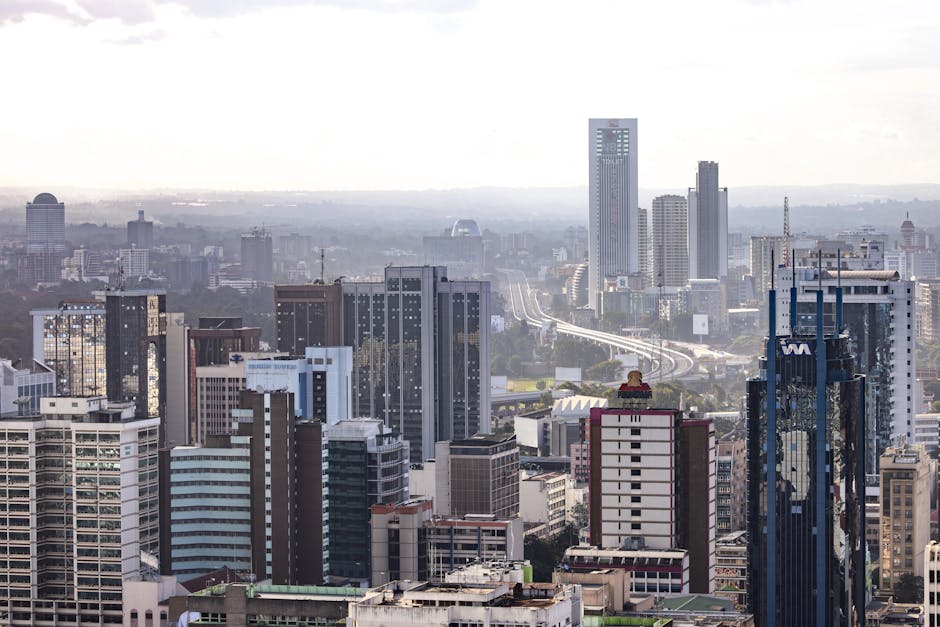
Explore Nairobi's architectural evolution from colonial-era landmarks to iconic Brutalist skyscrapers on this historic self-guided walking route.
 Easy
EasyNairobi, Kenya
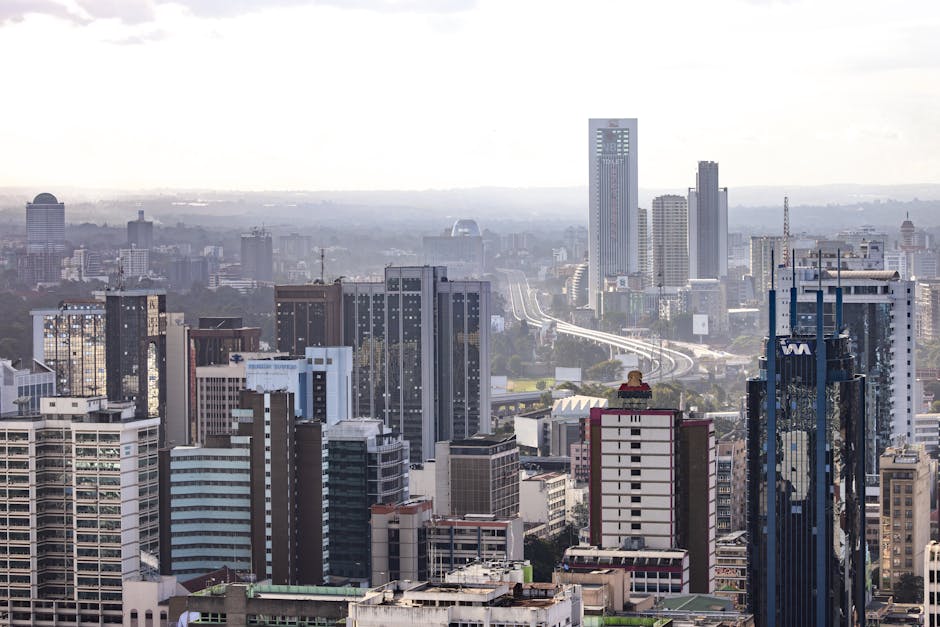
Discover Nairobi's iconic skyline on this self-guided architecture walk through the CBD’s most famous modernist and Brutalist landmarks.
 Easy
EasyKrakow, Poland
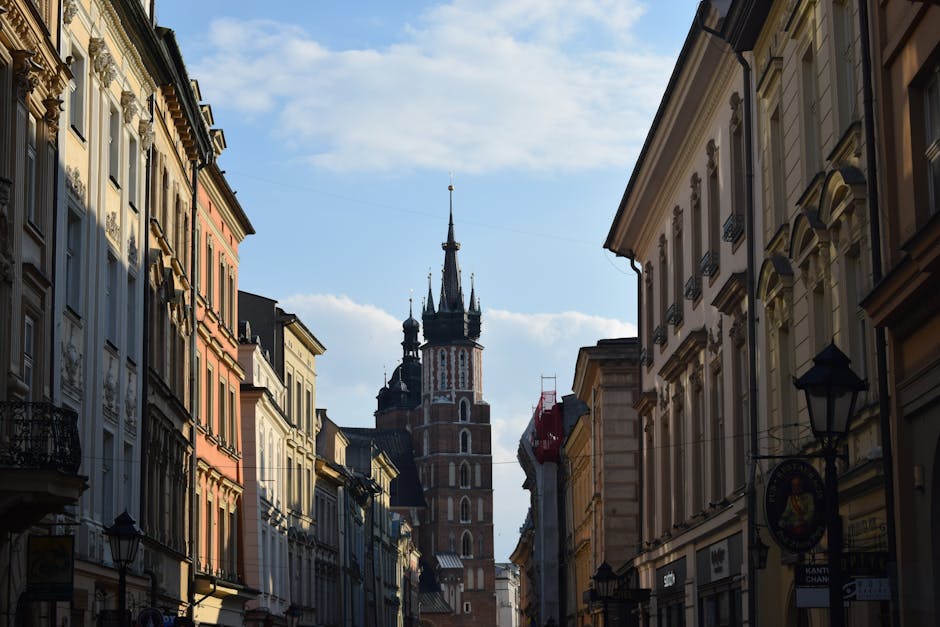
Explore the prestigious Jagiellonian University district, featuring Neo-Gothic architecture, Baroque churches, and Krakow's hidden scholarly gems.
 Easy
EasyKrakow, Poland
Uncover Krakow's legendary past on this self-guided walk from literary monuments to the fire-breathing Wawel Dragon.
 Moderate
Sao Paulo, Brazil
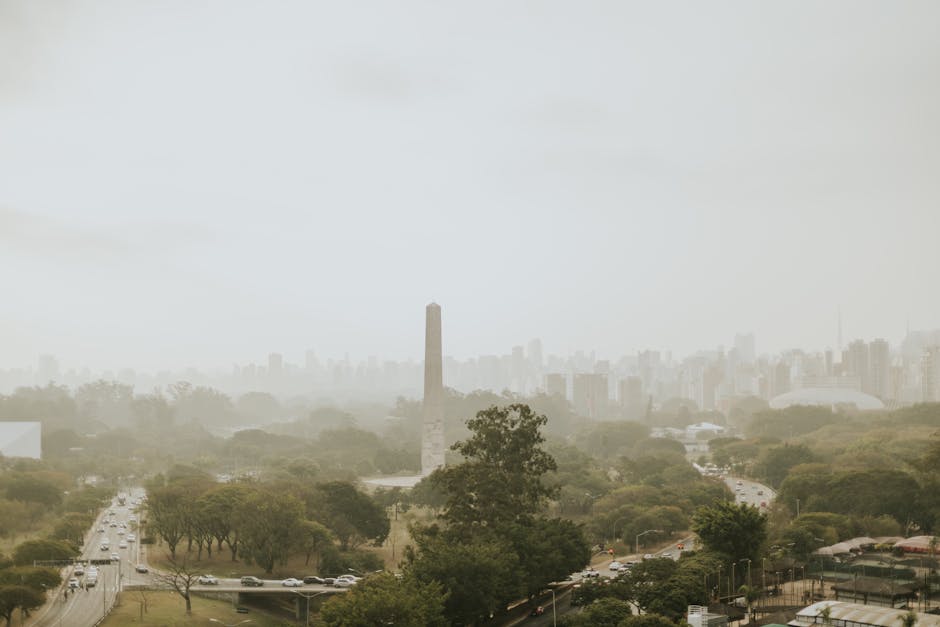
Discover the flowing concrete curves and modernist masterpieces of Oscar Niemeyer on this self-guided walk through São Paulo’s premier urban park.
 Easy
EasySao Paulo, Brazil
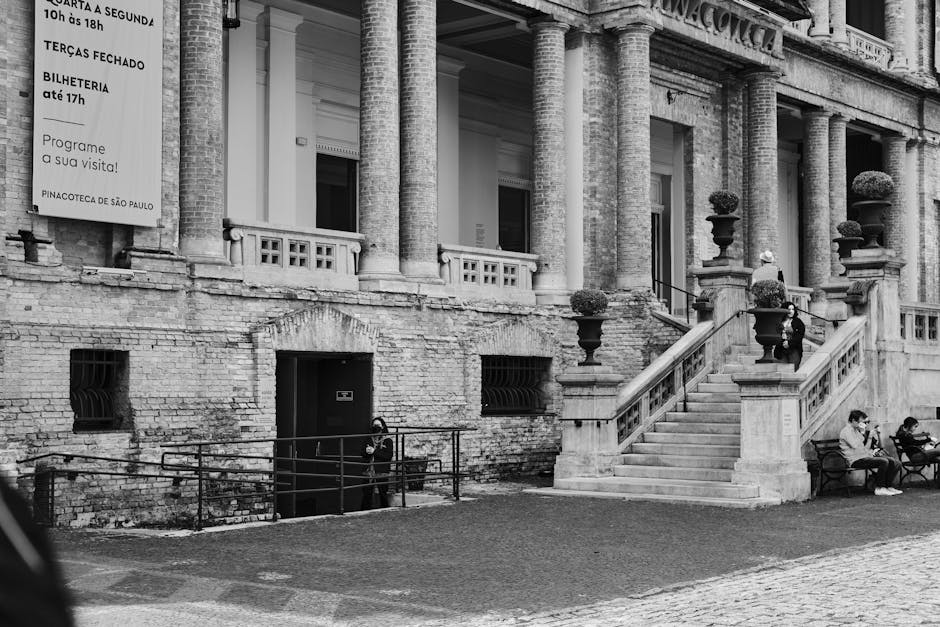
Explore the world's largest Japanese diaspora. A self-guided walk through Sao Paulo's vibrant Liberdade district, rich in history, food, and culture.
 Easy
EasySao Paulo, Brazil
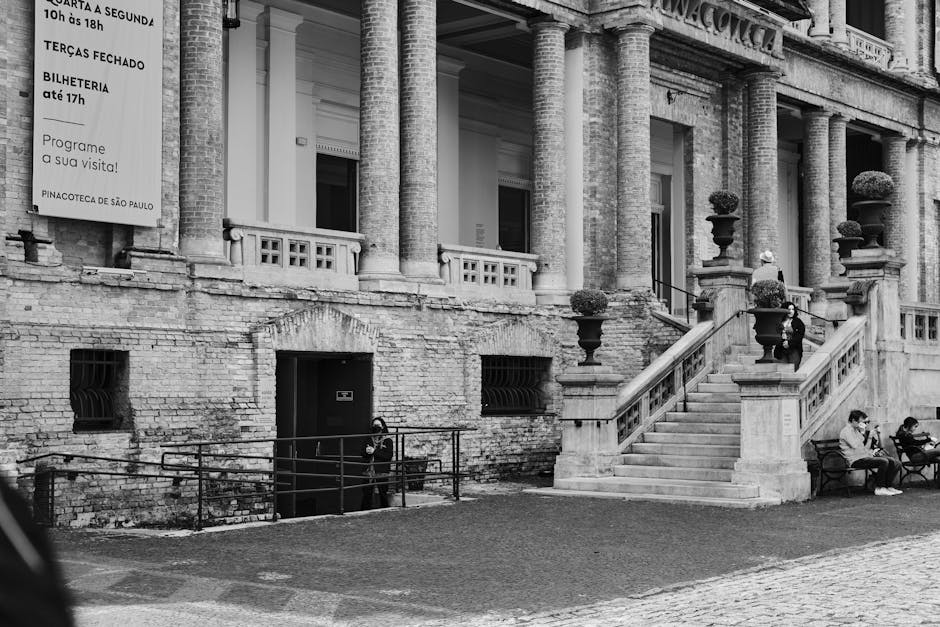
Discover the art, history, and British-inspired architecture of São Paulo’s historic Luz district on this immersive self-guided walk.
 Easy
EasySao Paulo, Brazil
Discover Sao Paulo's historic heart and vibrant food scene on this self-guided walk through the Old Center and the legendary Mercadão.