Self-guided audio tour in Sao Paulo
Start Free on iPhone
Start free on iPhone to unlock this self-guided walking tour in Sao Paulo. Hear all the stories that make it amazing, walk at your own pace, and begin whenever you want.
Your Private Tour Guide
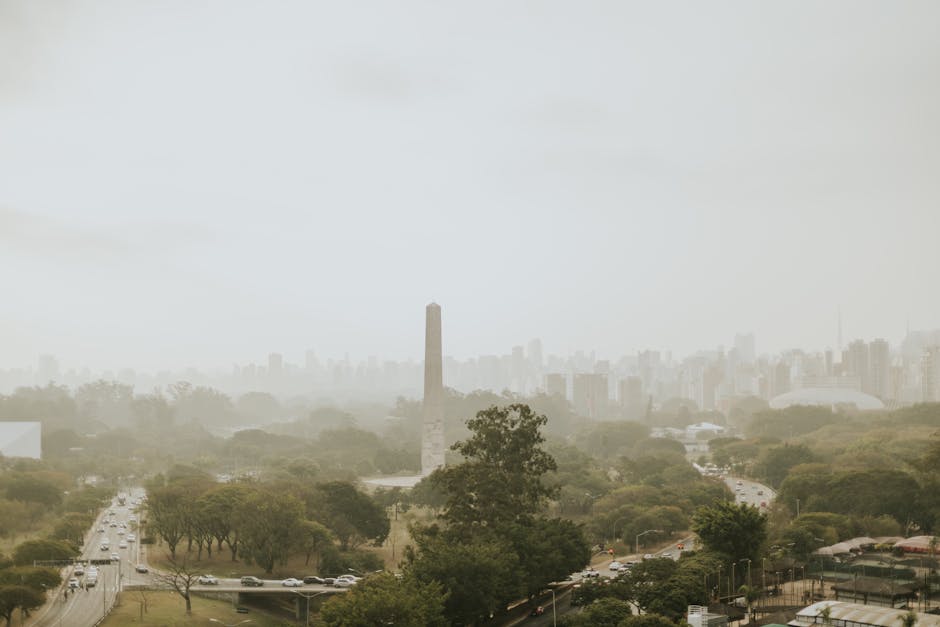
Ibirapuera Park is more than just the 'Central Park' of South America; it is a monumental canvas where Brazilian modernism found its most fluid and expressive form. This self-guided walk invites you to explore the architectural legacy of Oscar Niemeyer, the visionary who replaced rigid angles with the sensual curves of the Brazilian landscape. Inaugurated in 1954 for São Paulo’s 400th anniversary, the park serves as a living museum of mid-century design, where concrete structures appear to float above lush greenery. On this walking route, you will encounter some of the city's most iconic landmarks, from the massive white dome of the Oca to the sleek, rhythmic glass facade of the Bienal Pavilion. Beyond the architecture, this neighborhood stroll offers a deep dive into the cultural soul of São Paulo. You will see how the city commemorates its complex history at the Monumento às Bandeiras and the Obelisk, while also celebrating its diverse roots at the Museu Afro Brasil and the serene Japanese Pavilion. The route is designed for those who appreciate the intersection of art, history, and nature. Whether you are an architecture enthusiast or a first-time visitor, this self-guided adventure provides the flexibility to linger under the marquee—a massive covered walkway connecting the buildings—or find a quiet spot by the lake. As you navigate this walking tour Sao Paulo, you will witness how Niemeyer’s 'free-form' concrete changed the skyline of Brazil forever. This experience is best enjoyed at a leisurely pace, allowing the scale of these structures to truly sink in. Prepare to see why Ibirapuera remains the most beloved public space in the city and a global pilgrimage site for lovers of 20th-century design.
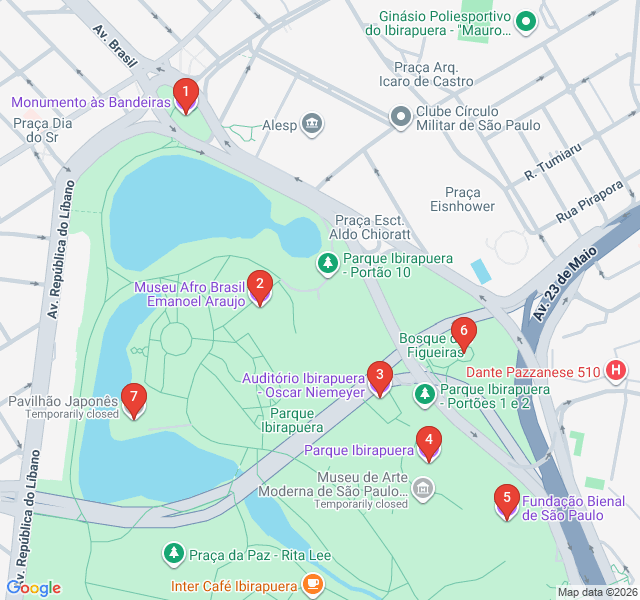
Numbers indicate the order of stops on the tour.
Standing at the edge of the park is one of São Paulo's most recognizable and controversial sculptures. Carved from over 240 blocks of granite by Victor Brecheret, this massive work depicts the 'Bandeirantes'—the explorers and fortune hunters who expanded Brazil's borders into the interior. Notice the raw power in the figures of horses and men pulling a boat. While celebrated for its scale and artistry, the monument also sparks contemporary debate regarding the treatment of indigenous peoples during the colonial era. It serves as a heavy, stoic gateway to the fluid architectural world you are about to enter inside the park.
Housed within the Pavilhão Padre Manoel da Nóbrega, this museum is a vital stop for understanding the African influence on Brazilian identity. The building itself is part of the original 1954 park ensemble. Inside, the collection spans centuries, showcasing art, religion, and the history of the African diaspora in Brazil. The contrast between the building's rationalist modernist exterior and the vibrant, soulful heritage preserved within its walls is striking. It is a place where the history of labor, resistance, and creativity is given the monumental space it deserves, right in the heart of the city's most famous park.
This building is a masterclass in Niemeyer’s late-career style. Though planned in the 1950s, it wasn't completed until 2005. The most striking feature is the 'Labareda,' or the 'red tongue'—a bold, scarlet metal canopy that projects from the white trapezoidal entrance. This splash of color against the white concrete is a classic Niemeyer move. The building is designed for acoustics, but its most magical feature is the back stage door; it can swing open to allow a crowd of thousands on the lawn to watch a performance happening inside. It perfectly encapsulates the architect's goal of making art accessible to the public.
Looking like a giant white saucer half-buried in the grass, the Oca is officially the Pavilhão Lucas Nogueira Garcez. Its nickname, 'Oca,' comes from the Tupi-Guarani word for a traditional indigenous dwelling. This dome is a feat of engineering, providing a vast, pillar-less interior space used for major art and history exhibitions. Its smooth, windowless exterior emphasizes its pure geometric form. As you walk around it, notice how the curves seem to change shape depending on your angle. It is one of the purest expressions of Niemeyer’s philosophy that architecture should be an invitation to the imagination.
The Ciccillo Matarazzo Pavilion is the largest of the park's buildings and home to the world-renowned São Paulo Art Biennial. This structure is a landmark of international modernism, characterized by its immense glass walls and undulating internal ramps. The building is designed to feel light and transparent despite its massive size. When you look through the glass, the park's greenery appears to merge with the interior space. It represents the height of 1950s optimism, signaling Brazil's arrival on the global cultural stage. Walking through its vast halls, you can feel the rhythmic pulse of the city's artistic heart.
This 72-meter-tall granite obelisk is the tallest monument in the city. It is a mausoleum and a memorial to the Constitutionalist Revolution of 1932, a pivotal moment when São Paulo rose up against the federal government. The monument is rich with symbolism; its height represents the year '32, and the figures at its base honor the students and soldiers who fell during the conflict. Located at the park's northern tip, it acts as a vertical anchor to the horizontal landscape of the park. It is a place of solemnity that contrasts with the recreational energy found elsewhere in Ibirapuera.
To end your walking route, step into a different world. The Japanese Pavilion was a gift from the Japanese government in 1954 to celebrate the city’s anniversary and the large Japanese-Brazilian community. Unlike the concrete curves of Niemeyer, this pavilion was built in Japan using traditional materials like cedar and shingle, then shipped and reassembled here. It is surrounded by a koi pond and meticulously manicured gardens. The transition from Brazilian modernism to Japanese tradition is seamless, reflecting the multicultural fabric of São Paulo. It is the perfect place for quiet reflection after a journey through the park’s grand architectural statements.
Start Free on iPhone
Explore “Niemeyer’s Curves: An Ibirapuera Architectural Walk” with your very own Private Tour Guide with Zigway. Start free on iPhone, skip the large group and the fixed routes, and hear the city come alive as you go.
Your Private Tour Guide
Don't miss the good stuff
Explore Freely
 Easy
EasySao Paulo, Brazil
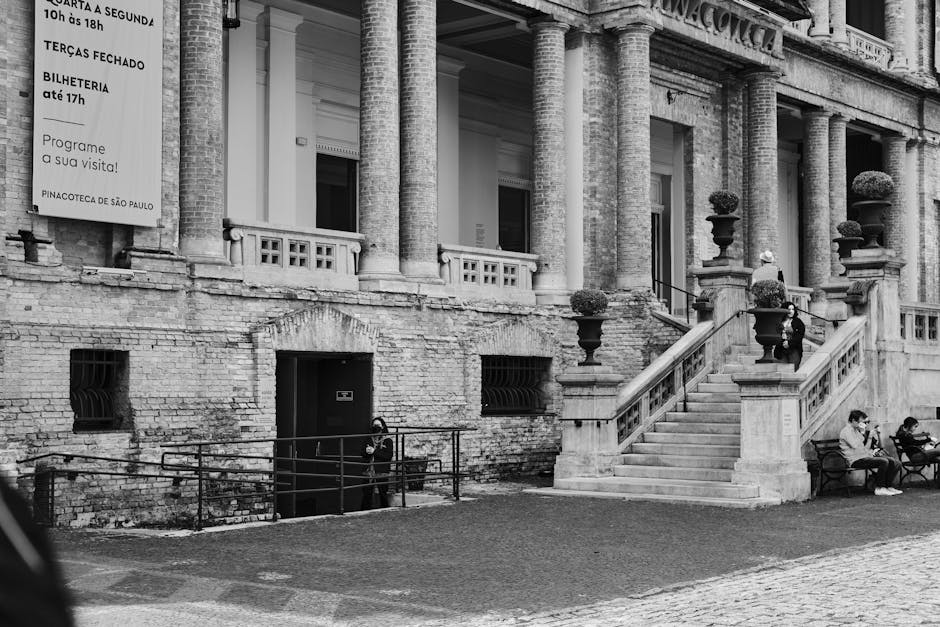
Explore the world's largest Japanese diaspora. A self-guided walk through Sao Paulo's vibrant Liberdade district, rich in history, food, and culture.
 Easy
EasySao Paulo, Brazil
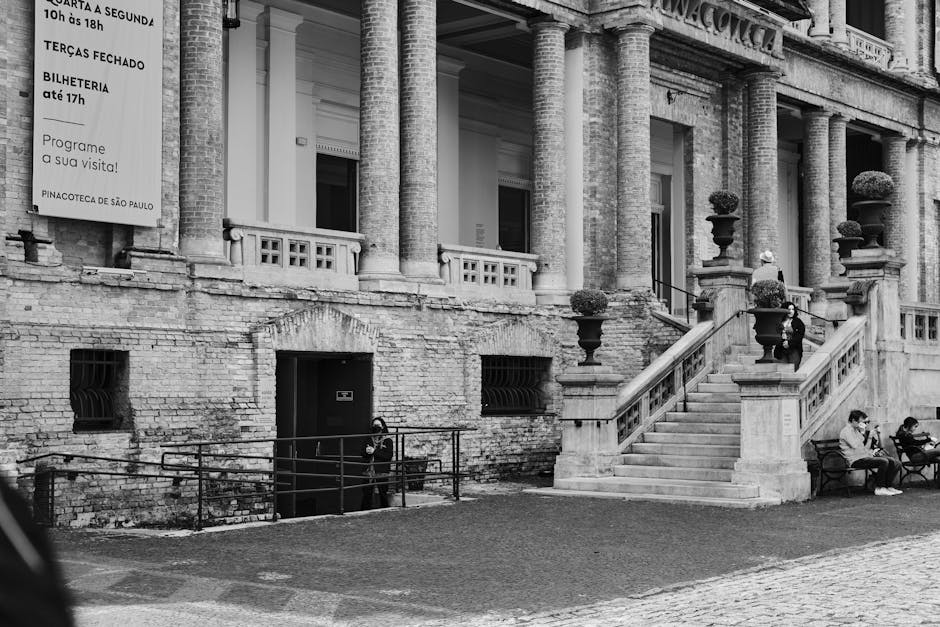
Discover the art, history, and British-inspired architecture of São Paulo’s historic Luz district on this immersive self-guided walk.
 Easy
EasySao Paulo, Brazil
Discover Sao Paulo's historic heart and vibrant food scene on this self-guided walk through the Old Center and the legendary Mercadão.
 Moderate
Sao Paulo, Brazil
Explore Sao Paulo's historic Italian district. Discover avant-garde theater, legendary cantinas, and the soul of Calabrian heritage in Bixiga.
 Moderate
Nairobi, Kenya
Discover Nairobi's lush side on this self-guided walk through botanical gardens, historic memorials, and vibrant local markets.
 Moderate
Gdansk, Poland
Discover the origins of WWII in Gdansk on this self-guided walk through heroic last stands, massive museums, and strategic hilltop fortifications.
 Easy
EasyNairobi, Kenya
Discover Nairobi's iconic skyline on this self-guided architecture walk through the CBD’s most famous modernist and Brutalist landmarks.
 Moderate
Krakow, Poland
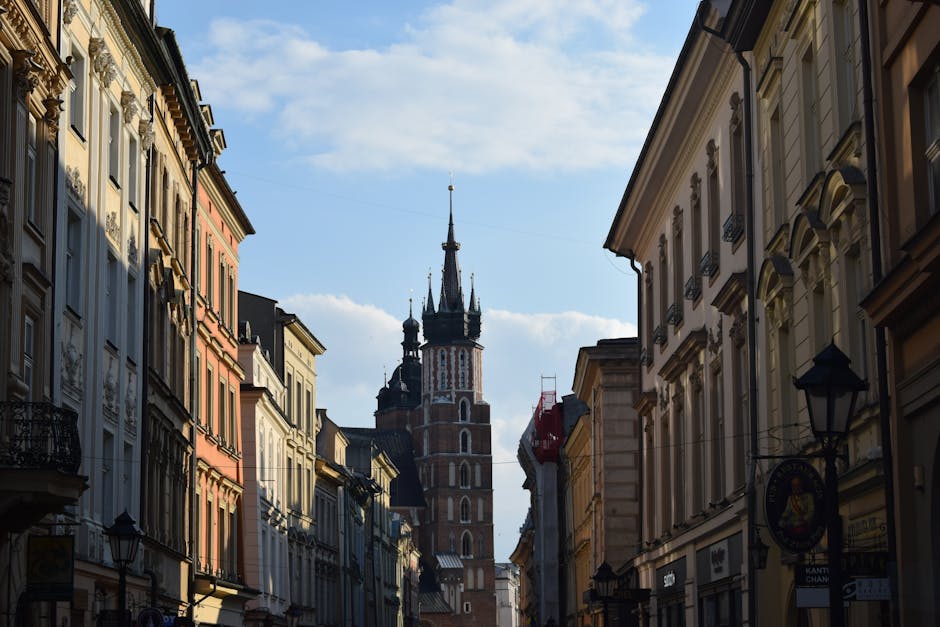
Discover Krakow’s stunning skyline and riverside charm on this self-guided audio walk through scenic viewpoints and historic mounds.
 Easy
EasyRio de Janeiro, Brazil
Explore the world's largest murals and futuristic architecture in Rio's revitalized port on this vibrant self-guided walking route.
 Easy
EasyRio de Janeiro, Brazil
Discover the 'BotaSoho' vibe on this self-guided food and nightlife stroll through Rio's most creative neighborhood.
 Easy
EasyRio de Janeiro, Brazil
Discover the former seat of Brazilian power on this self-guided walk through the palaces, gardens, and presidential history of Catete and Glória.
 Easy
EasyRio de Janeiro, Brazil
Discover Rio's literary soul on this self-guided walk through historic libraries, ornate Belle Époque cafes, and iconic bookstores in Centro.