Self-guided audio tour in Rio de Janeiro
Start Free on iPhone
Start free on iPhone to unlock this self-guided walking tour in Rio de Janeiro. Hear all the stories that make it amazing, walk at your own pace, and begin whenever you want.
Your Private Tour Guide
Embark on a self-guided walk through Porto Maravilha, a neighborhood that has transformed from a neglected dockside into a global canvas for contemporary art and futuristic architecture. This walking route highlights the dramatic revitalization of Rio de Janeiro’s port zone, where colonial history, Afro-Brazilian heritage, and modern innovation collide. As you explore independently, you will encounter some of the world's most impressive street art, including the record-breaking 'Etnias' mural by Eduardo Kobra, which celebrates the diverse cultures of the five continents. This walking tour Rio de Janeiro explores the profound narratives of 'Little Africa' (Pequena África) while showcasing the sleek, neo-futuristic lines of the Museum of Tomorrow. Beyond the port, the journey extends into the city's cultural heart, tracing a path through brutalist landmarks, royal palaces, and media art centers. While a traditional guided tour Rio de Janeiro might stick to the historical center, this neighborhood stroll invites you to witness the city's ongoing artistic evolution at your own pace. From the floating architecture of the Rio Museum of Art to the saucer-like curves of the MAC in Niterói, you will discover how art and architecture have become the primary tools for urban rebirth in Brazil’s most iconic city. **Note:** This area is known for its ever-changing character. Street art, pop-up venues, and temporary exhibitions may differ from what's described. That's part of the adventure - you might discover something entirely new!
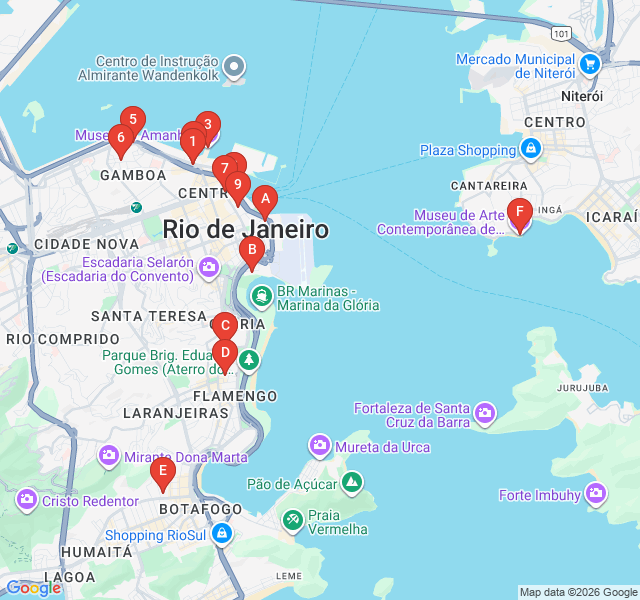
Numbers indicate the order of stops on the tour.
Start your journey at the MAR, a museum that perfectly encapsulates Rio’s blend of old and new. The complex consists of two distinct buildings: the Palacete Dom João VI, a neo-classical palace from the 1910s, and a modern modernist structure that formerly served as a bus terminal. They are joined by a striking, undulating concrete roof that resembles a wave. The MAR focuses on the history of Rio through an artistic lens. Before heading inside, look up at the architecture; it was designed to symbolize the fluid connection between the city's past and its future. The terrace offers one of the best vantage points of the port's transformation.
As you walk toward the water, you enter Pier Mauá, the gateway for international travelers arriving by sea. This area was once a derelict industrial zone but now serves as a vibrant public space. It hosts major events like Rio Fashion Week and ArtRio. The revitalization here was part of the 'Porto Maravilha' project, which removed a massive elevated highway that once blocked the view of the bay. Now, the open plazas allow the sea breeze to flow into the city. Take a moment to appreciate the scale of the transformation, where massive cruise ships now dock alongside historic warehouses repurposed for art and culture.
The Museu do Amanhã is an architectural marvel designed by the Spanish architect Santiago Calatrava. Its cantilevered roof, which extends 75 meters over the plaza, features solar panels that move like wings to track the sun. This is a museum of ideas rather than objects, focusing on sustainability and the future of our planet. The building itself is a masterpiece of modern-architecture, designed to look like a plant or a prehistoric creature reaching toward the Guanabara Bay. Even if you don't go inside, walking around its perimeter allows you to see how the reflective pools create a sense of the building floating on water.
Prepare to be awestruck by the 'Etnias' mural, a colossal piece of street art created by Eduardo Kobra for the 2016 Olympics. Stretching nearly 190 meters, it was once the world's largest mural produced by a single artist. The work depicts five faces representing the indigenous peoples of the five continents: the Huli from Oceania, the Mursi from Africa, the Kayin from Asia, the Supi from Europe, and the Tapajós from the Americas. Kobra used vibrant colors and geometric patterns to symbolize peace and unity. Note that street art is ephemeral; while this mural is well-maintained, the colors may fade or change over time as the city breathes around it.
Further down the Olympic Boulevard, you’ll find AquaRio, the largest marine aquarium in South America. The facility is housed in a renovated cold storage warehouse, maintaining the industrial aesthetic of the port's history. While the interior is filled with thousands of marine species, the exterior often serves as a canvas for rotating street art installations. The area around AquaRio marks the transition between the tourist-heavy Praça Mauá and the deeper, historical neighborhoods of Gamboa. It’s a great spot to observe how industrial heritage can be successfully integrated with modern family-friendly attractions.
Heading inland into Gamboa, you reach MUHCAB. This museum is the heart of 'Pequena África' (Little Africa), the region where millions of enslaved Africans arrived and where much of Rio’s soul—including Samba—was born. MUHCAB is an open-air museum concept that honors the resistance and cultural contribution of the Afro-Brazilian community. The site is a poignant reminder that while the port is now a place of modern art and leisure, it was built on a complex and often painful history. The street art in this specific area often reflects these themes of heritage, struggle, and ancestral pride.
A short walk or VLT ride takes you to the CCBB. Housed in a magnificent neo-classical building from 1906 with a massive rotunda, it is one of the most visited cultural centers in the world. The CCBB regularly hosts high-profile international art exhibitions, cinema festivals, and theater. The contrast between the sleek port zone you just left and this ornate, marble-clad monument is striking. It represents the early 20th-century ambition of Rio to become the 'Paris of the Tropics.' Check the posters outside for current temporary exhibits, which are often free to the public.
Located right on the waterfront, this maritime cultural center offers a break from the art galleries to explore Brazil's naval history. You can see a submarine, a destroyer, and even a helicopter. Most importantly, this is the departure point for boats to Ilha Fiscal, the site of the last ball of the Empire. The architecture here is functional and military, providing a different perspective on the city's relationship with the Guanabara Bay. It’s a quiet spot to watch the ferries cross the water toward Niterói.
The Paço Imperial was the center of political power in Brazil for centuries, serving as the residence for governors and the royal family. Today, it is a vibrant contemporary art space. The thick stone walls and colonial windows now frame avant-garde installations. It was here that Princess Isabel signed the Golden Law in 1888, officially abolishing slavery in Brazil. The building is a rare survivor of colonial architecture in a city that has frequently demolished its past to make way for the new. The internal courtyards are peaceful retreats from the bustle of the city center.
Set within a complex of buildings dating back to the 1603 Fort of St. James, this museum holds the largest numismatic collection in Latin America and the carriages of the Brazilian Empire. The architecture is a fascinating mix, including the old arsenal and a barracks. Walking through its massive gate, you feel the weight of centuries of military and social history. The museum’s courtyard features beautiful 'azulejos' (Portuguese tiles) and statues that tell the story of Brazil from its colonial 'discovery' to the founding of the Republic.
Located in the Flamengo Park, MAM is a landmark of brutalist architecture designed by Affonso Eduardo Reidy. Its striking external pillars allow for a completely open floor plan inside, free of internal columns. The gardens surrounding the museum were designed by the legendary landscape architect Roberto Burle Marx, featuring native plants arranged in geometric, painterly patterns. MAM is a cornerstone of modernism in Brazil, though it suffered a devastating fire in 1978 that destroyed much of its collection. Today, it has been rebuilt as a center for experimental art and education, standing as a testament to Rio's resilient creative spirit.
The Palácio do Catete was the seat of the Brazilian presidency from 1897 to 1960. It is famously the site where President Getúlio Vargas committed suicide in 1954, an event that changed the course of Brazilian history. The building is an opulent example of neo-classical architecture, with lush gardens that are a favorite local hangout. Inside, the rooms are preserved with original furniture and decor, offering a glimpse into the life of the Brazilian elite during the 'Old Republic.' The transition from the political gravity of the palace to the serene, palm-lined gardens is one of the most pleasant walks in the city.
A contrast to the historic palaces, Oi Futuro is a contemporary center for art and technology. It focuses on how digital media and communication influence our lives. The space often features interactive installations, sound art, and virtual reality experiences. The building itself is compact and modern, tucked into the residential streets of Flamengo. It’s a great stop to see the 'cutting edge' of Rio’s art scene, where technology meets social commentary. Note that exhibits here change frequently and often feature emerging local artists.
This pink neo-classical mansion in Botafogo was the home of Rui Barbosa, one of Brazil's most significant intellectuals and jurists. The house is perfectly preserved, including a library of 37,000 volumes. The surrounding garden is a hidden gem—a quiet, shaded park in one of the city's busiest neighborhoods. While not strictly an art museum, the craftsmanship of the home and the preserved lifestyle of the early 20th century provide essential context for the cultural world that the modern artists of Rio were reacting against.
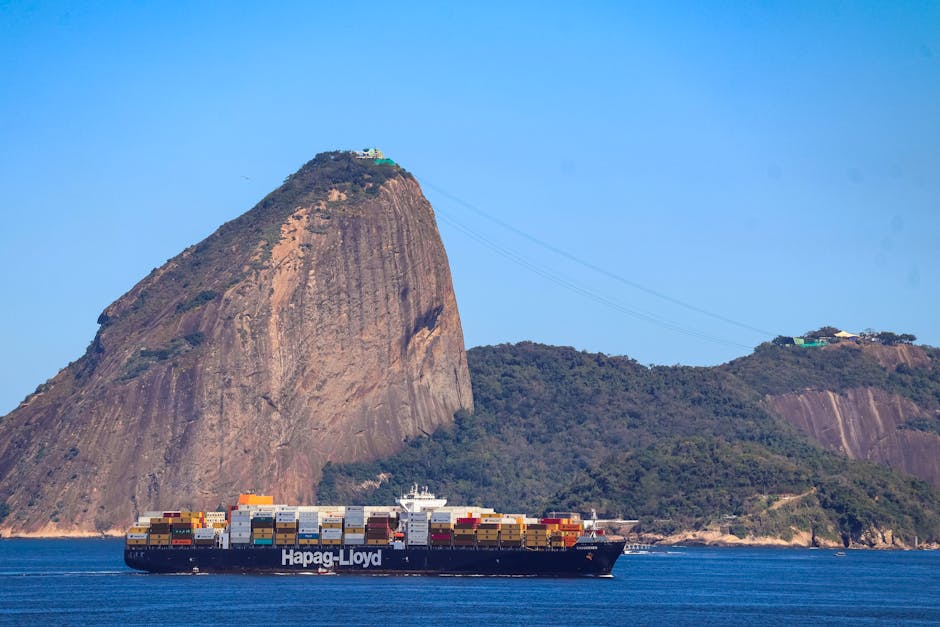
To reach the final stop, you must cross the bay to Niterói (take the ferry from Praça XV). The MAC is perhaps Oscar Niemeyer’s most famous work. Perched on a cliffside, it resembles a white flying saucer or a flower blooming from the rock. The iconic red ramp leads visitors into a circular gallery with panoramic windows looking back at Rio and the Sugarloaf Mountain. Niemeyer famously said the form emerged from the ground 'like a flower.' It is the ultimate expression of Brazilian modern-architecture—bold, curvy, and deeply connected to the natural landscape. It is a fitting end to a route celebrating the power of creative vision.
Start Free on iPhone
Explore “Mural Mania: Porto Maravilha's Street Art” with your very own Private Tour Guide with Zigway. Start free on iPhone, skip the large group and the fixed routes, and hear the city come alive as you go.
Your Private Tour Guide
Don't miss the good stuff
Explore Freely
 Easy
EasyRio de Janeiro, Brazil
Discover the 'BotaSoho' vibe on this self-guided food and nightlife stroll through Rio's most creative neighborhood.
 Easy
EasyRio de Janeiro, Brazil
Discover the former seat of Brazilian power on this self-guided walk through the palaces, gardens, and presidential history of Catete and Glória.
 Easy
EasyRio de Janeiro, Brazil
Discover Rio's literary soul on this self-guided walk through historic libraries, ornate Belle Époque cafes, and iconic bookstores in Centro.
 Easy
EasyRio de Janeiro, Brazil
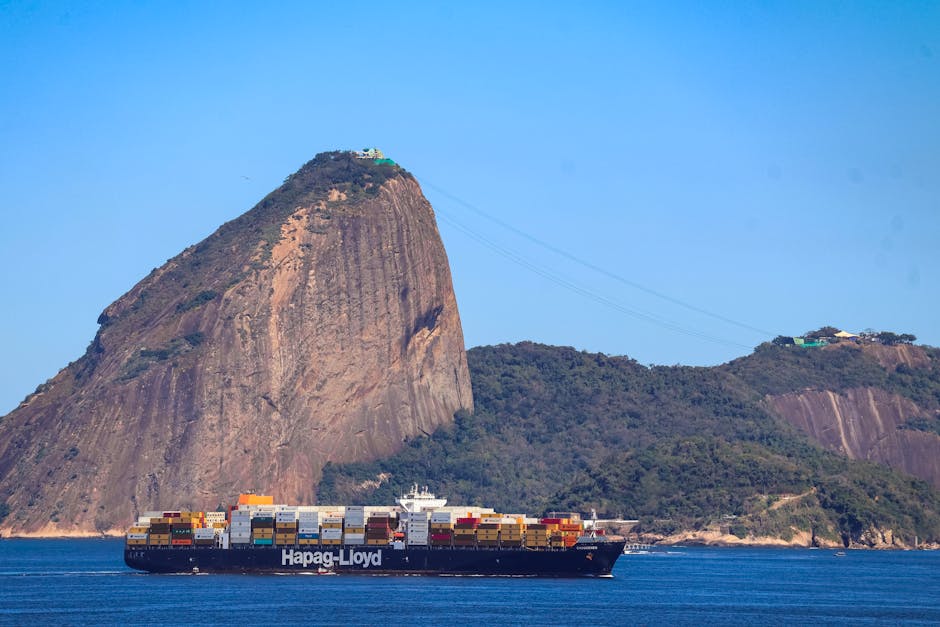
Discover the golden age of Rio! Explore Art Deco architecture, Bossa Nova history, and iconic landmarks on this self-guided Copacabana stroll.
 Easy
EasySalzburg, Austria
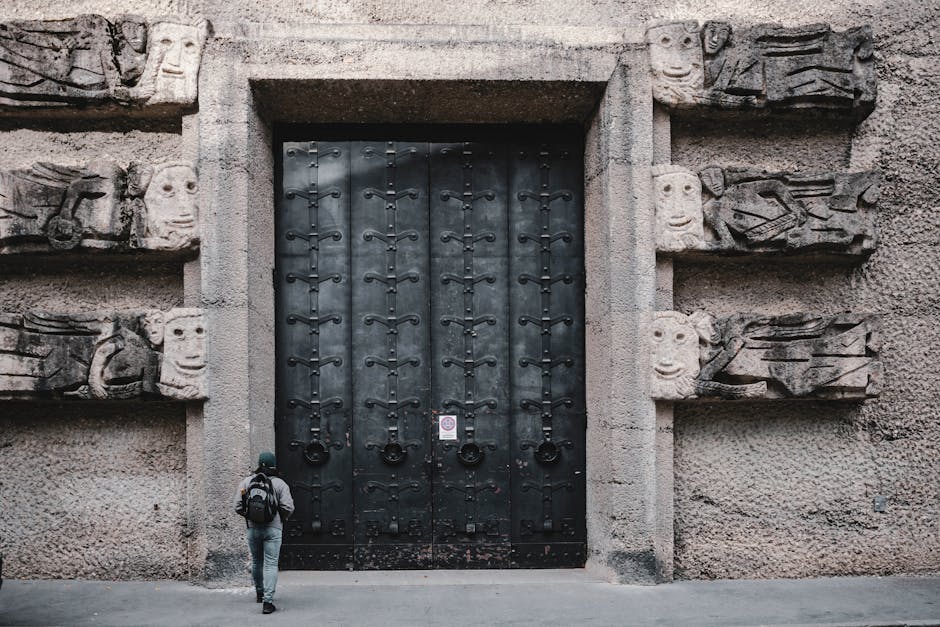
Discover the 'Rome of the North' on this self-guided walk through the Baroque squares and monumental legacy of Salzburg’s Prince-Archbishops.
 Easy
EasyGothenburg, Sweden
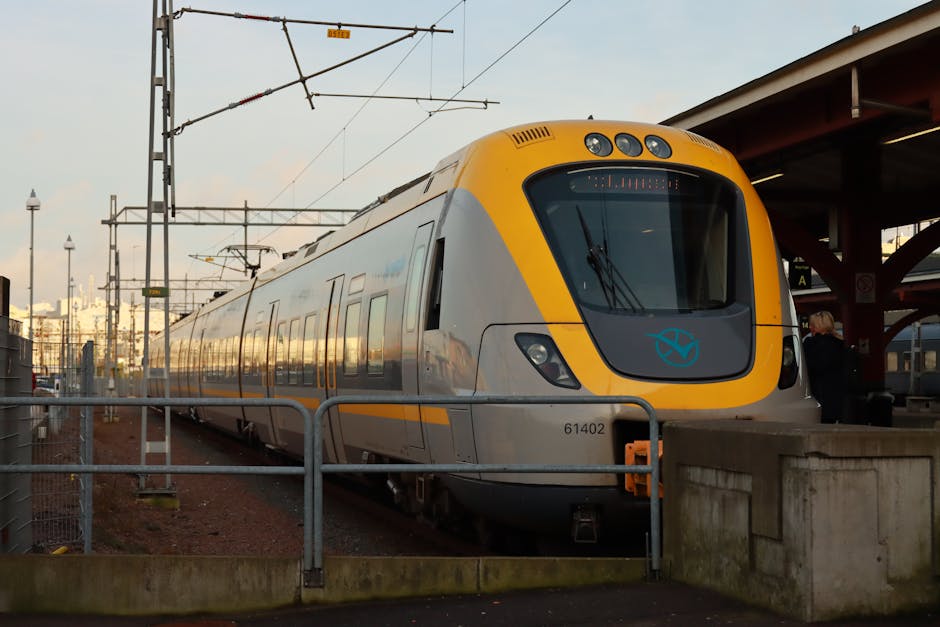
Explore Gothenburg's elegant academic district, featuring grand 19th-century stone architecture and the iconic cultural hub of Götaplatsen.
 Easy
EasyNairobi, Kenya
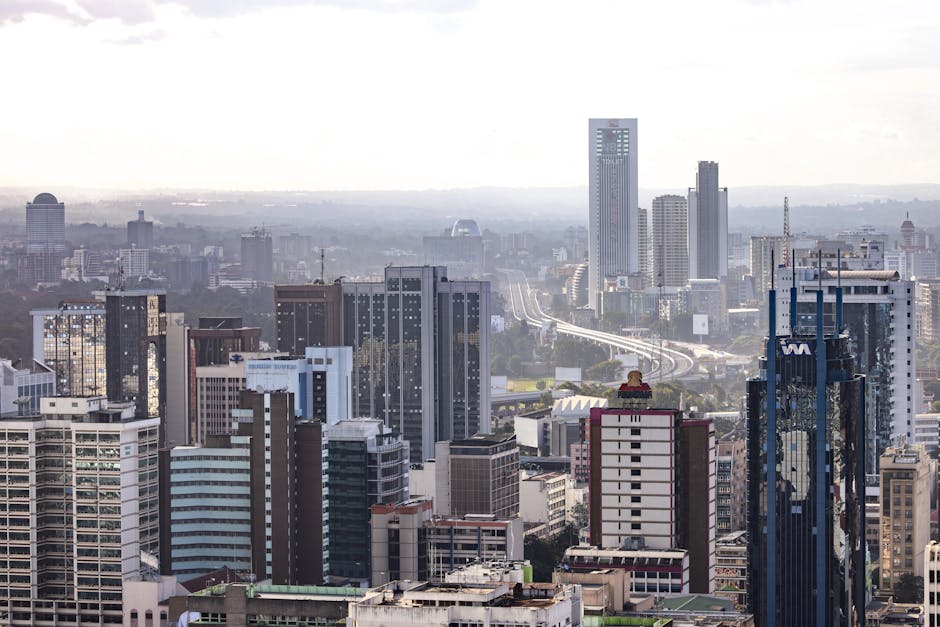
Explore Nairobi's architectural evolution from colonial-era landmarks to iconic Brutalist skyscrapers on this historic self-guided walking route.
 Easy
EasyNairobi, Kenya
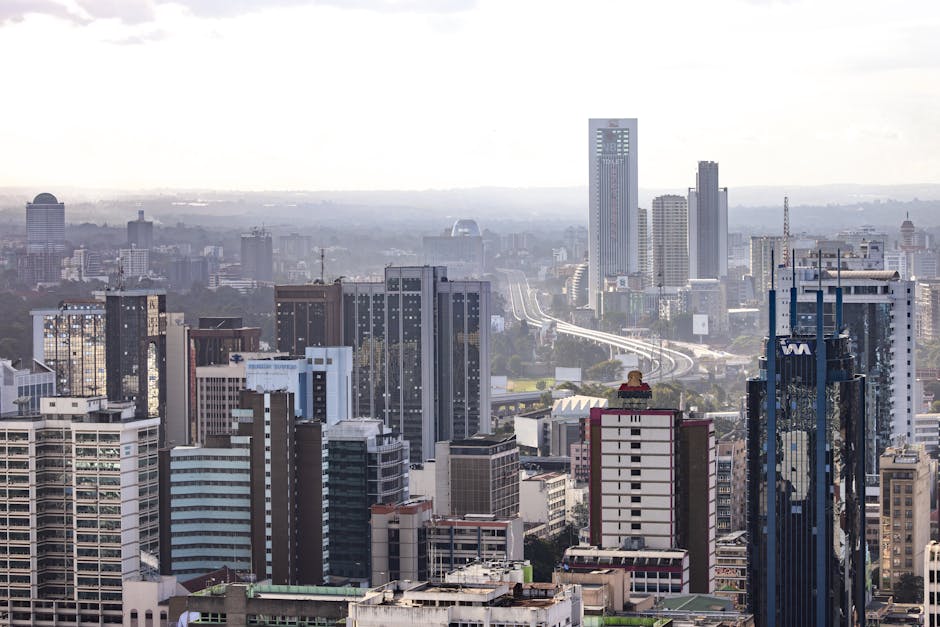
Discover Nairobi's iconic skyline on this self-guided architecture walk through the CBD’s most famous modernist and Brutalist landmarks.
 Moderate
Sao Paulo, Brazil
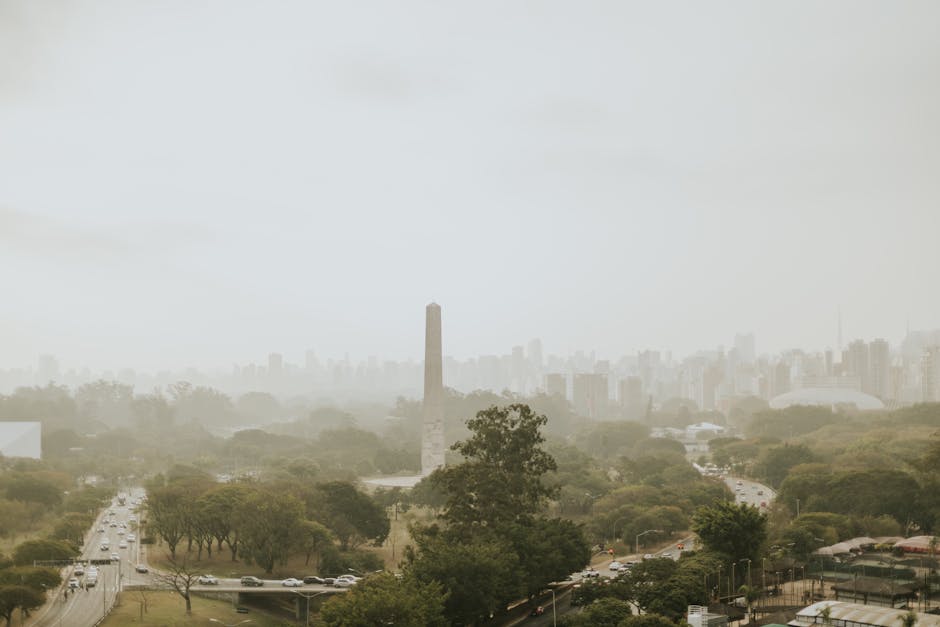
Discover the flowing concrete curves and modernist masterpieces of Oscar Niemeyer on this self-guided walk through São Paulo’s premier urban park.
 Easy
EasySao Paulo, Brazil
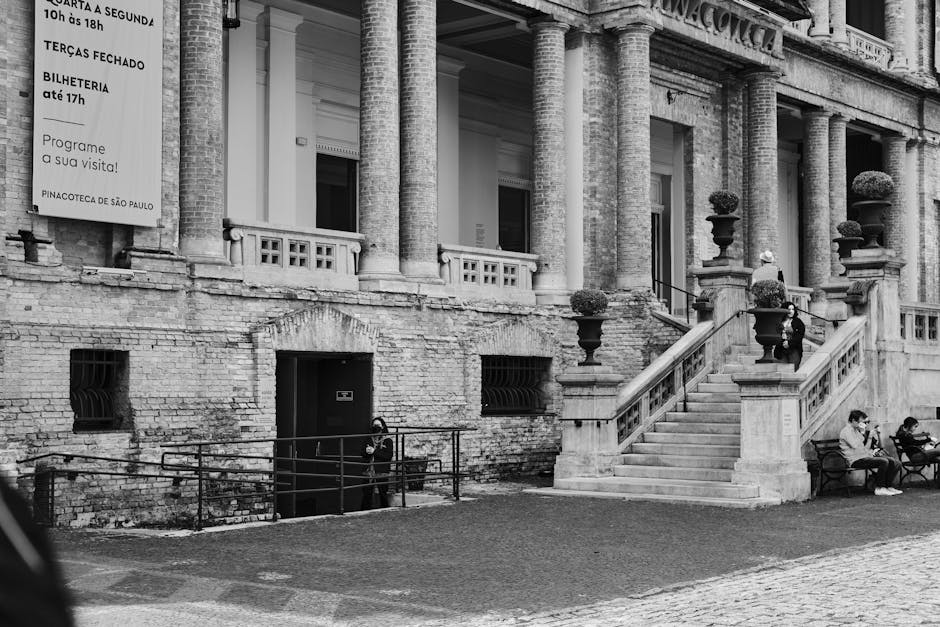
Explore the world's largest Japanese diaspora. A self-guided walk through Sao Paulo's vibrant Liberdade district, rich in history, food, and culture.
 Easy
EasySao Paulo, Brazil
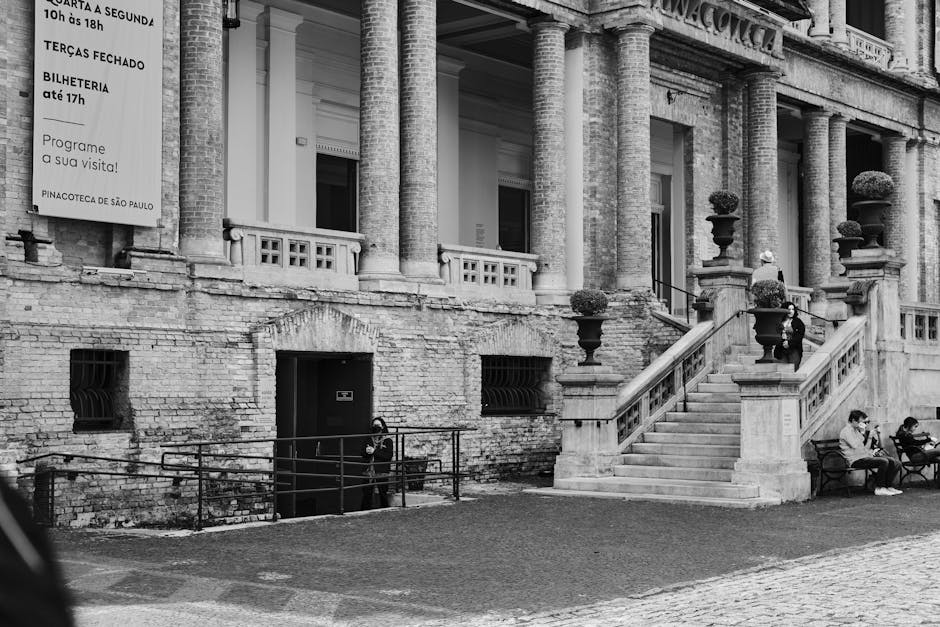
Discover the art, history, and British-inspired architecture of São Paulo’s historic Luz district on this immersive self-guided walk.
 Easy
EasySao Paulo, Brazil
Discover Sao Paulo's historic heart and vibrant food scene on this self-guided walk through the Old Center and the legendary Mercadão.