Self-guided audio tour in Sao Paulo
Start Free on iPhone
Start free on iPhone to unlock this self-guided walking tour in Sao Paulo. Hear all the stories that make it amazing, walk at your own pace, and begin whenever you want.
Your Private Tour Guide
Step into the grand history of São Paulo through the Luz Cultural Corridor, a neighborhood stroll that reveals the city's transformation from a coffee-exporting powerhouse to a modern cultural hub. This self-guided walk takes you through a concentrated area of architectural marvels and world-class museums, all within walking distance of the iconic Luz Station. As you explore, you will encounter the legacy of the British engineers who designed the railways, the somber reminders of Brazil's political history, and the vibrant artistic spirit that defines the city today. This walking route is perfect for those who want to see a different side of the metropolis, away from the skyscrapers of Paulista Avenue. The journey begins at the Estação da Luz, a building that looks as if it were plucked directly from Victorian London. From here, you can delve into the nuances of the Portuguese language or admire the brickwork of the Pinacoteca, the oldest art museum in the city. The route also offers a moment of tranquility in the Jardim da Luz, the oldest public park in São Paulo, before moving toward the hauntingly important Memorial of Resistance. The walk concludes at Sala São Paulo, a concert hall housed in a former train station that is widely considered to have some of the best acoustics in the world. This area is a masterclass in urban revitalization and architecture. By choosing a self-guided walk, you can spend as much time as you like reflecting on the art at Pinacoteca or wandering through the tropical greenery of the park. Whether you are a history buff or an art lover, this route provides a deep dive into the soul of the city. For anyone looking for a walking tour Sao Paulo experience that captures both the grit and the glamour of the past, the Luz district is an essential destination. Explore independently and discover how the 'Coffee Cycle' wealth built these monumental structures that now serve as pillars of Brazilian culture.
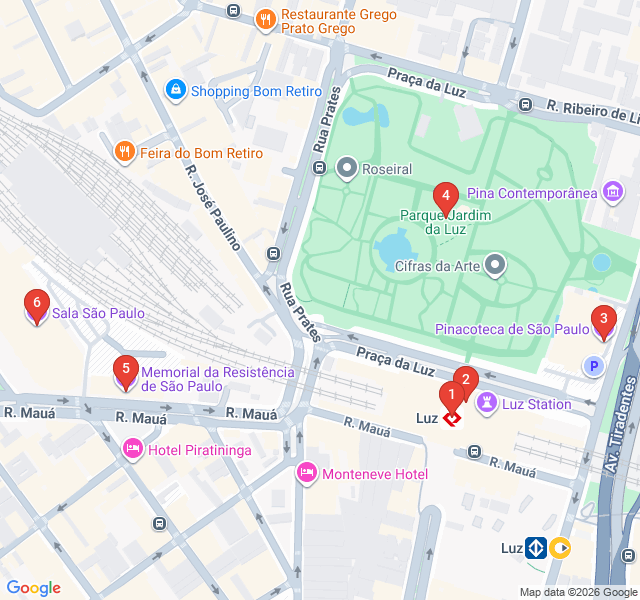
Numbers indicate the order of stops on the tour.
Start exploring at the Estação da Luz, an architectural icon completed in 1901. During the height of the coffee era, this was the main gateway to the city. The station was prefabricated in England and shipped to Brazil, which explains its distinct Victorian appearance, complete with a clock tower inspired by Big Ben. It served as the headquarters for the São Paulo Railway, the British-owned company that transported 'brown gold' from the interior to the port of Santos. As you admire the ironwork and masonry, imagine the wealth that flowed through these platforms, funding the rapid expansion of the city you see today.
Located within the Luz Station building, this museum is one of the first in the world dedicated entirely to a language. It celebrates Portuguese not just as a set of rules, but as a living, breathing entity shaped by African, Indigenous, and European influences. The museum suffered a devastating fire in 2015 but was meticulously restored and reopened, symbolizing the resilience of Brazilian culture. The interactive exhibits explore the evolution of words and the power of literature. It is a unique stop on this walking route that connects the history of the building with the identity of the people who pass through it daily.
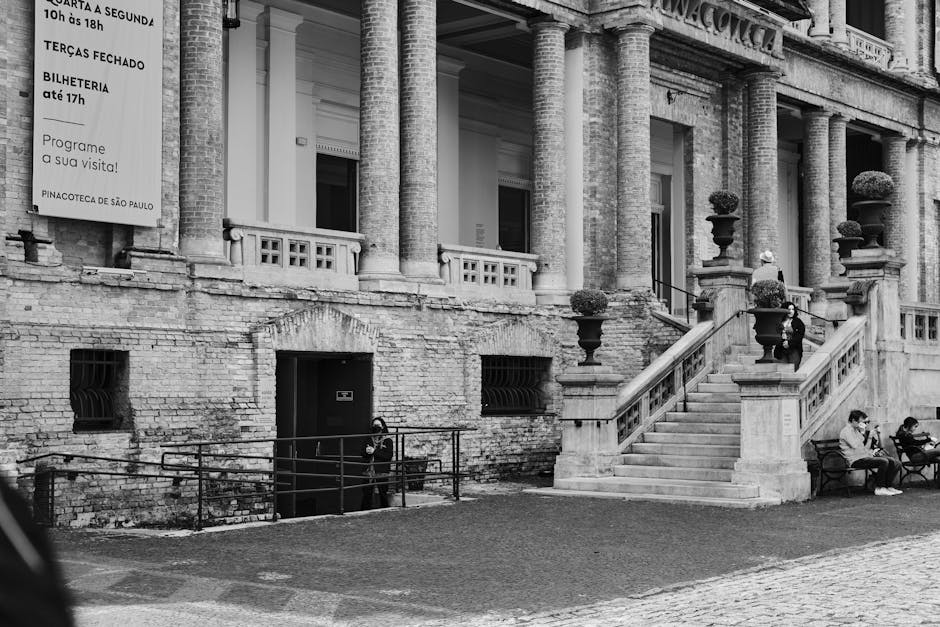
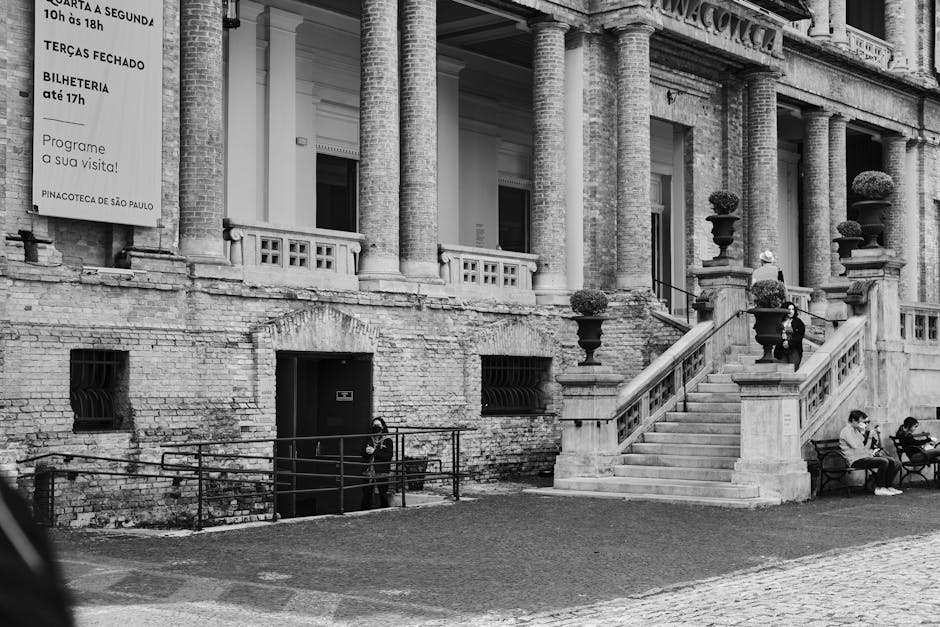
Cross the street to reach the Pinacoteca, the oldest art museum in São Paulo, founded in 1905. The building itself is a work of art, designed by Ramos de Azevedo with its characteristic exposed brickwork. Inside, the collection focuses on Brazilian art from the 19th century to the present day. The renovation by Pritzker Prize-winning architect Paulo Mendes da Rocha in the 1990s added internal bridges and glass roofs that flood the galleries with natural light. Take a moment to view the sculptures in the octagonal courtyard, which perfectly blends the historical structure with modern architectural interventions.
Adjacent to the Pinacoteca lies the Jardim da Luz, the city's oldest public park. Originally created as a botanical garden in the late 18th century, it was later transformed into a public space modeled after French romantic gardens. As you stroll along its paths, you will see a variety of sculptures that form an open-air extension of the Pinacoteca. The park provides a lush, tropical contrast to the industrial feel of the railway station. Look for the small lakes and the diverse birdlife that call this urban oasis home, offering a peaceful break in the heart of the busy Luz district.
A short walk brings you to a building with a heavy history. This was once the headquarters of the Department of Political and Social Order (DEOPS), a notorious police unit used to suppress political dissent during Brazil's military dictatorship. Today, it serves as the Memorial of Resistance. The museum preserves the former prison cells and hosts exhibitions dedicated to the memory of those who fought for democracy. It is a somber but essential stop to understand the social and political layers of Brazilian history, emphasizing the importance of human rights and collective memory in the modern era.
The final stop on this neighborhood stroll is Sala São Paulo, located within the Júlio Prestes Station. This world-class concert hall was created by transforming a former station courtyard into a performance space. It is famous for its movable ceiling, which can be adjusted to optimize acoustics for different types of music. The grand columns and neoclassical details of the station provide a majestic backdrop for the São Paulo State Symphony Orchestra. Even if you aren't attending a concert, the sheer scale and beauty of the integration between the old railway station and the modern hall make it a fitting end to your exploration.
Start Free on iPhone
Explore “The Luz Cultural Corridor” with your very own Private Tour Guide with Zigway. Start free on iPhone, skip the large group and the fixed routes, and hear the city come alive as you go.
Your Private Tour Guide
Don't miss the good stuff
Explore Freely
 Moderate
Sao Paulo, Brazil
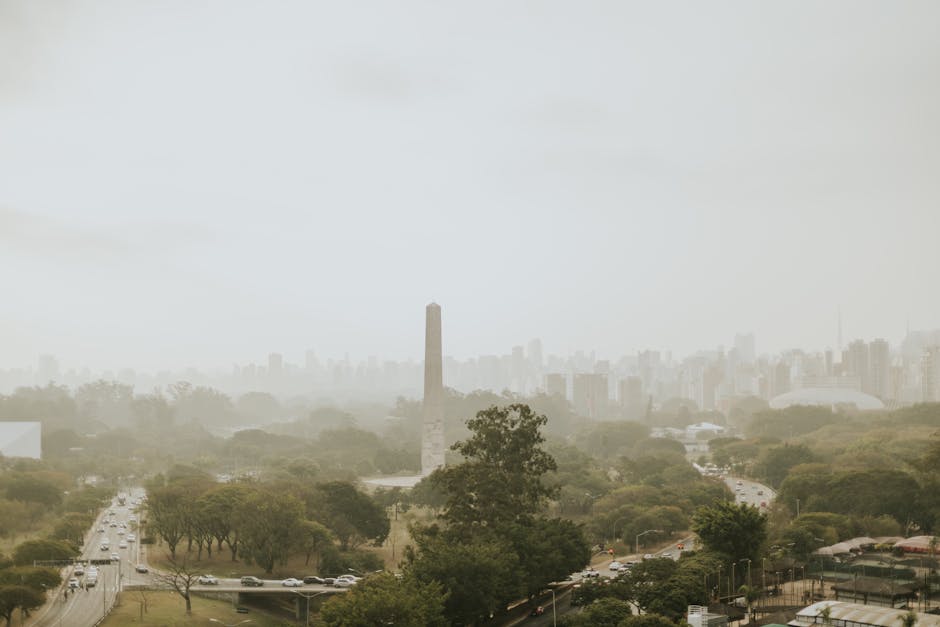
Discover the flowing concrete curves and modernist masterpieces of Oscar Niemeyer on this self-guided walk through São Paulo’s premier urban park.
 Easy
EasySao Paulo, Brazil
Explore the world's largest Japanese diaspora. A self-guided walk through Sao Paulo's vibrant Liberdade district, rich in history, food, and culture.
 Easy
EasySao Paulo, Brazil
Discover Sao Paulo's historic heart and vibrant food scene on this self-guided walk through the Old Center and the legendary Mercadão.
 Moderate
Sao Paulo, Brazil
Explore Sao Paulo's historic Italian district. Discover avant-garde theater, legendary cantinas, and the soul of Calabrian heritage in Bixiga.
 Easy
EasyNairobi, Kenya
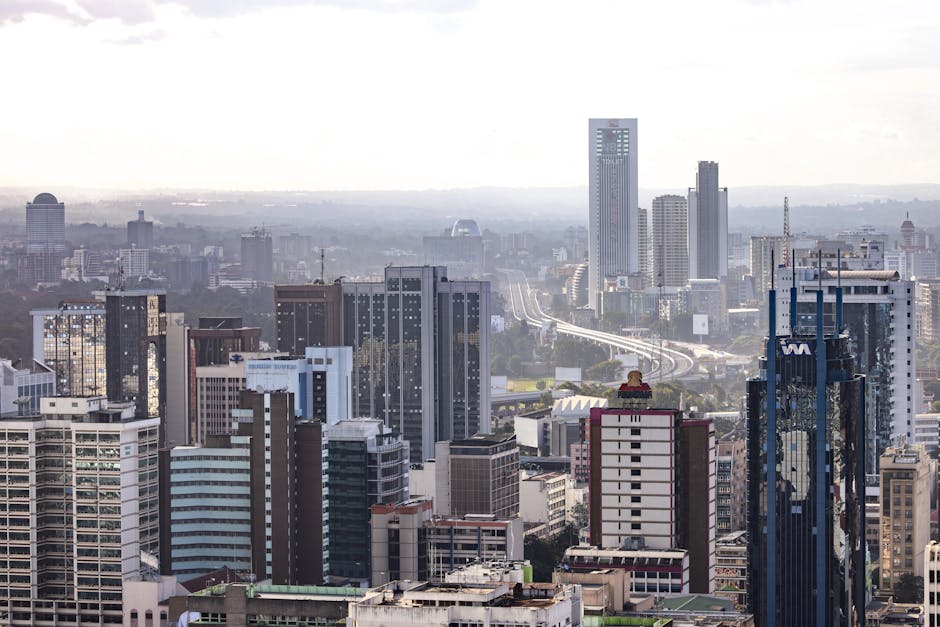
Explore Nairobi's architectural evolution from colonial-era landmarks to iconic Brutalist skyscrapers on this historic self-guided walking route.
 Easy
EasyNairobi, Kenya
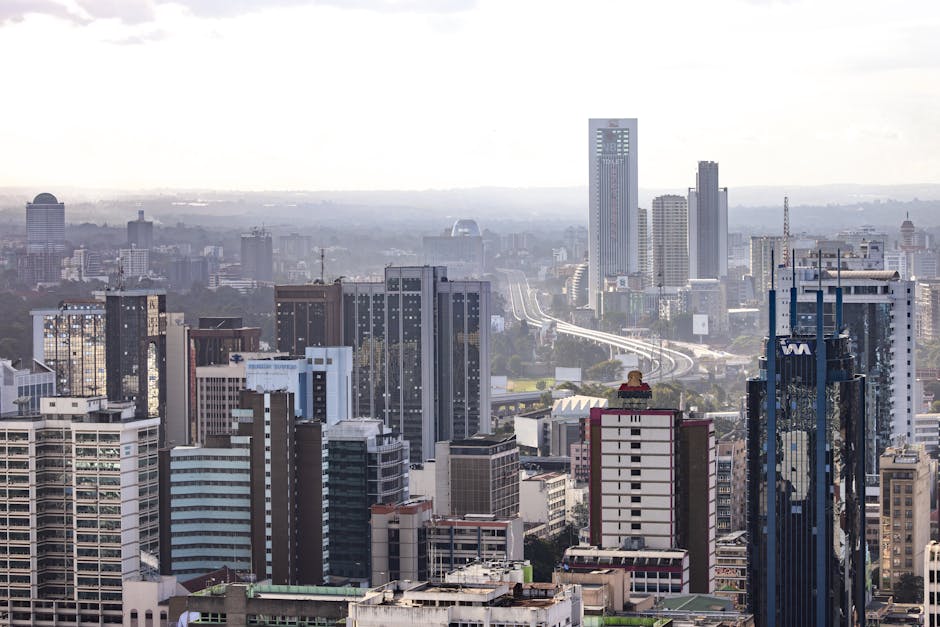
Discover Nairobi's iconic skyline on this self-guided architecture walk through the CBD’s most famous modernist and Brutalist landmarks.
 Moderate
Gdansk, Poland
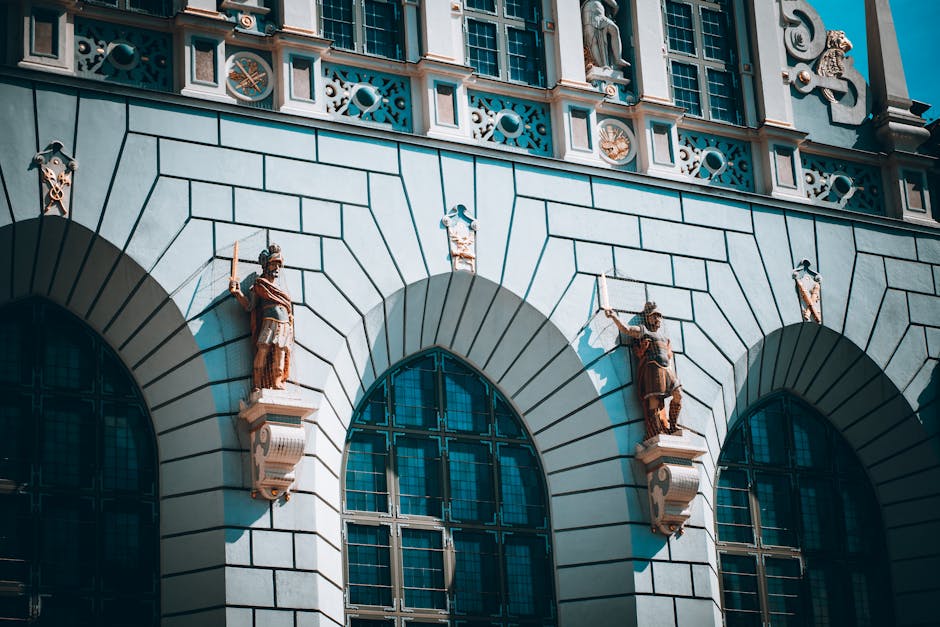
Discover the origins of WWII in Gdansk on this self-guided walk through heroic last stands, massive museums, and strategic hilltop fortifications.
 Easy
EasyWarsaw, Poland
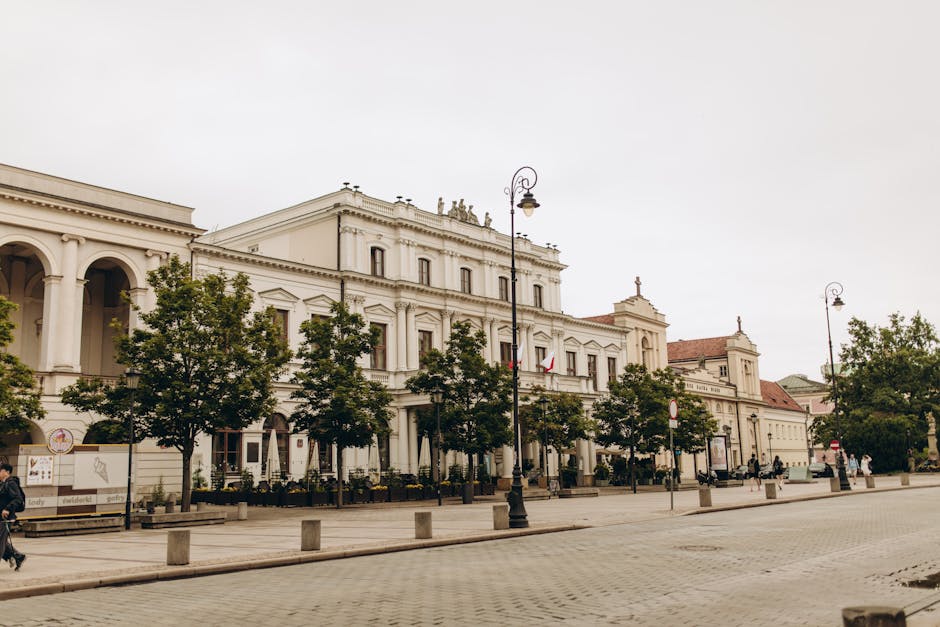
Explore the 'Polish Versailles' at your own pace. Discover Baroque architecture, royal history, and stunning gardens on this self-guided walk.
 Easy
EasyRio de Janeiro, Brazil
Explore the world's largest murals and futuristic architecture in Rio's revitalized port on this vibrant self-guided walking route.
 Easy
EasyRio de Janeiro, Brazil
Discover the 'BotaSoho' vibe on this self-guided food and nightlife stroll through Rio's most creative neighborhood.
 Easy
EasyRio de Janeiro, Brazil
Discover the former seat of Brazilian power on this self-guided walk through the palaces, gardens, and presidential history of Catete and Glória.
 Easy
EasyRio de Janeiro, Brazil
Discover Rio's literary soul on this self-guided walk through historic libraries, ornate Belle Époque cafes, and iconic bookstores in Centro.