Self-guided audio tour in Rio de Janeiro
Start Free on iPhone
Start free on iPhone to unlock this self-guided walking tour in Rio de Janeiro. Hear all the stories that make it amazing, walk at your own pace, and begin whenever you want.
Your Private Tour Guide
Beyond the golden sands of Ipanema and the rhythmic pulse of samba lies a different Rio de Janeiro—a city of hushed archives, towering mahogany shelves, and the lingering scent of espresso and old paper. This self-guided walk through the historic Centro district invites you to step into the 'Paris of the South.' During the late 19th and early 20th centuries, Rio’s downtown was the intellectual heart of the Lusophone world, where writers, poets, and philosophers gathered in opulent cafes to shape the identity of a young republic. This literary walking tour Rio de Janeiro route begins in the bustling commercial heart and weaves through the architectural gems of the Belle Époque. You will explore the largest library in Latin America, the National Library, which houses treasures brought by the Portuguese Royal Family during their 1808 escape from Napoleon. The journey also takes you to the Petit Trianon-inspired halls of the Brazilian Academy of Letters, where the 'Immortals' of Brazilian literature still meet today. No literary exploration of Rio would be complete without a visit to its historic bookstores, ranging from the intellectual sanctuary of Leonardo da Vinci to the modern, airy Livraria da Travessa. The highlight for many on this walking route is the Real Gabinete Português de Leitura. Often cited as one of the most beautiful libraries in the world, its Manueline-style altar of books feels like a scene pulled from a fantasy novel. Along the way, you’ll have the chance to pause at Confeitaria Colombo, a cathedral of stained glass and Belgian mirrors that served as the primary meeting spot for the city’s creative elite. This walking tour Rio de Janeiro experience is designed for those who want to discover the city’s soul through its written word and historic architecture. Whether you are a bibliophile or a history enthusiast, this neighborhood stroll offers a peaceful, cerebral alternative to the typical tourist circuit, allowing you to explore the city's intellectual heritage at your own pace.
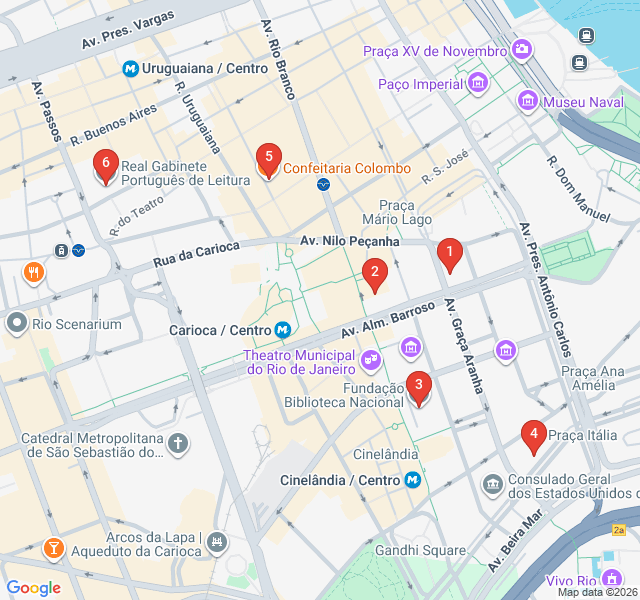
Numbers indicate the order of stops on the tour.
Start your self-guided adventure at Livraria da Travessa on Rua de Sete Setembro. This bookstore is more than just a shop; it is a modern cultural landmark housed in a beautifully restored historic building. The Travessa brand is synonymous with Rio’s intellectual life, known for its curated selection and frequent book launches. As you walk through the ground floor and up to the mezzanine, notice how the contemporary design respects the high ceilings and classic proportions of the old Centro district. It’s the perfect place to get a sense of the city’s current literary pulse before we dive into its deep historical roots. Grab a bookmark or a coffee, and prepare to walk the same streets that Brazil’s greatest novelists once called home.
A short walk away lies the Bookstore Leonardo da Vinci, an underground sanctuary for thinkers since 1952. Founded by Vanna Piraccini, an Italian immigrant, this shop became a vital link between Brazil and European thought during decades of political upheaval. Unlike the grand storefronts on the street level, the 'Leonardo' is tucked away in a basement, creating an intimate, cavernous atmosphere packed with international titles in multiple languages. For generations, Rio's professors, students, and artists have descended these stairs to find books unavailable anywhere else in the country. It represents the resilient, cosmopolitan spirit of Rio’s middle-class intellectuals who sought to keep the city connected to the global stage.
Standing before you is the National Library of Brazil, the largest in Latin America and one of the ten largest in the world. Its origins are dramatic: when the Portuguese Royal Family fled Lisbon ahead of Napoleon’s troops in 1808, they brought 60,000 items from the Royal Library with them. This Neoclassical behemoth, inaugurated in 1910, now holds over nine million items, including rare Gutenberg Bibles and original scores by Mozart. Look up at the Corinthian columns and the bronze statues representing law, diplomacy, and science. This building was a statement to the world that Rio was no longer a colonial outpost, but a global capital of culture and learning.
This elegant building, known as the Petit Trianon, is a gift from the French government and a replica of the one at Versailles. It is the home of the Brazilian Academy of Letters (ABL), founded in 1897 by the nation's most celebrated writer, Machado de Assis. The ABL is modeled after the Académie Française, consisting of 40 'Immortals'—members elected for life who occupy specific numbered chairs. Their mission is to preserve the Portuguese language and Brazilian literature. Even today, the induction of a new member involves a formal ceremony with green-and-gold uniforms and swords. It remains a symbol of the high prestige that literature holds in Brazilian society.
Welcome to Confeitaria Colombo, arguably the most beautiful cafe in the world. Established in 1894, this was the headquarters of the 'Rio Belle Époque.' As you look into the massive Belgian mirrors and admire the stained-glass ceiling, imagine the poets, journalists, and politicians who sat at these marble tables debating the future of Brazil. It was a favorite haunt of Chiquinha Gonzaga and Olavo Bilac. The cafe represented a shift toward European urbanity, where the ritual of afternoon tea became as important as the literature being discussed. It is the sensory heart of this route—a place where the taste of a 'coxinha' or a 'quindim' is paired with over a century of history.
We conclude our walking route at a place that often leaves visitors speechless: the Royal Portuguese Cabinet of Reading. Founded in 1837 by Portuguese immigrants, this building is a masterpiece of the 'Neo-Manueline' style, characterized by the intricate stone carvings reminiscent of the Age of Discovery. Inside, the three-story high wooden shelves hold the largest collection of Portuguese works outside of Portugal. The light filtering through the octagonal stained-glass skylight illuminates thousands of leather-bound spines, creating an atmosphere of sacred quietude. It is a monument to the enduring cultural bond between Brazil and Portugal, and a fitting finale to our journey through Rio’s literary landscape.
Start Free on iPhone
Explore “Literary Rio: Libraries and Bookish Cafes” with your very own Private Tour Guide with Zigway. Start free on iPhone, skip the large group and the fixed routes, and hear the city come alive as you go.
Your Private Tour Guide
Don't miss the good stuff
Explore Freely
 Easy
EasyRio de Janeiro, Brazil
Explore the world's largest murals and futuristic architecture in Rio's revitalized port on this vibrant self-guided walking route.
 Easy
EasyRio de Janeiro, Brazil
Discover the 'BotaSoho' vibe on this self-guided food and nightlife stroll through Rio's most creative neighborhood.
 Easy
EasyRio de Janeiro, Brazil
Discover the former seat of Brazilian power on this self-guided walk through the palaces, gardens, and presidential history of Catete and Glória.
 Easy
EasyRio de Janeiro, Brazil
Discover the golden age of Rio! Explore Art Deco architecture, Bossa Nova history, and iconic landmarks on this self-guided Copacabana stroll.
 Easy
EasyKrakow, Poland
Explore the prestigious Jagiellonian University district, featuring Neo-Gothic architecture, Baroque churches, and Krakow's hidden scholarly gems.
 Easy
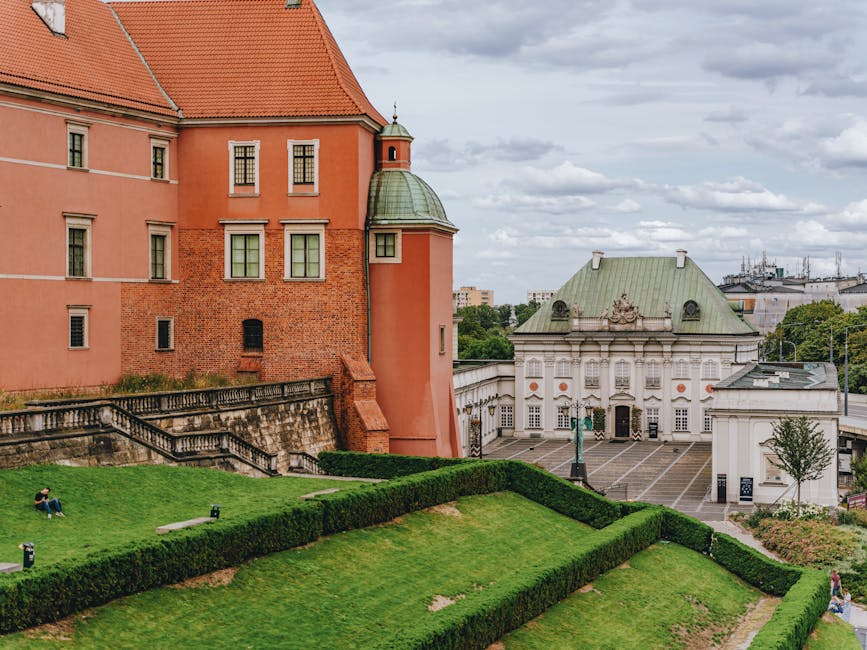
EasyWarsaw, Poland
Follow the life of Fryderyk Chopin through Warsaw’s historic center. See where he lived, studied, and where his heart remains today.
 Easy
EasyGothenburg, Sweden
Discover Gothenburg’s 17th-century Dutch foundations, historic canals, and military fortifications on this self-guided architectural walk.
 Easy
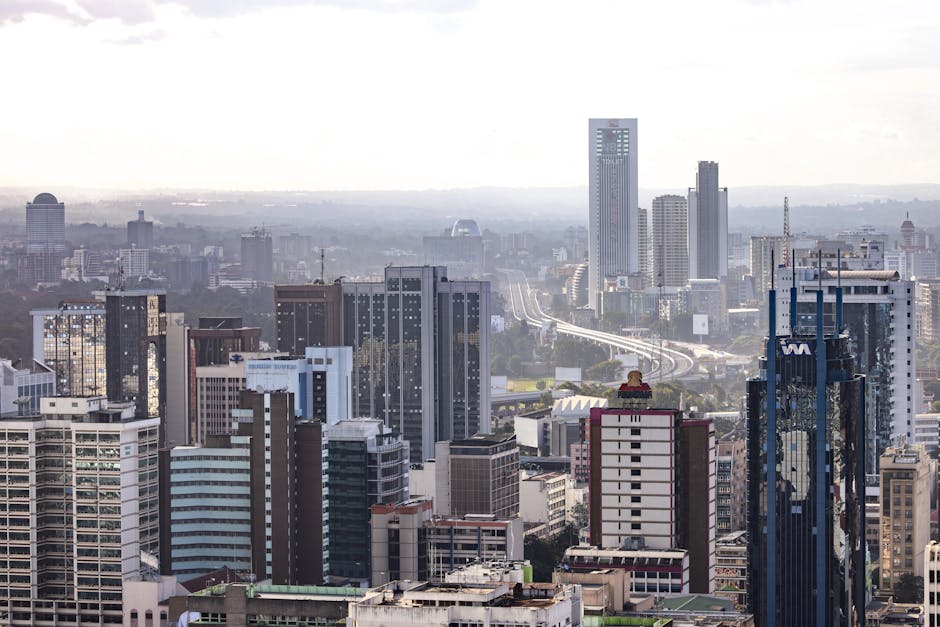
EasyNairobi, Kenya
Explore Nairobi's architectural evolution from colonial-era landmarks to iconic Brutalist skyscrapers on this historic self-guided walking route.
 Moderate
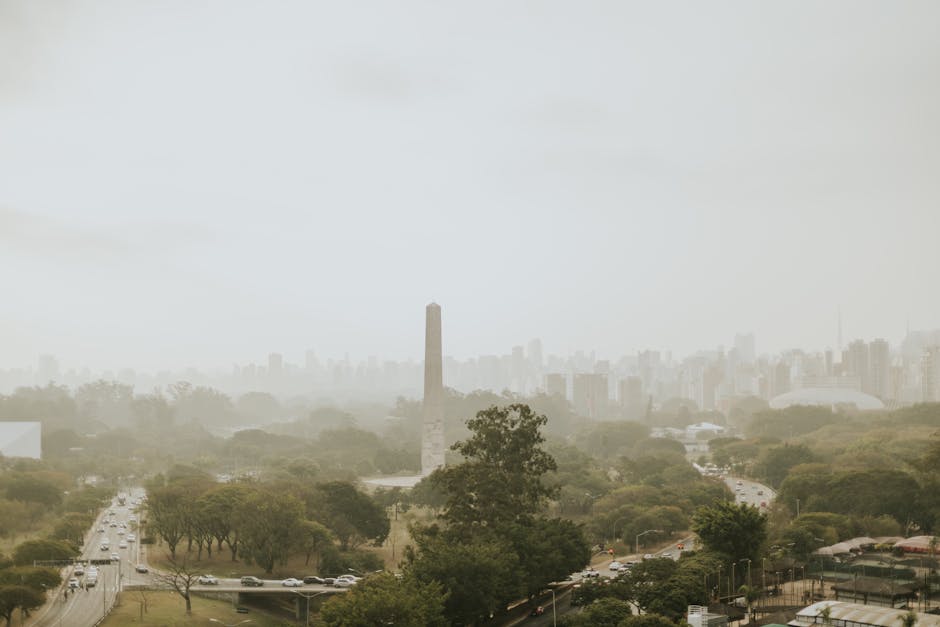
Sao Paulo, Brazil
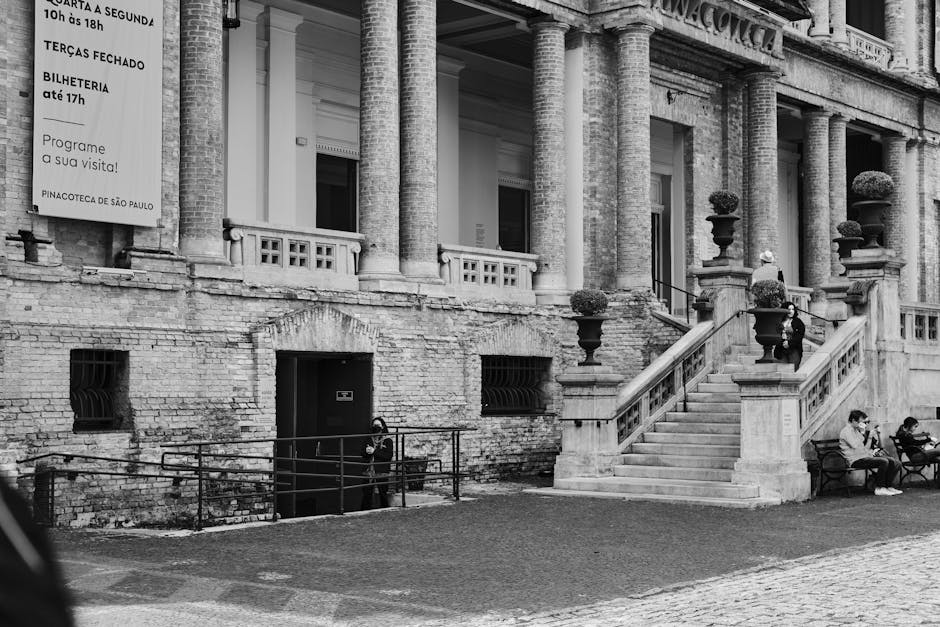
Discover the flowing concrete curves and modernist masterpieces of Oscar Niemeyer on this self-guided walk through São Paulo’s premier urban park.
 Easy
EasySao Paulo, Brazil
Explore the world's largest Japanese diaspora. A self-guided walk through Sao Paulo's vibrant Liberdade district, rich in history, food, and culture.
 Easy
EasySao Paulo, Brazil
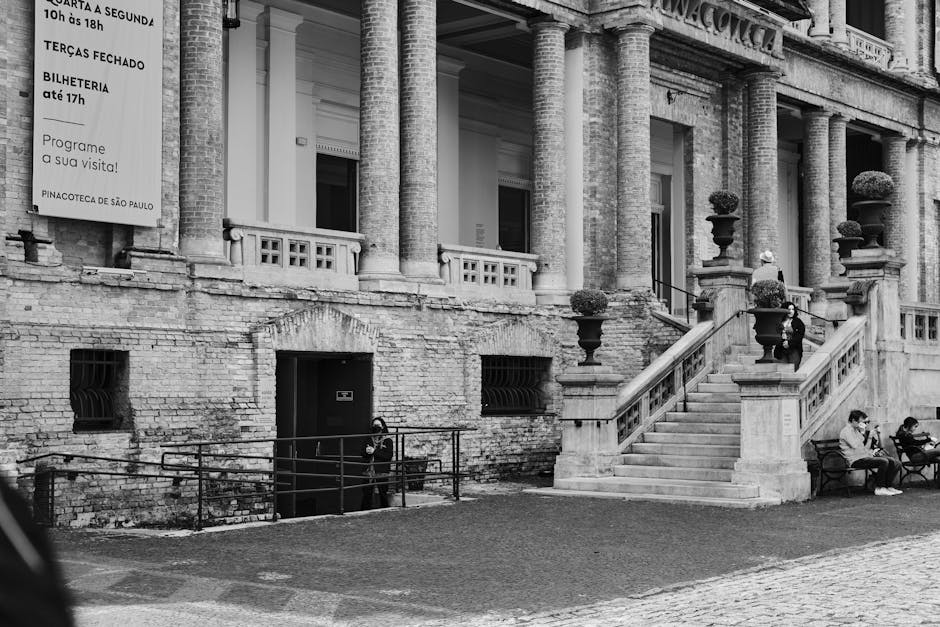
Discover the art, history, and British-inspired architecture of São Paulo’s historic Luz district on this immersive self-guided walk.
 Easy
EasySao Paulo, Brazil
Discover Sao Paulo's historic heart and vibrant food scene on this self-guided walk through the Old Center and the legendary Mercadão.