Self-guided audio tour in Rio de Janeiro
Start Free on iPhone
Start free on iPhone to unlock this self-guided walking tour in Rio de Janeiro. Hear all the stories that make it amazing, walk at your own pace, and begin whenever you want.
Your Private Tour Guide
Step into the corridors of power and the lush landscapes of Rio de Janeiro’s historic Catete neighborhood. This self-guided walk invites you to explore the legacy of Brazil’s former capital, where imperial charm met the bold ambitions of a young republic. Before the capital moved to Brasília in 1960, the streets of Catete and Glória were the stage for political dramas, international diplomacy, and the personal lives of presidents. Your walking route begins at the Museu de Arte Moderna (MAM), a masterpiece of modernist architecture set against the backdrop of Guanabara Bay. From there, you will transition from the sleek lines of the 20th century to the refined elegance of the Belle Époque at Praça Paris, a garden designed to mimic the formal beauty of French landscapes. As you progress, the route climbs toward the iconic Igreja de Nossa Senhora da Glória do Outeiro, a favorite of the Portuguese royal family, offering panoramic views that bridge the city’s colonial past with its urban present. The narrative of power deepens at the Memorial Getúlio Vargas, dedicated to one of Brazil’s most influential and controversial leaders. The journey culminates at the Palácio do Catete, the former 'White House' of Brazil. This palace is not just a museum but a witness to history, most notably the tragic suicide of President Getúlio Vargas in 1954. Surrounded by imperial palms and serene ponds in its public gardens, the palace offers a profound look at the transition of Brazil from a monarchy to a modern democracy. This walking tour Rio de Janeiro provides an independent way to experience the city's political evolution and architectural splendor at your own pace. Whether you are a history enthusiast or a fan of urban botany, this neighborhood stroll reveals the hidden stories behind the facades of Rio’s most significant monuments. Discover the intersection of art, politics, and nature on this essential walking route through the heart of the old capital.
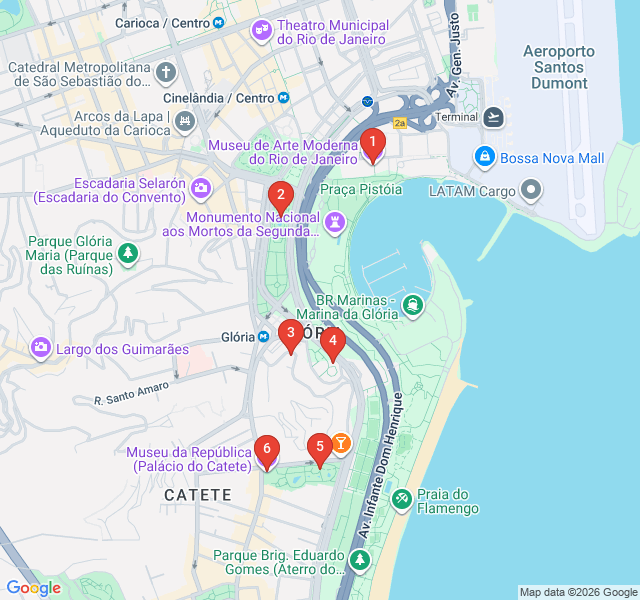
Numbers indicate the order of stops on the tour.
Begin your self-guided adventure at MAM Rio, an icon of modernist architecture. Designed by Affonso Eduardo Reidy and completed in the late 1950s, the building itself is a work of art, featuring a bold external skeleton of concrete pillars. The museum sits on reclaimed land within Flamengo Park, with landscaping designed by the world-renowned Roberto Burle Marx. This site represents the forward-thinking spirit of mid-century Brazil, a time when Rio was at the height of its international cultural influence. While the collection inside is world-class, take a moment to appreciate how the open-ground floor connects the building to the sea and the surrounding park, reflecting the modernist ideal of integration between architecture and nature.
As you continue your neighborhood stroll, you enter Praça Paris. Built in 1926, this park was designed by the French architect Alfred Agache during a period when Rio aimed to become the 'Paris of the Tropics.' Notice the symmetry, the manicured hedges, and the large central pond. The park is adorned with statues and fountains that evoke the grandeur of the Tuileries Gardens. It serves as a peaceful transition between the modern waterfront and the historic districts of Glória and Catete. For decades, this was the elite social center of the city, where residents would promenade in their finest attire to see and be seen against the backdrop of Guanabara Bay.
Perched on a hill overlooking the bay, the Glória Church is one of the most significant colonial buildings in Brazil. Completed in 1739, it is famous for its unique octagonal floor plan and exquisite 18th-century blue-and-white Portuguese tiles (azulejos). This was the favorite church of the Portuguese Royal Family; Emperor Pedro II and Princess Isabel were baptized here. The climb up the hill is rewarded with a stunning view of the city's modern skyline juxtaposed with the historic harbor. The church remains a symbol of the deep religious and imperial roots that shaped the early identity of Rio de Janeiro before it became a republican powerhouse.
Beneath the surface of Praça Luís de Camões lies the Memorial Getúlio Vargas. This underground space, designed by architect Henrique Mindlin, is dedicated to the life and legacy of the man who dominated Brazilian politics for nearly twenty years. Vargas was a populist leader who served as both a dictator and an elected president. The memorial uses photos, documents, and multimedia to tell the story of his 'Estado Novo' and his impact on labor rights and industrialization. The minimalist, somber atmosphere of the memorial reflects the weighty history of the Vargas era, which ended in one of the most shocking events in Brazilian history—his suicide while still in office.
Before entering the palace, take time to explore the Jardins do Museu da República. These gardens are a hidden gem in the heart of the city, offering a dense canopy of imperial palms, fruit trees, and serene artificial lakes. Originally the private grounds of the palace, they were opened to the public after the capital moved to Brasília. Look for the peacocks that often roam the grounds and the small grottos and bridges that provide a romantic, 19th-century atmosphere. It is a perfect spot for a quiet break, where the noise of the city fades away, replaced by the sounds of birds and the rustling of tropical leaves.
Explore independently the Palácio do Catete, the climax of our walking route. Originally built in 1867 as the residence of the Baron of Nova Friburgo, this neoclassical palace became the seat of the Presidency of the Republic in 1897. Eighteen presidents lived and worked within these walls. The most famous room is located on the third floor: the bedroom of Getúlio Vargas, preserved exactly as it was on the morning of August 24, 1954, when he took his own life. The palace’s opulent halls, grand staircases, and ornate ceilings tell the story of a young republic finding its footing amidst the splendor of a bygone aristocratic era.
Start Free on iPhone
Explore “Presidential Rio: Palaces and Power” with your very own Private Tour Guide with Zigway. Start free on iPhone, skip the large group and the fixed routes, and hear the city come alive as you go.
Your Private Tour Guide
Don't miss the good stuff
Explore Freely
 Easy
EasyRio de Janeiro, Brazil
Explore the world's largest murals and futuristic architecture in Rio's revitalized port on this vibrant self-guided walking route.
 Easy
EasyRio de Janeiro, Brazil
Discover the 'BotaSoho' vibe on this self-guided food and nightlife stroll through Rio's most creative neighborhood.
 Easy
EasyRio de Janeiro, Brazil
Discover Rio's literary soul on this self-guided walk through historic libraries, ornate Belle Époque cafes, and iconic bookstores in Centro.
 Easy
EasyRio de Janeiro, Brazil
Discover the golden age of Rio! Explore Art Deco architecture, Bossa Nova history, and iconic landmarks on this self-guided Copacabana stroll.
 Easy
EasyNairobi, Kenya
Explore Nairobi's architectural evolution from colonial-era landmarks to iconic Brutalist skyscrapers on this historic self-guided walking route.
 Easy
EasyNairobi, Kenya
Discover Nairobi's iconic skyline on this self-guided architecture walk through the CBD’s most famous modernist and Brutalist landmarks.
 Easy
EasyNairobi, Kenya
Discover Nairobi’s literary soul on this self-guided walk through historic libraries, iconic bookshops, and cultural centers in the heart of the CBD.
 Easy
EasyKrakow, Poland
Explore the prestigious Jagiellonian University district, featuring Neo-Gothic architecture, Baroque churches, and Krakow's hidden scholarly gems.
 Moderate
Sao Paulo, Brazil
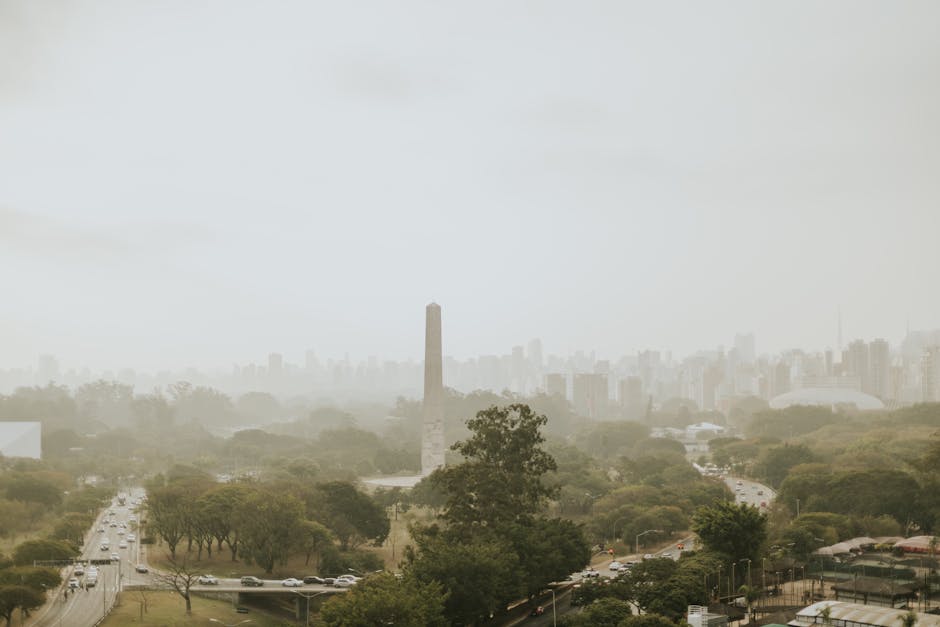
Discover the flowing concrete curves and modernist masterpieces of Oscar Niemeyer on this self-guided walk through São Paulo’s premier urban park.
 Easy
EasySao Paulo, Brazil
Explore the world's largest Japanese diaspora. A self-guided walk through Sao Paulo's vibrant Liberdade district, rich in history, food, and culture.
 Easy
EasySao Paulo, Brazil
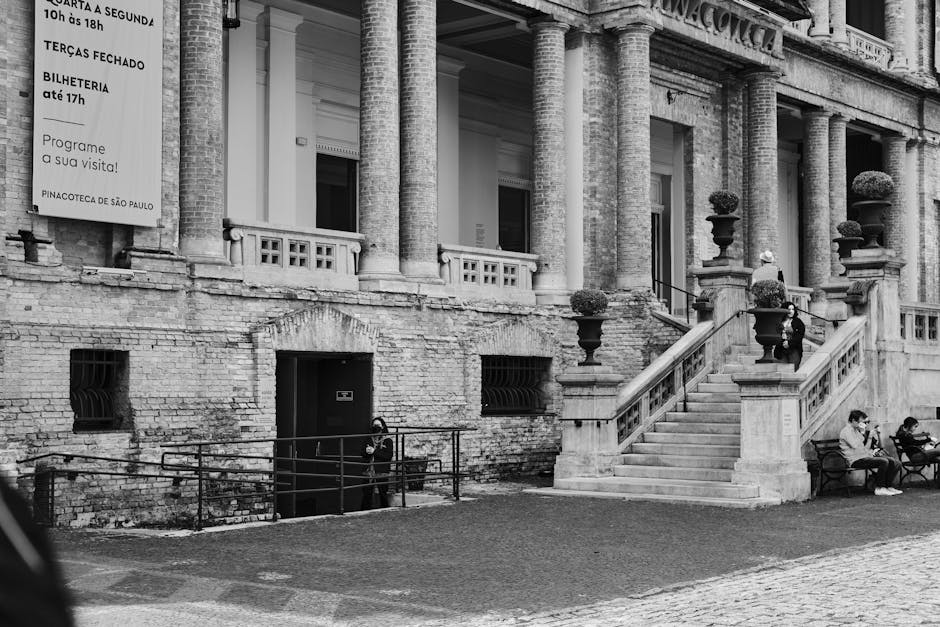
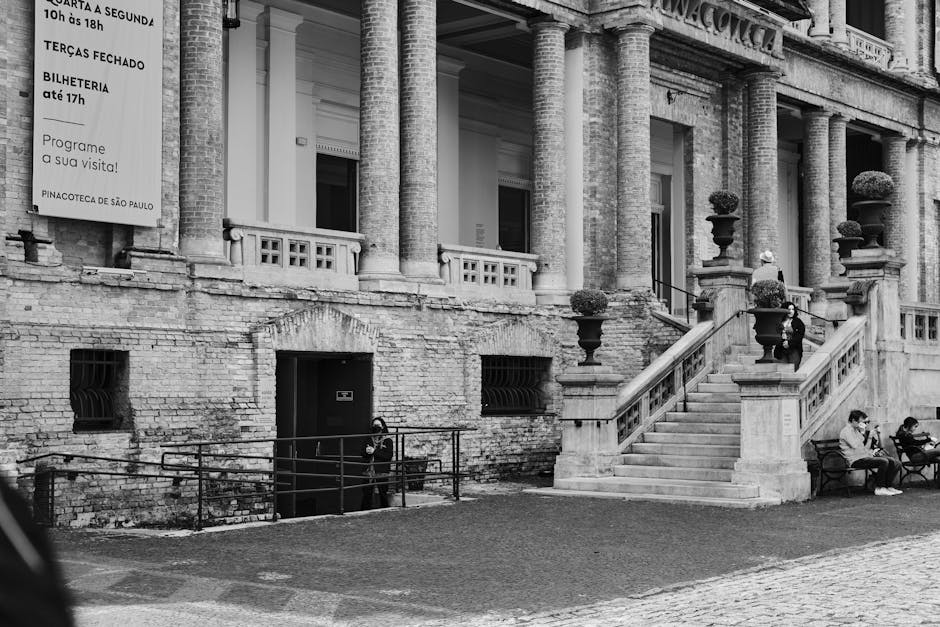
Discover the art, history, and British-inspired architecture of São Paulo’s historic Luz district on this immersive self-guided walk.
 Easy
EasySao Paulo, Brazil
Discover Sao Paulo's historic heart and vibrant food scene on this self-guided walk through the Old Center and the legendary Mercadão.