Self-guided audio tour in Sao Paulo
Start Free on iPhone
Start free on iPhone to unlock this self-guided walking tour in Sao Paulo. Hear all the stories that make it amazing, walk at your own pace, and begin whenever you want.
Your Private Tour Guide
Discover the vibrant heart of Italian heritage in Sao Paulo with this self-guided walk through Bixiga. Officially part of the Bela Vista district, Bixiga is one of the city's most traditional and charismatic neighborhoods, shaped by the waves of Italian immigrants who arrived in the late 19th century. This neighborhood stroll captures the essence of a community where the aroma of fresh focaccia and slow-cooked marinara spills onto cobblestone streets. On this route, you will experience the unique blend of Calabrian tradition and Sao Paulo's avant-garde spirit. The walking route begins at the legendary Teatro Oficina, an architectural masterpiece by Lina Bo Bardi that redefined Brazilian theater. From there, you will delve into the religious and social core of the community at the Paróquia Nossa Senhora Achiropita, the site of one of Brazil's largest and most famous street festivals. As you explore independently, you will encounter the Memory Center Bixiga, a small but vital museum that preserves the stories of the families who built this district. No walking tour Sao Paulo offers is complete without a sensory dive into the local food scene; the route passes through historic cantinas and emporiums where the flavors of Southern Italy are still crafted by hand. You will also climb the iconic Escadaria do Bixiga, a grand staircase that serves as a local meeting point and a perfect spot for photography. The journey concludes at Vila Itororó, a surreal and historic architectural complex that has been transformed into a public cultural center. This walking tour Sao Paulo provides a deep look at how immigration, art, and food intertwine to create the city's unique soul. Whether you are a first-time visitor or a local, this self-guided adventure allows you to uncover hidden gems and historic landmarks at your own pace, away from the standard tourist tracks.
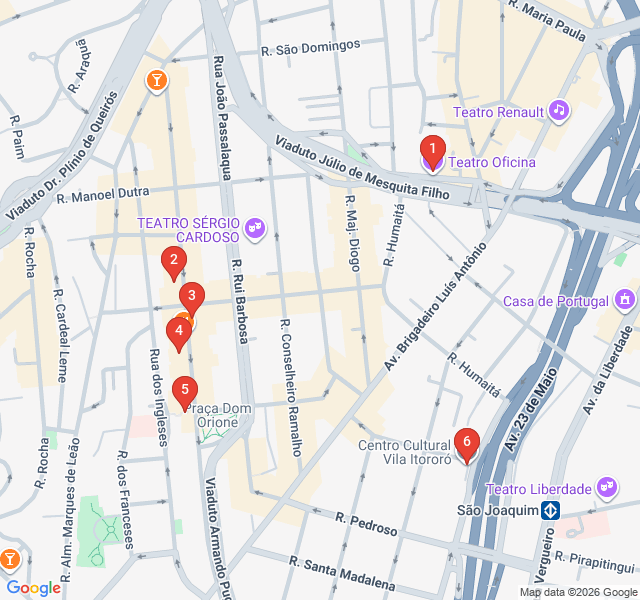
Numbers indicate the order of stops on the tour.
Start your self-guided walk at Teatro Oficina Uzyna Uzona, a landmark that revolutionized Brazilian performing arts. Designed by the visionary architect Lina Bo Bardi in the 1980s, this is not a traditional theater; it is a long, narrow 'street' theater with glass walls that connect the performance to the city outside. The space was founded by the Uzyna Uzona company, led by the legendary José Celso Martinez Corrêa. As you stand outside, notice how the industrial materials and the internal vertical galleries challenge traditional notions of performance. It is a symbol of resistance and creativity, perfectly capturing the bohemian spirit that coexists with the traditional Italian roots of the Bixiga district.
Continue your neighborhood stroll to the spiritual heart of Bixiga. This church is dedicated to Our Lady of Achiropita, the patron saint brought here by Calabrian immigrants. While the building itself is a beautiful example of early 20th-century religious architecture, its cultural significance is even greater. Every August, the surrounding streets transform into a massive Italian festival, where hundreds of volunteers serve tons of pasta and 'fogazza' to raise money for social projects. Inside, the ceiling paintings and the image of the Madonna reflect the deep-seated faith and community bonds that have sustained the Italian-Paulista identity for over a century.
A few steps away lies the Memory Center Bixiga, also known as the Museu da Memória do Bixiga. This small museum is located in a historic house and is packed with artifacts, photographs, and personal items donated by local families. It tells the story of how the neighborhood grew from a rural area into a bustling urban enclave for immigrants and the Black community. You can see old wine-making tools, family portraits, and traditional costumes. It is a quiet, intimate space that offers a profound look at the everyday lives of the people who built the neighborhood’s reputation as a cultural melting pot.
You are now in the culinary epicenter of the neighborhood. Empório Cantina Roperto has been a staple of Bixiga since 1942, representing the classic Italian-Brazilian dining experience. The neighborhood is famous for its 'cantinas,' where family-style portions and checkered tablecloths are the norm. Take a moment to look at the shop windows filled with giant loaves of 'pane italiano,' cured meats, and artisanal cheeses. The Roperto family is one of many that have kept traditional recipes alive for generations. Even if you aren't stopping for a full meal, the smells of garlic and oregano here are an essential part of the Bixiga atmosphere.
Prepare for a bit of a climb at the Escadaria do Bixiga. This grand staircase connects the lower part of the neighborhood, where most of the cantinas are located, to the upper part near Avenida Paulista. It has appeared in numerous Brazilian films and television shows and serves as a popular backdrop for photos. At the top, you are often greeted by street musicians or locals enjoying the view. The staircase represents the literal and metaphorical layers of the city, bridging the historic immigrant valley with the modern skyscrapers that loom in the distance. It is a perfect spot to pause and reflect on the neighborhood's architecture.
The final stop on this walking route is Vila Itororó, one of Sao Paulo's most intriguing architectural sites. Built between 1922 and 1929 by a Portuguese immigrant, this complex was originally a residential 'vila' that included a private swimming pool fed by a local stream—the first of its kind in the city. The architecture is a surreal mix of styles, using salvaged materials from other demolished buildings. After decades of decay, it has been revitalized as a public cultural center. Explore the open spaces where community workshops and art exhibitions now take place, standing as a testament to the city's ability to reinvent its historic spaces.
Start Free on iPhone
Explore “The Italian Soul of Bixiga” with your very own Private Tour Guide with Zigway. Start free on iPhone, skip the large group and the fixed routes, and hear the city come alive as you go.
Your Private Tour Guide
Don't miss the good stuff
Explore Freely
 Moderate
Sao Paulo, Brazil
Discover the flowing concrete curves and modernist masterpieces of Oscar Niemeyer on this self-guided walk through São Paulo’s premier urban park.
 Easy
EasySao Paulo, Brazil
Explore the world's largest Japanese diaspora. A self-guided walk through Sao Paulo's vibrant Liberdade district, rich in history, food, and culture.
 Easy
EasySao Paulo, Brazil
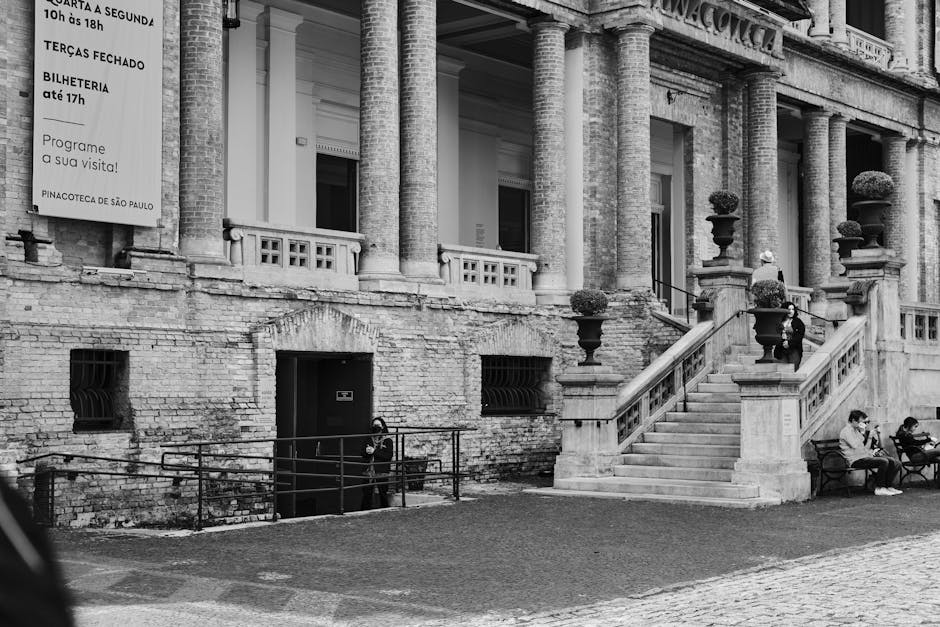
Discover the art, history, and British-inspired architecture of São Paulo’s historic Luz district on this immersive self-guided walk.
 Easy
EasySao Paulo, Brazil
Discover Sao Paulo's historic heart and vibrant food scene on this self-guided walk through the Old Center and the legendary Mercadão.
 Easy
EasyGothenburg, Sweden
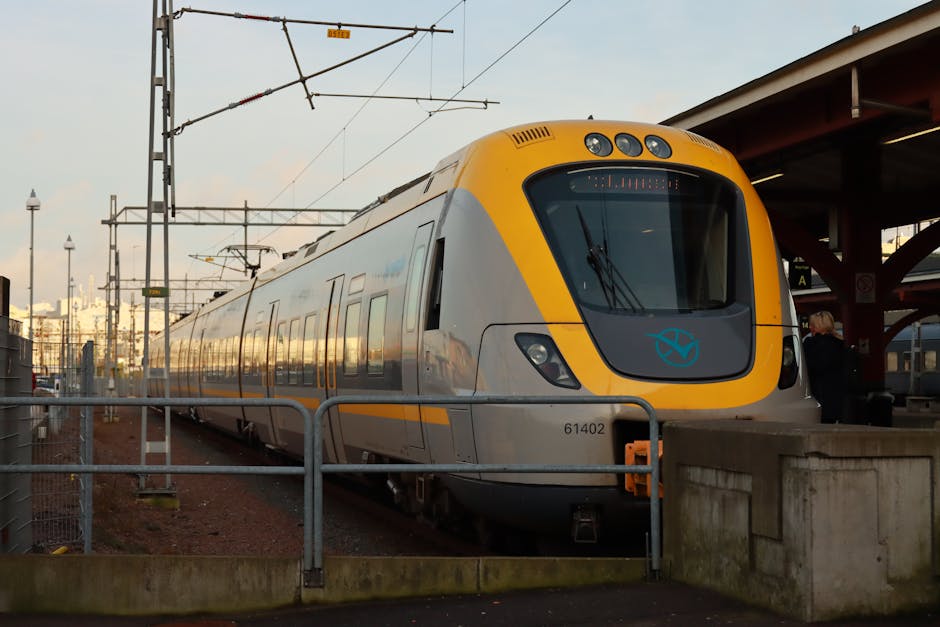
Explore Gothenburg’s historic wooden houses, legendary giant cinnamon buns, and panoramic fortress views on this self-guided neighborhood stroll.
 Moderate
Gdansk, Poland
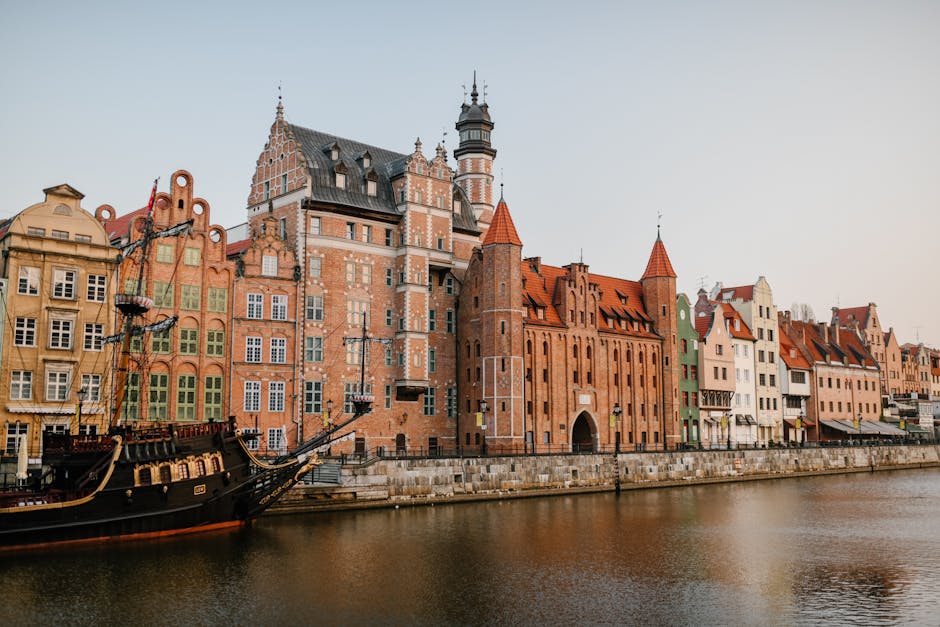
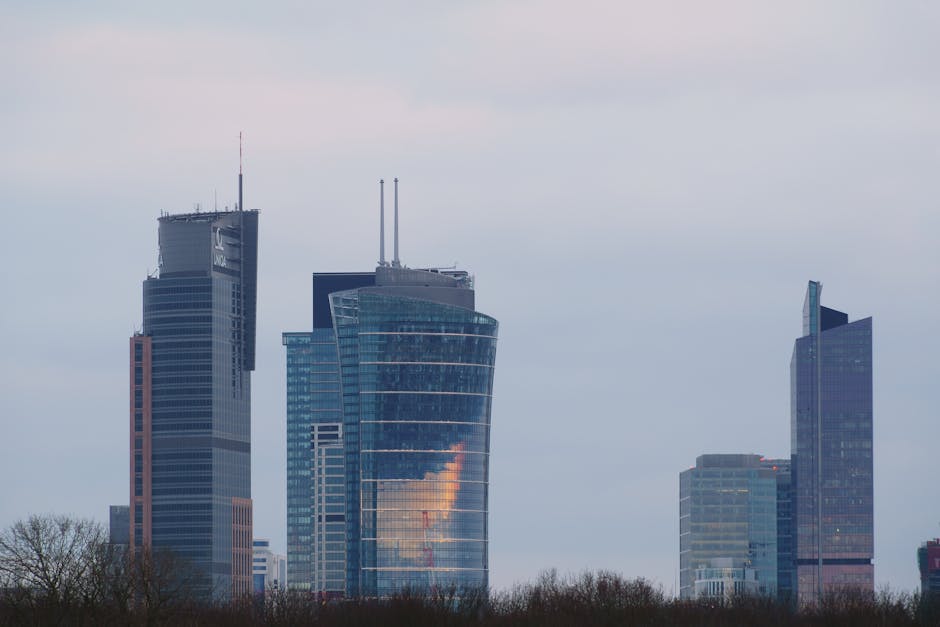
Discover the bohemian soul of Gdańsk. Explore the literary landmarks of Günter Grass, Prussian villas, and the trendy cafes of historic Wrzeszcz.
 Easy
EasyWarsaw, Poland
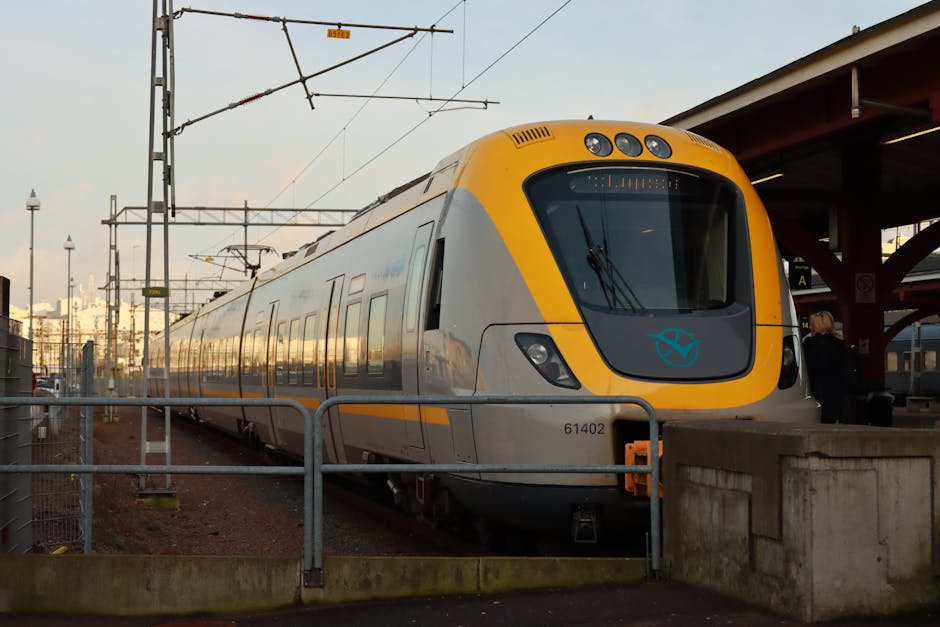
Discover the hidden courtyards and grand pre-war architecture of Warsaw's most atmospheric neighborhood on this self-guided stroll.
 Easy
EasyGothenburg, Sweden
Explore Gothenburg's maritime soul on this self-guided walk from historic shipyards to sleek modern piers and iconic industrial landmarks.
 Easy
EasyRio de Janeiro, Brazil
Explore the world's largest murals and futuristic architecture in Rio's revitalized port on this vibrant self-guided walking route.
 Easy
EasyRio de Janeiro, Brazil
Discover the 'BotaSoho' vibe on this self-guided food and nightlife stroll through Rio's most creative neighborhood.
 Easy
EasyRio de Janeiro, Brazil
Discover the former seat of Brazilian power on this self-guided walk through the palaces, gardens, and presidential history of Catete and Glória.
 Easy
EasyRio de Janeiro, Brazil
Discover Rio's literary soul on this self-guided walk through historic libraries, ornate Belle Époque cafes, and iconic bookstores in Centro.