Self-guided audio tour in Gothenburg
Start Free on iPhone
Start free on iPhone to unlock this self-guided walking tour in Gothenburg. Hear all the stories that make it amazing, walk at your own pace, and begin whenever you want.
Your Private Tour Guide
Embark on a self-guided walk through Eriksberg, a district that perfectly captures Gothenburg’s transition from a powerhouse of global shipbuilding to a world-class example of modern waterfront living. This neighborhood stroll takes you along the northern banks of the Göta älv river, where the echoes of industrial hammers have been replaced by the gentle lapping of waves against stylish wooden piers. As you explore independently, you will witness the architectural harmony between preserved industrial relics and sleek Scandinavian design. The route begins in the sheltered harbor of Sannegården, once a gritty coal port and now a serene residential inlet, before leading you toward the legendary Ostindiefararen Götheborg. Seeing this massive wooden ship, a replica of an 18th-century merchant vessel, provides a tangible link to Sweden’s golden age of maritime trade. Further along the walking route, you will encounter the towering Eriksberg Crane, a bright orange sentinel that stands 84 meters tall. This protected monument serves as a permanent reminder of the Eriksbergs Mekaniska Verkstad shipyard, which dominated this landscape for over a century. Beyond the industrial icons, the path leads to the site of the original city of Gothenburg at Färjenäsparken, offering a quiet green space to reflect on the layers of history beneath your feet. This walking tour Gothenburg experience is ideal for those who appreciate maritime history and contemporary urban planning. Whether you are interested in the technical marvels of the past or the vibrant atmosphere of modern Swedish life, this route offers a comprehensive look at the city's coastal soul. Discover at your own pace how a former industrial wasteland was transformed into one of the most desirable residential areas in Scandinavia, all while enjoying panoramic views of the harbor and the city skyline across the water.
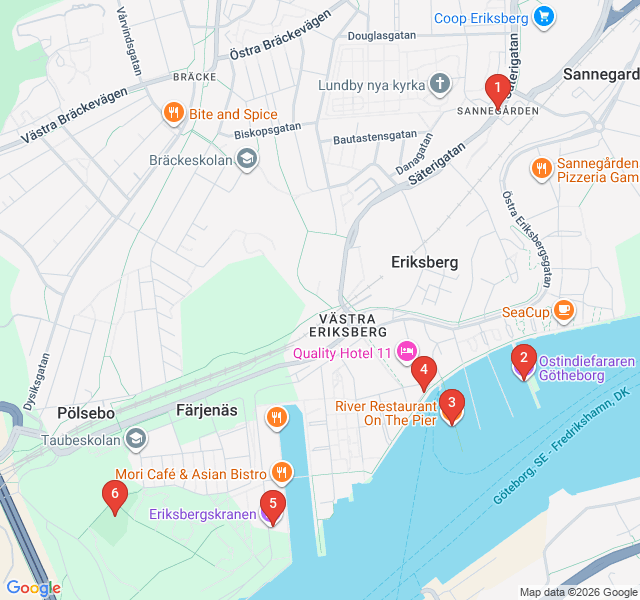
Numbers indicate the order of stops on the tour.
Start exploring with Zigway at Sannegården, a horseshoe-shaped harbor basin that tells the first chapter of this neighborhood's transformation. In the early 20th century, this was a busy coal and coke harbor, filled with the soot and sweat of heavy industry. Today, it is a peaceful residential oasis. As you walk along the water, notice how the modern apartments are designed to maximize the light and the views of the river. The basin is often filled with small private boats, reflecting the city's enduring connection to the sea. This area serves as a perfect introduction to the 'River City' project, Gothenburg's massive urban renewal initiative that aims to reconnect the city with its waterfront.
Before you stands the Ostindiefararen Götheborg, a magnificent full-scale replica of an 18th-century Swedish East India Company ship. The original vessel tragically sank just outside the harbor in 1745 after returning from a long voyage to China. This modern version was built using traditional methods and materials but equipped with modern safety technology. It represents a monumental effort to revive ancient shipbuilding crafts like blacksmithing, rigging, and sailmaking. When the ship is in port, you can truly appreciate the scale of the timber and the complexity of the rigging that once powered Sweden’s global trade ambitions. It is a living piece of maritime history that still sails the world today.
Continue your neighborhood stroll toward this distinct building perched on a pier extending into the Göta älv. This location highlights the architectural shift in Eriksberg, where functional industrial spaces have been reimagined for leisure and dining. From this vantage point, you can look across the river to the southern banks and the busy ferry traffic that connects the city. The pier itself is a remnant of the shipyard era, once used for outfitting vessels. Now, it serves as a premier spot to experience the maritime atmosphere without leaving the shore. Take a moment to observe the different types of vessels passing by, from the small Älvsnabben ferries to large international cargo ships.
Eriksbergstorget is the vibrant heart of the district. This square was once the center of the Eriksbergs Mekaniska Verkstad, one of the three major shipyards that made Gothenburg a global leader in the industry. After the shipyard crisis in the late 1970s, the area faced an uncertain future, but the square now stands as a symbol of successful urban rebirth. Look around at the large shipyard halls; these have been converted into event spaces and sports arenas, preserving the industrial scale of the buildings while giving them new life. The square is a popular gathering place for locals, especially during the summer months when the sun hits the waterfront steps.
Rising high above the neighborhood is the Eriksberg Crane, or 'Eriksbergskranen.' Built in 1969, this gantry crane was used to lift massive ship sections into place. It stands 84 meters tall and can be seen from miles away, making it an essential landmark of the Gothenburg skyline. While the shipyard closed in 1979, the crane was saved from demolition and is now a protected monument. It represents the peak of Gothenburg's industrial era, when the city's shipyards were among the most productive in the world. Today, it no longer lifts steel plates, but it stands as a silent witness to the thousands of workers who once shaped the city's identity here.
Your walking route concludes at Färjenäsparken, a site of deep historical significance. Long before the shipyards arrived, this was the location of the very first Gothenburg, founded by King Karl IX in 1603. That city was destroyed by the Danes just a few years later, and the modern city was eventually built further upstream. Today, the park is a blend of green space, historical ruins, and modern recreation areas. It offers a peaceful end to your journey, with wide views of the Älvsborg Bridge and the harbor entrance. It is a place where the ancient roots of the city meet the industrial past and the modern present, providing a quiet spot to conclude your independent exploration.
Start Free on iPhone
Explore “Eriksberg: Shipyards to Modern Waterfront” with your very own Private Tour Guide with Zigway. Start free on iPhone, skip the large group and the fixed routes, and hear the city come alive as you go.
Your Private Tour Guide
Don't miss the good stuff
Explore Freely
 Easy
EasyGothenburg, Sweden
Discover Gothenburg’s maritime flavors on this self-guided walk through historic market halls and iconic seafood landmarks.
 Moderate
Gothenburg, Sweden
Discover Gothenburg’s maritime soul on this self-guided walk from the historic Central Station to the scenic riverfront at Stenpiren.
 Easy
EasyGothenburg, Sweden
Explore Gothenburg's elegant academic district, featuring grand 19th-century stone architecture and the iconic cultural hub of Götaplatsen.
 Easy
EasyGothenburg, Sweden
Explore Gothenburg’s historic wooden houses, legendary giant cinnamon buns, and panoramic fortress views on this self-guided neighborhood stroll.
 Easy
EasyHelsinki, Finland
Discover Helsinki's oldest neighborhood on this self-guided audio walk through Kruununhaka’s historic streets, hidden courtyards, and scenic shores.
 Easy
EasyGdansk, Poland
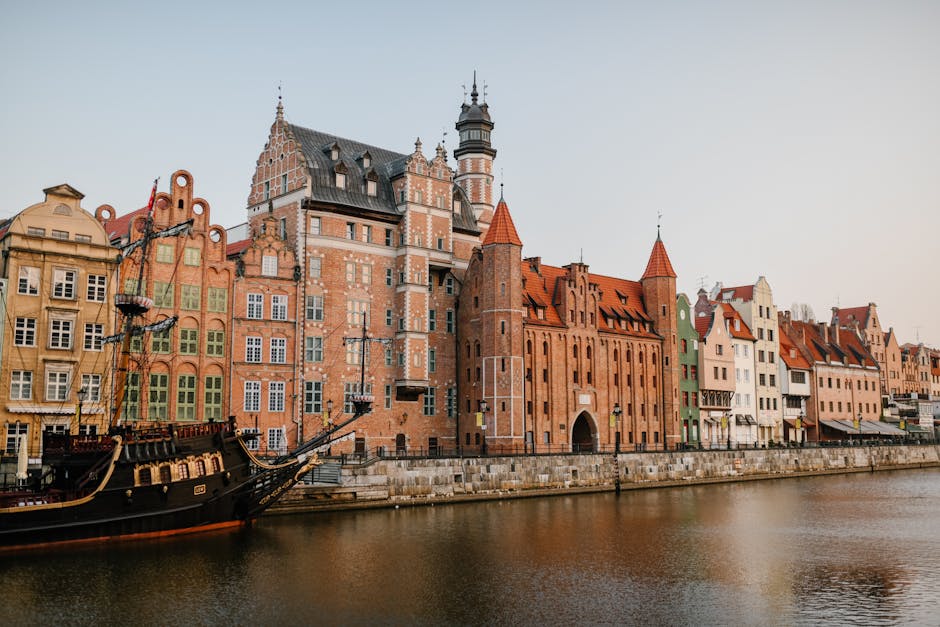
Discover the 'Baltic Gold' on this self-guided walk through Gdansk's historic mills, massive cathedrals, and the magical Mariacka Street.
 Easy
EasyWarsaw, Poland
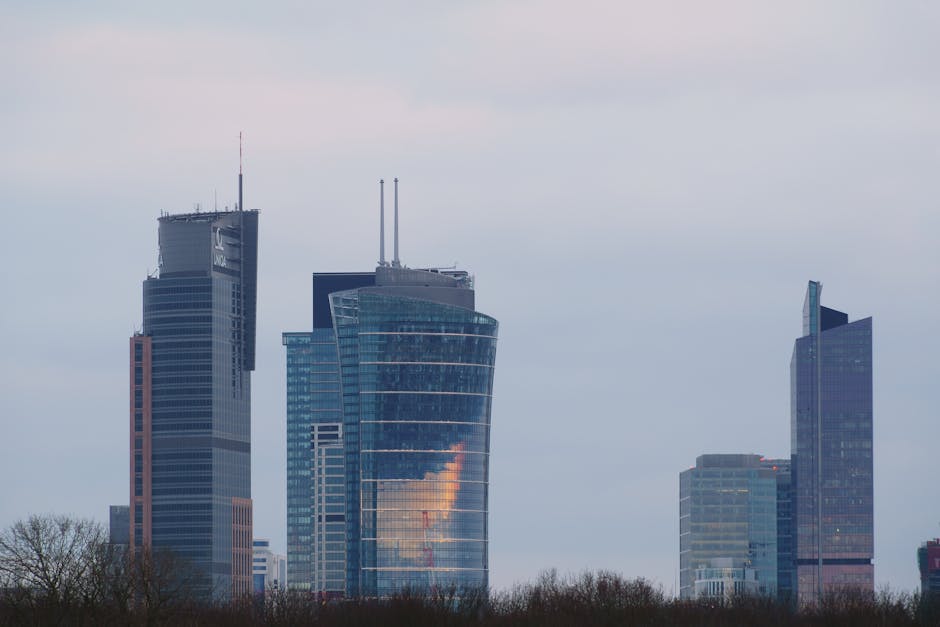
Discover the hidden courtyards and grand pre-war architecture of Warsaw's most atmospheric neighborhood on this self-guided stroll.
 Easy
EasyKrakow, Poland
Explore the prestigious Jagiellonian University district, featuring Neo-Gothic architecture, Baroque churches, and Krakow's hidden scholarly gems.
 Easy
EasyStockholm, Sweden
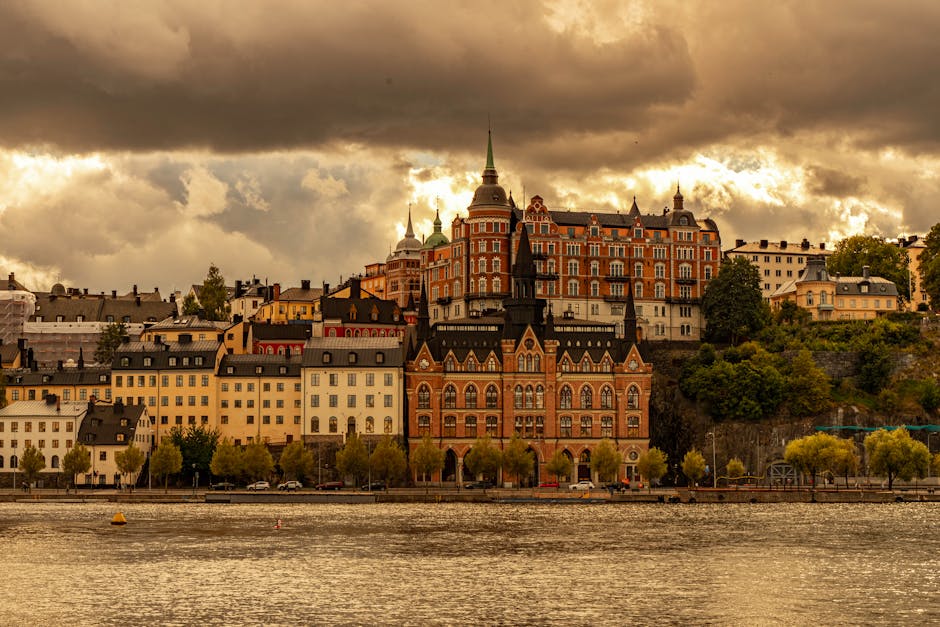
Taste your way through Stockholm's premier food halls and historic cafes on this flavor-focused self-guided walk through the city's heart.
 Easy
EasyStockholm, Sweden
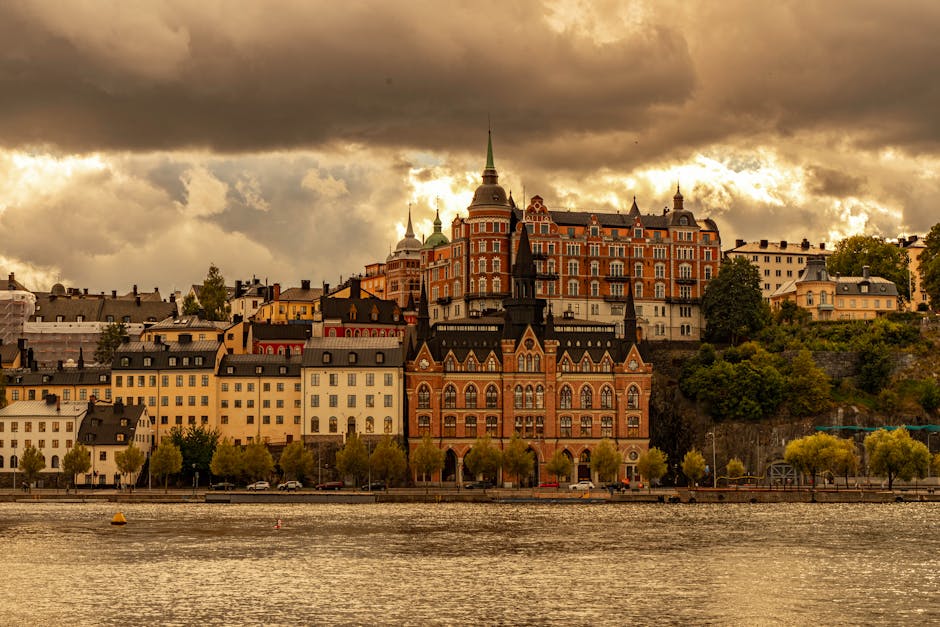
Discover Stockholm's naval legacy on this peaceful self-guided walk through historic barracks, grand admiralty houses, and scenic island fortresses.
 Moderate
Stockholm, Sweden
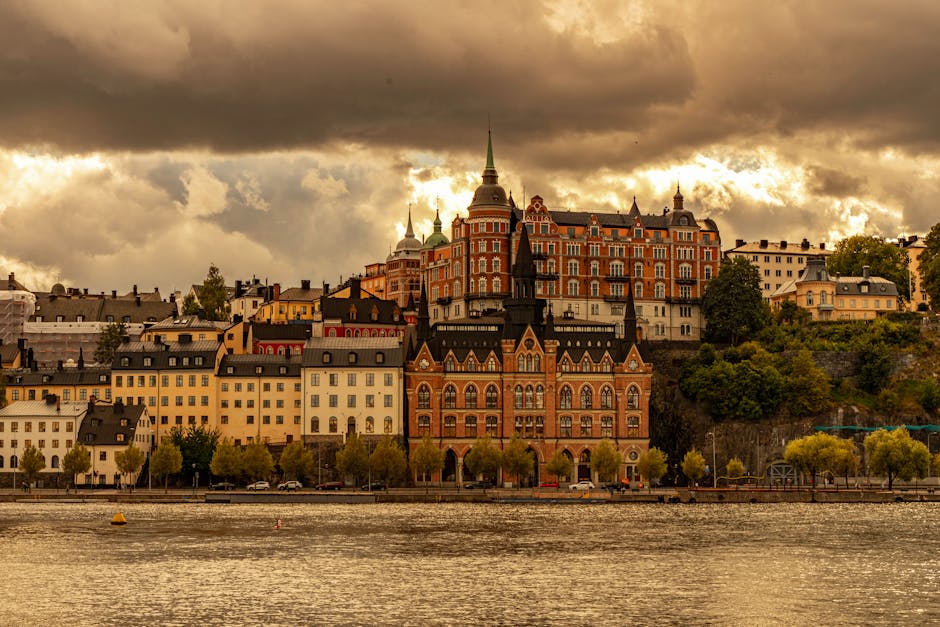
Walk the gritty, atmospheric streets of Södermalm and discover the real-life locations of Stieg Larsson's Millennium trilogy.
 Easy
EasyStockholm, Sweden
Explore the world's longest art gallery on this self-guided walk through Stockholm’s most stunning cavernous subway stations.