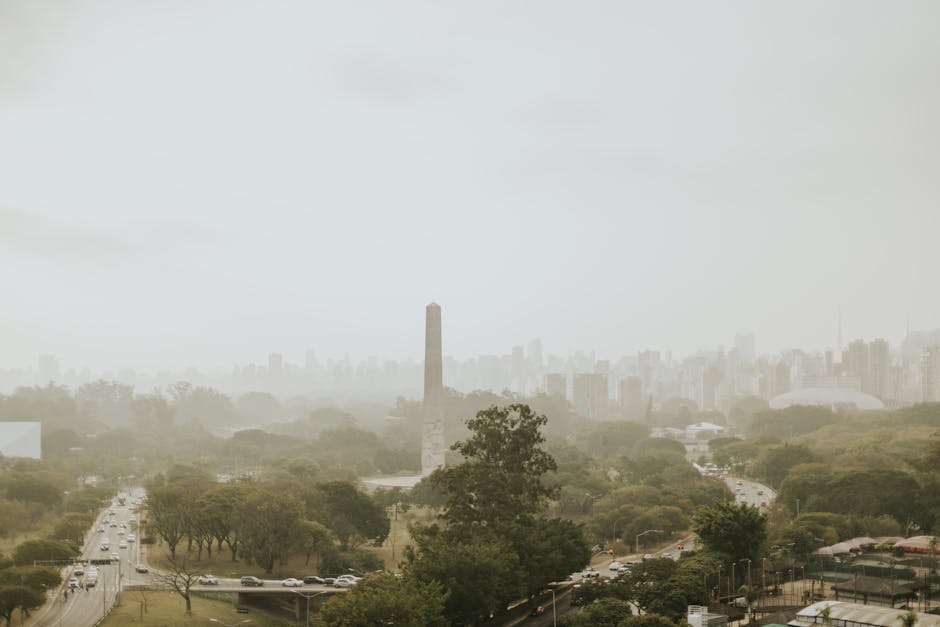
Self-guided audio tour in Sao Paulo
Start Free on iPhone
Start free on iPhone to unlock this self-guided walking tour in Sao Paulo. Hear all the stories that make it amazing, walk at your own pace, and begin whenever you want.
Your Private Tour Guide
Sao Paulo is a city of layers, where 16th-century Jesuit missions sit in the shadow of Art Deco skyscrapers. This self-guided walk through the Centro Histórico invites you to peel back these layers independently, tracing the evolution of a small hilltop village into the largest metropolis in the Southern Hemisphere. The journey begins at the Praça da Sé, the symbolic ground zero of the city, dominated by the massive Neo-Gothic spires of the Metropolitan Cathedral. From here, you will explore the very spot where the city was founded in 1554 before moving into the 'Old Center,' an area that witnessed the explosive wealth of the coffee boom and the rise of Latin America's first skyscrapers. This neighborhood stroll captures the architectural ambition of the early 20th century, featuring the iconic Martinelli Building and the Farol Santander, often referred to as Brazil's version of the Empire State Building. Along this walking route, you will encounter the spiritual silence of the Mosteiro de São Bento and the sweeping urban vistas from the Viaduto do Chá. This walking tour Sao Paulo experience is designed for those who want to discover the city's identity at their own pace, moving from the colonial past to the vertical future without the constraints of a group. Whether you are an architecture enthusiast or a history buff, this self-guided adventure provides a comprehensive look at the foundation and growth of a global giant. The route is compact and rich with detail, making it an ideal introduction for anyone looking to understand the complex soul of the 'Land of Drizzle.' Prepare to see the city through a lens of transformation, where every corner tells a story of immigration, ambition, and urban survival.
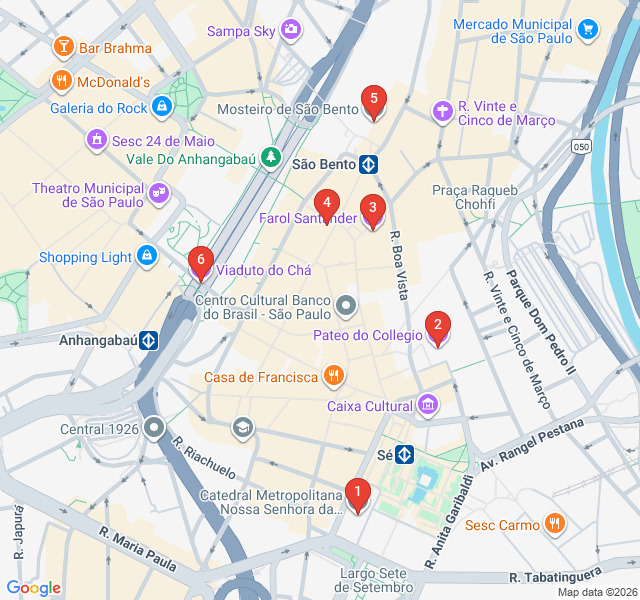
Numbers indicate the order of stops on the tour.
The Catedral da Sé is the symbolic heart of Sao Paulo and one of the largest Neo-Gothic structures in the world. Construction began in 1913 on the site of an older colonial church and took four decades to complete. As you look up, notice the massive dome, which was inspired by the Renaissance style of the Cathedral of Santa Maria del Fiore in Florence. Inside, the cathedral houses a vast crypt beneath the main altar, containing the tombs of all the bishops and archbishops of Sao Paulo, as well as the remains of Tibiriçá, the indigenous leader who was instrumental in the city's founding. The intricate stained glass and the massive organ, one of the largest in South America, reflect the immense wealth and religious devotion of the city during the early 20th century.
This quiet square and white-walled complex mark the exact birthplace of Sao Paulo. In January 1554, Jesuit priests, including Manuel da Nóbrega and José de Anchieta, established a mission here on a hilltop between the Tamanduateí and Anhangabaú rivers to catechize the indigenous population. While the current buildings are mostly 20th-century reconstructions, they faithfully replicate the colonial style. Look for a small section of the original 'taipa de pilão' (rammed earth) wall preserved inside. This site represents the humble beginnings of what would become a global megacity, serving as a school, church, and the center of colonial administration for centuries.
Originally known as the Altino Arantes Building, the Farol Santander is one of Sao Paulo's most recognizable landmarks. Completed in 1947, it served as the headquarters of the State Bank of Sao Paulo. Its design was explicitly inspired by the Empire State Building in New York, symbolizing the city's aspiration to become a world-class financial center. Standing at 161 meters, it was the tallest reinforced concrete building in the world for several years. Today, it functions as a cultural center. Even if you don't enter, the Art Deco facade and the massive chandelier visible in the lobby are testaments to the era when coffee wealth was being transformed into vertical steel and stone.
The Martinelli Building is a monument to the ambition of Giuseppe Martinelli, an Italian immigrant who became a wealthy shipping tycoon. When it opened in 1929, it was the first skyscraper in Latin America, causing both awe and controversy. To prove the building's safety to a skeptical public, Martinelli actually built a palatial residence for his family on the very top floor. The building's pinkish hue comes from the mixture of sand and crushed marble used in its facade. It has lived many lives—from a luxury residence to a derelict squat in the 1970s, and finally to its current state as a renovated government building. It remains a symbol of the immigrant spirit that built modern Sao Paulo.
The Monastery of St. Benedict has been a spiritual anchor in Sao Paulo since the late 16th century, though the current structure dates back to the early 1900s. Designed by German architect Richard Berndl, the exterior is somewhat austere, but the interior is a riot of color and detail, featuring Beuron-style frescos painted by the Dutch monk Adelbert Gresnigt. The monastery is famous for its daily Gregorian chants and its traditional bakery, where monks sell cakes, breads, and jams made from centuries-old recipes. It offers a moment of profound peace and tradition amidst the chaotic energy of the surrounding financial district.
Our walk concludes at the Viaduto do Chá, or 'Tea Viaduct,' the city's first bridge. It was built in 1892 to connect the old city center with the 'new' center across the Anhangabaú Valley, which at the time was covered in tea plantations. The original iron structure was imported from Germany and later replaced by the current reinforced concrete bridge in 1938. Standing here, you have a perfect vantage point to see the City Hall (Palácio Matarazzo) and the Municipal Theatre. It is the ideal place to reflect on how Sao Paulo bridged its colonial past to become the sprawling, modern metropolis you see today.
Start Free on iPhone
Explore “The Birth of the Metropolis: Old Downtown Discovery” with your very own Private Tour Guide with Zigway. Start free on iPhone, skip the large group and the fixed routes, and hear the city come alive as you go.
Your Private Tour Guide
Don't miss the good stuff
Explore Freely
 Moderate
Sao Paulo, Brazil
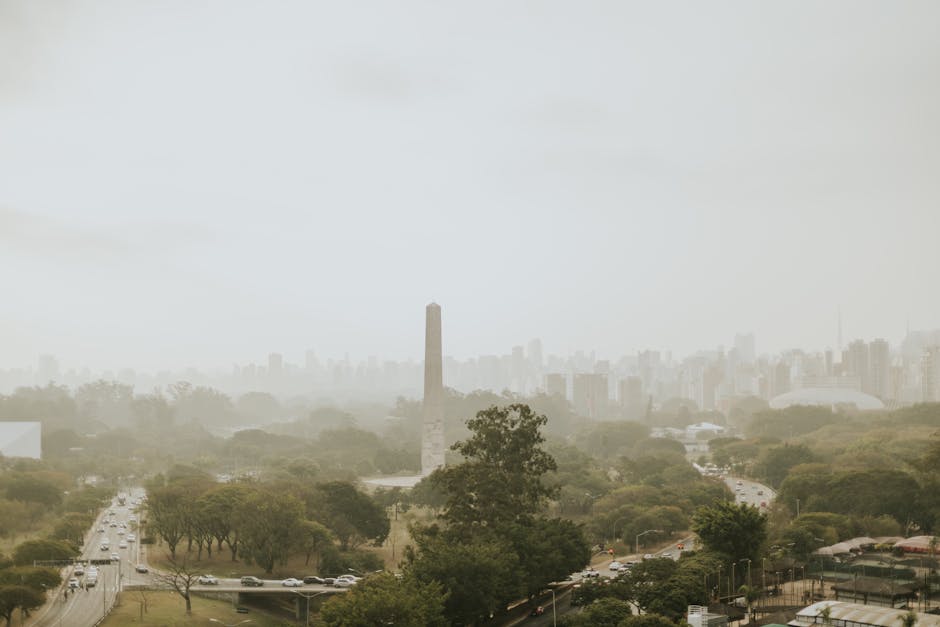
Discover the flowing concrete curves and modernist masterpieces of Oscar Niemeyer on this self-guided walk through São Paulo’s premier urban park.
 Easy
EasySao Paulo, Brazil
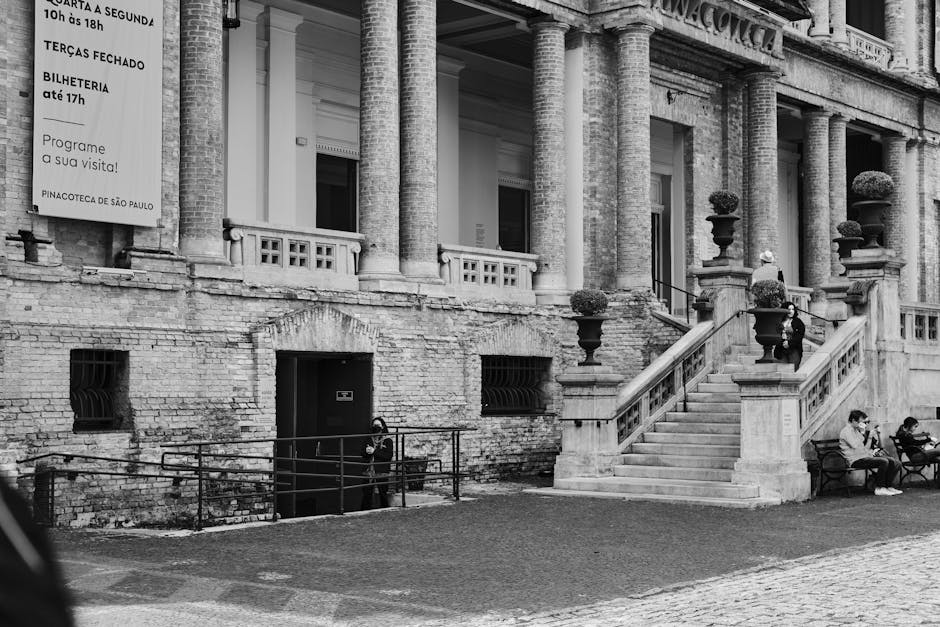
Explore the world's largest Japanese diaspora. A self-guided walk through Sao Paulo's vibrant Liberdade district, rich in history, food, and culture.
 Easy
EasySao Paulo, Brazil
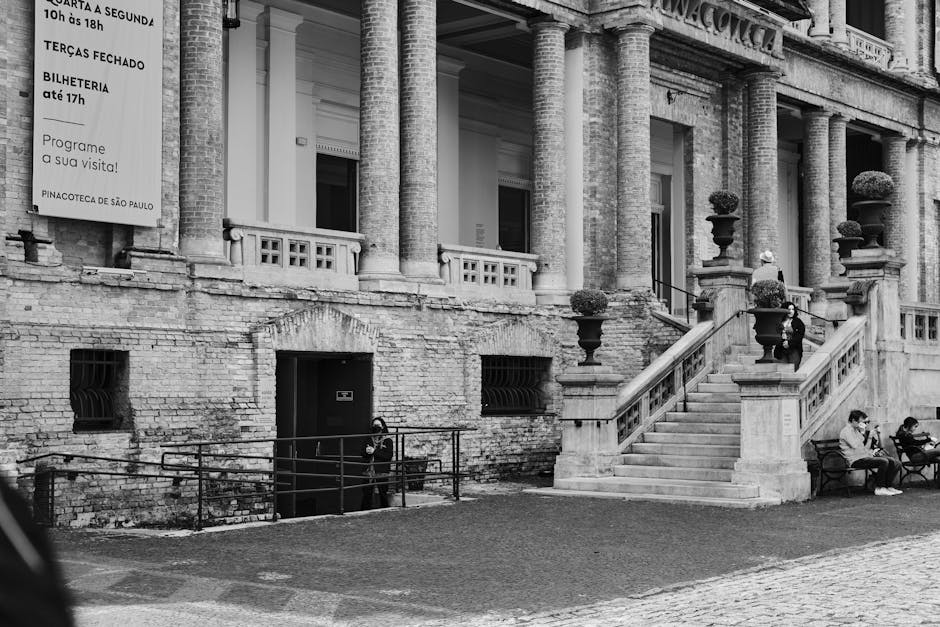
Discover the art, history, and British-inspired architecture of São Paulo’s historic Luz district on this immersive self-guided walk.
 Easy
EasySao Paulo, Brazil
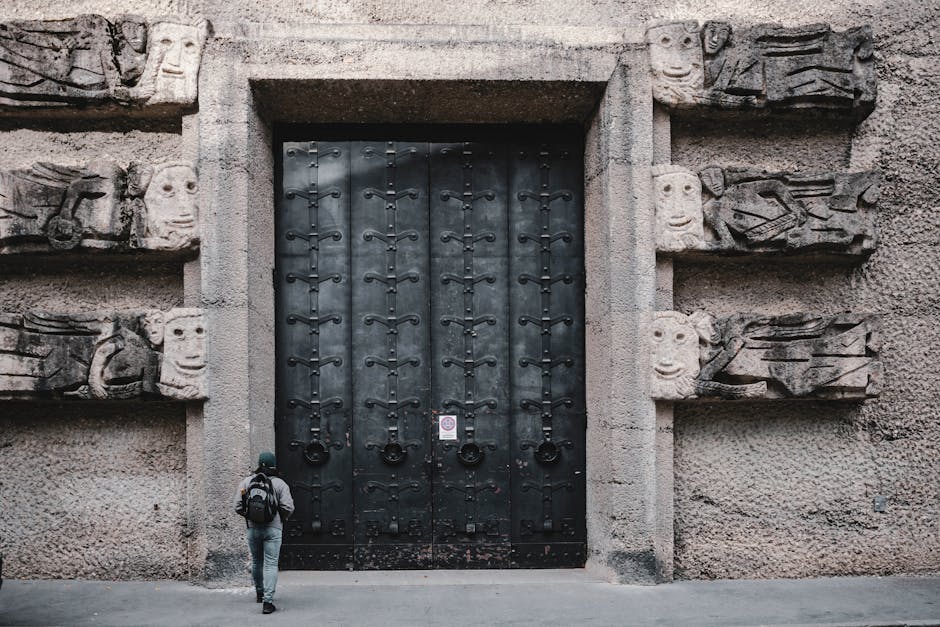
Discover Sao Paulo's historic heart and vibrant food scene on this self-guided walk through the Old Center and the legendary Mercadão.
 Easy
EasySalzburg, Austria
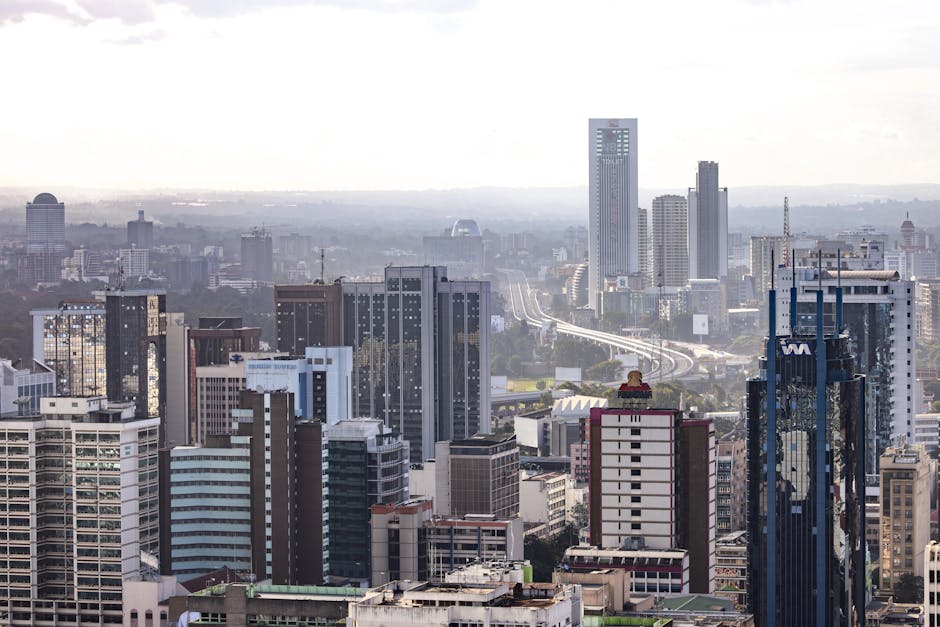
Discover the 'Rome of the North' on this self-guided walk through the Baroque squares and monumental legacy of Salzburg’s Prince-Archbishops.
 Easy
EasyNairobi, Kenya
Explore Nairobi's architectural evolution from colonial-era landmarks to iconic Brutalist skyscrapers on this historic self-guided walking route.
 Easy
EasyNairobi, Kenya
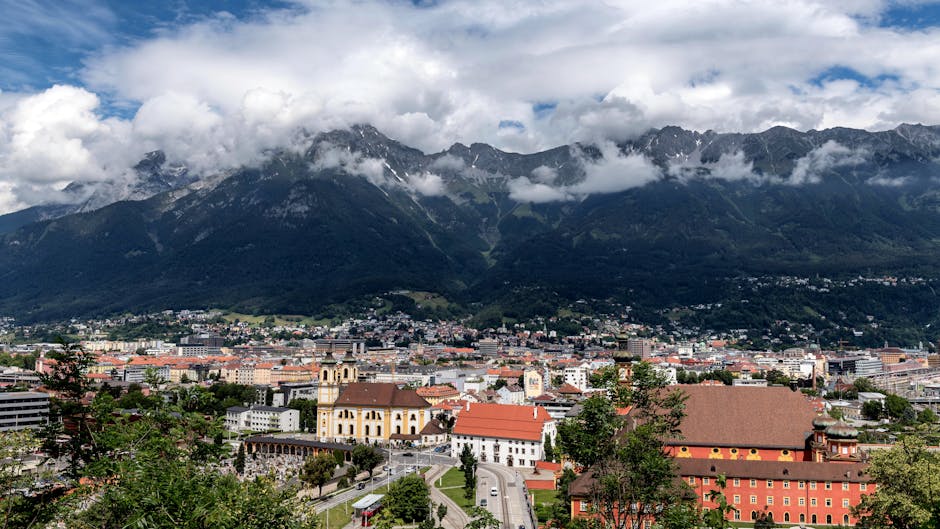
Discover Nairobi's iconic skyline on this self-guided architecture walk through the CBD’s most famous modernist and Brutalist landmarks.
 Easy
EasyInnsbruck, Austria
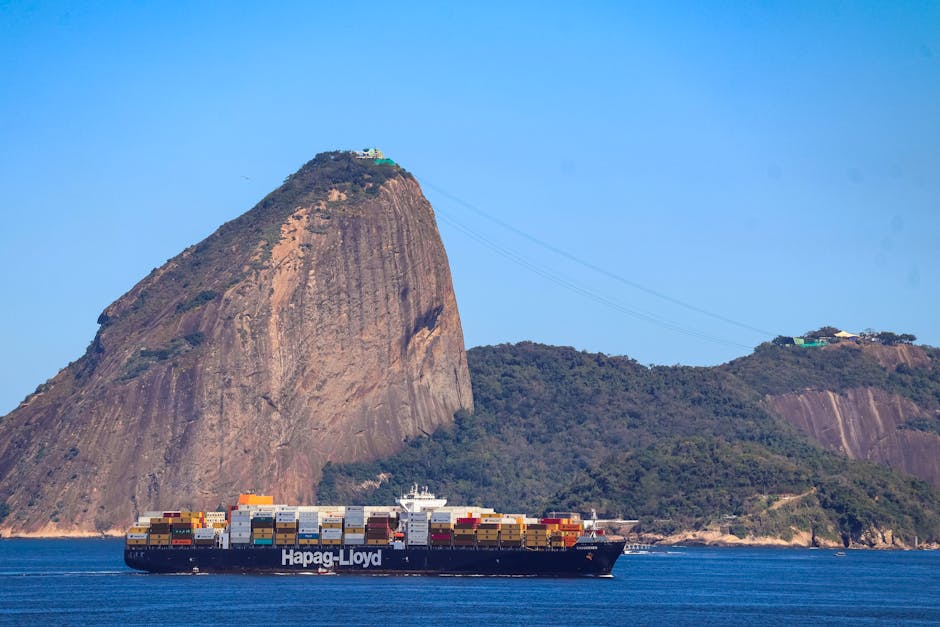
Uncover the myths and legends of Innsbruck on this self-guided walk through the historic Altstadt and beyond.
 Easy
EasyRio de Janeiro, Brazil
Explore the world's largest murals and futuristic architecture in Rio's revitalized port on this vibrant self-guided walking route.
 Easy
EasyRio de Janeiro, Brazil
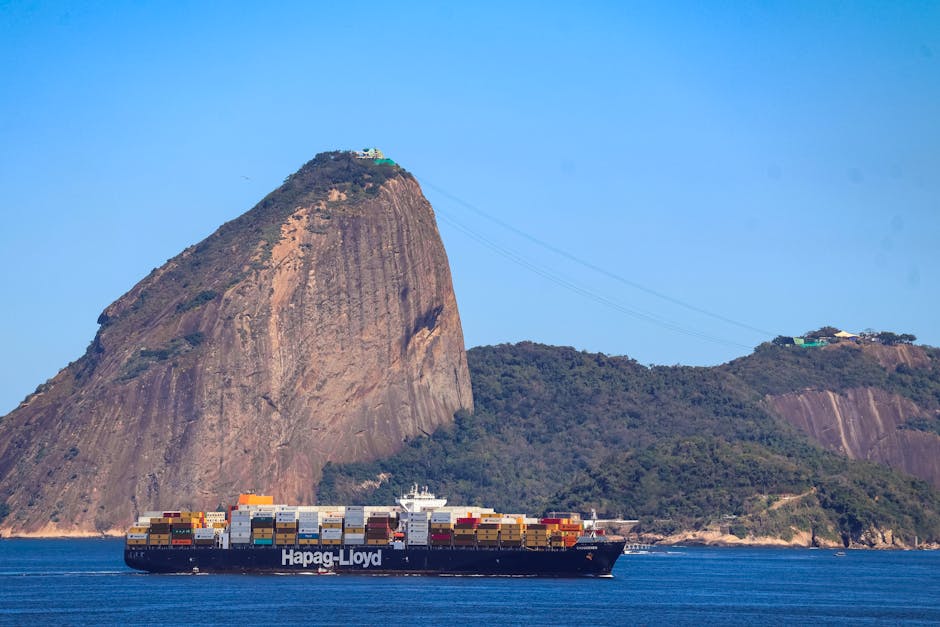
Discover the 'BotaSoho' vibe on this self-guided food and nightlife stroll through Rio's most creative neighborhood.
 Easy
EasyRio de Janeiro, Brazil
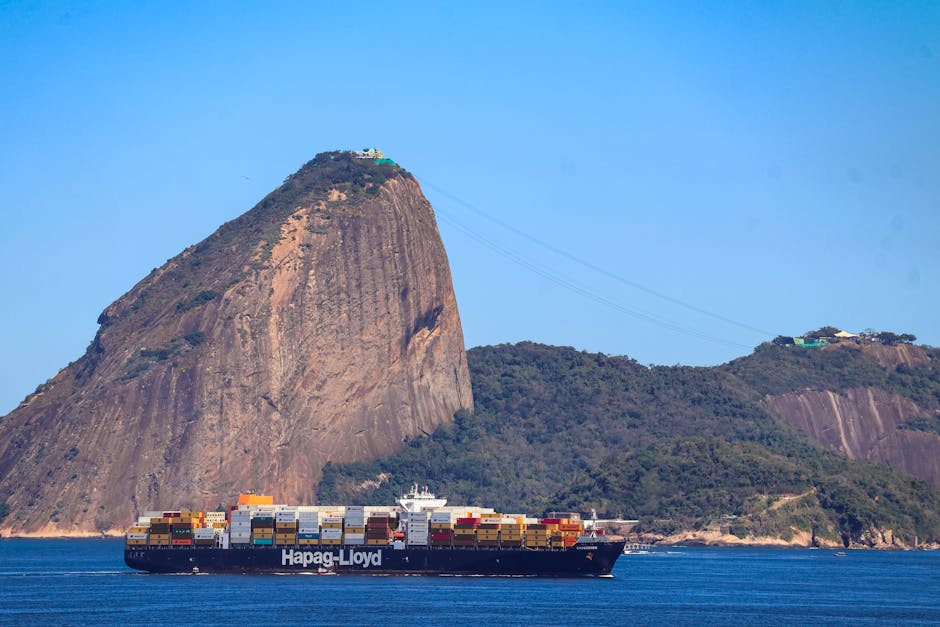
Discover the former seat of Brazilian power on this self-guided walk through the palaces, gardens, and presidential history of Catete and Glória.
 Easy
EasyRio de Janeiro, Brazil
Discover Rio's literary soul on this self-guided walk through historic libraries, ornate Belle Époque cafes, and iconic bookstores in Centro.