Self-guided audio tour in Berat
Start Free on iPhone
Start free on iPhone to unlock this self-guided walking tour in Berat. Hear all the stories that make it amazing, walk at your own pace, and begin whenever you want.
Your Private Tour Guide
Rising high above the Osum River, the Kalaja neighborhood of Berat is not just a fortress; it is a living, breathing community that has been inhabited for over two millennia. This self-guided walk invites you to explore the 'City of a Thousand Windows' through its most iconic and hidden corners. As you navigate the steep, cobbled streets of the citadel, you will encounter a unique blend of Byzantine churches, Ottoman mosques, and residential homes that have remained largely unchanged for centuries. This neighborhood stroll captures the essence of why Berat is a UNESCO World Heritage site, offering a deep dive into the layers of Illyrian, Roman, Byzantine, and Ottoman history. Beyond the stone walls, the route takes you across the river to the Gorica district, providing a complete perspective of the city's architectural harmony. While many visitors look for a walking tour Berat offers through agencies, exploring independently allows you to linger at the panoramic viewpoints and soak in the atmosphere of the ancient 'White City' at your own pace. From the masterworks of the icon painter Onufri to the remnants of Cold War-era bunkers, this journey reveals the secrets of a city that has survived empires. You will discover the strategic importance of the Main Gate, the spiritual silence of the Church of the Holy Trinity, and the noble history of the Sarajet e Vrionasve. Whether you are a photography enthusiast or a history buff, this audio walk provides the context needed to understand Berat’s enduring legacy. Prepare for a moderate climb and rewarding vistas as you explore the citadel's secrets.
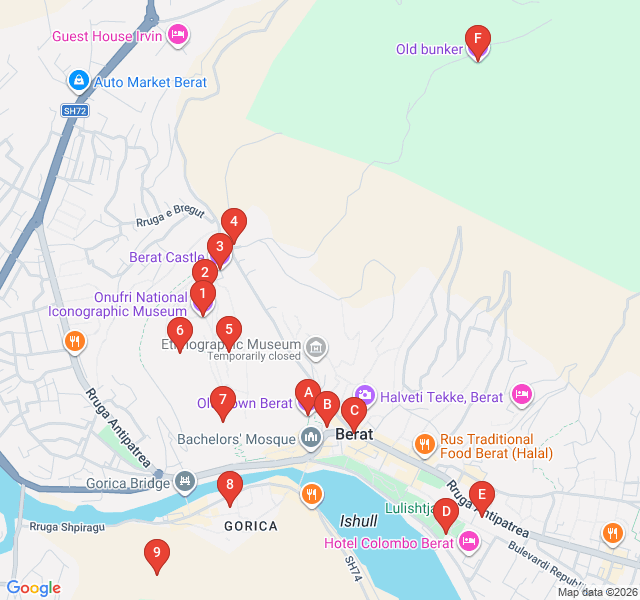
Numbers indicate the order of stops on the tour.
Start your exploration at the heart of the Citadel within the Church of the Dormition of St. Mary. This museum is dedicated to Onufri, Albania's most famous 16th-century icon painter. Onufri was a master of color, particularly known for a specific, vibrant shade of red—often called 'Onufri Red'—the secret of which he never revealed. As you look at the intricate woodwork of the gilded iconostasis and the hauntingly beautiful icons, notice how Onufri broke away from rigid Byzantine traditions by introducing more realistic, human expressions. This site represents the survival of Christian art during the Ottoman era, housed in a cathedral that dates back to 1797.
Step out toward the edge of the fortress walls. From this vantage point, the scale of Berat’s nickname, 'The City of a Thousand Windows,' becomes clear. Below you, the Osum River snakes through the valley, separating the two historic neighborhoods: Mangalem on the north bank and Gorica on the south. The white Ottoman houses with their stacked windows seem to climb the hillsides. On a clear day, you can see the massive Tomorr Mountain in the distance, a peak shrouded in local myth and legend. This spot is perfect for understanding the defensive geography that made the Kalaja an impregnable stronghold for centuries.
The Main Gate is a testament to the layers of history embedded in these walls. While the current structure largely dates to the 13th century under the Despotate of Epirus, the foundations go back to the Illyrian era in the 4th century BC. As you pass through, imagine the countless soldiers, merchants, and residents who have walked these stones. Notice the massive masonry and the strategic design intended to trap invaders in a 'killing zone' between the inner and outer gates. Unlike many European castles that became empty ruins, Berat’s gate still welcomes residents who live within the fortress today.
This monument marks a unique chapter in World War II history. After the Italian capitulation in 1943, many Italian soldiers refused to join the Germans and instead formed the Antonio Gramsci Battalion to fight alongside the Albanian partisans. This site commemorates their contribution to the liberation of Albania. It serves as a reminder that the history of the Kalaja didn't stop in the Middle Ages; the fortress remained a site of political and military significance well into the 20th century. The brutalist style of the monument contrasts sharply with the ancient stone walls surrounding it.
This stop highlights the domestic architecture that makes Berat a UNESCO treasure. The Haxhistasës house is a prime example of a 'Banesa'—an Ottoman-era residential building. These homes were designed for functionality and social hierarchy, often featuring a stone ground floor for storage and animals, with a wooden upper floor (the 'çardak') for living quarters. The large windows were designed to maximize natural light and ventilation. Looking at these structures, you can see the incredible craftsmanship of the local stonemasons and carpenters who built homes that have withstood earthquakes and time for over 200 years.
Perched on a slope overlooking the valley, the Church of the Holy Trinity is one of the most photographed buildings in Albania. Built between the 13th and 14th centuries, it is a masterpiece of Byzantine architecture. Notice the 'cloisonné' technique, where red bricks frame square stones, creating a decorative, multi-colored effect on the exterior. The church is built in a cross-in-square design with a central dome. It was once the private chapel of the castle’s governors. Even from the outside, its elegant proportions and the way it integrates into the rocky hillside demonstrate the artistic heights of the Byzantine Empire.
Walking along this section of the old wall, you can see the 'architectural lasagna' of Berat. The lowest layers consist of massive, irregular blocks from the Illyrian period. Above them, you will see smaller, more regular Roman stones, followed by the distinctive brickwork of the Byzantines, and finally, Ottoman repairs. These walls have been breached by Bulgarians, Normans, and Turks, yet they remain standing. Take a moment to touch the stone; you are feeling the physical timeline of the Balkans. The height of the wall here offers another perspective on the sheer drop that protected the citadel from southern attacks.
After descending from the citadel and crossing the bridge, you enter Gorica. Historically the Christian quarter, Gorica was separated from the Muslim Mangalem quarter by the river. Its narrow, winding alleys are even more labyrinthine than those in Mangalem. Because Gorica faces north, it stays cooler in the summer, which influenced its layout. As you stroll here, notice the small Orthodox churches hidden between the houses and the distinct lack of modern construction. It feels like stepping back into the 18th century, where the sound of the Osum River provides a constant backdrop to daily life.
High above the Gorica neighborhood lie the ruins of a second, older fortress. While less famous than the main Kalaja, the Gorica Castle dates back to the 4th century BC. Today, only fragments of the walls remain, but the site offers the best view of the main Berat Citadel across the water. It is a peaceful, off-the-beaten-path spot where you can see how the two fortresses once worked in tandem to control the river passage. The hike up is steep, but it provides a sense of the ancient landscape before the Ottoman city expanded into the valley.
Now in the Mangalem district, you are standing in the most iconic part of the city. This was traditionally the craftsmen's and merchants' quarter. The houses here are built so closely together that the roof of one often serves as the terrace for the one above. This density created a unique urban microclimate and a tight-knit community. Look up at the windows—legend says there are 1,001 of them. This area was the heart of the city's commercial life during the Ottoman period, and today it remains the primary image of Albania’s historical identity.
The Vrionasve Palace (Sarajet) represents the peak of local nobility. The Vrioni family were influential Beys (landowners) who played a major role in Albanian politics for generations. This sprawling complex, though partially in ruins, showcases the luxury in which the ruling class lived. With ornate ceilings and expansive courtyards, it stood as a symbol of power and prestige. Even in its faded state, the architecture reflects the fusion of Western European styles with traditional Ottoman luxury, a common trend among the Balkan elite in the late 19th century.
Located just inside the citadel walls, the Red Mosque is one of the oldest Islamic structures in Albania, dating back to the reign of Sultan Bayezid II in the 15th century. It was primarily used by traveling caravans and the Ottoman garrison. All that remains today is the foundation and the distinctive minaret made of red brick and limestone. Unusually, the minaret is located on the left side of the prayer hall, which is rare in Ottoman architecture. It stands as a symbol of the religious transition that occurred in Berat following the Ottoman conquest in 1417.
The Public Library is a more modern landmark, but it sits on a site of long-standing cultural importance. Berat has been a center of learning for centuries, home to rare manuscripts like the Codex Purpureus Beratinus (now in the National Archives). This library continues that tradition, serving as the intellectual hub for the city’s youth and scholars. The building itself reflects the mid-20th-century architecture of the city, showing how Berat transitioned from an Ottoman administrative center to a modern Albanian municipality while maintaining its respect for education and history.
The Municipality building stands in the newer part of the historic center. This area acts as a bridge between the ancient quarters and the 20th-century developments. It is the administrative heart of the city and sits near the 'Bulevardi Republika,' the main pedestrian promenade where locals take their evening 'xhiro' (walk). This tradition of the evening stroll is central to Albanian social life. Standing here, you can see how the city manages the delicate balance of preserving its UNESCO-protected heritage while functioning as a modern regional capital.
To conclude your journey, look for the concrete dome of a nearby bunker. During the communist regime of Enver Hoxha, over 170,000 bunkers were built across Albania due to a policy of 'bunkerization' fueled by paranoia of foreign invasion. This particular bunker, sitting in the shadow of ancient walls, represents the 20th-century layer of Berat’s history. It is a cold, hard reminder of the isolation the country faced during the Cold War. Today, these bunkers are often repurposed as cafes, storage, or historical curiosities, marking the end of a walk that has spanned from the Illyrians to the modern day.
Start Free on iPhone
Explore “The Citadel's Secrets: A Journey Through Kalaja” with your very own Private Tour Guide with Zigway. Start free on iPhone, skip the large group and the fixed routes, and hear the city come alive as you go.
Your Private Tour Guide
Don't miss the good stuff
Explore Freely
 Easy
EasyBerat, Albania
Explore Berat’s stunning riverside, historic bridges, and iconic 'thousand windows' views on this peaceful self-guided nature and photography walk.
 Moderate
Berat, Albania
Explore Berat’s unique religious harmony on this self-guided walk through ancient mosques, Sufi shrines, and Byzantine churches.
 Moderate
Berat, Albania
Discover the legends and landmarks of Berat on this self-guided walk through Ottoman neighborhoods and the ancient living citadel.
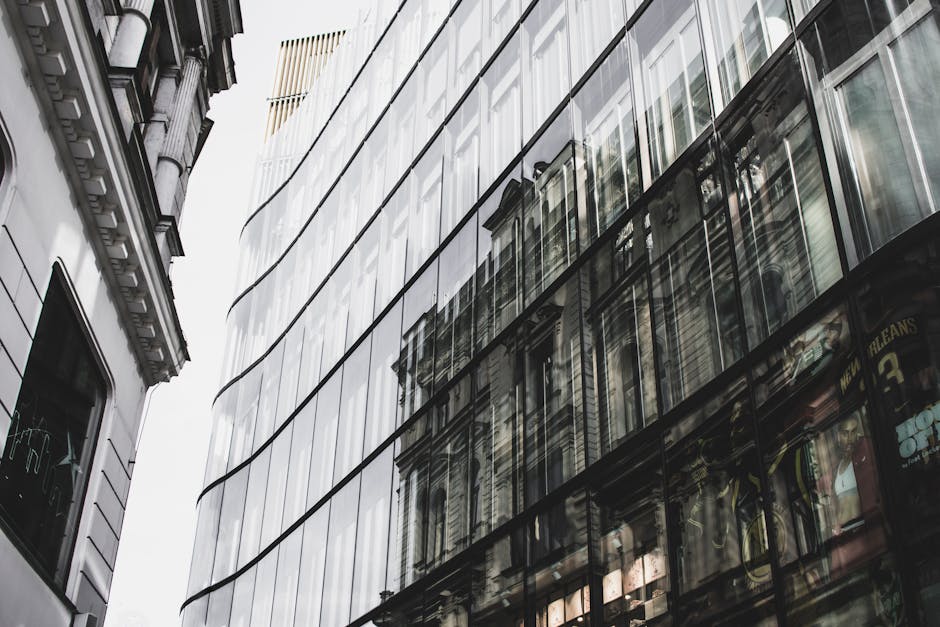 Moderate
Berat, Albania
Explore the 'City of a Thousand Windows' on this self-guided walk through the historic Ottoman districts of Mangalem and Gorica in Berat.
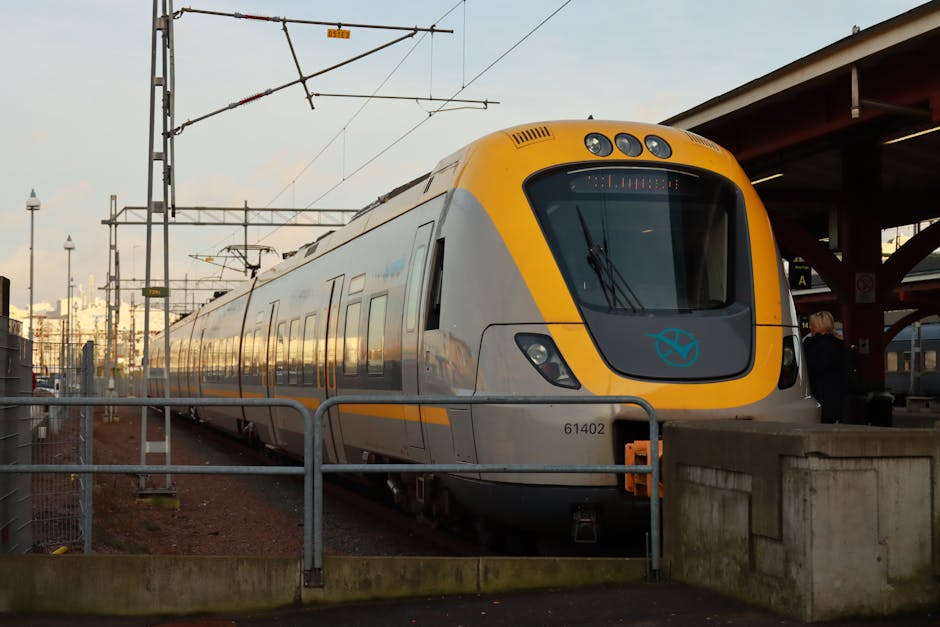 Moderate
Gothenburg, Sweden
Discover Gothenburg’s maritime soul on this self-guided walk from the historic Central Station to the scenic riverfront at Stenpiren.
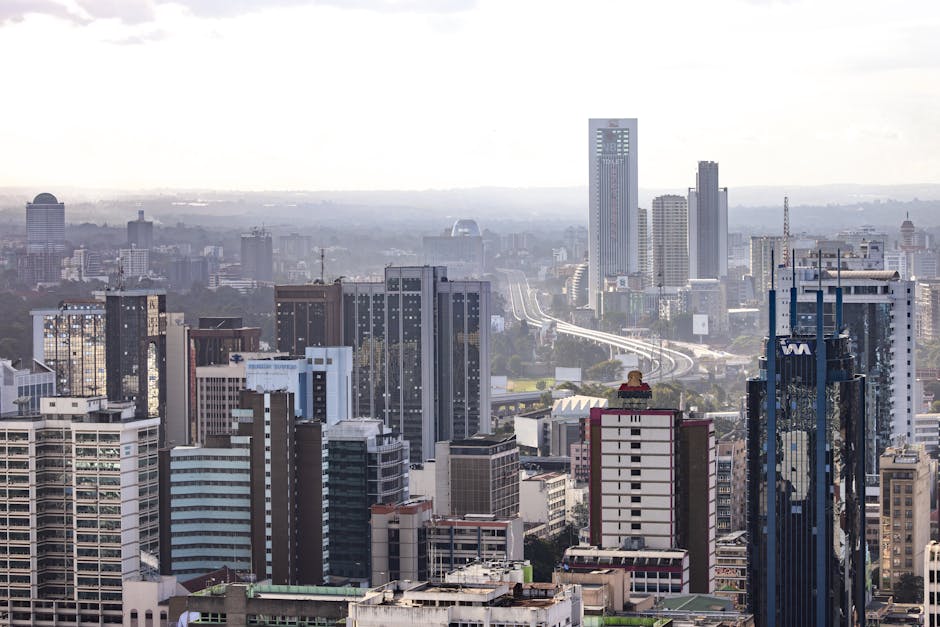 Easy
EasyNairobi, Kenya
Discover Nairobi's iconic skyline on this self-guided architecture walk through the CBD’s most famous modernist and Brutalist landmarks.
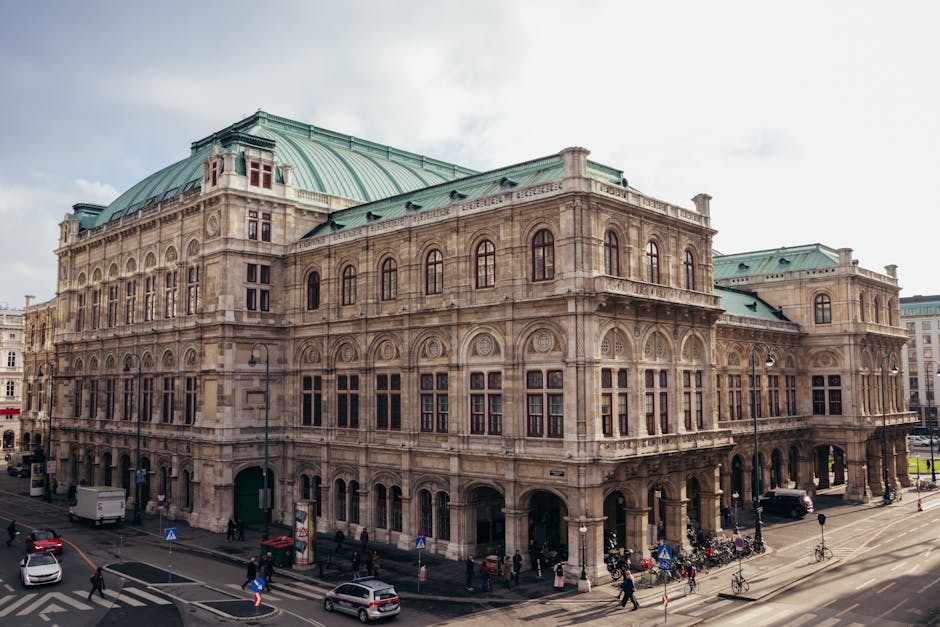 Moderate
Vienna, Austria
Follow the footsteps of Mozart and Strauss through Vienna’s historic center on this self-guided walk through the city's rich musical history.
 Easy
EasySalzburg, Austria
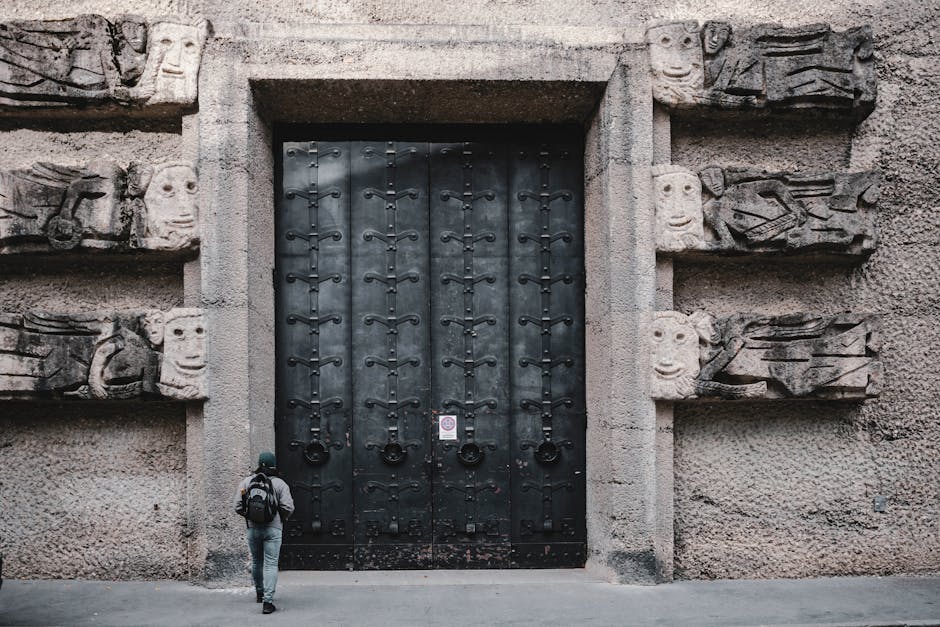
Discover the 'Rome of the North' on this self-guided walk through the Baroque squares and monumental legacy of Salzburg’s Prince-Archbishops.
 Easy
EasyTirana, Albania
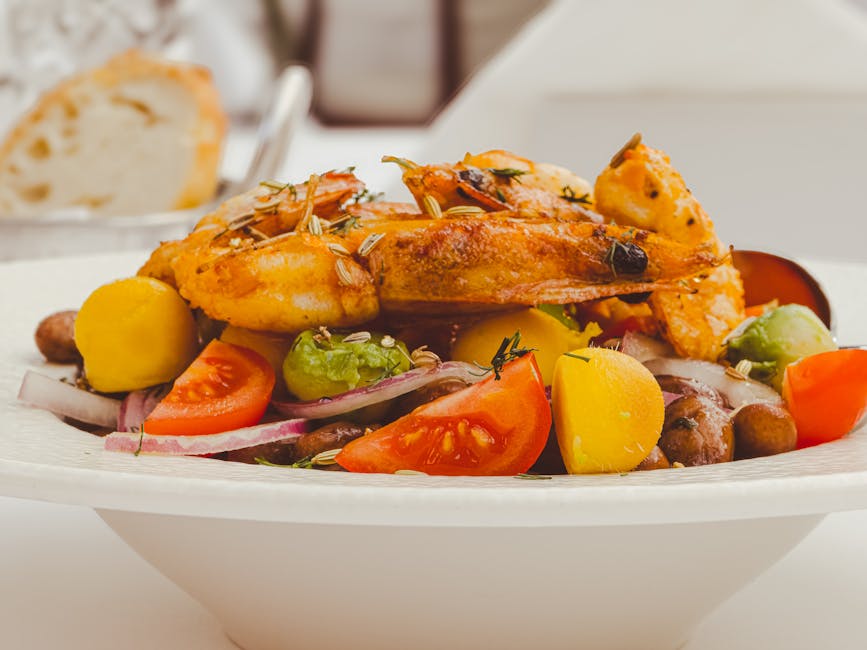
Explore the vibrant stalls of Pazari i Ri and the trendy eateries of Blloku on this flavor-focused self-guided walk through Tirana.
 Moderate
Tirana, Albania
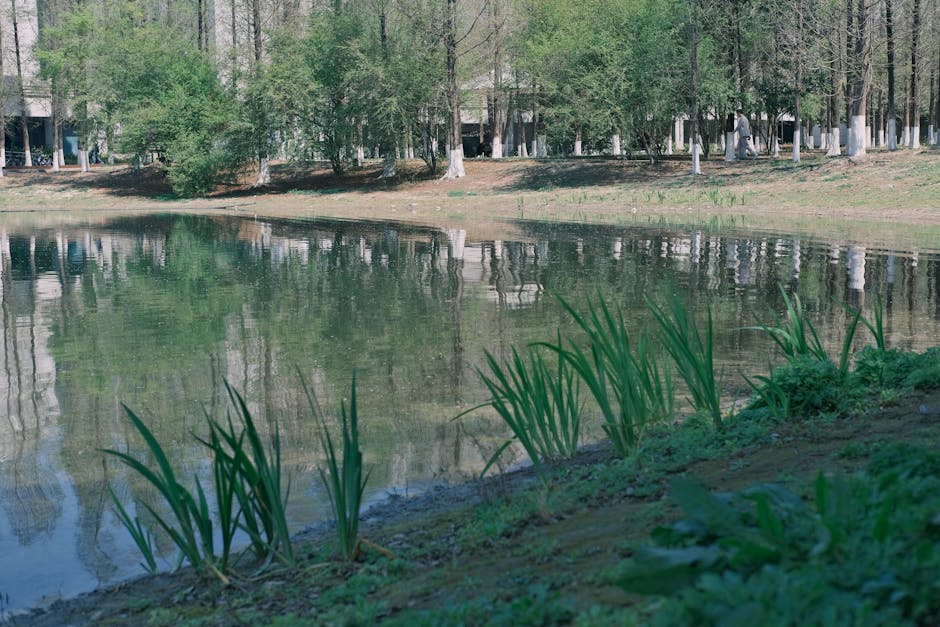
Explore Tirana's green side on this self-guided walk from Skanderbeg Square to the serene Grand Park and hidden lakeside memorials.
 Easy
EasyTirana, Albania
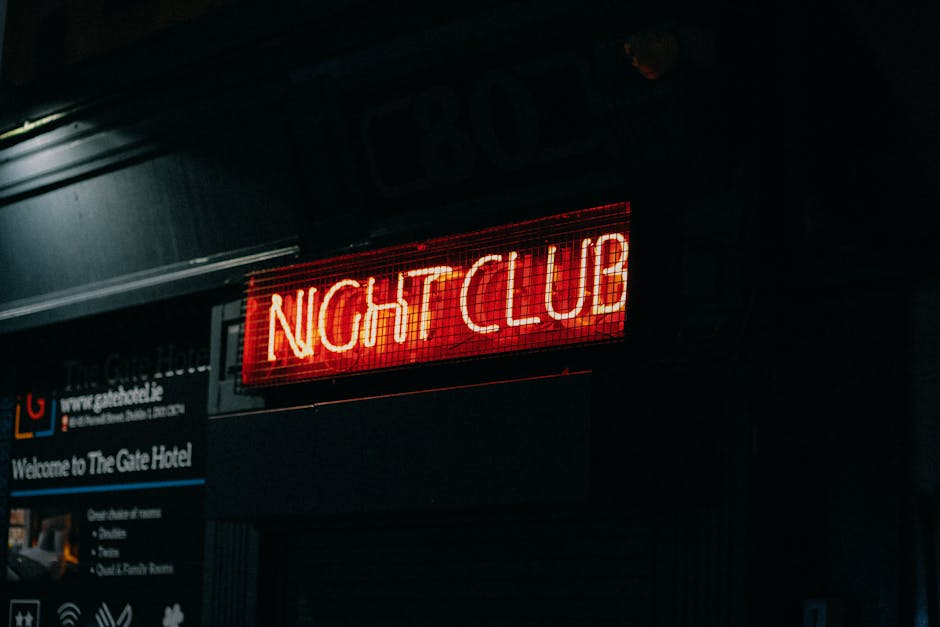
Explore Tirana’s neon-lit landmarks and vibrant nightlife districts on this self-guided evening photography walk.
 Easy
EasyTirana, Albania
Explore Tirana’s unique religious harmony on this self-guided walk through historic mosques, grand cathedrals, and Ottoman landmarks.