Self-guided audio tour in Gothenburg
Start Free on iPhone
Start free on iPhone to unlock this self-guided walking tour in Gothenburg. Hear all the stories that make it amazing, walk at your own pace, and begin whenever you want.
Your Private Tour Guide
Gothenburg’s identity is inextricably linked to the water, a relationship forged over centuries of maritime trade, ship-building, and Dutch-influenced canal engineering. This self-guided walk invites you to trace the city’s evolution from its inland rail connections to the expansive Göta älv riverfront. As you wander through the Centrum district, you will witness the architectural dialogue between 19th-century transit hubs and the bold, modernist silhouettes of the 21st-century harbor. This route is a dream for those interested in photography, offering sweeping vistas of the river, the industrial geometry of cranes, and the sleek lines of the Gothenburg Opera House. Starting at the historic Central Station, the journey moves toward the water’s edge at Lilla Bommen. Here, the maritime history of the city comes alive, framed by the iconic 'Lipstick' building and the majestic Barken Viking sailing ship. You will explore the stories of the Swedish East India Company and the millions of emigrants who once departed from these very piers in search of a new life in America. The path continues along the quay, passing the world’s largest floating ship museum, where a fleet of vintage vessels serves as a reminder of the city's naval prowess. This walking tour Gothenburg experience is designed for independent explorers who want to soak in the atmosphere at their own pace. Whether you are capturing the golden hour light reflecting off the Opera House’s glass facade or contemplating the historic weight of the old Customs House, the route offers a comprehensive look at how Gothenburg transformed from a fortified town into a global port. The stroll concludes at Stenpiren, a modern transit pier that serves as the perfect vantage point to watch the iconic blue-and-white ferries zip across the river. For those seeking a maritime-themed neighborhood stroll, this route provides the perfect balance of fresh sea air and deep historical insight.
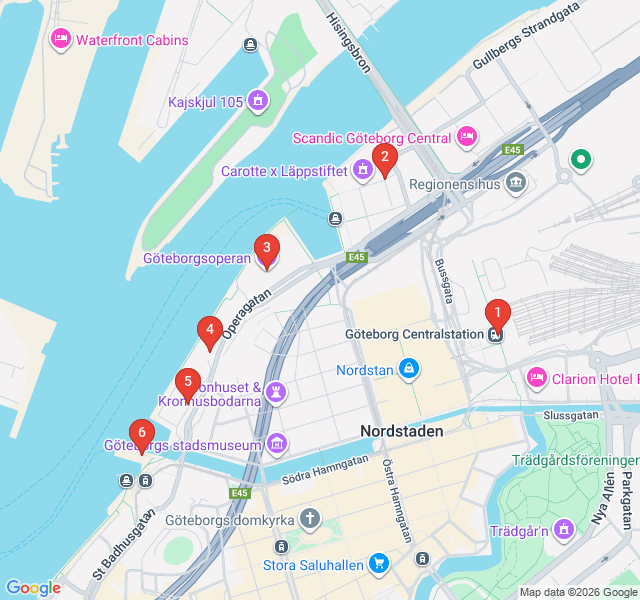
Numbers indicate the order of stops on the tour.
Begin your self-guided adventure at Gothenburg’s Central Station, a gateway that has welcomed travelers since 1858. As you stand in the main hall, notice the blend of mid-19th-century grandeur and modern functionality. This station was built shortly after the city's old defensive walls were torn down, signaling Gothenburg’s transition from a restricted fortress to an open, industrial powerhouse. The station's architecture reflects the confidence of the Victorian era, with its high ceilings and ornate details. It serves as the symbolic heart of the city's connection to the rest of Europe, and from here, the city opens up toward the sea.
Walking toward the water, you arrive at Lilla Bommen, a harbor area dominated by the Skanskaskrapan—locally known as 'Läppstiftet' or 'The Lipstick' due to its distinctive red and white tiered top. This area was once a bustling port for small boats and is now a popular guest harbor. Take a moment to look at the Barken Viking, a four-masted steel barque built in 1906, which is permanently moored here. The contrast between the historic sailing ship and the postmodern skyscraper captures Gothenburg’s unique ability to honor its maritime past while looking toward a bold, vertical future.
Continuing along the quay, you will find the Gothenburg Opera House. Completed in 1994, this architectural marvel was designed by Jan Izikowitz to evoke the spirit of the harbor. If you look closely at its silhouette, you can see shapes reminiscent of ship hulls, sails, and wind-filled bridges. The building is clad in granite and glass, reflecting the changing light of the Swedish sky. It is not just a venue for world-class performances but a monument to the city's cultural revitalization of its former industrial docks. It is a prime spot for photography, especially when the building’s lights dance on the river's surface.
As you move further down the waterfront, you encounter Maritiman, the world’s largest floating museum of its kind. Moored along the pier is a collection of 15 vessels, including the destroyer Småland and the submarine Nordkaparen. This site is a testament to Sweden’s naval history and its prowess in marine engineering. Even from the pier, you can appreciate the sheer scale of these iron giants. These ships tell the story of life at sea, from the grueling work of sailors during the Cold War to the technical precision required to navigate the archipelago. It’s a vivid reminder of why Gothenburg is known as the 'Gateway to the West.'
The grand building now housing Casino Cosmopol was once the Tullhuset, or Customs House. In the late 19th and early 20th centuries, this building was the final stop for over a million Swedes who emigrated to America. They would process through these halls before boarding ships bound for New York or Chicago. The area around Packhusplatsen was once filled with steamship offices and hotels catering to these hopeful travelers. While the interior has changed, the neoclassical facade remains a somber monument to a time when poverty and hope drove a significant portion of the population across the Atlantic.
Your walking route concludes at Stenpiren, the 'Stone Pier.' Recently renovated, this area is now a major hub for the city’s ferry network. From here, you can see the Lindholmen Science Park across the river, a symbol of Gothenburg's modern tech industry replacing the old shipyards. This is the perfect place to sit and watch the Älvsnabben ferries navigate the Göta älv. The wide-open space and the constant movement of the water make it a peaceful spot to reflect on the journey from the station to the sea. You are now perfectly positioned to take a boat across the river or walk back into the historic city center.
Start Free on iPhone
Explore “Canal-Side Chronicles: From Station to Sea” with your very own Private Tour Guide with Zigway. Start free on iPhone, skip the large group and the fixed routes, and hear the city come alive as you go.
Your Private Tour Guide
Don't miss the good stuff
Explore Freely
 Easy
EasyGothenburg, Sweden
Discover Gothenburg’s maritime flavors on this self-guided walk through historic market halls and iconic seafood landmarks.
 Easy
EasyGothenburg, Sweden
Explore Gothenburg's elegant academic district, featuring grand 19th-century stone architecture and the iconic cultural hub of Götaplatsen.
 Easy
EasyGothenburg, Sweden
Explore Gothenburg’s historic wooden houses, legendary giant cinnamon buns, and panoramic fortress views on this self-guided neighborhood stroll.
 Easy
EasyGothenburg, Sweden
Explore Gothenburg's maritime soul on this self-guided walk from historic shipyards to sleek modern piers and iconic industrial landmarks.
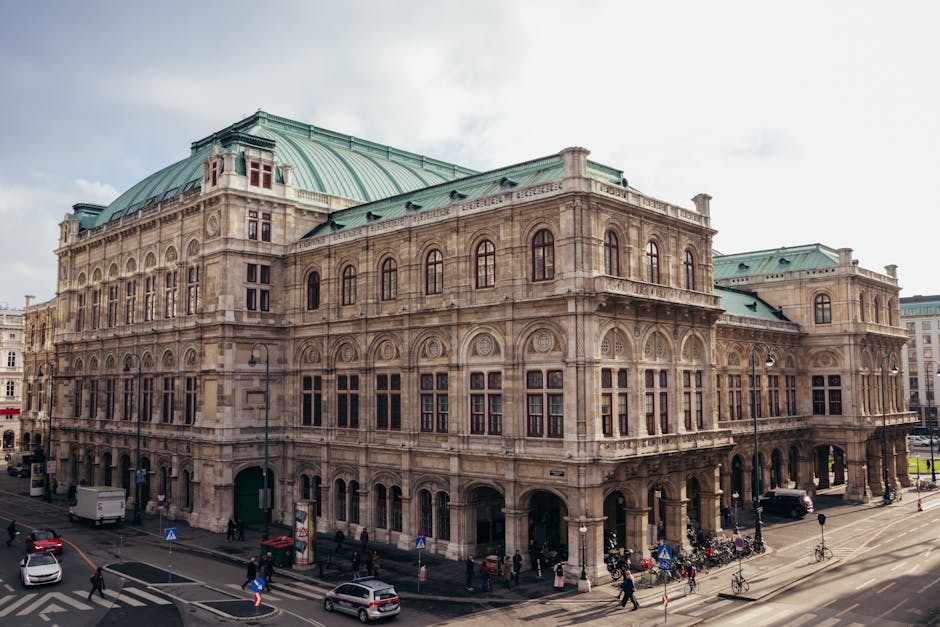 Moderate
Vienna, Austria
Follow the footsteps of Mozart and Strauss through Vienna’s historic center on this self-guided walk through the city's rich musical history.
 Moderate
Helsinki, Finland
Explore the 'Gibraltar of the North' on this independent walking route through the historic bastions and hidden gardens of Suomenlinna Sea Fortress.
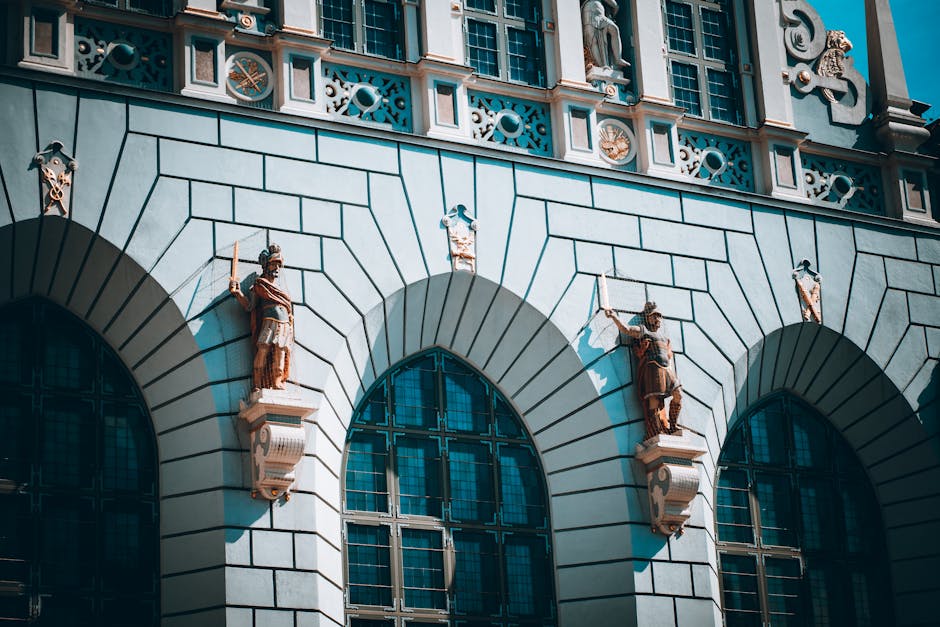 Easy
EasyGdansk, Poland
Discover the opulent Royal Way of Gdansk at your own pace. Explore Hanseatic history, gilded architecture, and the iconic Neptune's Fountain.
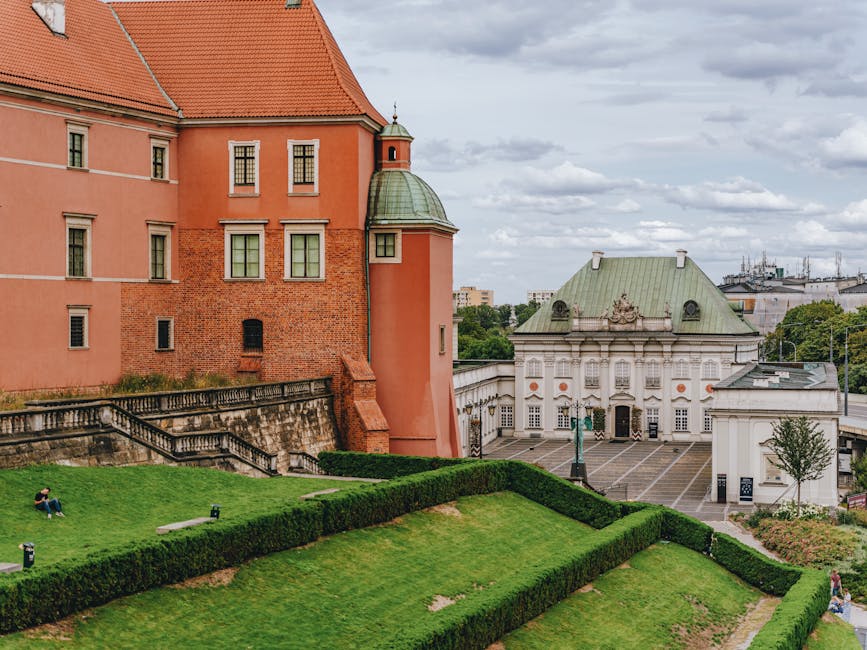 Moderate
Warsaw, Poland
Explore the resilient spirit of Warsaw's Muranów district on this self-guided walk through the history and landmarks of the former Jewish Ghetto.
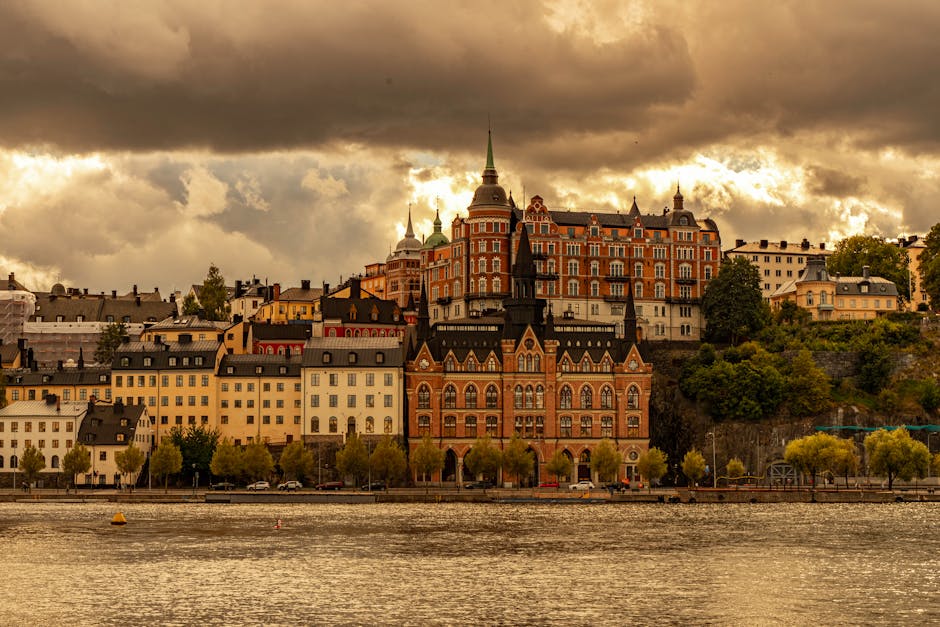 Easy
EasyStockholm, Sweden
Taste your way through Stockholm's premier food halls and historic cafes on this flavor-focused self-guided walk through the city's heart.
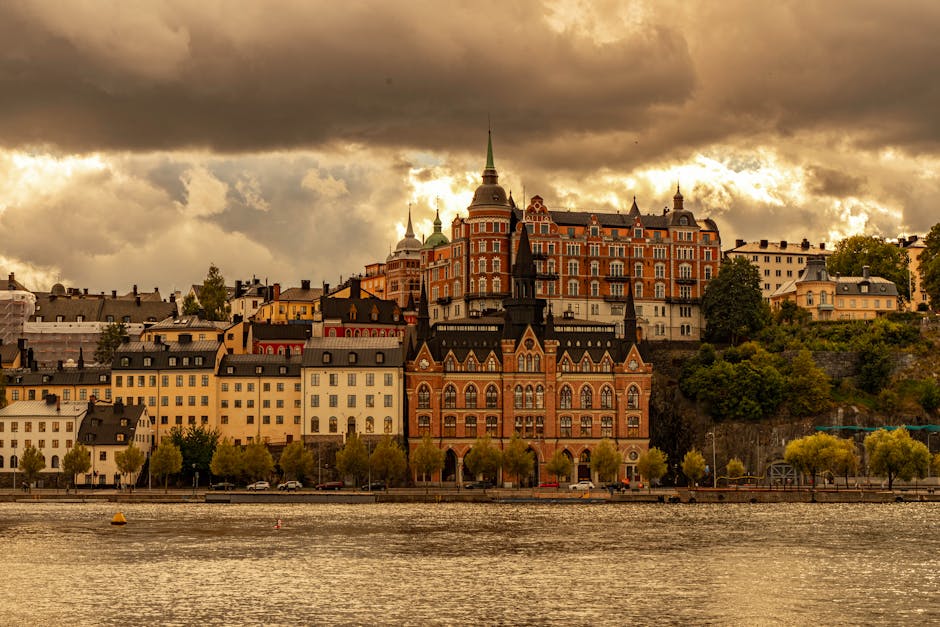 Easy
EasyStockholm, Sweden
Discover Stockholm's naval legacy on this peaceful self-guided walk through historic barracks, grand admiralty houses, and scenic island fortresses.
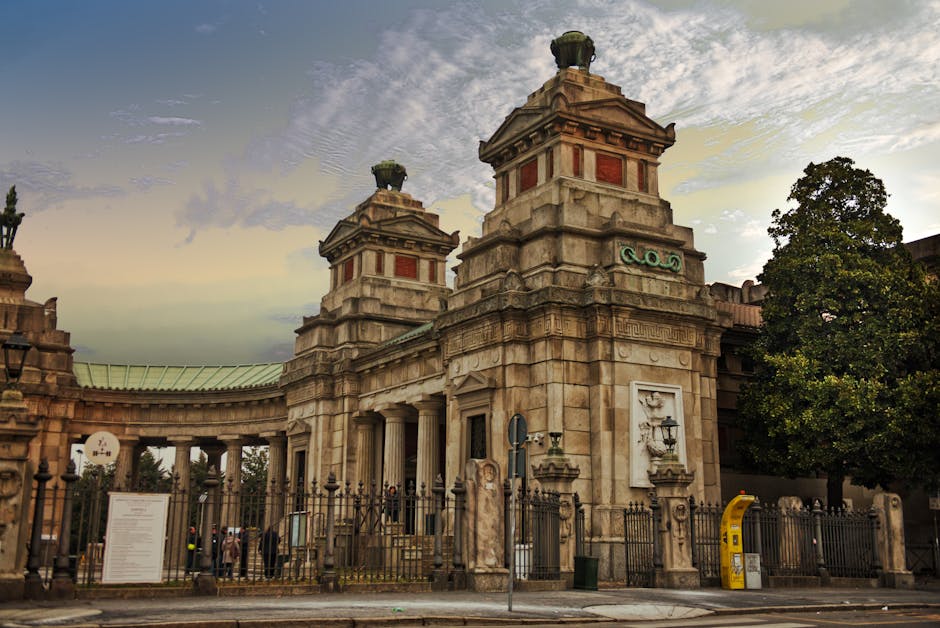 Moderate
Stockholm, Sweden
Walk the gritty, atmospheric streets of Södermalm and discover the real-life locations of Stieg Larsson's Millennium trilogy.
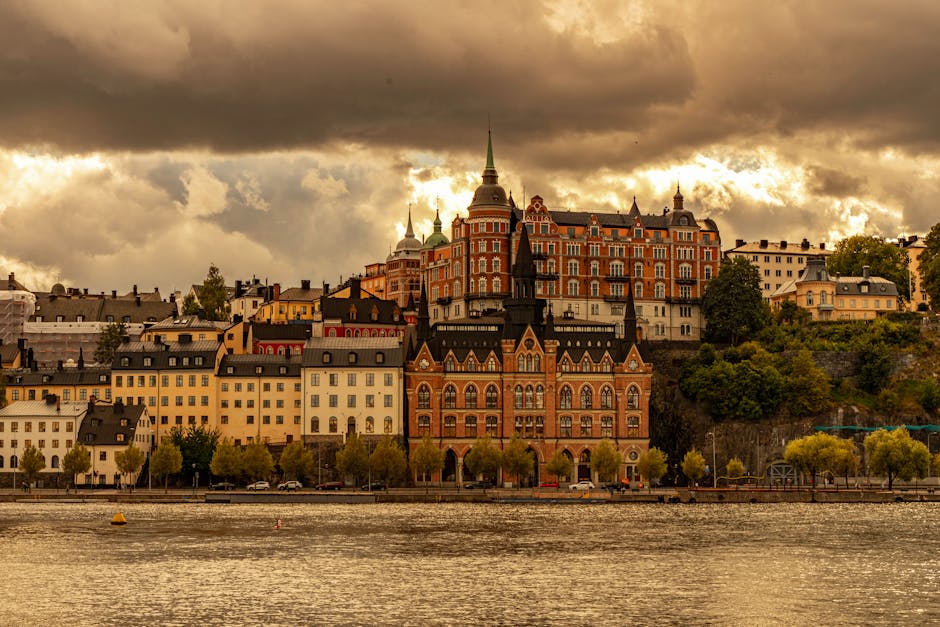 Easy
EasyStockholm, Sweden
Explore the world's longest art gallery on this self-guided walk through Stockholm’s most stunning cavernous subway stations.