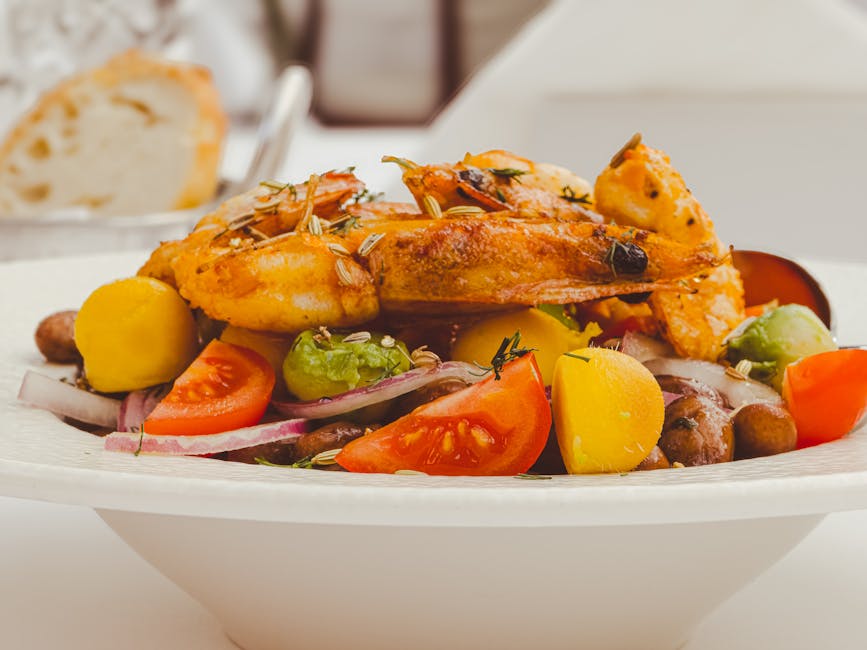
Self-guided audio tour in Tirana
Start Free on iPhone
Start free on iPhone to unlock this self-guided walking tour in Tirana. Hear all the stories that make it amazing, walk at your own pace, and begin whenever you want.
Your Private Tour Guide
Embark on a sensory journey through the heart of Albania's capital with this self-guided walk. The Pazari i Ri, or New Bazaar, serves as the vibrant nucleus of Tirana's culinary and social life. Originally established in the early 20th century and meticulously renovated in 2017, this neighborhood offers a fascinating blend of Ottoman-era history and contemporary Albanian lifestyle. This walking route invites you to explore the stalls of fresh produce, the aroma of roasting coffee, and the sizzle of traditional grills that define the city's daily rhythm. Beyond the market stalls, you will discover hidden architectural gems like the Kokonozi Mosque and the lush, shaded courtyards of historic villas. As you move through this neighborhood stroll, the path transitions from the rustic charm of the market to the sophisticated energy of the Blloku district. This area, once restricted to the communist elite, is now the pulse of Tirana’s modern dining scene. You will encounter everything from 'Zgara' (traditional grills) serving up iconic qofte to high-end establishments redefining Balkan cuisine. This route is designed for those who want to experience Tirana like a local—stopping for a strong espresso, sampling local olives, or simply admiring the colorful, painted facades that have become a symbol of the city’s rebirth. Whether you are a first-time visitor or a returning traveler, this audio walk provides the context and stories behind the flavors that make Tirana unique. This is not a guided tour Tirana visitors usually find; instead, it is an independent exploration that lets you set the pace, allowing for spontaneous detours into alleyways or extended lunch breaks at a traditional 'Oda'. Discover why the city's food culture is its most enduring bridge between the past and the future. **Note:** This area is known for its ever-changing character. Street art, pop-up venues, and temporary exhibitions may differ from what's described. That's part of the adventure - you might discover something entirely new!
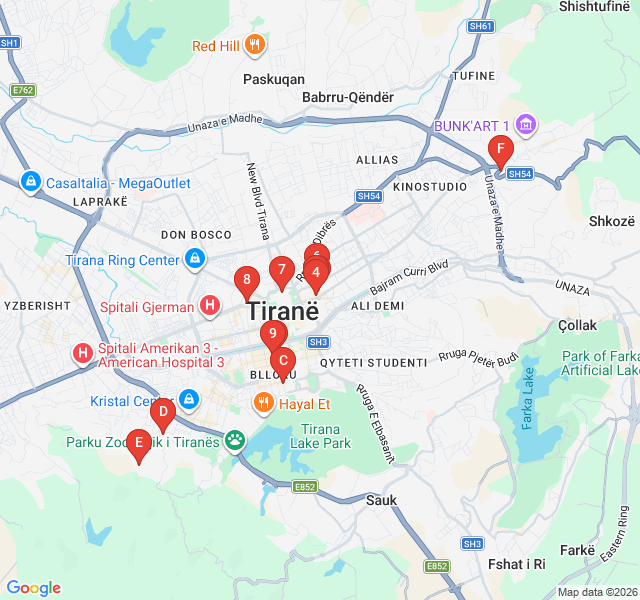
Numbers indicate the order of stops on the tour.
Welcome to the Traditional Fish Market, located within the northeastern corner of the New Bazaar complex. While Albania is famous for its mountains, its proximity to the Adriatic and Ionian seas means seafood is a staple. In the early mornings, you'll find vendors displaying the catch of the day, from sea bass to octopus. The market's clean, modern design—part of the 2017 renovation—maintains the traditional hustle while providing a brighter space for locals. Observe the interaction between vendors and long-time customers; in Albania, food shopping is a social contract built on trust and daily conversation.
Stand in the center of the New Bazaar. Look up at the striking geometric roof and the surrounding buildings painted with traditional Albanian carpet patterns. This area was first established in 1931 and has survived several political regimes. Today, it is Tirana’s 'living room.' Take a moment to wander the stalls. You’ll find mountain tea, strings of dried peppers, and jars of local honey. The bazaar is a place where rural Albania meets the capital; many vendors travel from the surrounding villages to sell their seasonal harvests. It is the perfect place to sample 'byrek' or pick up some local raki.
Just a few steps from the market noise sits the Kokonozi Mosque, also known as the Mosque of the New Bazaar. Built in 1750 by the Kokonozi family, it is a rare surviving example of Ottoman architecture in a city that was heavily remodeled during the communist era. During the 1960s, when Albania was declared an atheist state, the mosque was used as a warehouse for the market. It was restored and reopened in the 1990s. Its modest size and elegant minaret provide a peaceful contrast to the commercial energy of the market outside.
Step into a space that feels like a time capsule. This garden area belongs to one of the most storied traditional settings in the neighborhood. In Albania, the 'Oda' is the guest room of a traditional house—a place of hospitality and storytelling. The garden here, shaded by vines and trees, offers a glimpse into the private domestic life of old Tirana. While the city modernizes with skyscrapers, these pockets of greenery and stone walls preserve the 'Tirons' (local Tirana) identity. It’s an ideal spot to contemplate the transition from the old market to the residential heart of the city.
This section of the bazaar focuses on the permanent shops and specialty vendors. This is where you’ll find the famous Albanian olives and diverse cheeses like 'djathë i bardhë' (white cheese). Notice the abundance of colors; the renovation of the bazaar was part of a larger city-wide initiative to use color to revitalize the urban landscape. The painted facades around you are inspired by the traditional motifs found in Albanian textiles. It’s a great area to see how Tirana uses art to bridge its difficult past with a vibrant, colorful future.
Oda is more than just a place to eat; it is a cultural landmark. Housed in a traditional 19th-century building, it specializes in the slow-cooked dishes of central Albania. From 'fërgesë' (a savory dish of peppers, tomatoes, and salted curd) to slow-roasted lamb, the menu is a map of the country’s agricultural heritage. The low tables and traditional rugs inside reflect the hospitality customs where guests are treated with the highest honor. Even if you aren't stopping for a full meal, the architecture of the building itself is a testament to Tirana's Ottoman-influenced urban history.
Moving toward the city center, you encounter this landmark hotel. Known locally as 'The Fifteen Floors' when it was built in 1979, it was once the tallest building in Tirana and a symbol of socialist progress. It overlooks Skanderbeg Square, the massive central plaza of the city. For decades, this hotel was the only place where foreign visitors and diplomats were permitted to stay, making it a hub of intrigue and history. Today, it stands as a bridge between the old market district and the modern administrative center of the capital.
Restorant Tymi is a local legend in the world of Albanian 'Zgara' (grill). While the decor might be quirky and unpretentious, the flavors are authentic. This is the place to understand the local obsession with grilled meats, specifically 'qofte'—small, seasoned meat sausages. The name 'Tymi' translates to 'smoke,' a nod to the charcoal grills that have been working here for decades. It represents the gritty, honest side of Tirana’s food scene that remains unchanged despite the city’s rapid modernization.
As we enter the Blloku district, the atmosphere shifts. Salt Tirana represents the new wave of Albanian gastronomy. This area was once a restricted zone where only high-ranking Communist Party officials lived; today, it is the most expensive and trendy real estate in the country. Salt blends Mediterranean ingredients with modern techniques, reflecting the cosmopolitan aspirations of Tirana’s youth. The architecture here is sleek and glass-fronted, a sharp contrast to the Ottoman-style buildings of the New Bazaar you visited earlier.
Coffee is the fuel of Tirana, and MUGO is a prime example of the city’s sophisticated cafe culture. Albanians spend hours in cafes—it is where business deals are made, gossip is shared, and life happens. MUGO showcases the minimalist, design-forward aesthetic that has taken over Blloku. Whether you prefer a traditional Turkish coffee or a modern flat white, the 'coffee culture' here is a sacred ritual. Notice how the seating often faces the street; people-watching is a national pastime in this neighborhood.
Era is a staple of Tirana's dining scene, managing to be both a casual neighborhood favorite and a high-quality culinary destination. It is one of the best places to see how traditional Albanian ingredients are adapted for modern tastes. Their menu is extensive, featuring everything from traditional village pies to Italian-inspired dishes—a nod to the heavy cultural influence of nearby Italy. It’s located in the heart of Blloku, making it a perfect spot to observe the energetic, fashionable crowd that defines this district.
Located near the edge of the Grand Park, Xheko Imperial is a blend of luxury and local craftsmanship. The architecture is eclectic, featuring intricate stone and woodwork that pays homage to Albanian tradition while embracing high-end luxury. The rooftop offers one of the best views of the city’s skyline, showing the proximity of the green park to the dense urban center. It’s a symbol of the 'new money' and development that has transformed the Blloku area since the early 1990s.
For a truly local experience, we visit Zgara Tirones. This is a classic 'Tirana Grill' where the menu is simple and the focus is entirely on the quality of the meat. In a neighborhood known for its flashy lounges, this spot keeps the tradition of the 'Zgara' alive. It’s a reminder that no matter how many trendy sushi bars open, the heart of Tirana’s diet remains rooted in the grill. The atmosphere is loud, friendly, and unpretentious—the true spirit of the city's residents.
Arka Rooftop provides a panoramic perspective of the route you’ve just walked. From here, you can see the contrast between the low-slung roofs of the old city and the colorful skyscrapers rising in every direction. Rooftop culture is massive in Tirana, especially during the long summer evenings. It’s a place to see the 'city of colors' from above and understand the unique topography of Tirana, nestled between the Dajti Mountain and the coastal plains. Please note that access to rooftops may depend on seasonal opening hours.
Our final stop takes us toward the Fresku area, located further east. While it requires a bit of a trek from the city center, it is famous for its fresh air—hence the name 'Fresku'—and its traditional restaurants. This area is where locals go on weekends to escape the city heat. The dining here is often rustic and family-style, specializing in meats and traditional side dishes. It marks the edge of the urban sprawl where the city begins to climb toward the Dajti Mountain National Park. It’s a fitting end to a journey that started in the bustling market and ends in the literal 'fresh' outskirts of the capital.
Start Free on iPhone
Explore “Flavors of the New Bazaar” with your very own Private Tour Guide with Zigway. Start free on iPhone, skip the large group and the fixed routes, and hear the city come alive as you go.
Your Private Tour Guide
Don't miss the good stuff
Explore Freely
 Moderate
Tirana, Albania
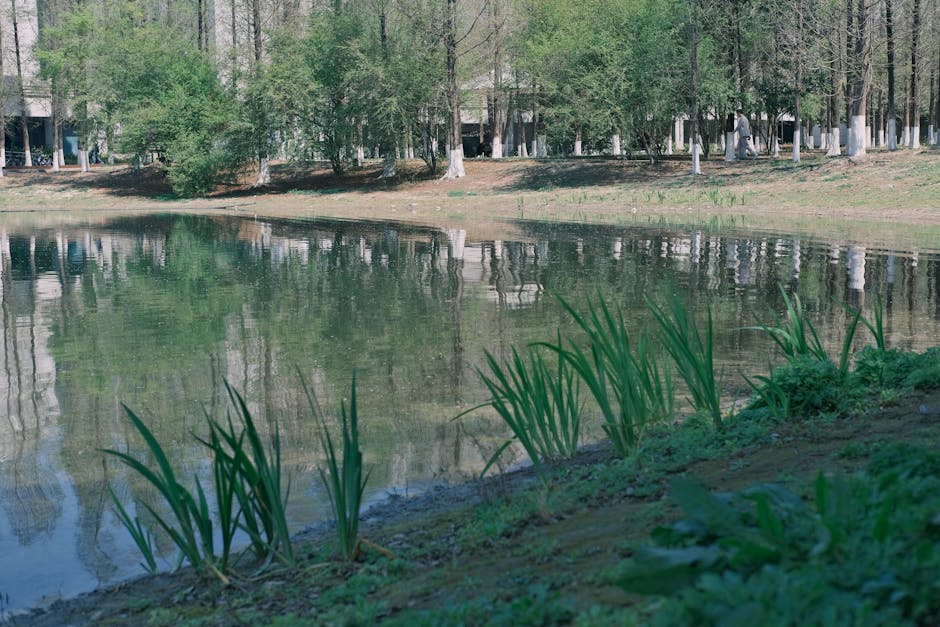
Explore Tirana's green side on this self-guided walk from Skanderbeg Square to the serene Grand Park and hidden lakeside memorials.
 Easy
EasyTirana, Albania
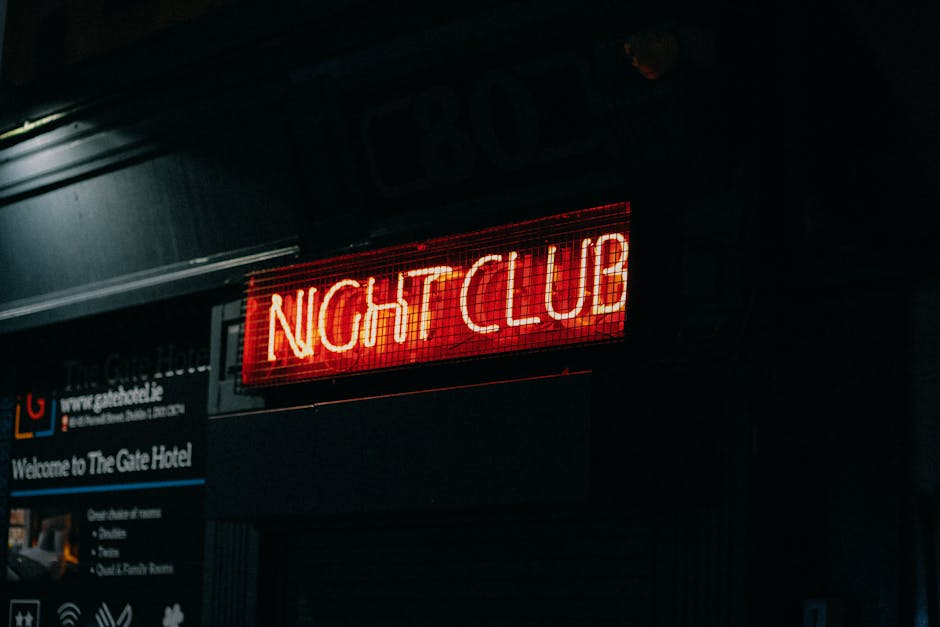
Explore Tirana’s neon-lit landmarks and vibrant nightlife districts on this self-guided evening photography walk.
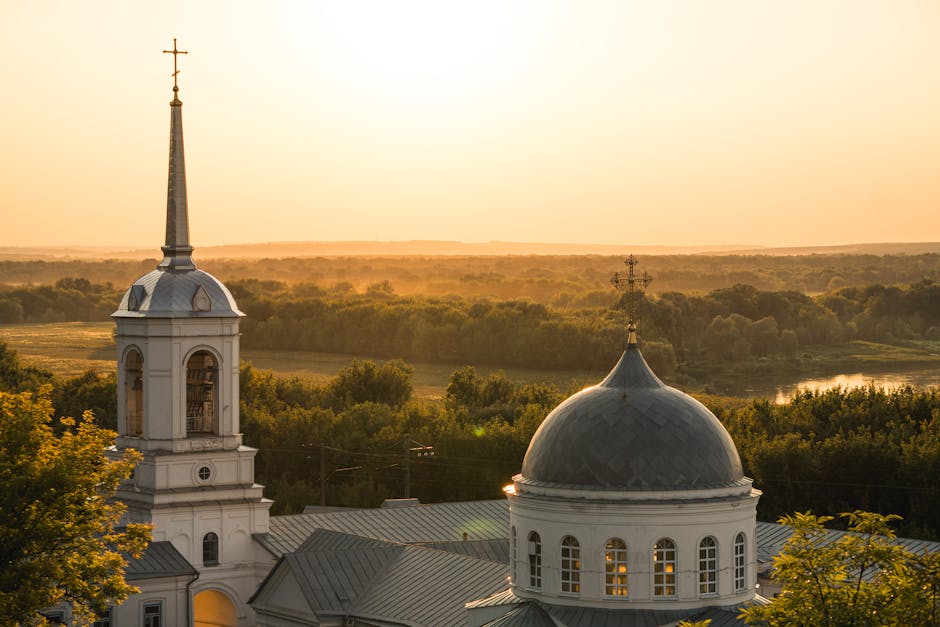 Easy
EasyTirana, Albania
Explore Tirana’s unique religious harmony on this self-guided walk through historic mosques, grand cathedrals, and Ottoman landmarks.
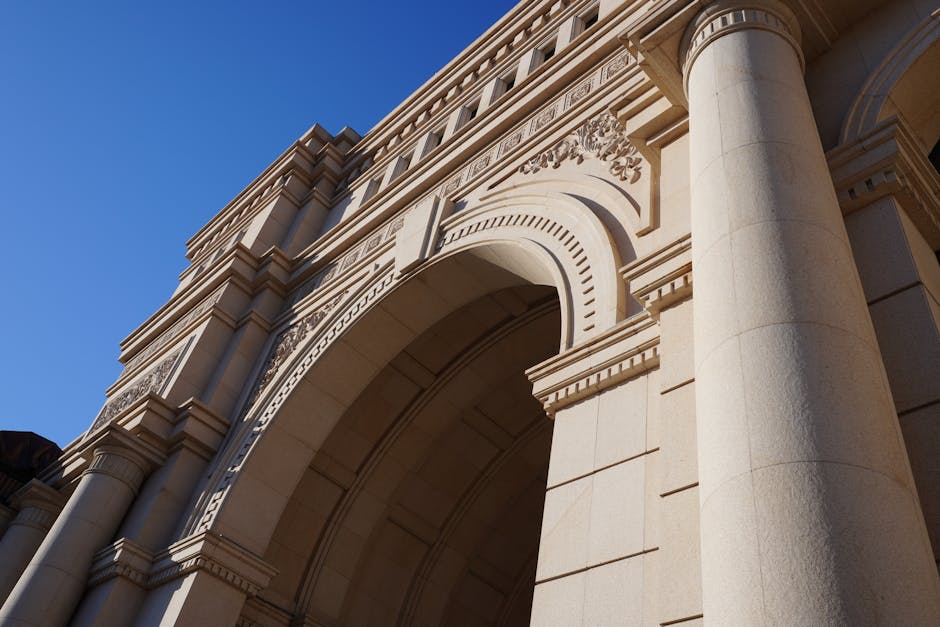 Easy
EasyTirana, Albania
Explore Tirana's grand boulevards and Rationalist landmarks on this self-guided audio walk through the city's Italian-influenced historic center.
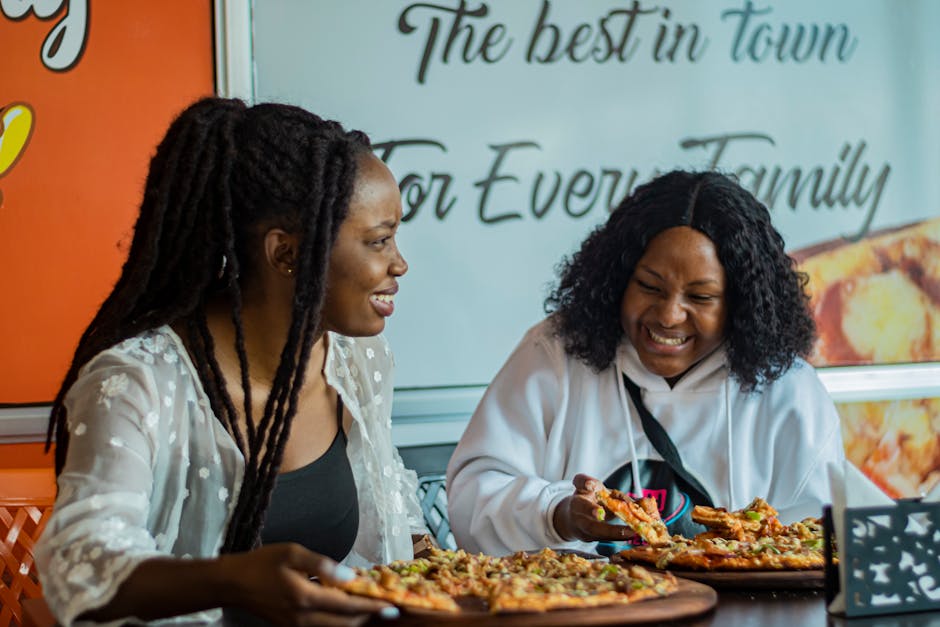 Moderate
Nairobi, Kenya
Taste your way through Nairobi's Westlands on this self-guided walk featuring street snacks, cultural landmarks, and hidden foodie gems.
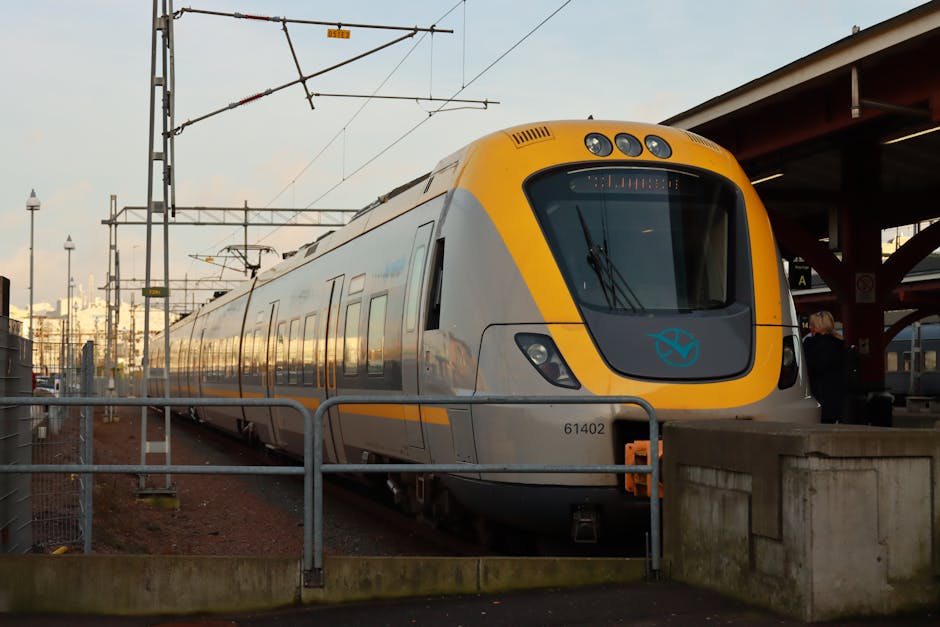 Easy
EasyGothenburg, Sweden
Discover Gothenburg’s maritime flavors on this self-guided walk through historic market halls and iconic seafood landmarks.
 Easy
EasyKrakow, Poland
Explore the prestigious Jagiellonian University district, featuring Neo-Gothic architecture, Baroque churches, and Krakow's hidden scholarly gems.
 Easy
EasyInnsbruck, Austria
Discover the flavors of Tyrol on this self-guided stroll through Innsbruck’s historic Old Town and vibrant market hall.
 Easy
EasyBerat, Albania
Explore Berat’s stunning riverside, historic bridges, and iconic 'thousand windows' views on this peaceful self-guided nature and photography walk.
 Moderate
Berat, Albania
Explore Berat’s unique religious harmony on this self-guided walk through ancient mosques, Sufi shrines, and Byzantine churches.
 Moderate
Berat, Albania
Discover the legends and landmarks of Berat on this self-guided walk through Ottoman neighborhoods and the ancient living citadel.
 Moderate
Berat, Albania
Explore the 'City of a Thousand Windows' on this self-guided walk through the historic Ottoman districts of Mangalem and Gorica in Berat.