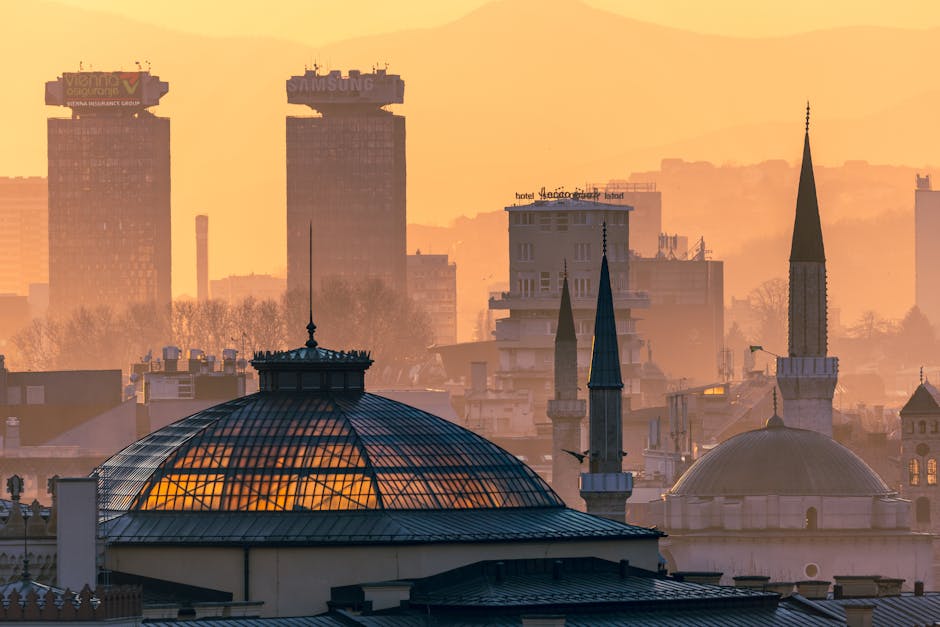
Self-guided audio tour in Sarajevo
Start Free on iPhone
Start free on iPhone to unlock this self-guided walking tour in Sarajevo. Hear all the stories that make it amazing, walk at your own pace, and begin whenever you want.
Your Private Tour Guide
Sarajevo is a city where the layers of history are visible on every corner, but perhaps no era defined its modern identity more than the 1,425 days it spent under siege in the 1990s. This self-guided walk through the Centar district offers a profound look at the resilience and remembrance of a city that refused to be broken. As you navigate this walking route, you will encounter the physical and emotional scars of the longest siege in modern warfare, while also witnessing the incredible spirit of survival that characterizes Sarajevo today. This neighborhood stroll is more than just a historical survey; it is a tribute to the human capacity for hope in the face of adversity. The journey begins at the solemn Markale Market, where the city's daily struggle for survival was most visible, and leads you past symbolic Sarajevo Roses and memorials dedicated to the children of the war. You will explore the architectural symbols of the conflict, from the iconic yellow facade of the Hotel Holiday to the bullet-scarred walls of the History Museum of Bosnia and Herzegovina. This walking tour Sarajevo provides a deep, independent exploration of the sites that shaped the city's 20th-century narrative. Unlike a standard guided tour Sarajevo, this audio walk allows you to pause and reflect at your own pace, giving you the space to process the weight of the history around you. By following this route, you will gain a comprehensive understanding of the Siege of Sarajevo and the way the city has worked to preserve its memory while looking toward a peaceful future. Whether you are a history enthusiast or a first-time visitor, this self-guided adventure offers an essential perspective on the 'Jerusalem of Europe' and its enduring legacy of peace and tolerance.
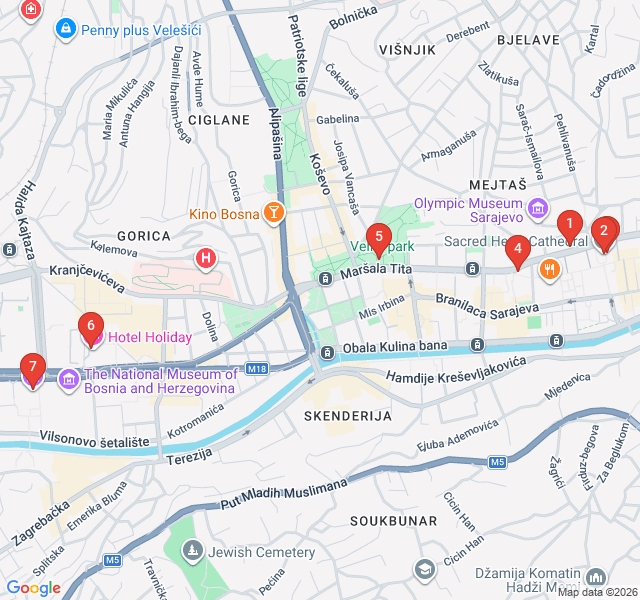
Numbers indicate the order of stops on the tour.
Start your self-guided walk at the Markale Market, a place that remains the heartbeat of local life. During the siege, this was one of the few places where residents could find meager supplies. However, it is also the site of two of the conflict's most horrific massacres in 1994 and 1995. Look toward the back of the market to find the memorial wall, inscribed with the names of those who lost their lives while simply trying to buy food. The red glass wall stands as a silent sentinel, reflecting the market's ongoing bustle. It serves as a stark reminder of how everyday life and extreme tragedy were inextricably linked during the 1,425 days of the siege.
As you walk toward the Sacred Heart Cathedral, look down at your feet. You may notice a patch of red resin filling a scar in the concrete. This is a Sarajevo Rose. During the siege, an average of 329 shells hit the city every day. When a mortar shell landed on the pavement, it left a unique, flower-like crater. In the years following the war, many of these craters were filled with red lead resin to memorialize the spots where fatal explosions occurred. This particular rose near the cathedral is one of the most well-preserved. It serves as a permanent physical memory of the violence that once rained from the surrounding hills, now integrated into the city's daily path.
Located next to the Cathedral, this memorial gallery is the first of its kind in Bosnia and Herzegovina. It is dedicated to preserving the memory of the Srebrenica genocide, where over 8,000 people were killed in July 1995. While the gallery focuses on Srebrenica, its presence in the heart of Sarajevo connects the city's siege to the wider atrocities of the war. Inside, you will find powerful black-and-white photography, video testimonies, and interactive maps that provide a deeply human perspective on the tragedy. It is a space for education and reflection, ensuring that the victims are remembered not as statistics, but as individuals with names, faces, and stories.
At the junction of Mula Mustafe Bašeskije and Maršala Tita streets, you will find the Eternal Flame. While this monument was originally dedicated to the military and civilian victims of World War II, it took on renewed significance during the 1992-1995 siege. For a period during the 90s conflict, the flame was extinguished because the city ran out of the fuel needed to keep it burning—a symbolic moment of the city's dire straits. Today, it burns brightly again, framed by the colors of the national flag. It stands at the symbolic transition point between the Ottoman-era Baščaršija and the Austro-Hungarian Centar district, representing Sarajevo's long history of endurance through multiple conflicts.
In the greenery of Veliki Park stands a moving tribute to the 1,601 children killed during the siege. The memorial consists of a central bronze fountain made of two glass cylinders, symbolizing a mother's protective embrace of her child. Surrounding the fountain are several bronze cylinders that rotate, featuring the names of the children lost. The metal for the monument was reportedly made from melted-down shell casings and other remnants of war found in the city. It is a quiet, contemplative space where locals often leave flowers or toys. The sound of the water and the names on the bronze pillars create a powerful atmosphere of collective grief and remembrance.
Standing prominently on the edge of 'Sniper Alley,' the bright yellow Hotel Holiday is one of Sarajevo's most iconic buildings. Designed by architect Ivan Štraus for the 1984 Winter Olympics, it became world-famous during the siege as the home of the international press corps. Journalists from CNN, the BBC, and major newspapers lived and worked here, often under fire. Because the hotel was located on the front lines, guests had to stay in rooms facing away from the hills to avoid sniper fire. Despite being hit by countless projectiles, the hotel never closed its doors. It remains a symbol of the city's refusal to be silenced and a testament to the bravery of those who reported the war to the world.
Your self-guided walk concludes at the History Museum. The building itself is a relic, still bearing the scars of bullets and shrapnel from the conflict. Inside, the permanent exhibition 'Sarajevo under Siege' offers an immersive look at how citizens survived for nearly four years without electricity, running water, or consistent food. You will see makeshift stoves made from tin cans, humanitarian aid packaging repurposed into toys, and the 'Sarajevo War Tunnel' maps. The museum captures the incredible ingenuity of Sarajevans who maintained a semblance of culture and dignity through theater, art, and community, even while the city was being bombarded. It is a fitting place to end your journey through the history of the siege.
Start Free on iPhone
Explore “Resilience & Remembrance: Siege of Sarajevo” with your very own Private Tour Guide with Zigway. Start free on iPhone, skip the large group and the fixed routes, and hear the city come alive as you go.
Your Private Tour Guide
Don't miss the good stuff
Explore Freely
 Easy
EasySarajevo, Bosnia and Herzegovina
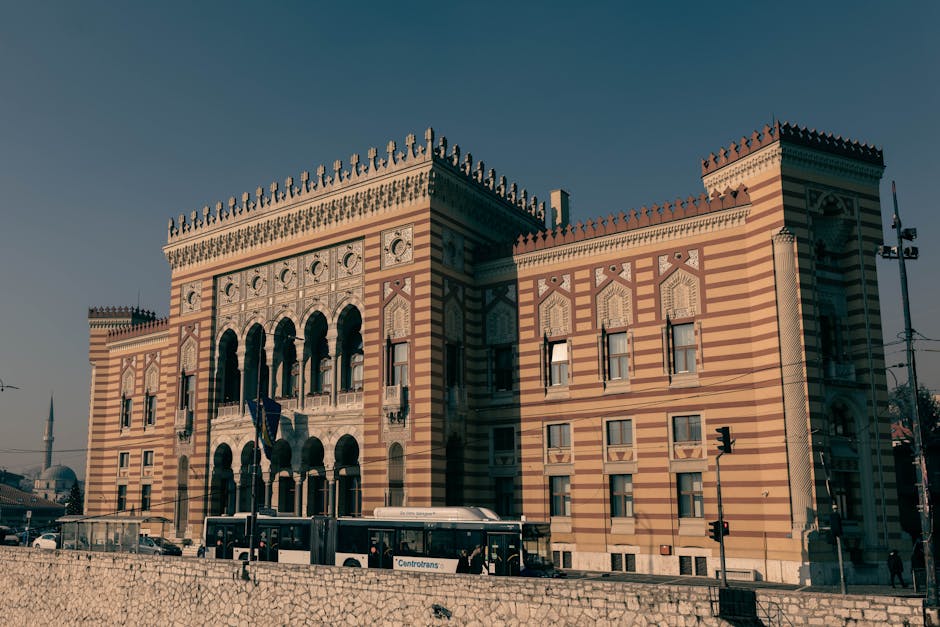
Discover Sarajevo’s history and architecture on this scenic self-guided walk across the iconic bridges of the Miljacka River.
 Moderate
Sarajevo, Bosnia and Herzegovina
Discover Sarajevo’s soul through street art, brutalist landmarks, and poignant history on this self-guided urban walking route.
 Easy
EasySarajevo, Bosnia and Herzegovina
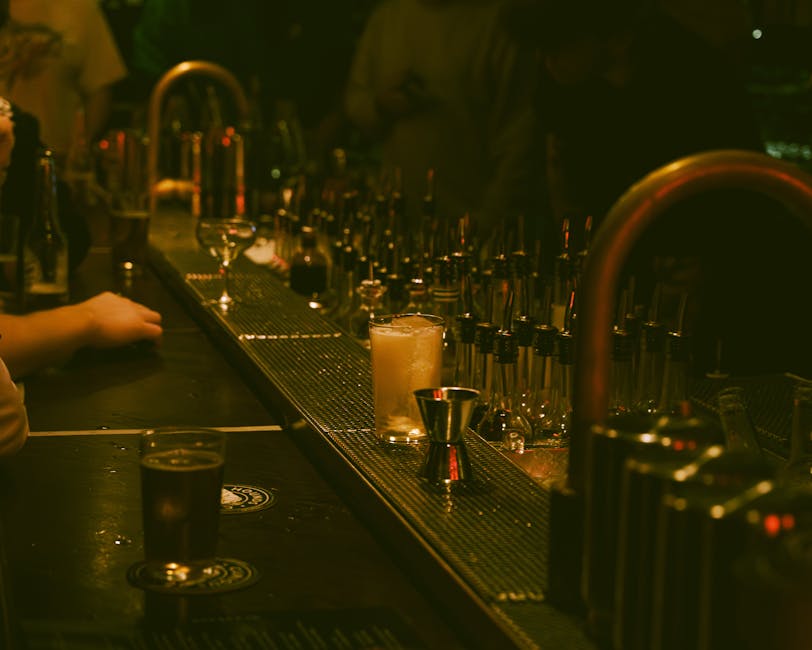
Explore Sarajevo’s soulful nightlife on this self-guided walking route through historic pubs, hidden rakija bars, and legendary local haunts.
 Easy
EasySarajevo, Bosnia and Herzegovina
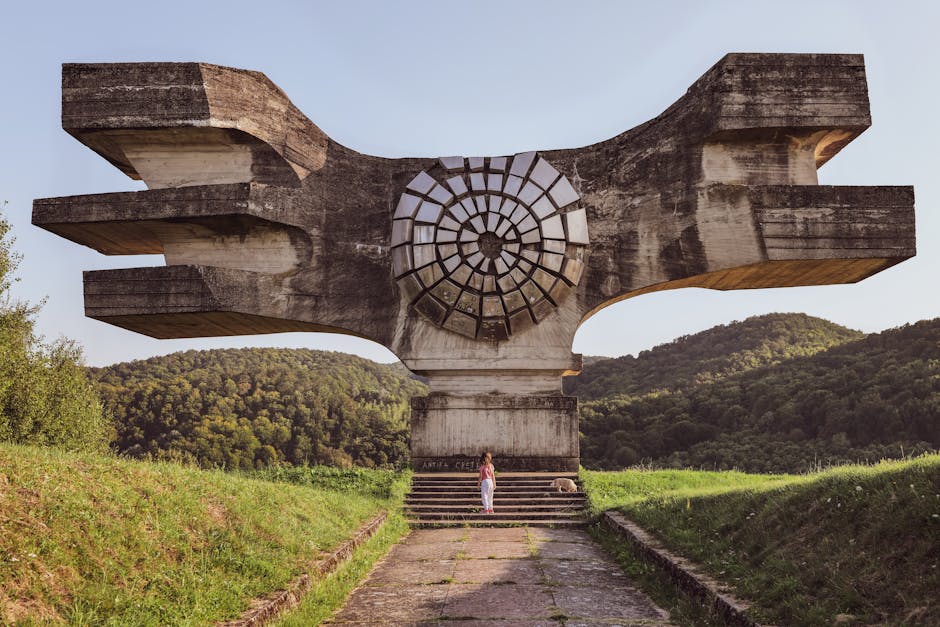
Explore Yugoslav Modernism and lush riverfront paths in Grbavica. A self-guided walk through Sarajevo's resilient 20th-century neighborhoods.
 Moderate
Gdansk, Poland
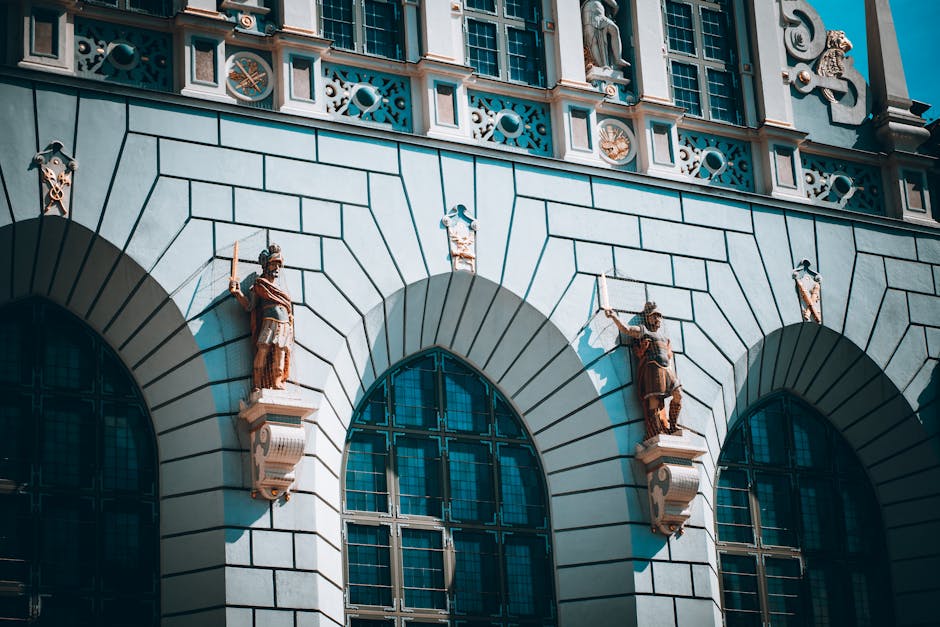
Discover the origins of WWII in Gdansk on this self-guided walk through heroic last stands, massive museums, and strategic hilltop fortifications.
 Moderate
Warsaw, Poland
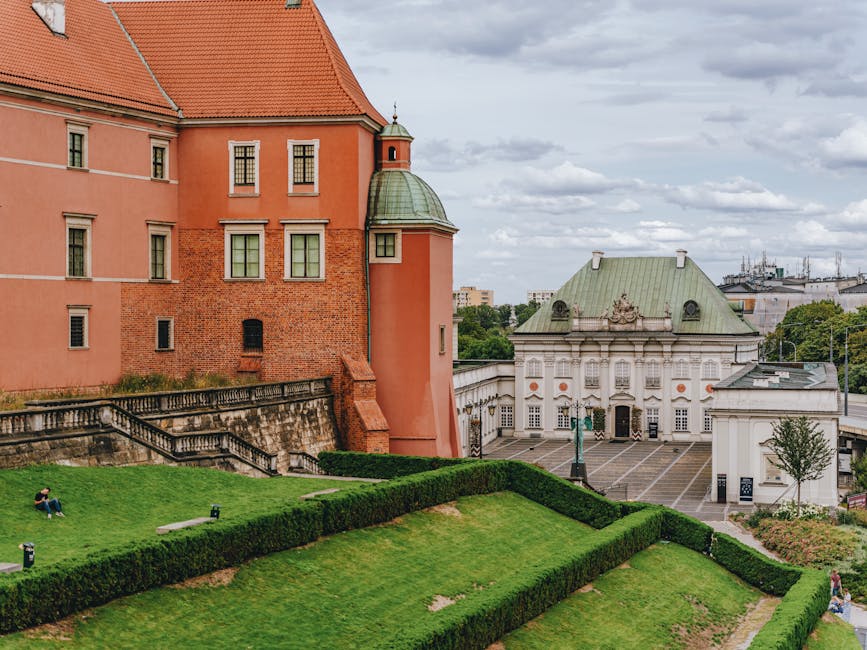
Explore the resilient spirit of Warsaw's Muranów district on this self-guided walk through the history and landmarks of the former Jewish Ghetto.
 Moderate
Warsaw, Poland
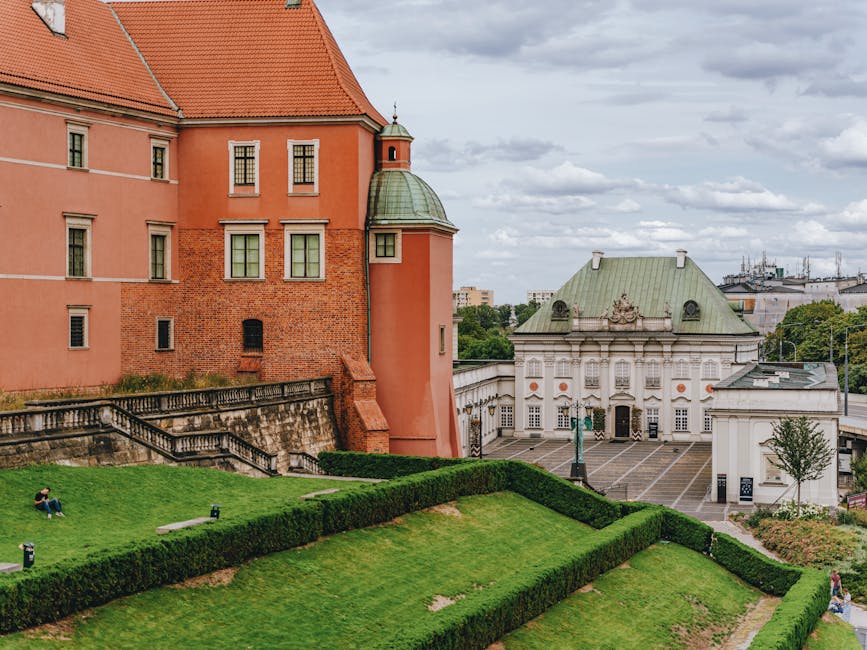
A powerful self-guided walk through Warsaw's WWII history, tracking the 1944 Uprising from ruined skyscrapers to solemn memorials.
 Moderate
Vienna, Austria
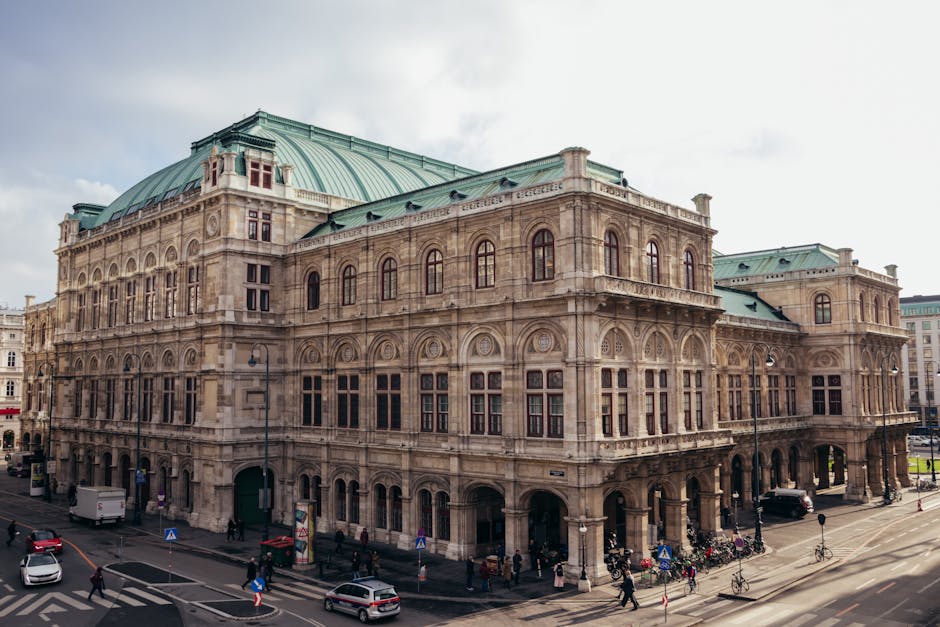
Discover the noir world of The Third Man and Cold War Vienna on this atmospheric self-guided audio walk through the historic Innere Stadt.
 Easy
EasyMostar, Bosnia and Herzegovina
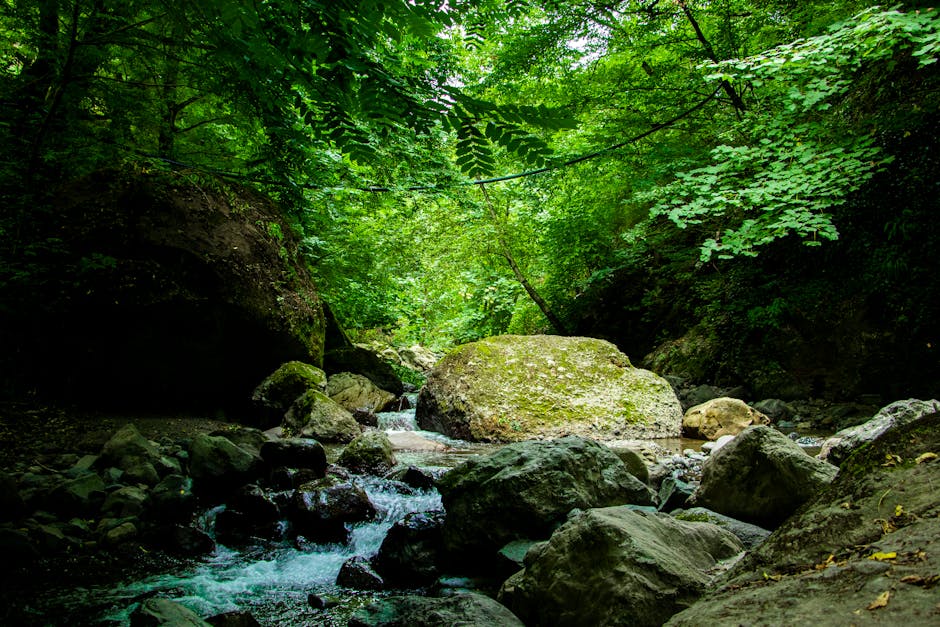
Explore Mostar's emerald secret on this self-guided walk along the Radobolja stream, featuring Ottoman mills, hidden beaches, and lush parks.
 Challenging
Mostar, Bosnia and Herzegovina
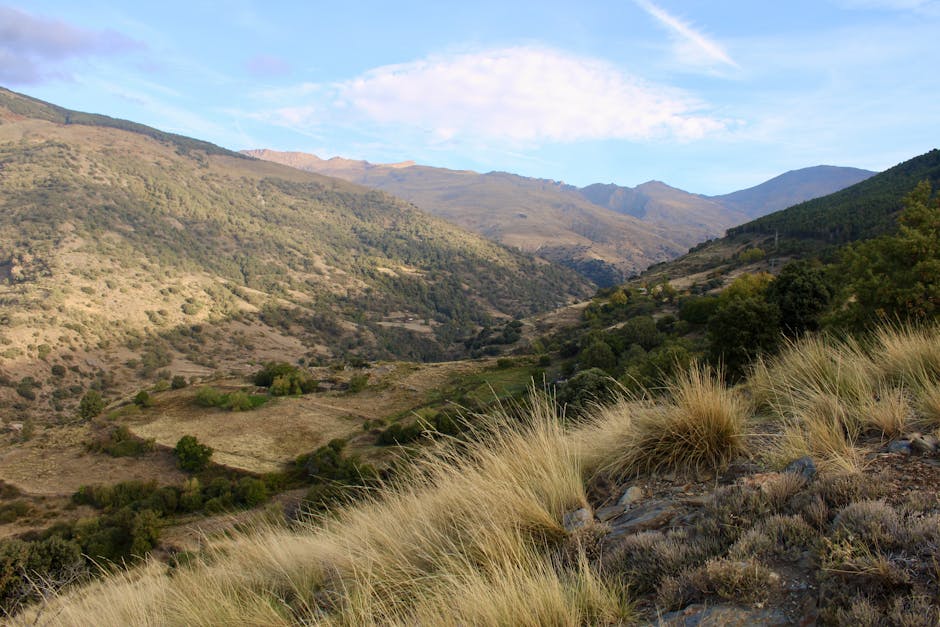
Ascend from the iconic Old Bridge to the breathtaking glass skywalk at Fortica. A challenging self-guided hike through Mostar’s history and nature.
 Moderate
Mostar, Bosnia and Herzegovina
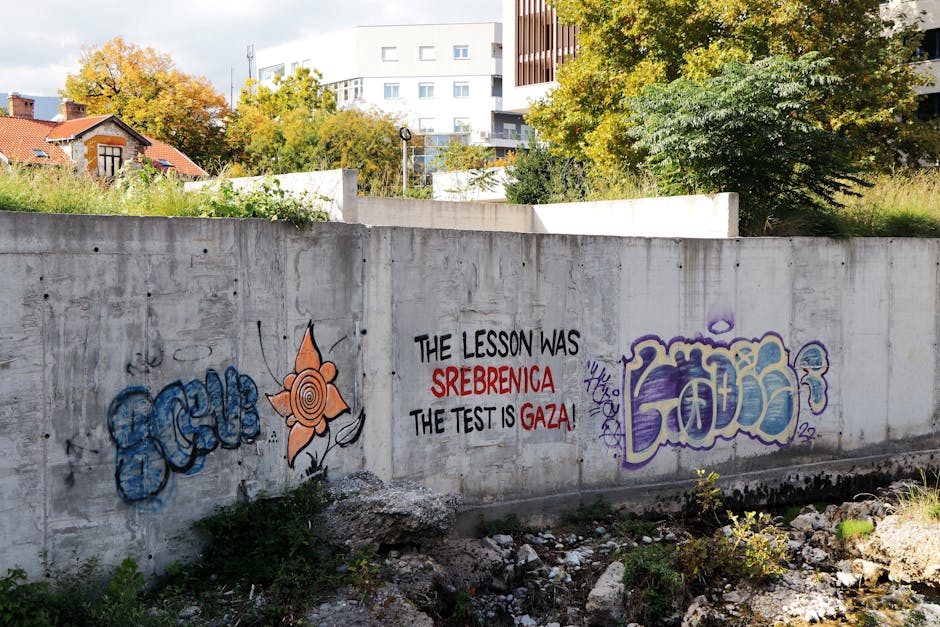
Discover Mostar’s soul through its vibrant street art, historic Ottoman architecture, and resilient urban culture on this self-guided walk.
 Easy
EasyMostar, Bosnia and Herzegovina
Discover Mostar's grand Austro-Hungarian boulevards, Moorish Revival architecture, and 20th-century history on this self-guided neighborhood stroll.