Self-guided audio tour in Dubrovnik
Start Free on iPhone
Start free on iPhone to unlock this self-guided walking tour in Dubrovnik. Hear all the stories that make it amazing, walk at your own pace, and begin whenever you want.
Your Private Tour Guide
Step away from the bustling crowds of the Stradun and enter the oldest, most enigmatic quarter of Dubrovnik. This self-guided walk through the Pustijerna district invites you to explore a side of the 'Pearl of the Adriatic' that many travelers overlook. Pustijerna, whose name derives from the Latin 'posterna' (a back door or side gate), was the first residential area of the early medieval city. Here, the polished limestone streets give way to rugged stone stairs, hanging laundry, and the quiet echoes of a thousand years of history. Your neighborhood stroll begins at the massive Rupe Ethnographic Museum, a former granary that once held the city's vital food supplies deep underground. As you navigate the winding paths toward the sea, you will encounter the dramatic contrast between the city’s defensive might and its daily life. You'll discover the legendary Buža Bar, where a literal 'hole in the wall' leads to breathtaking views of the Adriatic, and stand among the evocative ruins of the Church of St. Stephen, a silent witness to the devastating earthquake of 1667. This walking route is a journey through the layers of Dubrovnik's resilience, from noble palaces to the quirky charm of the Lady Pi-Pi fountain. Explore independently and at your own pace, soaking in the architectural details of Gothic and Renaissance windows that peer out over narrow alleys. Whether you are a history enthusiast or a photography lover seeking the perfect hidden corner, this exploration of the Pustijerna district offers a peaceful alternative to the main tourist thoroughfares, revealing the authentic soul of the Old Town.
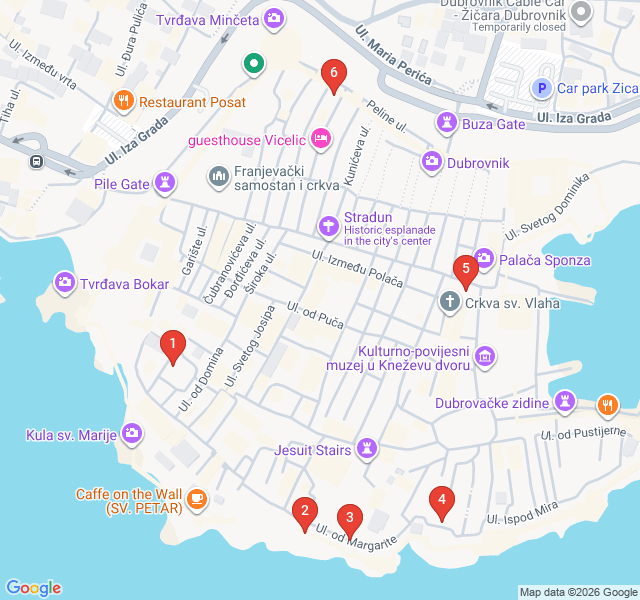
Numbers indicate the order of stops on the tour.
Welcome to the start of your journey. You are standing outside 'Rupe,' which means 'the holes.' This isn't just a building; it's a massive 16th-century granary. In an era where being under siege was a constant threat, the Republic of Ragusa (the old name for Dubrovnik) kept its survival tucked away in 15 deep pits carved directly into the rock. These silos could hold 1,500 tons of grain, kept at a constant temperature to prevent spoilage. As you look at the sturdy masonry, imagine the labor required to haul grain up these steep streets to ensure the city never went hungry. This site represents the practical, defensive genius that allowed Dubrovnik to remain independent for centuries.
Follow the scent of the salt air toward the city walls. 'Buža' literally translates to 'hole' in the local dialect, and that is exactly what you are looking for. Through a small, unassuming opening in the massive medieval fortifications, you'll find a bar perched precariously on the cliffs outside the walls. This spot offers a dizzying view of the island of Lokrum and the open sea. In the past, these openings were used by locals to access the rocks for swimming or fishing, away from the watchful eyes of the city guards. It’s a reminder that even in a fortress city, the people always found a way to reach the water.
As you turn back into the residential heart of the Old Town, you enter Ulica od Margarite. This narrow street is a perfect example of the Pustijerna aesthetic. Look up at the windows—many still feature the traditional green wooden shutters and stone carvings from the 15th and 16th centuries. Pustijerna was once the neighborhood of the elite, where noble families built their palaces close to the seat of power. Today, it is one of the most authentic residential areas left in the Old Town. Listen for the sounds of domestic life: the clinking of dishes or the murmur of a television, proving that this museum-like city is still very much a living home for its residents.
You are now standing before the ruins of the Church of Saint Stephen. Before the Great Earthquake of 1667, this was one of the most important religious sites in the city. When the ground shook, much of the medieval city collapsed, and this church was never fully rebuilt. Today, the ruins serve as a poignant 'memento mori,' a reminder of the fragility of even the strongest empires. Look closely at the stone fragments and the way the modern houses have grown around the ancient footprint. It is a quiet, contemplative space that feels worlds away from the souvenir shops of the main street.
You are now in the heart of the Pustijerna district, the oldest part of the city. During the early Middle Ages, this area was actually a separate island, divided from the mainland by a marshy channel where the Stradun stands today. When the channel was filled in, Pustijerna became the anchor of the unified city. The architecture here is a dense puzzle of Romanesque, Gothic, and Renaissance styles. Notice how narrow the streets are—designed this way to provide maximum shade during the scorching Mediterranean summer and to break the force of the winter Bura wind. It is easy to lose your sense of time here among the weathered stone and winding stairs.
To conclude your walk, head toward the upper walls to find the Lady Pi-Pi fountain. This quirky landmark is named after a rather cheeky statue of a girl doing exactly what the name suggests. While Dubrovnik is full of grand, serious monuments, this fountain represents the city's sense of humor and its connection to the simple necessities of life. Located near the Peline area, the fountain sits in a small square that offers a fantastic perspective of the terracotta rooftops of the city cascading down toward the sea. It’s the perfect spot to pause and reflect on the layers of history you’ve just uncovered.
Start Free on iPhone
Explore “Secret Alleys of Pustijerna” with your very own Private Tour Guide with Zigway. Start free on iPhone, skip the large group and the fixed routes, and hear the city come alive as you go.
Your Private Tour Guide
Don't miss the good stuff
Explore Freely
 Easy
EasyDubrovnik, Croatia
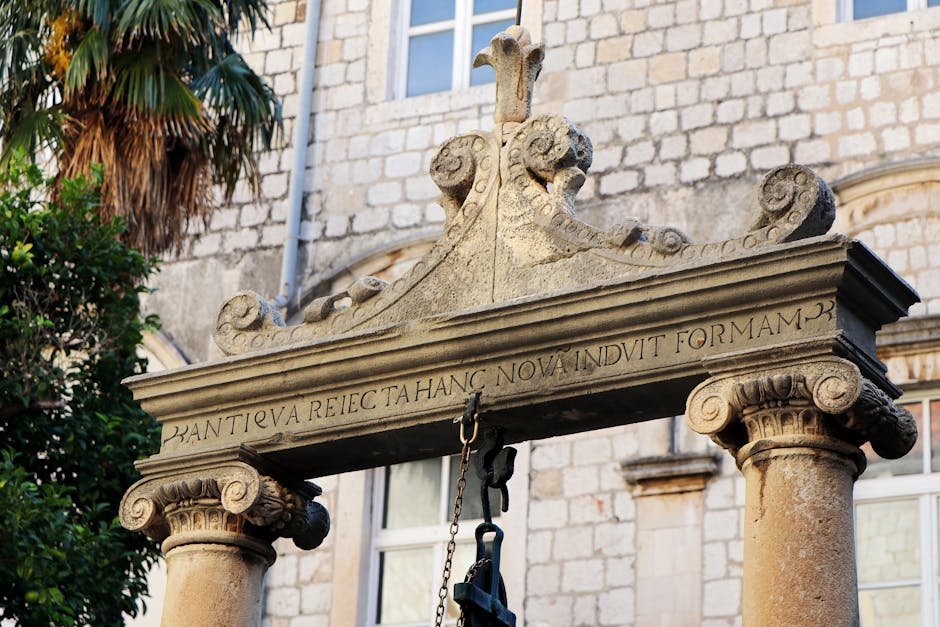
Explore Dubrovnik’s legendary maritime history on this self-guided walk through the Old Port, ancient shipyards, and the historic quarantine station.
 Easy
EasyDubrovnik, Croatia
Discover Dubrovnik's nocturnal charm on this self-guided walk through lantern-lit alleys, jazz spots, and hidden cliffside bars.
 Moderate
Dubrovnik, Croatia
Escape the crowds and discover Dubrovnik's wild side on this scenic self-guided coastal walk through Lapad's pine forests and hidden bays.
 Easy
EasyDubrovnik, Croatia
Discover Dubrovnik's intellectual soul on this self-guided walk through ancient libraries, historic pharmacies, and serene monastic cloisters.
 Easy
EasySalzburg, Austria
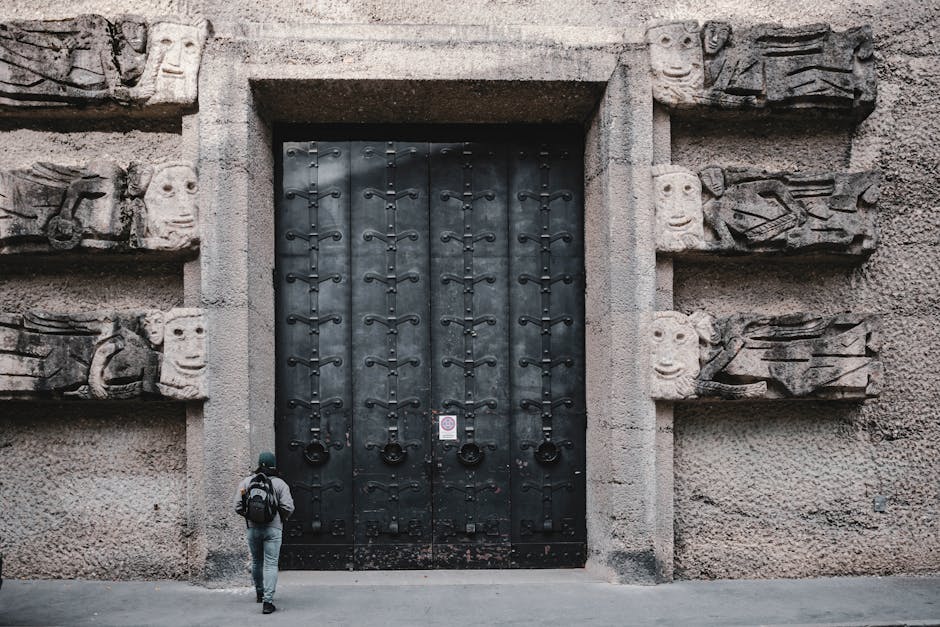
Discover Salzburg's oldest medieval alley, the birthplace of the 'Silent Night' author, and breathtaking views on this quiet self-guided walk.
 Moderate
Vienna, Austria
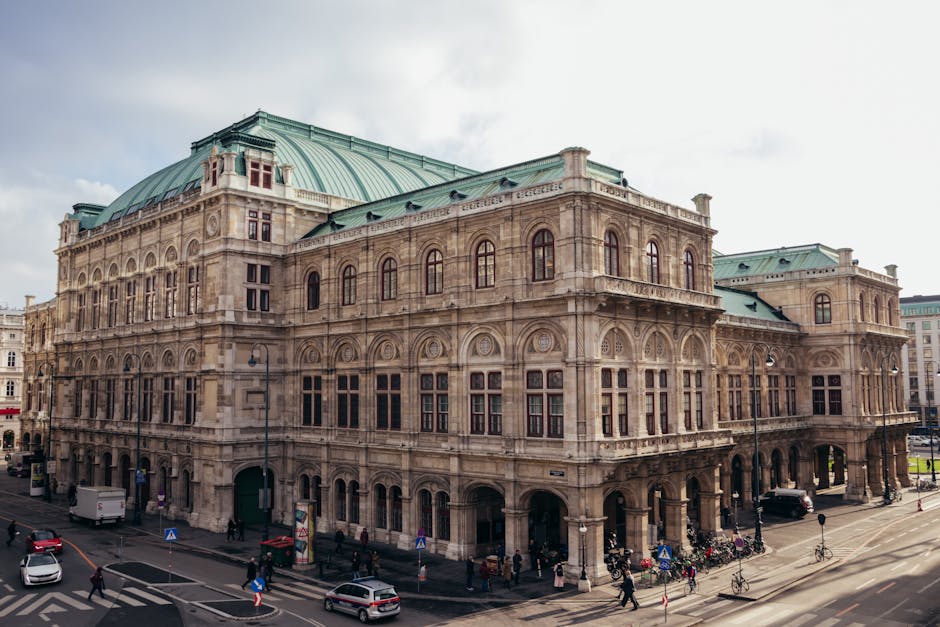
Discover the noir world of The Third Man and Cold War Vienna on this atmospheric self-guided audio walk through the historic Innere Stadt.
 Easy
EasyWarsaw, Poland
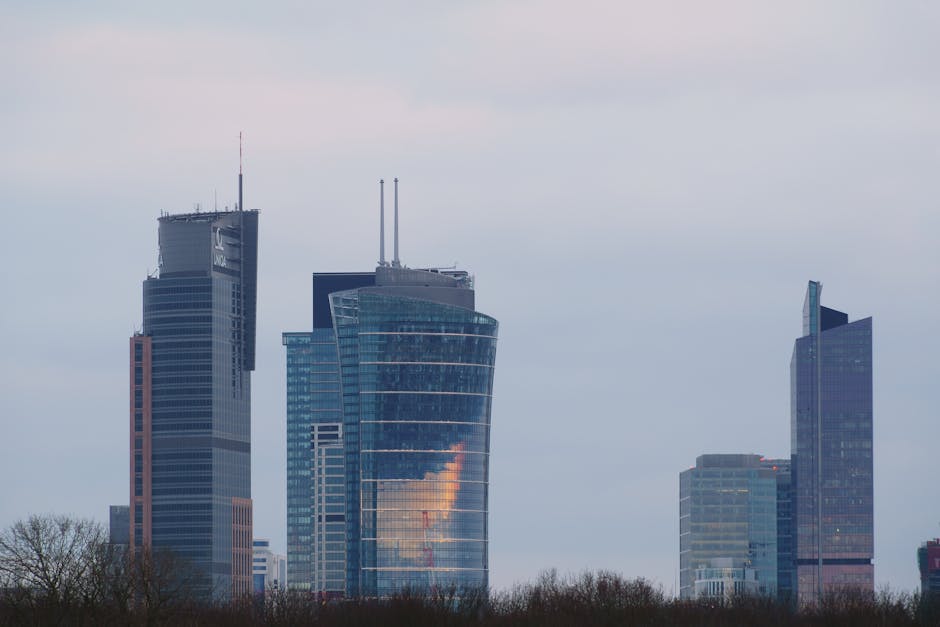
Discover the hidden courtyards and grand pre-war architecture of Warsaw's most atmospheric neighborhood on this self-guided stroll.
 Easy
EasyHelsinki, Finland
Discover Helsinki's oldest neighborhood on this self-guided audio walk through Kruununhaka’s historic streets, hidden courtyards, and scenic shores.
 Moderate
Split, Croatia
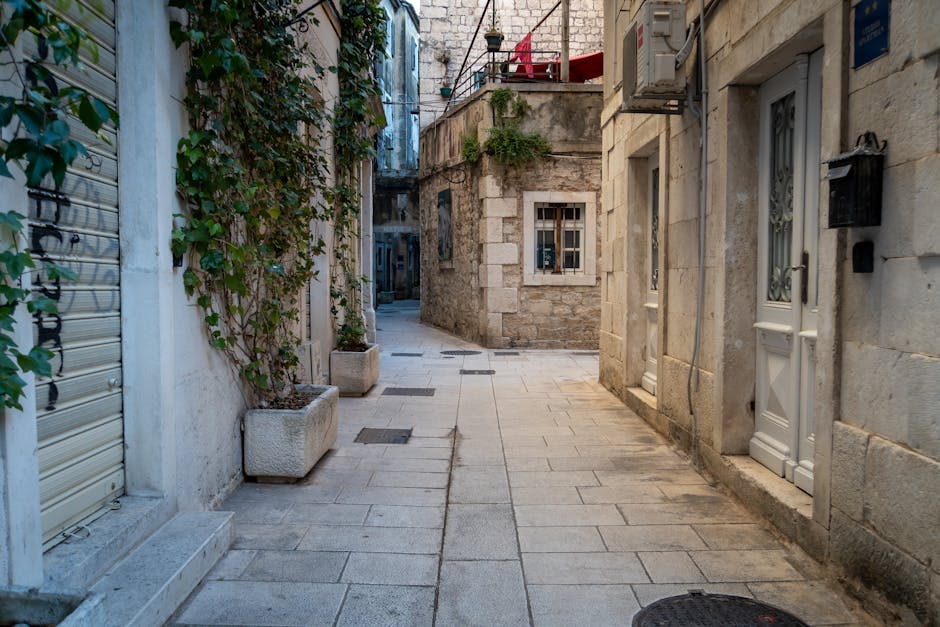
Wander through the narrow stone alleys and hidden medieval chapels of Split's historic fisherman's quarter on this scenic self-guided adventure.
 Easy
EasySplit, Croatia
Taste the heart of Dalmatia on this self-guided walk through Split's historic markets, legendary taverns, and vibrant street food spots.
 Easy
EasySplit, Croatia
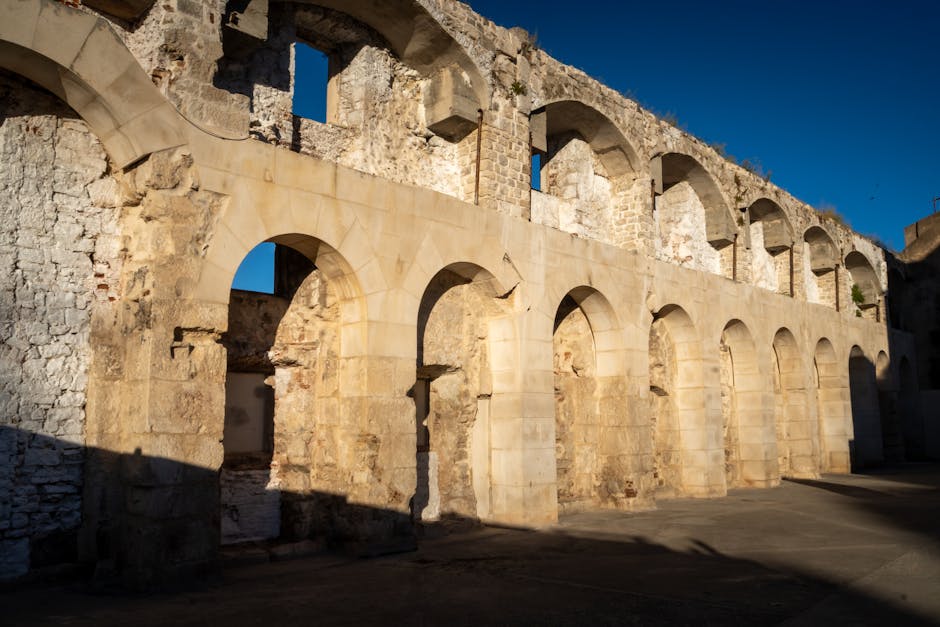
Explore a 1,700-year-old Roman palace turned vibrant city. Discover ancient temples and medieval streets at your own pace with this audio walk.
 Easy
EasySplit, Croatia
Explore Split's literary heritage on this self-guided walk through the Old Town, featuring iconic poets, playwrights, and historic theaters.