Self-guided audio tour in Split
Start Free on iPhone
Start free on iPhone to unlock this self-guided walking tour in Split. Hear all the stories that make it amazing, walk at your own pace, and begin whenever you want.
Your Private Tour Guide
Beyond the monumental stone walls of Diocletian's Palace lies a city built on more than just Roman limestone; it is a city built on words. This self-guided walking route invites you to uncover the literary soul of Split, a place where Renaissance humanism met modern satire under the Mediterranean sun. While many visitors focus solely on the ancient ruins, this neighborhood stroll shifts the spotlight to the poets, playwrights, and painters who captured the 'Splitski dišpet'—that unique local spirit of defiance and humor. As you follow this route, you will trace the evolution of the Croatian language from its earliest printed masterpieces to the beloved television scripts that defined the 20th century. The journey begins near the silver gates at the Emanuel Vidović Gallery, celebrating a man whose brushstrokes were as poetic as any verse. From there, you will move through the social heart of the city at Narodni Trg, where intellectuals once debated in smoke-filled cafes, before standing at the feet of Marko Marulić, the undisputed 'Father of Croatian Literature.' You will also encounter the modern legend Miljenko Smoje, whose sharp wit and love for the common man made him the voice of Split. The walk concludes at the majestic Croatian National Theatre, a symbol of national identity and artistic excellence. This walking tour Split offers a rare glimpse into the intellectual history of the Adriatic, perfect for those who want to understand the heart of the people who call these ancient streets home. Whether you are a fan of classic epic poetry or modern social commentary, this literary exploration provides a rich context to the Split experience, allowing you to discover the city at your own pace.
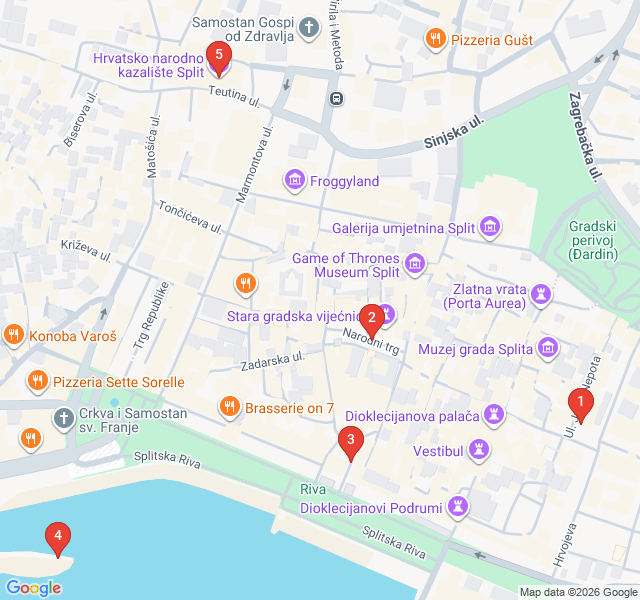
Numbers indicate the order of stops on the tour.
Welcome to the start of your literary and artistic journey. Emanuel Vidović was more than just a painter; he was the visual poet of Split. Though he worked with oils and canvas, his depictions of the city’s interiors and hazy landscapes captured a melancholy and 'stari Split' (old Split) atmosphere that deeply influenced local writers. This gallery, housed in a historic building near the Silver Gate, showcases how Vidović bridged the gap between the 19th and 20th centuries. His work serves as a silent prologue to the words you will encounter later on this route, setting the stage for a city that has always been obsessed with its own unique light and shadow.
Step into the Pjaca, the first inhabited part of Split outside the Palace walls and the city's long-standing living room. For centuries, this square has been the meeting point for the city’s literati. Look toward the old Town Hall and imagine the heated debates that took place in the surrounding cafes. This was the site of the first bookshop in the city, Morpurgo, founded in 1860, which became a vital hub for the Croatian national revival. Writers and thinkers gathered here to discuss independence and art, making the Pjaca the intellectual engine room of Split. It remains a perfect spot to observe the local 'pomalo' lifestyle—the art of taking it slow.
Standing tall in Fruit Square is the bronze figure of Marko Marulić, sculpted by the world-renowned Ivan Meštrović. Marulić is hailed as the 'Father of Croatian Literature' because he was the first to write a major epic, 'Judita', in the native Croatian tongue back in 1501. Before him, most serious works were written in Latin. By choosing the language of the people, he gave Croatia a literary identity that could withstand centuries of foreign rule. As you look at his contemplative face, consider that he was a true Renaissance man—a lawyer and a judge who became a European celebrity for his moral and theological writings, yet always remained a proud citizen of Split.
Moving toward the waterfront at Matejuška, you encounter a very different kind of literary hero. Miljenko Smoje was a journalist and screenwriter who captured the soul of the 20th-century city. He didn't write about ancient kings; he wrote about the fishermen, the laborers, and the stubborn residents of Split. His famous television series, 'Velo Misto', is considered the definitive chronicle of the city's modern history. This statue, showing Smoje sitting relaxed as if watching the boats, reflects his approachable, salt-of-the-earth legacy. He taught the people of Split to laugh at themselves, ensuring that the city's sharp, satirical wit would never be lost.
Our final stop is the yellow-hued Croatian National Theatre, an architectural jewel opened in 1893. At the time, it was one of the largest theaters in Southeast Europe. More than just a venue for opera and drama, this building was a political statement. It was built during a time of Austro-Hungarian influence to promote the Croatian language and culture. Today, it hosts the 'Splitsko ljeto' (Split Summer Festival), where the works of the poets and playwrights you’ve learned about today often come to life on stage. Its neo-Renaissance facade stands as a testament to the city’s enduring commitment to the performing and written arts.
Start Free on iPhone
Explore “Literary Split: Poets and Playwrights” with your very own Private Tour Guide with Zigway. Start free on iPhone, skip the large group and the fixed routes, and hear the city come alive as you go.
Your Private Tour Guide
Don't miss the good stuff
Explore Freely
 Moderate
Split, Croatia
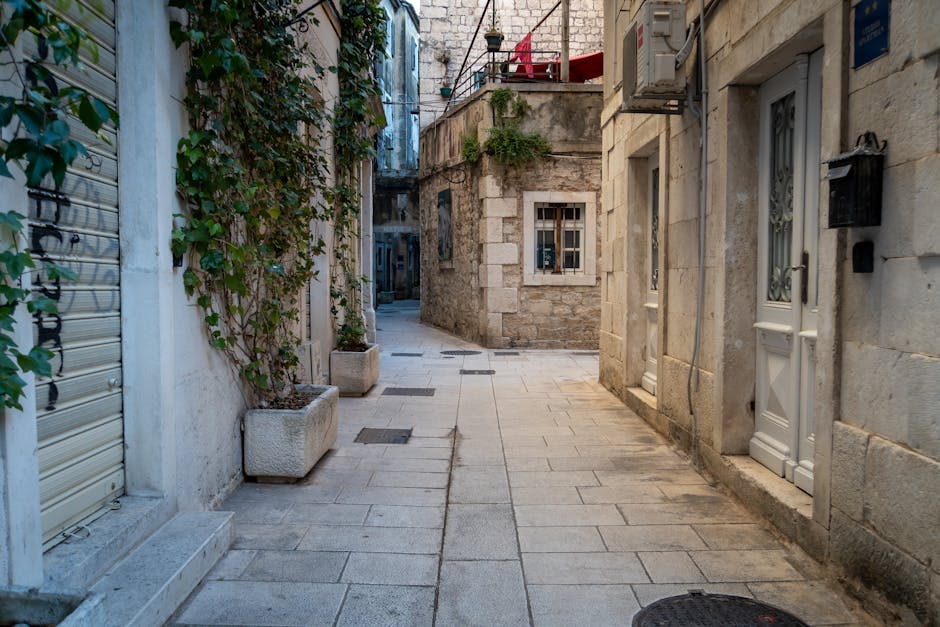
Wander through the narrow stone alleys and hidden medieval chapels of Split's historic fisherman's quarter on this scenic self-guided adventure.
 Easy
EasySplit, Croatia
Taste the heart of Dalmatia on this self-guided walk through Split's historic markets, legendary taverns, and vibrant street food spots.
 Easy
EasySplit, Croatia
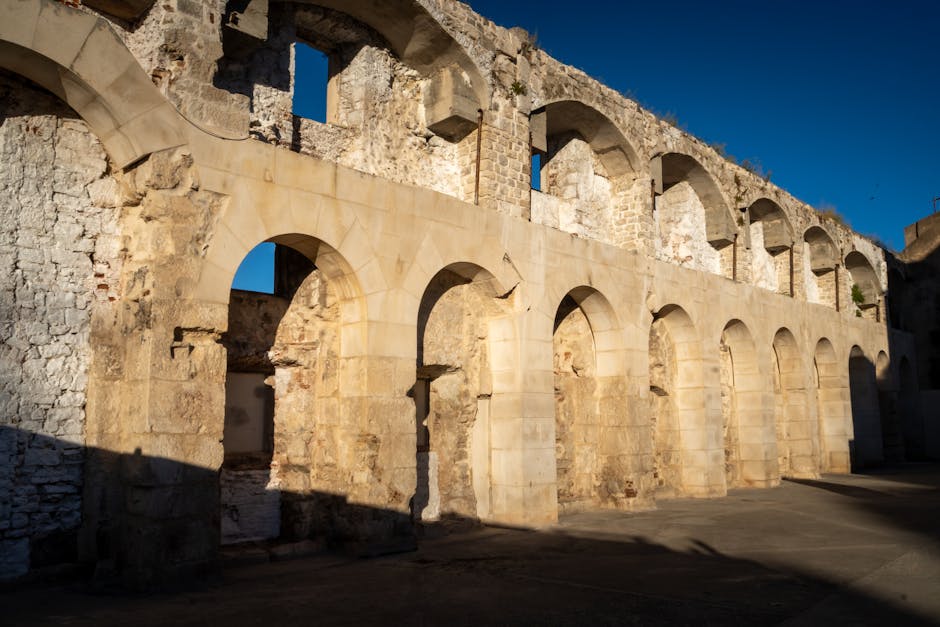
Explore a 1,700-year-old Roman palace turned vibrant city. Discover ancient temples and medieval streets at your own pace with this audio walk.
 Easy
EasySplit, Croatia
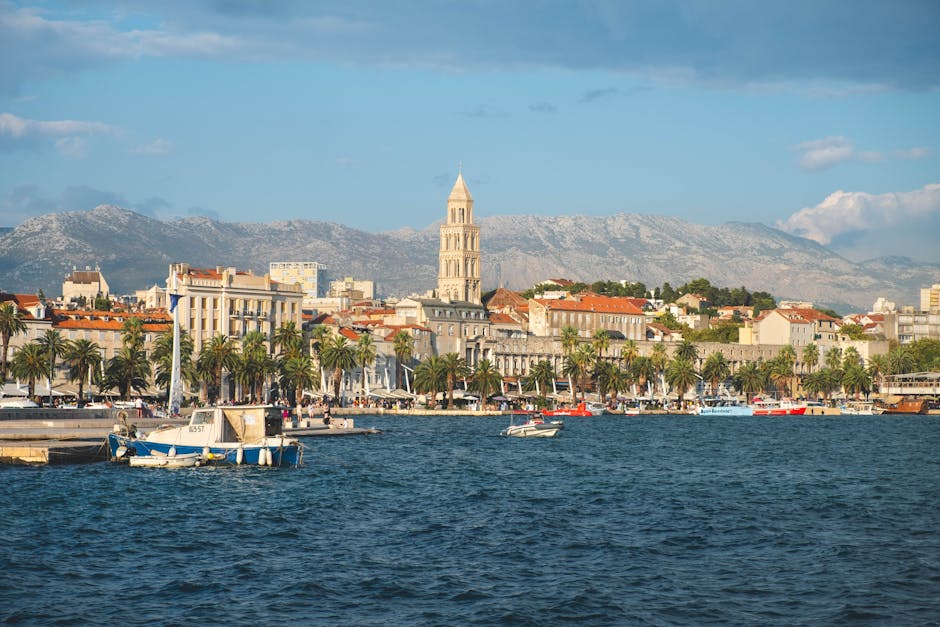
Discover the soul of Split on this coastal stroll from the bustling Riva to the sandy shores of Bačvice beach. Perfect for culture and photography.
 Easy
EasyNairobi, Kenya
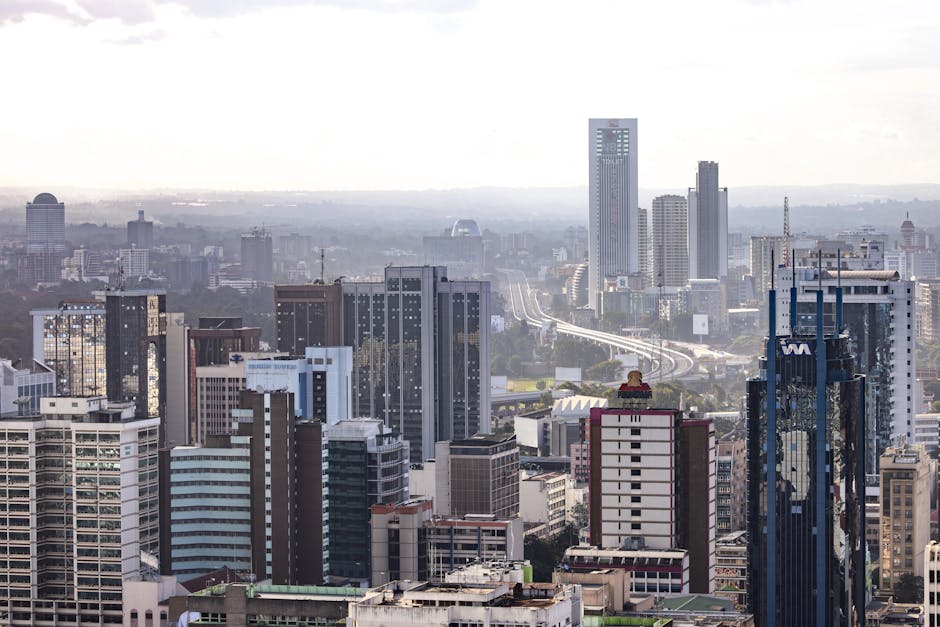
Explore Nairobi's architectural evolution from colonial-era landmarks to iconic Brutalist skyscrapers on this historic self-guided walking route.
 Easy
EasyNairobi, Kenya
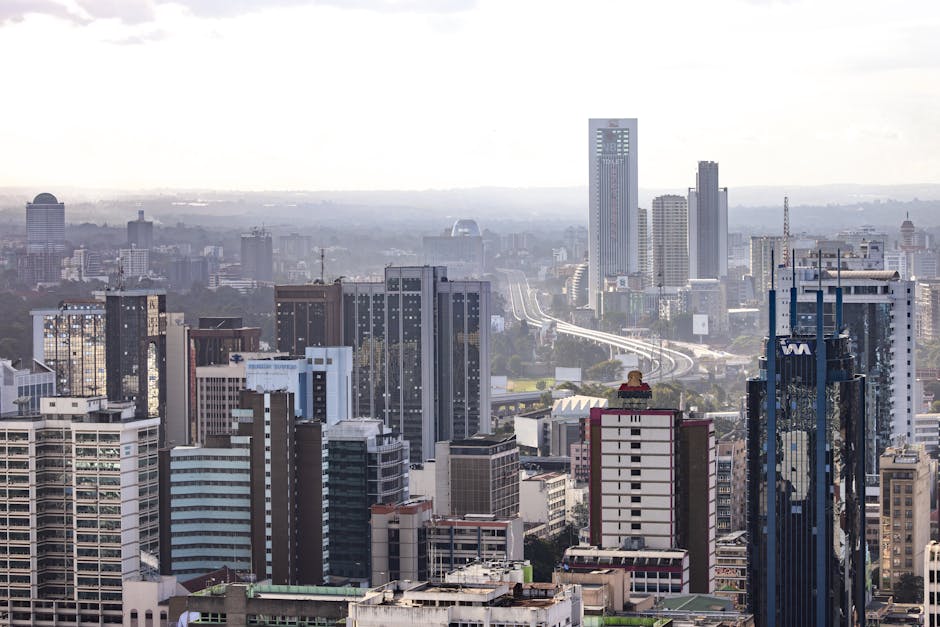
Discover Nairobi's iconic skyline on this self-guided architecture walk through the CBD’s most famous modernist and Brutalist landmarks.
 Easy
EasyKrakow, Poland
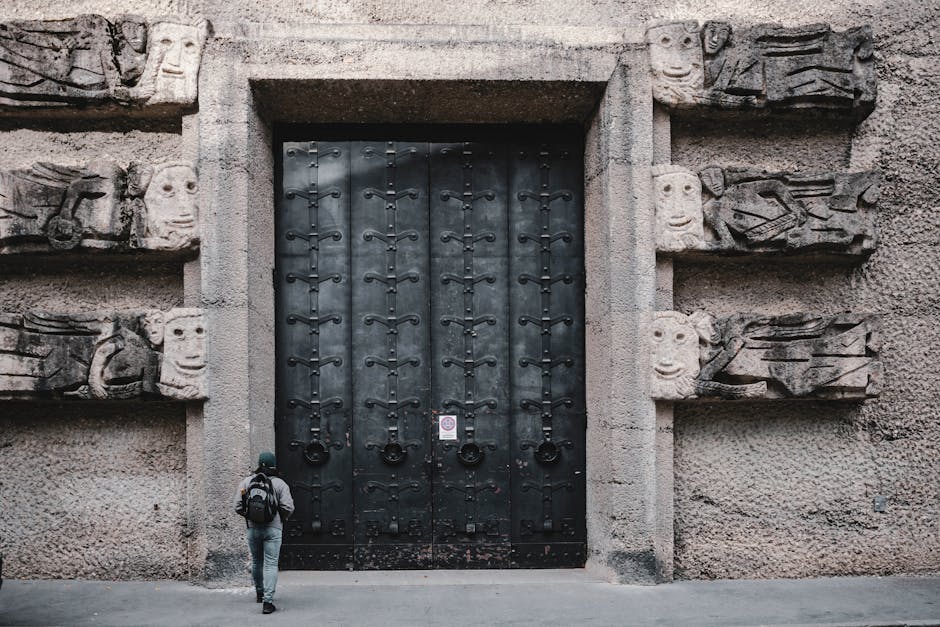
Explore the prestigious Jagiellonian University district, featuring Neo-Gothic architecture, Baroque churches, and Krakow's hidden scholarly gems.
 Easy
EasySalzburg, Austria
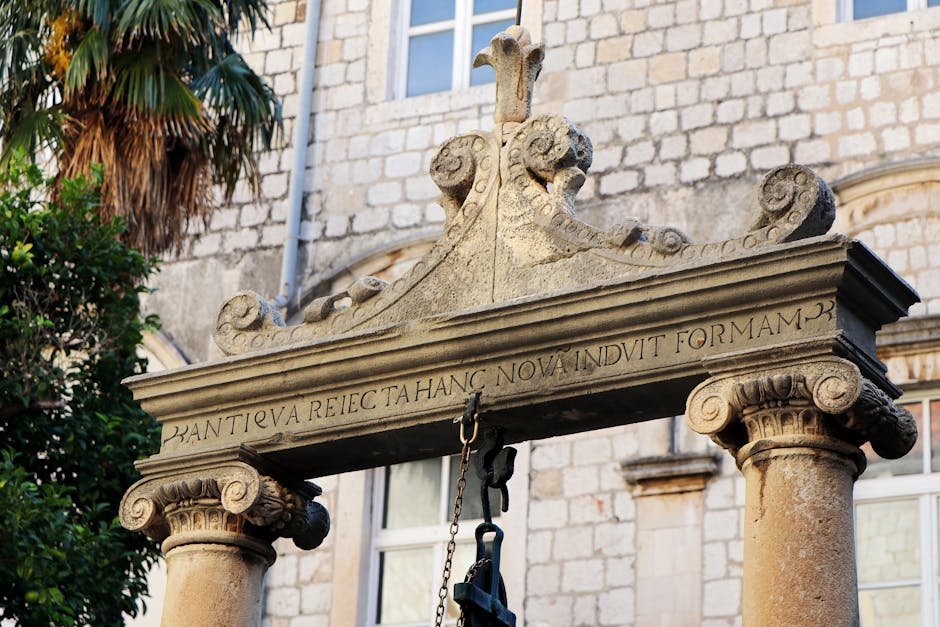
Discover the 'Rome of the North' on this self-guided walk through the Baroque squares and monumental legacy of Salzburg’s Prince-Archbishops.
 Easy
EasyDubrovnik, Croatia
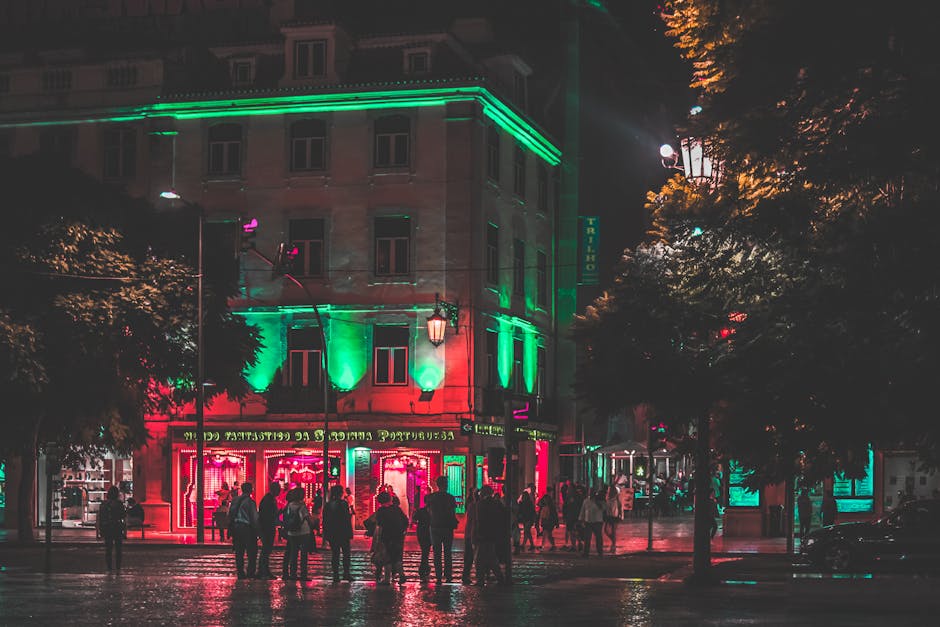
Explore Dubrovnik’s legendary maritime history on this self-guided walk through the Old Port, ancient shipyards, and the historic quarantine station.
 Easy
EasyDubrovnik, Croatia
Discover Dubrovnik's nocturnal charm on this self-guided walk through lantern-lit alleys, jazz spots, and hidden cliffside bars.
 Moderate
Dubrovnik, Croatia
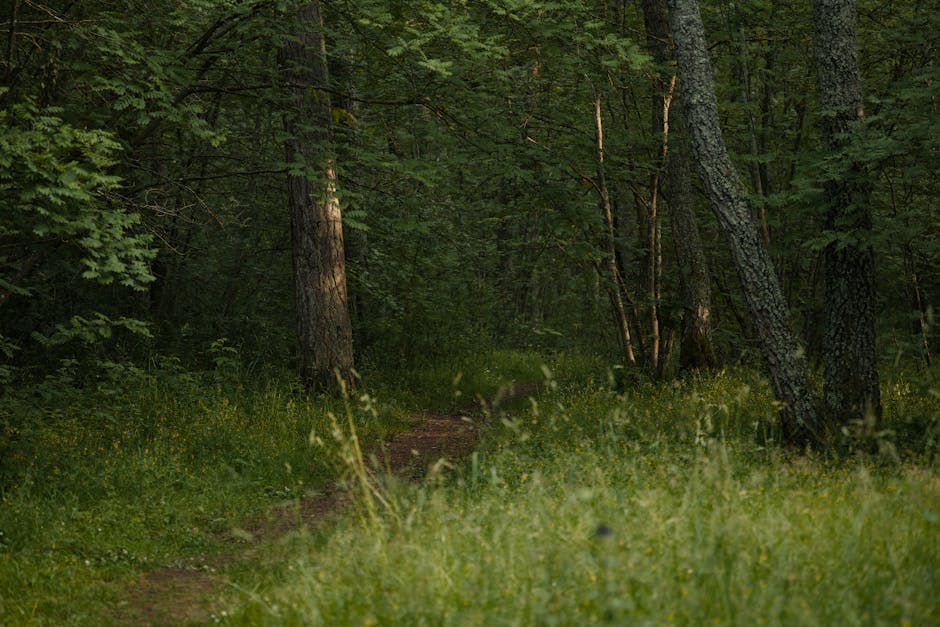
Escape the crowds and discover Dubrovnik's wild side on this scenic self-guided coastal walk through Lapad's pine forests and hidden bays.
 Easy
EasyDubrovnik, Croatia
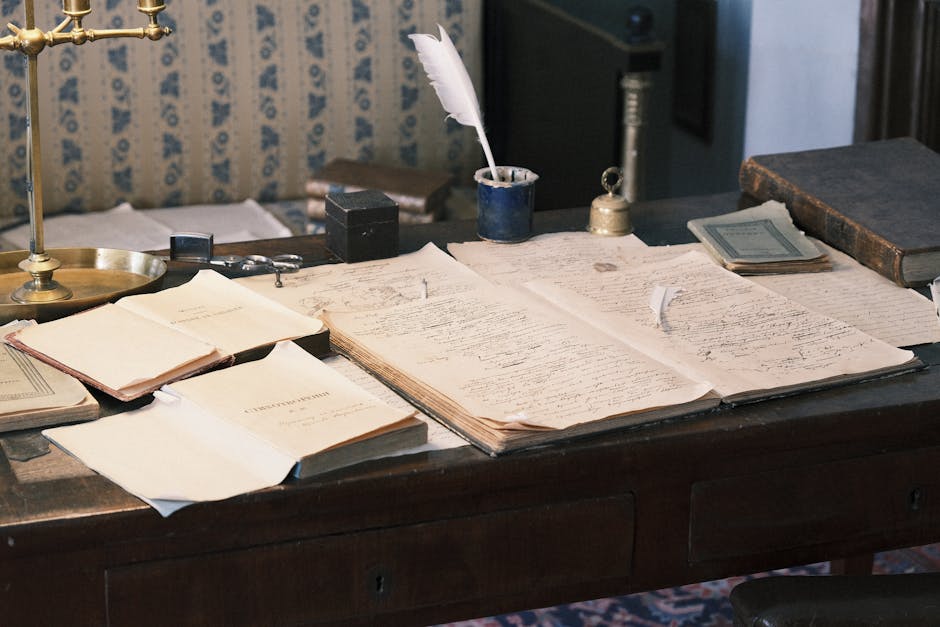
Discover Dubrovnik's intellectual soul on this self-guided walk through ancient libraries, historic pharmacies, and serene monastic cloisters.