Self-guided audio tour in Split
Start Free on iPhone
Start free on iPhone to unlock this self-guided walking tour in Split. Hear all the stories that make it amazing, walk at your own pace, and begin whenever you want.
Your Private Tour Guide
Split is a city where history isn't just kept in museums; it is lived on the plate and in the bustling market aisles. This self-guided walking route invites you to step away from the typical tourist paths and dive into the aromatic heart of Dalmatia. From the Roman shadows of Diocletian's Palace to the vibrant stalls of the Pazar, you will discover how a city built for an Emperor became a haven for food lovers. This walking route is designed for those who want to experience the authentic pulse of Split, where the scent of fresh sea bass mingles with the earthy aroma of truffles and sun-ripened figs. Your journey begins in the historic Fruit Square, a place that once served as the primary hub for local orchards. As you move through the winding stone alleys, you will encounter a mix of old-world charm and modern culinary innovation. You'll explore the famous Peškarija, or fish market, a unique architectural gem where the absence of flies (thanks to nearby sulfur springs) makes it a pleasant sensory experience unlike any other in the Mediterranean. Along the way, this neighborhood stroll introduces you to the concept of 'marenda'—the traditional Dalmatian mid-morning meal that is essential to local life. This Split food adventure isn't just about high-end dining; it's about the balance between tradition and the modern day. You'll see legendary spots like Kantun Paulina, where locals have queued for decades, and Fife, a tavern that remains a bastion of rustic, affordable cooking. As the route extends beyond the palace walls, you get a glimpse into the modern life of residents, seeing where the city shops today. Whether you are a fan of slow-cooked 'pašticada' or looking for the best specialty coffee in the city, this walking route provides the ultimate context for Split’s evolving food scene. It is a perfect walking tour Split offers for those who prefer to explore independently and soak in the atmosphere at their own pace. **Note:** This area is known for its ever-changing character. Street art, pop-up venues, and temporary exhibitions may differ from what's described. That's part of the adventure - you might discover something entirely new!
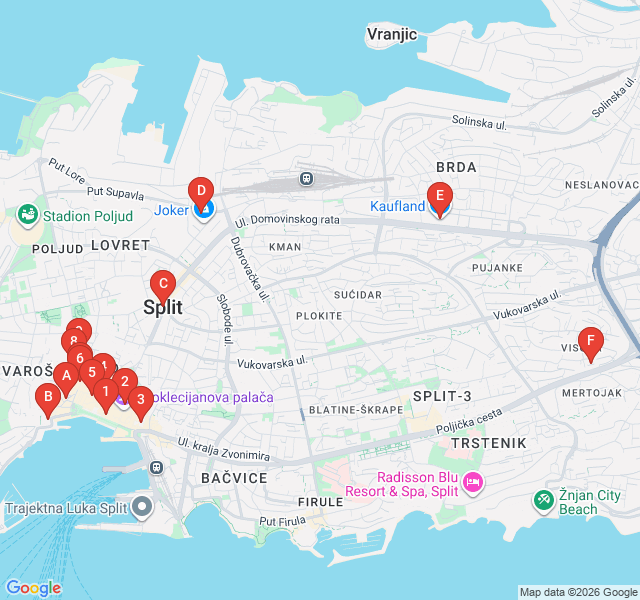
Numbers indicate the order of stops on the tour.
Start your journey at Fruit Square, officially known as Trg Braće Radić. For centuries, this was the central hub where women from the surrounding villages brought their fresh produce to sell. Today, the fruit stalls are mostly gone, replaced by elegant cafes and boutiques, but the spirit of commerce remains. Look up at the octagonal Venetian tower, a remnant of the city's 15th-century fortifications, and the statue of Marko Marulić, the father of Croatian literature. This square is the perfect introduction to how Split blends its medieval architecture with the daily rhythms of Mediterranean life.
Tucked away in the narrow streets of the palace, Fig Split represents the new wave of Dalmatian dining. While traditional cuisine is king here, this spot has gained a reputation for using local ingredients like figs and honey in creative, globally-inspired ways. It’s a favorite for those looking for a fresh breakfast or a light lunch. The focus here is on seasonal produce, reflecting the same farm-to-table philosophy that has guided Split's home cooks for generations, but with a modern, cosmopolitan twist that appeals to the city's growing international community.
Welcome to the Pazar, the lungs of Split. This sprawling outdoor market is where the real city lives. As you wander between the stone tables, you'll find everything from 'soparnik' (a traditional chard-filled pastry) to local honey, dried figs, and Rakija. Listen to the 'grintanje'—the local art of complaining and bargaining. This is the best place to pick up authentic Pag cheese or cured meats like pršut. The colors and smells here change with the seasons, offering a visceral connection to the Dalmatian hinterland and the islands.
Named after the famous Boqueria market in Barcelona, this restaurant is a testament to Split's culinary ambition. Bokeria transformed an old hardware store into a high-ceilinged, stylish eatery that celebrates the bounty of the nearby markets. While the interior is stunning, the focus remains on the plate. It’s a great example of how Split’s food scene has matured, moving from simple taverns to sophisticated dining experiences that still respect the core ingredients of the Adriatic: olive oil, fresh herbs, and the daily catch.
The Peškarija is an institution. Built over 120 years ago in the Secession style, it is one of the few fish markets in the world where you won't find flies. Why? The market was built next to sulfur springs, and the faint scent of sulfur keeps the insects away. Inside, you’ll see the daily harvest from the Adriatic: sparkling sardines, massive tuna, and curious-looking shellfish. For the people of Split, a visit here is a daily ritual. If the catch is good, the whole city knows about it by noon.
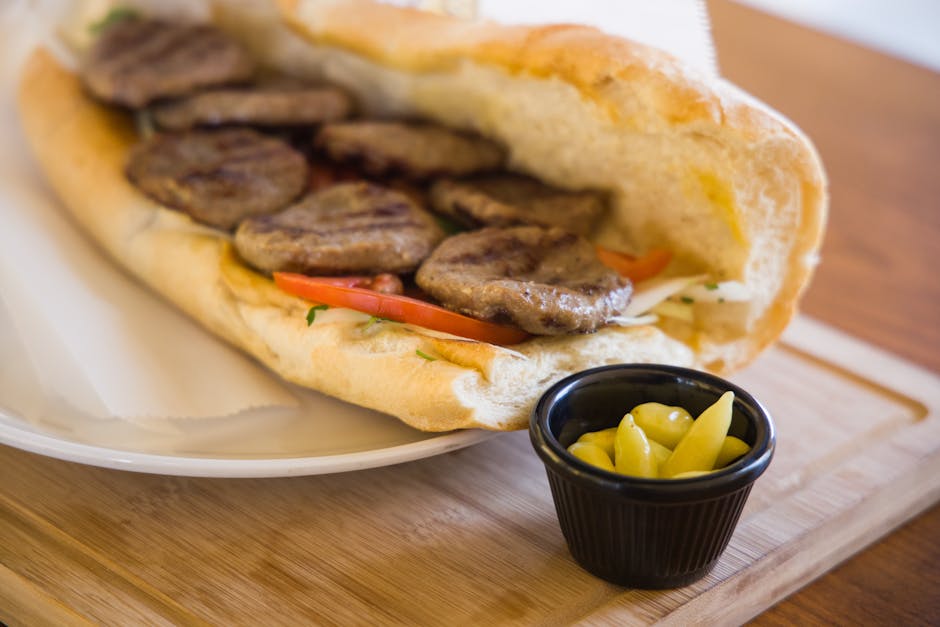
If you want to eat like a local on the go, Kantun Paulina is the place. For decades, this tiny shop has been serving what many consider the best ćevapi in Split. These small, grilled minced meat sausages are served in a flatbread called 'lepinja' with onions and 'ajvar' (a red pepper relish). It’s simple, unpretentious, and deeply loved. Despite the influx of new restaurants, the queue at Paulina remains a constant, proving that in the world of Split food, tradition and consistency are the ultimate winners.
Just a few steps away, Focaccina offers a different take on the quick bite. While ćevapi represent the Balkan influence on Split, Focaccina leans into the city's Italian connections. Using high-quality local flour and Mediterranean toppings, this spot is perfect for a light, savory snack as you explore the outskirts of the Old Town. It highlights the 'marenda' culture—the importance of a mid-morning break to refuel and socialize, a practice that is non-negotiable for most Dalmatians.
Hidden behind a modest entrance is one of Split's most beautiful courtyards. Ćiri Biri Bela is a concept store and cafe that feels like a secret garden. It’s a wonderful place to see how historic spaces are being repurposed for contemporary leisure. Whether you stop for a craft tea or a brunch dish, the atmosphere here captures the 'pomalo' lifestyle—the Dalmatian philosophy of taking things slowly and enjoying the moment. It’s a quiet respite from the busy market streets you just navigated.
Coffee in Split is more than a caffeine fix; it’s a social pillar. However, the specialty coffee movement is relatively new here. Stow Coffee Roasters is at the forefront of this shift, bringing expert roasting and brewing techniques to the city. While most locals still prefer their traditional 'kava' in a bustling square, Stow attracts those looking for single-origin beans and precision. It’s a sign of Split’s evolving palate and its connection to global culinary trends, all while maintaining that essential local commitment to long, slow coffee breaks.
Buffet Hvaranin is a legendary 'konoba' style eatery that has long been a haunt for writers, artists, and foodies in the know. It is famous for its 'pašticada', a slow-cooked beef stew that is the hallmark of Dalmatian festive cooking. The decor is simple, the service is direct, and the food is deeply traditional. Eating here feels like being invited into a local’s dining room. It represents the soul of the Varoš neighborhood, which was historically home to the city’s fishermen and laborers.
Fife is perhaps the most famous tavern in Split, known for its boisterous atmosphere and massive portions of rustic food. While it has become very popular with travelers, it remains a touchstone for the 'marenda' tradition. You might find yourself sharing a long wooden table with strangers, passing around plates of fried calamari or black risotto. It’s loud, it’s chaotic, and it’s quintessentially Split. Fife reminds us that food here is a communal experience meant to be shared with gusto and a glass of local wine.
As you head back toward the palace, you pass through the Silver Gate (Porta Argentea). This was the eastern entrance to Emperor Diocletian's residence. Historically, this gate was closed for centuries and only reopened in the mid-20th century. Today, it serves as the primary bridge between the ancient palace and the modern Pazar market. Standing here, you can see the layer-upon-layer history of Split, where Roman stone meets the daily bustle of the 21st-century food trade.
Located near the busy ferry port and train station, this McDonald’s serves as a marker of the modern, globalized side of Split. While it may seem out of place on a foodie walk, it represents the reality of a major port city. Thousands of travelers pass through here daily, making it one of the busiest spots in the city. It stands in stark contrast to the slow-cooked traditions of the konobas you just visited, highlighting the tension between global fast food and the local 'slow food' heritage that Split works hard to preserve.
To see where the modern residents of Split do their weekly shopping, one must head slightly out of the historic core to Kaufland. This large supermarket represents the shift in local habits, where the convenience of a one-stop shop often competes with the traditional daily visits to the Pazar. For a foodie, a walk through a local supermarket can be fascinating—look for the massive aisles dedicated to olive oils, the local cured meats section, and the variety of Croatian wines that are staples in every household.
Our final stop, McDonald’s Poljička, is located in the newer part of Split, away from the ancient stone walls. This area is characterized by socialist-era architecture and modern commercial developments. It’s where many of the city’s residents actually live and work. Ending here provides a complete picture of Split: a city that is fiercely proud of its 1,700-year-old culinary heritage but is also a modern, functioning European city that embraces contemporary convenience and international brands.
Start Free on iPhone
Explore “Pazar and Peškarija: A Split Foodie Adventure” with your very own Private Tour Guide with Zigway. Start free on iPhone, skip the large group and the fixed routes, and hear the city come alive as you go.
Your Private Tour Guide
Don't miss the good stuff
Explore Freely
 Moderate
Split, Croatia
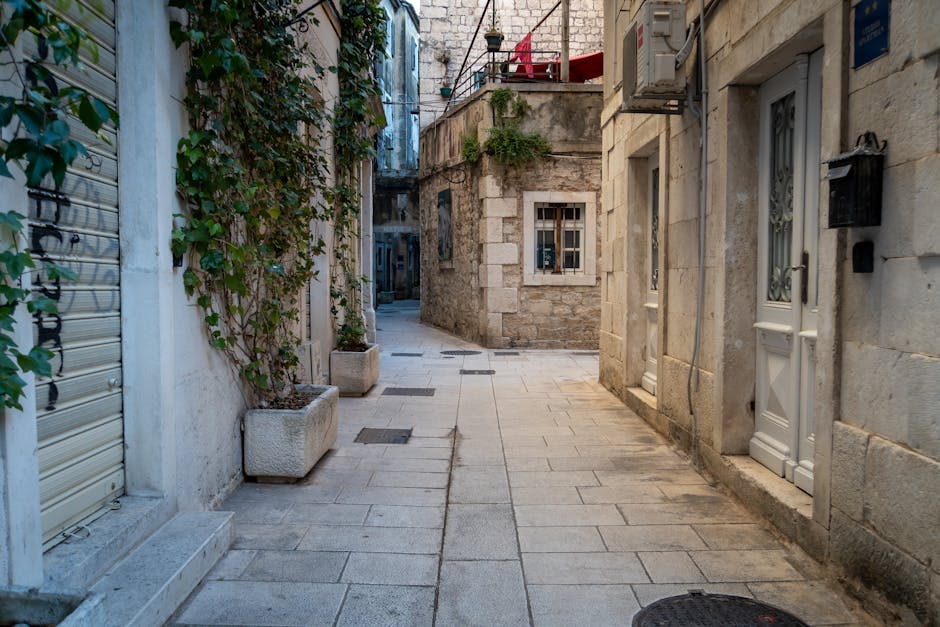
Wander through the narrow stone alleys and hidden medieval chapels of Split's historic fisherman's quarter on this scenic self-guided adventure.
 Easy
EasySplit, Croatia
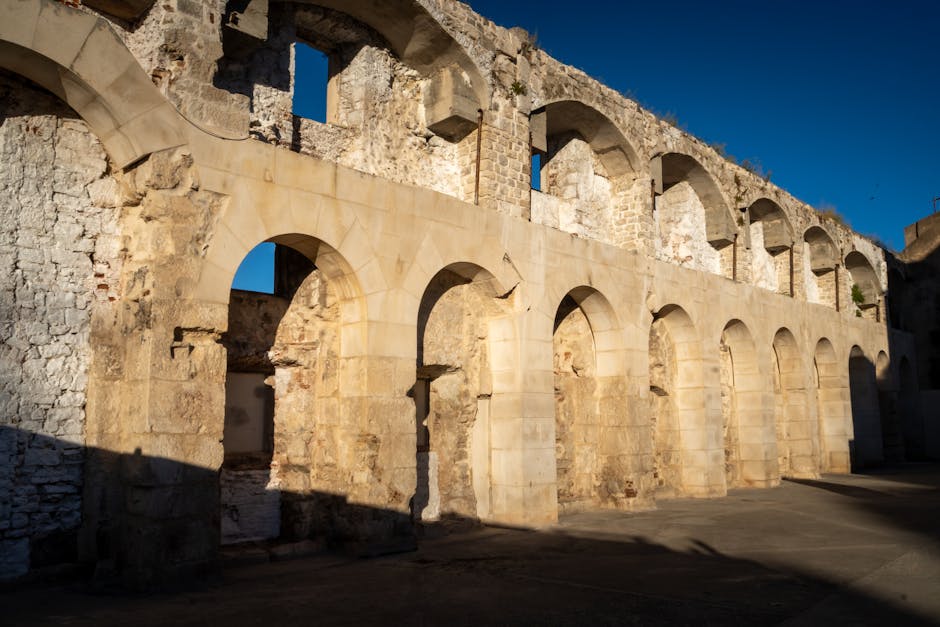
Explore a 1,700-year-old Roman palace turned vibrant city. Discover ancient temples and medieval streets at your own pace with this audio walk.
 Easy
EasySplit, Croatia
Explore Split's literary heritage on this self-guided walk through the Old Town, featuring iconic poets, playwrights, and historic theaters.
 Easy
EasySplit, Croatia
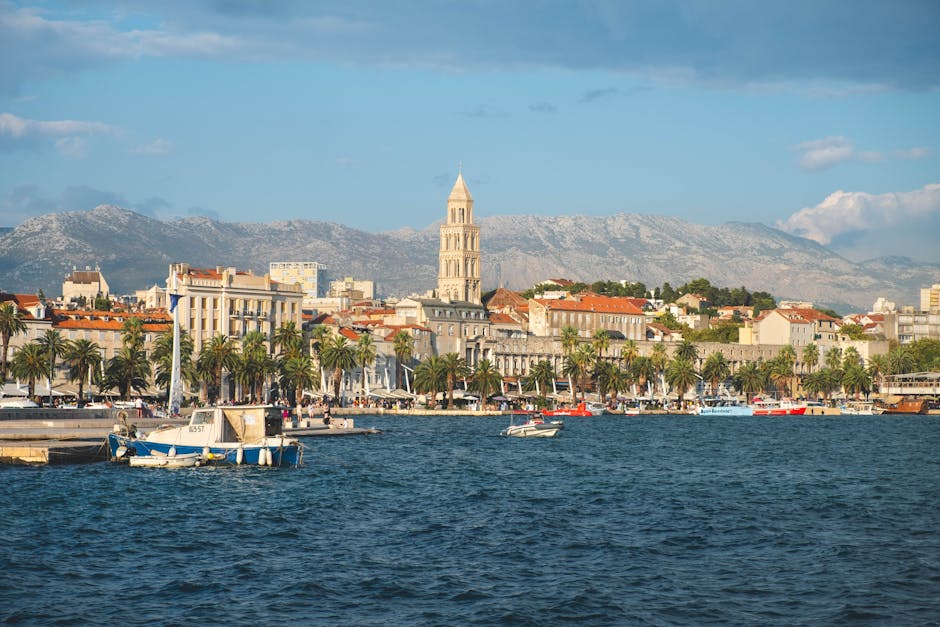
Discover the soul of Split on this coastal stroll from the bustling Riva to the sandy shores of Bačvice beach. Perfect for culture and photography.
 Easy
EasyInnsbruck, Austria
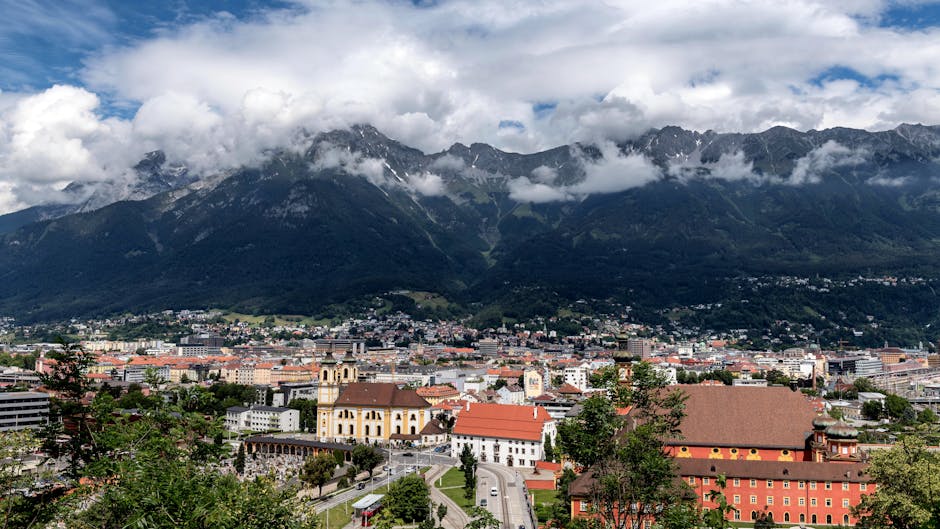
Discover the flavors of Tyrol on this self-guided stroll through Innsbruck’s historic Old Town and vibrant market hall.
 Easy
EasyGothenburg, Sweden
Discover Gothenburg’s maritime flavors on this self-guided walk through historic market halls and iconic seafood landmarks.
 Easy
EasyGdansk, Poland
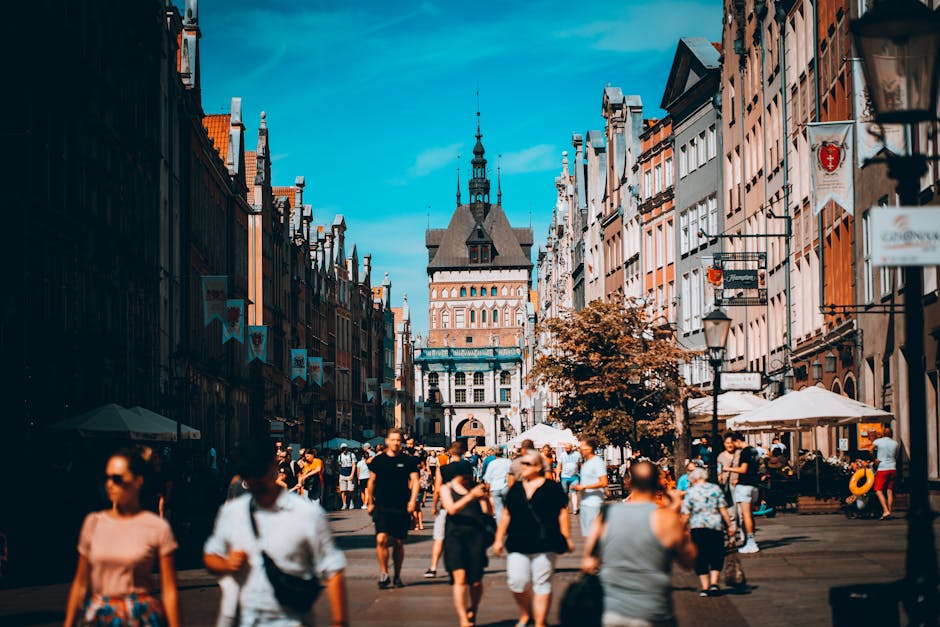
Taste the history of the Baltic. Explore Gdansk's culinary heritage from medieval markets to gold-flecked liqueurs on this self-guided walk.
 Easy
EasyVienna, Austria
Explore Vienna’s vibrant open-air gallery along the Danube Canal on this self-guided street art and nightlife stroll through Leopoldstadt.
 Easy
EasyDubrovnik, Croatia
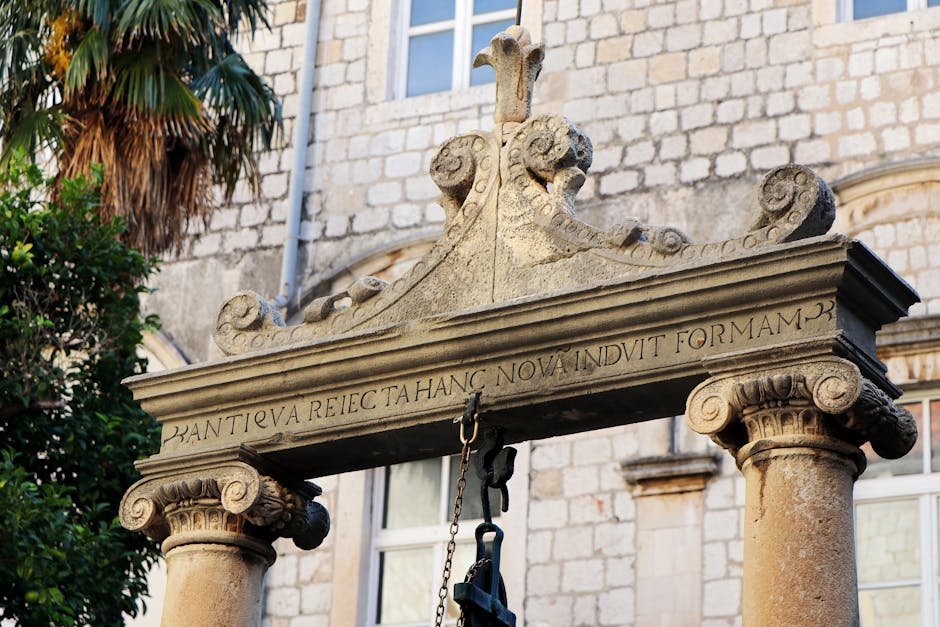
Explore Dubrovnik’s legendary maritime history on this self-guided walk through the Old Port, ancient shipyards, and the historic quarantine station.
 Easy
EasyDubrovnik, Croatia
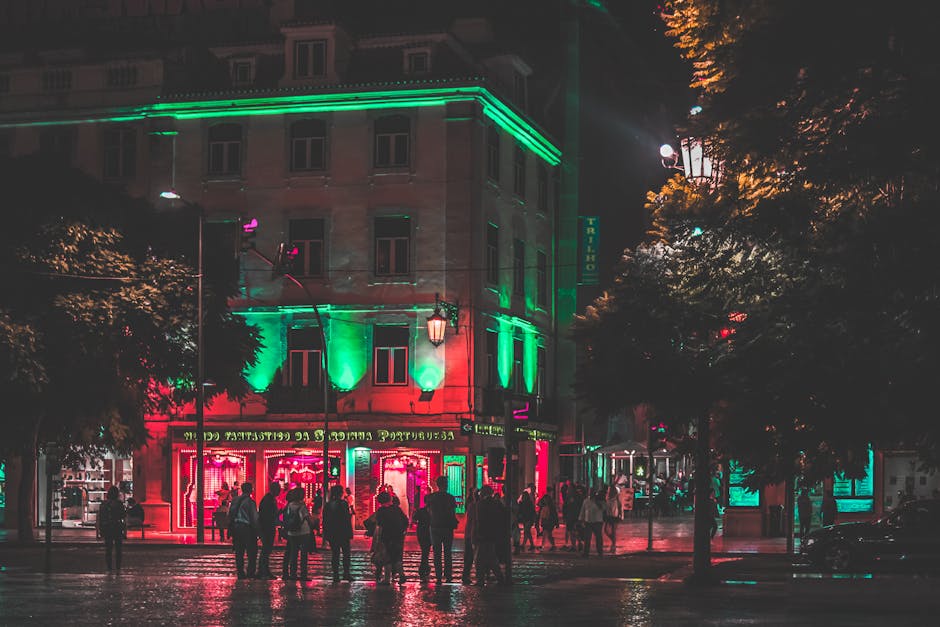
Discover Dubrovnik's nocturnal charm on this self-guided walk through lantern-lit alleys, jazz spots, and hidden cliffside bars.
 Moderate
Dubrovnik, Croatia
Escape the crowds and discover Dubrovnik's wild side on this scenic self-guided coastal walk through Lapad's pine forests and hidden bays.
 Easy
EasyDubrovnik, Croatia
Discover Dubrovnik's intellectual soul on this self-guided walk through ancient libraries, historic pharmacies, and serene monastic cloisters.