Self-guided audio tour in Split
Start Free on iPhone
Start free on iPhone to unlock this self-guided walking tour in Split. Hear all the stories that make it amazing, walk at your own pace, and begin whenever you want.
Your Private Tour Guide
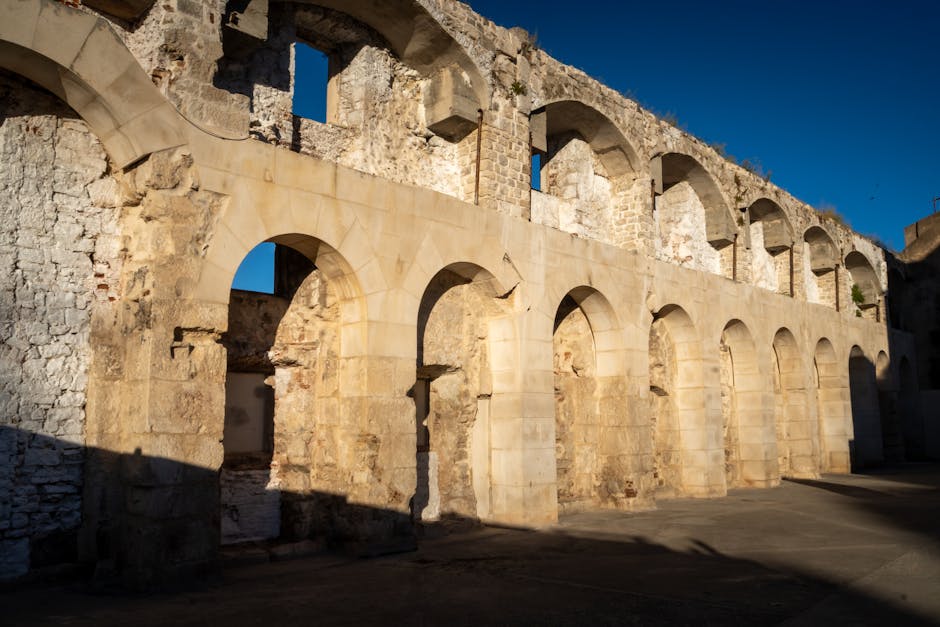
Step into the only Roman palace in the world that never ceased to be inhabited. This self-guided walk through Split’s historic core invites you to explore an architectural marvel that has evolved over 1,700 years. Originally built as a retirement residence for the Roman Emperor Diocletian, the palace didn't fall into ruin like its contemporaries; instead, it transformed into a vibrant medieval city where shops, cafes, and homes are nestled within ancient stone walls. This walking route allows you to discover the layers of history at your own pace, moving from the grandeur of the Roman Empire to the intricate details of the Venetian and Renaissance periods. Your journey begins at the Peristyle, the ceremonial heart of the palace, where the Emperor once stood before his subjects. From there, you will encounter the Cathedral of Saint Domnius, which holds the title of the oldest cathedral building in the world—a fascinating irony considering it was originally the pagan mausoleum of the very emperor who persecuted Christians. As you wander through the labyrinthine streets, you'll see how medieval architects built houses directly into Roman arches and how the Temple of Jupiter was repurposed for a new era. Beyond the architectural splendor, this neighborhood stroll captures the unique 'pomalo' (slow-paced) lifestyle of Split. You will witness the massive defensive gates—the Iron and Golden Gates—which once protected the imperial residence and later the medieval commune. The route concludes at the towering statue of Gregory of Nin, a symbol of Croatian identity. This walking tour Split offers is a deep dive into a UNESCO World Heritage site where history isn't behind glass, but under your feet. Whether you are an architecture enthusiast or a first-time visitor, this audio walk provides the historical context needed to appreciate why Split is one of the most unique urban spaces in the Mediterranean.
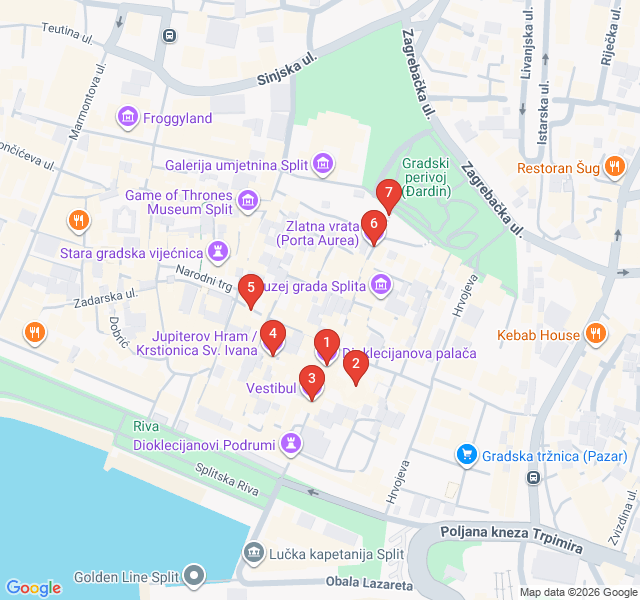
Numbers indicate the order of stops on the tour.
Welcome to the Peristyle, the ceremonial heart of Diocletian's Palace. Imagine standing here in the year 305 AD, surrounded by the elite of the Roman Empire. This rectangular court was designed to impress; it was here that Emperor Diocletian would appear to his subjects, framed by the majestic arches. Notice the granite columns brought all the way from Egypt—a display of immense wealth and power. To your left, a black granite sphinx, over 3,000 years old, still keeps watch. This square has survived nearly two millennia, transitioning from a Roman court to a medieval marketplace, and today, it serves as the city's most iconic outdoor living room.
Before you is the Cathedral of Saint Domnius, an architectural paradox. It was built at the turn of the 4th century as the mausoleum for Emperor Diocletian. Ironically, Diocletian was one of the most notorious persecutors of Christians. By the 7th century, the locals had converted his final resting place into a cathedral, dedicated to one of the very martyrs he had executed. The octagonal exterior remains largely Roman, while the Romanesque bell tower was added centuries later. It is widely considered the oldest cathedral building in the world still in use in its original structure, symbolizing the ultimate triumph of the faith Diocletian tried to extinguish.
Look up as you enter this grand circular space. The Vestibule was the formal entrance to the Emperor's private apartments. Originally, it was topped with a magnificent dome covered in mosaics and marble, but today it is open to the sky, creating a dramatic chimney-like effect. The acoustics here are world-renowned; you might often find 'Klapa' groups—traditional Dalmatian a cappella singers—performing here. This space served as a buffer between the public life of the Peristyle and the private, secluded world of the Emperor, showcasing the Roman mastery of monumental interior spaces.
Tucked away in a narrow alley is the Temple of Jupiter, dedicated to the king of the Roman gods. It is remarkably well-preserved, featuring a beautifully coffered ceiling with stone faces that have gazed down for 1,700 years. Like much of the palace, the temple was repurposed; in the medieval period, it became a Christian baptistery. Outside the entrance, you'll spot another Egyptian sphinx, this one made of black basalt and missing its head. The transition from a pagan temple to a Christian site is perfectly captured here, with a modern bronze statue of Saint John the Baptist standing where a Roman deity once stood.
The Iron Gate (Porta Ferrea) was the western entrance to the palace and the only one that has been in continuous use since Roman times. As you walk through, look up to see the 11th-century Church of Our Lady of the Bell Tower, built right into the guard's passageway above the gate. This gate tells the story of Split's growth; as the city expanded beyond the palace walls in the Middle Ages, this became the link between the Roman core and the new medieval squares. Notice the 24-hour clock on the adjacent tower, which has marked the time for Split's citizens since the 15th century.
The Golden Gate (Porta Aurea) was the most prestigious entrance to the palace. Facing north toward the ancient city of Salona, it was designed for the Emperor's exclusive use. The facade was once adorned with statues of the four Tetrarchs—the rulers of the Roman Empire. Unlike the other gates, this one was highly decorative, serving as a triumphal arch. It was also a key part of the palace's defense; the double-gate system created an enclosure where attackers could be trapped and dealt with from the galleries above. Today, it remains the most impressive gateway into the old city.
Standing just outside the Golden Gate is the monumental statue of Gregory of Nin (Grgur Ninski), created by Croatia's most famous sculptor, Ivan Meštrović. Gregory was a 10th-century bishop who fought for the right to use the Old Slavonic language in religious services, rather than Latin, making him a hero of national identity. His giant bronze presence is impossible to miss. You’ll notice his big toe is polished to a bright gold shine. Local legend says that rubbing his toe brings good luck and ensures your return to Split. It's the perfect place to conclude your exploration of the palace's long and layered history.
Start Free on iPhone
Explore “Diocletian's Living Palace: A Roman Evolution” with your very own Private Tour Guide with Zigway. Start free on iPhone, skip the large group and the fixed routes, and hear the city come alive as you go.
Your Private Tour Guide
Don't miss the good stuff
Explore Freely
 Moderate
Split, Croatia
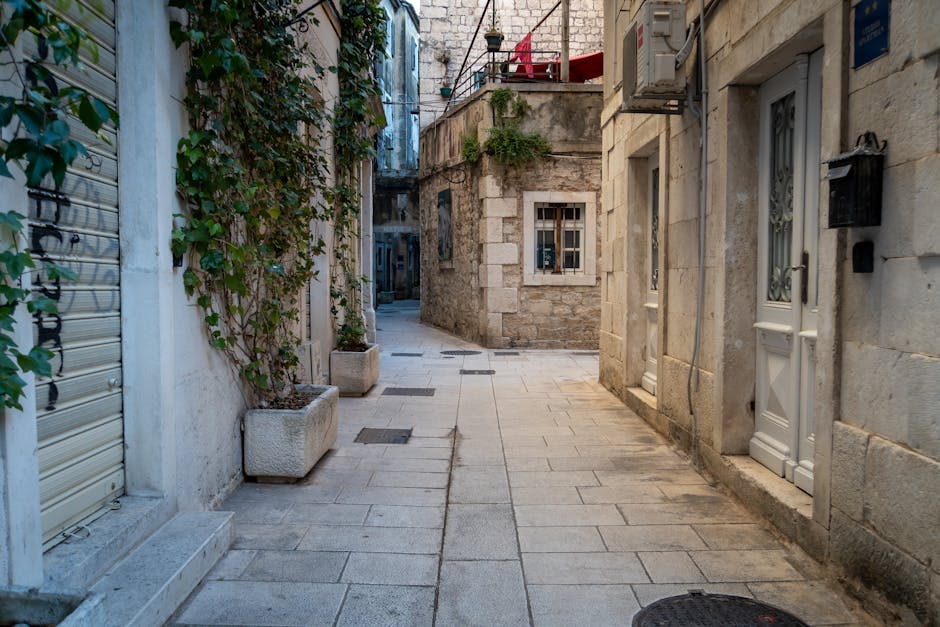
Wander through the narrow stone alleys and hidden medieval chapels of Split's historic fisherman's quarter on this scenic self-guided adventure.
 Easy
EasySplit, Croatia
Taste the heart of Dalmatia on this self-guided walk through Split's historic markets, legendary taverns, and vibrant street food spots.
 Easy
EasySplit, Croatia
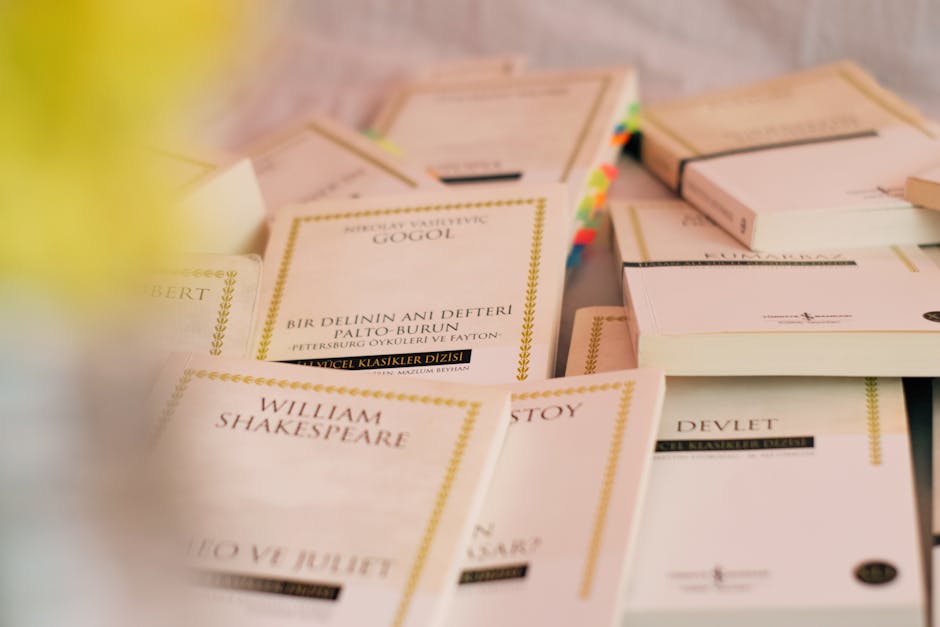
Explore Split's literary heritage on this self-guided walk through the Old Town, featuring iconic poets, playwrights, and historic theaters.
 Easy
EasySplit, Croatia
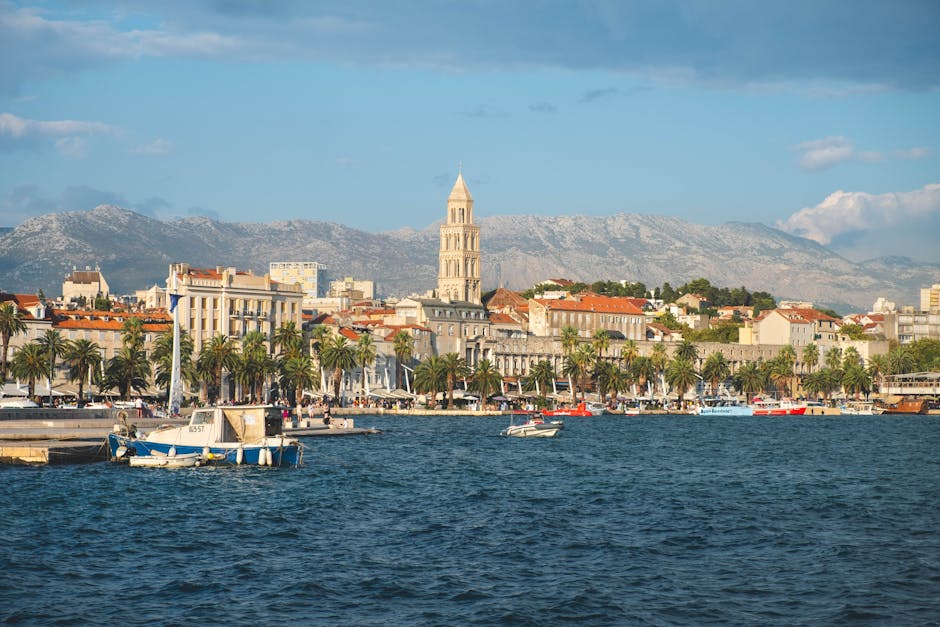
Discover the soul of Split on this coastal stroll from the bustling Riva to the sandy shores of Bačvice beach. Perfect for culture and photography.
 Easy
EasyNairobi, Kenya
Explore Nairobi's architectural evolution from colonial-era landmarks to iconic Brutalist skyscrapers on this historic self-guided walking route.
 Easy
EasyNairobi, Kenya
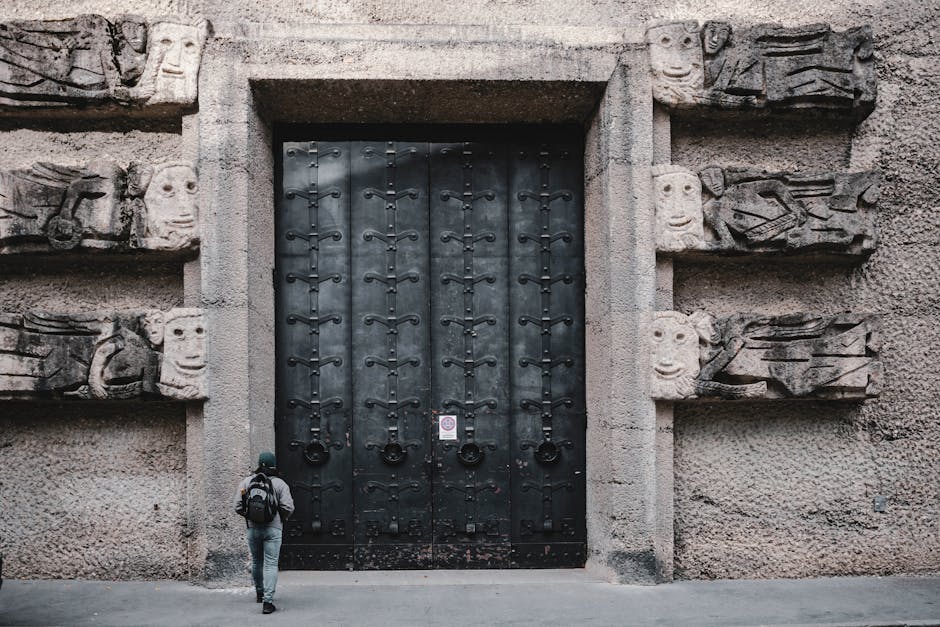
Discover Nairobi's iconic skyline on this self-guided architecture walk through the CBD’s most famous modernist and Brutalist landmarks.
 Easy
EasySalzburg, Austria
Discover the 'Rome of the North' on this self-guided walk through the Baroque squares and monumental legacy of Salzburg’s Prince-Archbishops.
 Easy
EasyKrakow, Poland
Explore the historic heart of Kazimierz on this self-guided walk through synagogues, ancient cemeteries, and vibrant squares.
 Easy
EasyDubrovnik, Croatia
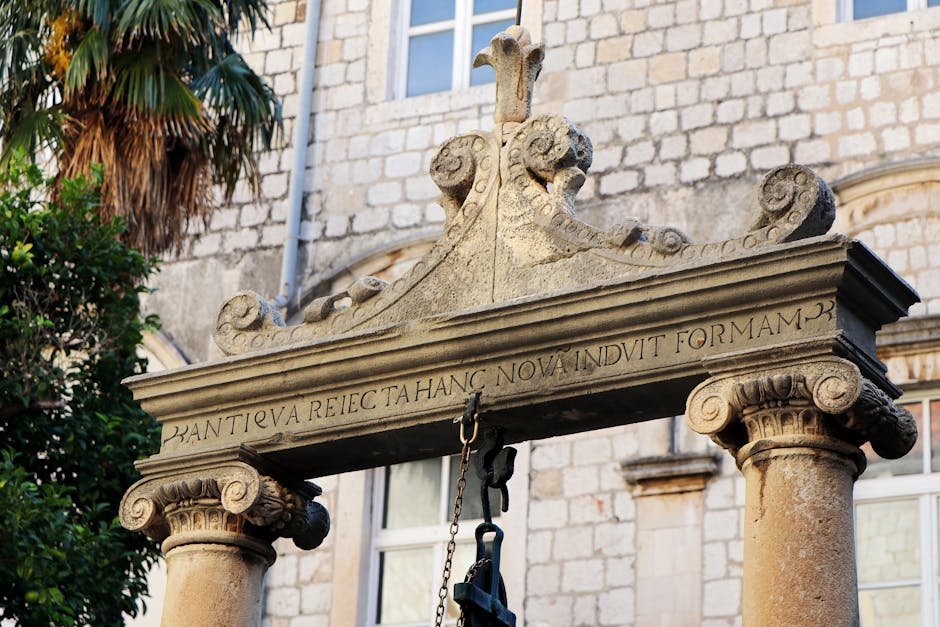
Explore Dubrovnik’s legendary maritime history on this self-guided walk through the Old Port, ancient shipyards, and the historic quarantine station.
 Easy
EasyDubrovnik, Croatia
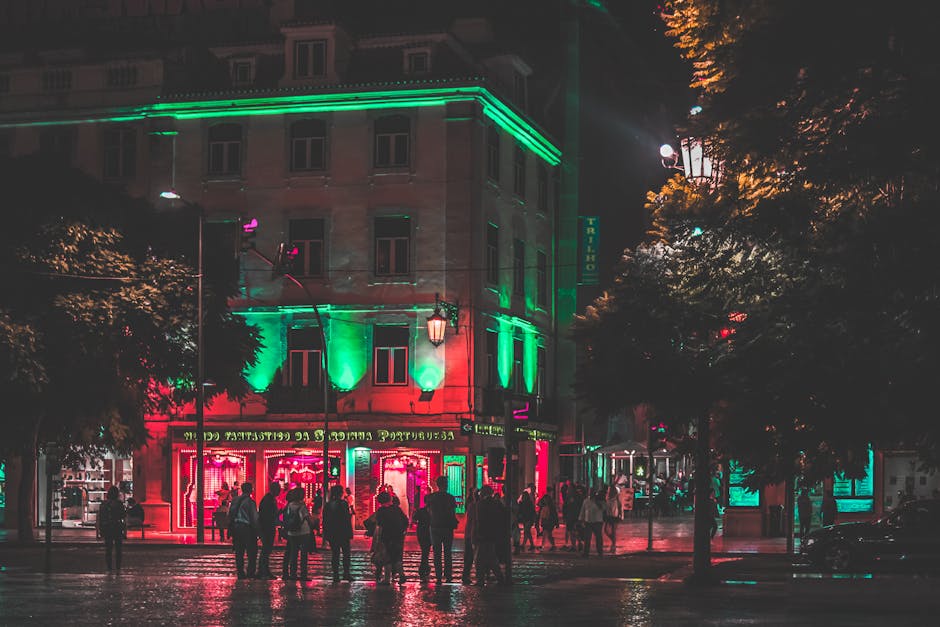
Discover Dubrovnik's nocturnal charm on this self-guided walk through lantern-lit alleys, jazz spots, and hidden cliffside bars.
 Moderate
Dubrovnik, Croatia
Escape the crowds and discover Dubrovnik's wild side on this scenic self-guided coastal walk through Lapad's pine forests and hidden bays.
 Easy
EasyDubrovnik, Croatia
Discover Dubrovnik's intellectual soul on this self-guided walk through ancient libraries, historic pharmacies, and serene monastic cloisters.